Why Are My Solar Panels Not Charging Solutions to Common Issues?

Time:2026-07-17 Author:Isabella
0%

When solar panels fail to charge, questions arise. "Why are my solar panels not charging" becomes a pressing concern. Many homeowners rely on solar energy for savings and sustainability. Understanding common issues is essential for effective troubleshooting.

Solar panels may experience several problems preventing them from functioning optimally. Issues can stem from shading, dirt, or faulty connections. Sometimes, the inverter could be malfunctioning, leading to poor performance. Identifying these factors can guide you toward a solution.

Reflecting on your solar setup is crucial. Regular maintenance can prevent many charging issues. Evaluating panel alignment and cleanliness might reveal something overlooked. Addressing these details ensures your solar system operates at its best, maximizing energy production.
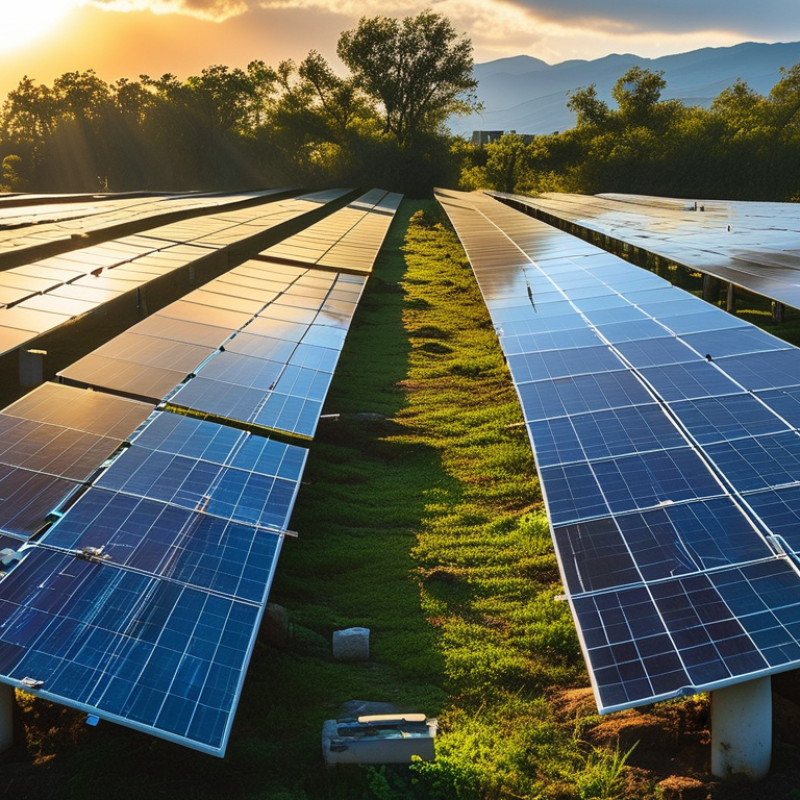
Why Are My Solar Panels Not Charging Solutions to Common Issues?

Understanding Common Issues That Prevent Solar Panels from Charging

Solar panels can encounter various issues that hinder their charging capabilities. Understanding these common problems is essential for effective troubleshooting. For example, shading from trees or buildings can significantly reduce solar panel efficiency. According to the National Renewable Energy Laboratory, shaded panels can lose up to 50% of their output. This underlines the need for regular maintenance and inspection of surroundings.

Another issue is dirt and debris accumulation on the panels. A study by the Solar Energy Industries Association found that even a thin layer of dust can decrease energy production by around 20%. Cleaning panels regularly can mitigate this loss. Additionally, inverter malfunctions are a common concern. Inverters convert solar energy into usable power. If they fail, the entire system may stop functioning. Monitoring inverter performance is crucial for maintaining efficiency.

Sometimes, improper installation can lead to persistent problems. Panels may not be angled correctly for optimal sunlight exposure. Reflecting on installation practices can help uncover and resolve these issues. Regular audits and performance checks can prevent minor problems from escalating into major failures. These steps will enhance the reliability of solar energy systems, ensuring better performance over time.

Identifying Signs That Your Solar Panels Are Not Charging Properly

Identifying signs that your solar panels are not charging properly can save you time and money. One of the most noticeable indicators is a sharp drop in energy production. If your system shows significantly lower output than expected, investigate further. Check the display on your inverter. An error message may indicate an underlying issue.

Regular maintenance can help prevent problems. Dirty panels can reduce efficiency significantly. Dust, dirt, and debris block sunlight. Occasionally, wash your panels with water. Ensure there are no obstructions like tree branches casting shadows.

Pay attention to the performance during different weather conditions. If your solar panels fail to produce energy even on sunny days, it’s a red flag. Sometimes, wiring issues or a faulty inverter could be the culprit. Consulting a professional can provide clarity on complex issues.

Lastly, monitoring your energy bills is essential. If you notice an increase in your bills, despite having solar panels, it may suggest inefficiency. Regularly review your system's performance. Keep records of your energy output. These details can be vital for troubleshooting.

Exploring Environmental Factors Affecting Solar Panel Performance

Solar panels can struggle to charge effectively due to various environmental factors. One common issue relates to shading. Trees, buildings, or even dirt can block sunlight from hitting the panels. This blockage reduces the amount of energy harvested. Regular cleaning and thoughtful placement of panels can mitigate these problems.

Another vital factor is the angle of the panels. Panels tilted incorrectly will receive less sunlight throughout the day. Seasonal changes can affect this angle. Adjusting the orientation of solar panels can enhance performance during different seasons. Ambient temperature also plays a role. High temperatures can cause panels to operate less efficiently. Testing panel performance on various days can help identify temperature-related issues.

In addition, weather conditions such as cloud cover and rain impact sunlight exposure. Persistent clouds can reduce energy output significantly. Understanding local weather patterns can help set realistic expectations for solar energy production. Neglecting these environmental aspects may lead to disappointment with solar panel performance. Regular maintenance and adjustments can improve reliability and efficiency.

Diagnosing and Troubleshooting Electrical Connections in Solar Systems

When solar panels fail to charge effectively, the issue often lies within the electrical connections. Faulty wiring or loose connections can hinder energy flow, drastically reducing efficiency. According to industry research, around 30% of solar system failures stem from improper electrical setups. Ensuring a solid connection is key to maximizing energy output.

Inspect the wiring regularly. Look for signs of wear or corrosion. Even minor damage can disrupt the entire system. All connections must be secure and free from dirt. A simple visual inspection can often reveal issues before they escalate.

**Tip:** Use a multimeter to test voltage levels. This tool provides a clear picture of your system's performance. Regular testing can help identify weak points in the wiring.

Moreover, consider the quality of connectors used. Industry sources emphasize that high-quality connectors contribute to greater reliability. Using inferior products may save money upfront but could lead to costly repairs later.

**Tip:** Ensure connectors are rated for outdoor use. This prevents premature degradation from environmental stressors. Addressing these common electrical issues can enhance the overall performance of your solar energy system.

Common Issues with Solar Panels Charging

Maintenance Tips to Ensure Optimal Solar Panel Functionality

Regular maintenance is crucial for solar panels to function effectively. Cleaning your panels is a simple yet vital step. Dust, dirt, and debris can accumulate, reducing efficiency by up to 25%. According to the Solar Energy Industries Association (SEIA), this issue can often go unnoticed until energy production drops significantly. It’s recommended to schedule cleaning at least twice a year, depending on local environmental conditions.

Another key aspect is the inspection of wiring and connections. Over time, wear and corrosion can occur. The National Renewable Energy Laboratory (NREL) suggests checking the inverter and connections monthly. Visible signs of wear or frayed cables should not be ignored. These issues can lead to decreased performance or even system failures.

Battery maintenance, if applicable, is also essential. Ensure that batteries are charged properly. Inconsistent charging can lead to shorter battery life. Regularly check the battery level and clean terminals to prevent buildup. Even minor neglect can cause performance hiccups. By attending to these maintenance tasks, you can avoid costly repairs and ensure long-term efficiency.

Why Are My Solar Panels Not Charging Solutions to Common Issues? - Maintenance Tips to Ensure Optimal Solar Panel Functionality

Issue Description Solution Maintenance Tips
Dirty Panels Dust and dirt can accumulate on panels, blocking sunlight. Regularly clean the panels with water and a soft cloth. Inspect panels every few months, especially after storms.
Shading Trees or structures casting shadows can reduce output. Trim trees or relocate panels to receive more sunlight. Regularly check for changing shading conditions throughout the year.
System Error An equipment malfunction can prevent proper charging. Check the inverter or system monitor for error messages. Schedule regular diagnostics with a professional technician.
Battery Issues Batteries can wear out over time and lose storage capacity. Test battery health and replace if necessary. Follow the manufacturer's maintenance schedule for batteries.
Wiring Issues Damaged or loose wiring can disrupt the current flow. Inspect and repair any damaged wires or connections. Regularly check wiring and connections for wear or corrosion.

FAQS

: What common issues can hinder solar panel charging?

: Shading, dirt accumulation, and inverter malfunctions are common issues. They can significantly reduce efficiency.

How does shading affect solar panel output?

Shading from trees or buildings can cause a loss of up to 50% in output, impacting overall performance.

Why is regular cleaning important for solar panels?

Dust and debris can reduce energy production by around 20%. Regular cleaning helps maintain efficiency.

What role do inverters play in solar systems?

Inverters convert solar energy into usable power. A malfunction can halt the entire system’s function.

How can installation issues affect solar panels?

Improperly angled panels may not capture optimal sunlight. Reviewing installation practices can identify problems.

What should be inspected in the electrical connections?

Inspect wiring for wear and secure connections. Even minor damage can disrupt the entire solar system.

How often should you check the wiring and connections?

Monthly checks are recommended to look for wear, corrosion, or frayed cables to avoid performance issues.

What tools can help diagnose electrical problems in solar systems?

A multimeter can test voltage levels and reveal weak points in the wiring for better efficiency.

How does battery maintenance impact solar system performance?

Poor battery maintenance, like inconsistent charging, can reduce battery life and lead to performance issues.

What type of connectors should be used in solar systems?

High-quality connectors rated for outdoor use should be used to enhance reliability and prevent degradation.

Conclusion

If you're wondering, "why are my solar panels not charging," there are several common issues that could be contributing to this problem. First, it's essential to understand the typical signs indicating your solar panels are not functioning correctly. These may include reduced power output or unresponsive equipment. Environmental factors, such as shading, snow buildup, or dirt on the panels, can significantly affect solar performance, making it crucial to assess your installation site.

Additionally, diagnosing electrical connections within your solar system is vital to ensure everything is functioning optimally. Loose or corroded connections can hinder performance and charging capabilities. Regular maintenance, including cleaning the panels and inspecting connections, is key to maximizing the efficiency of your solar energy system. By addressing these factors, you can enhance the charging performance of your solar panels and enjoy their full benefits.

Isabella

Isabella

Isabella is a dedicated marketing professional with a sharp focus on driving brand growth and engagement through strategic content creation. With an extensive background in digital marketing, she combines her passion for storytelling with her keen understanding of industry trends to deliver......