Understanding what happens to solar panels on cloudy days is crucial for potential solar energy users. Cloud cover can affect solar panel performance, but it doesn’t mean generation stops entirely. In fact, many people can be surprised by how well their systems work even under less-than-ideal weather conditions.
Solar panels convert sunlight into electricity, but the intensity of the light matters. On cloudy days, diffuse light still reaches the panels. They can generate power, albeit less than on sunny days. This performance can vary based on the type of panels and local climate conditions. Some panels are designed to perform better in lower light, showcasing advancements in solar technology.
However, it’s important to be realistic. Cloudy days can reduce electricity output significantly. Homeowners should recognize that solar efficiency fluctuates. Understanding these nuances helps users set expectations and appreciate the role of solar energy, even when clouds loom overhead.
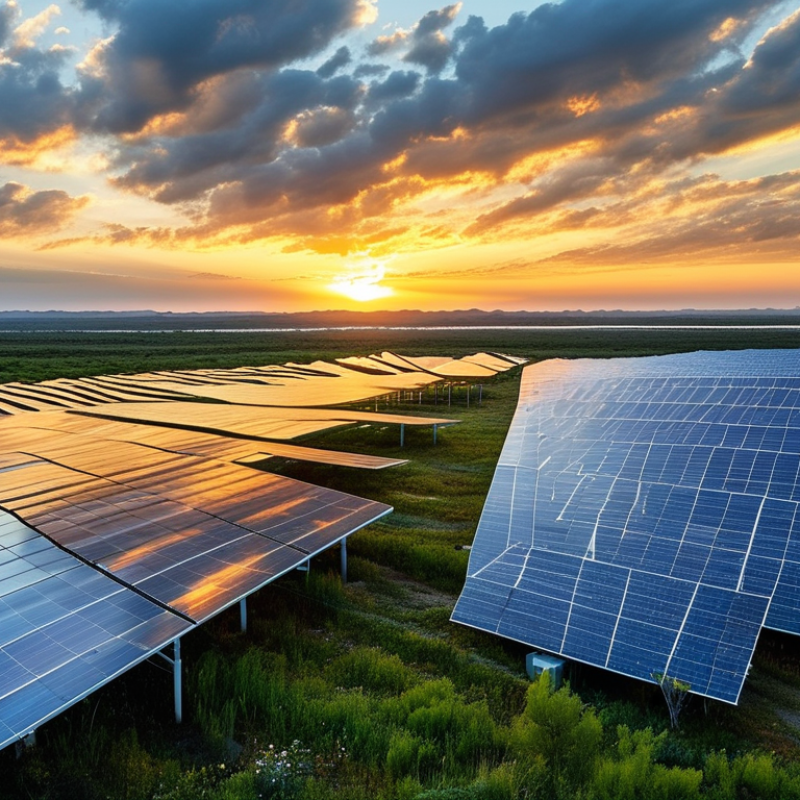
Cloudy days can often raise questions about the effectiveness of solar panels. It is a common misconception that solar panels only generate energy in direct sunlight. In reality, solar panels can still perform reasonably well under cloudy conditions. According to a report by the National Renewable Energy Laboratory (NREL), solar panels can produce about 10-25% of their peak capacity on overcast days. This variation depends on factors such as cloud density and the type of solar technology used.
Photovoltaic (PV) cells can harness diffused light, which is abundant on cloudy days. While the efficiency is lower compared to sunny days, the ability to capture light from different angles plays a crucial role. A study revealed that even in regions with frequent cloudy weather, solar installations can yield significant energy. For example, cities like Seattle have shown promising results, with annual solar energy production nearing 80% of the potential output found in clearer regions.
However, it's essential to note that the energy output can be inconsistent. Seasonal changes and local weather patterns can affect performance significantly. Acknowledging this variability is important for those considering solar energy. It highlights the need for proper system design and energy storage solutions to ensure a reliable power supply, even during less ideal weather conditions.
Solar panels can still generate electricity on cloudy days, but their efficiency declines. Studies show that solar panels can produce about 10-25% of their peak output under heavy cloud cover. Factors like cloud thickness and sunlight angle contribute to this variability. According to the National Renewable Energy Laboratory, changes in weather can impact solar energy production significantly.
The type and angle of your solar installation affect overall performance. Panels tilted at an optimal angle may capture more diffuse sunlight. Regular maintenance helps ensure that dirt, debris, and snow do not obstruct sunlight, thus maximizing efficiency during cloudy periods.
Consider having a battery storage system. It stores excess energy produced during sunny days, compensating for reduced output during overcast weather. Monitoring solar performance through apps can also provide valuable insights. Understanding patterns will help in decision-making for energy use or battery charging.
Solar panels can still generate electricity during cloudy days, but their efficiency drops significantly. Research shows that solar panels produce about 10-25% of their total capacity in overcast conditions. This contrasts starkly with sunny days, where optimal panels can achieve around 80-90% efficiency. A report from the National Renewable Energy Laboratory indicates that while solar energy generation is inherently variable, the technology is becoming increasingly robust, even in less-than-ideal conditions.
Cloud cover diffuses sunlight, allowing solar panels to capture a broader spectrum of light. This can lead to some energy production, but it is not enough to match sunny outputs. Some studies suggest regions with frequent cloud cover might benefit from specific solar technologies, such as Bifacial solar panels. These panels can capture reflected light from surrounding surfaces, maximizing output when direct sunlight is limited.
Tips for optimizing solar panel performance in cloudy weather include regular maintenance to keep panels clean. Dust and dirt can reduce efficiency. Additionally, considering battery storage can help maximize energy use when production is low. Some homeowners find investing in a solar tracking system beneficial. This adjusts the panel angle to catch the most sunlight possible throughout the day, even when clouds pass by. Understanding these factors helps maximize the investment in solar energy.
| Condition | Average Energy Output (kWh/m²) | Efficiency (%) | Performance Ratio |
|---|---|---|---|
| Sunny | 5.5 | 18 | 0.75 |
| Partially Cloudy | 4.2 | 15 | 0.65 |
| Cloudy | 3.0 | 10 | 0.50 |
| Rainy | 1.5 | 5 | 0.30 |
Technological advancements in solar panels have significantly improved performance under low-light conditions. Recent studies indicate that modern panels can generate up to 20% of their rated capacity on cloudy days. This is a substantial increase from earlier models, which struggled to produce any electricity when the sun was obscured. New materials and designs allow solar cells to capture and convert diffuse light more efficiently.
One important factor is that bifacial solar panels, which can absorb light from both sides, show greater versatility in low-light environments. According to a report by the National Renewable Energy Laboratory, these panels can boost energy generation by 10-20% during overcast weather. While this capability enhances reliability, performance may still vary based on geographic locations and specific weather patterns.
To maximize solar energy capture, consider positioning panels at a tilt to optimize sunlight exposure. Regular maintenance is also essential, as dirt and debris can block light even on sunny days. Additionally, investing in solar energy storage solutions can help in producing and using energy more effectively during cloudy periods. Balancing decisions with an understanding of local weather nuances can lead to more efficient energy use in solar installations.
Cloudy days often lead to concerns about solar panel efficiency. It's a common misconception that solar panels do not produce energy when the skies are gray. In fact, they can still function effectively, albeit at reduced capacity. Overcast conditions can filter sunlight, yet solar panels can harness diffuse sunlight. Learning how to maximize efficiency during these times is essential for every solar energy user.
To enhance solar performance on cloudy days, consider the orientation of your solar panels. Positioning them towards the sun's path optimizes light capture, even when it's obscured by clouds. Regular cleaning of your panels also helps. Dirt and debris can block sunlight, reducing efficiency. In addition to this, investing in high-quality solar inverters can improve energy conversion rates, ensuring that you make the most of available sunlight.
Monitoring weather patterns can be helpful. On cloudy days, plan energy-intensive tasks during peak hours. Despite lower sunlight levels, energy production can still be significant. Engage with local energy experts who can provide insights tailored to your region. Solar energy is a promising solution, even amid overcast skies, and understanding its dynamics can lead to greater satisfaction with your energy system.
: Yes, solar panels can generate energy on cloudy days, producing about 10-25% of their peak capacity.
Energy output varies but can reach 20% of rated capacity in low-light scenarios with modern panels.
Factors include cloud density, type of technology, and geographic location, affecting performance significantly.
Modern panels capture diffuse light better, improving energy production under cloudy conditions compared to earlier models.
Bifacial solar panels absorb light from both sides, enhancing energy generation by 10-20% in overcast weather.
Position panels at a tilt for optimal exposure and ensure regular maintenance to clear debris.
No, energy output can be inconsistent due to seasonal changes and local weather patterns.
Yes, energy storage systems can help use generated power effectively, especially during cloudy periods.
Yes, specific geographic locations and weather patterns can significantly impact solar energy production efficiency.
Proper system design is crucial for ensuring a reliable power supply, particularly in less favorable weather conditions.
The article titled "How Do Solar Panels Perform on Cloudy Days?" explores the functionality of solar panels in less-than-ideal weather conditions. It delves into what happens to solar panels on cloudy days, highlighting that while their performance typically decreases due to reduced sunlight, they can still generate electricity. Factors such as cloud density, angle of the sun, and the specific technology of the solar panels significantly influence energy output during overcast conditions.
Furthermore, a comparative analysis reveals that solar panels can produce a notable amount of energy even on cloudy days, albeit less than on sunny ones. The piece also discusses recent technological advancements that enhance solar panel efficiency in low-light situations. Finally, it provides practical tips for maximizing solar energy collection during clouds, ensuring users can optimize their systems for various weather scenarios.

Jonas Energy