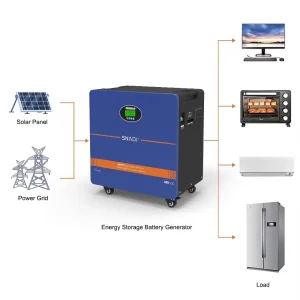
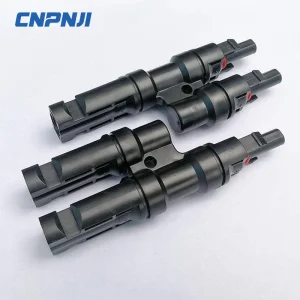
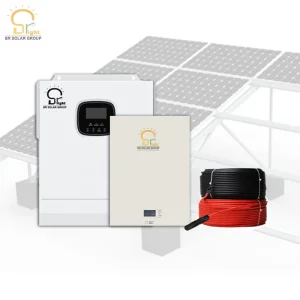
Explore our high-grade core hardware portfolio engineered for high-performance solar tracking, connectivity, and power distribution essential for modern monitoring system deployments.



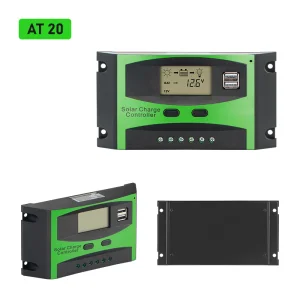
As utility-scale photovoltaic installations and Commercial & Industrial (C&I) microgrids experience rapid global expansion, the necessity for robust, scalable, and secure Solar Power Monitoring Systems (SPMS) has reached an unprecedented peak. Today’s international energy procurement officers, EPC contractors, and asset managers are not merely seeking basic data logging; they require comprehensive telemetry platforms.
Modern monitoring systems serve as the nervous system of solar arrays, providing real-time data on power output, ambient temperature, irradiance levels, and component health. In regions with stringent grid code requirements like North America and the EU, an integrated system that can continuously evaluate Levelized Cost of Energy (LCOE), prevent downtime via predictive maintenance, and facilitate sub-second curtailment is mandatory.
China-based manufacturing hubs have transitioned from simple equipment assembly to supplying state-of-the-art intelligent hardware. These systems combine physical energy distribution units (such as advanced combiner boxes) with IoT edge-gateways and Battery Management Systems (BMS), assuring international enterprise clients of high reliability and rapid ROI.
High Quality Standards: Quality is at the core of everything we do. All products undergo rigorous testing and strict quality control procedures to ensure long-term reliability and performance. Our products comply with international standards and certifications, including IEC, CE, TUV, ISO9001, ISO14001, and other recognized industry certifications, providing customers with confidence and peace of mind.
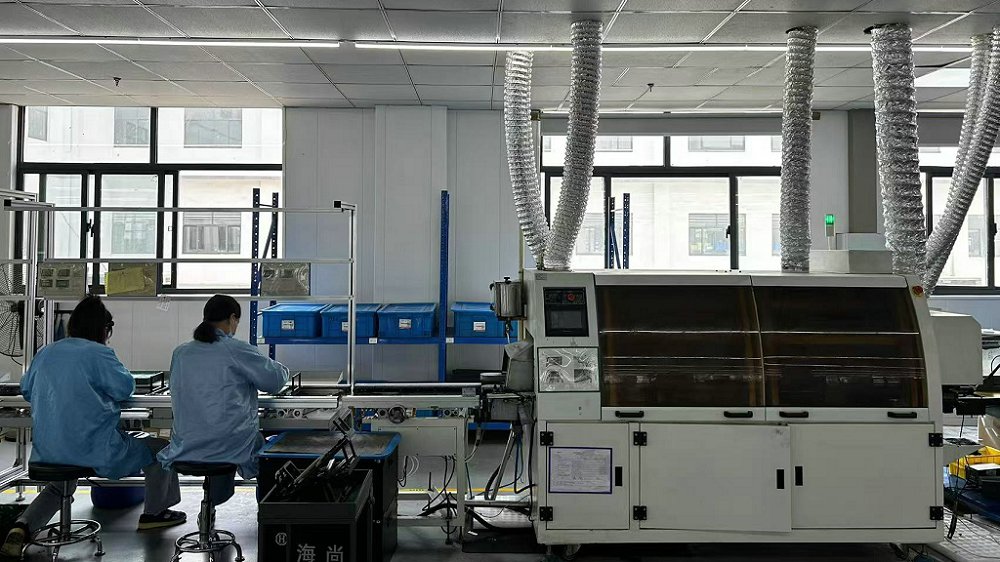
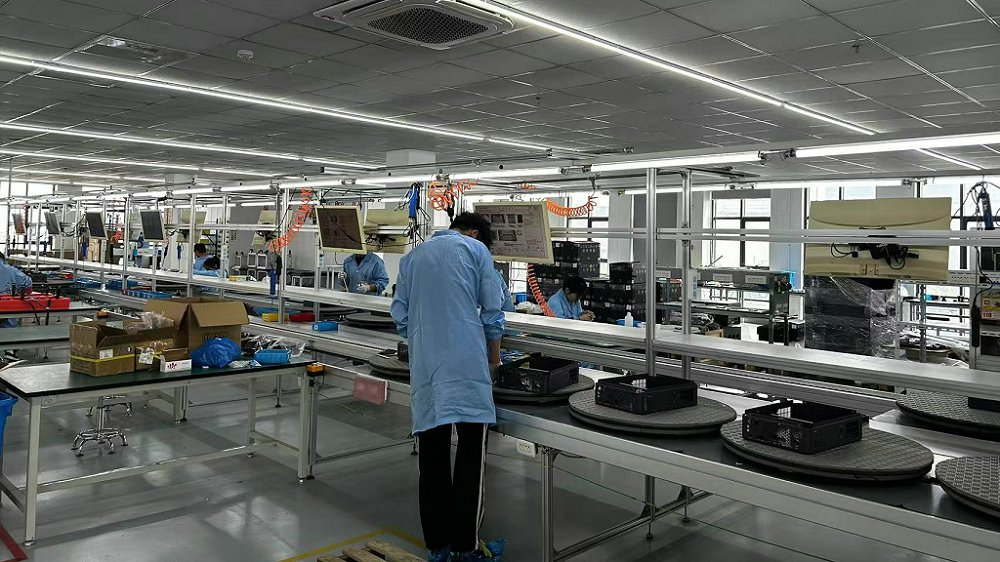
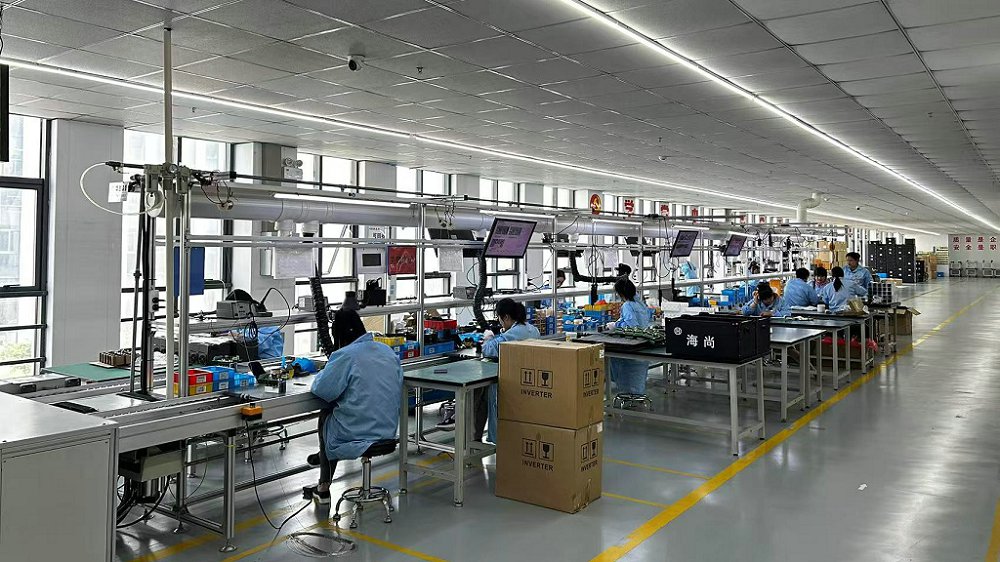
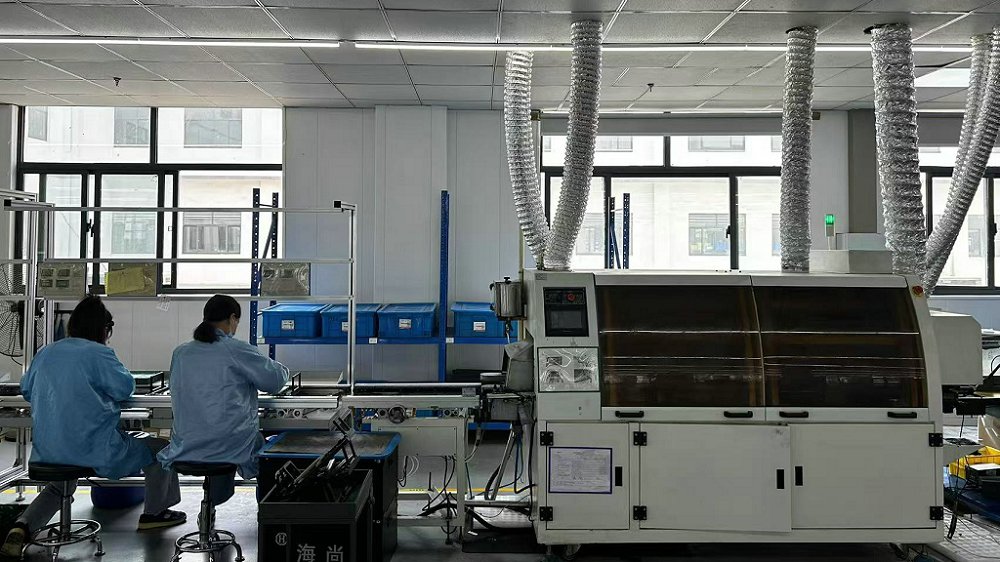
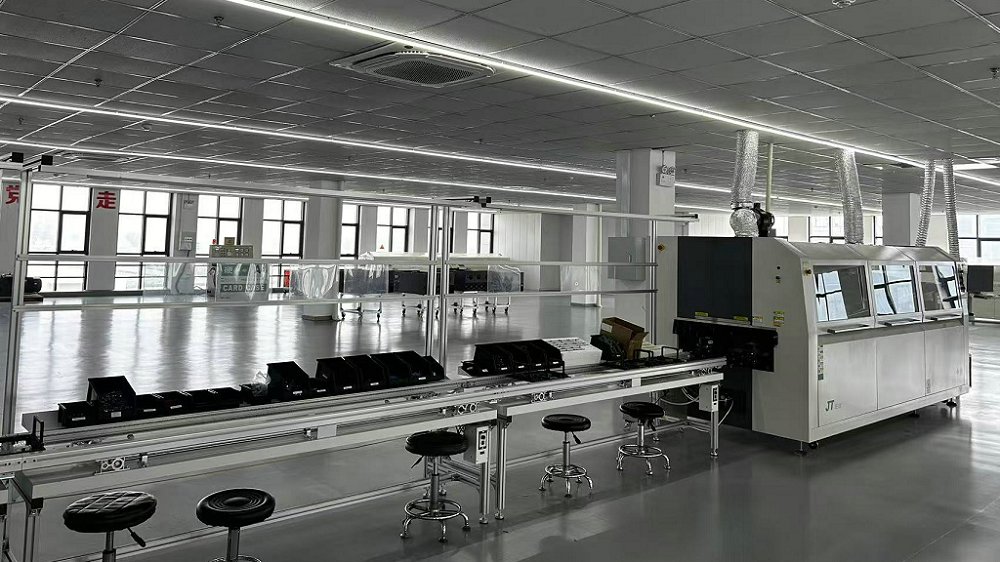
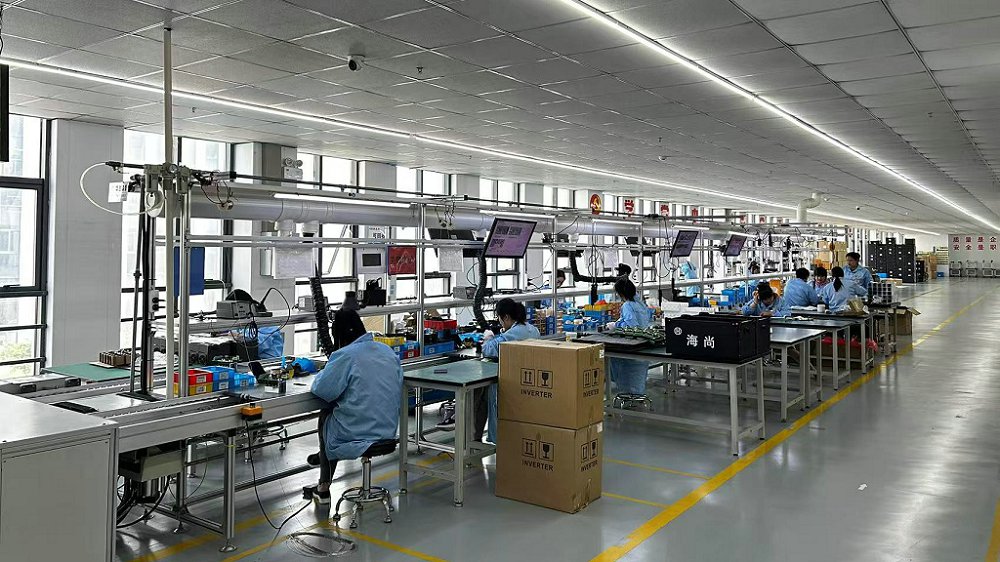
Advanced Equipment & Global Support: Our manufacturing facilities utilize highly efficient and precise production and inspection equipment. Through cooperation with leading industry partners and suppliers, we maintain exceptional product consistency and quality throughout the production process.
Xiamen Jonas Energy Co., Ltd. is a professional provider of renewable energy solutions, headquartered in Xiamen, Fujian Province, China. Since its establishment, the company has been dedicated to the research, development, manufacturing, and global distribution of advanced photovoltaic and energy storage products.
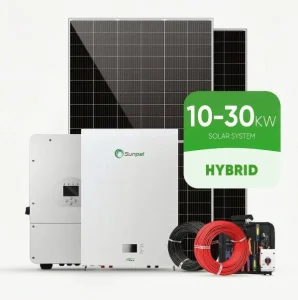
With a strong commitment to innovation and sustainability, Jonas Energy offers a comprehensive portfolio of solar energy solutions, including solar panels, inverters, energy storage batteries, mounting systems, and complete solar power generation systems. Our products are designed to meet the diverse needs of residential, commercial, industrial, and utility-scale projects worldwide.
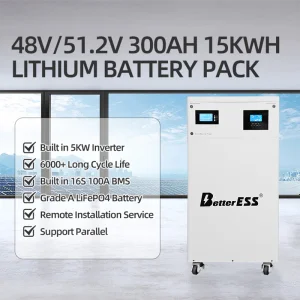
We work closely with internationally recognized manufacturers and technology partners to provide a wide range of reliable energy storage solutions, including wall-mounted batteries, all-in-one storage systems, rack-mounted batteries, and containerized energy storage systems (ESS). Through continuous innovation and strategic partnerships, we help customers achieve greater energy independence and efficiency.
To transition from manual solar monitoring to automated asset optimization, developers must implement structural platforms that unify hardware interfaces with artificial intelligence.
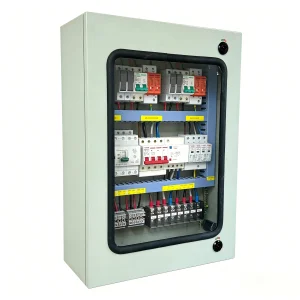
Modern grids demand dynamic active-reactive power control, peak-shaving configurations, and emergency curtailment switches. Our industrial combiner boxes, including the SUPCON JXF-S Three-phase Combiner Box and specialized DC Lightning Protection Combiner Boxes, integrate safety control circuitry directly at the string level. This enables grid operators and energy monitoring software to execute real-time load isolation and protect delicate high-voltage electronics.
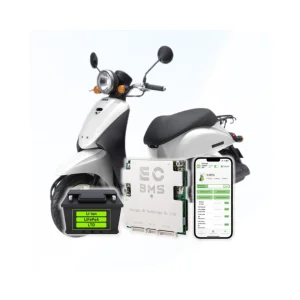
Monitoring does not stop at the solar panels. Complete system awareness involves keeping track of energy storage telemetry. Incorporating smart systems like the ECBMS 4s-20s BMS allows local edge controllers to collect real-time State-of-Charge (SoC), State-of-Health (SoH), temperature variations, and cell balance metrics. This prevents battery degradation and coordinates power routing between hybrid inverters and local consumer loads.
The future of SPMS lies in AI-driven predictive maintenance. By utilizing environmental sensors, smart trackers, and string-level current monitoring, modern software can predict module deterioration or dirty panel efficiency loss. Through neural networks, operators can identify micro-cracks or failing bypass diodes before they lead to catastrophic thermal runaways or severe system shutdowns, thereby reducing operational overheads by up to 30%.
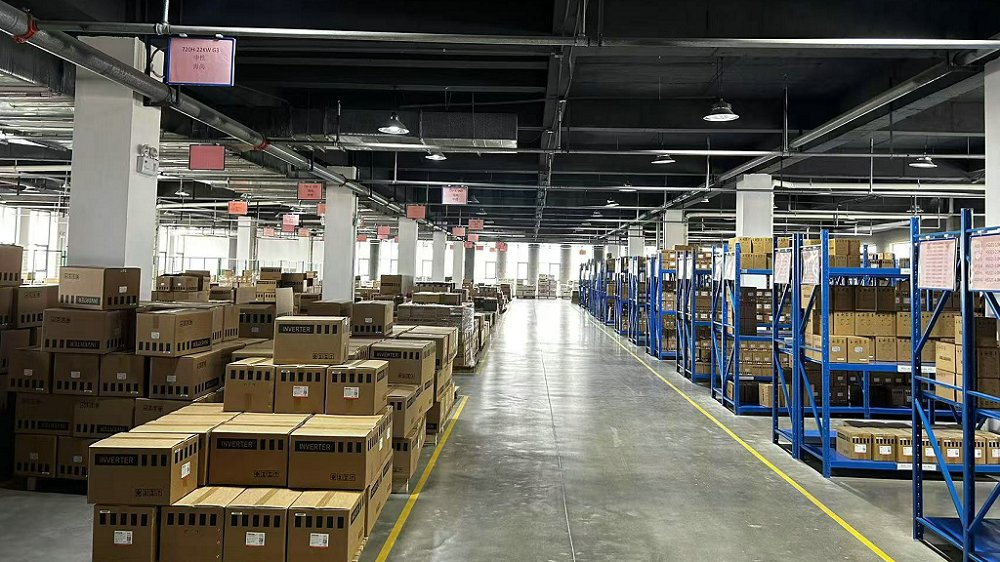
Operating state-of-the-art production floors in China, Jonas Energy implements rigorous process management, automated welding, UV coating, and comprehensive thermal and aging stress tests.
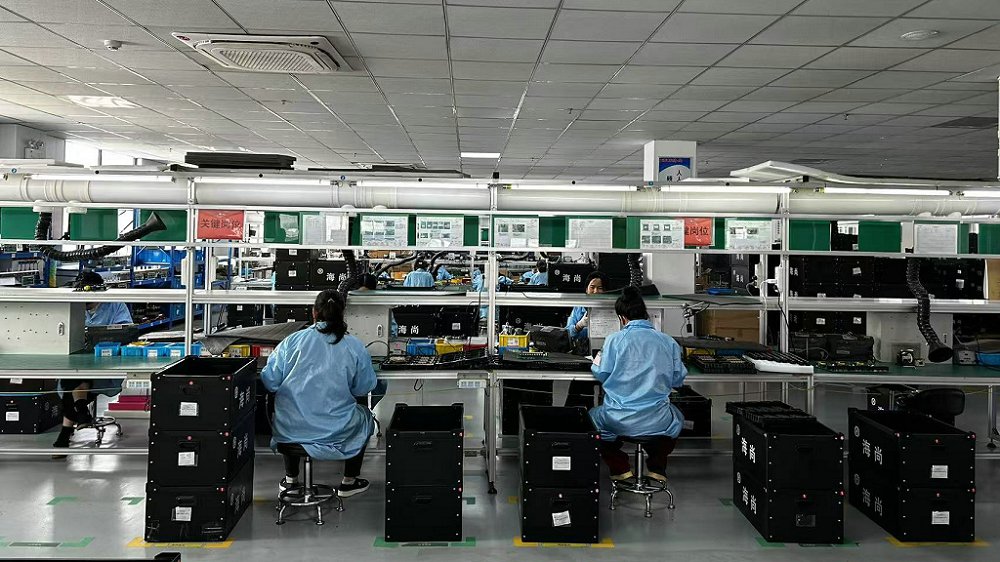
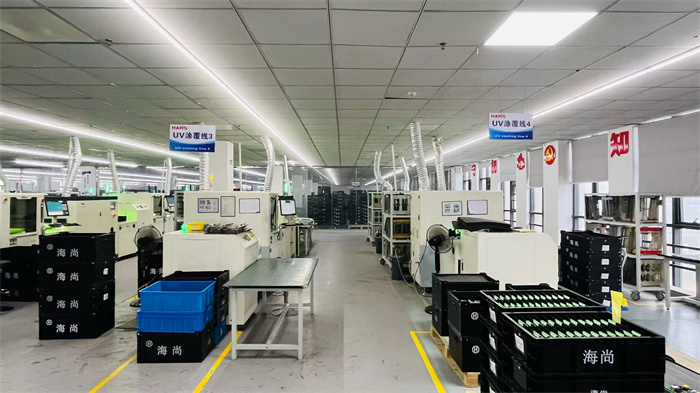
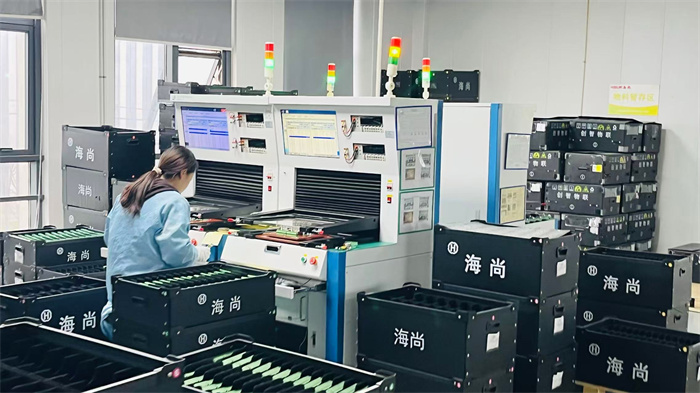
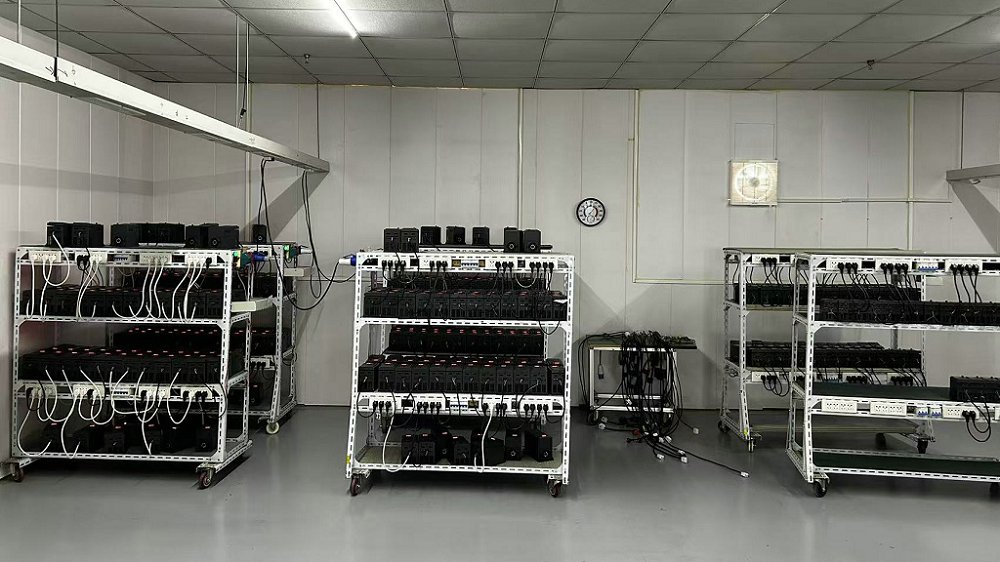
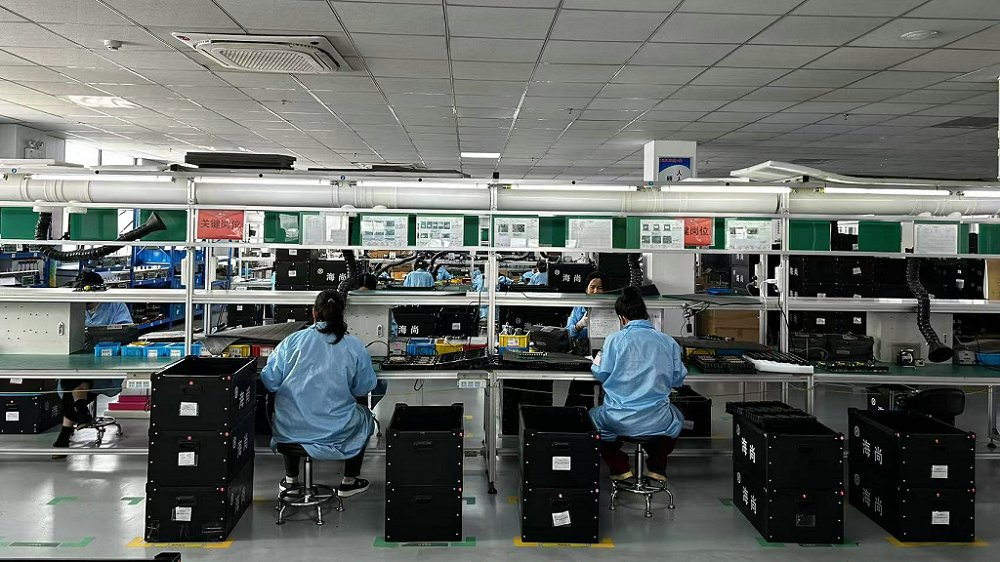
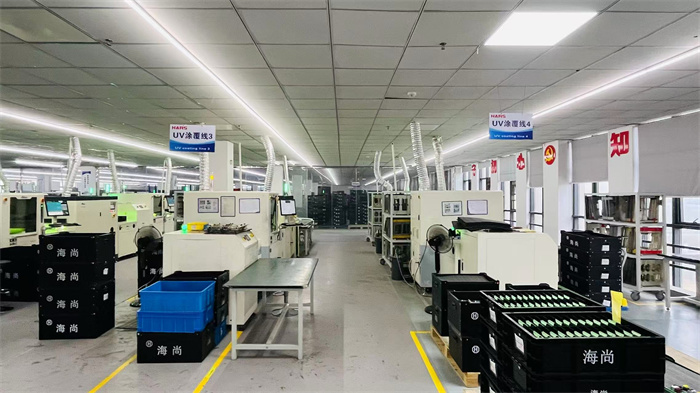
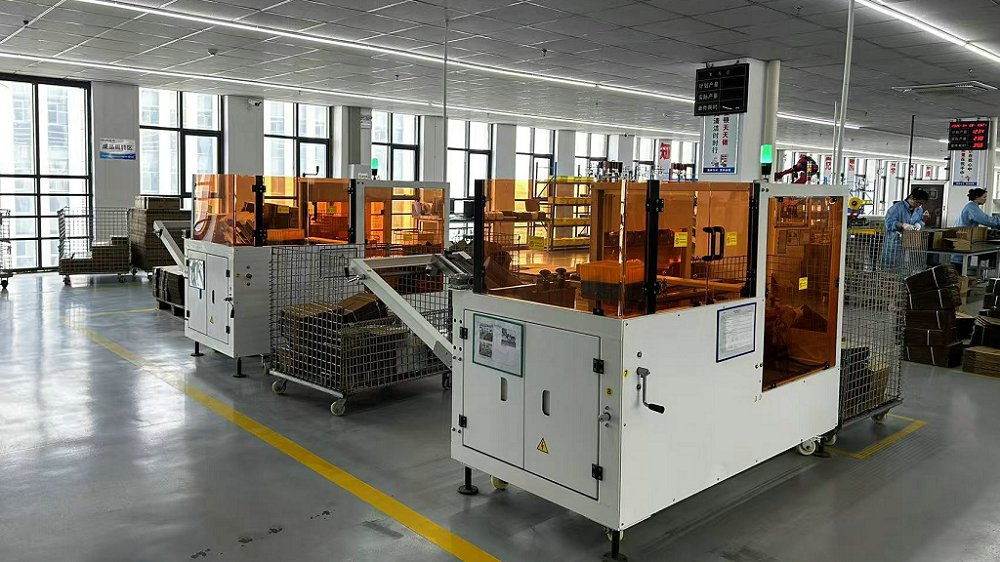
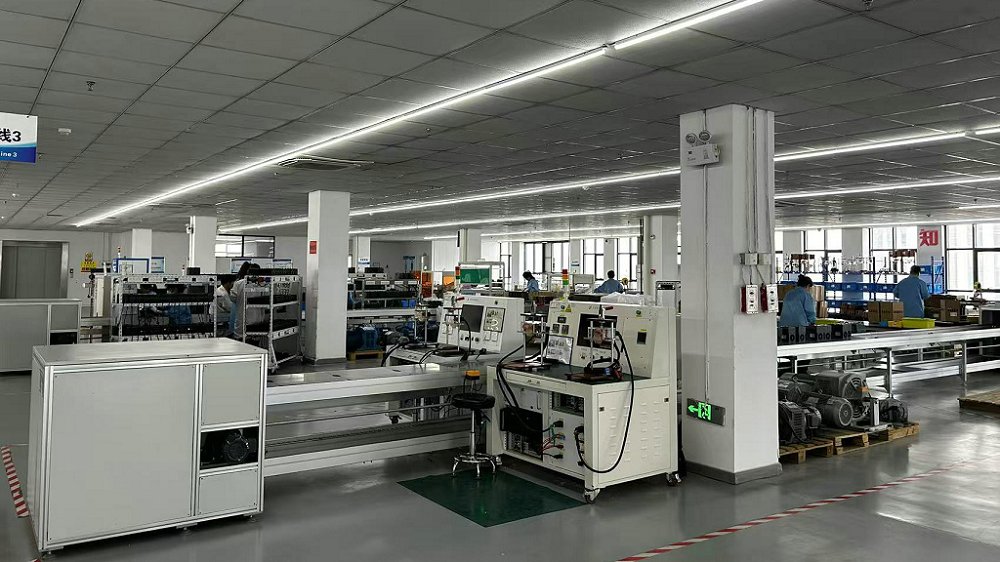
Integrating solar equipment into municipal electrical networks requires adherence to strict certifications. Xiamen Jonas Energy guarantees that all supplied components conform to global safety profiles, minimizing operational liabilities for EPC developers.
From low-loss MC4-compatible solar connectors conforming to strict EN 50521 standard requirements to containerized hybrid energy storage configurations aligning with IEC 62933, compliance is embedded in our engineering DNA.
For commercial warehouses or utility fields, structural engineering integrity is vital. Our modular steel workshops and adjustable mounting clamp solutions are structurally engineered using FEA (Finite Element Analysis) to withstand seismic waves and wind velocities up to 60 m/s. This ensures the protection of the solar assets and their corresponding monitoring sensors under extreme conditions.
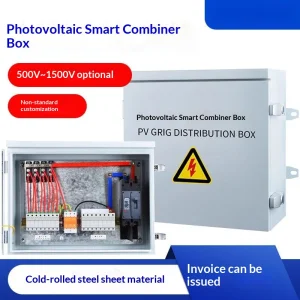
A combiner box aggregates the outputs of multiple solar module strings into a single DC bus. By integrating surge protection devices (SPDs) and intelligent monitoring units (current sensors, voltage sensors, and temperature probes) within the combiner box, operators can monitor individual string performance. This allows for the rapid identification of underperforming modules, shade issues, or wiring faults.
Most modern Battery Management Systems, such as the ECBMS, utilize CAN (Controller Area Network) bus, RS485, and UART interfaces to communicate with hybrid or off-grid inverters. Supported software protocols include Modbus-RTU and Modbus-TCP. These protocols facilitate the transmission of data, including state of charge (SoC), voltage, and cell temperatures, to coordinate charge and discharge rates.
Central inverter monitoring provides aggregated data for the entire system, which can mask issues with individual panels or strings. String-level monitoring allows operators to track the performance of small groups of panels. This enables the precise identification of local faults, micro-cracks, dust accumulation, or wiring degradation, reducing troubleshooting time and maximizing system uptime.
IP68-certified copper pins provide high ingress protection against water and dust, preventing internal corrosion. Solid copper pins also exhibit lower electrical contact resistance than standard alloys. This reduces energy losses and prevents hot spots in connection terminals, ensuring long-term system stability under high-voltage configurations.
A high-quality BMS, such as the ECBMS, serves as the primary safety controller for lithium batteries (e.g., LiFePO4). It monitors cell voltages, temperatures, and current levels to prevent over-charging, over-discharging, and thermal runaways. This protection is critical for compliance with safety standards such as UL 1973 and UN38.3.
Explore our selection of commercial and residential energy storage systems, custom hybrid combiner boxes, and advanced battery management controllers.

 Jonas Energy