Explore our top-tier industrial configurations designed for rapid installation, robust off-grid operation, and unmatched thermal management.
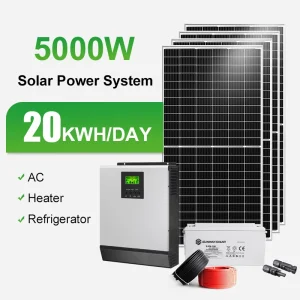
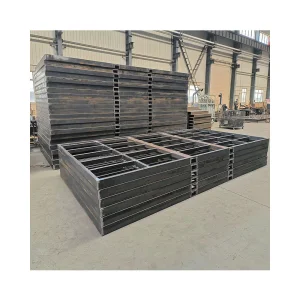
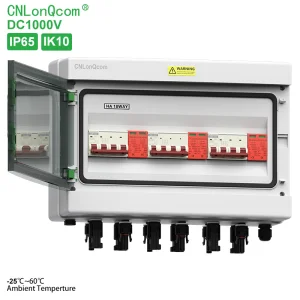
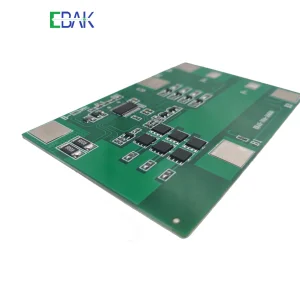
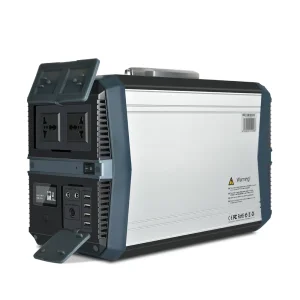
As commercial enterprises prioritize energy resiliency and transition away from high-tariff municipal grids, deployable portable solar arrays are defining the modern microgrid paradigm.
The contemporary demand for portable solar arrays has transitioned from leisure RV units to high-output industrial architectures. Utilities, mining operators, emergency services, and agricultural conglomerates require decentralized, modular power setups that can be transported via containers, deployed in hours, and withstand hostile climates.
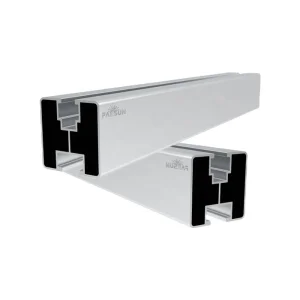
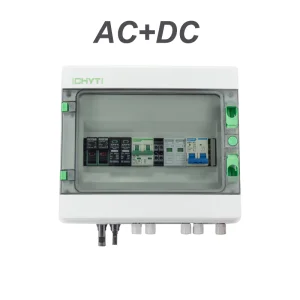
Unlike standard rooftop installations, a portable solar array functions as an integrated energy powerhouse. Incorporating structural components like high-tensile hot-dip galvanized steel mounting kits and marine-grade anodized aluminum rail systems ensures physical stability. By combining these structural frameworks with custom IP65 DC1000V multi-string combiner boxes and active liquid-cooled battery containers, modern portable setups act as fully functional microgrids.
Regionally, the market is expanding rapidly across North America, Australia, and Africa, driven by the expansion of rural communication towers, mining exploration, and remote humanitarian outposts. Organizations are looking for turn-key, zero-maintenance configurations that eliminate local fossil-fuel dependency and reduce operating expenses.
Integrating specialized MPPT solar charge controllers with high-density lithium-ion phosphate (LiFePO4) storage yields up to a 45% reduction in LCOE compared to traditional diesel-fueled generator sets. By minimizing fuel logistics, refueling down-times, and heavy mechanical maintenance cycles, commercial buyers achieve direct ROI within the first 24 to 36 months of deployment.
China's manufacturing supremacy in the PV industry is driven by complete vertical supply chain integration, automated production lines, and strict quality control standards.
Every batch of solar structural frames, combiner boxes, and electrical components undergoes intense vibration testing, salt spray corrosion verification, and mechanical load assessments to secure IEC, TUV, and CE conformity.
Employing high-speed automated UV coating, precise mechanical welding, and premium hot-dip galvanizing technologies allows structural steel elements to maintain integrity in high-humidity or chemical-heavy environments.
Direct integration with premium lithium iron phosphate (LiFePO4) cell producers and structural aluminum refiners allows us to keep production costs stable and lead times short, even during volatile market cycles.
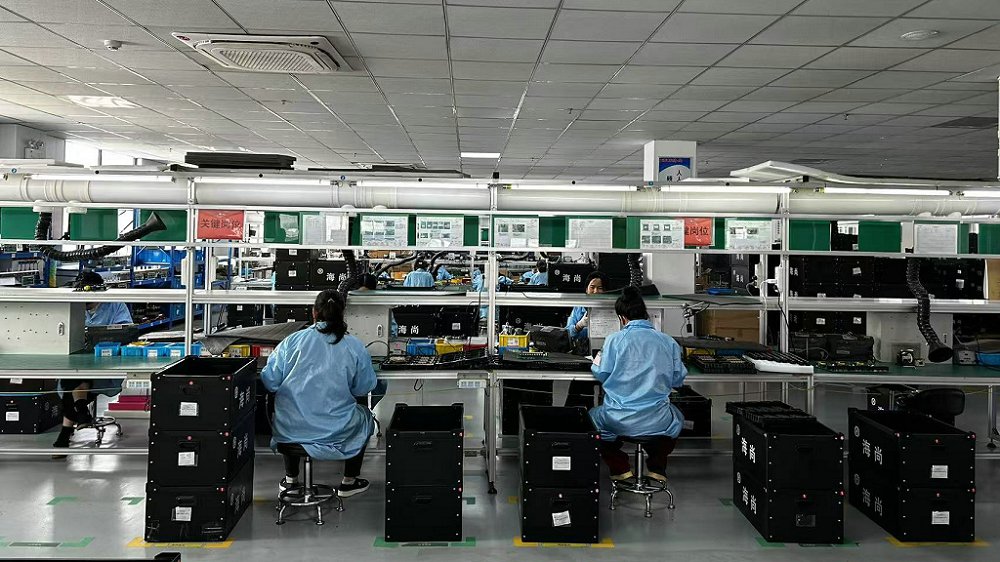 Plate making
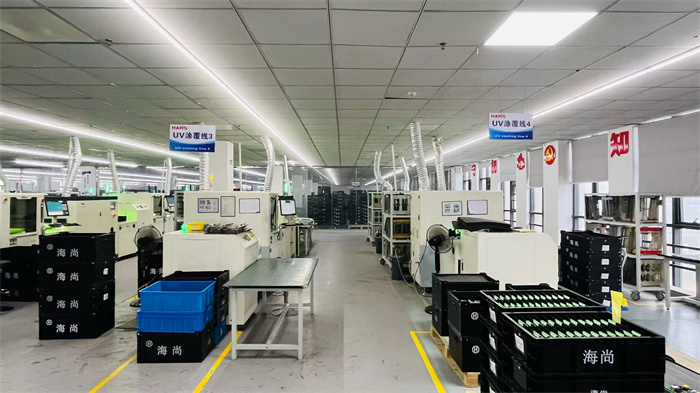 UV coating
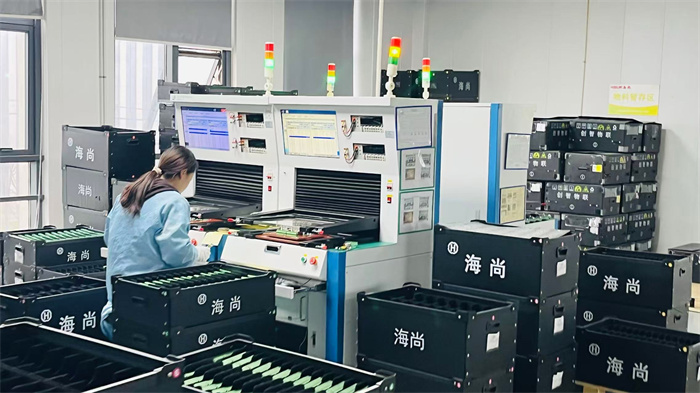 Test
Test
 Aging test
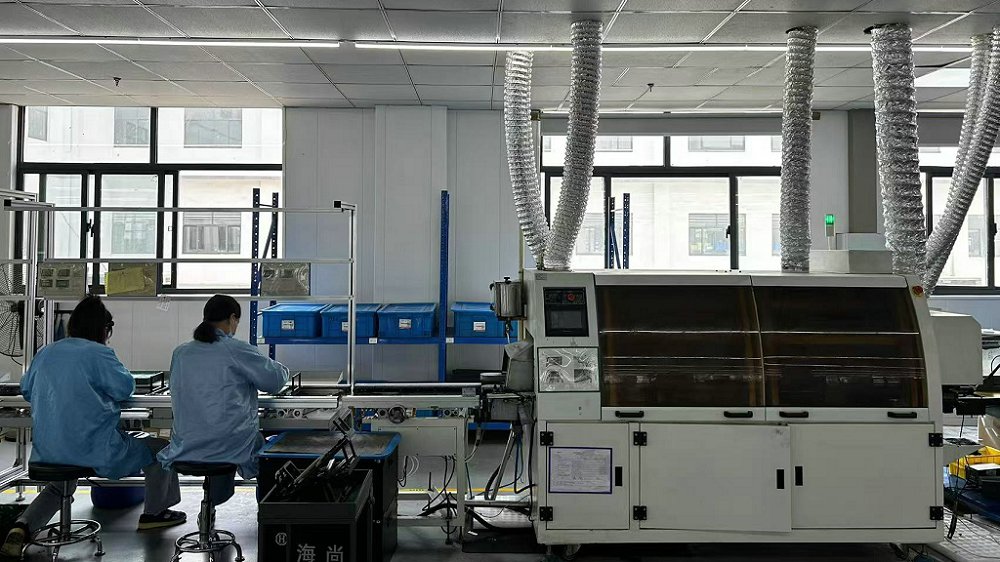 Weld
Weld
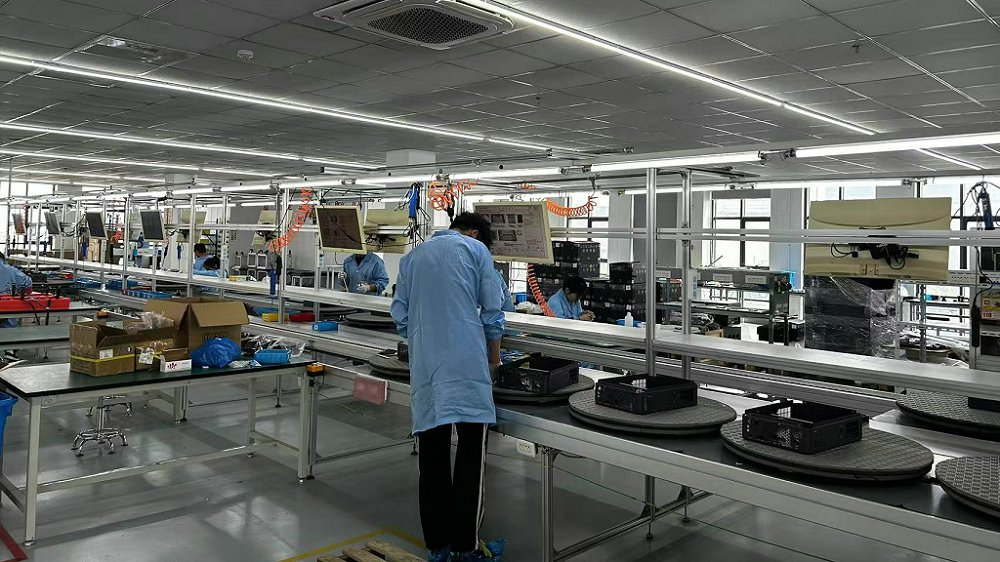 Assembly
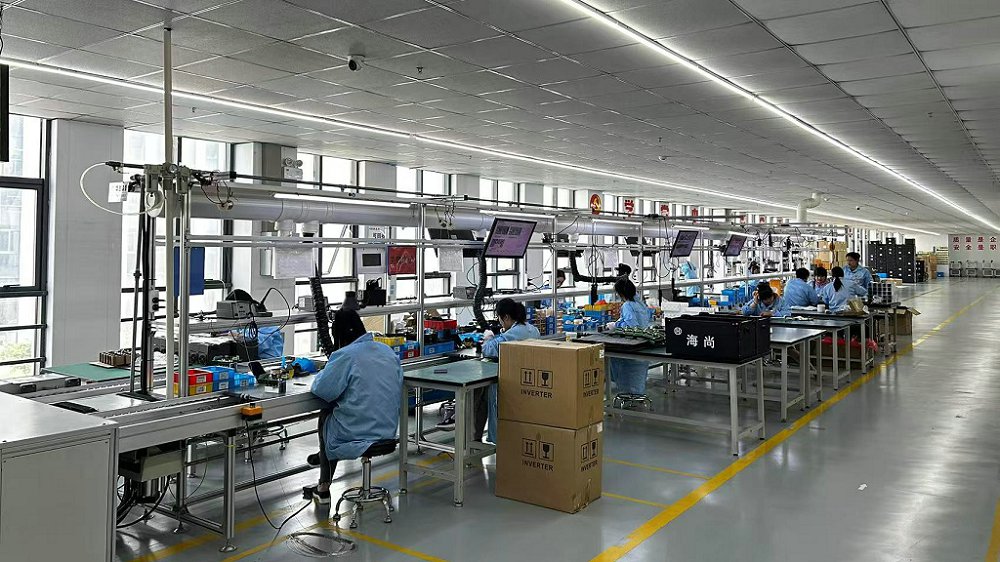 Assembly
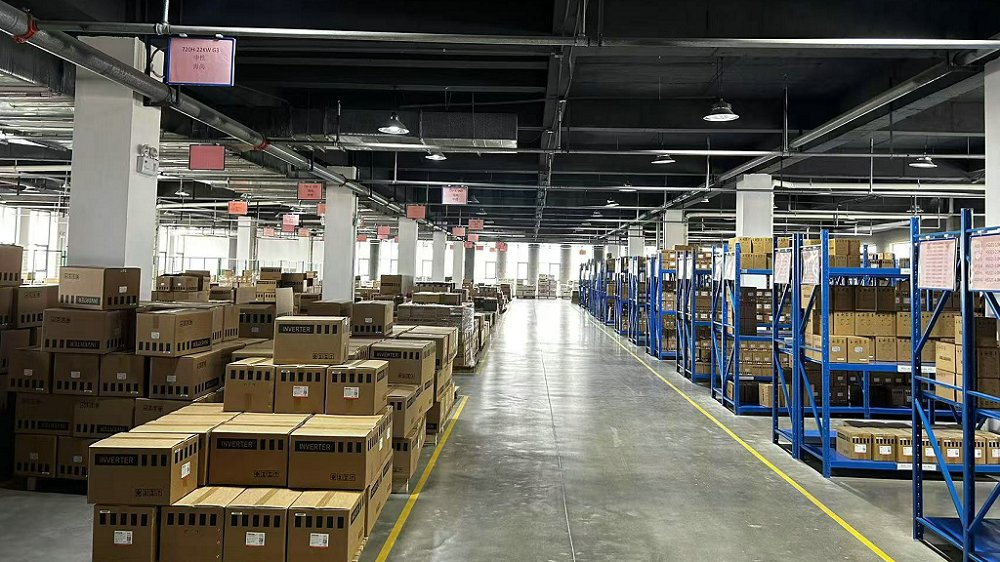 Finished product
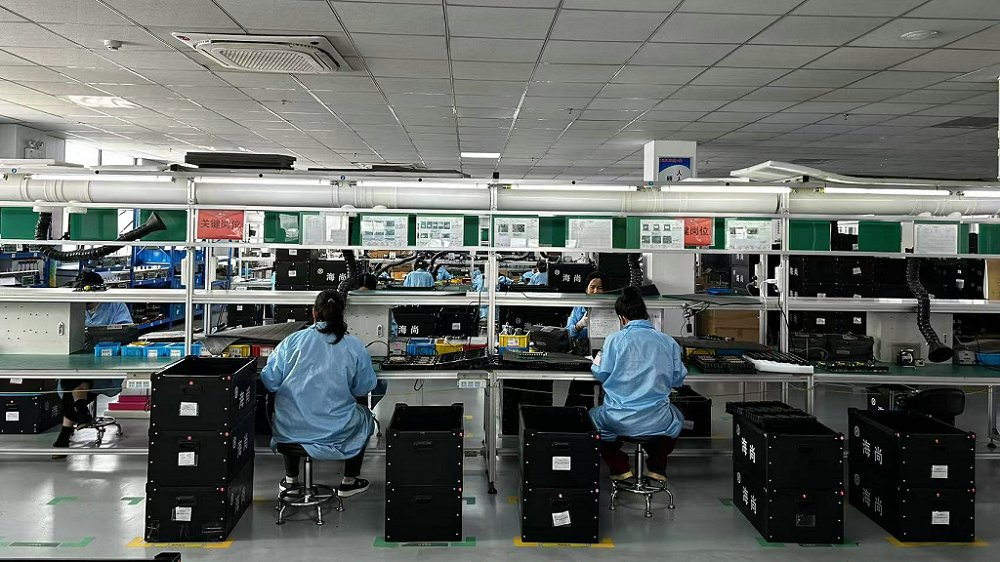 Plate making line
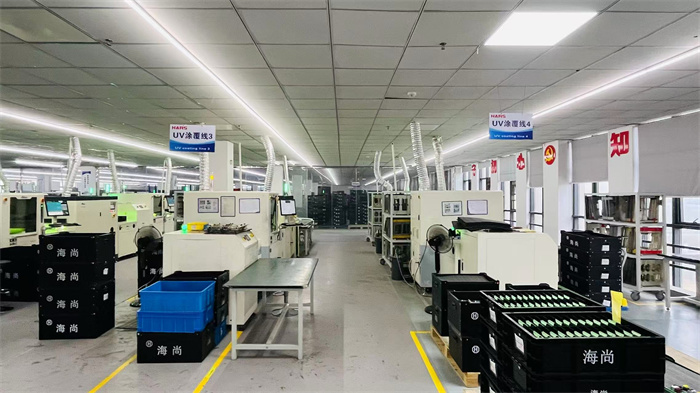 UV coating line
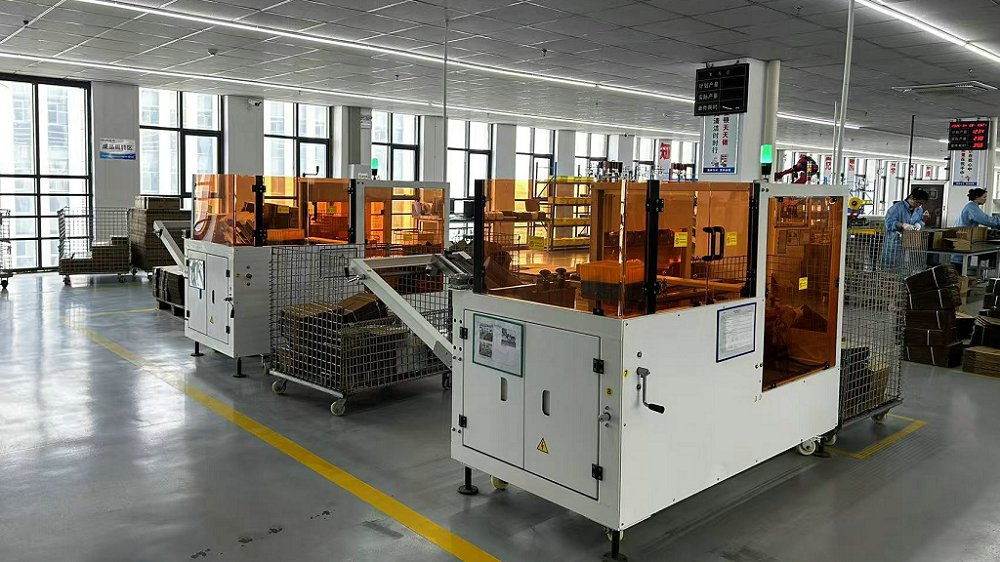 Box opening machine
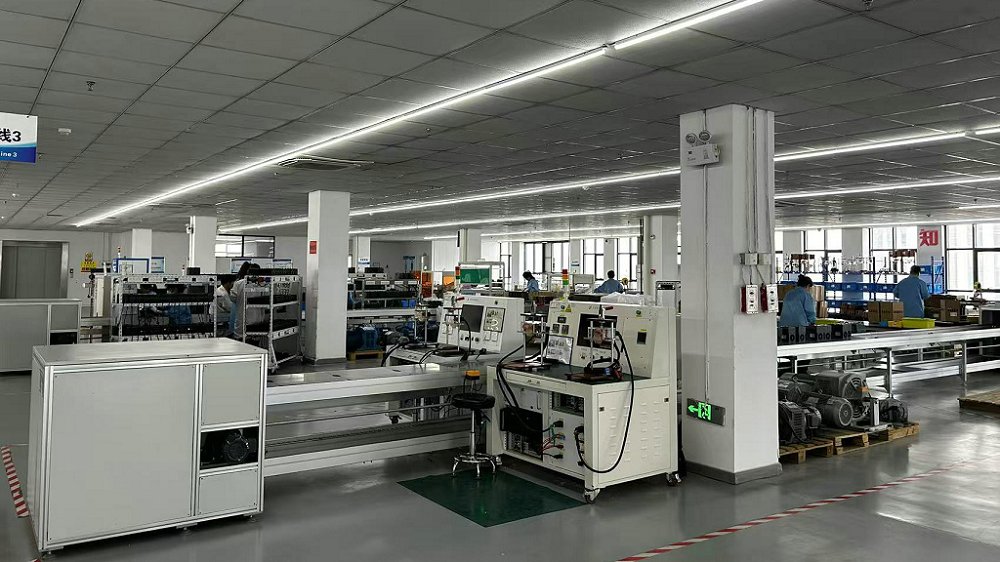 Packaging line
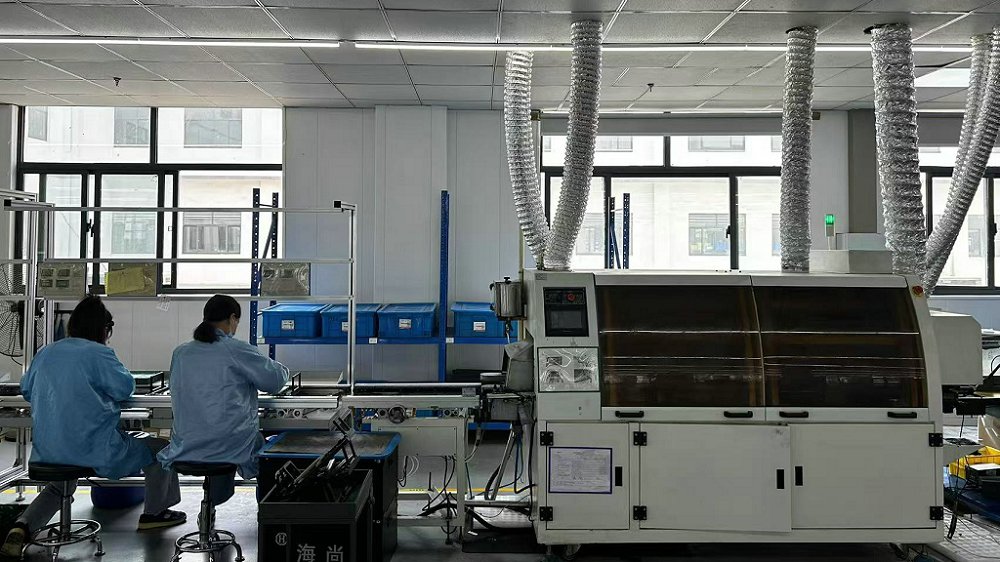 Dip welder
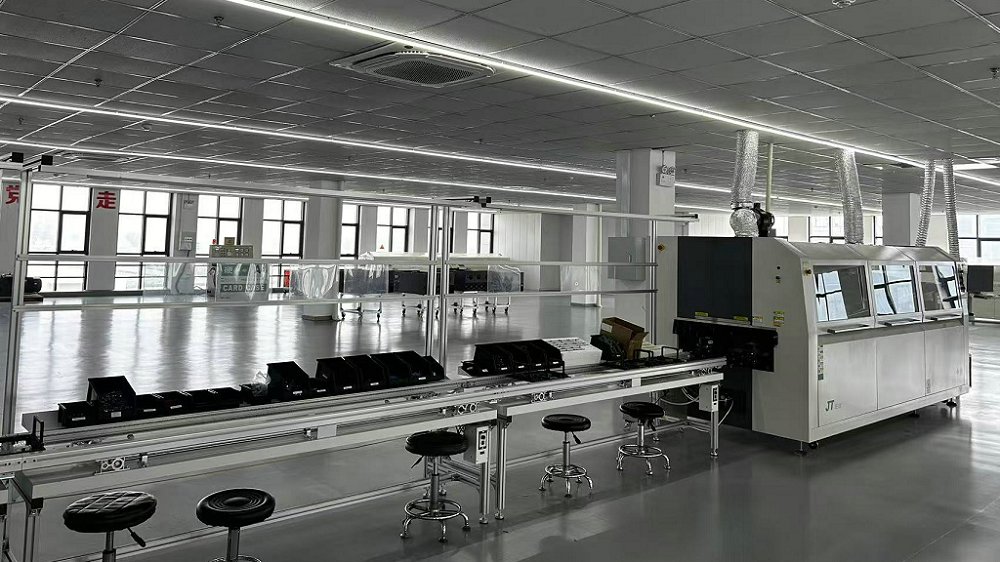 Production line
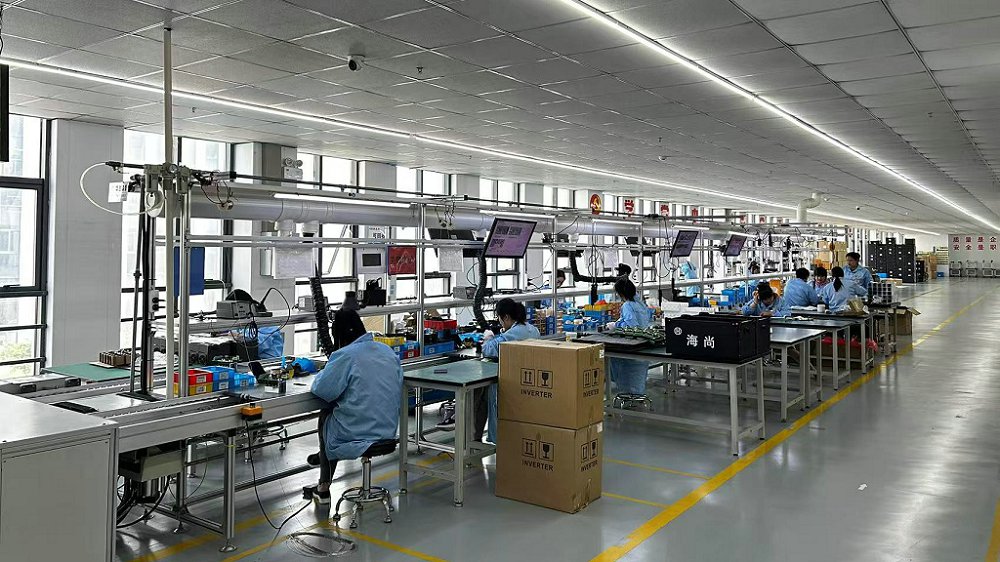 Assembly line
Off-grid systems must adjust to different locations, from saline coastal environments to arid, high-temperature inland locations.
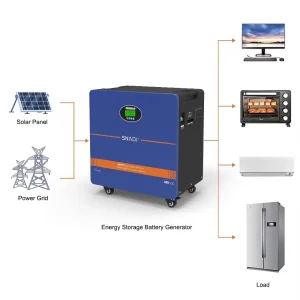
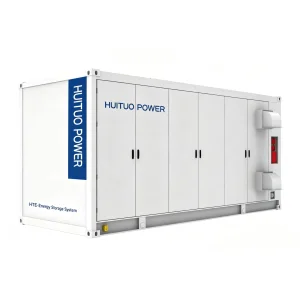
For operations located deep within off-grid areas, setting up a solid power grid is expensive and time-consuming. Utilizing a high-output containerized energy storage system (ESS) matched with deployable solar panels provides reliable power for living quarters, heavy machinery, and testing equipment.
These systems feature robust metal structural frames and surge-protected DC combiner boxes to ensure reliable, continuous operations under extreme physical stresses.
Cellular base stations and data relays situated on rugged hilltops require continuous uptime. Introducing a portable solar array system with a dedicated battery management system (BMS) ensures consistent output during seasonal overcast cycles.
Using hot-dip galvanized parts and structural steel frames protects the installation from ambient weathering, keeping service outages to a minimum.
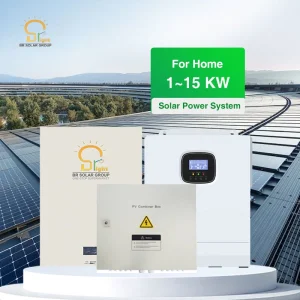
During localized grid failures or natural disasters, emergency response centers require immediate power. Modular 1kW to 5kw portable solar systems can be unpacked and running in minutes, powering essential medical devices, field communication centers, and lighting arrays.
The integrated lithium iron phosphate batteries offer a safer, longer-lasting alternative to liquid fuel generators.
From smart IoT-enabled telemetry to next-generation cell chemistries, the portable solar industry is evolving rapidly to meet modern technological demands.
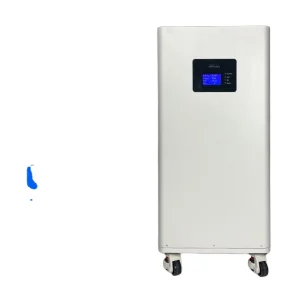
These technological advancements are helping enterprises transition from custom projects to standardized modular designs. Pre-configured setups, such as containerized liquid-cooled LiFePO4 battery banks (ranging from 15kW to 200kW), allow buyers to scale their power capacity by linking additional modules as demand grows.
This approach simplifies structural planning, lowers initial engineering expenses, and accelerates project timelines. It helps global developers, industrial farms, and mining sites deploy clean energy networks quickly and efficiently.
Xiamen Jonas Energy Co., Ltd. is a professional provider of renewable energy solutions, headquartered in Xiamen, Fujian Province, China. Since its establishment, the company has been dedicated to the research, development, manufacturing, and global distribution of advanced photovoltaic and energy storage products.
With a strong commitment to innovation and sustainability, Jonas Energy offers a comprehensive portfolio of solar energy solutions, including solar panels, inverters, energy storage batteries, mounting systems, and complete solar power generation systems. Our products are designed to meet the diverse needs of residential, commercial, industrial, and utility-scale projects worldwide.
We work closely with internationally recognized manufacturers and technology partners to provide a wide range of reliable energy storage solutions, including wall-mounted batteries, all-in-one storage systems, rack-mounted batteries, and containerized energy storage systems (ESS). Through continuous innovation and strategic partnerships, we help customers achieve greater energy independence and efficiency.
As a high-tech enterprise, Jonas Energy operates modern production facilities equipped with advanced manufacturing and testing equipment. Our annual production capacity reaches several gigawatts, enabling us to efficiently serve customers across global markets.
Our experienced R&D team consists of highly qualified engineers and technical specialists who continuously focus on product innovation, performance optimization, and technological advancement in the renewable energy sector. By integrating cutting-edge technologies, we ensure that our solutions remain competitive, efficient, and future-ready.
Quality is at the core of everything we do. All products undergo rigorous testing and strict quality control procedures to ensure long-term reliability and performance. Our products comply with international standards and certifications, including IEC, CE, TUV, ISO9001, ISO14001, and other recognized industry certifications, providing customers with confidence and peace of mind.
Our manufacturing facilities utilize highly efficient and precise production and inspection equipment. Through cooperation with leading industry partners and suppliers, we maintain exceptional product consistency and quality throughout the production process.
Our multidisciplinary team includes experts in photovoltaic technology, energy storage systems, engineering design, project management, and international business. From project consultation and system design to product supply, installation guidance, and after-sales support, Jonas Energy provides complete one-stop solar and energy storage solutions tailored to each customer's requirements.
Find detailed technical and commercial answers to help you navigate custom sizing, transport, and structural specifications.
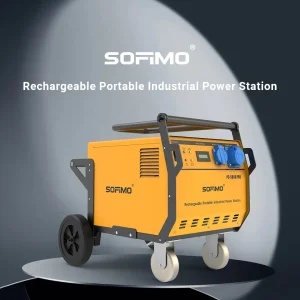
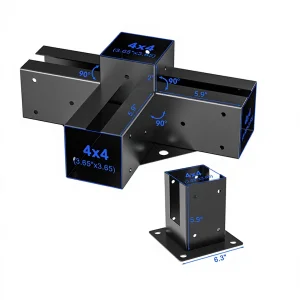
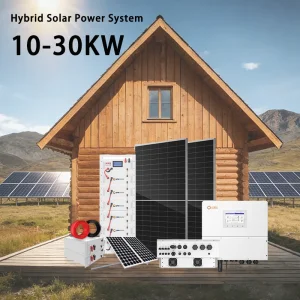
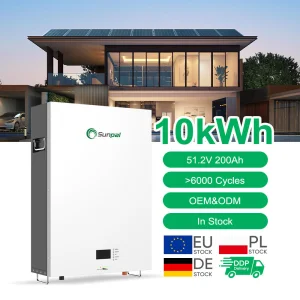
Complete your off-grid system with our rugged power stations, high-capacity battery units, and support accessories.
 Jonas Energy