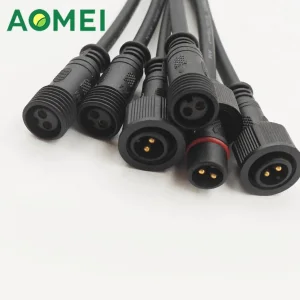
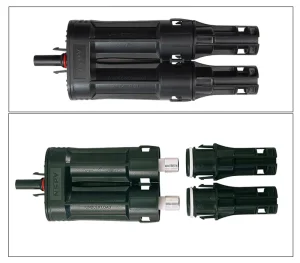
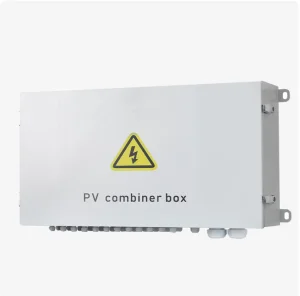
Engineered to maximize efficiency, scale, and safety. Discover our core product range designed for international commercial deployments.

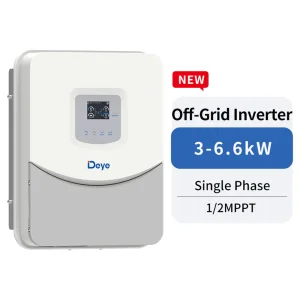
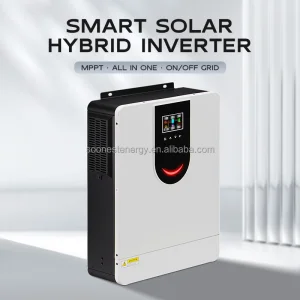
Analyzing the paradigm shift in decentralized energy harvesting, utility-scale power balance, and modern charge control technologies.
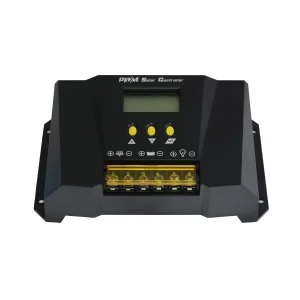
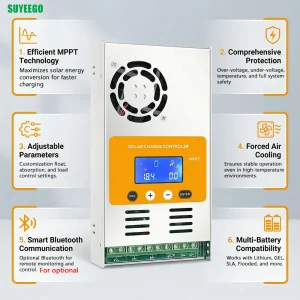
The industry is transitioning from legacy PWM charge systems to ultra-fast Maximum Power Point Tracking (MPPT) architectures. Modern topologies enable tracking speeds under 1 second, increasing raw energy harvest by up to 30% in high-variance meteorological conditions.
Standardizing system voltages from traditional 12V/24V arrays to high-voltage stacks of 51.2V up to 800V DC. This reduction in system current mitigates thermal losses, minimizes required copper wiring cross-sections, and maximizes end-to-end efficiency.
Integration of intelligent computing at the charge station level allows predictive solar yield analysis and real-time battery state of charge (SoC) evaluation, automatically balancing input solar power and utility grid draws.
Solar charge stations and controllers are no longer static power conduits. They function as active nodes within distributed energy resource (DER) grids. As electric vehicles (EVs), rural residential clusters, and telecommunication cell towers migrate off-grid, the demand for highly reliable, ruggedized power modules has surged. This transition demands equipment that can survive harsh environmental stresses—such as extreme heat, marine humidity, and wide voltage swings—while continuously maintaining peak conversion efficiency.
Under modern utility demands, systems must offer bi-directional functionality, allowing stored solar power to flow back to the grid during peak load hours (V2G - Vehicle-to-Grid) or shift dynamically to protect local energy networks from overload conditions.
For procurement officers, solar developers, and commercial EPC contractors, selecting a solar charge station manufacturer demands deep validation across multiple technical benchmarks. A single unit failure in utility-scale or remote commercial deployments triggers massive operational downtime and costly replacement logistics.
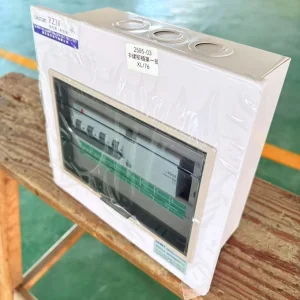
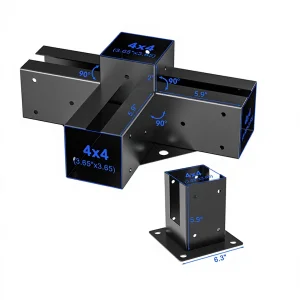
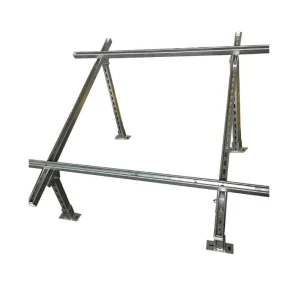
A successful solar rollout relies on the seamless compatibility of sub-components. Combining high-voltage charge controllers, pre-wired combiner boxes, heavy-duty outdoor-rated mounting structures, and waterproof cabling assemblies eliminates integration delay risks during onsite installation phases.
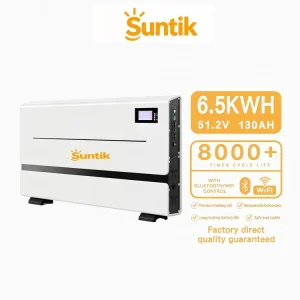
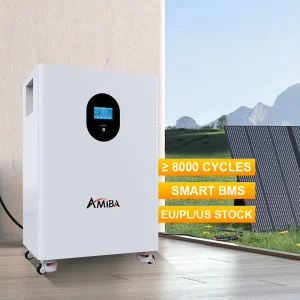
B2B procurement is moving toward Lithium Iron Phosphate (LiFePO4) chemistries owing to their exceptional thermal runaway thresholds, high energy densities, and over 6,000–8,000 cycle lives. Ensuring a manufacturer integrates smart Battery Management Systems (BMS) with cell-balancing technology is critical.
Outdoor stations require robust enclosures, typically fabricated from ABS/PC structural blends or powder-coated aluminum, to achieve IP65 or IP67 ratings. This ensures comprehensive protection against dust, water ingress, and corrosion in chemical-heavy industrial environments.
"The primary driver of modern solar project return on investment (ROI) is not just the initial capital expenditure (CAPEX), but the operational expenditure (OPEX) optimized over a 10 to 25-year service lifecycle. Procuring components with verified IEC, TUV, and UL certifications mitigates systemic deployment risks."
Modern developers require customized energy solutions tailored to specific commercial applications. These include hybrid grid networks that seamlessly switch between utility, solar, and battery storage modes to shave peak usage costs, and off-grid configurations that deliver consistent power in remote mining, agricultural, and emergency response zones.
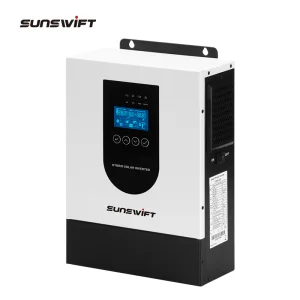
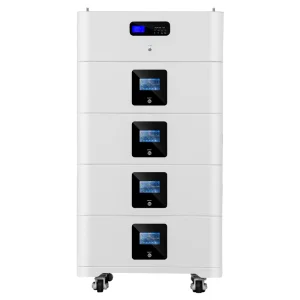
By pairing high-power hybrid inverters (from 5kW up to 10.2kW and beyond) with modular battery walls, organizations can scale storage infrastructure from 10kWh to 100kWh. This modular approach allows enterprises to start with minimal capital outlay and easily scale capacity as demand dictates.
Discover Xiamen Jonas Energy Co., Ltd. - A premier high-tech enterprise driving solar power and energy storage innovation through rigorous quality control.
Headquartered in Xiamen, Fujian Province, China, Xiamen Jonas Energy Co., Ltd. is a professional provider of advanced renewable energy solutions. Since our founding, we have been dedicated to the research, development, manufacturing, and global distribution of state-of-the-art photovoltaic and energy storage products.
Offering a complete energy portfolio, Jonas Energy supplies premium-grade solar panels, high-efficiency hybrid and off-grid inverters, LiFePO4 energy storage battery systems, mounting frames, and fully integrated power systems designed for residential, commercial, industrial, and utility-scale projects worldwide. Through close collaboration with global technology partners, we offer wall-mounted, rack-mounted, and containerized energy storage systems (ESS) that optimize efficiency and energy independence.
Equipped with advanced manufacturing lines and precision testing labs, Jonas Energy manages a yearly production capacity reaching several gigawatts. Our dedicated R&D engineering team focuses on constant innovation, system safety optimization, and long-term durability metrics to ensure every system complies with international regulations, including IEC, CE, TUV, ISO9001, and ISO14001 certifications.
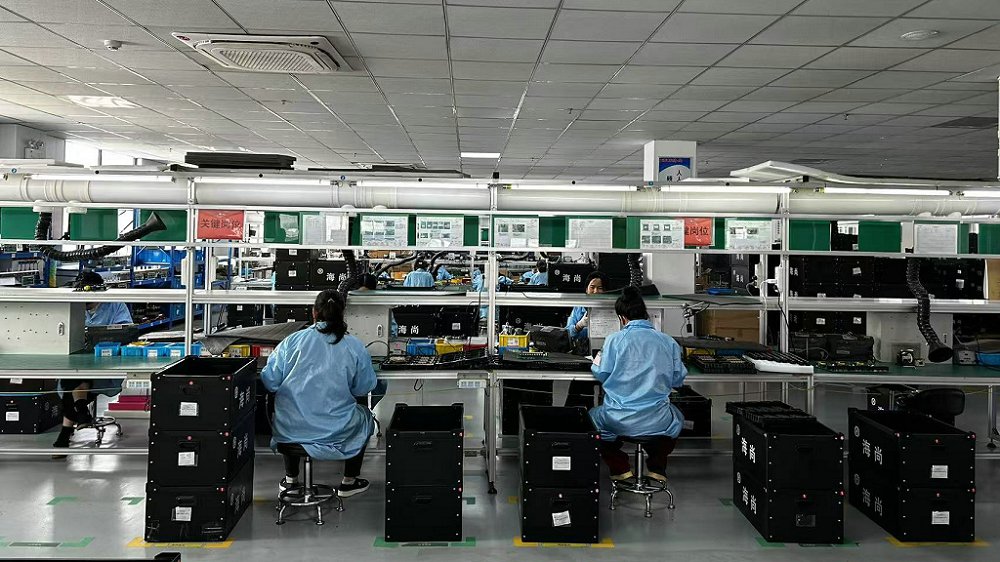
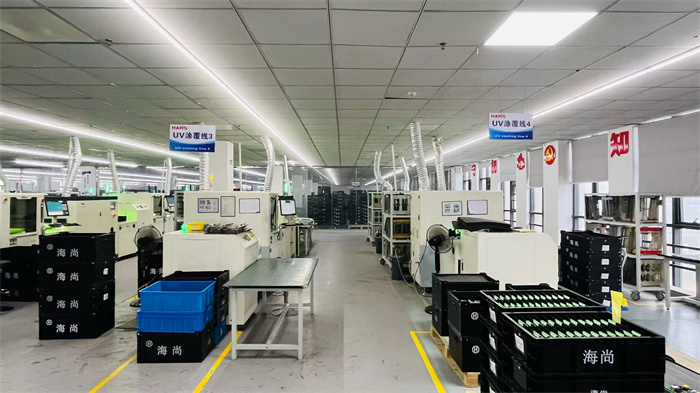
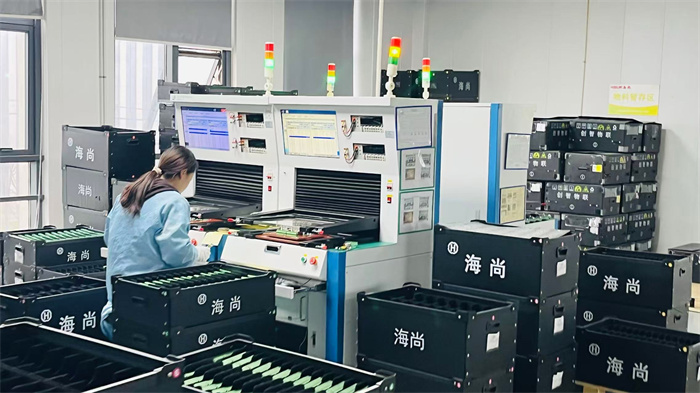
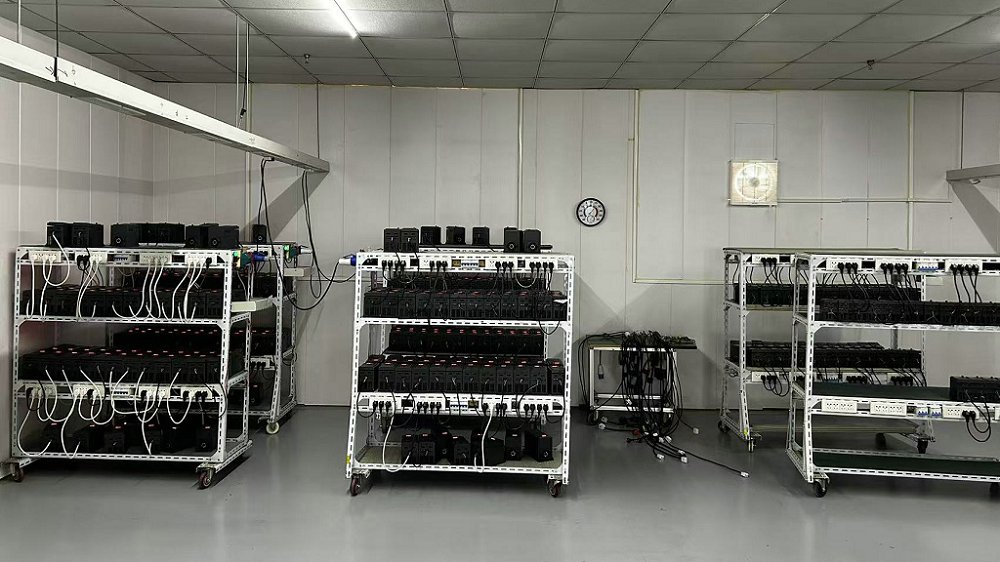
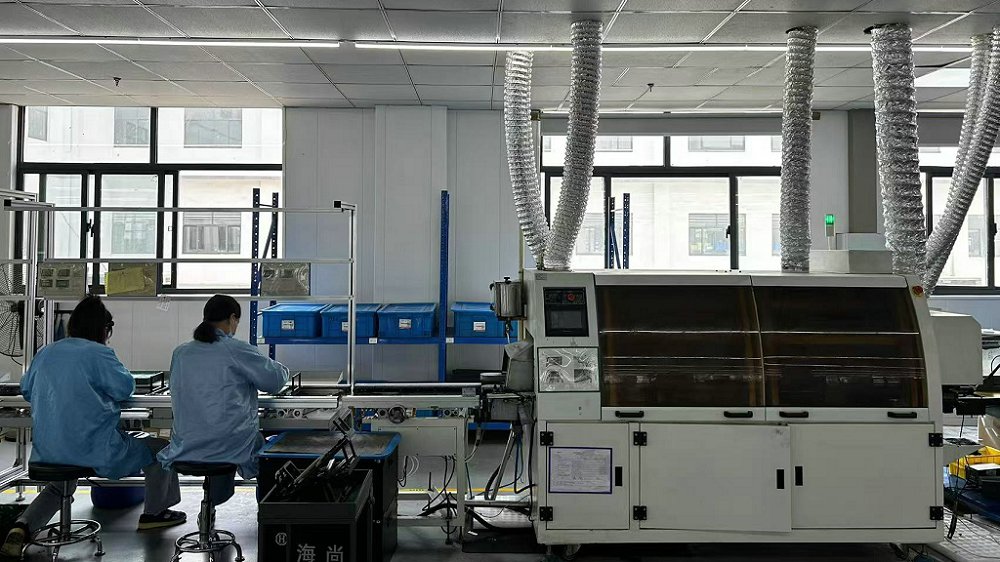
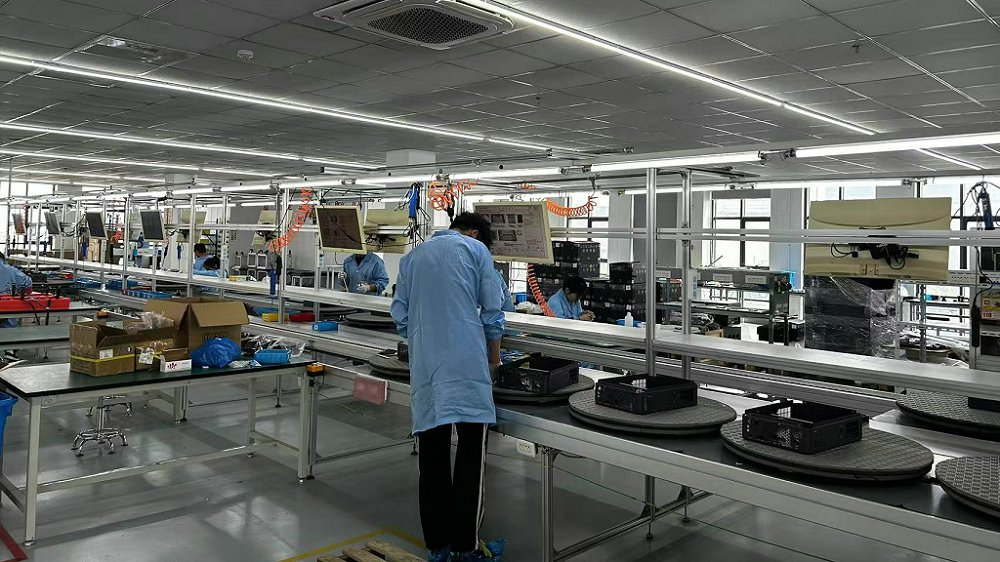
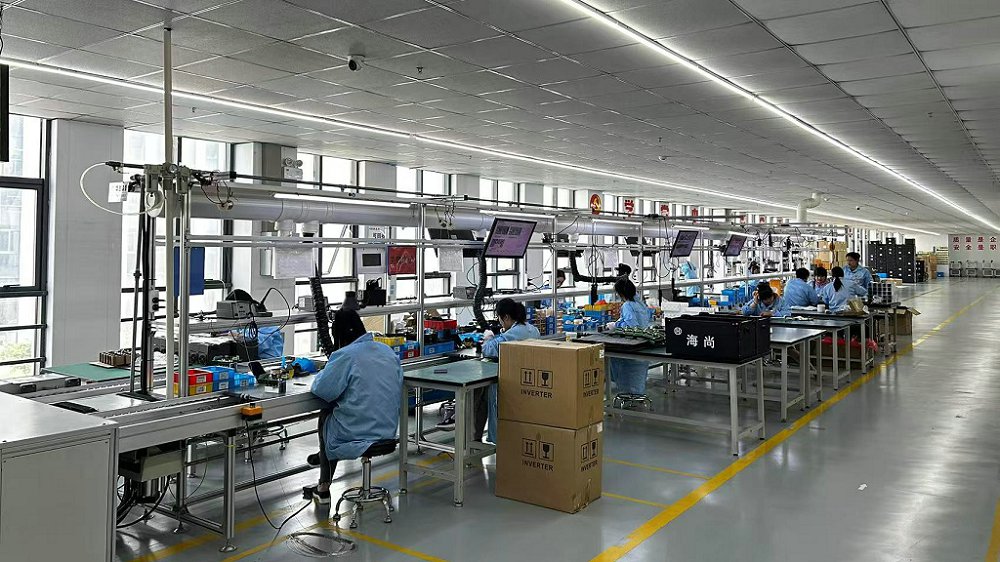
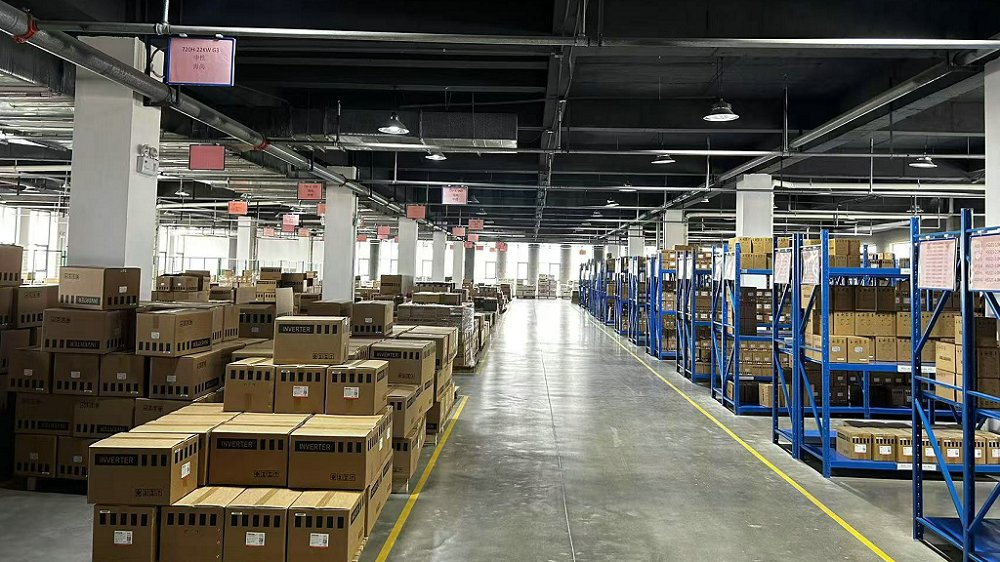
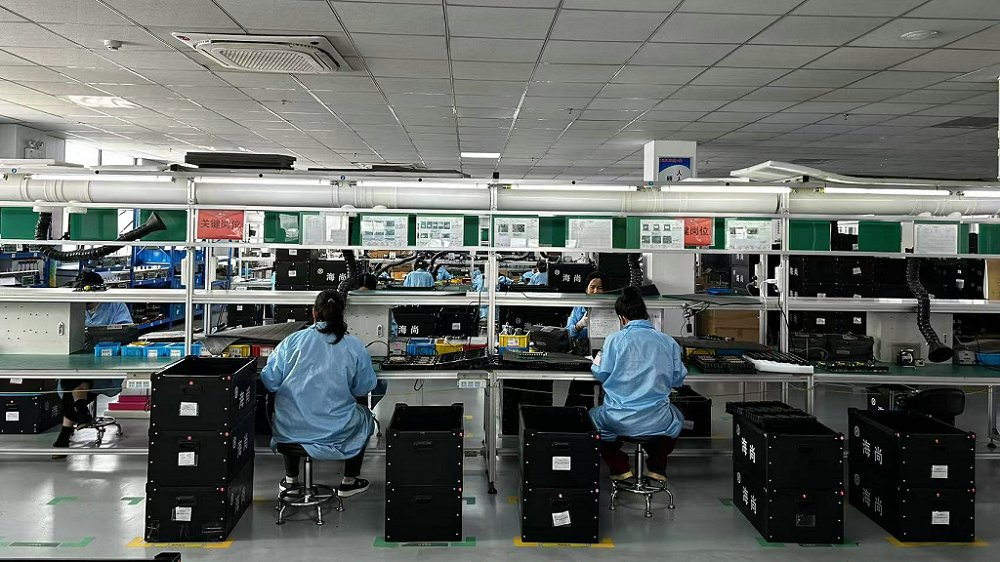
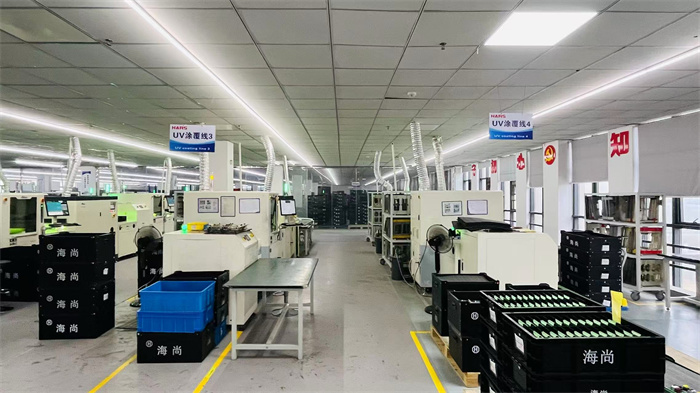
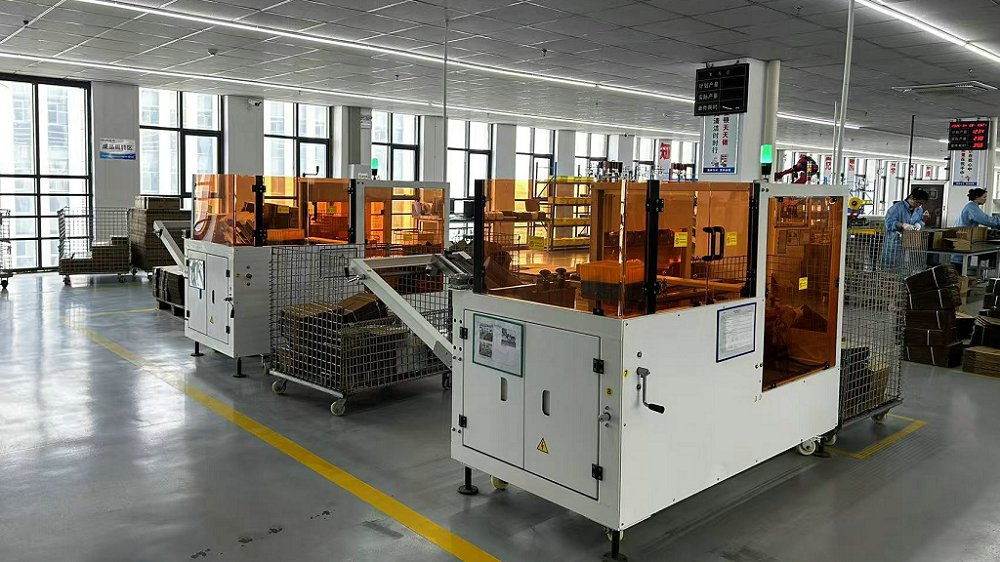
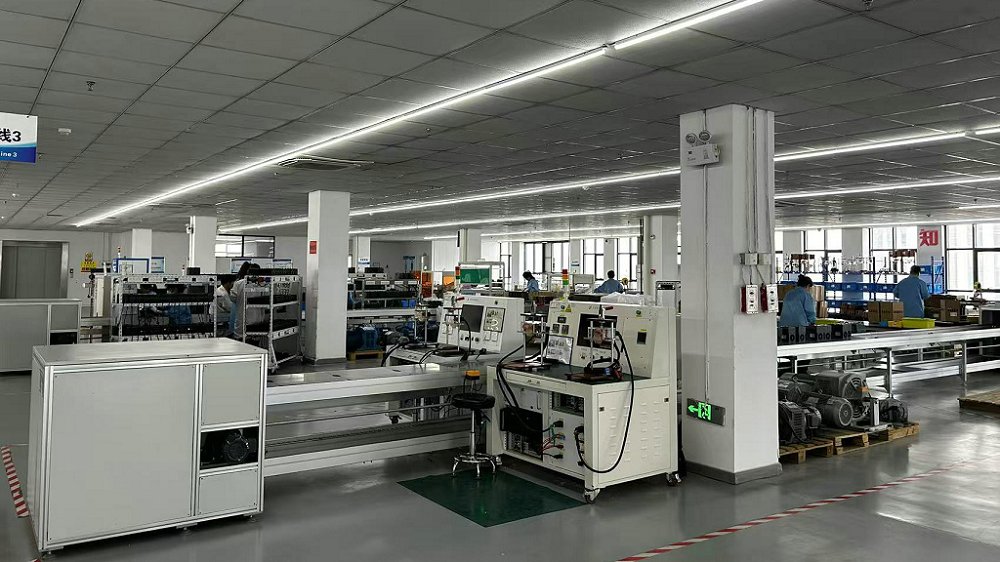
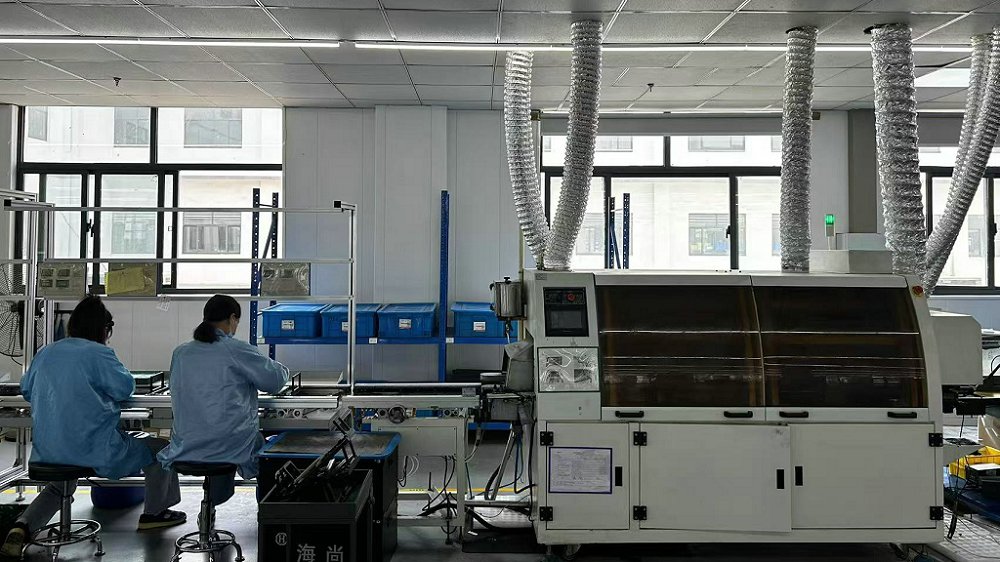
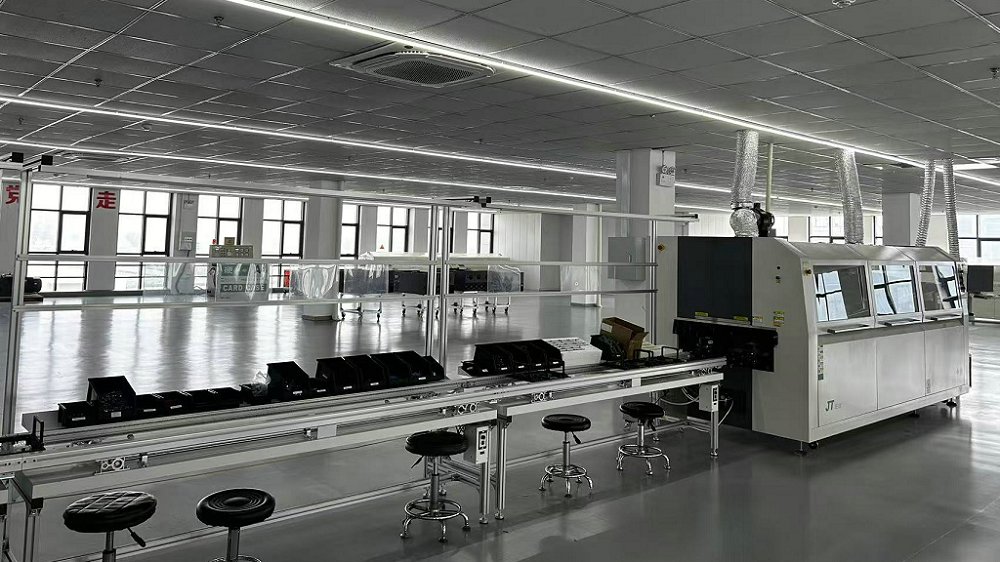
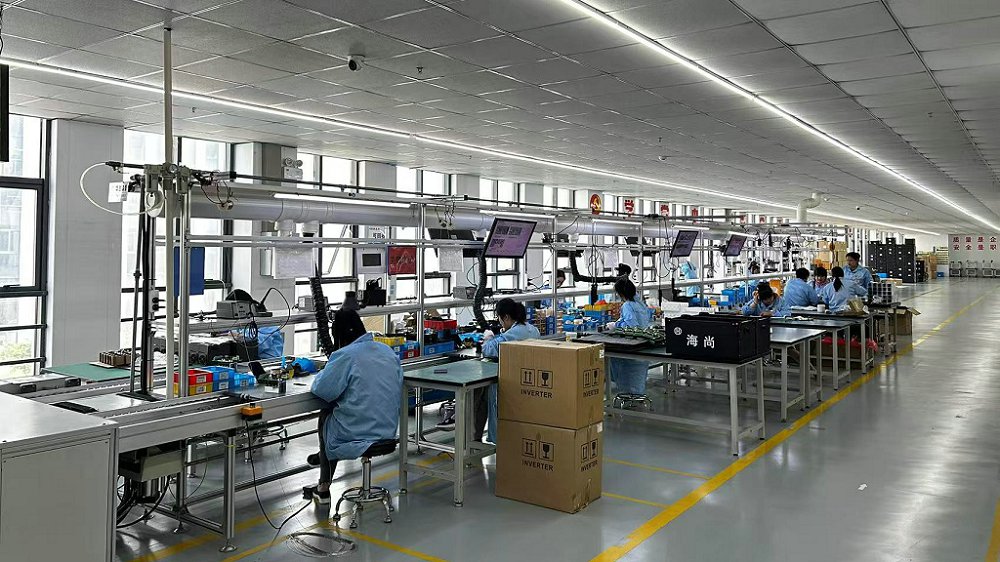
The transition toward next-generation PV installations requires manufacturers to commit to forward-looking technologies. At Jonas Energy, our R&D pipelines focus on implementing Silicon Carbide (SiC) and Gallium Nitride (GaN) components inside high-frequency solar inverters. These semiconductor configurations dramatically lower switching energy losses, allowing smaller chassis footprints while achieving 99% conversion yields.
Furthermore, future-ready charging systems integrate direct DC-to-DC fast charging. By eliminating unnecessary DC-to-AC-to-DC conversion loops, these systems save up to 15% of stored solar capacity during heavy charging events.
Operating across international boundaries means conforming to stringent grid connection and building safety regulations. Industrial charge system products must adhere to distinct regulatory frameworks:
Jonas Energy maintains close localized technical support networks. This guarantees that whether a project is situated in North America, Western Europe, or remote areas of the Asia-Pacific region, structural engineers and electronic technicians can access rapid commissioning guidance and maintenance services.
Get professional answers to technical questions concerning solar controllers, hybrid inverters, and utility-scale energy storage deployments.
Complete your renewable power installations with industrial-grade controllers, mounts, and heavy-duty cabling systems.
 Jonas Energy