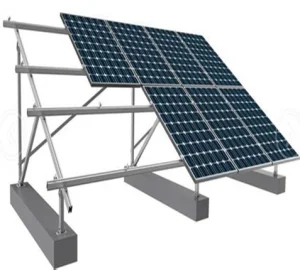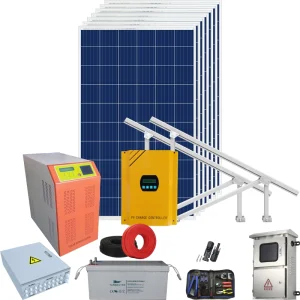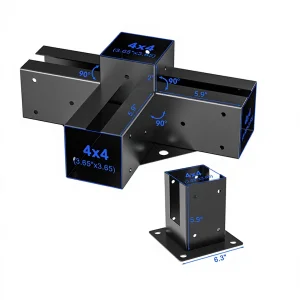

The transition to decentralized smart grids is shifting electricity generation closest to the load. Commercial and Industrial (C&I) sectors are adopting active, behind-the-meter hybrid systems that protect business units from volatile grid pricing.
Solar without storage is no longer viable. In modern grids, grid-tied architectures must integrate advanced Energy Storage Systems (ESS) to participate in peak shaving, frequency response, and demand side management programs.
European market access hinges strictly on the CE Marking, signifying compliance with Low Voltage Directives (LVD), Electromagnetic Compatibility (EMC), and RoHS standards. Standard compliance is non-negotiable for safety and trade stability.
As carbon emission taxes escalate under frameworks such as the EU Carbon Border Adjustment Mechanism (CBAM), global supply chains are forced to rapidly decarbonize. Distributed Photovoltaic Systems combined with smart Battery Management Systems (BMS) are the cornerstone of this corporate transition. By deploying N-Type solar panels, commercial spaces achieve superior power density, operating efficiently under low-light conditions, while hybrid storage technologies guarantee zero-downtime operations for critical industrial hardware.
Furthermore, regional energy security issues in regions like Western Europe, South America, and Africa have increased the need for localized micro-generation systems. Products like balcony systems and hybrid plug-and-play kits are bridging the gap for urban consumers, allowing direct solar generation and immediate load matching at the building level.
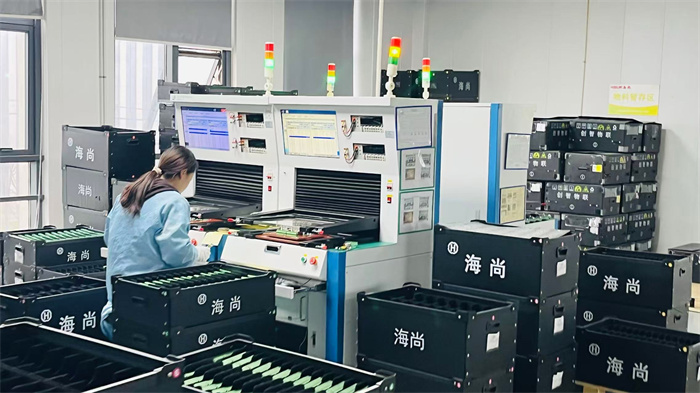
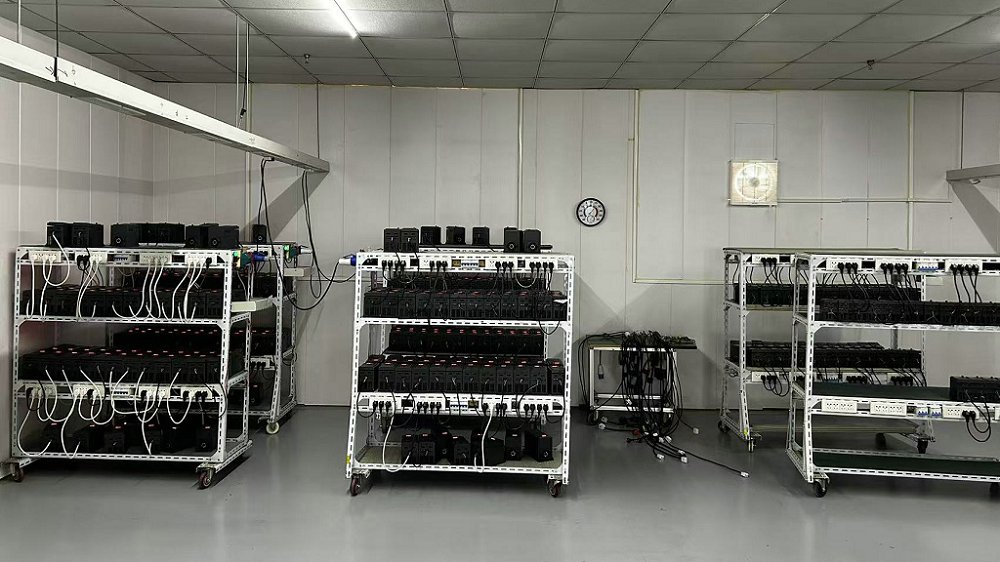
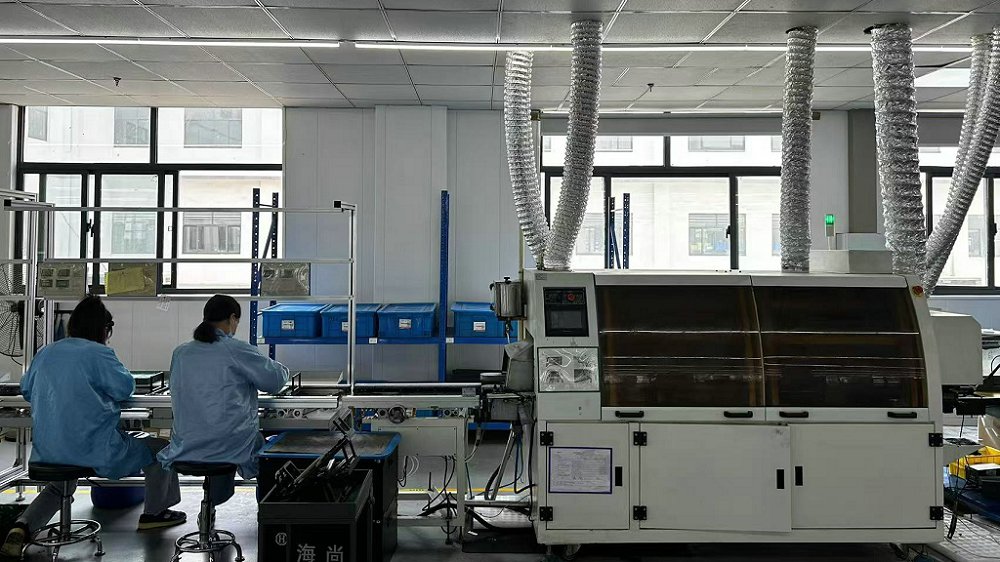
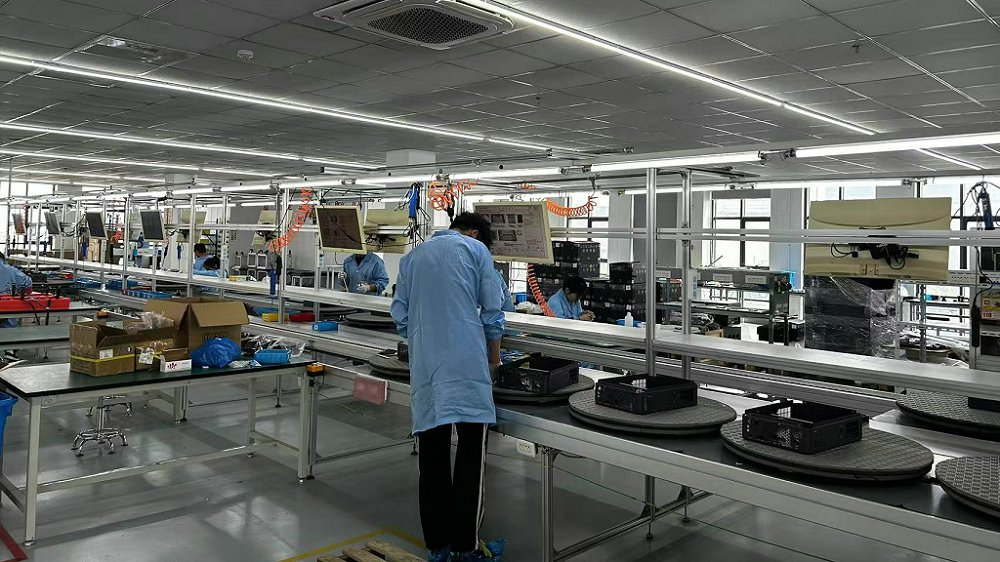
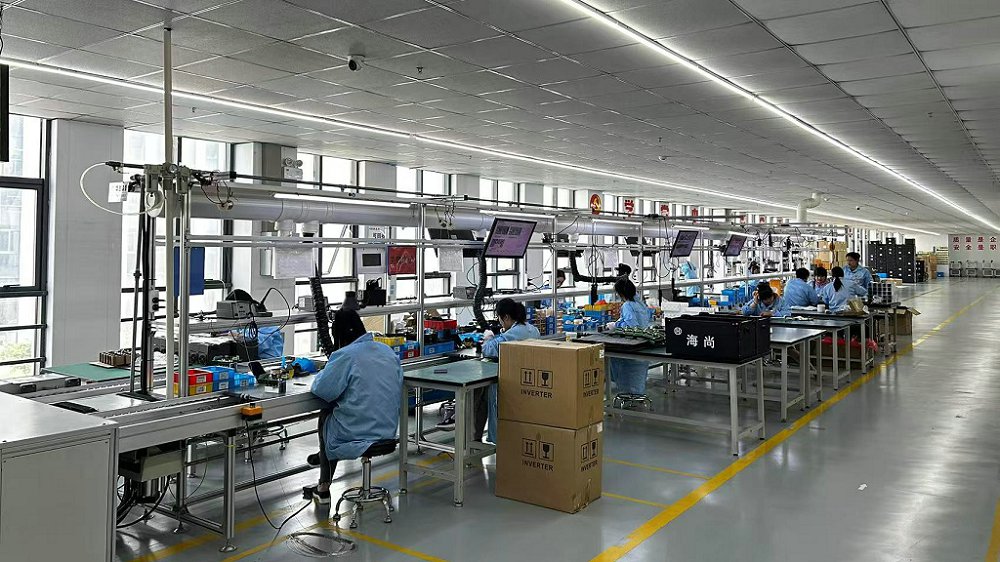
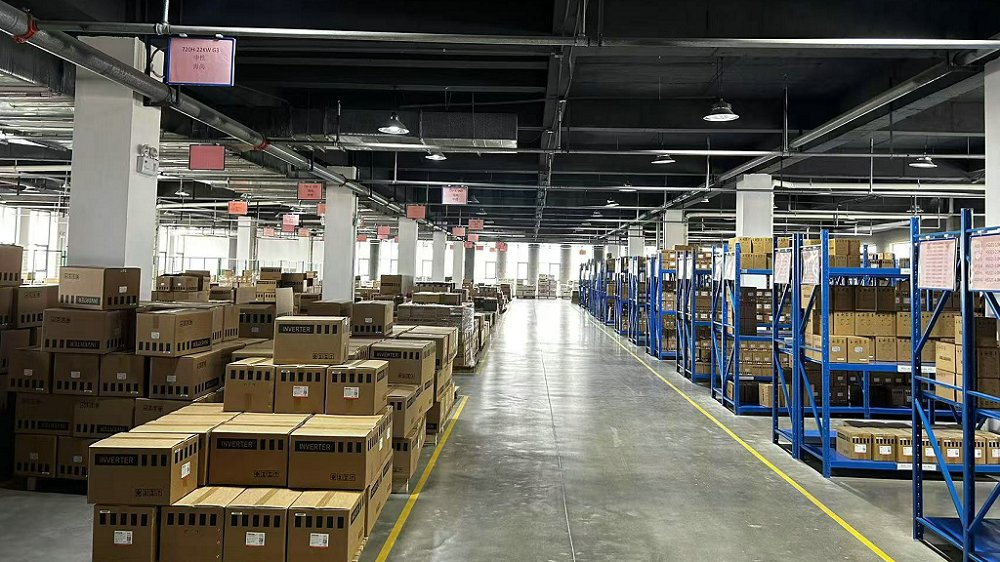
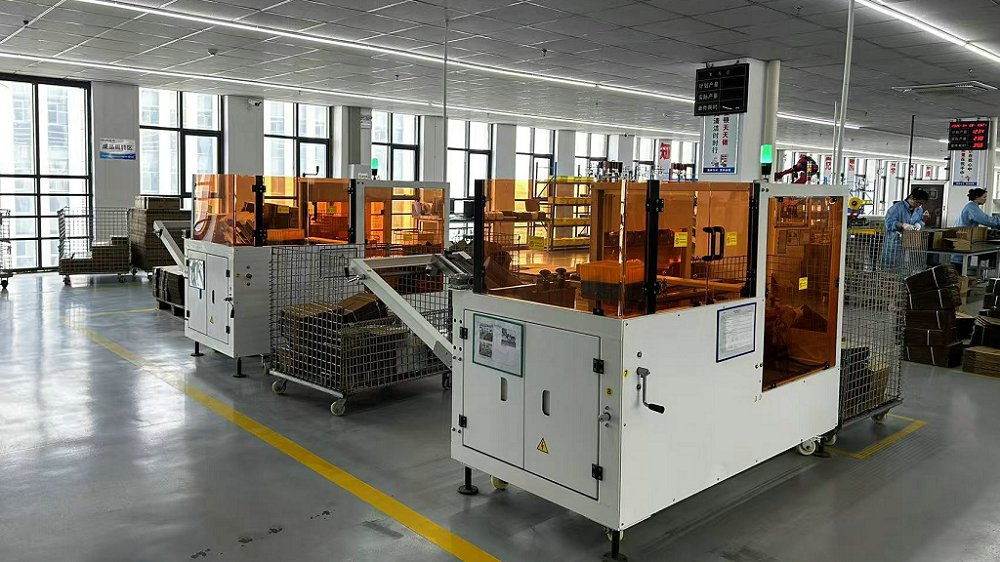
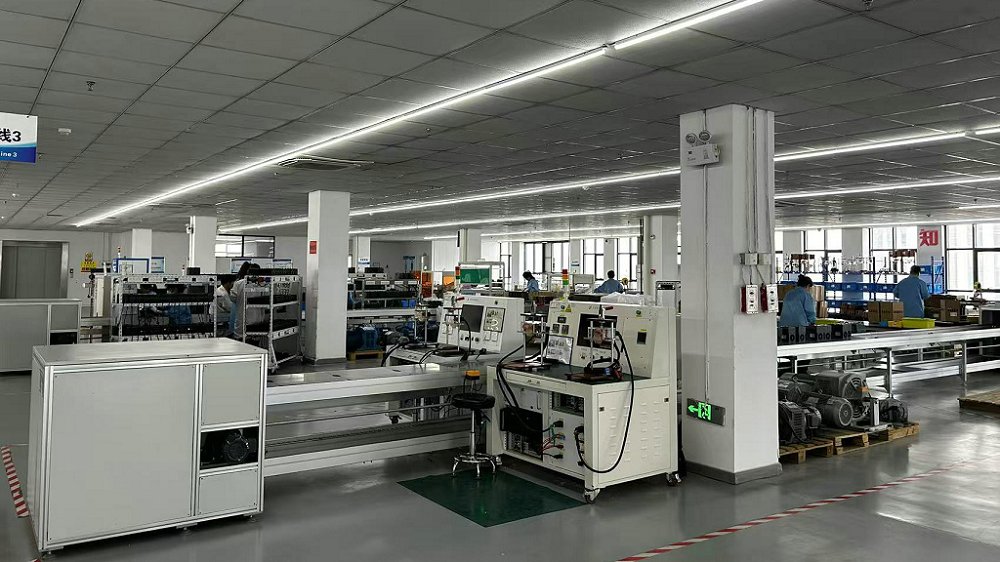
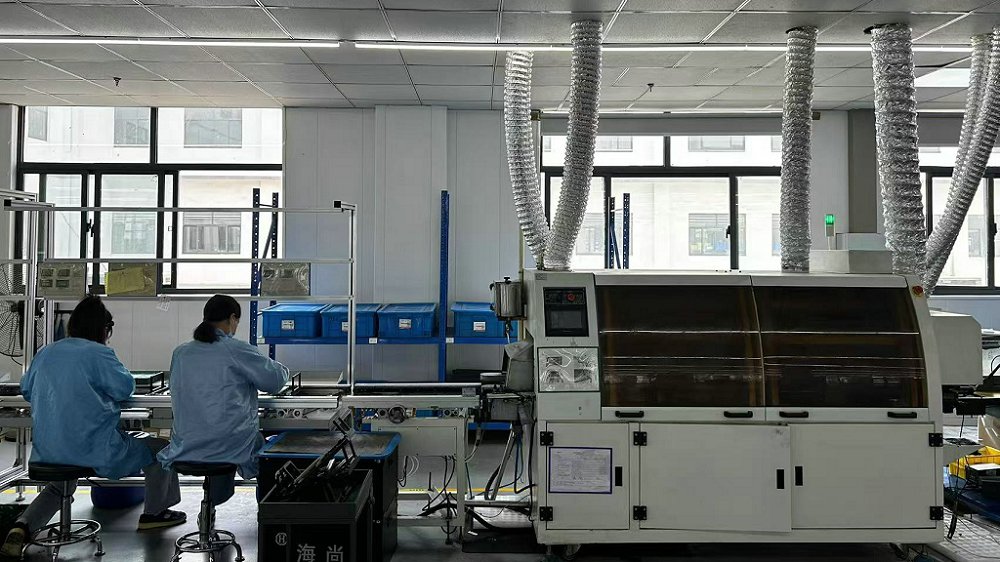
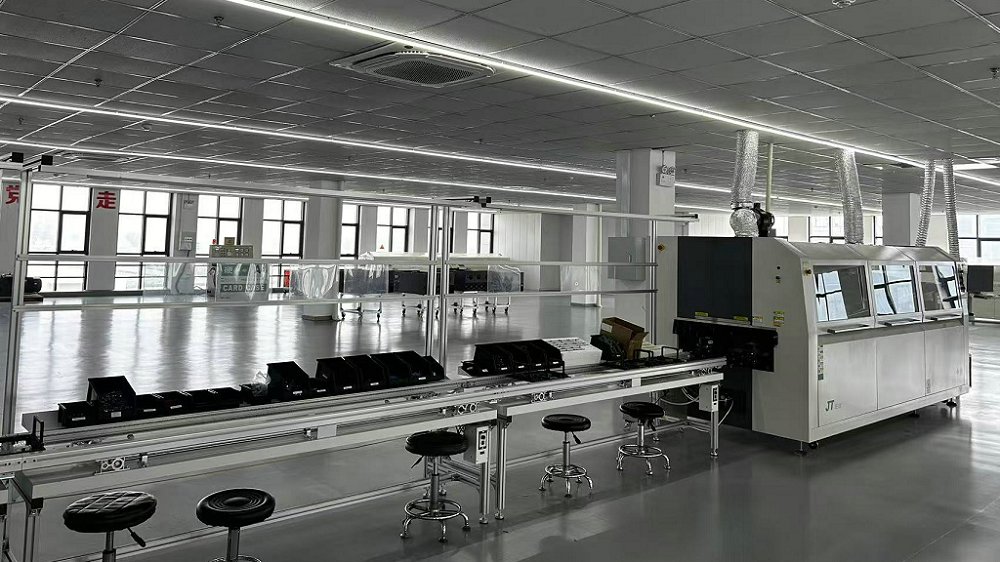
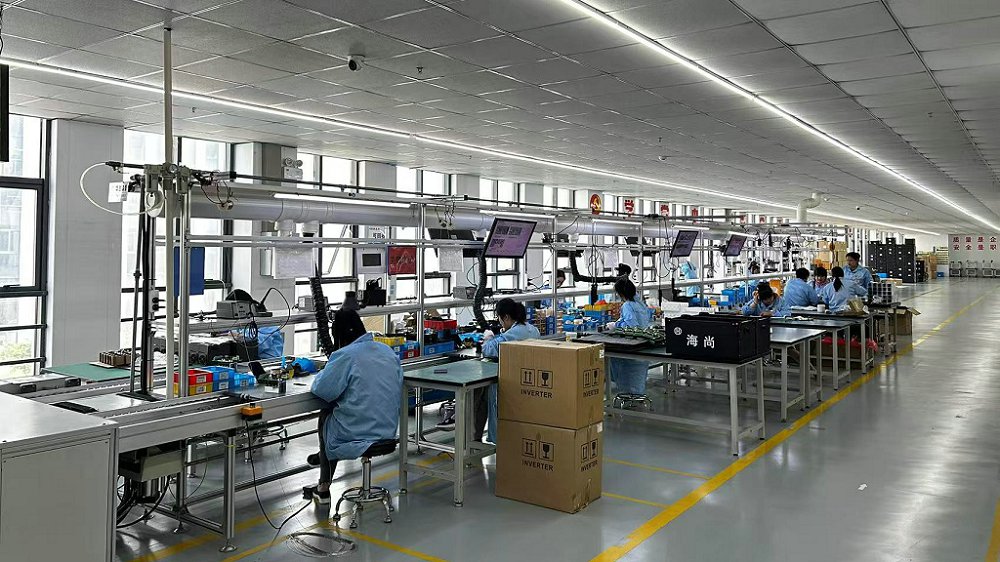
As a high-tech enterprise, Jonas Energy operates modern production facilities equipped with advanced manufacturing and testing equipment. Our annual production capacity reaches several gigawatts, enabling us to efficiently serve customers across global markets.
Our experienced R&D team consists of highly qualified engineers and technical specialists who continuously focus on product innovation, performance optimization, and technological advancement in the renewable energy sector. By integrating cutting-edge technologies, we ensure that our solutions remain competitive, efficient, and future-ready.
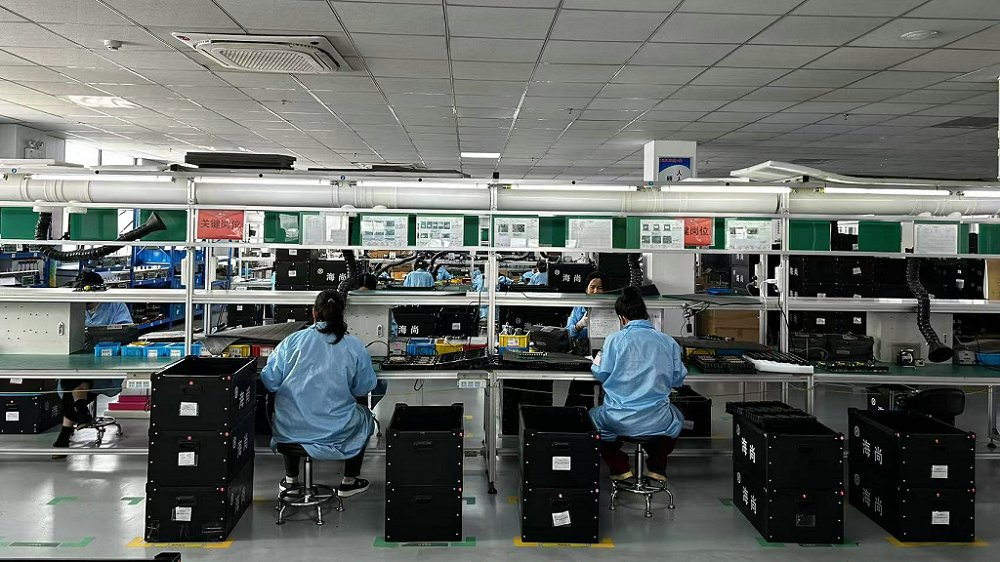
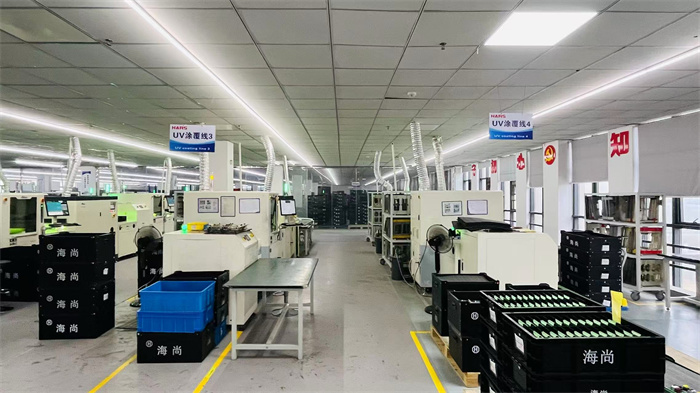
Quality is at the core of everything we do. All products undergo rigorous testing and strict quality control procedures to ensure long-term reliability and performance. Our products comply with international standards and certifications, including IEC, CE, TUV, ISO9001, ISO14001, and other recognized industry certifications, providing customers with confidence and peace of mind.
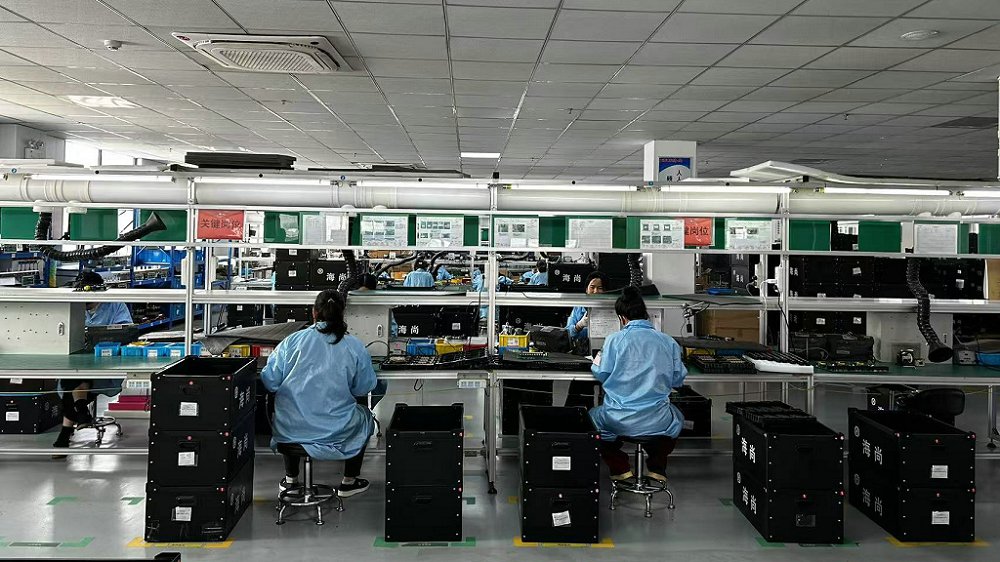
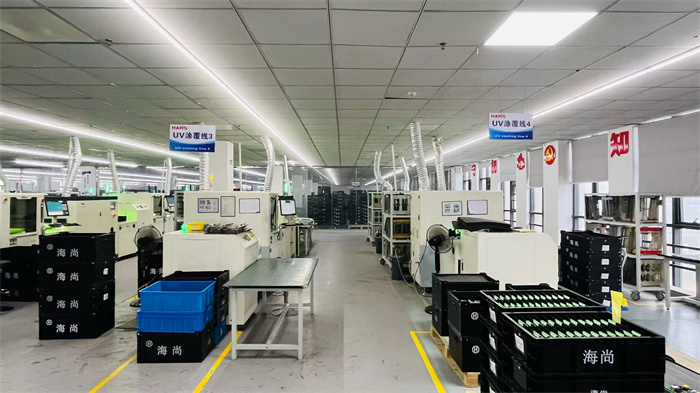
Our manufacturing facilities utilize highly efficient and precise production and inspection equipment. Through cooperation with leading industry partners and suppliers, we maintain exceptional product consistency and quality throughout the production process.
Our multidisciplinary team includes experts in photovoltaic technology, energy storage systems, engineering design, project management, and international business. We are committed to delivering innovative products and professional support to customers worldwide.
From project consultation and system design to product supply, installation guidance, and after-sales support, Jonas Energy provides complete one-stop solar and energy storage solutions tailored to each customer's requirements.
Visualizing our ISO-compliant manufacturing lines, testing protocols, and assembly processes that ensure global compliance standards are achieved.
In the rapidly evolving landscape of solar energy, technological innovation is vital. Current advancements center around cell architecture, inverter intelligence, and battery chemistry:
P-type PERC technology is approaching its physical efficiency limit (around 24.5%). The industry has turned to N-type TOPCon (Tunnel Oxide Passivated Contact) and HJT (Heterojunction Technology). N-type silicon offers nearly zero Light-Induced Degradation (LID) and exhibits a superior temperature coefficient (-0.30%/°C compared to -0.35%/°C for P-type). This results in a higher energy yield per watt, particularly in high-temperature equatorial climates.
Unlike traditional rack-mounted panels, BIPV products, such as N-type Solar Roof Tiles, replace conventional construction materials altogether. The modules serve a dual purpose: providing complete weatherproofing and structurally sound shelter while generating clean power. This maximizes the active solar footprint of residential zones without violating strict urban planning and aesthetic regulations.
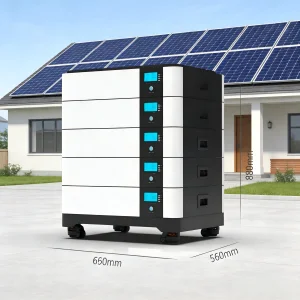
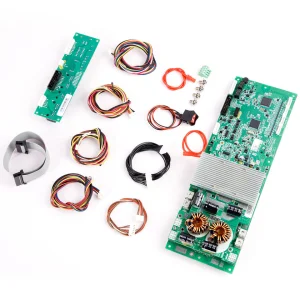
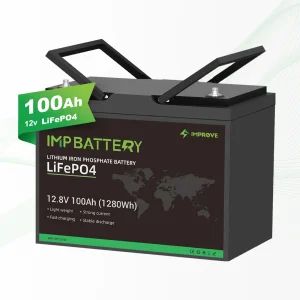
Lithium Iron Phosphate (LiFePO4) chemistry has established itself as the safest and most durable standard for stationary energy storage. To maximize safety, modern systems use smart BMS circuits to monitor cell voltage, temperature, and State of Health (SoH) at the individual cell level. Dynamic balancing protects the battery from thermal runaway, ensuring an operating lifespan of over 6,000 deep cycles.
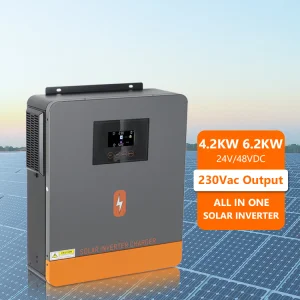
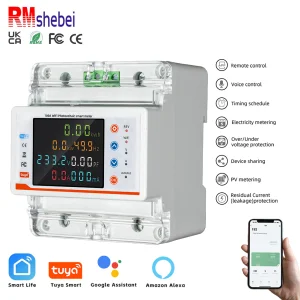
The integration of hybrid solar inverters with smart home software (such as Tuya or custom IoT dashboards) allows real-time grid interaction. Users can automatically configure settings to export power when tariffs are high and draw power during off-peak windows, creating an intelligent, responsive local grid node.
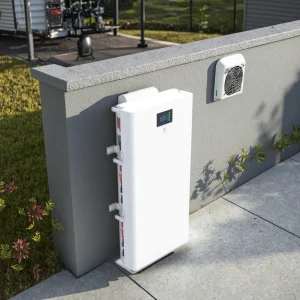
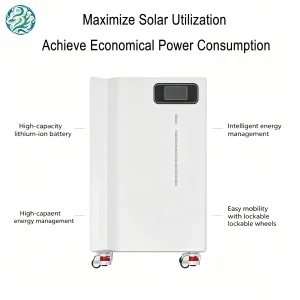
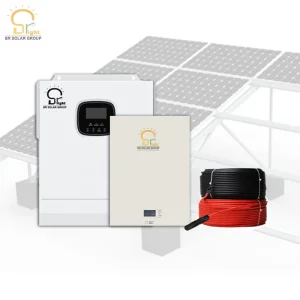
For modern families, the goal is energy independence. Utilizing an all-in-one system with 5kWh to 15.36kWh wall-mounted storage and hybrid inverters ensures a steady power supply. By capturing peak solar energy during the day, systems maintain power through night outages, reducing reliance on the municipal grid.
C&I applications demand high power output and grid stability. On-grid and hybrid installations of 10kW to 100kW provide critical peak-shaving capabilities. Integrating smart BMS modules helps industrial enterprises manage heavy equipment startups and avoid peak demand surcharges.
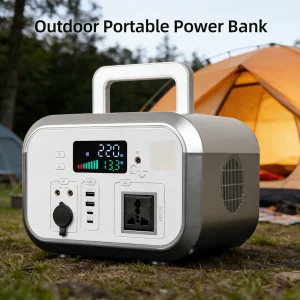
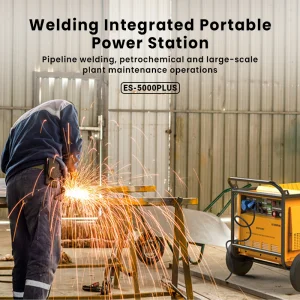
Urban apartments and field operations require compact, modular solutions. Plug-and-play balcony systems enable tenants to generate power locally, while mobile power stations (up to 1500W output) support off-grid travel, construction work, and emergency rescue services.
 Jonas Energy