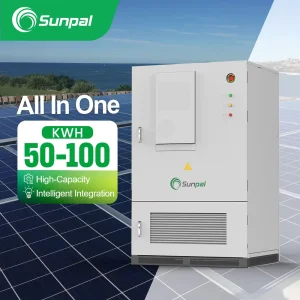
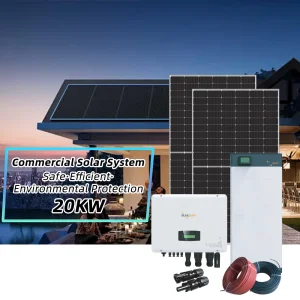
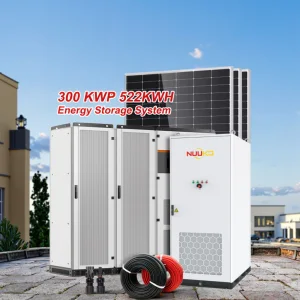
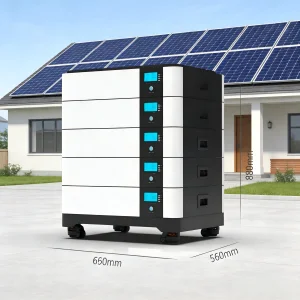
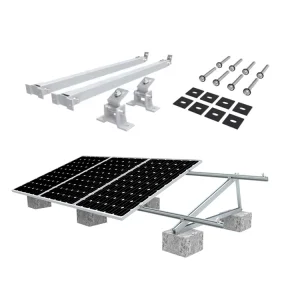
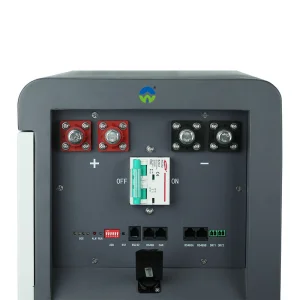
Explore our core selection of active battery management systems, intelligent hybrid inverters, stacked energy storage packages, and BIPV structural integration systems designed for optimal operational yield.
The global transition to renewable energy is no longer just about deploying photovoltaic (PV) hardware; it is increasingly defined by the efficiency, intelligence, and predictive capability of those systems. Solar energy analytics represent the digital backbone of this modern energy infrastructure. Globally, utilities, commercial enterprises, and industrial hubs are integrating advanced telemetry to manage the variability of solar irradiation, optimize the Levelized Cost of Storage (LCOS), and ensure grid compliance.
In regions like North America, Europe, and the Asia-Pacific, energy distribution operators are enforcing stringent grid stability codes. As a result, passive energy harvest is being phased out in favor of active, data-driven topologies. High-performance battery management systems (BMS), localized edge controllers, and hybrid inverters with dynamic load tracking are now mandatory requirements. These devices act as physical data nodes, continuously feeding metrics such as State of Charge (SoC), State of Health (SoH), temperature margins, and harmonic distortion back to central supervisory systems. Without robust analytics at the module and pack levels, PV assets suffer from premature degradation, safety risks, and lost generation revenue.
“Information Gain in renewable analytics is the difference between reactive maintenance and automated, predictive yield optimization. High-fidelity hardware diagnostics mitigate systemic degradation before losses manifest on the balance sheet.”
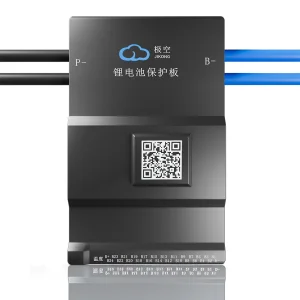
At the center of solar energy data acquisition lies the Battery Management System (BMS). As demonstrated by the JK BMS 20S Active BMS, modern systems utilize active balancing topologies. Unlike passive balancing, which dissipates excess energy as heat, active balancing dynamically redistributes charge from higher-capacity cells to lower-capacity cells. This technology prevents localized thermal bottlenecks, extends battery life cycles by up to 30%, and delivers real-time telemetry crucial for predictive maintenance algorithms.
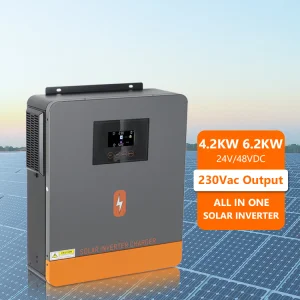
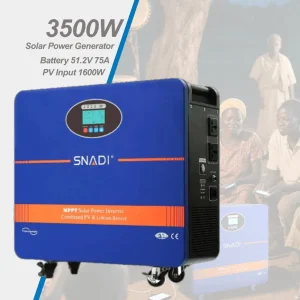
Simultaneously, smart hybrid inverters act as the operational bridge between battery storage arrays, PV panels, and the electrical grid. By monitoring load dynamics and shifting configurations between off-grid, hybrid, and grid-tied states in milliseconds, these units provide critical data on energy conversion rates, voltage sags, and environmental load factors. This dual-layer telemetry (BMS + Inverter) allows remote asset managers to pinpoint structural performance drops, identify underperforming strings, and prevent thermal runaway before it occurs.
A premier manufacturer and provider of integrated solar power architectures and energy storage systems based in Xiamen, China.
Xiamen Jonas Energy Co., Ltd. is a professional provider of renewable energy solutions, headquartered in Xiamen, Fujian Province, China. Since its establishment, the company has been dedicated to the research, development, manufacturing, and global distribution of advanced photovoltaic and energy storage products.
With a strong commitment to innovation and sustainability, Jonas Energy offers a comprehensive portfolio of solar energy solutions, including solar panels, inverters, energy storage batteries, mounting systems, and complete solar power generation systems. Our products are designed to meet the diverse needs of residential, commercial, industrial, and utility-scale projects worldwide.
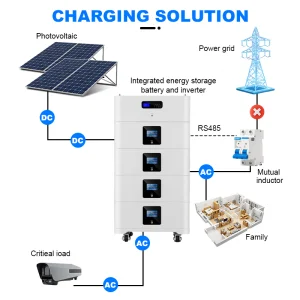
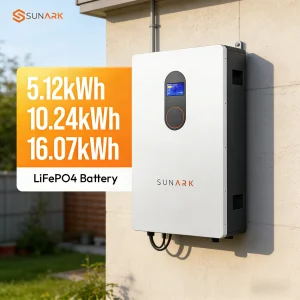
We work closely with internationally recognized manufacturers and technology partners to provide a wide range of reliable energy storage solutions, including wall-mounted batteries, all-in-one storage systems, rack-mounted batteries, and containerized energy storage systems (ESS). Through continuous innovation and strategic partnerships, we help customers achieve greater energy independence and efficiency.
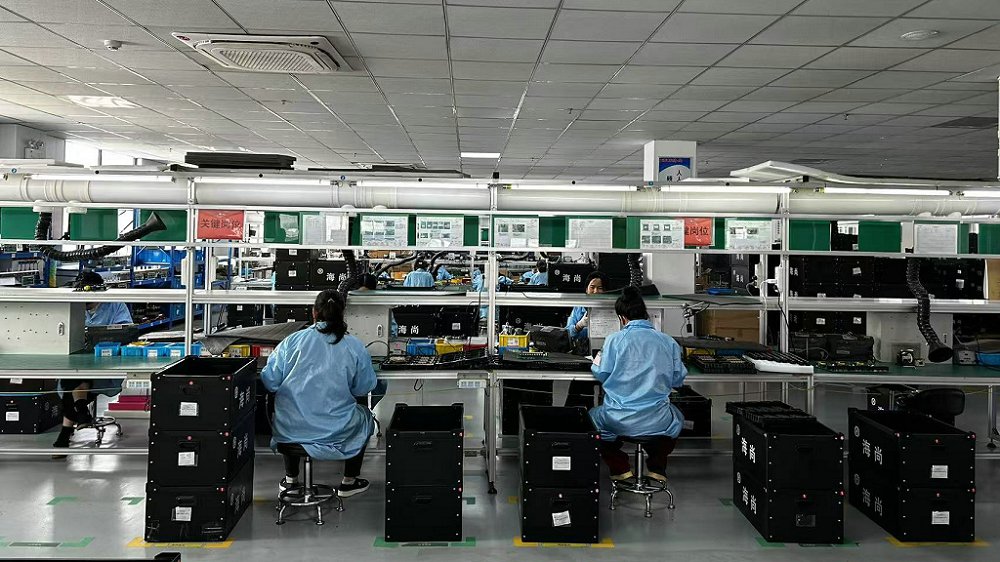
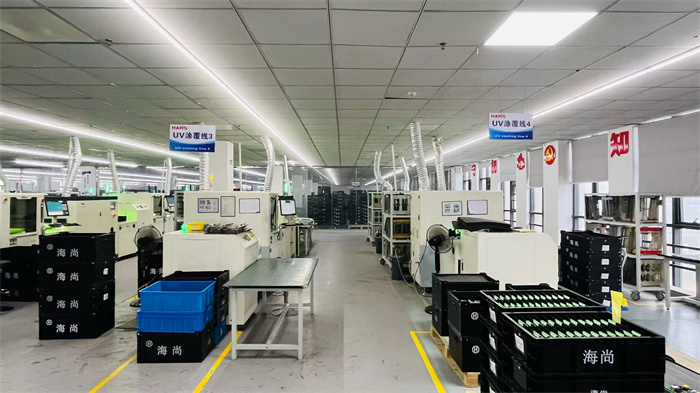
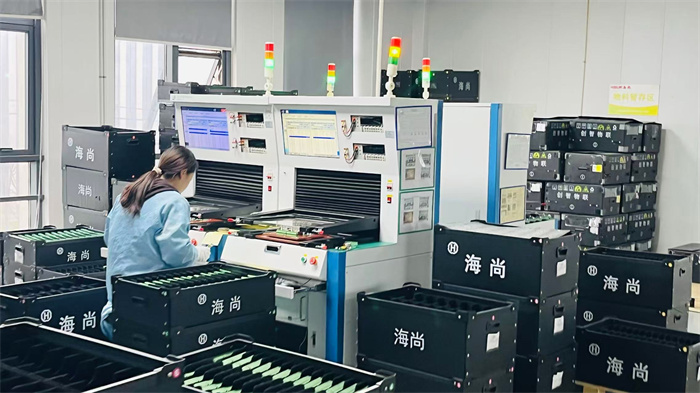
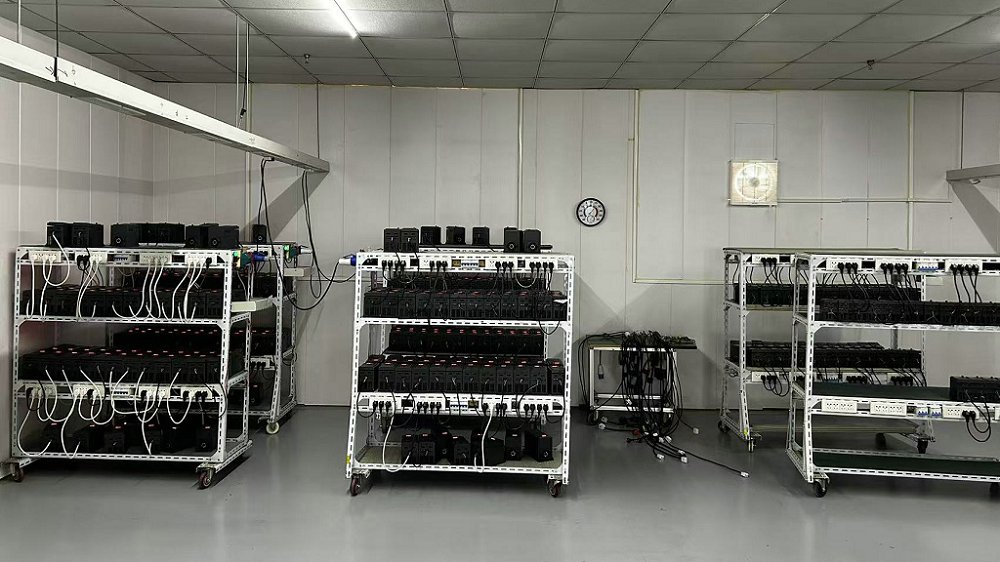
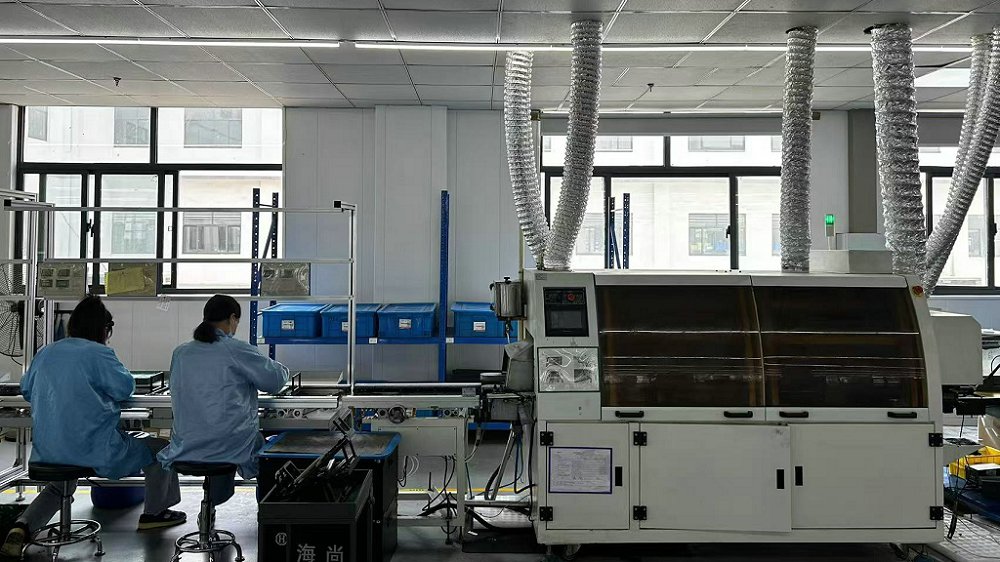
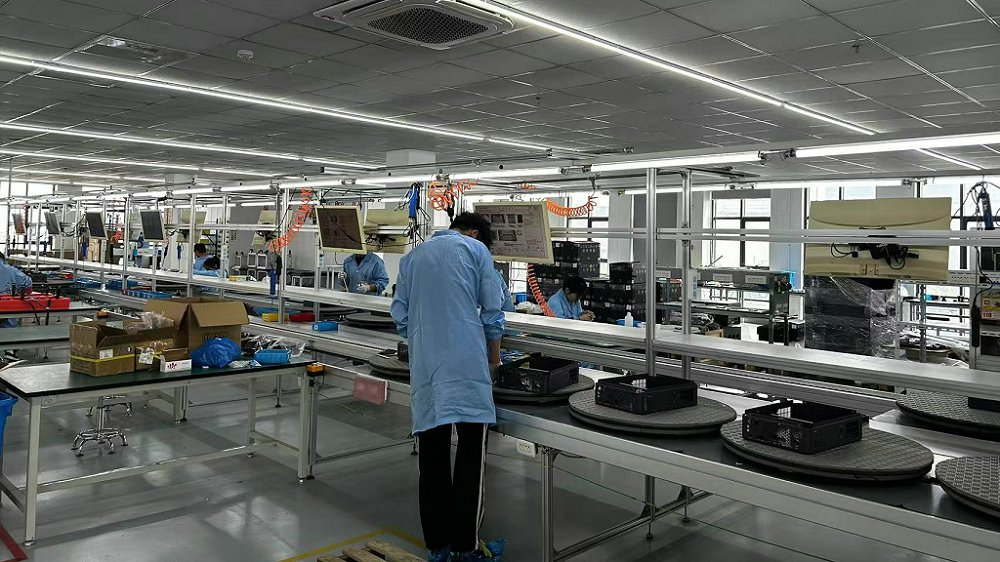
Our state-of-the-art facilities rely on strict step-by-step manufacturing and verification protocols to ensure field reliability and longevity of all electronic and structural products.
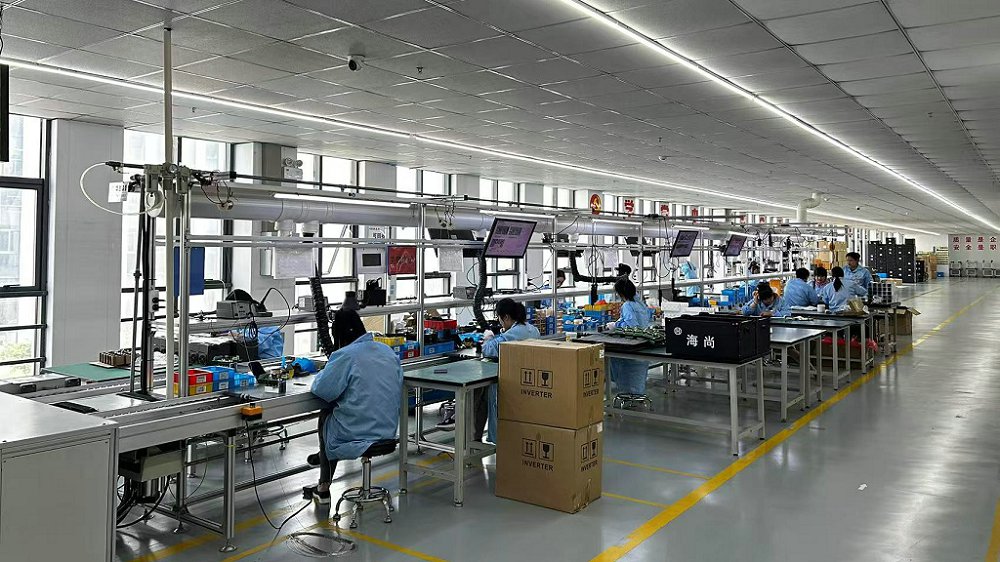
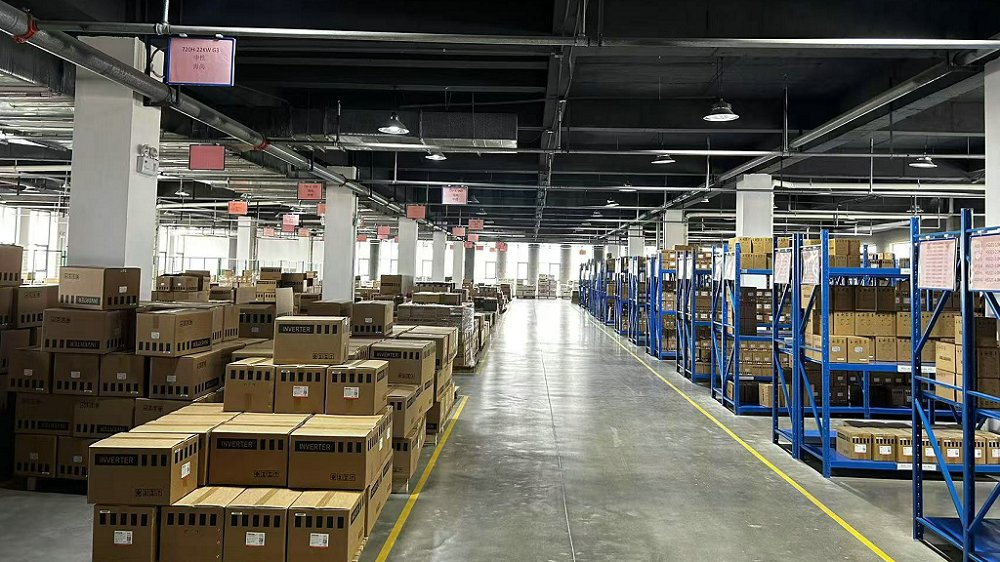
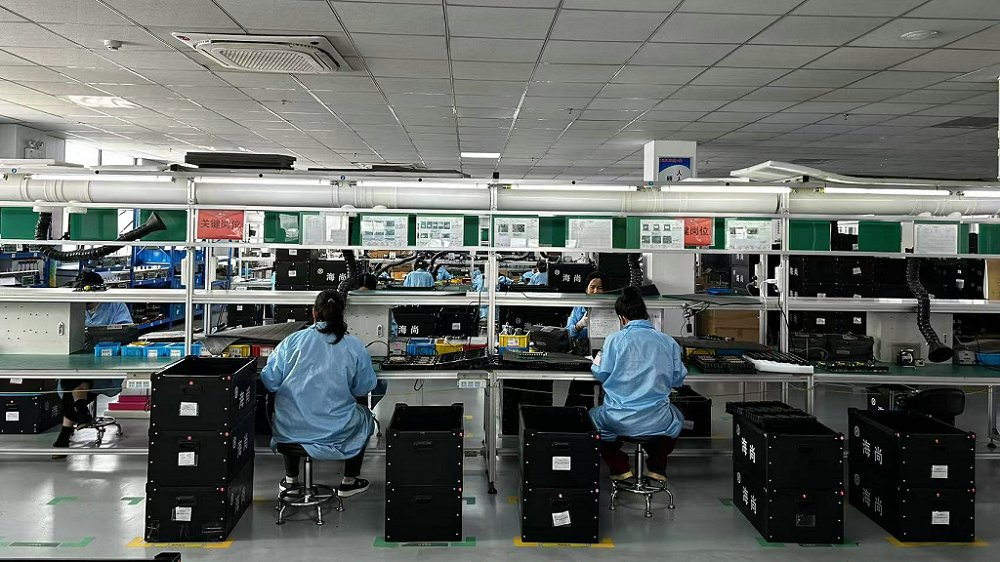
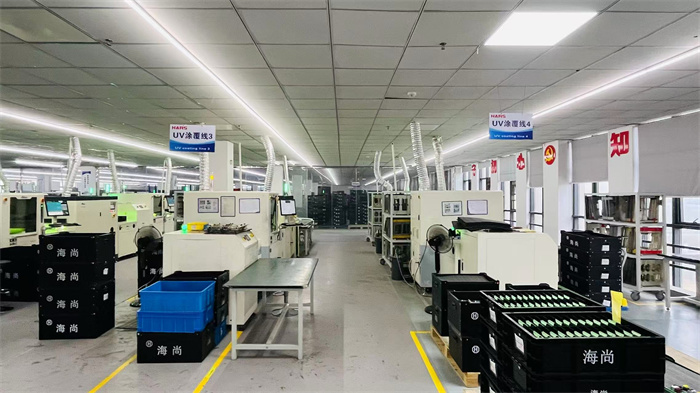
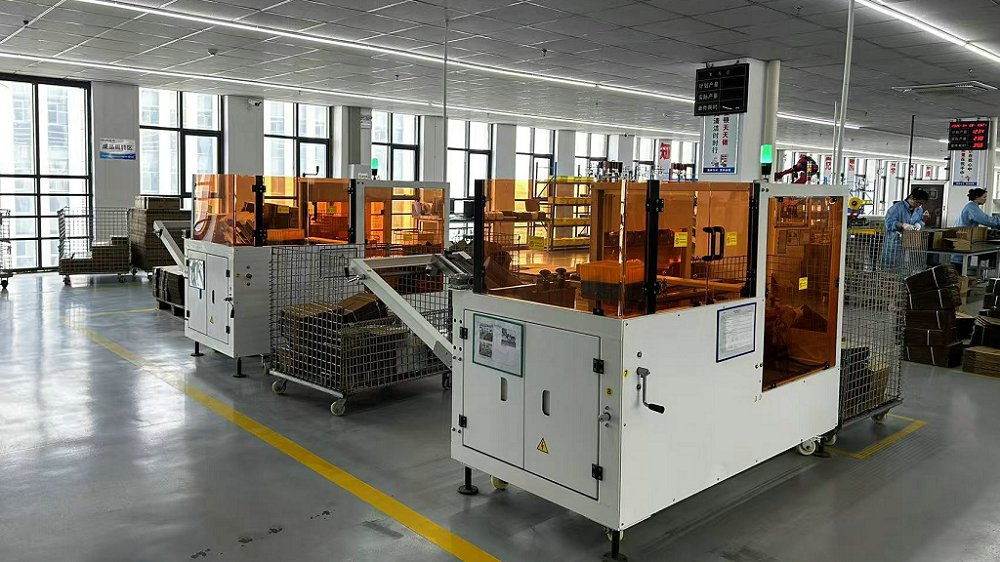
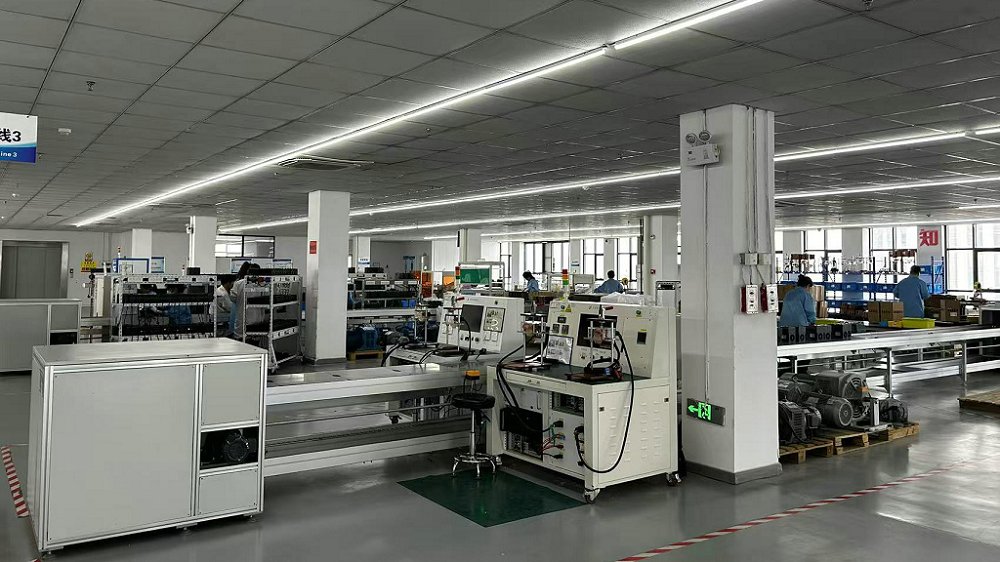
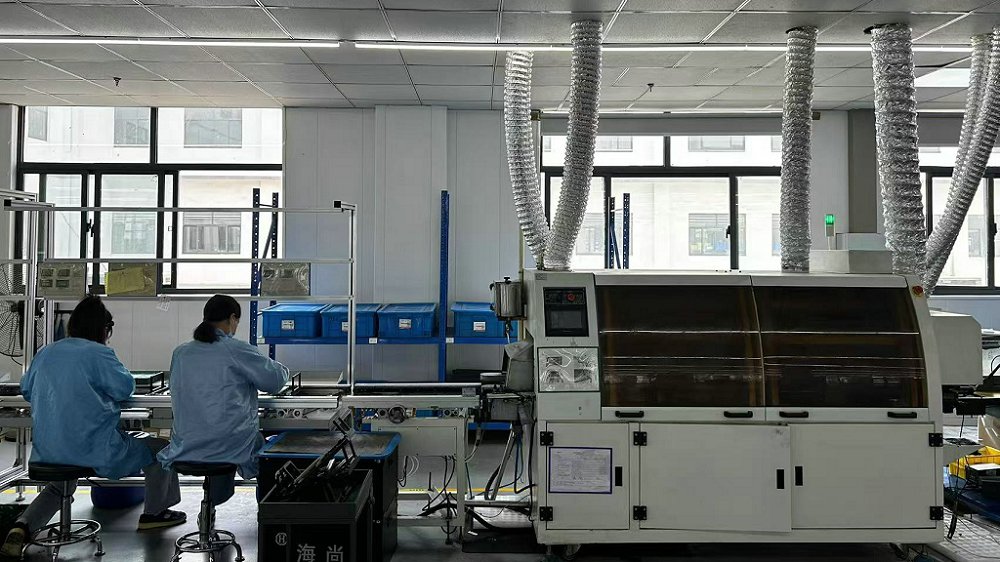
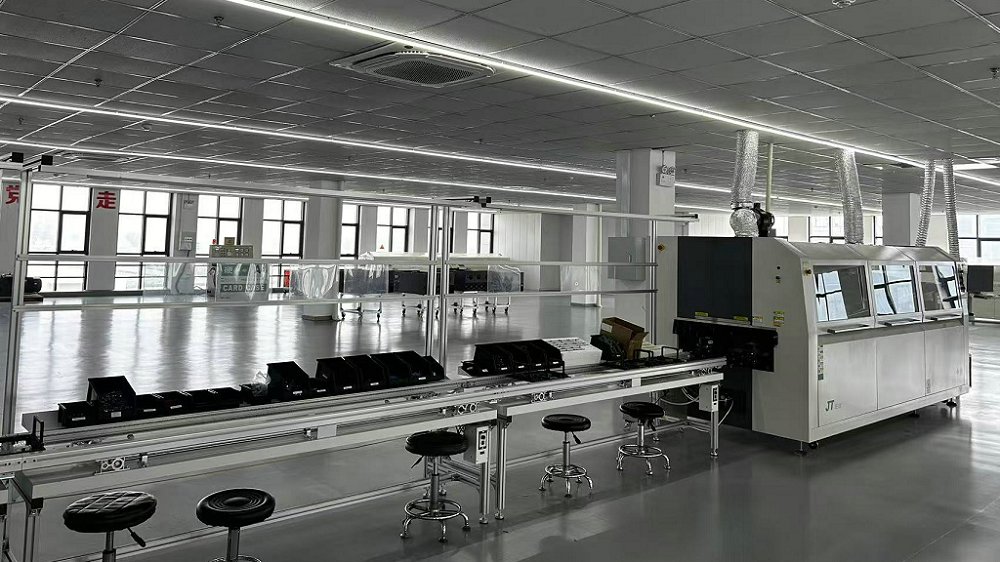
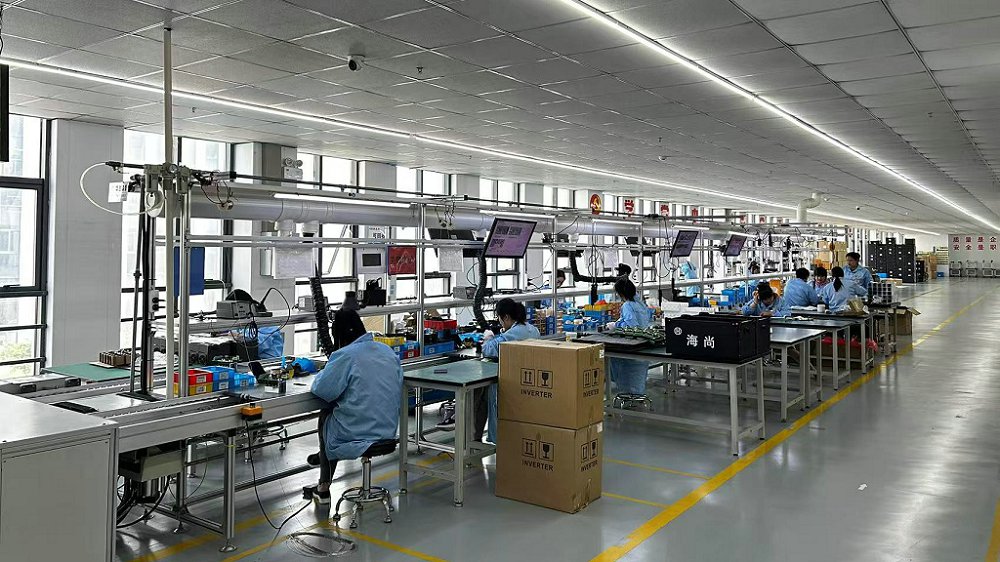
The operational environment dictates the design parameters of modern PV installations. Jonas Energy provides specific, high-durability hardware optimized for various microclimate challenges globally:
The next phase of solar energy analytics focuses on edge-computing integration, machine-learning-driven state estimation, and physical co-design of structural mounting elements. Jonas Energy’s R&D roadmap aligns with these market shifts:
1. Edge AI Integration: Moving predictive algorithms directly onto the BMS microcontrollers allows real-time thermal runaway prevention without depending on cloud connections. Edge nodes compute cell degradation patterns, shifting loads locally to optimize the lifetime of the cell pack.
2. Liquid Cooling Architectures: As energy storage density rises, active air-cooling is being replaced by closed-loop liquid systems. This technology maintains pack temperatures within a tight 2°C window. It minimizes parasitic fan losses, prevents hot spots, and extends the operational envelope of heavy-duty industrial storage cabinets.
3. Advanced BIPV and Structural Performance: Integrated BIPV systems require high structural durability. Utilizing N-type silicon cell technologies inside roof tiles improves hot-temperature performance and increases output per square meter. Our structures undergo rigorous mechanical load testing to handle extreme weather while continuing to generate power safely.
Browse our selection of commercial cabinets, structural racking systems, high-capacity hybrid kits, and building-integrated solar tiles for large-scale energy storage and PV deployments.
 Jonas Energy