An Analytical Blueprint on How Intelligent Real-Time Angle Optimization Restructures Utility and Commercial Photovoltaic Economics Globally.
Globally, the transition from fixed-tilt photovoltaic structures to dynamic, automated solar tracking systems has altered the financial metrics of solar energy production. Automated single-axis and dual-axis solar trackers utilize astronomical data and sensor-driven feedback systems to dynamically realign photovoltaic modules toward the solar zenith. This ensures maximum irradiation angles throughout the solar day. By mitigating the cosine loss inherent in fixed systems, solar trackers optimize the Levelized Cost of Energy (LCOE), unlocking yield gains ranging between 15% and 25% for typical single-axis installations, and up to 35% in dual-axis configurations utilizing bifacial panels.
Advanced tracking algorithms utilize precise astronomical almanacs combined with real-time terrain calibration. The intelligent backtracking function dynamically controls angles during early morning and late evening, eliminating row-to-row shading and maximizing performance on variable topographies.
Designed to withstand extreme environmental challenges, automated trackers utilize integrated anemometers to communicate with control nodes. In high-wind scenarios, trackers default to a structural stow position (typically 0° or 45°) to prevent torsional flutter and dynamic aerodynamic damage.
Modern tracker systems maximize the potential of bifacial modules by adjusting the module orientation to optimize both front-side direct irradiance and backside albedo light capture, optimizing energy generation in low-irradiance or snow-covered conditions.
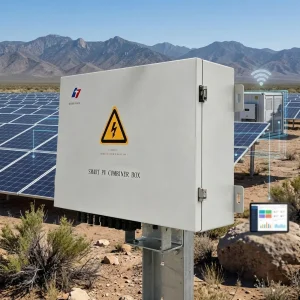
SEO Technical Insight: Integrating Automated Solar Tracking arrays with modern smart-grid infrastructures demands a decentralized communication architecture. LoRaWAN and Zigbee-driven trackers allow plant operators to monitor mechanical loads, motor current draw, and individual row orientations in real-time, reducing operational expenditure (OpEx) by up to 30% through predictive maintenance alerts.
From primary steel processing to precision electronics fabrication, China’s industrial ecosystem offers unmatched advantages for global EPC (Engineering, Procurement, and Construction) companies and project developers.
The core components of automated solar tracking systems—such as slewing drives, actuator motors, galvanized steel torque tubes, and intelligent control boxes—are fabricated within highly integrated industrial hubs in China. This close geographic proximity streamlines supply chains, eliminates transit bottlenecks, and reduces component manufacturing costs.
Corrosion resistance is crucial for the 25-year structural design life of solar trackers. Chinese factories utilize state-of-the-art continuous hot-dip galvanizing lines and advanced alloy materials (such as Zinc-Aluminum-Magnesium coatings). These technologies provide superior self-healing edge protection and corrosion resistance in coastal, desert, and high-salinity agricultural environments.
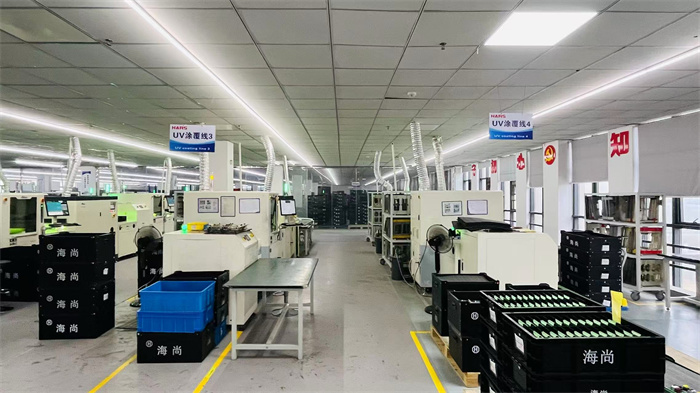
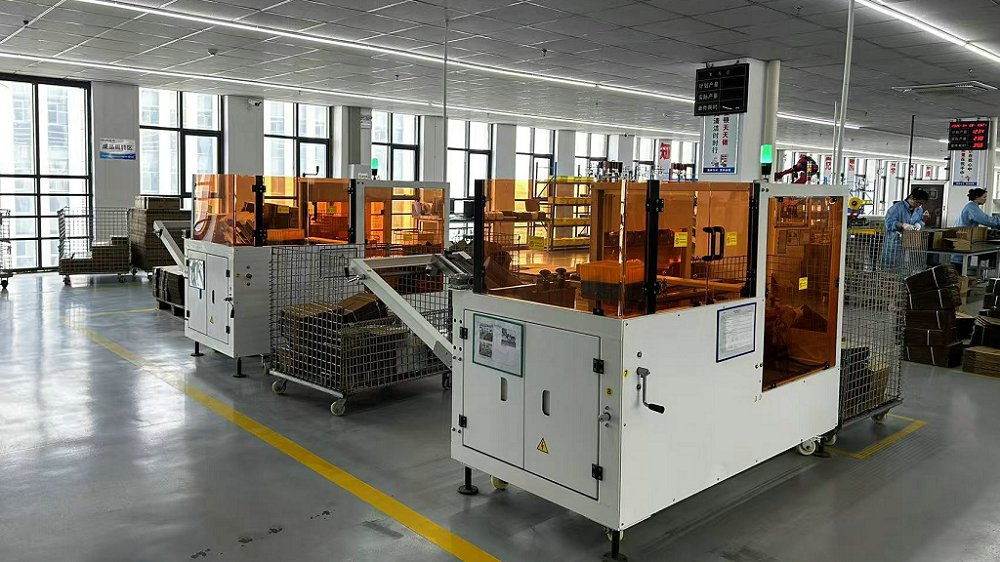
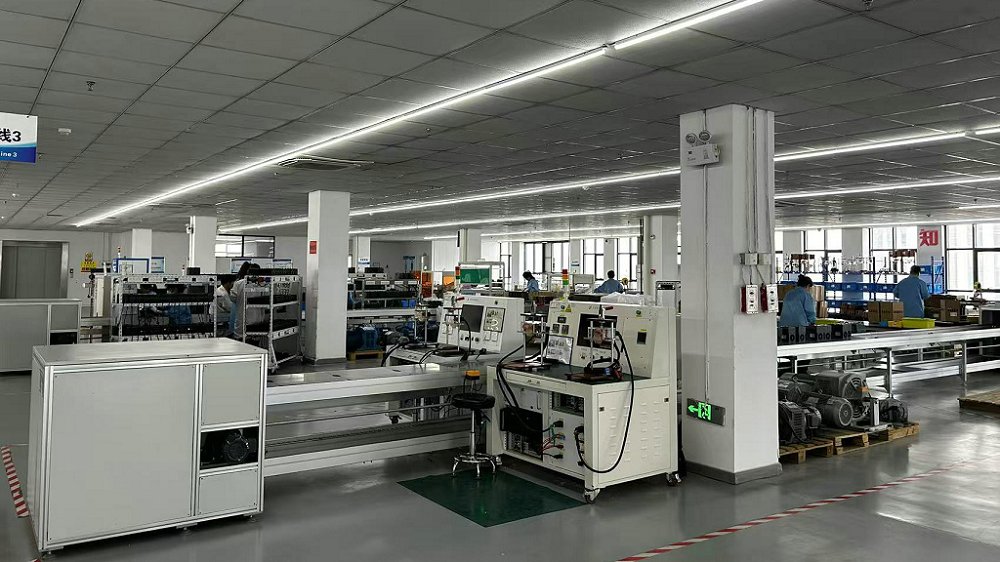
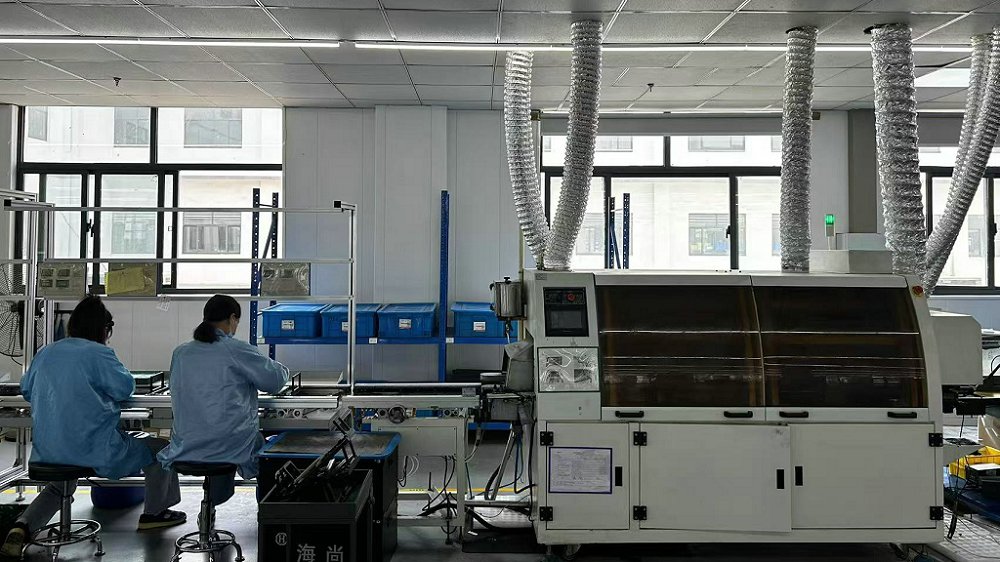
By leveraging automated robotic welding, precise laser cutting, and digital automated test lines, leading Chinese suppliers guarantee consistent tolerances across thousands of components. Rigorous quality assurance processes ensure that mechanical components match local building code standards globally.
By auditing suppliers against these parameters, procurement departments protect long-term assets against structural failure and operational downtime.
Xiamen Jonas Energy Co., Ltd. is a professional provider of renewable energy solutions, headquartered in Xiamen, Fujian Province, China. Since its establishment, the company has been dedicated to the research, development, manufacturing, and global distribution of advanced photovoltaic and energy storage products.
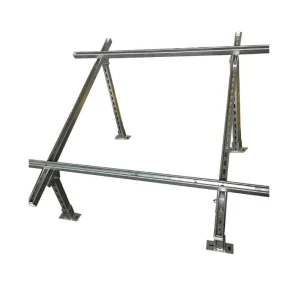
With a strong commitment to innovation and sustainability, Jonas Energy offers a comprehensive portfolio of solar energy solutions, including solar panels, inverters, energy storage batteries, mounting systems, and complete solar power generation systems. Our products are designed to meet the diverse needs of residential, commercial, industrial, and utility-scale projects worldwide.
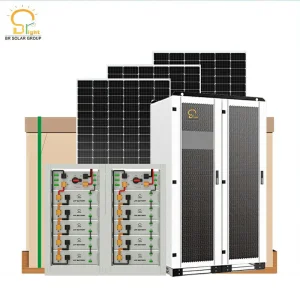
We work closely with internationally recognized manufacturers and technology partners to provide a wide range of reliable energy storage solutions, including wall-mounted batteries, all-in-one storage systems, rack-mounted batteries, and containerized energy storage systems (ESS). Through continuous innovation and strategic partnerships, we help customers achieve greater energy independence and efficiency.
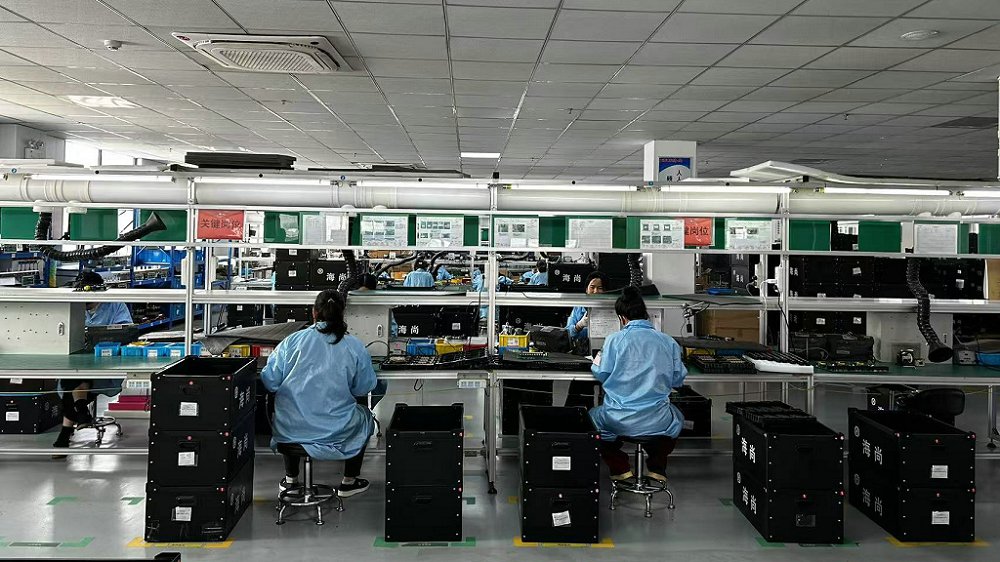
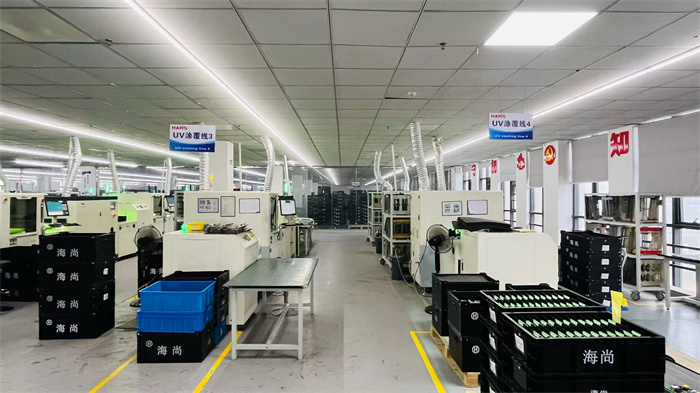
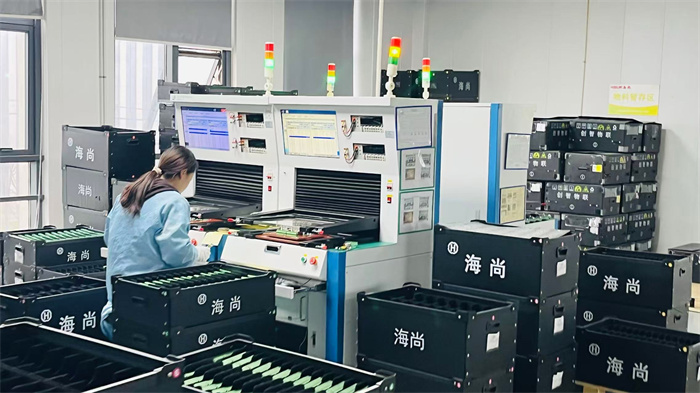
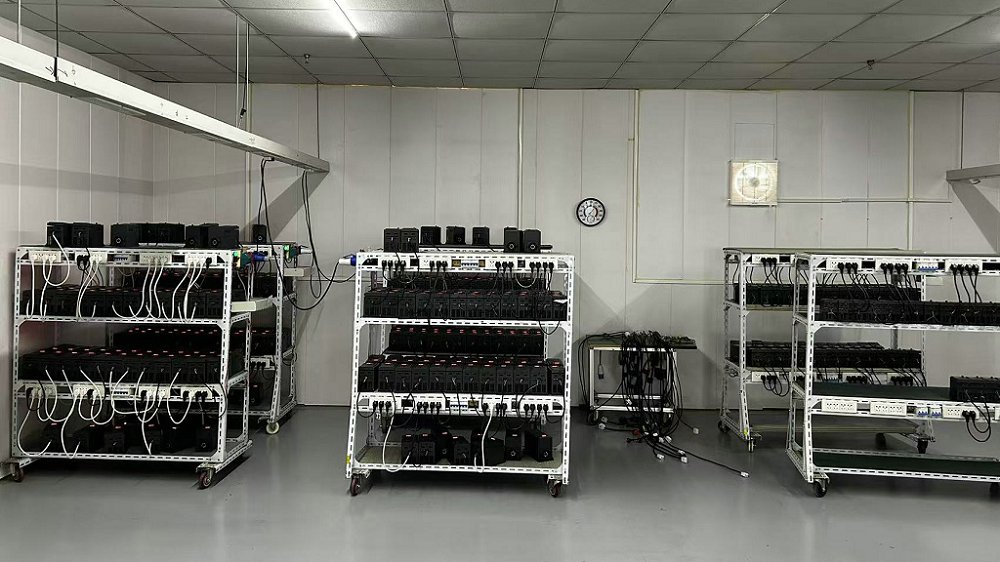
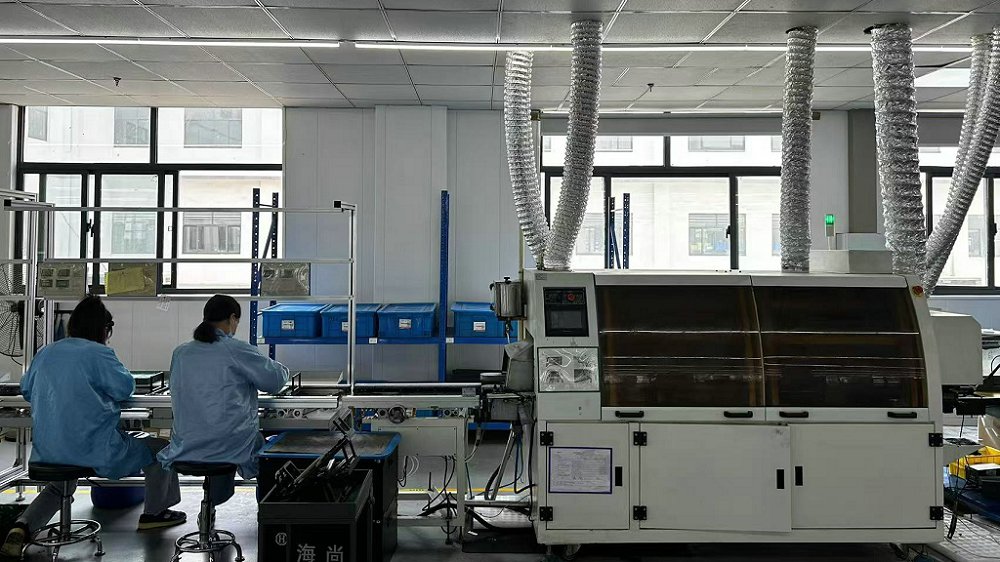
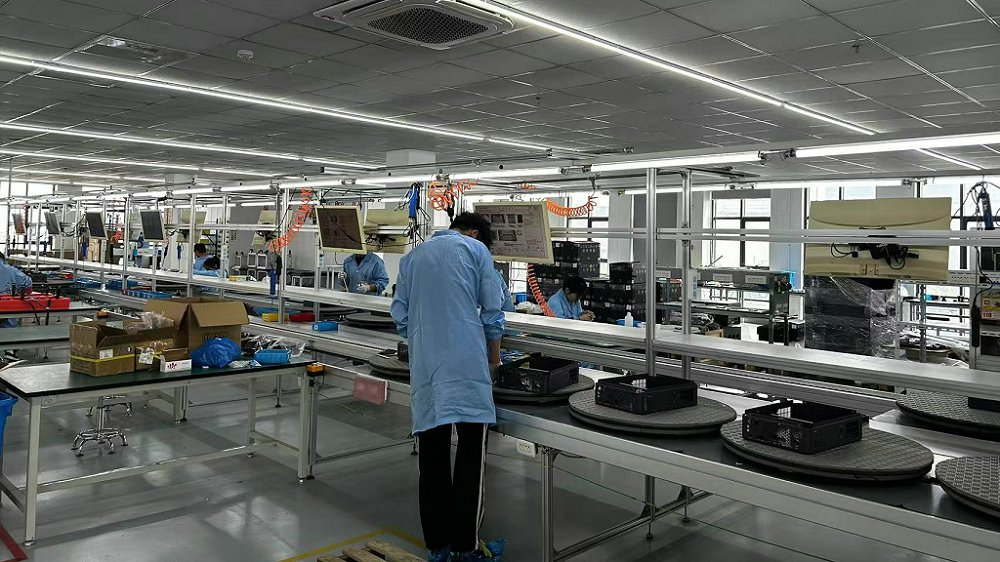
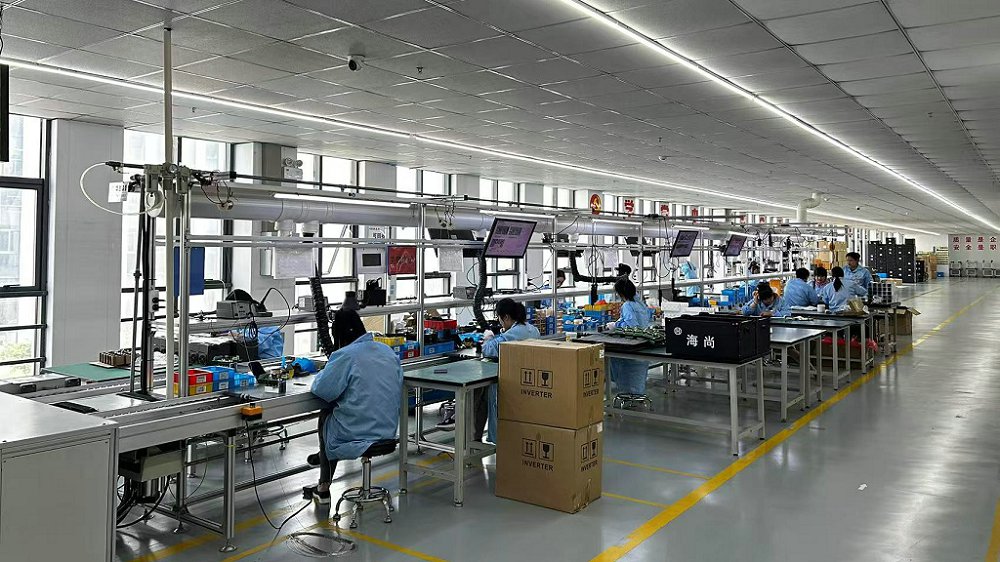
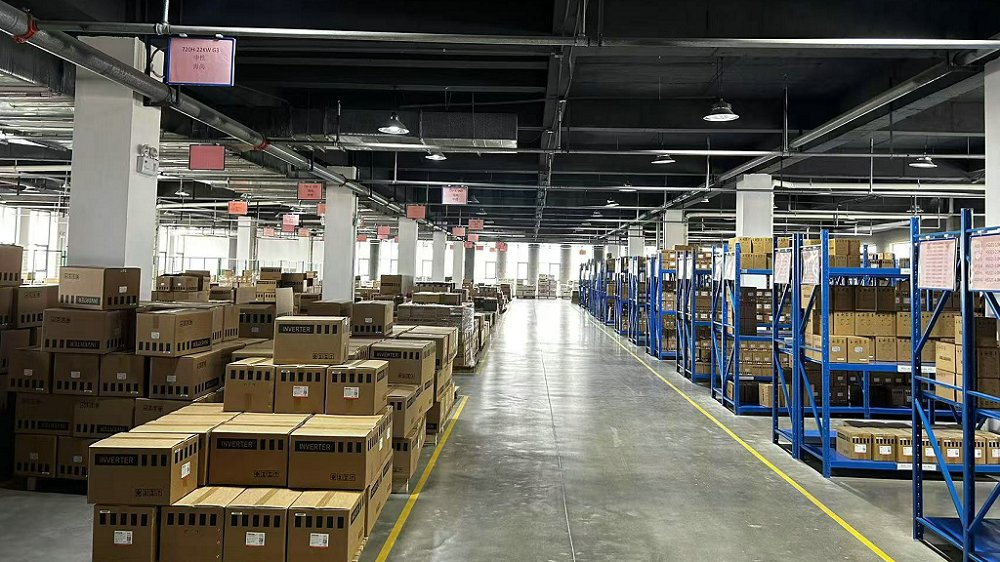
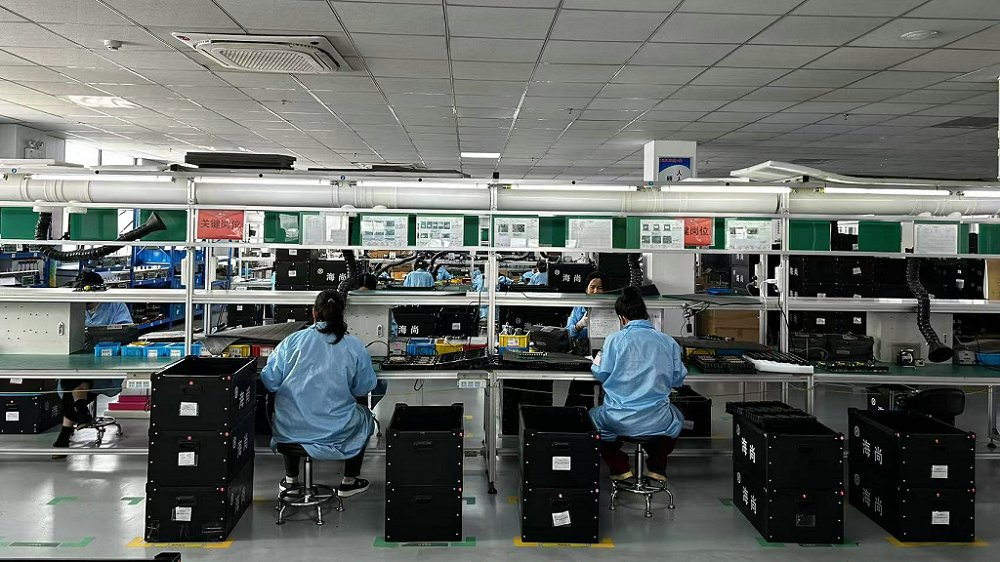
As a high-tech enterprise, Jonas Energy operates modern production facilities equipped with advanced manufacturing and testing equipment. Our annual production capacity reaches several gigawatts, enabling us to efficiently serve customers across global markets.
Our experienced R&D team consists of highly qualified engineers and technical specialists who continuously focus on product innovation, performance optimization, and technological advancement in the renewable energy sector. By integrating cutting-edge technologies, we ensure that our solutions remain competitive, efficient, and future-ready.
Quality is at the core of everything we do. All products undergo rigorous testing and strict quality control procedures to ensure long-term reliability and performance. Our products comply with international standards and certifications, including IEC, CE, TUV, ISO9001, ISO14001, and other recognized industry certifications, providing customers with confidence and peace of mind.
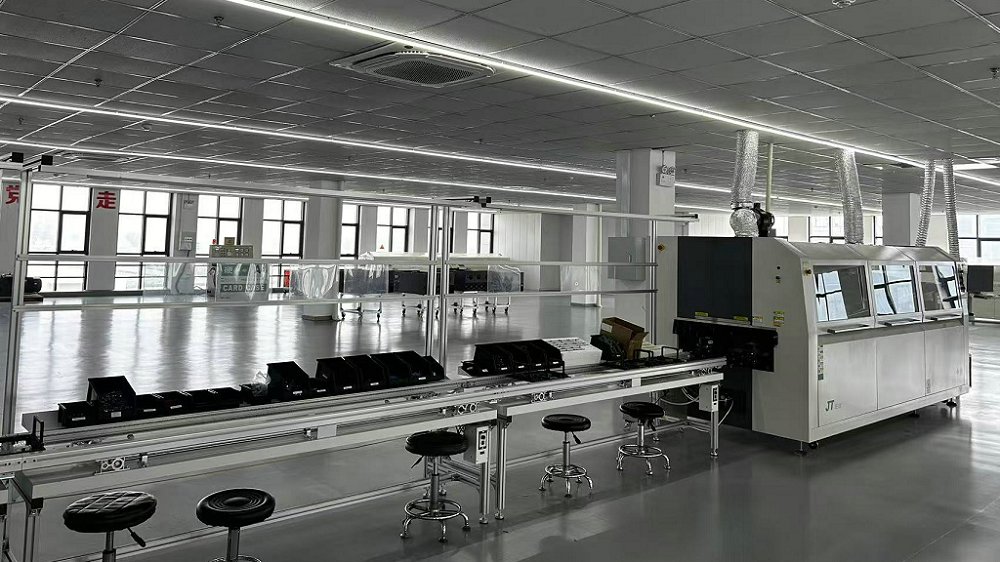
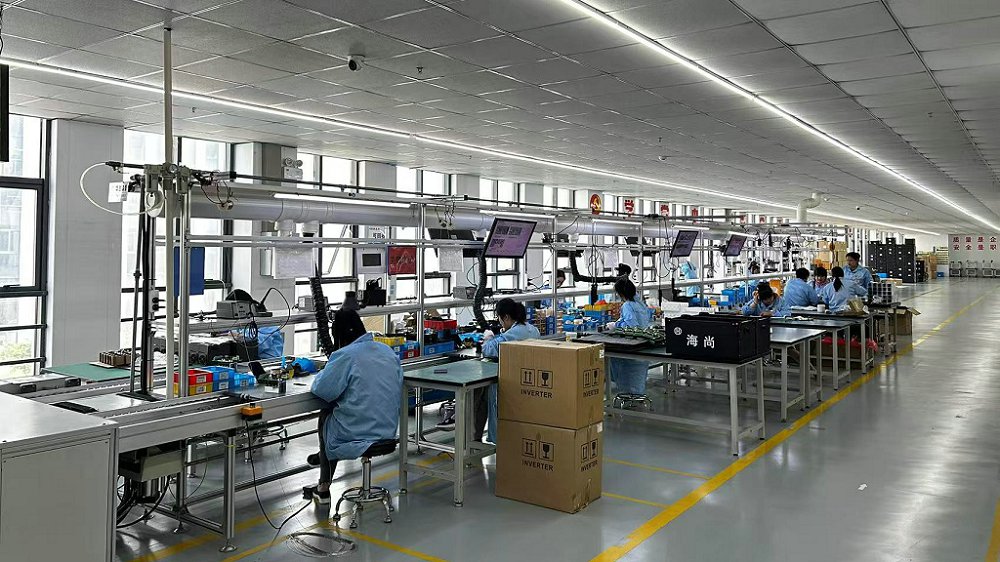
Our manufacturing facilities utilize highly efficient and precise production and inspection equipment. Through cooperation with leading industry partners and suppliers, we maintain exceptional product consistency and quality throughout the production process.
Our multidisciplinary team includes experts in photovoltaic technology, energy storage systems, engineering design, project management, and international business. From project consultation and system design to product supply, installation guidance, and after-sales support, Jonas Energy provides complete one-stop solar and energy storage solutions tailored to each customer's requirements.
Modern solar installations require tailored engineering to ensure reliability in challenging geographic regions.
Desert solar plants face high dirt and sand accumulation. Automated tracker controllers integrate cleaning-cycle interfaces that position arrays at optimized slope angles for automatic robotic brush sweeps or water washdowns, mitigating dirt losses.
In locations with complex slopes, rigid straight-line trackers can experience high civil grading costs. Modern single-axis trackers employ cardan joints and independent multimodule drive rows to handle north-south slope changes up to 15% without structural strain.
By raising torque tube heights up to 2.5 - 3 meters, trackers permit agricultural machinery to operate underneath. Dynamic software adjusts tracking profiles to control shading, optimizing both energy production and crop growth.
Crucial technical answers regarding standard compliance, structural wind limits, algorithm accuracy, and logistics management.
The primary global certification is IEC 62817, which validates structural durability, environmental robustness, and motor duty cycles. For US markets, UL 3703 is essential, governing electrical safety and control systems. CE conformity ensures alignment with European low-voltage and electromagnetic compatibility directives.
Trackers integrate wind sensors that signal the Central Control Unit (CCU) when wind speeds exceed safe operating thresholds (typically 18-22 m/s). The system triggers an automated stow sequence, locking torque tubes at a default flat 0° or steep 45° angle to minimize structural lift and drag forces.
Single-axis trackers follow the sun from East to West, rotating on a horizontal axis. They are cost-effective and common in large-scale utility plants. Dual-axis trackers adjust on both horizontal and vertical axes to follow the sun precisely, offering higher yield increases suitable for high-latitude locations.
Historically, yes. However, modern terrain-adaptive trackers accommodate up to 15% North-South slopes and variable East-West grades. This capability reduces civil work requirements and project preparation expenses.
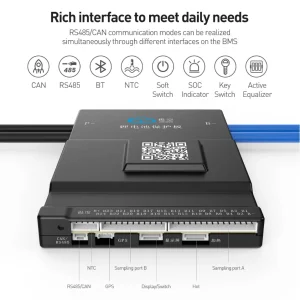
Modern tracker controllers use standard industrial communication protocols, primarily Modbus RTU over RS485 or wireless networks. This setup allows plant operators to monitor mechanical status, motor power consumption, and error states from a centralized control room.
Tracking structures are designed to match the 25 to 30-year lifecycle of standard solar modules. Slew drives are packed with specialized long-life lubricants and sealed to IP66 standards, minimizing degradation and reducing maintenance schedules to simple biennial audits.
 Jonas Energy