Premium energy products engineered to serve wind, solar, and hybrid utility setups.
Analyzing key advancements transforming global offshore utility networks from 2025 through 2035.
The offshore wind sector is scaling up rapidly, with turbine capacities reaching 15MW to 20MW. This shift demands highly resilient, dynamic foundations and advanced structural components capable of absorbing massive structural loads in high-velocity open waters.
As near-shore wind farm locations fill up, global development is moving toward deep-water regions. Floating semi-submersible, tension-leg, and spar-buoy platforms are replacing traditional fixed-bottom structures, demanding robust wholesale supply chains for moorings and components.
Hybrid setups combining offshore wind farms with floating solar arrays and storage sub-stations are emerging. This co-location optimizes maritime space, shares subsea transmission lines, minimizes wake-loss impacts, and delivers a steadier power output to onshore grids.
Based in Xiamen, Fujian Province, Xiamen Jonas Energy Co., Ltd. stands as a premier provider of integrated renewable energy systems. We focus on the research, manufacturing, and global export of advanced industrial clean energy products.
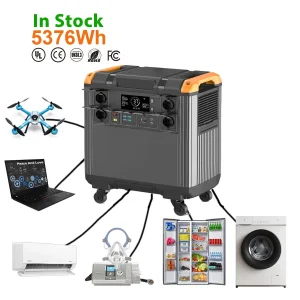
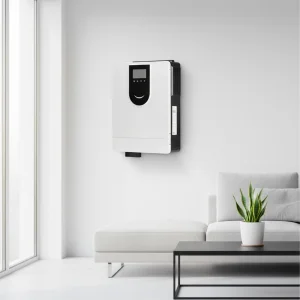
By pairing manufacturing precision with strategic engineering partnerships, we support utility-scale wind and solar projects worldwide. Our comprehensive range includes specialized high-strength solar mounting structures, grid-connected cabinets, reliable power conversion units, and large-scale battery energy storage systems (ESS).
Our commitment to E-E-A-T (Experience, Expertise, Authoritativeness, and Trustworthiness) guides our engineering and quality standards. We subject every system configuration, component interface, and structural anchor to extreme stress testing, ensuring reliable operation over decadal cycles in challenging marine environments.
Utility-scale projects require high reliability, compliance, and strict anti-corrosion standards.
Components exposed to marine environments face continuous humidity, salt spray, and mechanical stress. Wholesale components must comply with ISO 12944 C5-M high-durability coating standards. Standard components fail prematurely; marine energy projects require high-grade hot-dip galvanized steel, specialized anodized aluminum alloys, and marine-grade polymer coatings.
Reducing LCOE is a key driver for utility-scale developers. Purchasing wholesale components from China provides major cost advantages. However, keeping maintenance costs low requires using highly reliable equipment, like IP67-rated connectors, high-voltage combiner boxes, and robust racking systems designed to withstand storms.
Managing high-voltage grid connections is a complex step in wind and solar projects. Offshore installations need durable combiner boxes, anti-islanding grid-connected cabinets, and high-efficiency hybrid inverters. These units help regulate variable voltages, protect delicate equipment from spikes, and maintain grid stability.
Large-scale projects require reliable, large-volume component supply on strict timelines. Jonas Energy utilizes optimized production workflows to deliver high-capacity battery systems, support frames, and electrical accessories in bulk, minimizing construction delays.
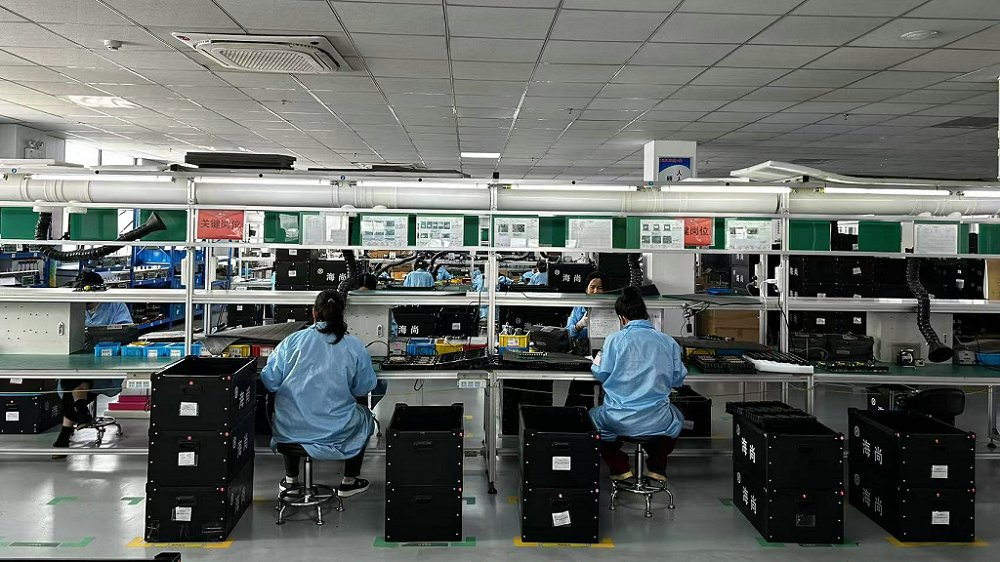
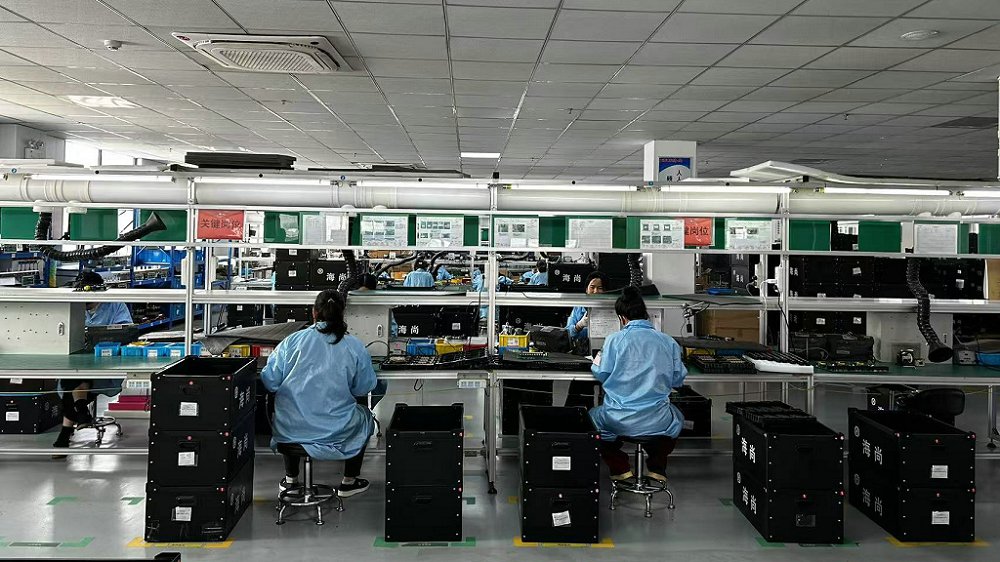
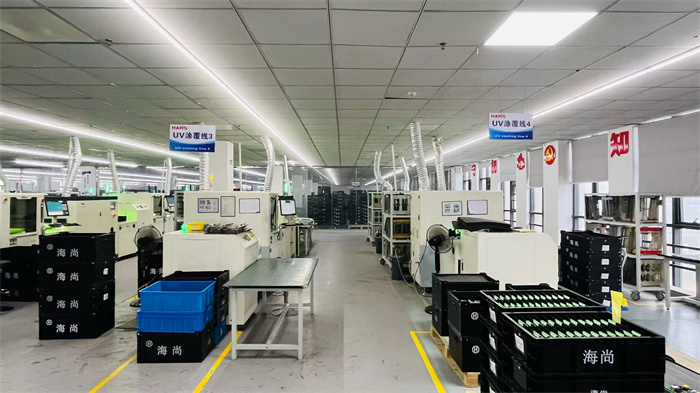
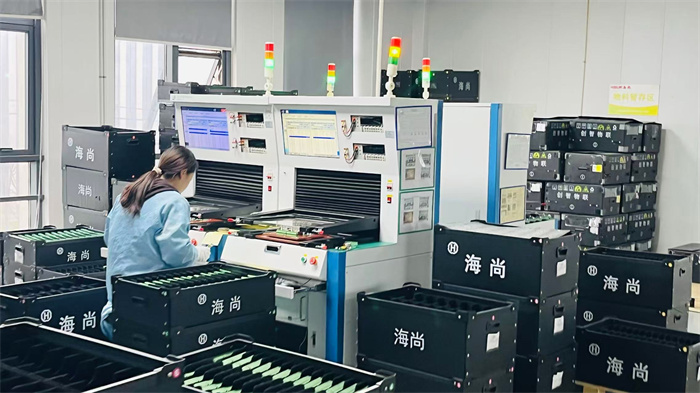
A step-by-step look at our advanced production lines, ensuring high quality and performance for every component.
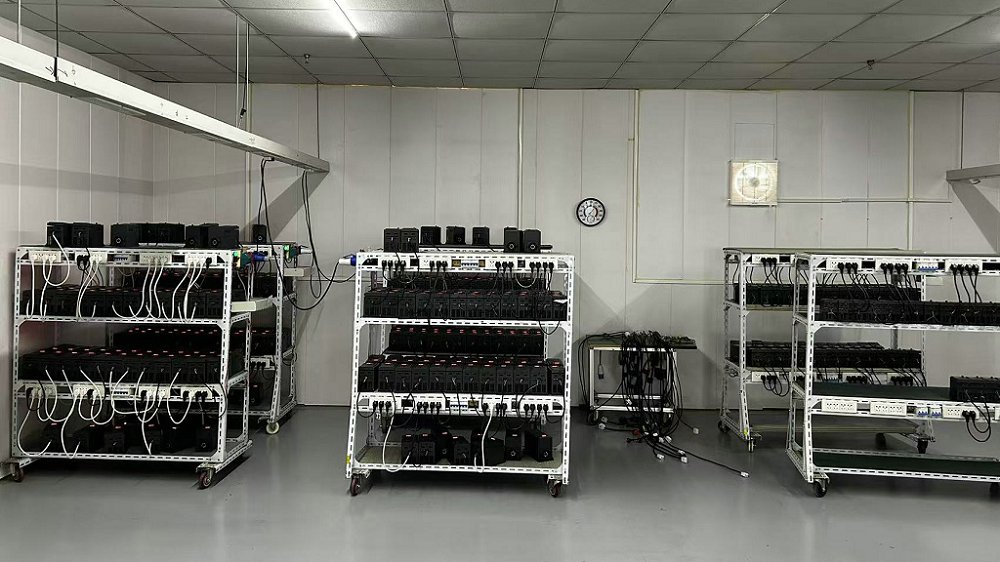
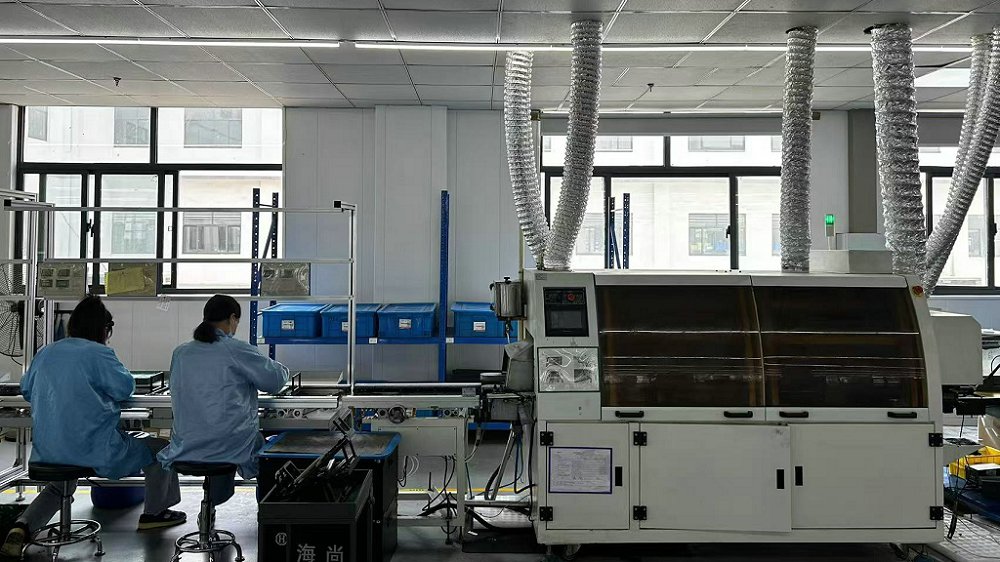
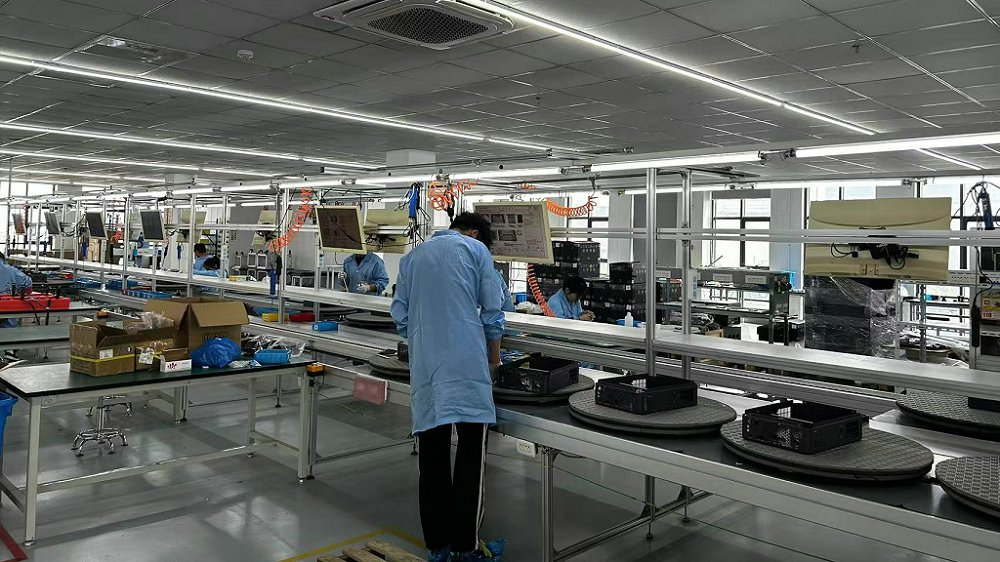
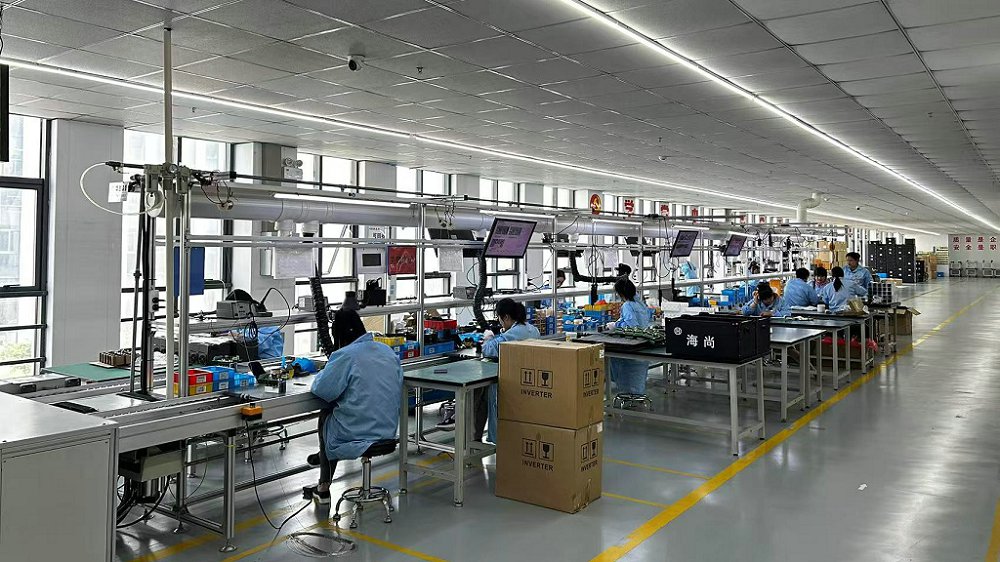
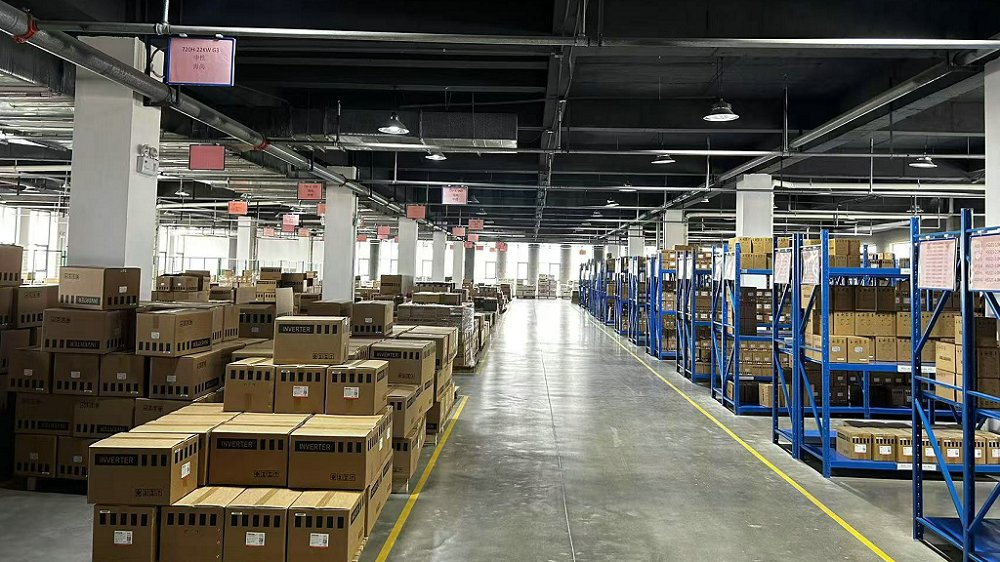
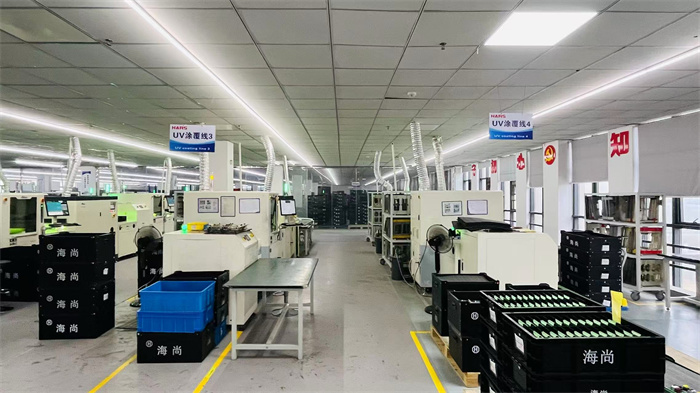
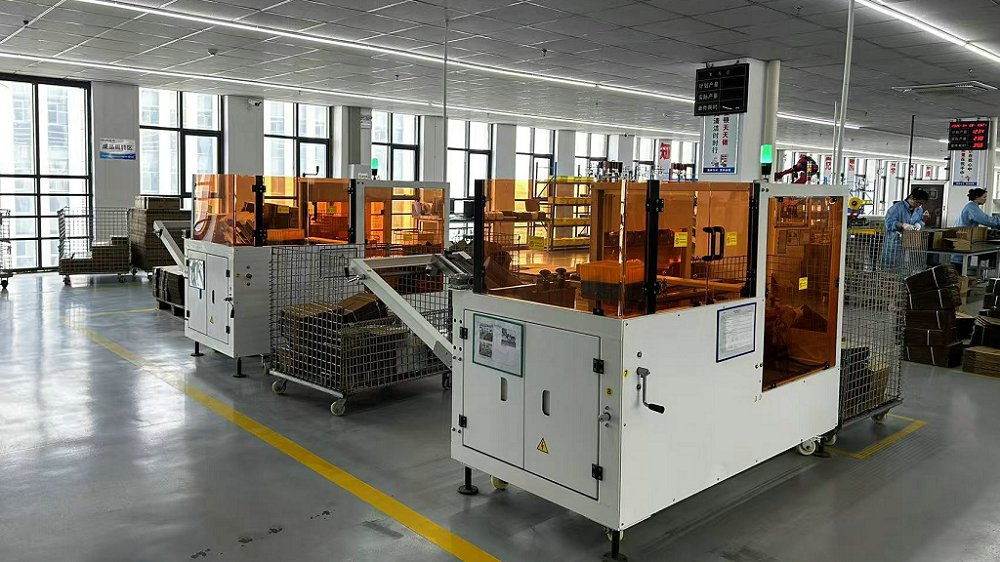
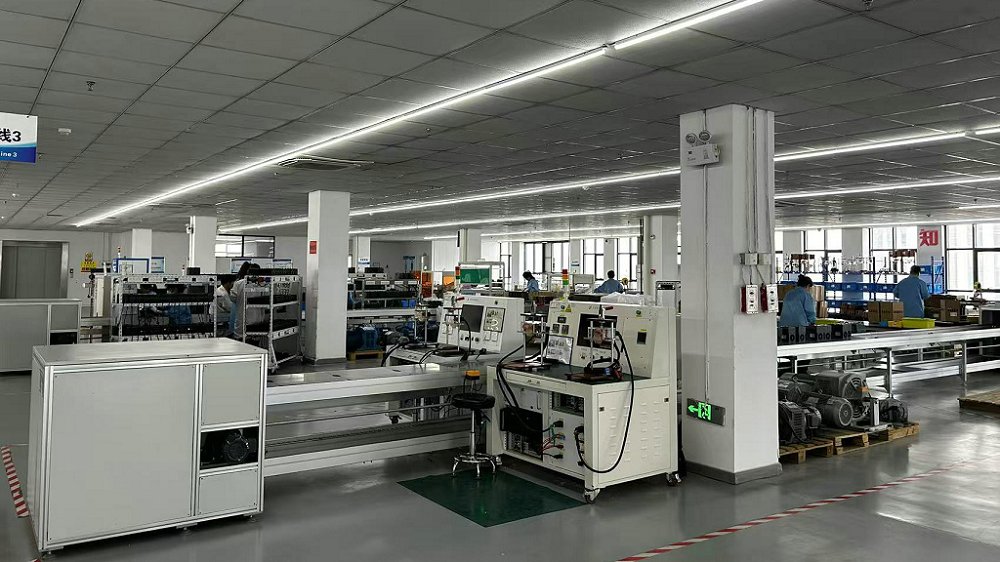
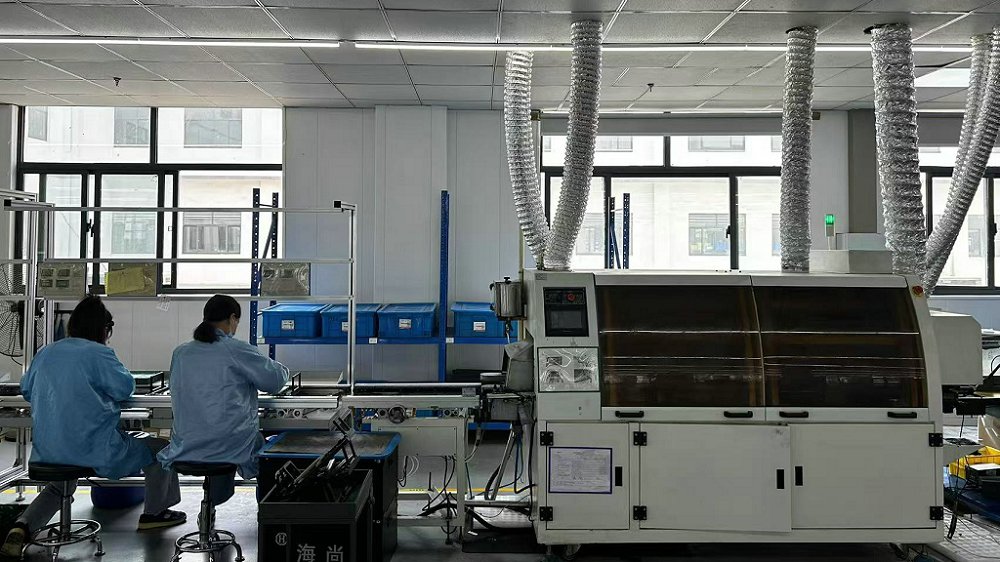
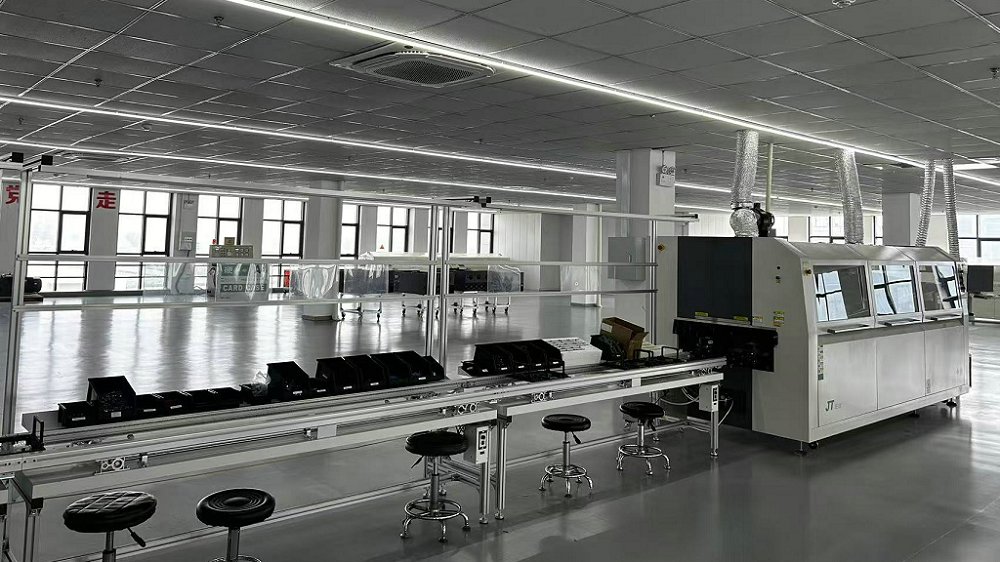
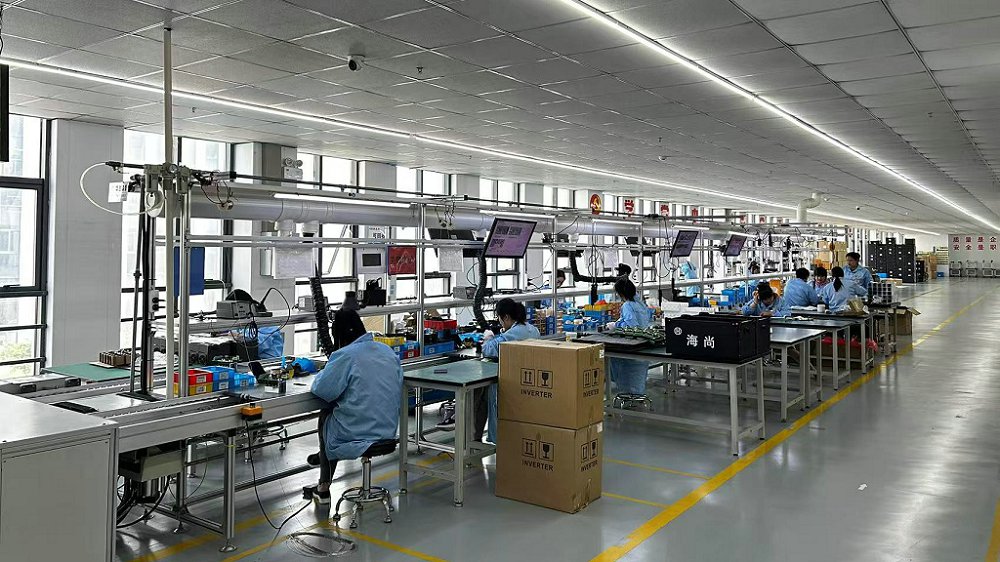
Our technologies bridge utility production with structural support and electrical distribution.
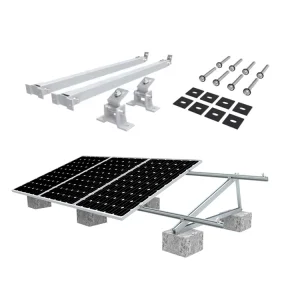
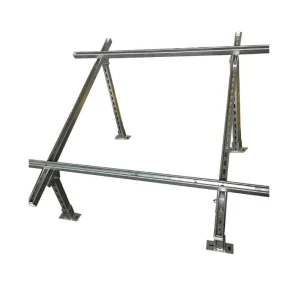
Jonas Energy develops specialized wholesale support structures designed for coastal and offshore ground mount solar installations. These racking systems feature thick hot-dip galvanization and structurally optimized layouts to withstand high wind speeds and dynamic wave forces.
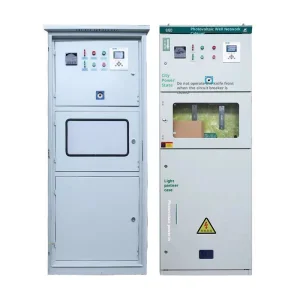
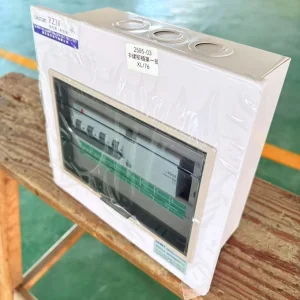
Our GGD-model photovoltaic cabinets and combiner boxes feature IP45 to IP65 ratings and anti-islanding protection. They consolidate power inputs from diverse solar and wind arrays, providing safe, reliable distribution to the main grid.
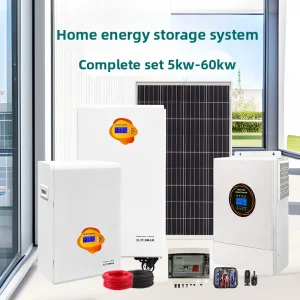
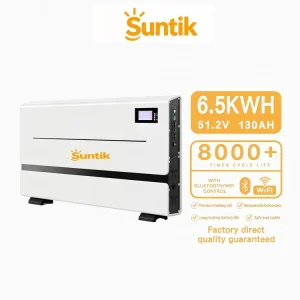
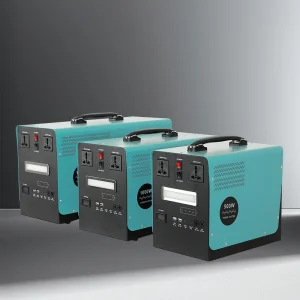
To balance the variable output of offshore wind and solar, we supply modular energy storage systems (ESS). Using high-safety LiFePO4 cells, these units provide grid-forming, peak-shaving, and backup power to protect subsea cable networks from load imbalances.
We work to ensure all wholesale exports comply with regional grid codes, local structural wind loads, and import laws in major markets, including Europe, North America, and the Asia-Pacific region.
Our manufacturing and engineering practices comply with international standards, such as CE, TUV, IEC, ISO9001, and ISO14001. This helps ensure our products meet strict quality benchmarks for utility-scale clean energy projects.
We offer technical consultation, structural layout design, grid simulation modeling, and on-site assembly guidance to support smooth project integration and commission timelines.
Developing next-generation technologies to increase performance, lifetime, and grid stability.
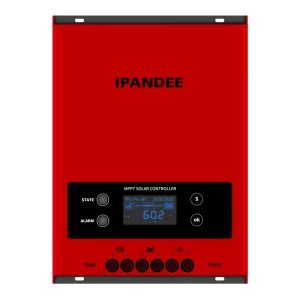
We are developing high-capacity hybrid smart inverters capable of grid-forming. These units can help stabilize grids during blackouts, support remote microgrids, and manage voltage variations in offshore solar-wind hybrid networks.
Our R&D team is testing advanced polymer composites and magnesium-aluminum-alloy coatings. These materials are designed to resist corrosion in harsh maritime environments while maintaining low structural weight.
Our upcoming industrial energy storage systems (BESS) will feature liquid-cooling technology. This system maintains optimal battery temperatures, extending operational life and improving safety in warm coastal climates.
Key technical answers for procurement specialists and renewable energy engineers.
Explore our industrial-grade line of power regulators, protective combiner housings, and off-grid support gear.
 Jonas Energy