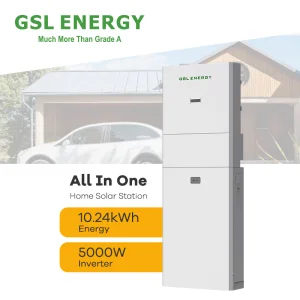
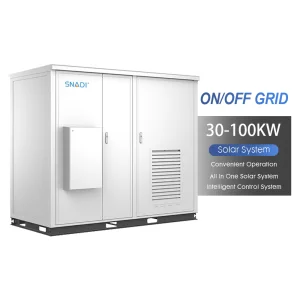
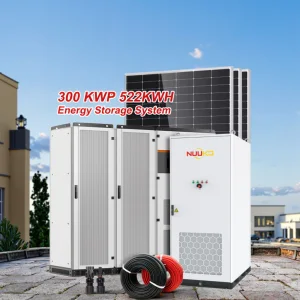
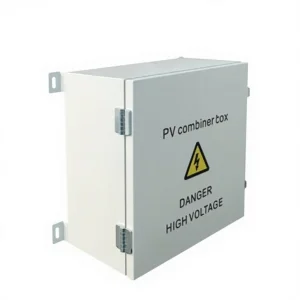
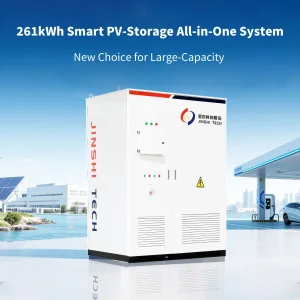
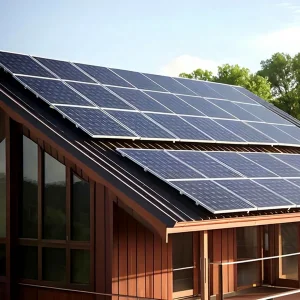
As the world transitions to decentralized grids and high-capacity Lithium Iron Phosphate (LiFePO4) storage, environmental climate control inside enclosures has become the single most critical factor for cell longevity, system safety, and efficiency.
In modern microgrid and battery energy storage system (BESS) deployments, maintaining an optimal thermal range (between 15°C and 35°C) is key to preventing cellular degradation and catastrophic occurrences like thermal runaway. Environmental variables like dust infiltration, ambient humidity, and extreme heat cycles impose massive operational loads on outdoor installations.
Xiamen Jonas Energy Co., Ltd. addresses this challenge by integrating advanced thermodynamic configurations directly into energy storage systems. Our high-efficiency climate control architectures utilize smart liquid cooling and high-rating HVAC integration. This guarantees uniform cell temperatures ($\Delta T \leq 3^\circ\text{C}$), even under extreme physical discharge dynamics.
Choosing the correct thermal regulation mechanism determines your long-term Levelized Cost of Storage (LCOS). Here is how China's premier manufacturers evaluate deployment requirements:
| Feature / Parameter | Traditional Forced Air Cooling | Advanced Liquid Cooling (Jonas Standard) | Hybrid Phase Change Material (PCM) |
|---|---|---|---|
| Thermal Transfer Efficiency | Moderate (dependent on air circulation velocity) | High (3x thermal capacity of air) | High (latent heat absorption limits) |
| Temperature Uniformity | $\Delta T \approx 5^\circ\text{C}$ to $8^\circ\text{C}$ | $\Delta T \leq 3^\circ\text{C}$ | $\Delta T \approx 4^\circ\text{C}$ |
| Footprint & Volumetric Efficiency | Large (requires spacing for air channels) | Ultra-Compact (direct cold plate integration) | Moderate (weight added by materials) |
| Enclosure Protection Level | Typically IP54 (risk of dust introduction) | IP65 to IP67 (fully sealed loop) | IP65 (passive sealed systems) |
| Ideal Applications | Residential and small C&I systems (< 50kWh) | Utility-Scale BESS, High C-rate discharge | Specialized industrial, extreme ambient environments |
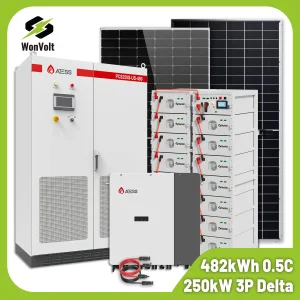
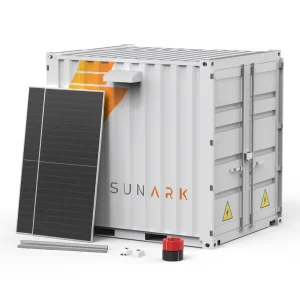
Designed for large grid balancing systems, we integrate specialized chillers, dynamic liquid cooling loops, and intelligent HVAC units inside 20ft and 40ft containers, keeping megawatt configurations perfectly cooled under continuous cycle conditions.
IP54 & IP65 double-walled insulated outdoor cabinets, equipped with thermoelectric coolers (TEC) or side-mounted micro-AC units. Perfect for factories, commercial parks, and rural solar microgrids suffering from extreme weather spikes.
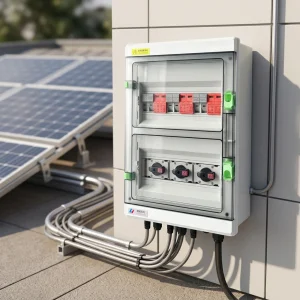
Leveraging high-protection class string-combiner boxes, solar connectors, and rugged BMS architectures to resist corrosion in seaside solar fields, high-altitude alpine regions, and dry desert mining sectors.
Xiamen Jonas Energy Co., Ltd. is a leading manufacturer and exporter of solar storage and climate-regulated energy architectures, headquartered in Xiamen, Fujian Province, China. We specialize in the R&D, manufacturing, and global shipping of advanced PV and energy storage configurations.
Through partnerships with tier-one suppliers and rigorous testing, we produce residential wall-mounted batteries, commercial outdoor storage systems, and megawatt-level containers. Our integration of smart BMS with advanced thermal management guarantees safety and maximum power yield.
Operating modern production lines, Jonas Energy exports gigawatt-scale capacity annually. Our products comply with IEC, CE, TUV, ISO9001, and ISO14001 certifications. Our multidisciplinary engineering teams provide one-stop, customized solutions, including system layout design, thermal modeling, and worldwide logistics management.
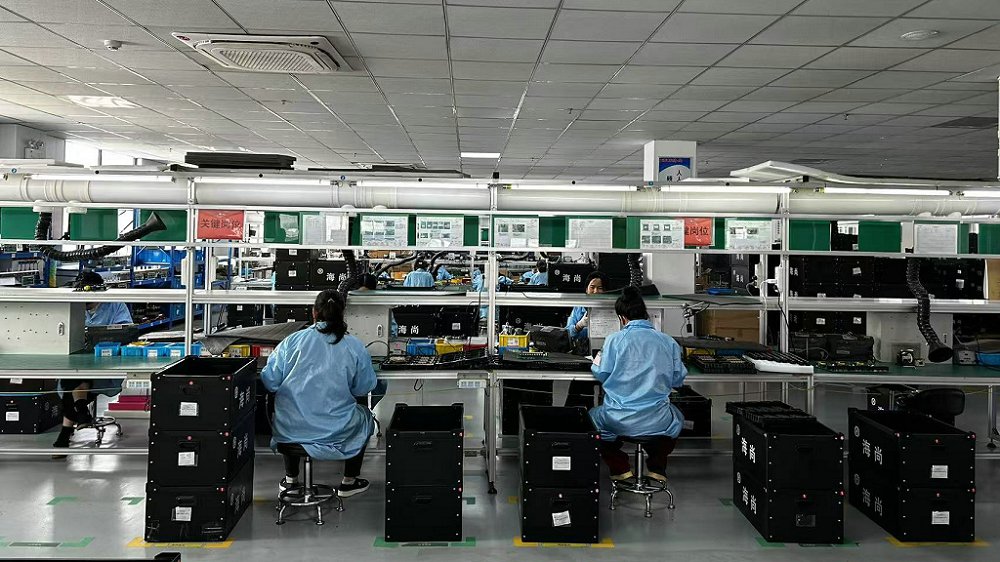
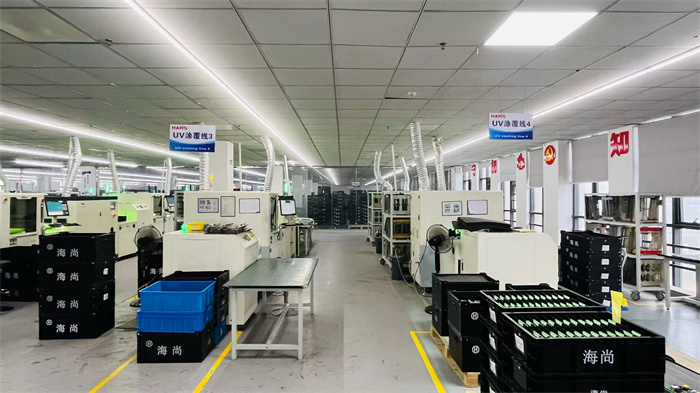
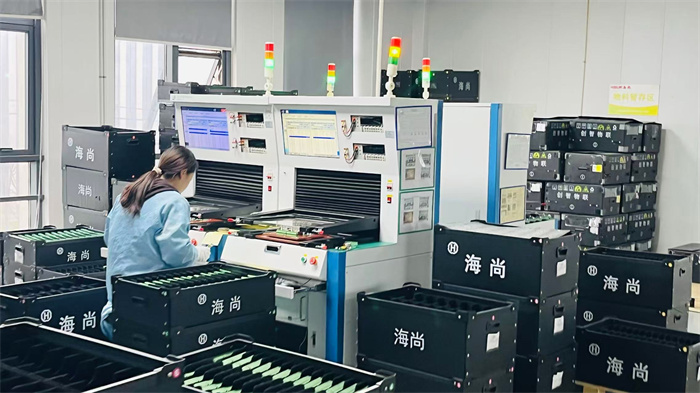
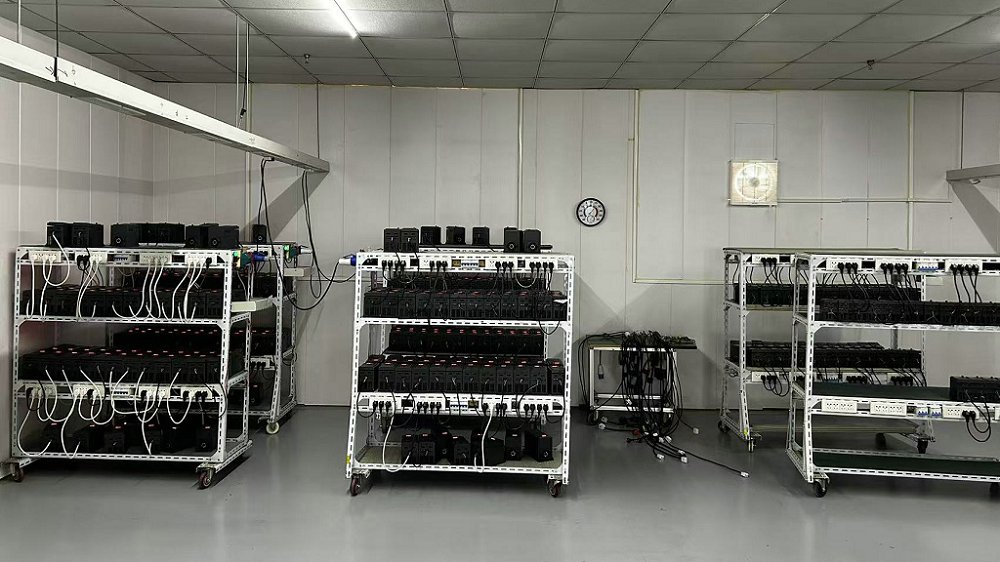
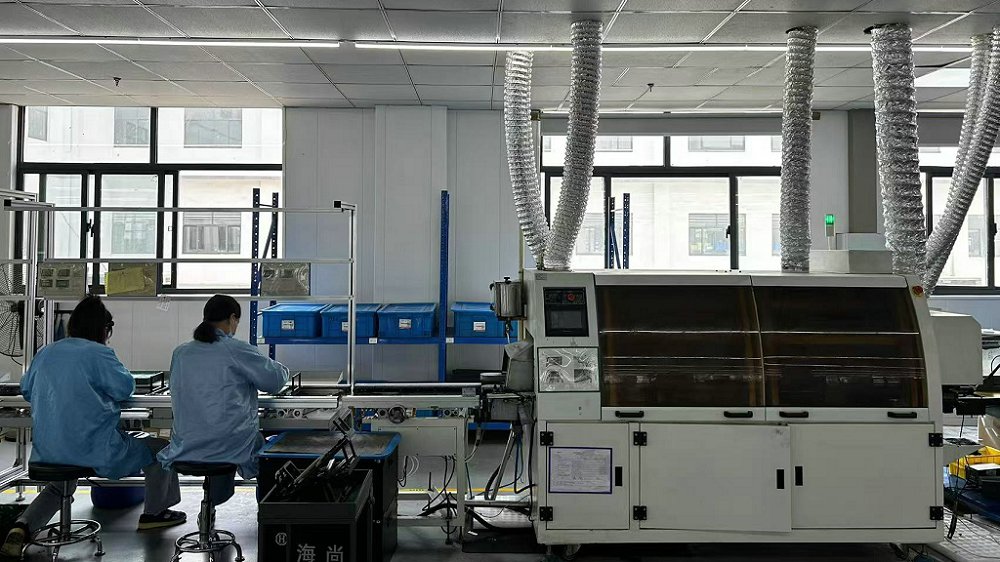
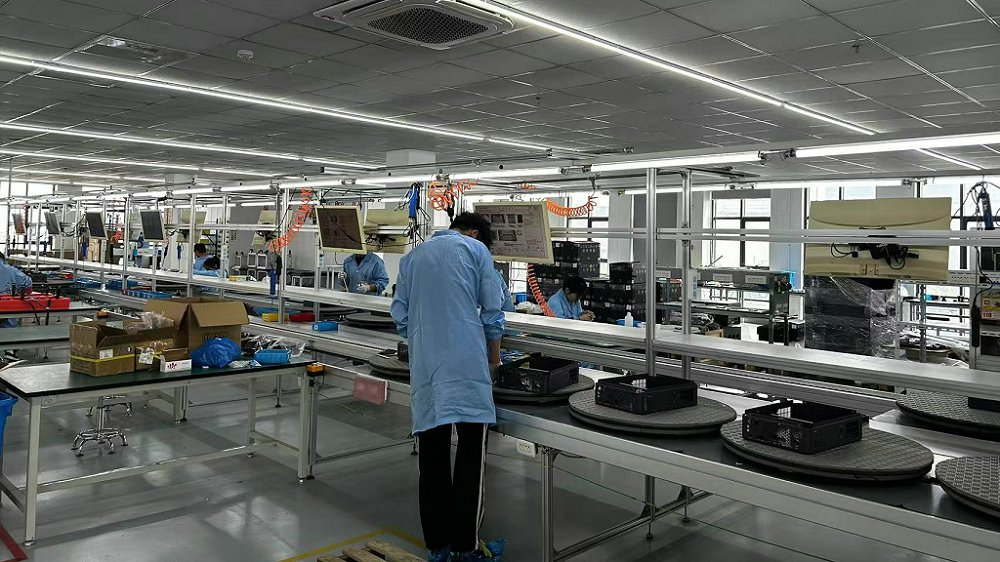
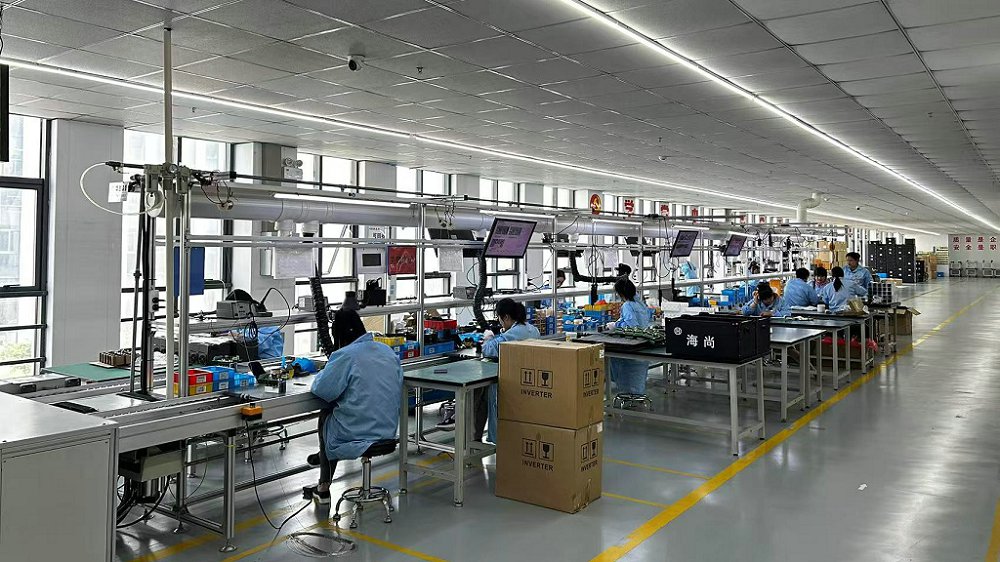
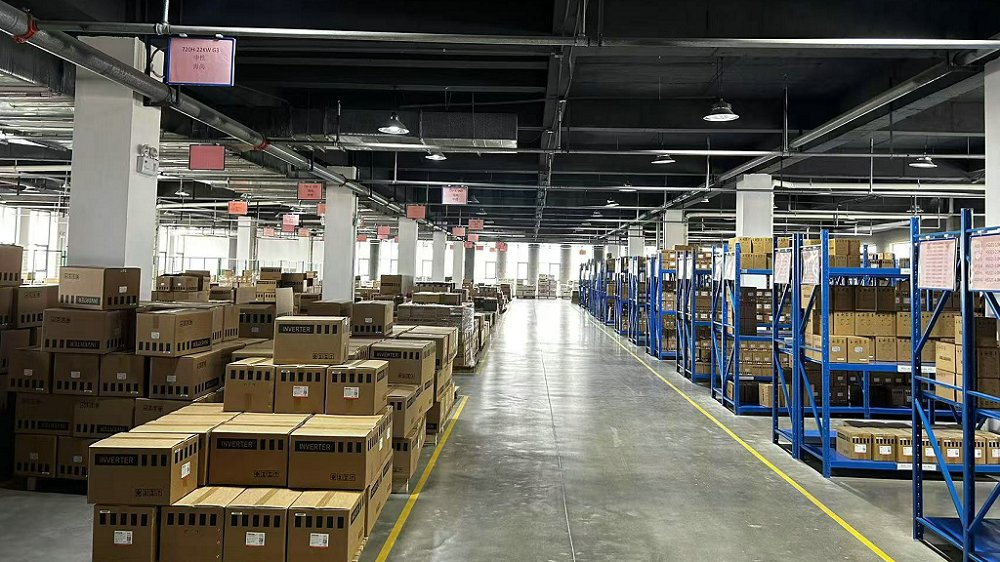
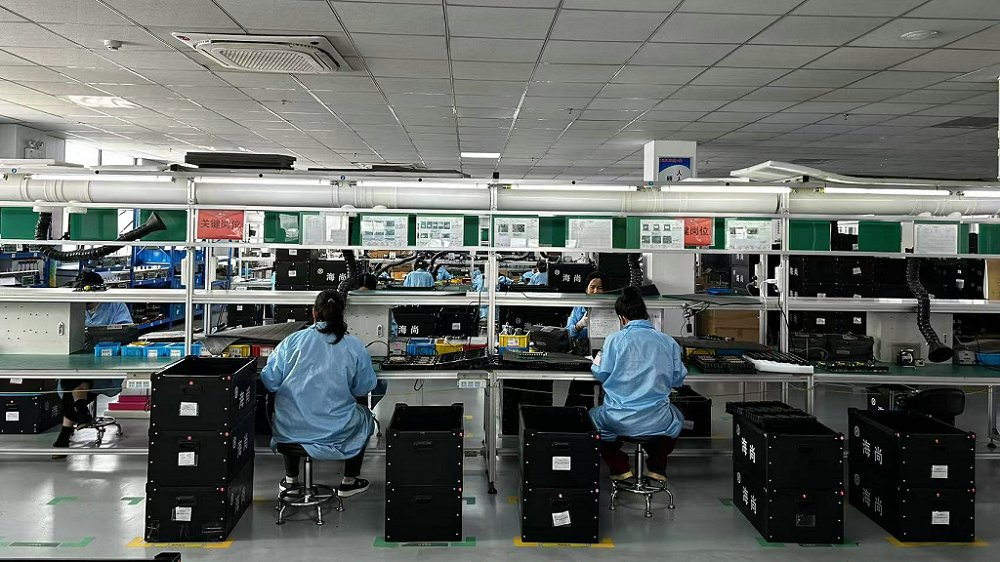
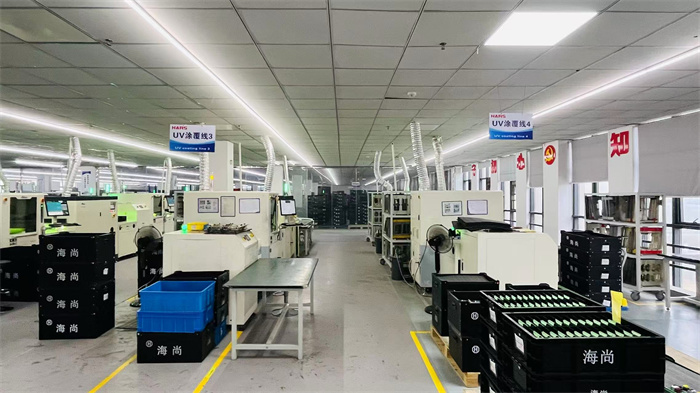
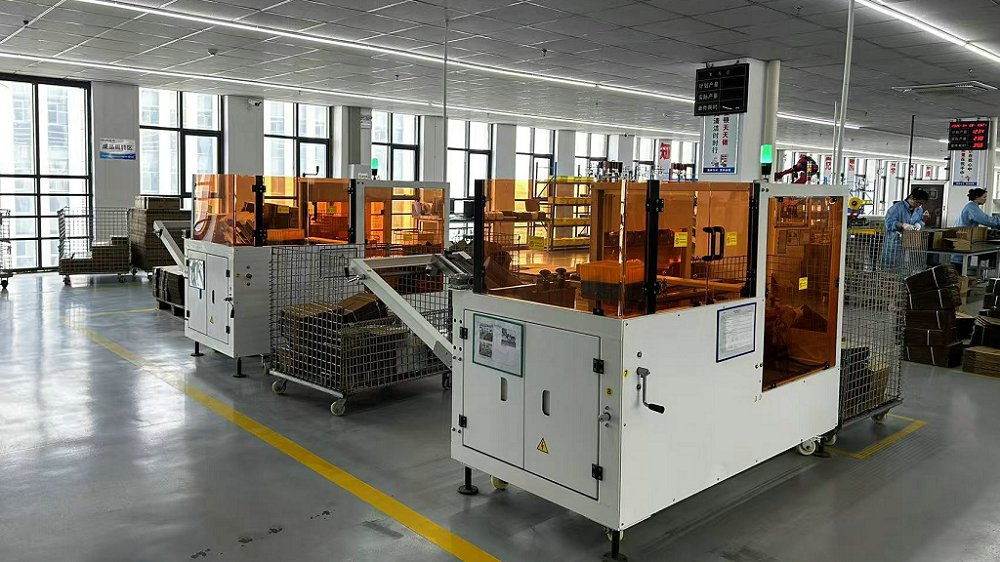
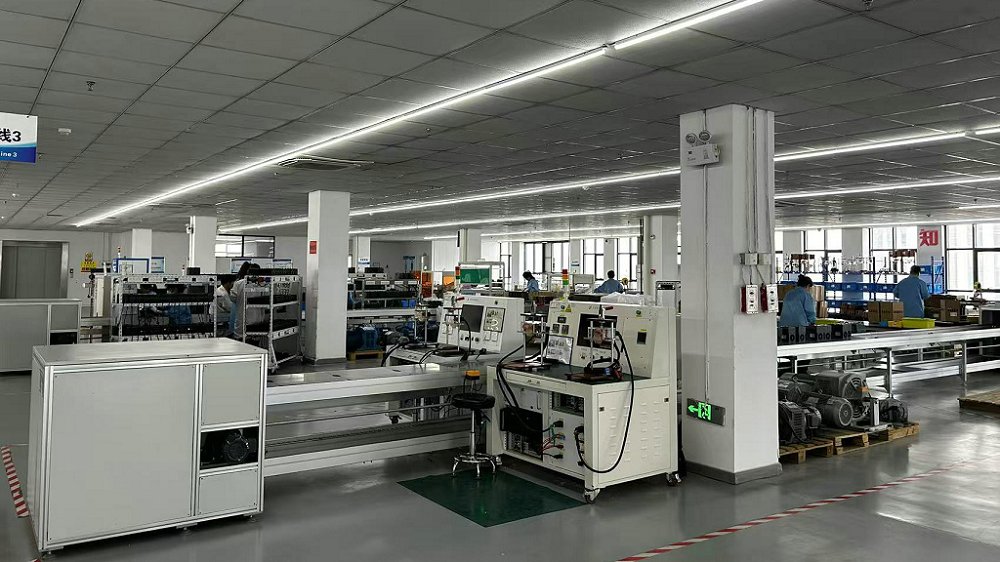
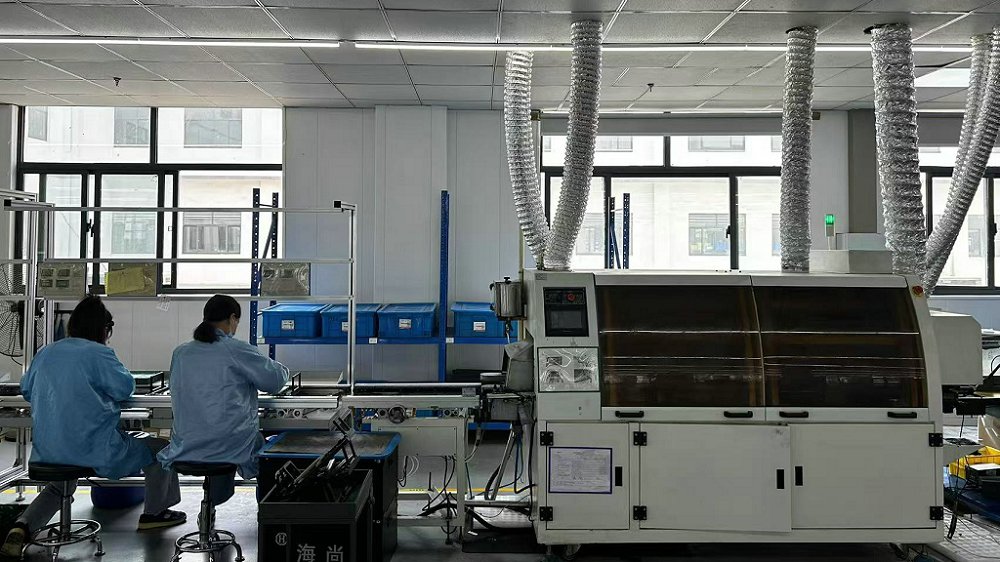
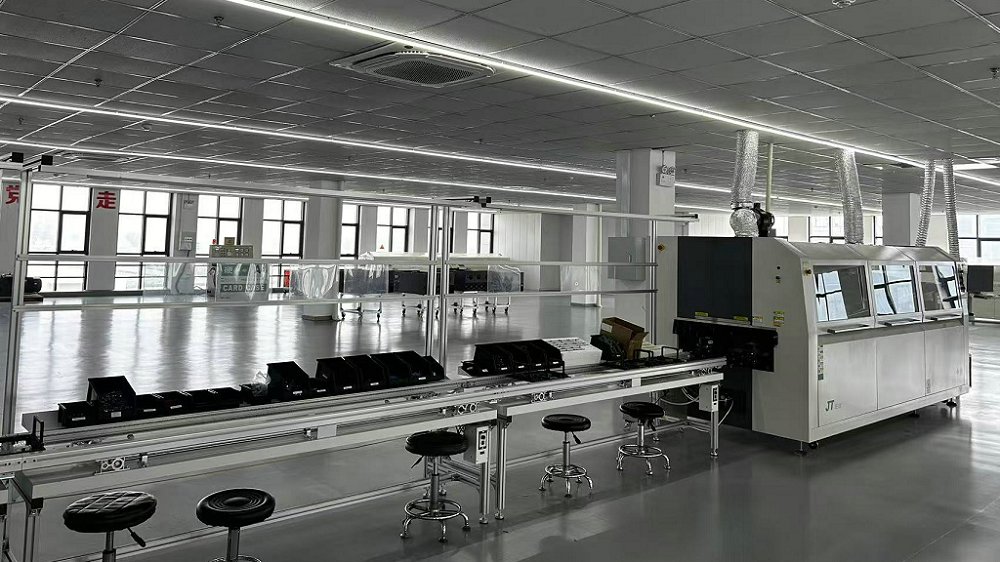
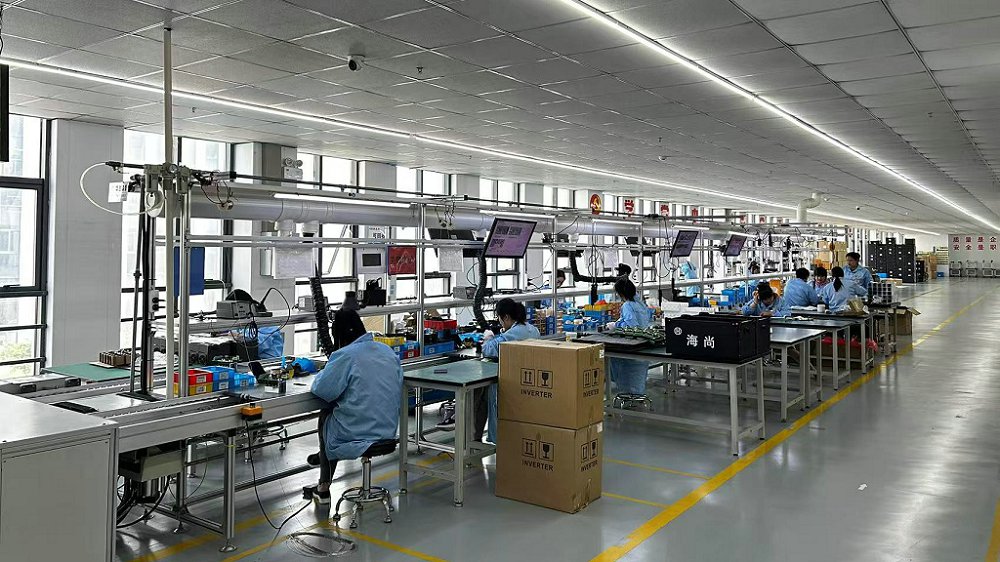
Below are glimpses of Xiamen Jonas Energy's certified production process. Every stage, from PCB plate making to the final climate chamber test and burn-in aging, is conducted under strict quality control.
LiFePO4 battery chemistry is sensitive to temperature extremes. High temperatures accelerate solid electrolyte interphase (SEI) growth, decreasing cycle life, and can trigger thermal runaway. Conversely, temperatures below 0°C cause lithium plating during charging, permanently reducing battery capacity. Proper climate control keeps system temperatures stable, maximizing lifespan and capacity retention.
Air-cooled systems rely on internal air circulation via fans, which works well for small enclosures but can lead to uneven cooling in large systems. Liquid cooling circulates a glycol-water mixture through thermal plates directly touching the battery cells. This liquid loop delivers up to three times the thermal capacity, keeping temperatures uniform (typically under 3°C difference between cells) and extending system life.
IP65 and IP67 ratings mean the enclosures are dust-tight and highly water-resistant. This prevents dust accumulation, humidity, and water ingress from causing electrical shorts or corrosion inside the cabinets. This high level of protection is essential for reliable operations in dusty agricultural settings or coastal environments with salt mist.
A smart Battery Management System (BMS) continuously monitors cell voltage and temperature. If temperatures rise above set limits, the BMS communicates with the cooling system to adjust airflow or coolant circulation. It can also safely throttle charging currents or disconnect the battery to protect the system if temperatures become critical.
We provide full customization for solar storage installations. This includes designing double-walled insulated enclosures, custom-sized battery racks, integrated hybrid inverters, and climate systems tailored for ambient temperatures ranging from -30°C up to 55°C. We also support custom paint finishes and branding.
 Jonas Energy