Engineered core power systems, PV combination arrays, and structural mounts designed for heavy agricultural and industrial operations.
In the face of rising global energy volatility, escalating diesel fuel expenses, and acute water stresses caused by shifting climates, sustainable agriculture demands a comprehensive shift in how water delivery systems are energized. Traditional grid-tied pumping systems and fossil-fueled diesel generators represent a vulnerability for modern agri-enterprise—subjecting farms to power outages, high operational expenses (OPEX), and high carbon footprints. Photovoltaic (PV) direct-drive solar irrigation stands out as the ultimate answer: a mature, cost-effective, and highly scalable technological solution.
As a leading pioneer in high-capacity renewable power design, Xiamen Jonas Energy Co., Ltd. specializes in advanced system architectures that integrate PV power, battery storage, smart MPPT logic, and robust balance-of-system structures to handle the rigorous demands of agricultural irrigation. Through detailed planning, specialized system matching, and manufacturing precision, we enable large farming co-ops and multinational agribusinesses to capture maximum ROI while conserving natural resources.
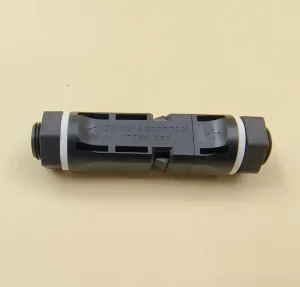
At the center of a reliable solar-driven irrigation network is a complex chain of electrical and mechanical systems. Matching these systems correctly prevents failures like dry running, voltage transients, and solar-wind mechanical stresses. The system includes:
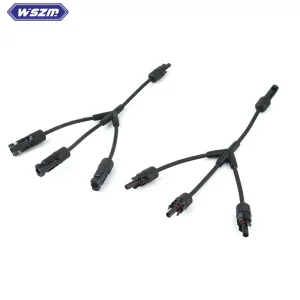
"The core technical goal of modern solar pumping design is minimizing total system impedance while maximizing daily water flow output. Precision in selecting matching PV combiner boxes, waterproof branching connectors, and robust mounting rails prevents up to 92% of common system failures."
No two agricultural microclimates are identical. Designing a functional irrigation framework requires adjusting system configurations to meet local environmental limits, soil chemistry, water table depths, and crop profiles.
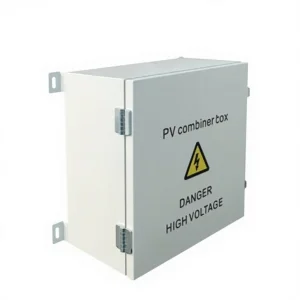
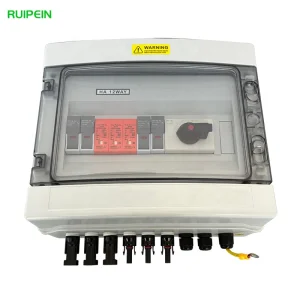
Operating in regions like Saudi Arabia, Egypt, and Morocco presents extreme ambient heat (exceeding 48°C) and corrosive dust. Systems deployed here require IP65/IP67 enclosures, dust-proof cooling fins, and high-temperature-rated combiner systems. Jonas Energy designs dedicated dual-input, wall-mounted IP65 combiner enclosures built to block sand intrusion while resisting UV degradation. The structural components feature thick hot-dip galvanized steel coatings to survive corrosive coastal soils.
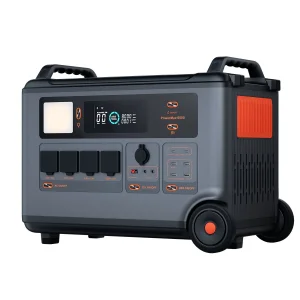
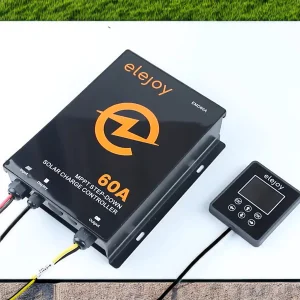
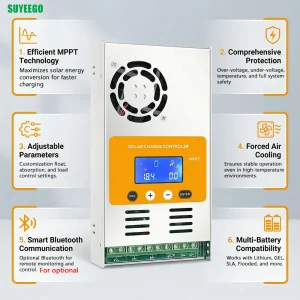
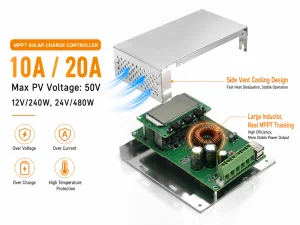
In rural communities, small-scale farming plots require modular, easily maintained, and highly reliable pump units. In these scenarios, deploying simple, durable MPPT regulators like the Sunchonglic 12V/24V Auto MPPT Solar Charge Controller alongside portable energy generators provides flexible power options. These units operate on simple DC lines, reducing setup complexity and minimizing dependence on expert technical support.
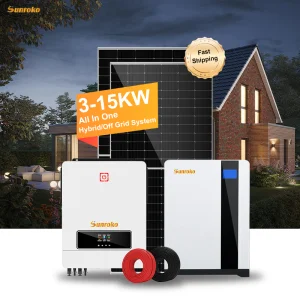
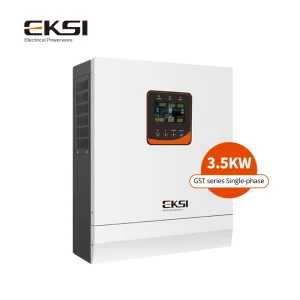
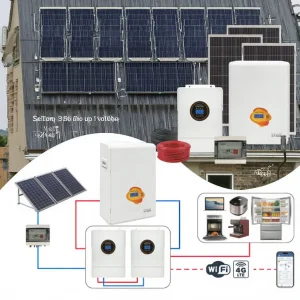
High-volume cash-crop operations demand MW-scale irrigation networks. These multi-horsepower setups use deep boreholes to draw water, requiring highly optimized AC variable-frequency drives (VFD) run by custom DC/AC power systems. Jonas Energy provides direct parallel inverter configurations, permitting commercial farms to balance solar inputs and local grid/diesel backups in real time, cutting fuel usage by up to 85%.
| Scenario Parameter | MENA Drylands | Modular Co-Ops (Sub-Saharan Africa) | Industrial Farms (LatAm/Australia) |
|---|---|---|---|
| Primary Pump Source | Deep Wells & Saline Aquifers | Surface Canals & Shallow Wells | High-Volume Boreholes / Rivers |
| PV Power Matrix | 10 kW to 100 kW+ | 500W to 5 kW | 100 kW to 1 MW+ |
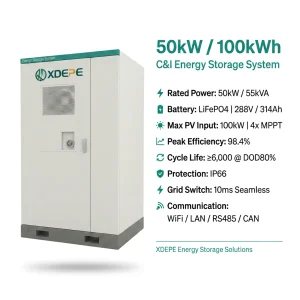
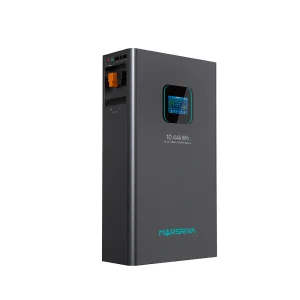
| Storage Configuration | Optional (Buffer Tanks) | Portable Power Station Backup | 112kWh+ Commercial ESS Cabinets |
| System Key Components | IP65 DC/AC Combiner Hub | EMD60A MPPT / Portable Gen | Custom C-Channel Mounting Systems |
The convergence of renewable power electronics and AIoT sensors is paving the way for fully autonomous irrigation networks. Jonas Energy's R&D department continues to innovate along three primary technological fronts:
Traditional solar systems run pumps at a fixed rate, often shutting down entirely when light falls below a set limit. Our upcoming controllers use sensorless field-oriented control (FOC) to dynamically match pump speed with variable solar input, keeping water flowing even at low light levels (down to 100 W/m²).
By connecting soil-moisture probes directly to smart solar controllers, systems deliver water only when needed. This automated approach prevents over-watering, limits crop stress, and reduces energy consumption by up to 30% compared to scheduled irrigation.
Combining complete off-grid solar kits with high-efficiency LiFePO4 batteries enables smart power management. Utilizing custom BMS interfaces, our systems track battery state-of-charge, weather predictions, and water needs to optimize power distribution between irrigation pumps, farm machinery, and utility tools.
Utilizing high-capacity, multi-string Combiner Boxes with premium DC circuit protection to maximize system uptime and protect vital assets.
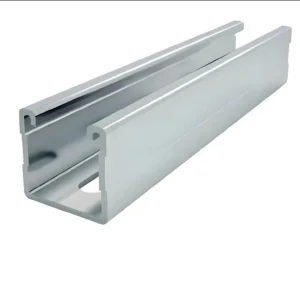
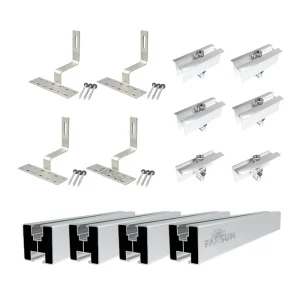
Tough steel C-channels and hard anodized aluminum structural rails built to withstand extreme winds, storms, and outdoor corrosion.
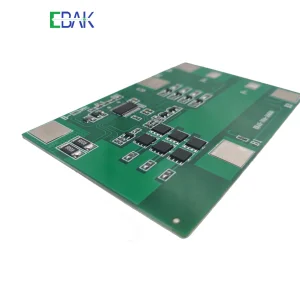
Integrating advanced LFP battery systems with precision BMS control cards to guarantee long cycle life and reliable night operation.
How Xiamen Jonas Energy maintains high standards, reliable quality, and consistent delivery through our modern manufacturing facility in Fujian, China.
Quality and reliability form the foundation of Jonas Energy's manufacturing process. Operating state-of-the-art facilities equipped with precision production lines and automated testing systems, we deliver gigawatt-scale production capabilities to serve our global distribution networks. All steps of our assembly process—from base component fabrication to final product quality testing—adhere to ISO 9001 and ISO 14001 guidelines.
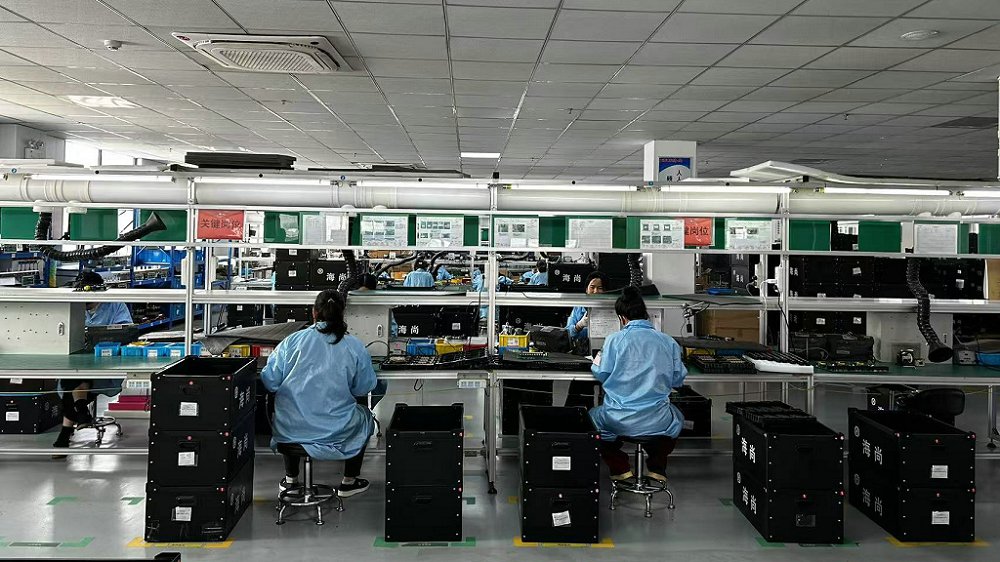
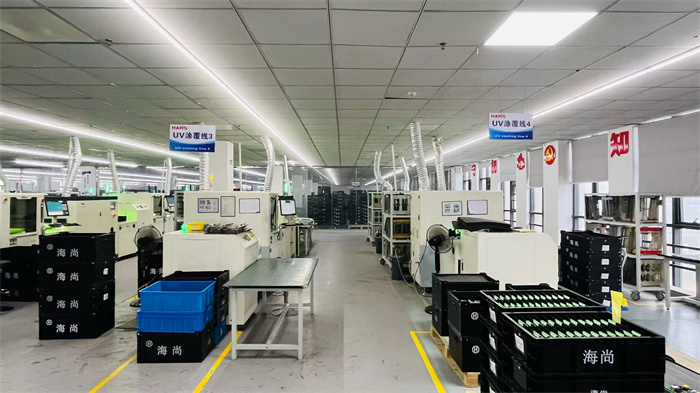
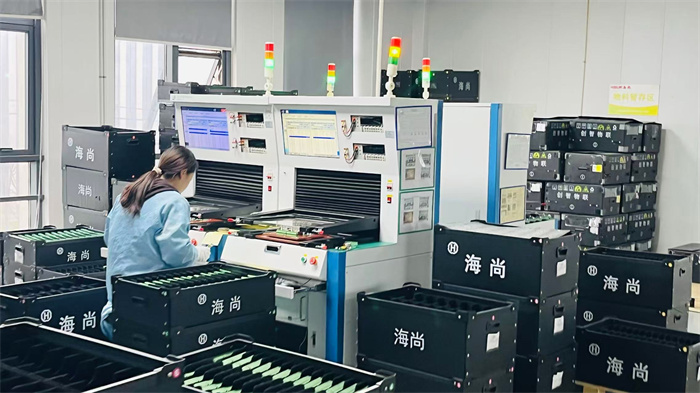
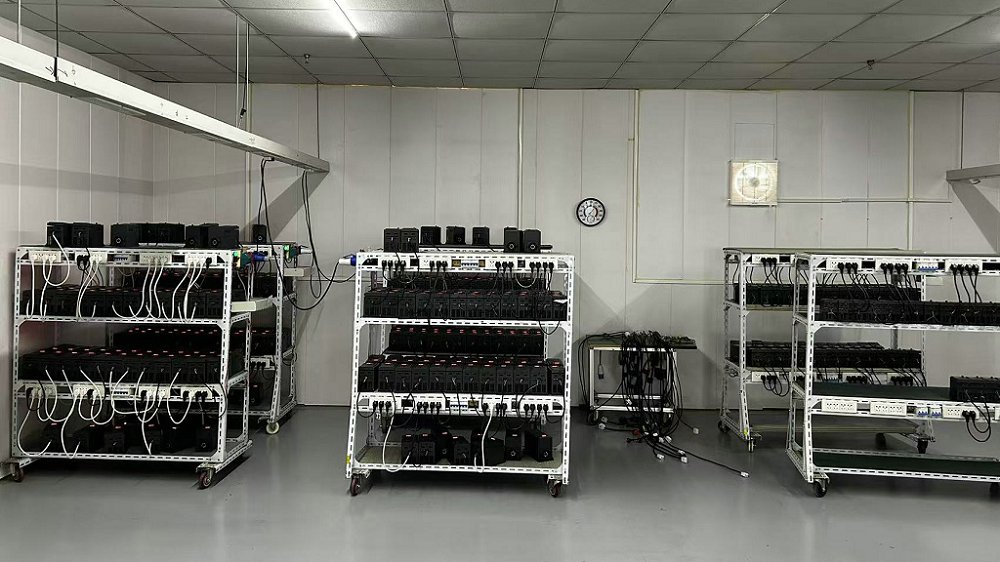
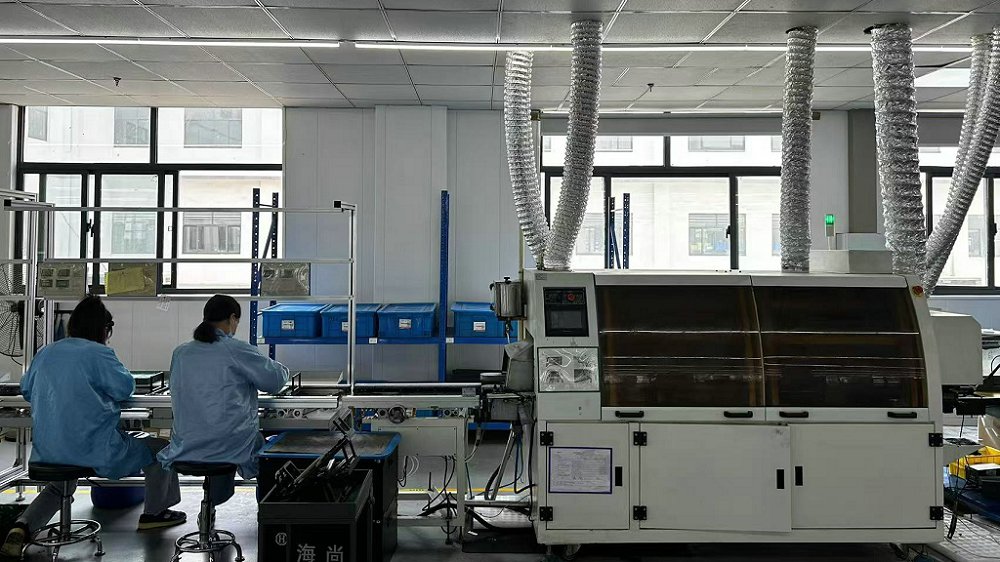
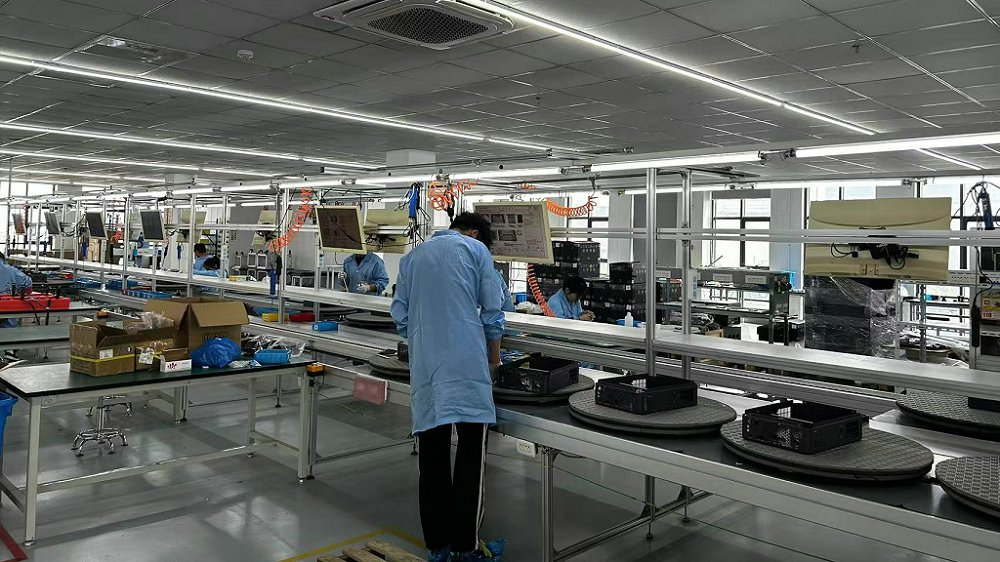
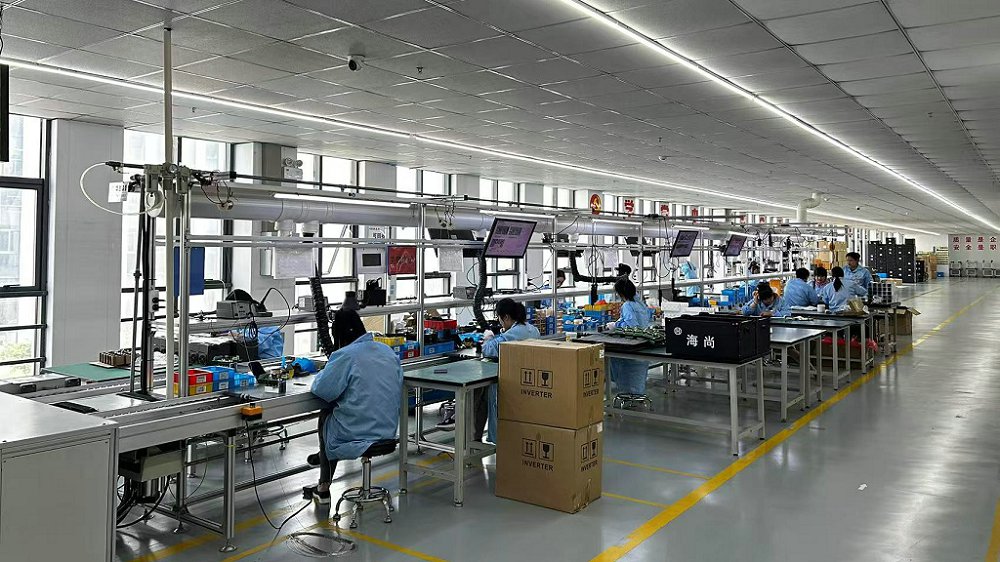
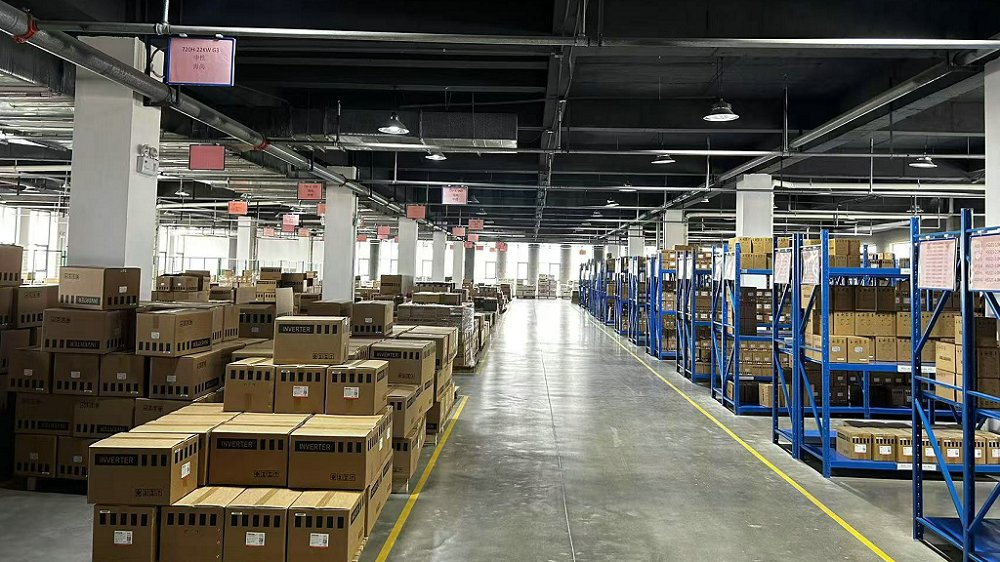
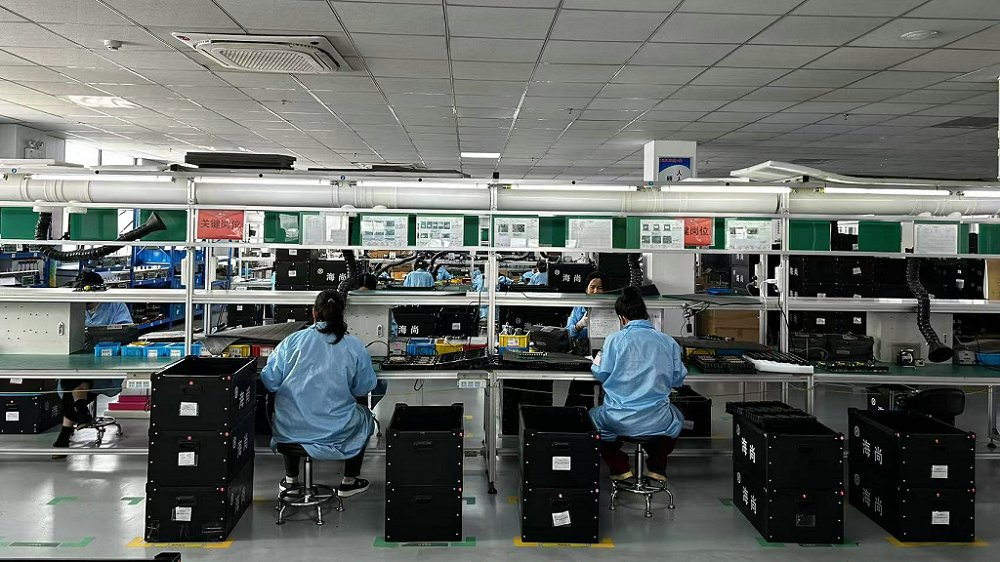
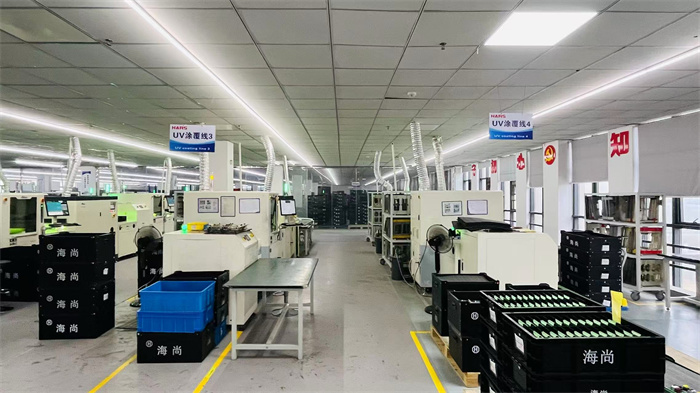
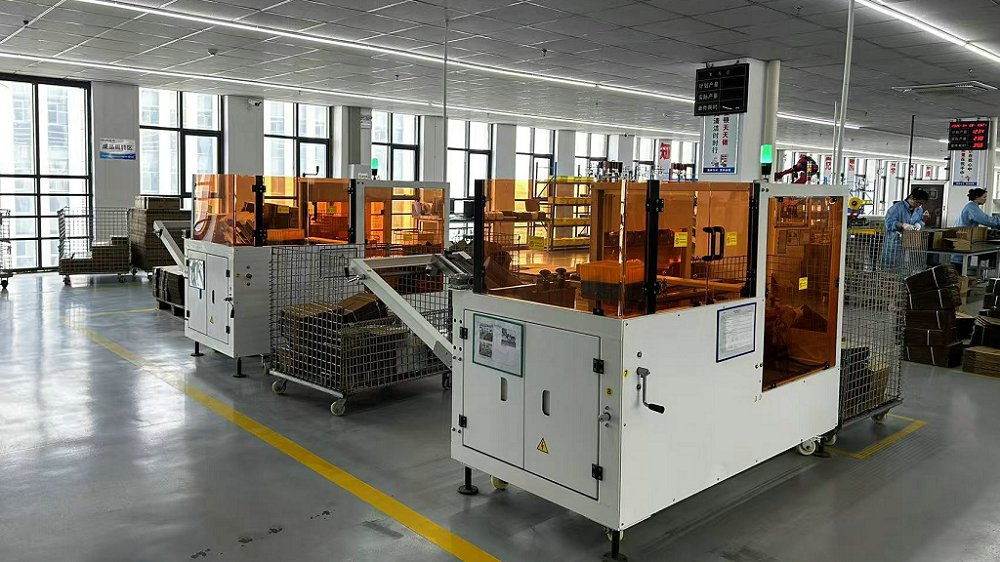
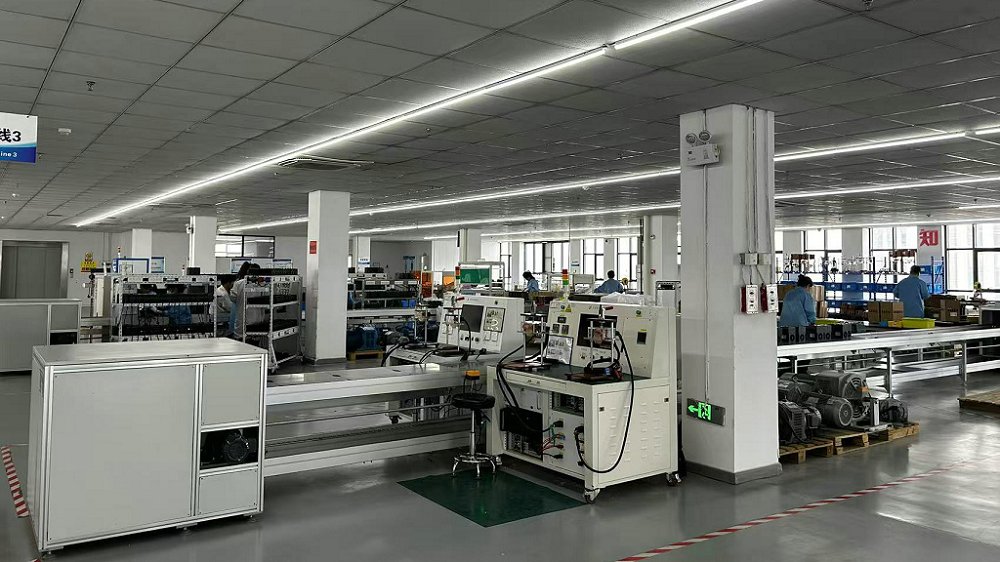
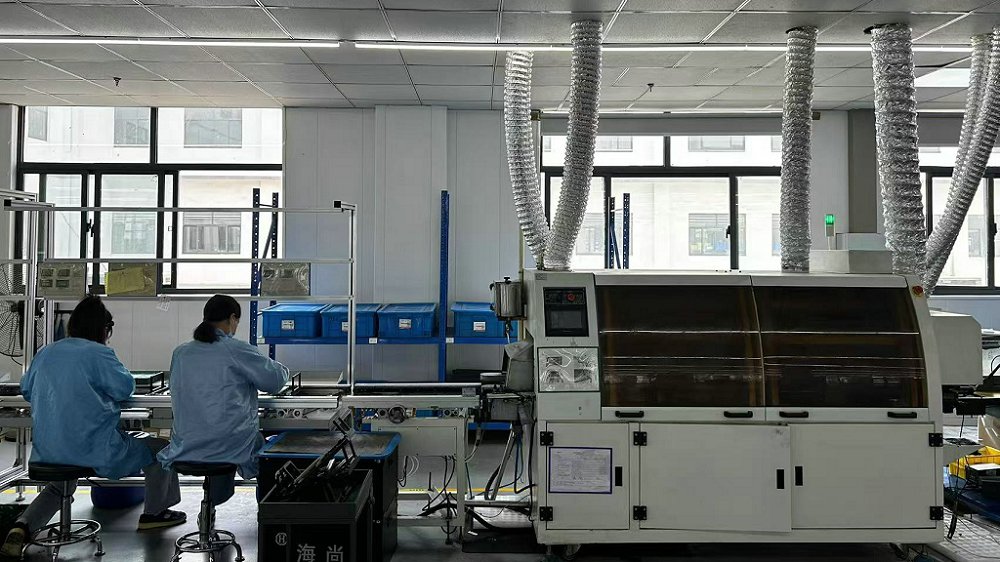
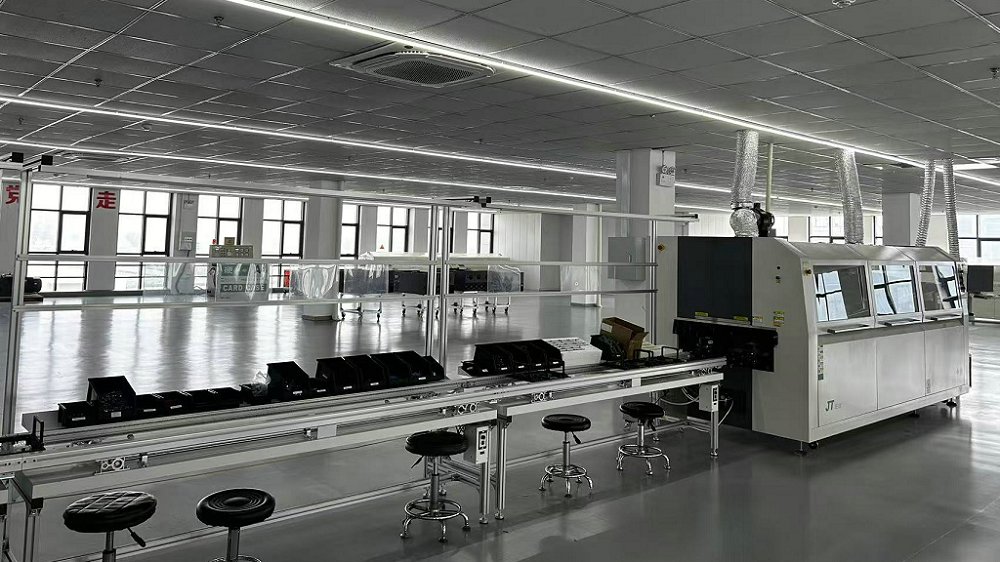
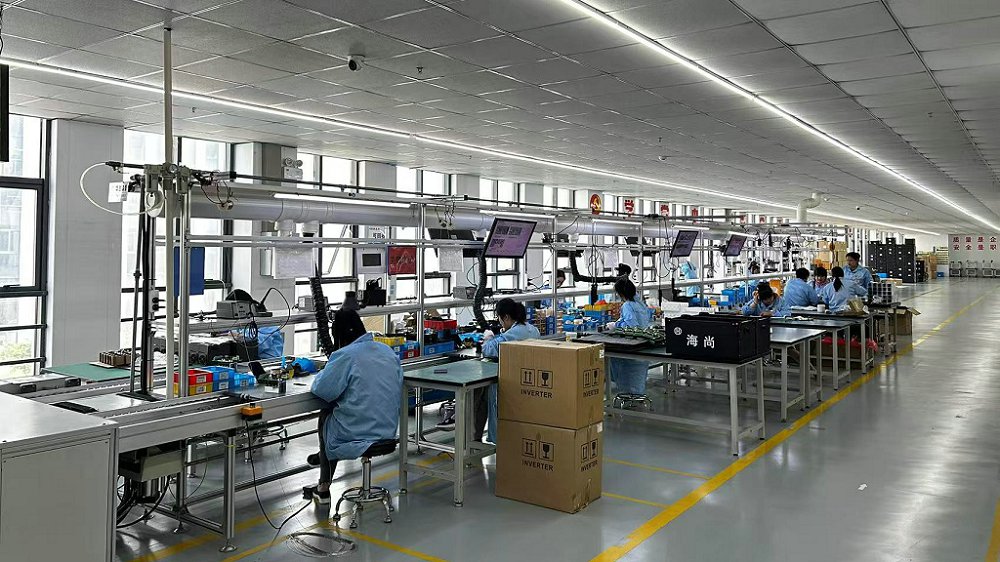
Our vertically integrated production capabilities help protect clients from supply disruptions. We source raw raw materials locally, run clean metal fabrication setups for our custom mounting systems, and construct circuit layouts within our dedicated ESD clean rooms. By keeping production steps under our direct control, we guarantee product quality while delivering competitive wholesale pricing.
Meeting international quality certifications to ensure seamless grid-integration and installation approvals worldwide.
Global logistics and regional farm regulations demand full compliance with technical and safety standards. Jonas Energy products are rigorously designed, certified, and compliant with major industry frameworks, ensuring they pass local municipal inspections and insurance audits:
In addition to manufacturing, our engineering team assists distributors and engineering partners globally with system matching, structure customization, and battery cabinet configuration. This hands-on approach helps project developers maximize performance while minimizing setup issues.
High-durability structural components, smart charge controllers, and customized battery BMS layouts to build robust solar systems.
Providing expert answers to key engineering, integration, and performance questions.
 Jonas Energy