High-Capacity Photovoltaic Infrastructure & Smart Energy Storage Engineering Solutions Tailored for Central Mexico’s Demanding Grid Environments
Engineered for high-altitude resilience, dynamic load support, and certified safety compliance in Mexico City's industrial and urban corridors.
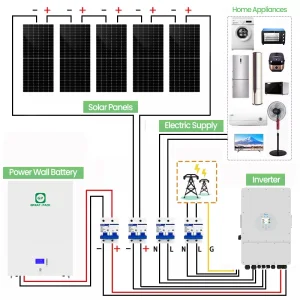
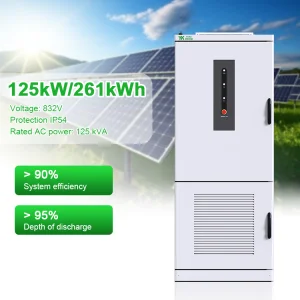
A comprehensive guide to deploying off-grid solar and micro-grid systems under the unique geographic, regulatory, and industrial conditions of the Valley of Mexico.
The Greater Mexico City Metropolitan Area (ZMVM), situated in the high-altitude Valley of Mexico, presents a uniquely challenging environment for industrial and commercial power users. As the economic heart of the country, it faces continuous strains on its central electricity grid, managed by the Comisión Federal de Electricidad (CFE). Rapid urban expansion, combined with the concentration of industrial parks in municipalities like Tepotzotlán, Tultitlán, and Vallejo, has led to frequent voltage fluctuations, localized blackouts, and escalating peak-demand pricing structures.
For commercial warehouses, cold-chain logistics centers, and manufacturing plants, energy reliability is a critical business metric. Under CFE's tariff structures, high-consumption businesses face punitive DAC (Doméstica de Alto Consumo) tariffs or heavy capacity charges during peak hours. Off-grid and hybrid solar installations are transitioning from emergency backups to primary infrastructure components. By utilizing large-scale industrial battery energy storage systems (BESS) combined with smart solar generation, local companies can execute effective peak shaving, avoid expensive peak-demand tariffs, and secure an uninterrupted power supply (UPS) for critical assembly lines and server networks.
Designing solar systems for Mexico City requires specific engineering adjustments due to its geographic parameters. Located at an average elevation of 2,240 meters (7,350 feet) above sea level, the atmospheric density is significantly lower than at sea level. This thin air reduces the convective heat dissipation capacity of air-cooled power electronics.
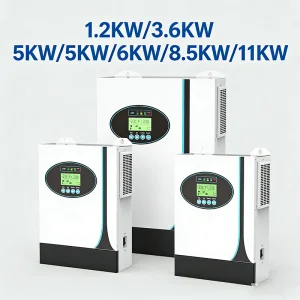
Standard solar inverters and energy storage controllers will undergo thermal derating at these altitudes if not properly engineered. Our off-grid hybrid inverters and containerized energy storage units feature oversized thermal heat sinks, advanced forced-air cooling systems, or liquid-cooling options designed to prevent degradation of power output. At 2,200m, standard inverters can experience a 10% to 15% reduction in continuous operating capacity. Our units are rated with sufficient headroom and high-grade industrial components to ensure stable operation at full capacity up to 3,000m.
From a regulatory perspective, installations must comply with the NOM-001-SEDE-2012 (Mexico's national electrical safety standard). Although off-grid systems operate independently of CFE's grid, ensuring compliance with local fire, grounding, and high-voltage standards is critical for insurance valuation and corporate compliance. Our systems incorporate NOM-compliant rapid shutdown devices, robust surge protection (SPD Type 2), and advanced grounding architectures suitable for the volcanic soil properties typical of the Valley of Mexico.
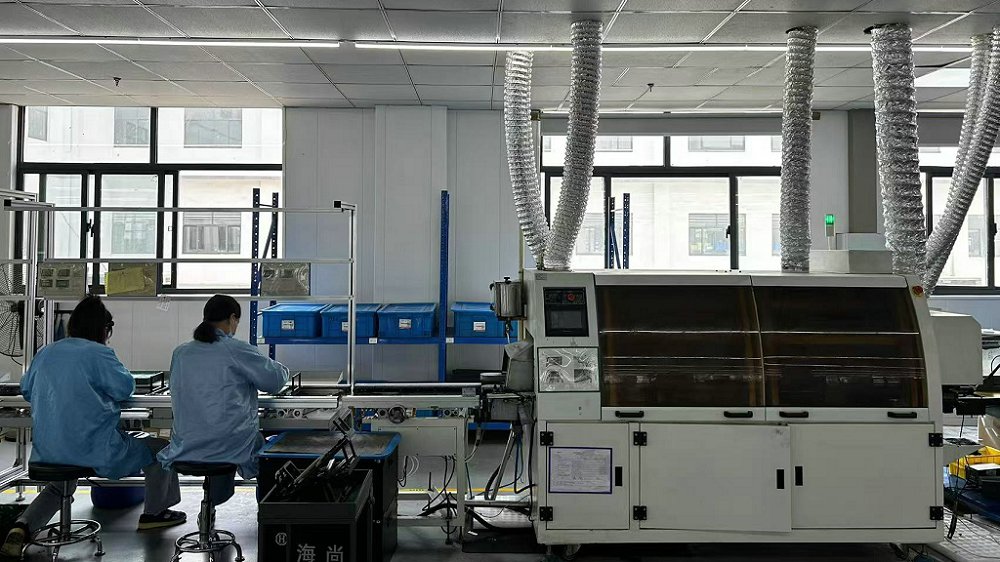
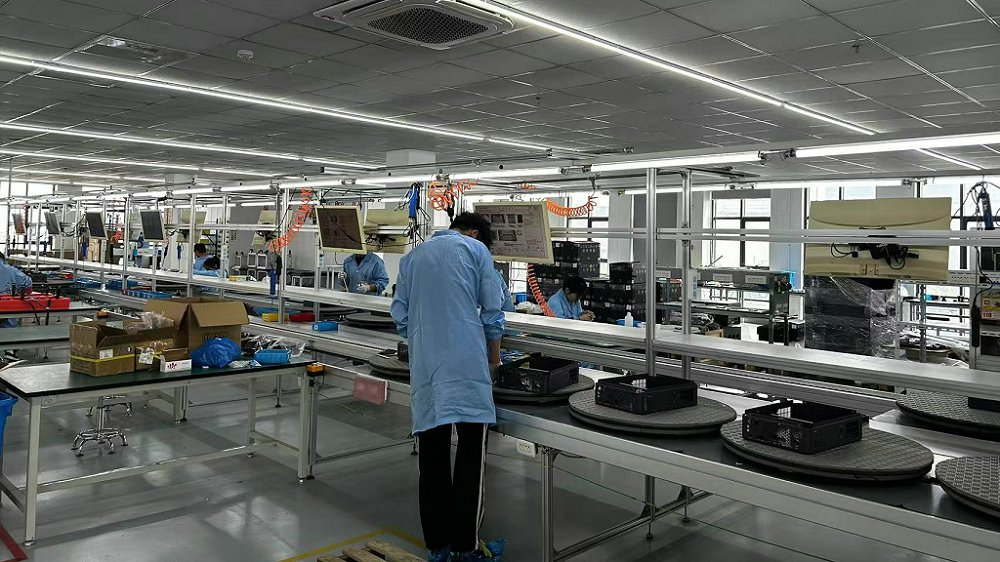
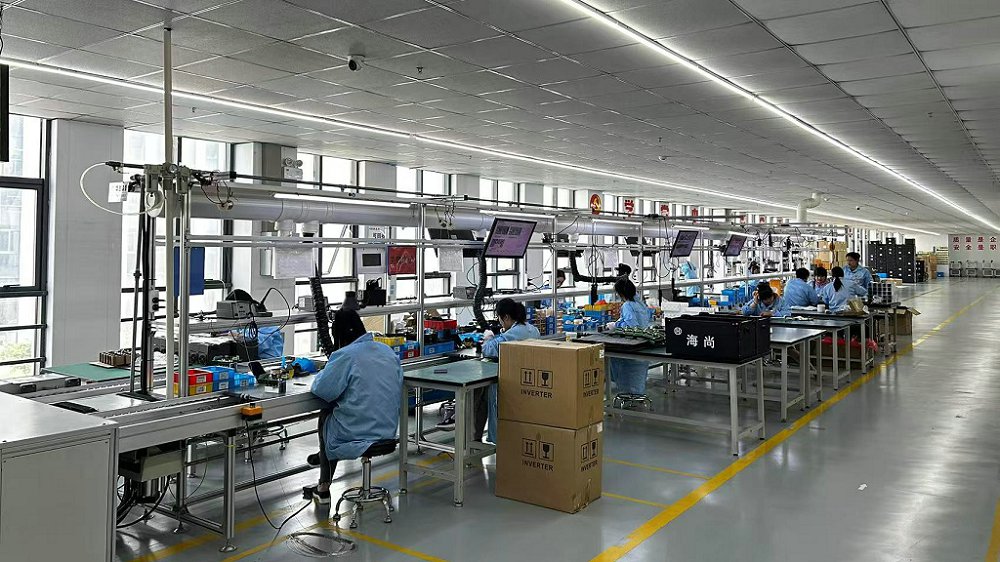
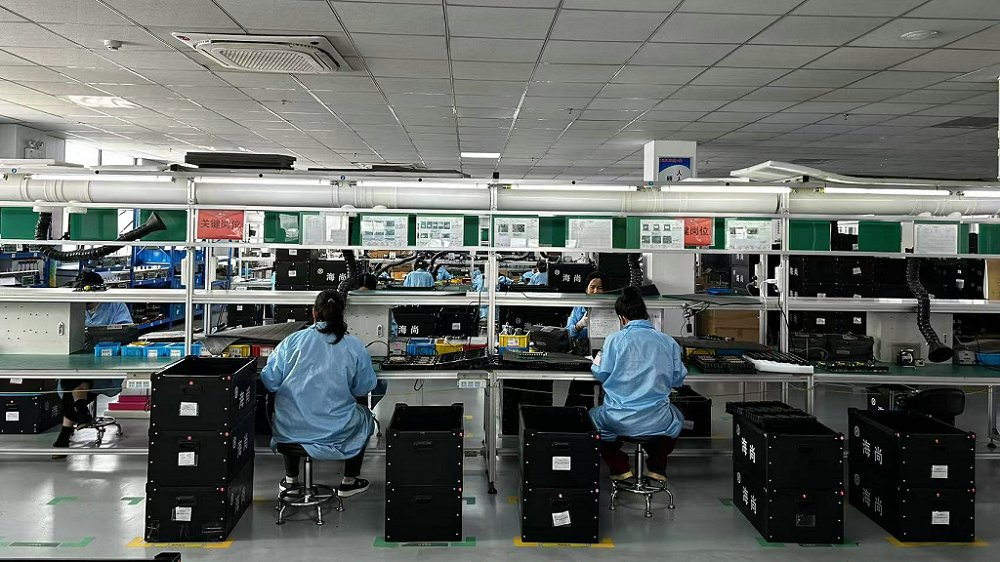
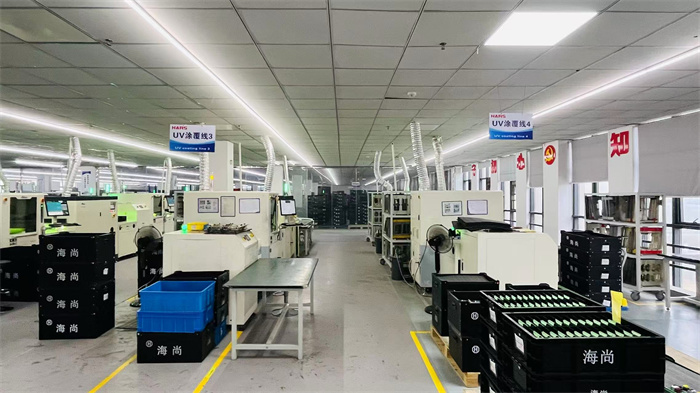
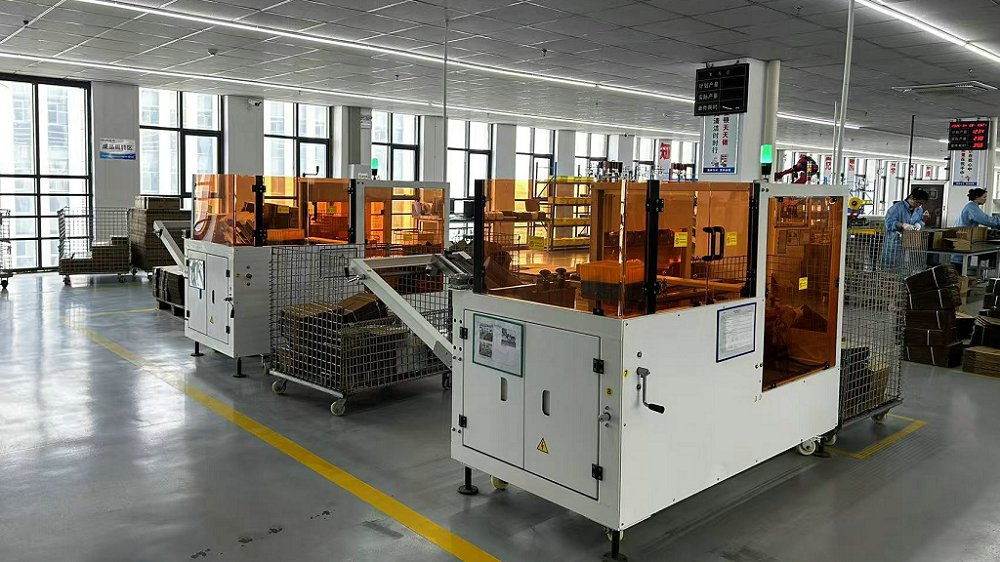
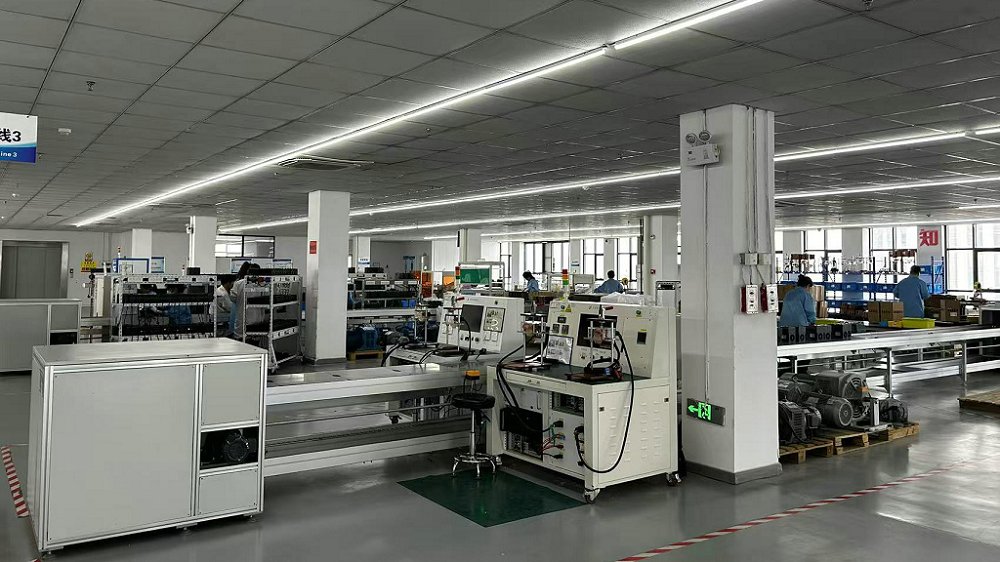
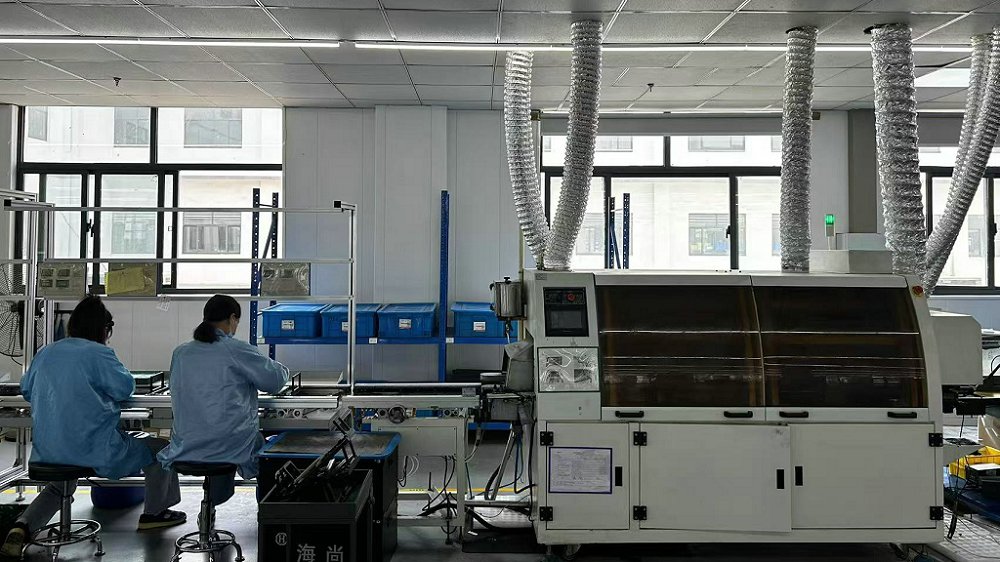
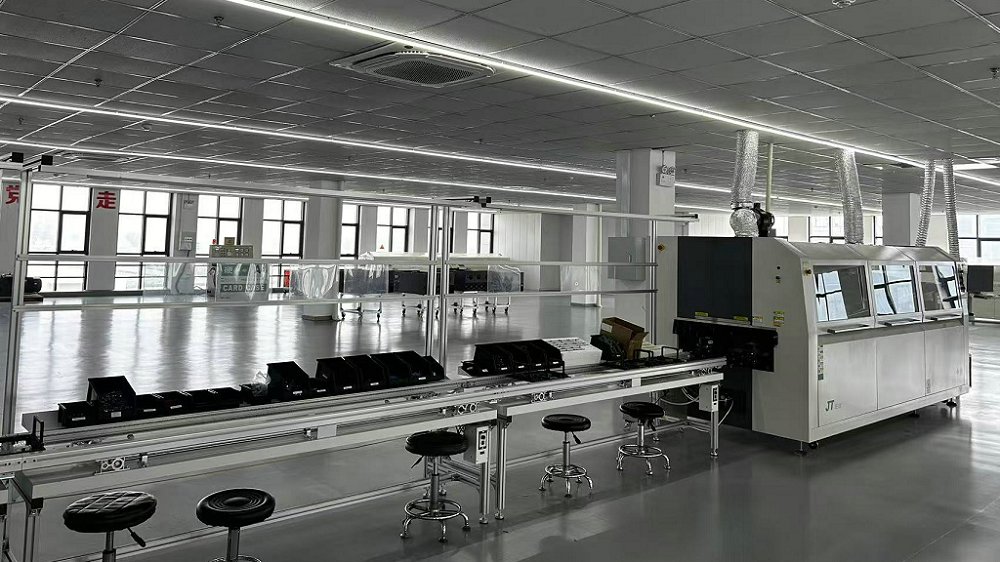
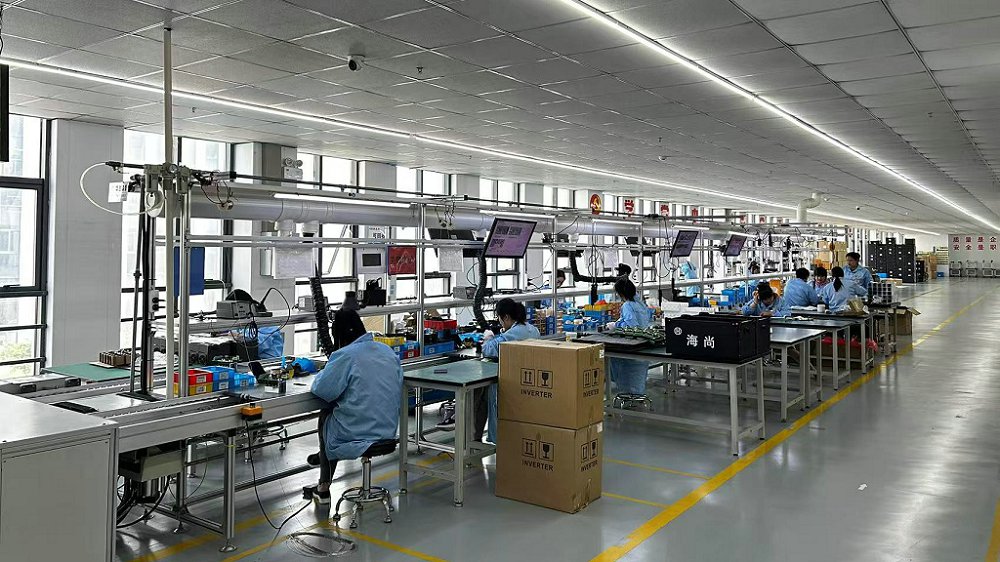
As a leading developer and manufacturer headquartered in Xiamen, Fujian Province, China, Xiamen Jonas Energy Co., Ltd. bridges the gap between China’s advanced lithium battery and solar manufacturing clusters and the Mexican market. By maintaining deep integration with top-tier raw material suppliers and utilizing state-of-the-art automated manufacturing processes, we ensure that every system component meets strict quality metrics before export.
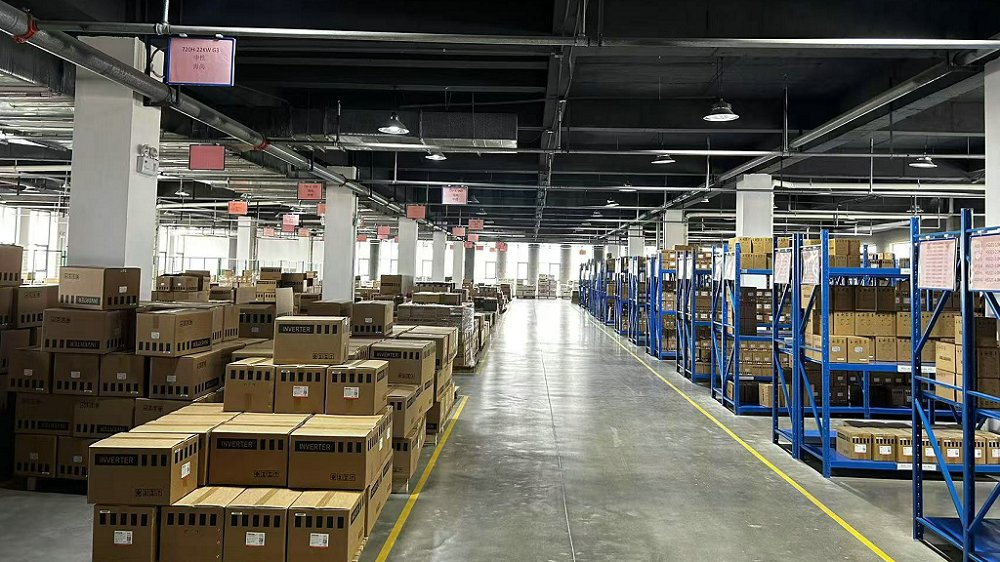
Our logistics pipeline is optimized for efficient transit to Mexico. Shipments depart directly from the Port of Xiamen, a major deep-water shipping hub, with direct routes to Mexico's Pacific gateway ports of Manzanillo and Lázaro Cárdenas. From these ports, our logistics partners manage bonded customs clearance and inland freight transit directly to distributors and project sites across Mexico City and the surrounding states of Querétaro, Guanajuato, and Puebla. This streamlined corridor minimizes transit times, protects delicate power electronics from excessive handling, and significantly reduces import tariffs and ocean freight costs for our procurement partners.
Multi-national corporations, logistics providers, and industrial developers operating in Mexico evaluate solar assets through the lens of long-term financial performance. To satisfy these institutional requirements, our systems focus on lowering the Levelized Cost of Storage (LCOS) and Levelized Cost of Energy (LCOE).
Key components are selected for extended operational life: our battery packs utilize high-grade Lithium Iron Phosphate (LiFePO4) cells, rated for more than 6,000 cycles at 80% Depth of Discharge (DoD), representing over 15 years of daily cycling. The incorporation of modular, field-replaceable inverter boards and balance-of-system (BOS) components minimizes down-time during service intervals. Additionally, our equipment features comprehensive smart monitoring integration. Via local RS485/Modbus buses or integrated Wi-Fi and 4G remote gateways, facilities managers can monitor state-of-charge (SoC), individual cell temperatures, and solar output in real-time, integrating these data streams directly into enterprise building management systems (BMS).
Discover how specialized off-grid and hybrid architectures solve concrete operational challenges across different sectors.
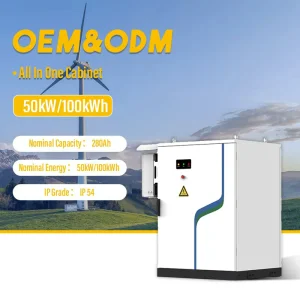
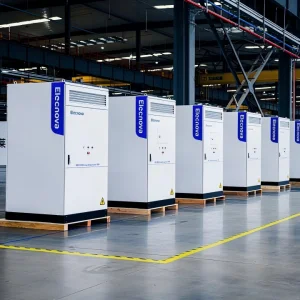
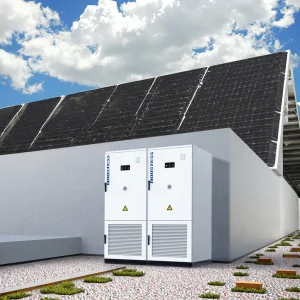
Logistics complexes in the northern industrial ring of Mexico City deploy our containerized energy storage cabinets to offset peak tariff rates. By charging the high-density LiFePO4 batteries during low-rate morning periods and discharging them during peak industrial demand windows (typically 6:00 PM to 10:00 PM), operators reduce monthly electricity expenditures while ensuring full operation of automated sorting lines during grid blackouts.
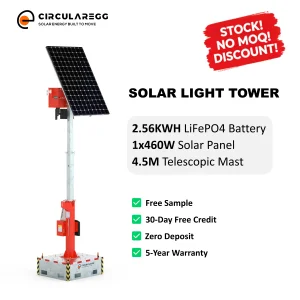
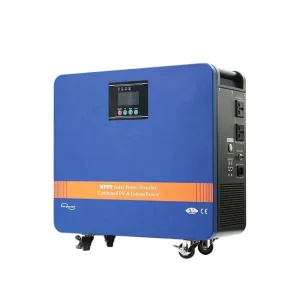
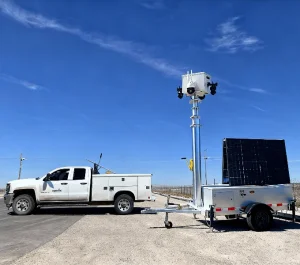
For construction projects, perimeter monitoring, and public parking lots around Santa Fe and the State of Mexico, standard utility extensions can be cost-prohibitive. Utilizing our off-grid solar-powered mobile trailer units and mobile light towers allows for the deployment of 360-degree wireless security cameras, cellular relays, and night illumination without running long utility cables or relying on diesel generators.
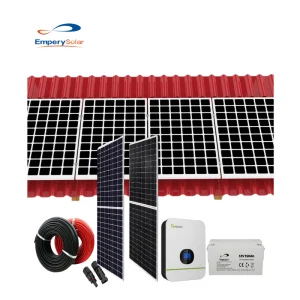
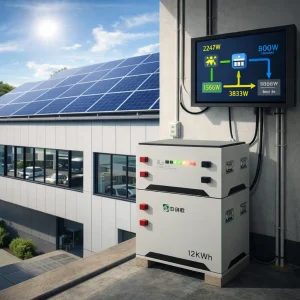
In residential communities experiencing frequent blackouts or fluctuating grid voltages, complete 10kW to 15kW off-grid hybrid kits provide seamless power. Integrated with wall-mounted lithium batteries and intelligent split-phase hybrid inverters, these home systems keep lighting, refrigeration, water pumps, and communication systems running continuously, isolated from grid instability.
Complete components, industrial configurations, and smart energy storage assets for professional systems design.
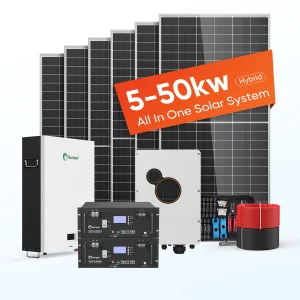
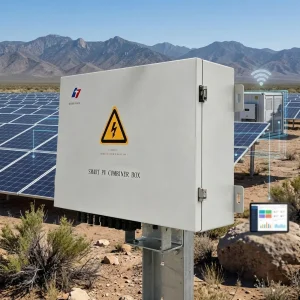
A leading global developer and manufacturer of integrated solar generation and energy storage solutions.
Xiamen Jonas Energy Co., Ltd. is a professional provider of renewable energy solutions, headquartered in Xiamen, Fujian Province, China. Since its establishment, the company has been dedicated to the research, development, manufacturing, and global distribution of advanced photovoltaic and energy storage products.
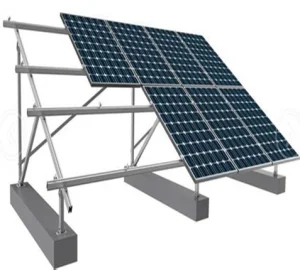
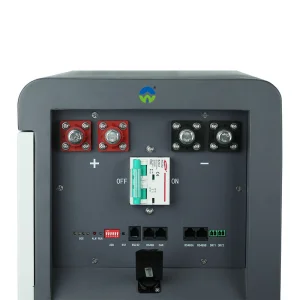
With a strong commitment to innovation and sustainability, Jonas Energy offers a comprehensive portfolio of solar energy solutions, including solar panels, inverters, energy storage batteries, mounting systems, and complete solar power generation systems. Our products are designed to meet the diverse needs of residential, commercial, industrial, and utility-scale projects worldwide. We work closely with internationally recognized manufacturers and technology partners to provide a wide range of reliable energy storage solutions, including wall-mounted batteries, all-in-one storage systems, rack-mounted batteries, and containerized energy storage systems (ESS). Through continuous innovation and strategic partnerships, we help customers achieve greater energy independence and efficiency.
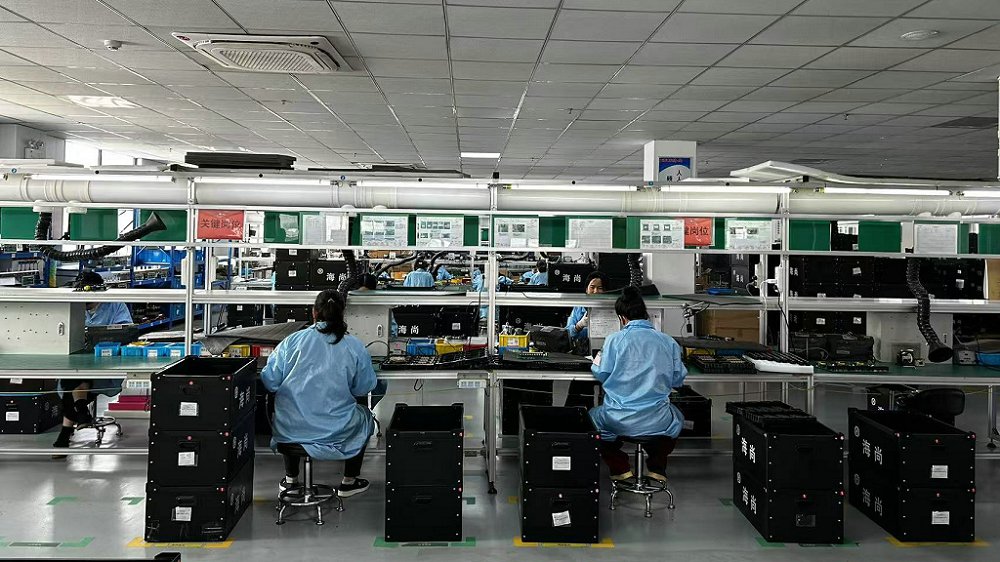
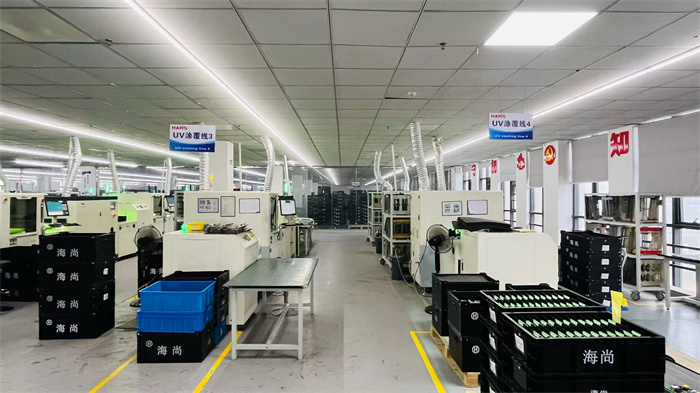
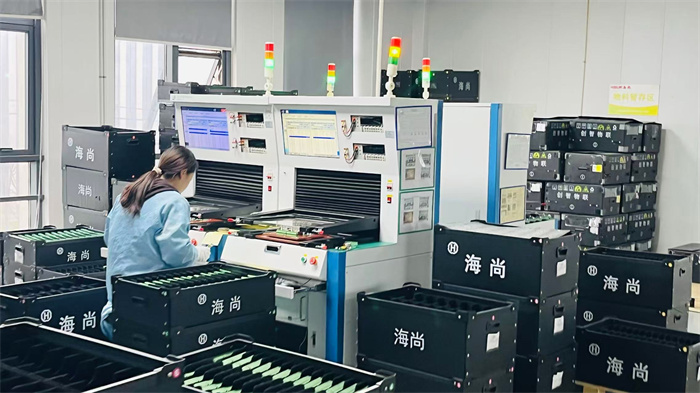
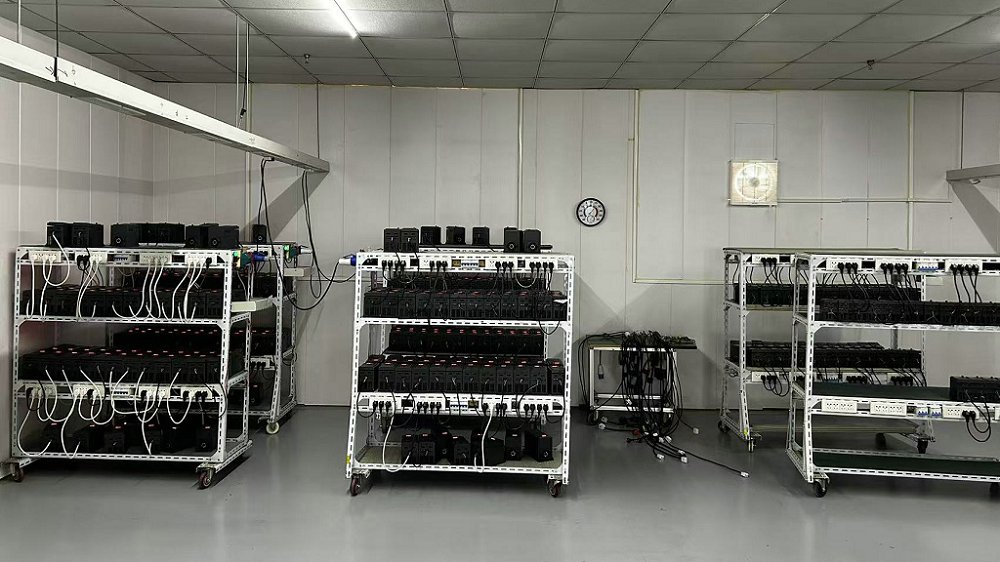
As a high-tech enterprise, Jonas Energy operates modern production facilities equipped with advanced manufacturing and testing equipment. Our annual production capacity reaches several gigawatts, enabling us to efficiently serve customers across global markets. Our experienced R&D team consists of highly qualified engineers and technical specialists who continuously focus on product innovation, performance optimization, and technological advancement in the renewable energy sector. By integrating cutting-edge technologies, we ensure that our solutions remain competitive, efficient, and future-ready.
Professional answers to key configuration, logistics, and regulatory questions from enterprise buyers in Mexico.
Yes. We design our high-power systems with customized cooling profiles and thermal margins to prevent issues related to low air pressure. By utilizing high-flow smart fans, larger aluminum heat sinks, and, where necessary, liquid-cooling architectures for our industrial containerized systems (ESS), we ensure that our equipment maintains stable ratings without power derating up to 3,000m.
Our systems conform to international certifications, including IEC 62109, CE, and TUV, which align with the regulatory requirements under the Mexican standard NOM-001-SEDE-2012. We can provide standard testing documentation and coordinate with licensed Mexican verification units (UVIE) to facilitate system approval.
Standard cargo is shipped from the Port of Xiamen directly to the Port of Manzanillo or Lázaro Cárdenas in Mexico. Ocean transit takes approximately 21 to 28 days. From the port, customs clearance and overland transport via secure transport corridors to Mexico City takes an additional 3 to 7 days, depending on the cargo classification and clearance procedures.
Mexico City's rainy season (June to October) features overcast skies and afternoon downpours. Our systems are engineered with high-efficiency MPPT (Maximum Power Point Tracking) charge controllers that feature fast tracking speeds to capture energy from diffuse sunlight. Furthermore, we size our LiFePO4 battery banks with sufficient autonomy (typically 2 to 3 days of autonomy for critical loads) and support auxiliary generator inputs or CFE grid inputs in hybrid configurations to ensure uninterrupted service.
Yes. Our hybrid systems feature programmable operating priorities: Solar-Utility-Battery (SUB) or Solar-Battery-Utility (SBU). In SBU mode, the system draws power from the solar panels and battery bank, switching to the grid only when the batteries reach a pre-programmed depth of discharge (DoD). This configuration maximizes the self-consumption of solar energy and limits reliance on CFE power.
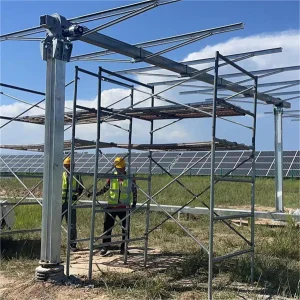
We provide comprehensive engineering support, including detailed wiring diagrams, configuration schematics, and remote video commissioning assistance. For large-scale projects and containerized systems, we coordinate with local EPC partners and installer networks in central Mexico to manage on-site installation, local compliance verification, and final commissioning.
Contact our technical sales team to receive a detailed system sizing analysis, local regulatory compliance support, and factory-direct pricing for the Mexican market.
Send Inquiry Now Jonas Energy