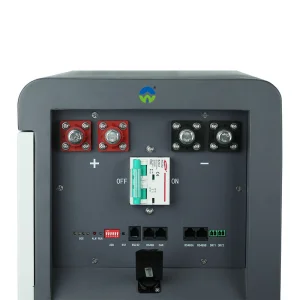
Engineered to deliver reliable power under extreme environmental variations, from high UV and thin air in Cusco to high humidity in Loreto.
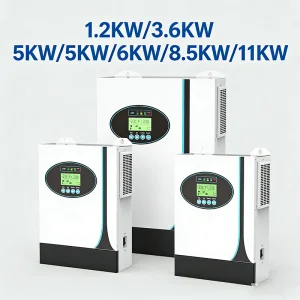
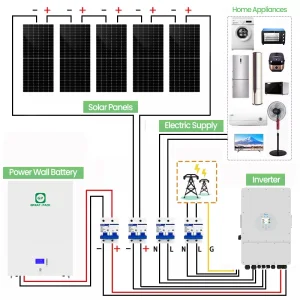
Peru presents one of the most geographically diverse and challenging terrains globally. The nation's energy distribution is sharply split between the highly electrified urban coastal zones and remote regions in the Sierra (Andean highlands) and Selva (Amazon basin). In rural pockets of regions such as Loreto, Ucayali, Puno, and Huancavelica, grid extension is financially prohibitive due to dense jungles and rugged topography.
Traditionally, these off-grid operations rely heavily on diesel generation. The Levelized Cost of Energy (LCOE) for diesel in the Peruvian Amazon is exceptionally high, driven not by the fuel cost alone, but by complex transport logistics involving river barges and unpaved mountain passes. Off-grid solar-plus-storage systems present a cleaner, highly predictable alternative that completely eliminates fuel-supply chain vulnerability.
Standard solar equipment imported directly from temperate, low-altitude zones often fails prematurely in Peru. In the Andean Altiplano, operating heights exceed 3,000 to 4,500 meters above sea level. This high-altitude deployment brings two distinct challenges:
Thermal Derating: The thinner air decreases convective cooling capacity. Inverters run hotter, requiring active heat management designs and oversized semiconductor margins.
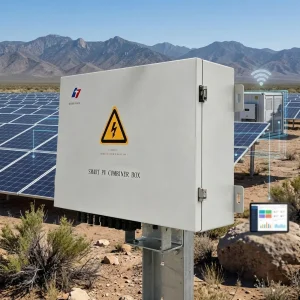
Dielectric Breakdown: Air's insulating property decreases at high altitudes, increasing the risk of electrical arcing inside high-voltage PV combiner boxes and hybrid inverters.
Conversely, the Amazon basin requires electronics with hermetic sealing and conformal coatings (IP65/IP66 class protection) to prevent oxidation and moisture ingress from humidity levels that regularly exceed 90%.
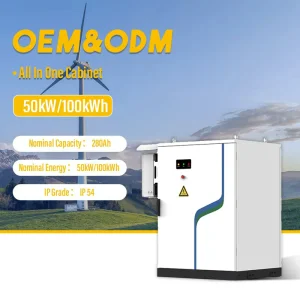
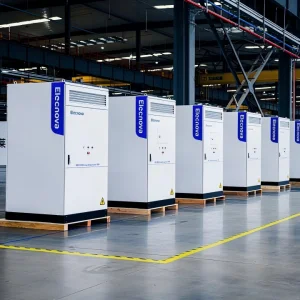
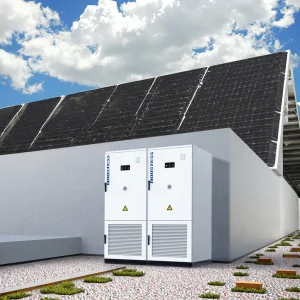
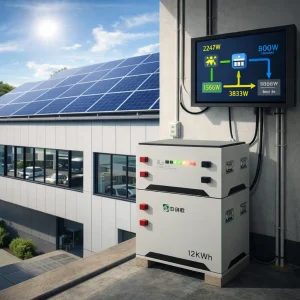
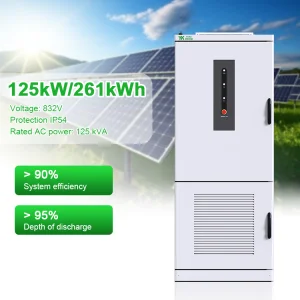
Globally, Commercial and Industrial (C&I) entities are transitioning from passive grid consumption to active microgrid operation. The central technology enabling this is Lithium Iron Phosphate (LiFePO4) chemistry. LFP has become the global standard due to its high thermal stability, lack of cobalt dependency, and high efficiency under variable rates of charge and discharge. Containerized Energy Storage Systems (ESS) integrate smart battery management, liquid or advanced air cooling, and bidirectionally coupled PCS units into standardized ISO enclosures, transforming how off-grid operations manage base and peak power.
Discover how off-grid solar-plus-storage platforms solve critical operational challenges in the region's main economic drivers.
Deep in the Cajamarca or Ancash ranges, mining base camps run exploration sensors, telecommunications, and crew quarters on containerized ESS units, cutting diesel logistics by over 65%.
In regions like Ica and Piura, agricultural growers use high-power off-grid solar arrays paired with MPPT hybrid drives to run high-volume deep-well irrigation pumps during peak daylight hours.
Luxury lodges along the Madre de Dios river preserve the guest experience and local biodiversity by replacing loud fossil-fuel generators with silent lithium battery storage systems.
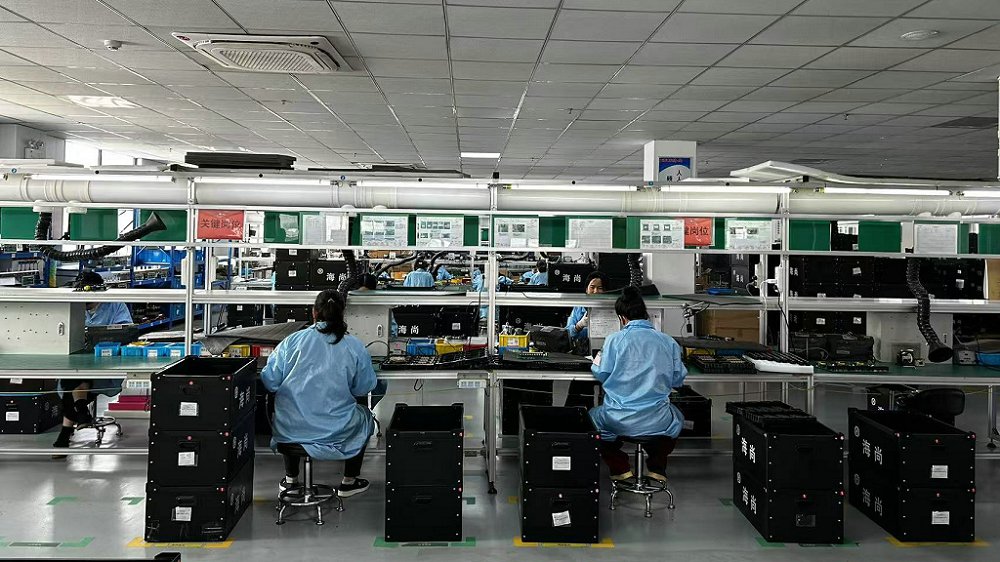
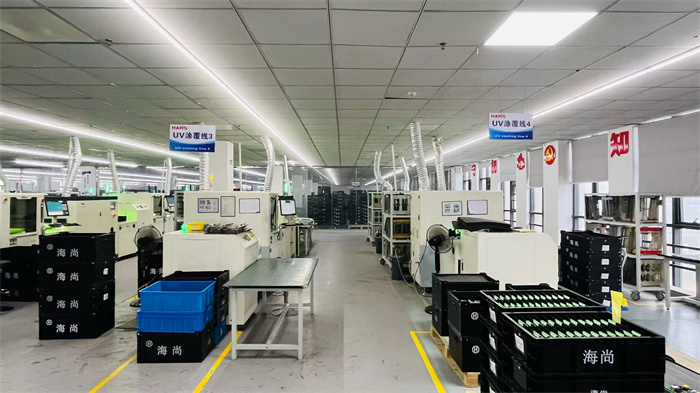
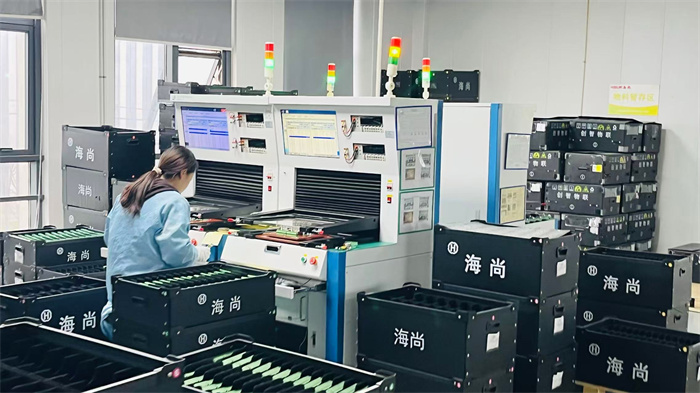
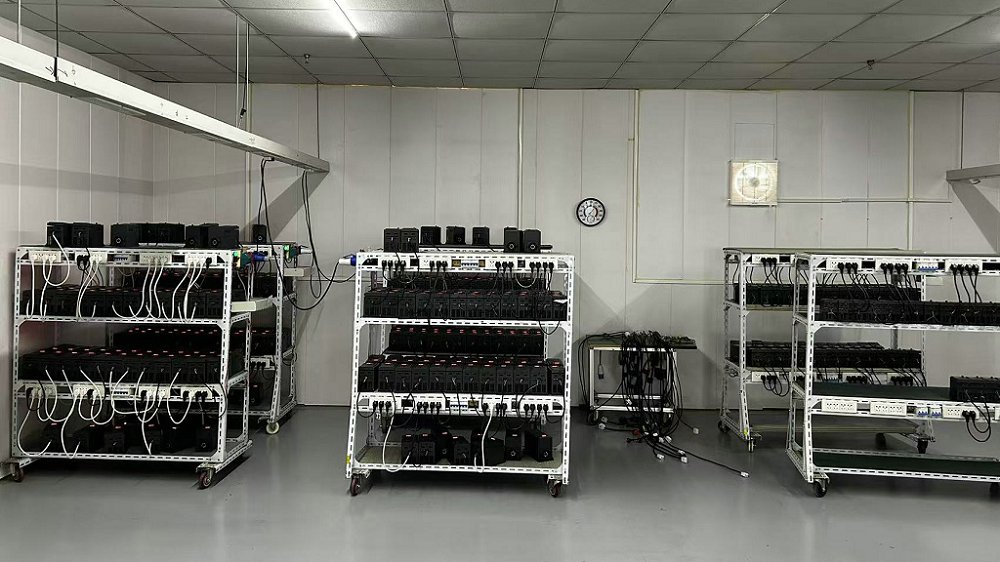
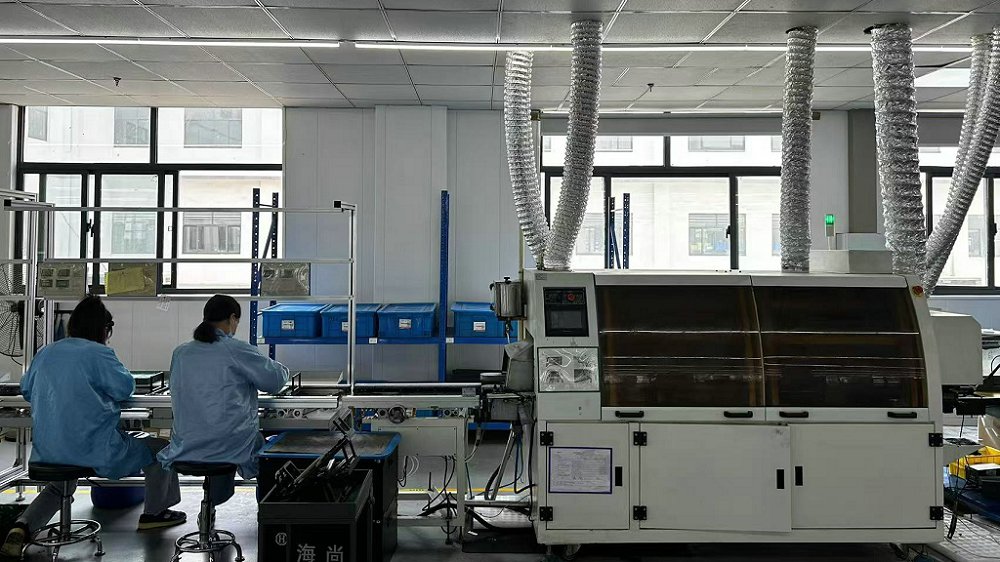
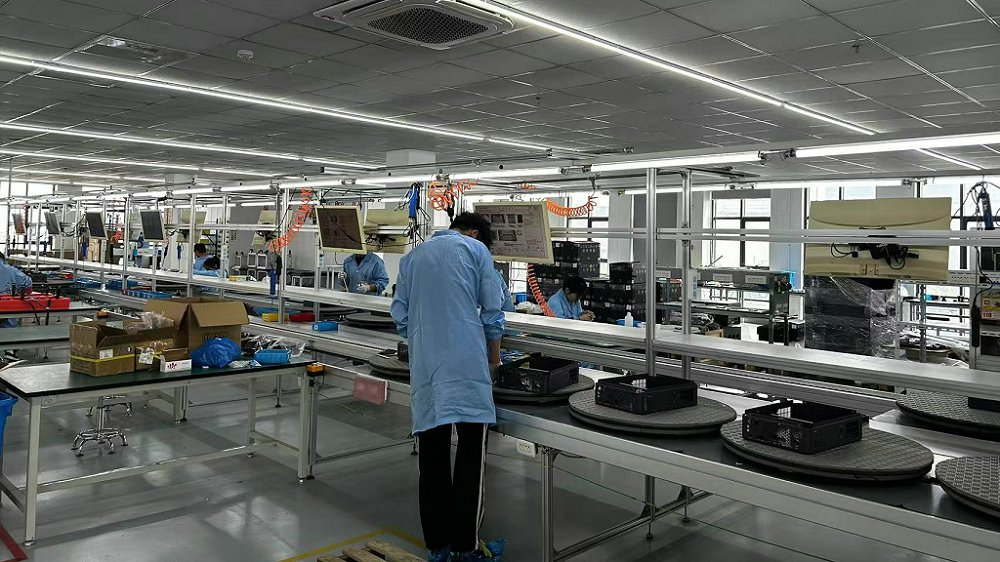
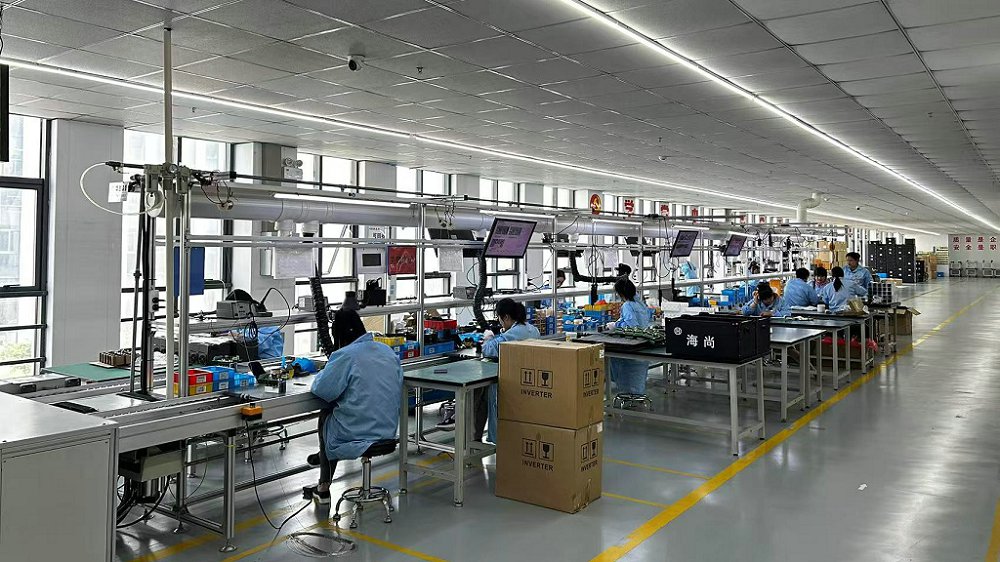
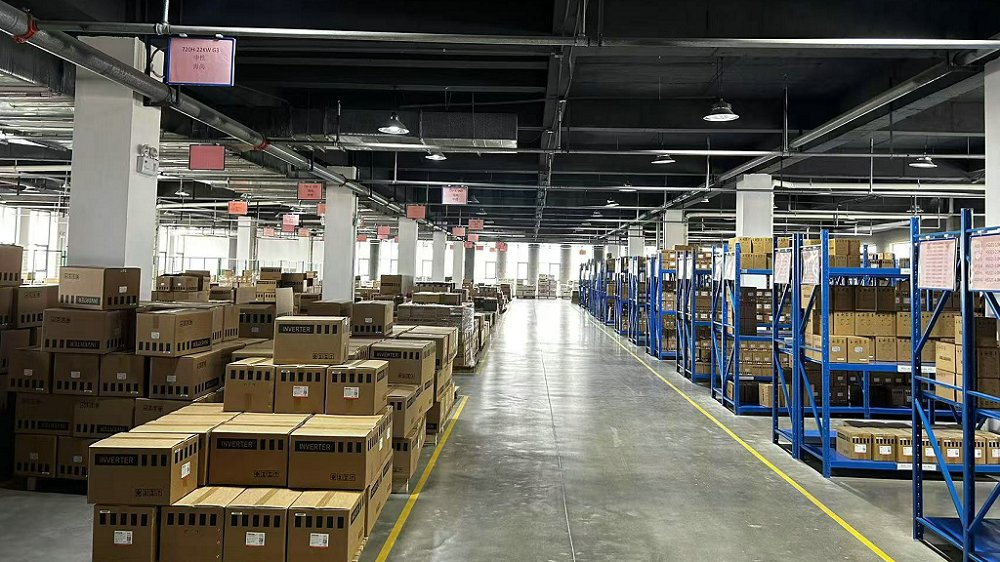
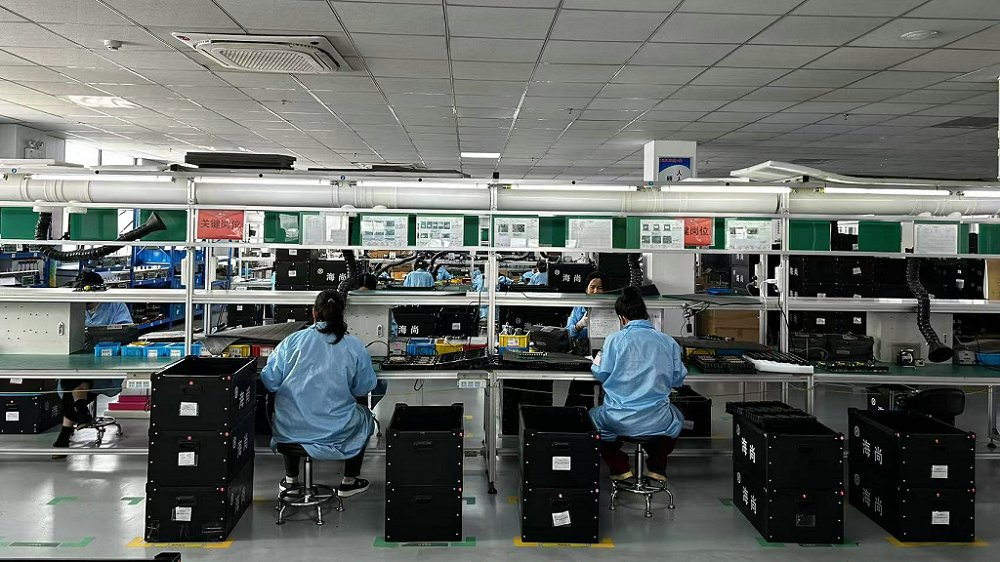
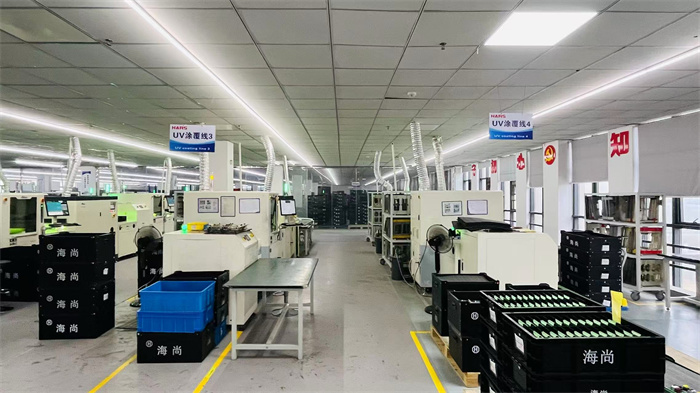
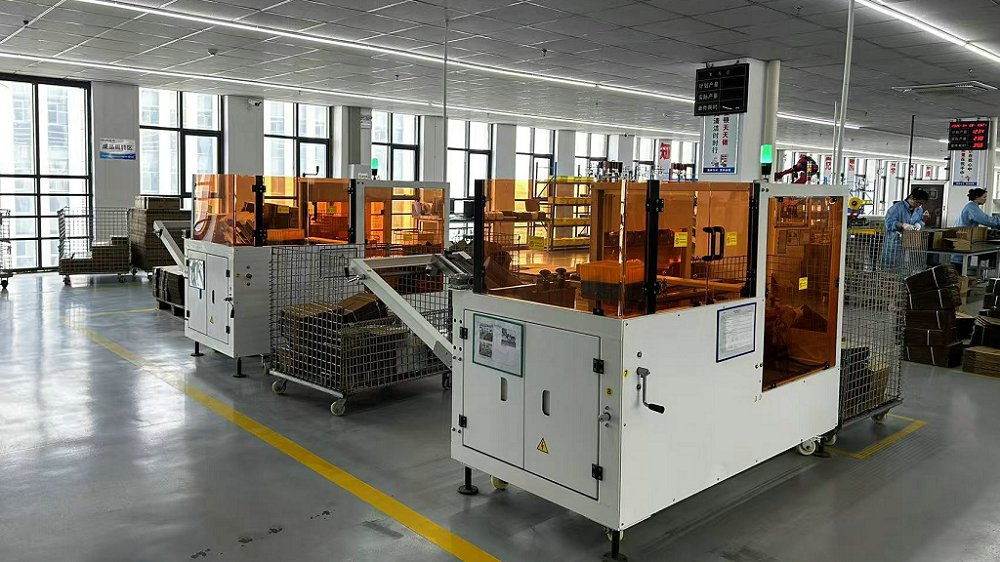
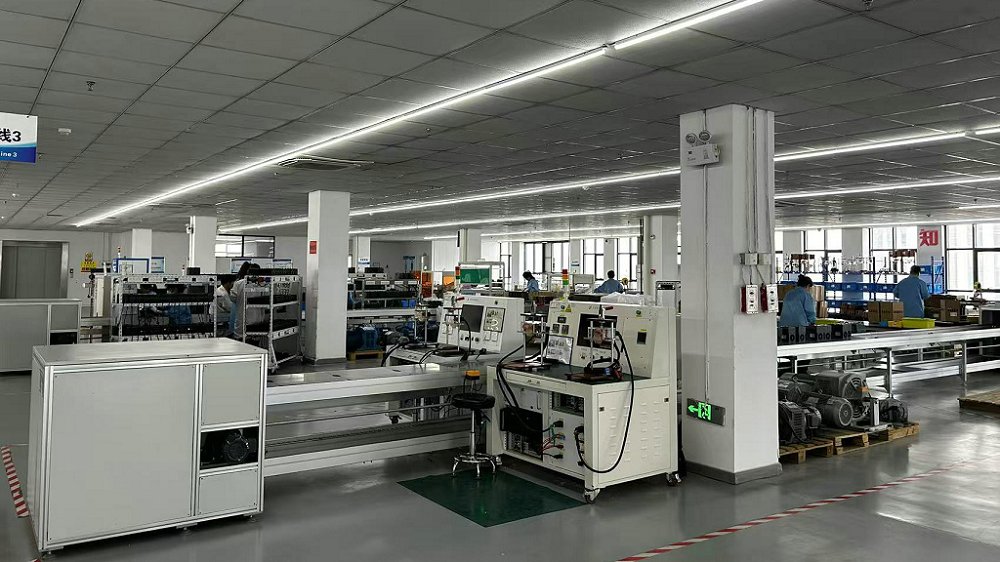
Every off-grid component undergoes rigorous staging and testing in our ISO 9001 certified production lines to ensure reliable field operation.
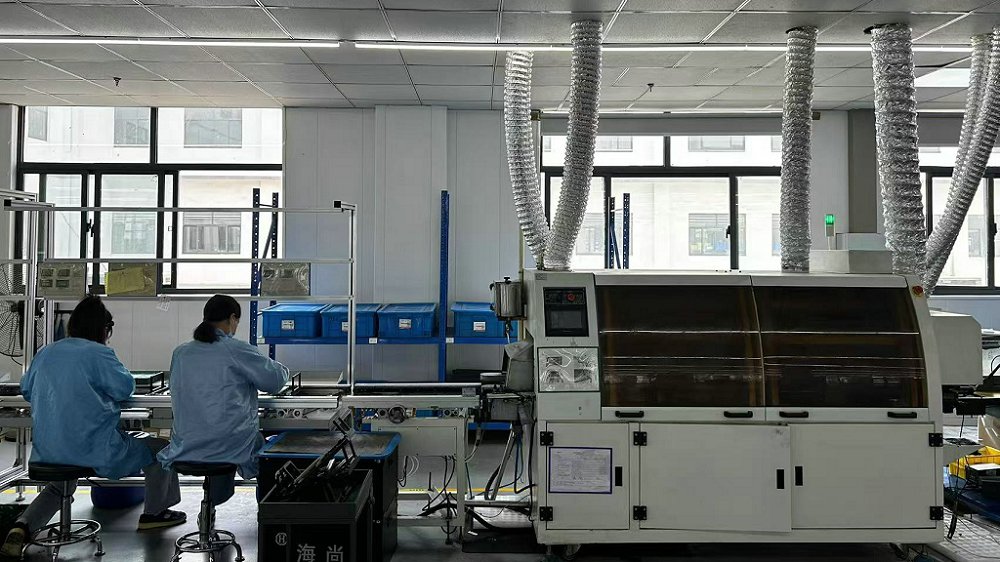
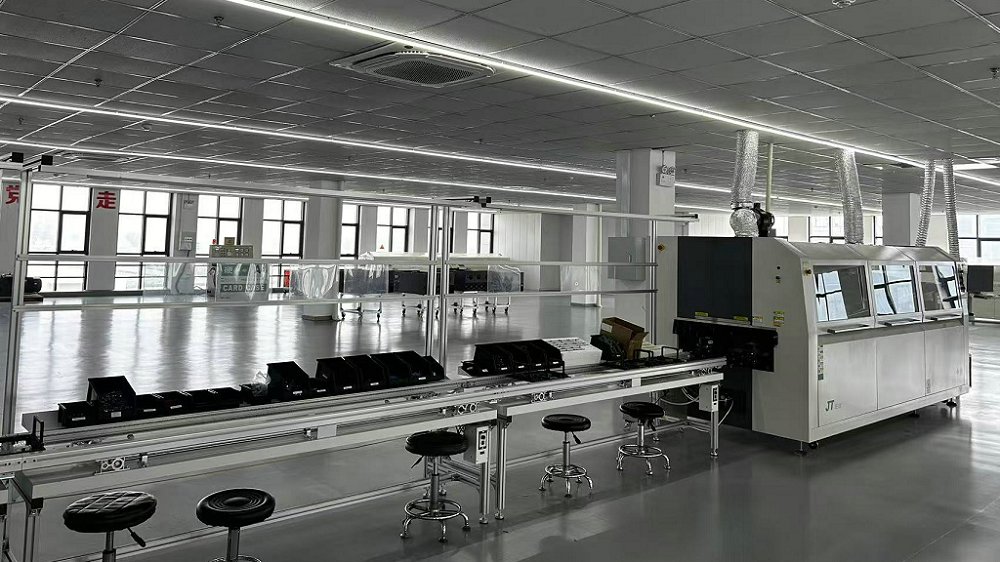
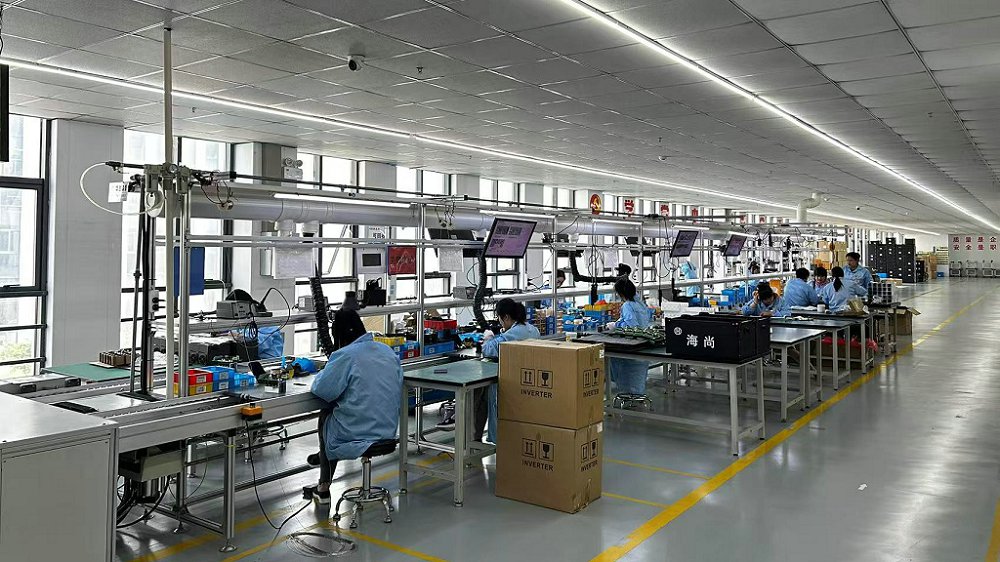
Understanding the cost, efficiency, and engineering factors that determine successful off-grid execution.
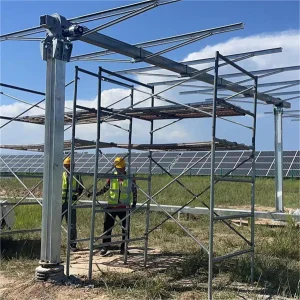
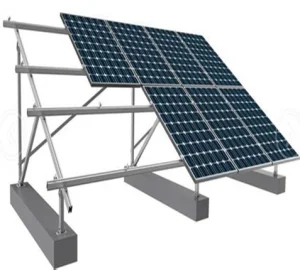
China accounts for over 80% of the world's solar cell production and is the leader in raw material integration for lithium iron phosphate (LiFePO4) storage batteries. For a procurement manager operating in Peru, sourcing directly from Xiamen Jonas Energy bypasses intermediate regional markup. By consolidating solar module production, structural racking manufacturing, and active battery assembly lines, Jonas Energy achieves optimal hardware interoperability.
Instead of buying modules from one provider, inverters from another, and batteries from a third, Jonas Energy provides pre-wired, pre-configured systems. This reduces project installation times on-site in remote regions where local solar engineering expertise might be scarce.
Xiamen is a world-class deepwater port with frequent, direct container routes to Callao, Peru. Under the China-Peru Free Trade Agreement (FTA), import tariffs on solar panels, clean energy generators, and lithium energy storage components are minimized or fully exempted. Jonas Energy handles all export documentation, conforming to Peruvian customs regulations, ensuring a predictable delivery schedule.
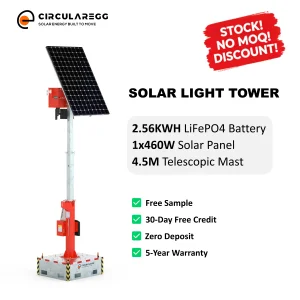
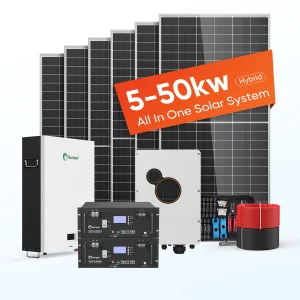
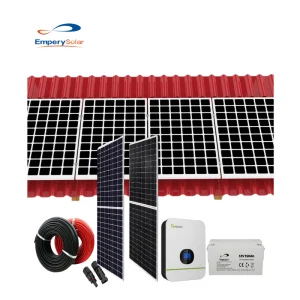
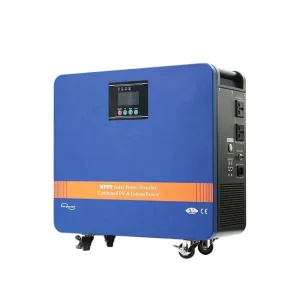
Our comprehensive portfolio of systems and components engineered for regional power generation projects.
Technical support, delivery, and system configurations for Peru buyers.
At high altitudes, the thinner air has a lower heat capacity, which reduces the heat dissipation of electronics. This requires the inverter to be derated (typically 1% for every 100 meters above 2000m), or equipped with oversized heatsinks and smart cooling fans. Additionally, low air pressure reduces the dielectric strength of insulating materials, increasing the likelihood of arcing. We customize combiner boxes and disconnects with wider clearance gaps to prevent failures.
Yes. Systems built for the Peruvian Amazon feature IP65 enclosures, conformal coatings on PCB modules, and rust-resistant hardware to prevent damage from condensation and salt air.
Lithium Iron Phosphate (LiFePO4) is the current industry standard for heavy-cycle applications. LFP batteries offer more than 6,000 charge cycles, can handle deep discharges (up to 90% DoD), and are much safer than NMC or lead-acid batteries at high operating temperatures.
Our systems ship out of Xiamen Port directly to the Port of Callao (Lima). Transit times typically range between 28 to 35 days. Jonas Energy handles export clearances and works with your freight forwarder to simplify customs procedures.
Contact our project engineering team for a customized off-grid solar and battery storage quote tailored to your local environment.
Send Inquiry Now Jonas Energy