The Netherlands has transformed into one of Europe's leading PV markets, driven by aggressive decarbonization goals, innovative dual-use solar concepts, and large-scale commercial rooftops. However, the physical reality of the Dutch landscape presents unique challenges for Engineering, Procurement, and Construction (EPC) companies. From the harsh sea breezes of Zeeland and Noord-Holland to the structural load limits on historical and modern logistics warehouses in Brabant and Utrecht, selecting the correct solar mounting structural system is critical to guaranteeing project lifetimes of over 25 years.
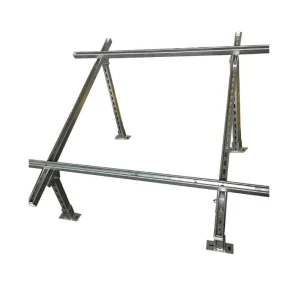
In addition to strict geographical wind zones, Dutch projects must adhere closely to NEN 7250 (Solar systems on roofs - Integration with building elements) and Eurocode 1 (EN 1991-1-4) for wind actions. Mounting system structural profiles must not only prevent slide and uplift under peak storm conditions but also respect roof membrane warranties. Whether utilizing ballasted east-west systems on commercial flat roofs or heavy-duty hot-dip galvanized ground structures for regional solar parks, localized mechanical engineering is non-negotiable.
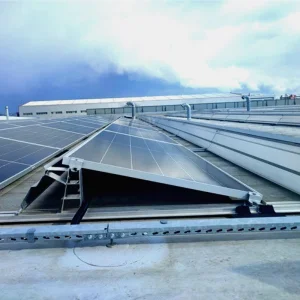
Information Gain Insight: Modern flat-roof installations in the Netherlands are shifting rapidly from south-facing tilt setups to aerodynamically optimized East-West configurations. This transition decreases the required ballast weight per square meter by up to 45%, protecting the structural reserve capacity of typical warehouse roofs while delivering a smoother, more grid-friendly energy production curve.
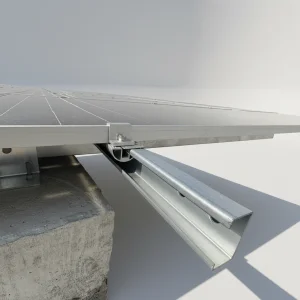
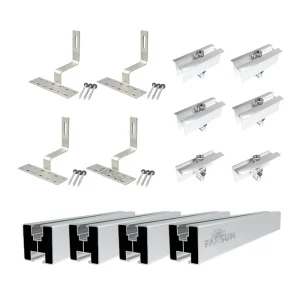
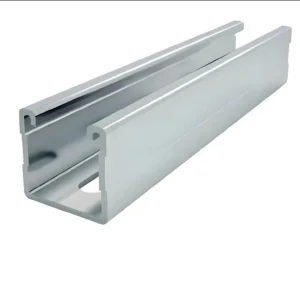
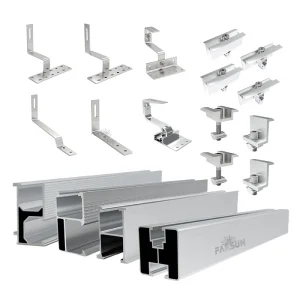
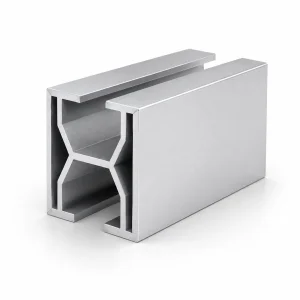
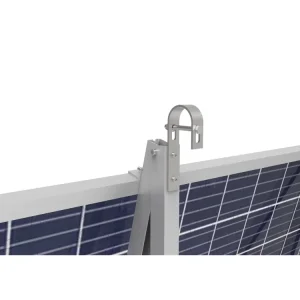
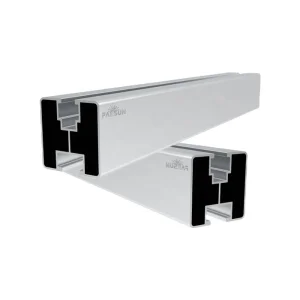
A significant percentage of the Netherlands' solar capacity is deployed on logistics distribution centers. Because these buildings are built with lightweight steel frames, they possess very low extra loading capacity. Our structures utilize high-tensile Aluminum 6005-T5 and premium EDPM rubber pads, optimizing aerodynamics in wind tunnels to reduce concrete ballast requirements. Integrated cable management channels and tool-free click-fit assemblies ensure that local installers can complete projects within narrow grid connection windows.
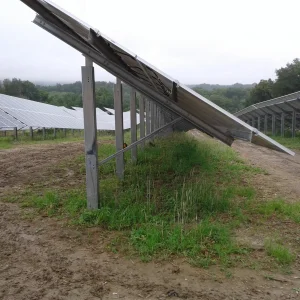
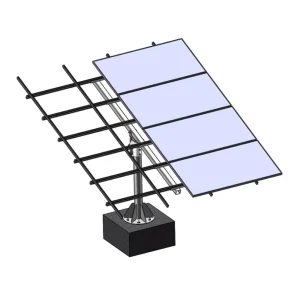
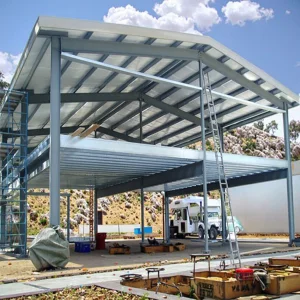
With space at a high premium in the Netherlands, dual-use agricultural systems are expanding. High-clearance steel frames with specialized foundation screws allow grazing sheep or berry harvesting machines to operate below the modules. Ground-mount projects near polder land require specialized geological dynamic calculations, as soft peat soils demand longer steel piles or helical ground anchors to prevent long-term sinking and tilt misalignment.
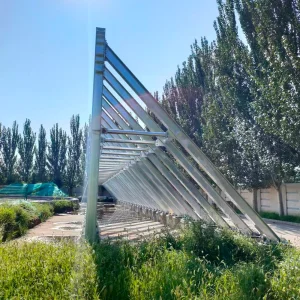
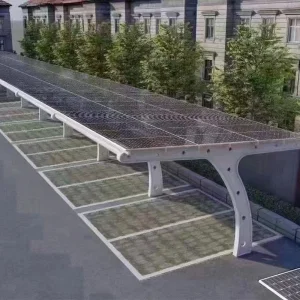
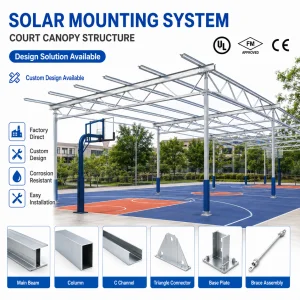
Municipal parking areas are increasingly being mandated to support solar generation. These systems require aesthetic yet structurally rigid steel or aluminum portals. Hot-dip galvanized structural profiles (conforming to ISO 1461 standards) protect steel components against rust from standing water, winter road salt spray, and atmospheric humidity. We offer fully integrated rain-water drainage designs, custom spans, and pre-welded sub-assemblies to minimize on-site assembly costs.
While local European mounting structure distributors provide immediate logistics access, the core steel and aluminum fabrication costs are significantly higher due to raw material and electricity premiums. Partnering directly with tier-1 Chinese manufacturers like Xiamen Jonas Energy Co., Ltd. unlocks unmatched economic and logistical benefits:
Xiamen Jonas Energy Co., Ltd. is a leading provider of renewable energy structural solutions, headquartered in Xiamen, Fujian Province, China. Since its establishment, the company has been dedicated to the design, engineering, advanced manufacturing, and global supply of high-performance photovoltaic mounting structures and energy storage systems.
Our commitment to innovation and sustainability allows us to support residential, commercial, industrial, and utility-scale projects worldwide. Through close collaboration with international technical partners and testing organizations, we manufacture solutions designed to survive the harshest environmental stresses, from extreme snow loads to maritime air corrosion.
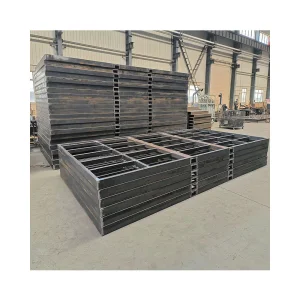
Jonas Energy operates modern production facilities spanning multiple advanced lines, including high-speed profile cold-roll forming machines, automated laser cutting tables, robotic welding cells, and automated aluminum extrusion lines. Our annual output capacity reaches several gigawatts, securing high delivery reliability for critical infrastructure projects in Europe and beyond.
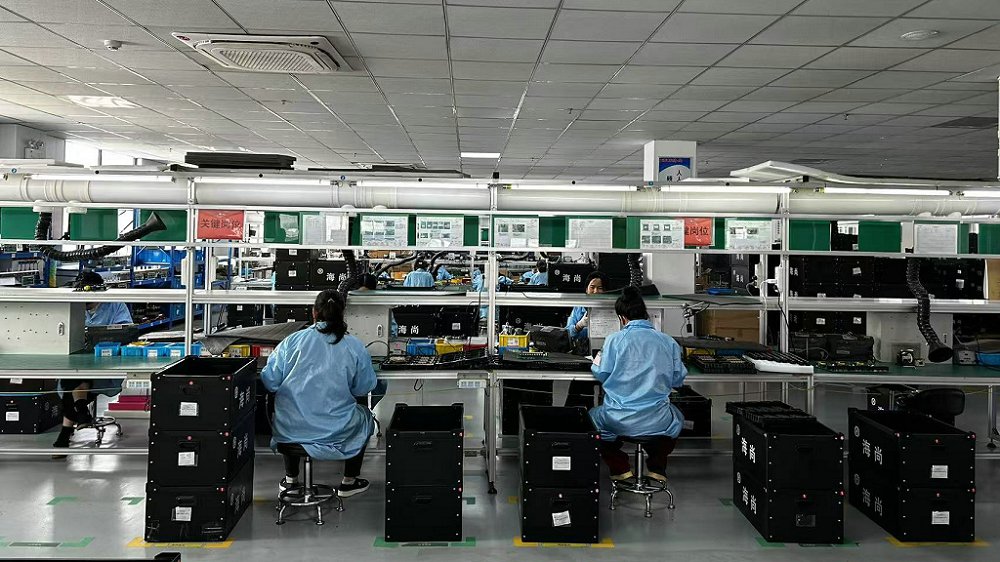 Plate making
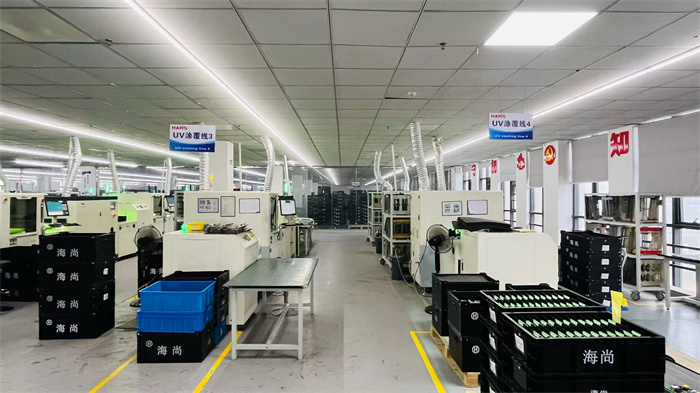 UV coating
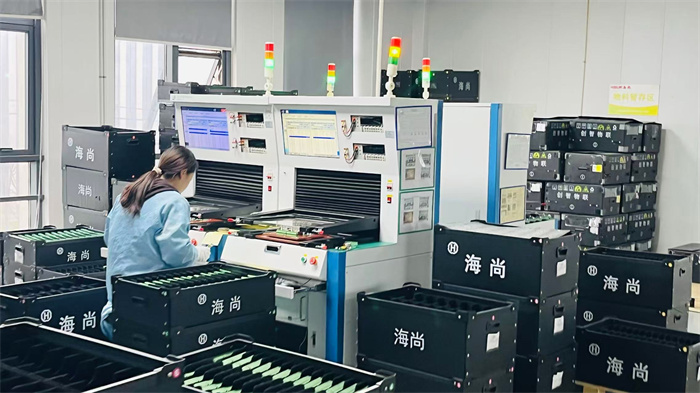 Quality Test
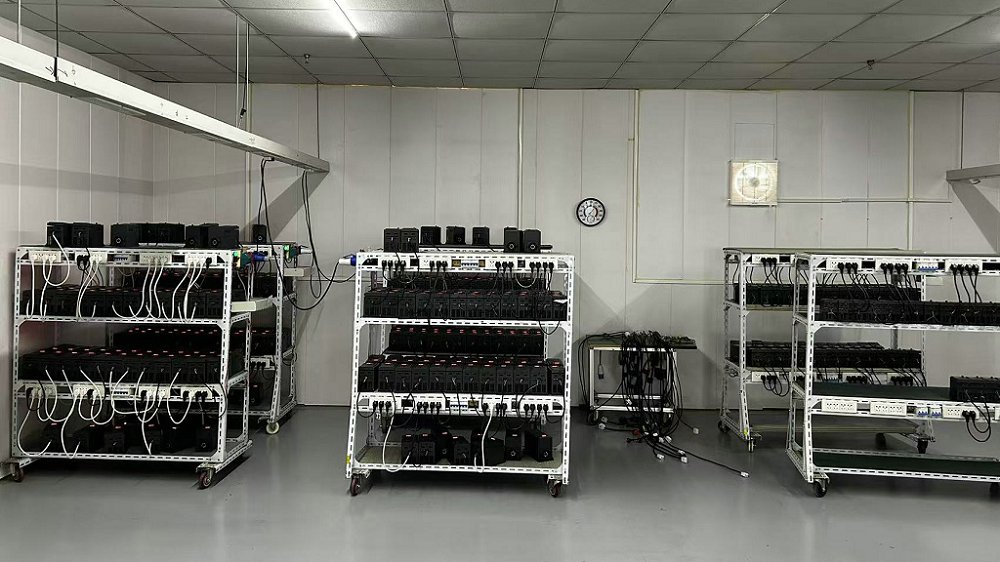 Aging test
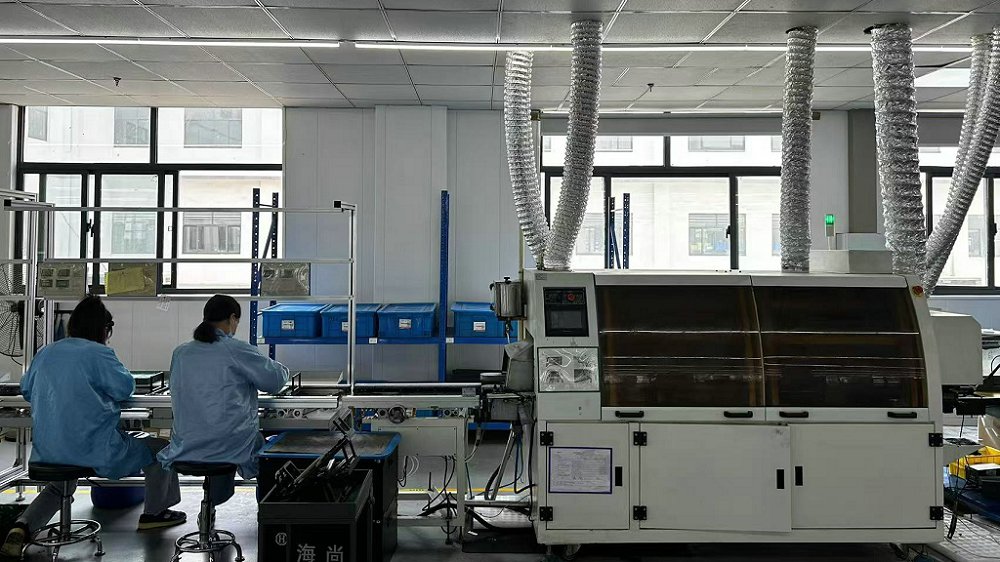 Robot weld
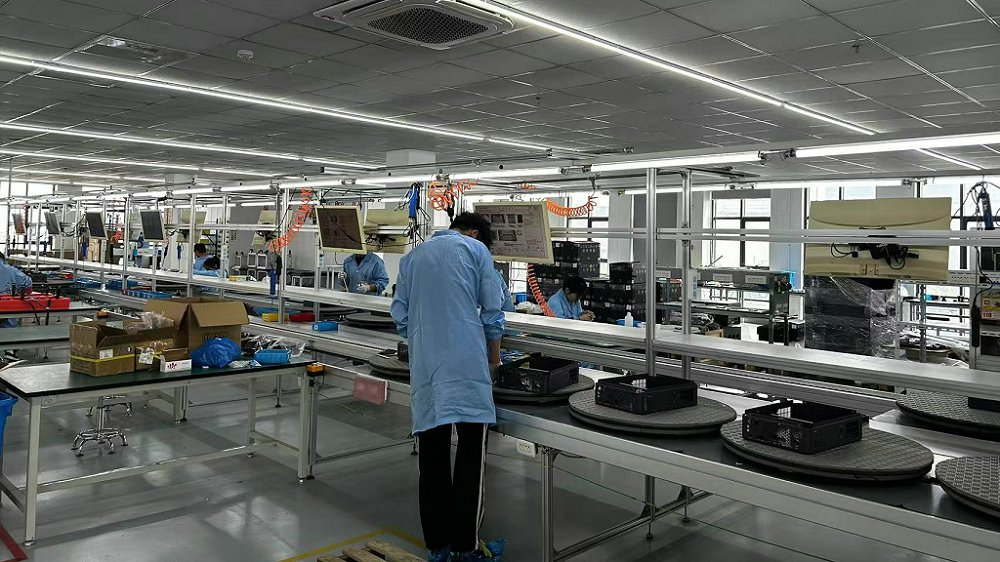 Assembly Unit
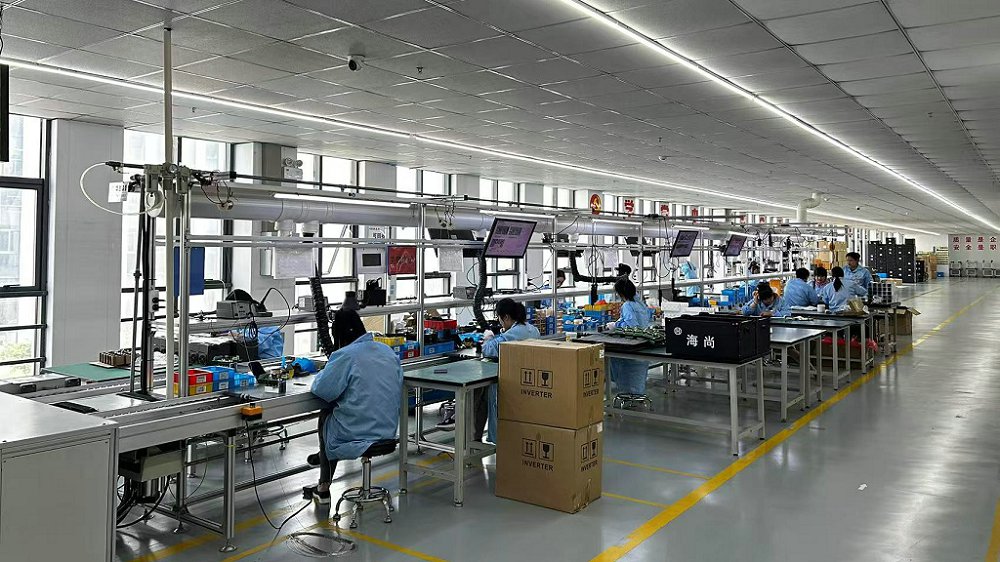 Structural Assembly
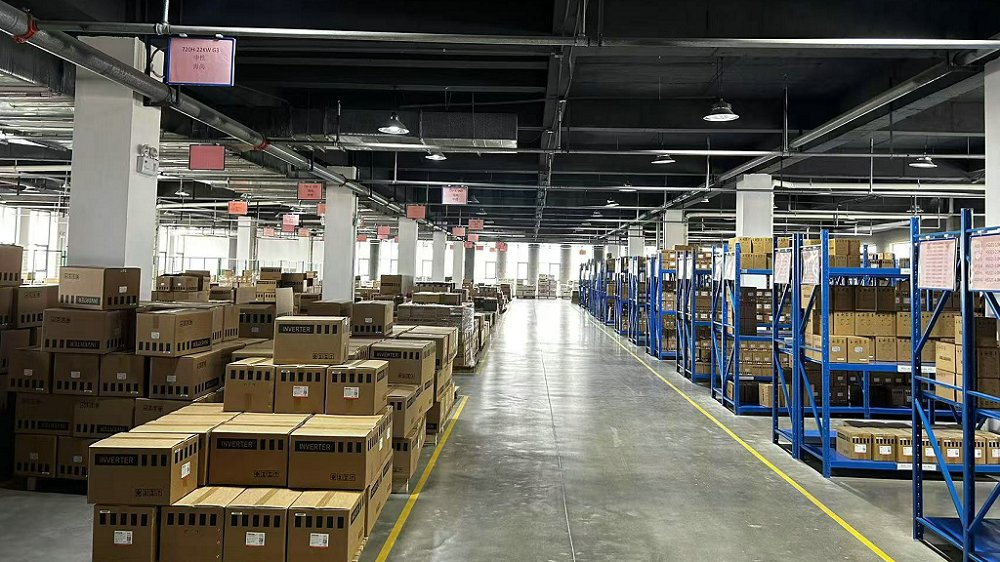 Finished product
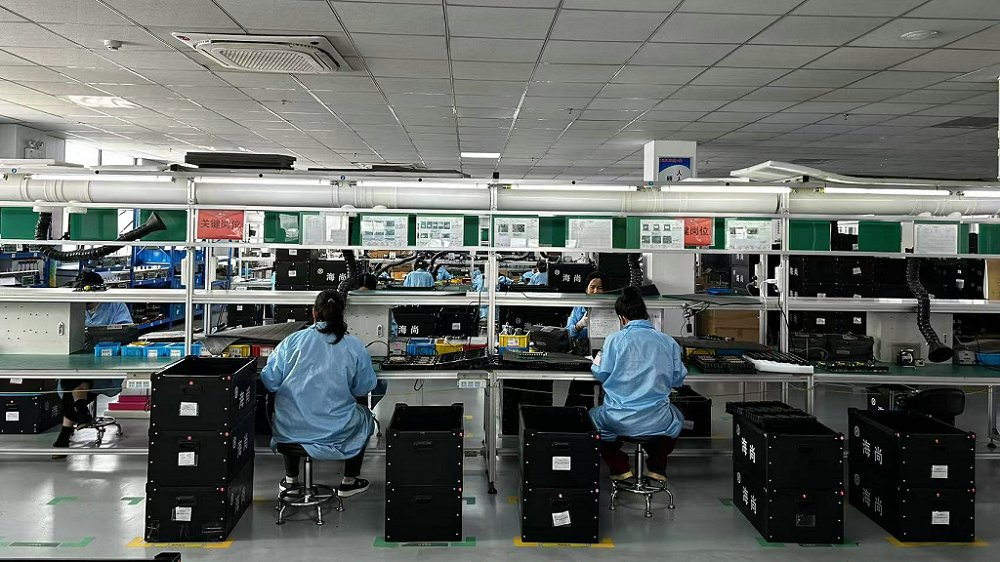 Plate making line
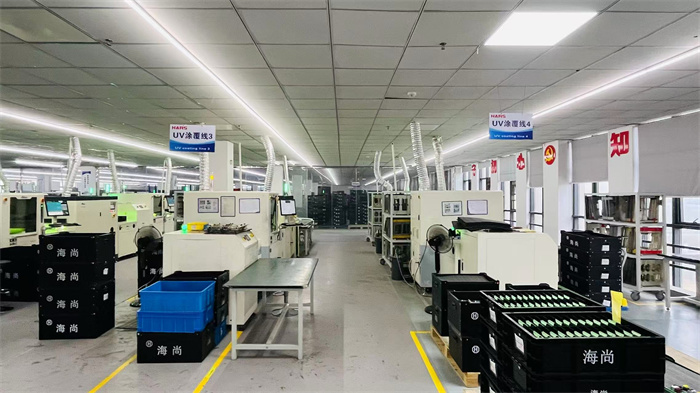 UV coating line
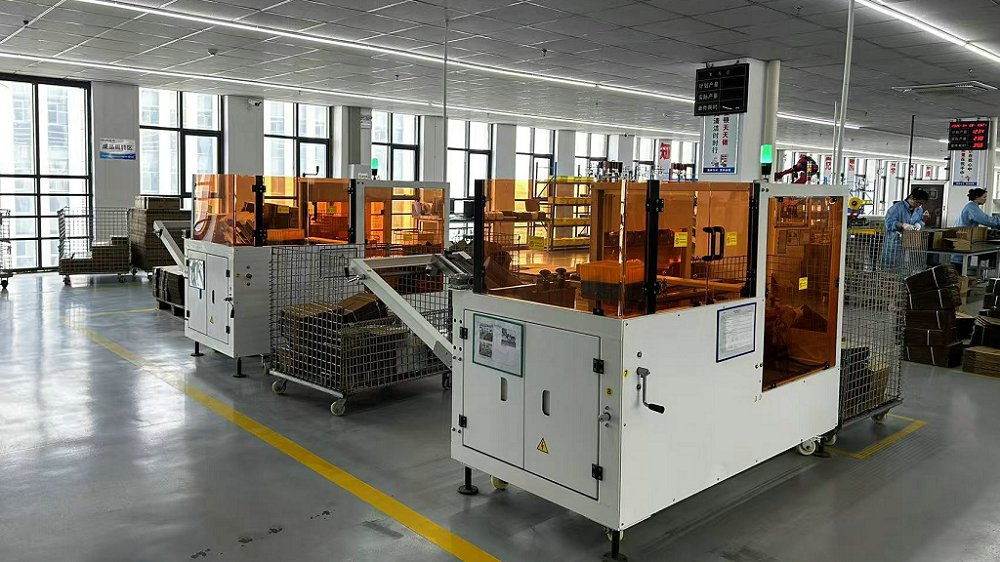 Box opener
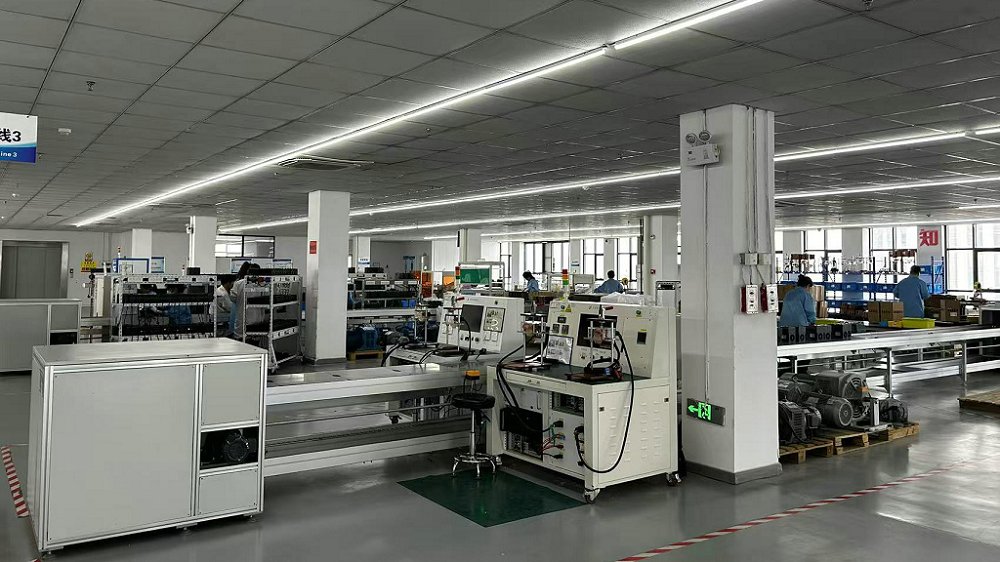 packaging line
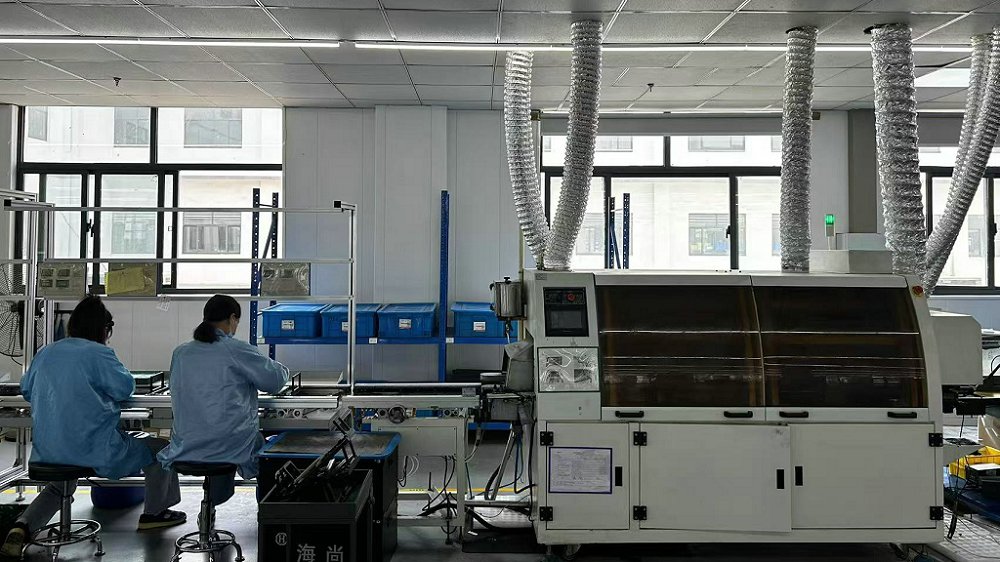 Dip welder
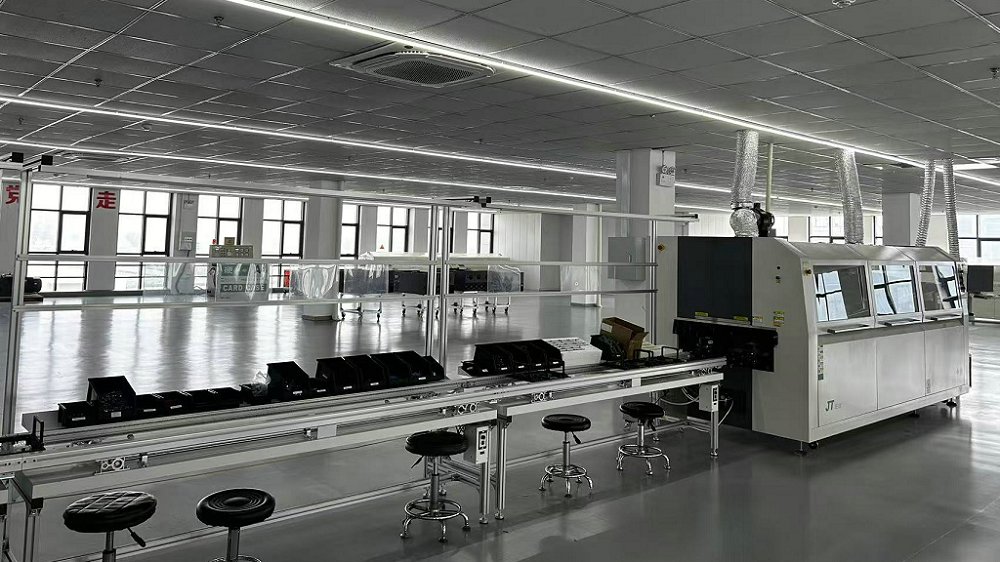 Production line
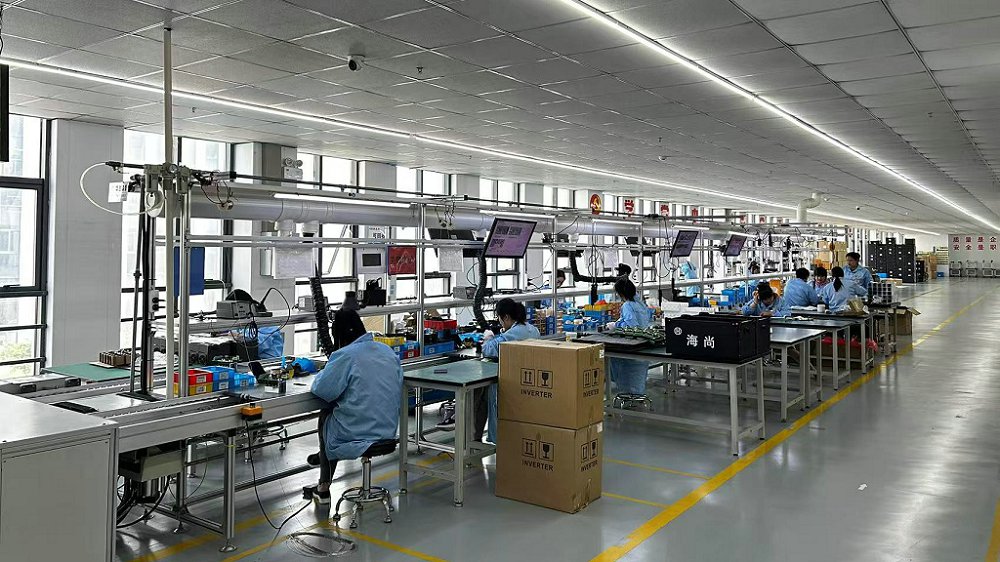 Assembly line
In the Netherlands, financing banks and insurance institutions mandate exhaustive technical documentation before signing off on solar installations. To ensure zero resistance during your project's funding phase, Jonas Energy structures comply with global technical specifications:
 Jonas Energy