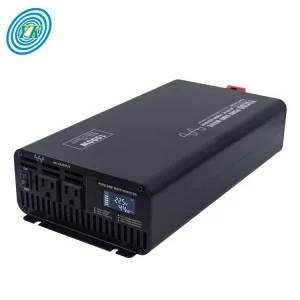
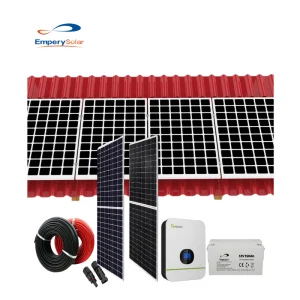
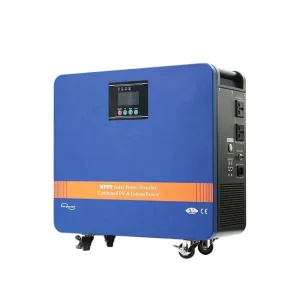
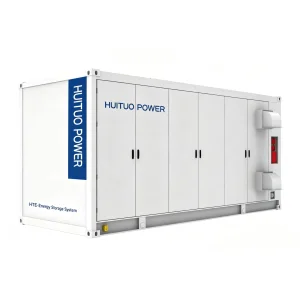
Explore our premium product portfolio designed for residential reliability, microgrid resilience, and large-scale commercial utility integration.
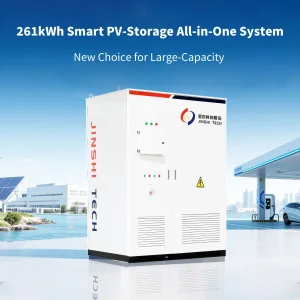
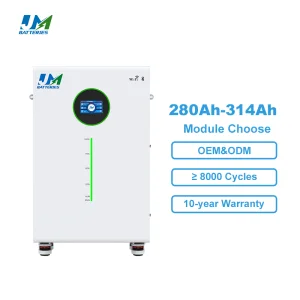
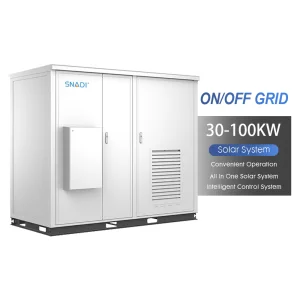
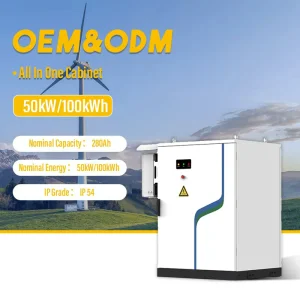
As the landscape of global power generation transitions from highly centralized fossil plants to flexible, localized structures, Xiamen Jonas Energy Co., Ltd. stands at the forefront of this industrial metamorphosis. Headquartered in the dynamic economic hub of Xiamen, Fujian Province, China, our company has emerged as a preeminent developer and manufacturer of advanced utility-scale photovoltaic, lithium-iron phosphate (LiFePO4) energy storage systems, and comprehensive microgrid hardware solutions.
By blending deep engineering expertise with China's robust electronics supply chain, we deliver high-performance, cost-effective equipment to global developers. Our portfolio encompasses every vital component of the modern Distributed Energy Resource (DER) framework, from grid-forming intelligent hybrid inverters to high-voltage containerized energy storage units (ESS) designed to stabilize local distribution nodes.
Our commitment to rigorous international compliance and continuous technical innovation enables EPCs, energy developers, and commercial entities to design resilient, future-ready systems that dramatically lower the Levelized Cost of Energy (LCOE).
A premier provider of advanced renewable energy infrastructure solutions. We work in tandem with global technological partners to manufacture, validate, and supply sophisticated solar modules, hybrid/off-grid inverters, rack-mount systems, and liquid-cooled containerized BESS.
Through state-of-the-art automated manufacturing and strict QA protocols, we achieve gigawatt-level delivery scales to support rapid clean-energy deployment worldwide.
Core Certifications: IEC 62619, CE, TUV, ISO 9001, ISO 14001, UL 9540A compliance protocols.
Leveraging China's manufacturing efficiencies to lower LCOS and ensure long-term energy resilience.
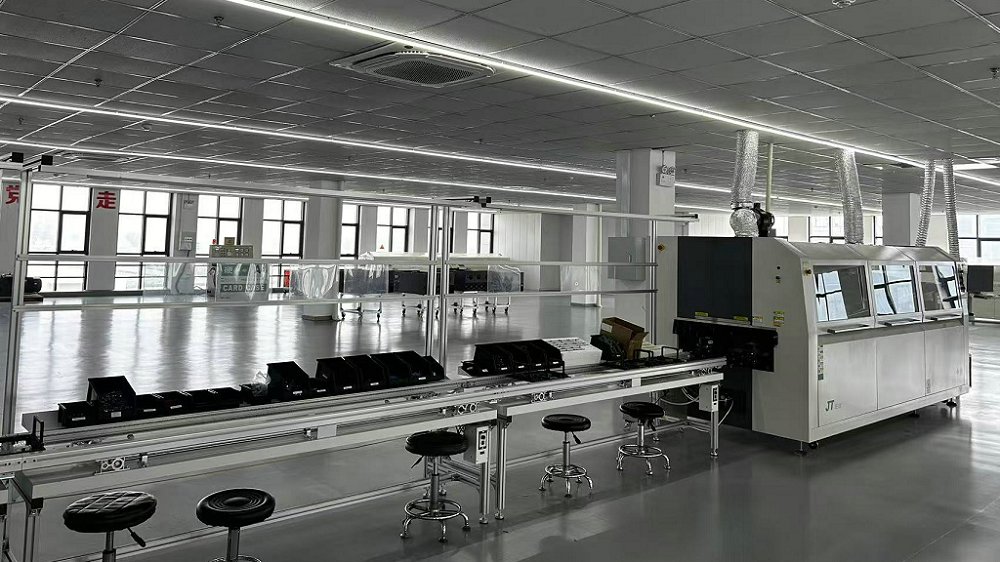
China is globally recognized as the epicentre of renewable energy manufacturing. The integration of battery active-material synthesis, cell production, precision metal fabrication, power electronics engineering, and software design creates an unmatched operational ecosystem. At Jonas Energy, we channel these structural advantages directly into our clients' microgrid architectures.
Through our established gigawatt-scale footprint, we manage automated manufacturing systems that dramatically reduce per-watt capital expenses. By minimizing supply-chain friction, we secure immediate access to tier-1 LFP chemistry cells, high-purity raw materials, and high-frequency transformer configurations. The result is a substantial reduction in both CAPEX and OPEX for solar-plus-storage projects.
Our multidisciplinary team of engineers continuously designs and tests energy conversion systems. We optimize cell layout, smart BMS algorithms, and high-efficiency inverter topologies to maintain high round-trip efficiency (RTE).
We deploy liquid-cooled energy storage solutions alongside advanced phase-change material cabinets. Keeping cell deviation under 2°C significantly prolongs battery lifespan, boosting system ROI.
Our power inverters are capable of operating in grid-following and grid-forming configurations. This versatility provides key black-start capability and stable local voltage references during main grid failures.
Understanding market drivers, policy shifts, and technical requirements across continents.
The acceleration of Distributed Energy Resources (DERs) is fundamentally restructuring energy markets globally. Driven by grid vulnerability, escalating demand charges, and aggressive decarbonization mandates (such as the EU's RED III and North American FERC Order 2222), businesses are moving away from passive energy consumption. Today's commercial and industrial enterprises view on-site generation and energy storage as critical components of operational continuity and strategic financial planning.
In North America and Europe, the primary catalyst for commercial battery storage adoption is the need for demand-charge management and peak-shaving capabilities. Industrial facilities face high capacity tariffs calculated on peak usage. By installing smart lithium storage cabinets paired with solar PV, plants can cap their peak grid draw, saving thousands monthly. Additionally, microgrids offer critical backup power during severe weather and grid strain.
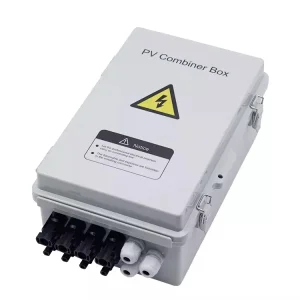
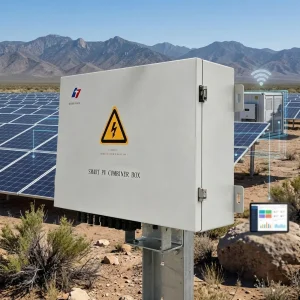
Meanwhile, in emerging markets across Africa, Southeast Asia, and Latin America, distributed solar and storage serve as primary power systems, bypassing unreliable grids. For these applications, off-grid generators, PV combiner boxes, and robust hybrid inverters are essential. These technologies establish local mini-grids that power agricultural facilities, remote telecommunications hubs, and regional manufacturing plants without requiring utility transmission infrastructure.
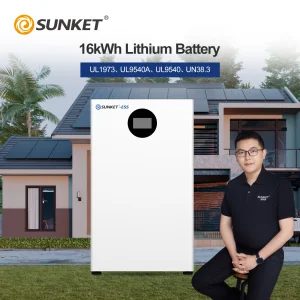
In response, factories like Xiamen Jonas Energy have adapted by offering modular, containerized energy storage systems (ESS). These units scale easily from 100kWh to multi-megawatt configurations. Engineered to withstand high ambient temperatures, salty coastal air, and seismic activity, our systems utilize IP65 and IP54 enclosures, liquid cooling, and double-insulated cabling to ensure safe, continuous operation in challenging environments.
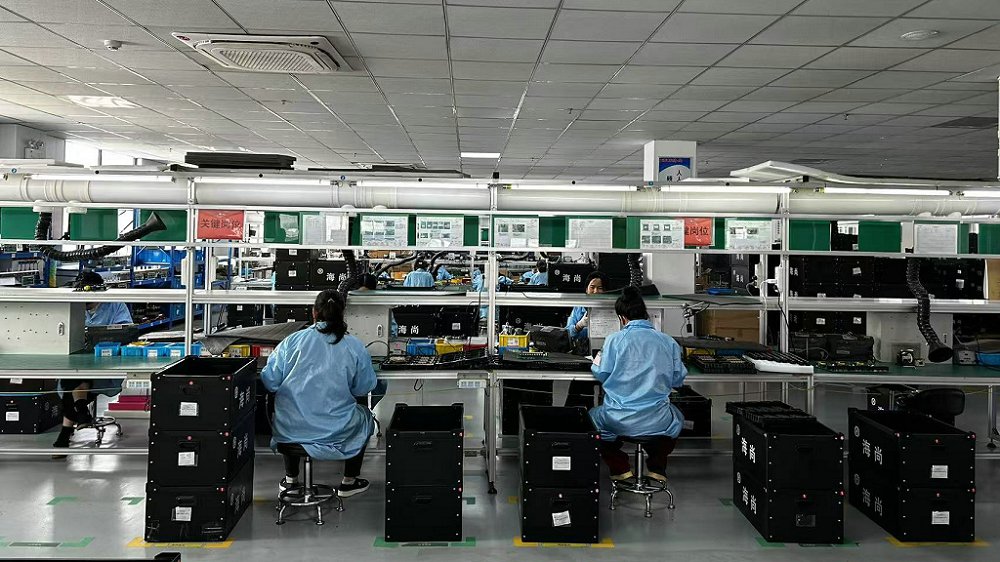
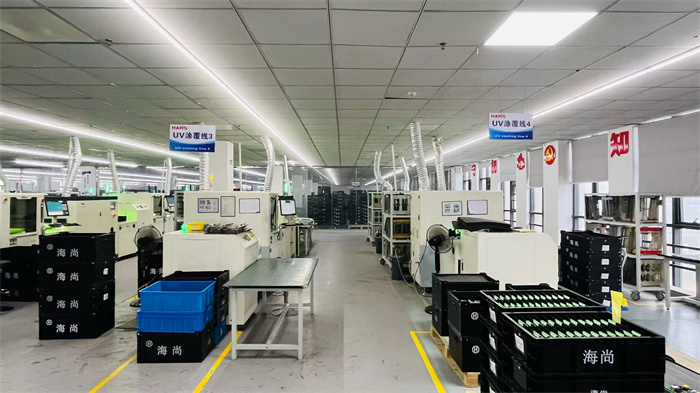
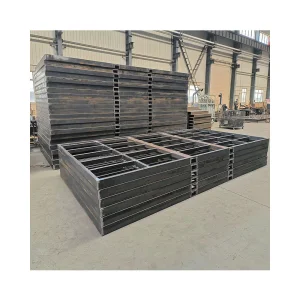
To maintain a strong position in the global market, Chinese factories utilize specialized automated testing equipment. At Jonas Energy, every energy storage unit goes through a comprehensive battery cell testing and sorting process, automated structural welding, and multi-day environmental chamber simulation before shipment.
Transparency is key to trust. Step inside Xiamen Jonas Energy's manufacturing process to see how quality is built into every layer.
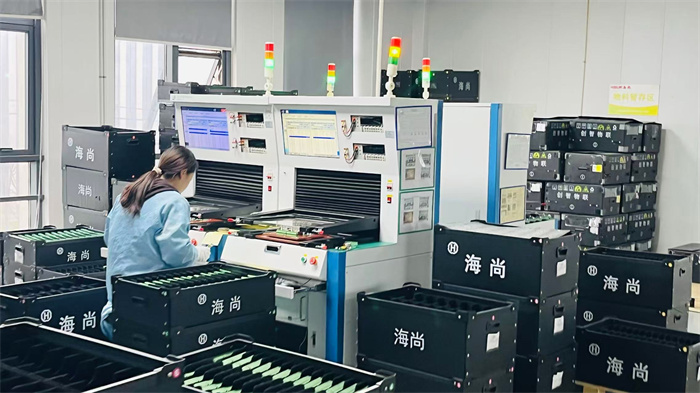
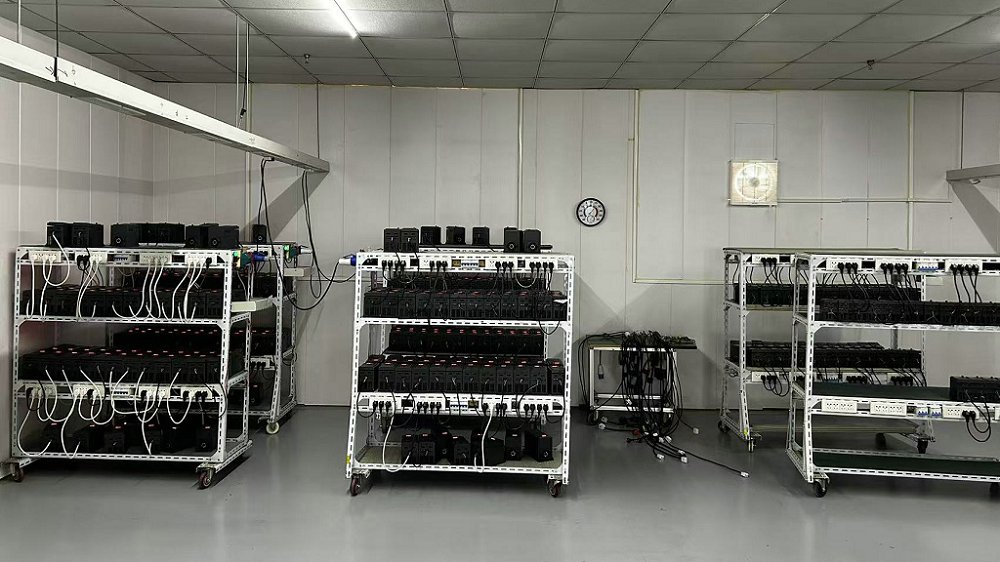
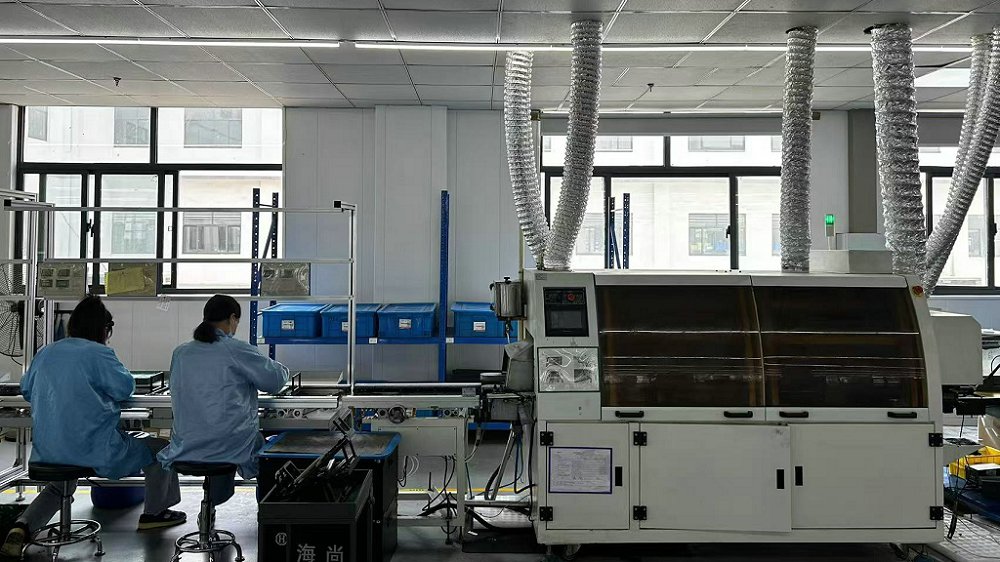
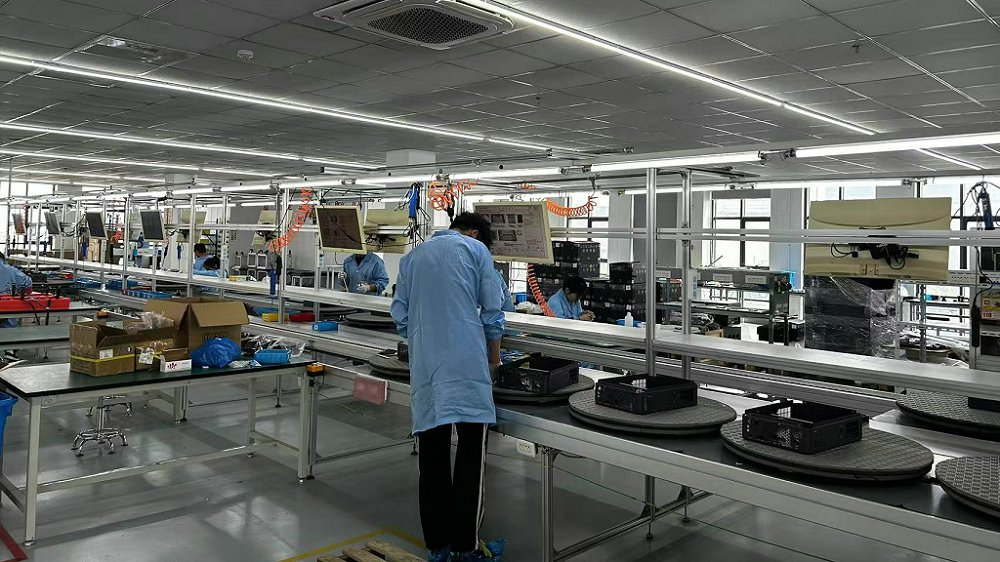
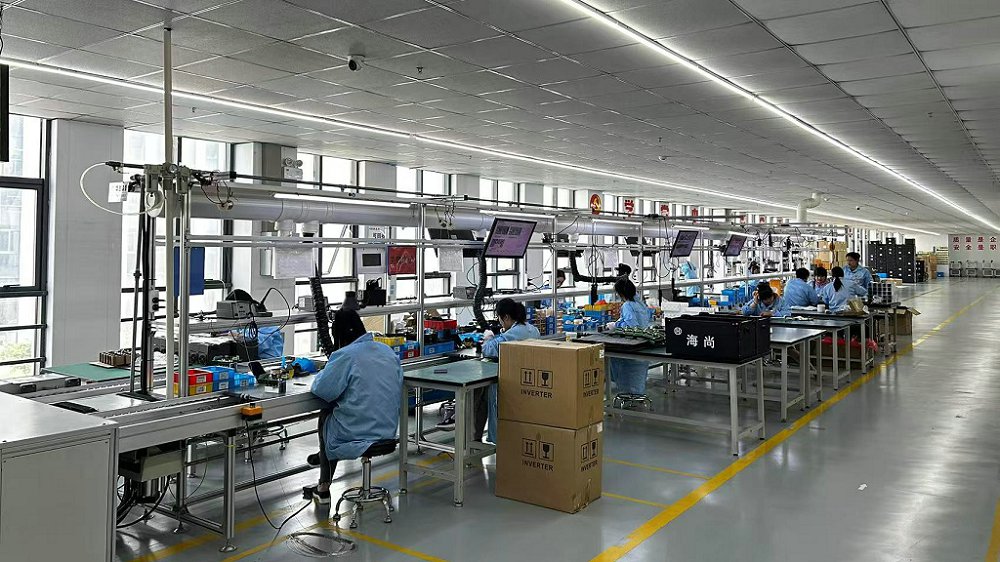
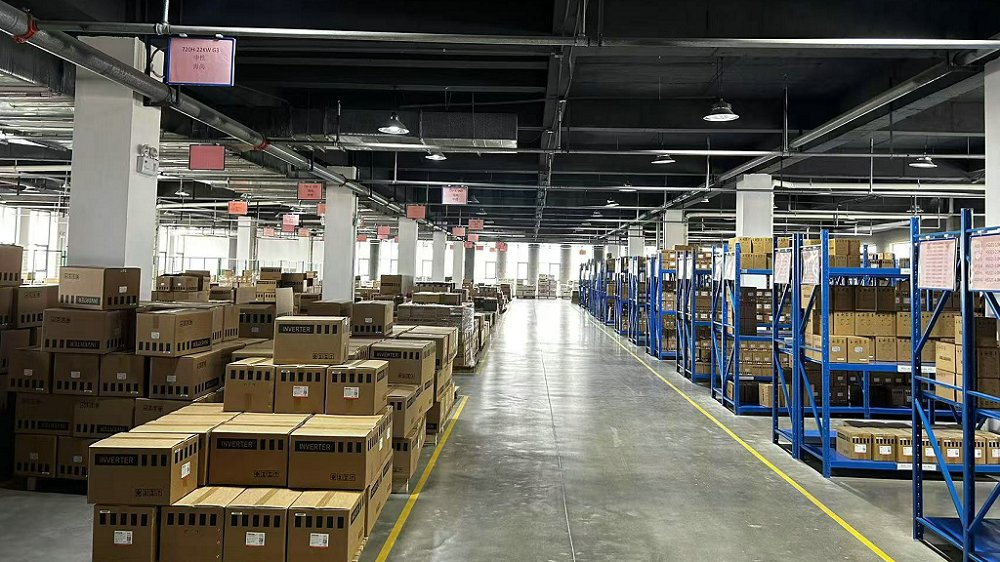
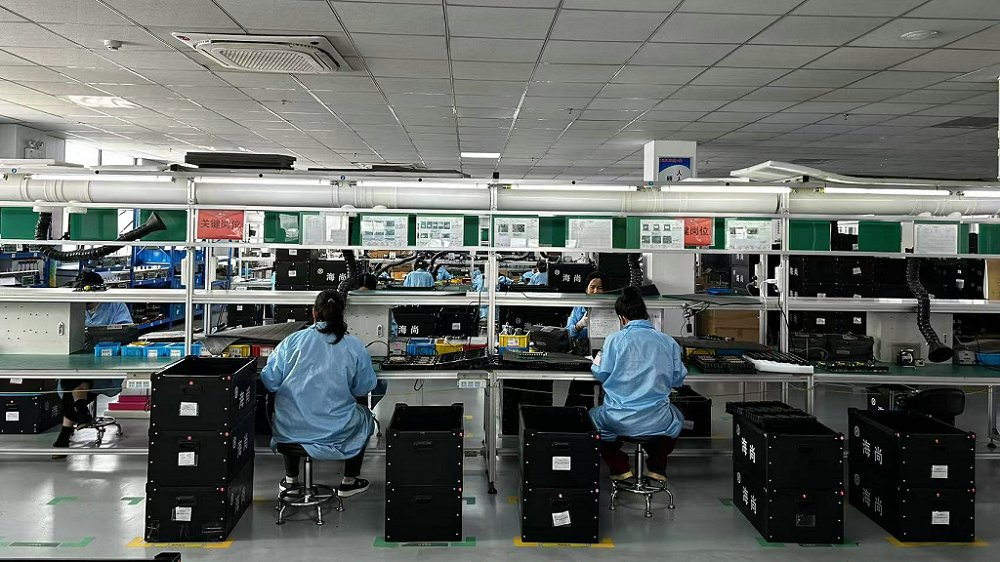
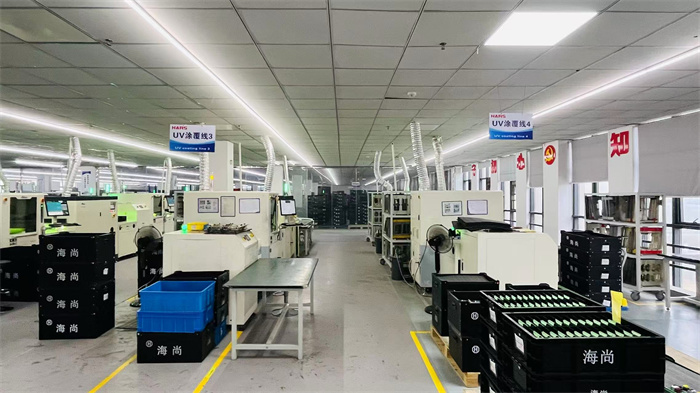
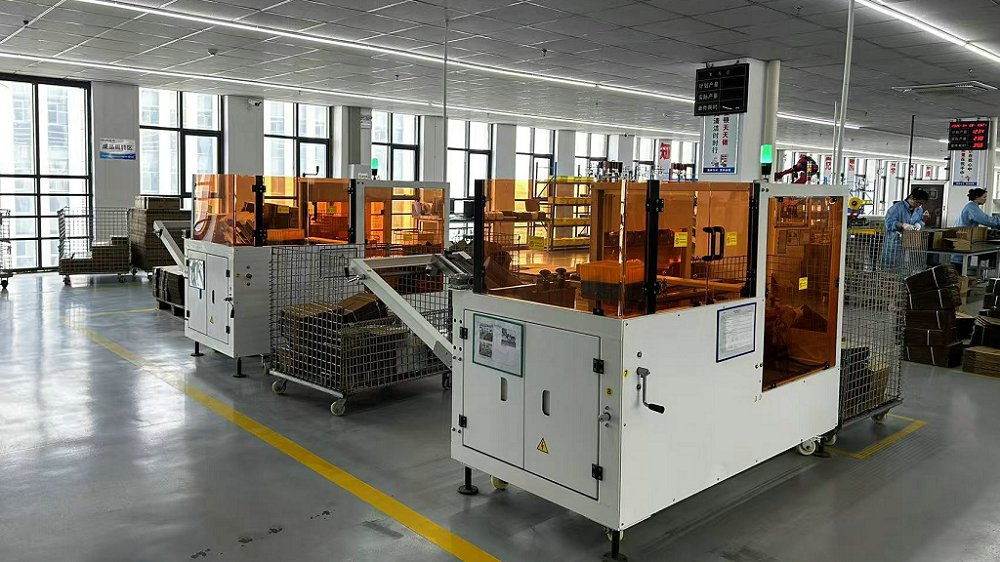
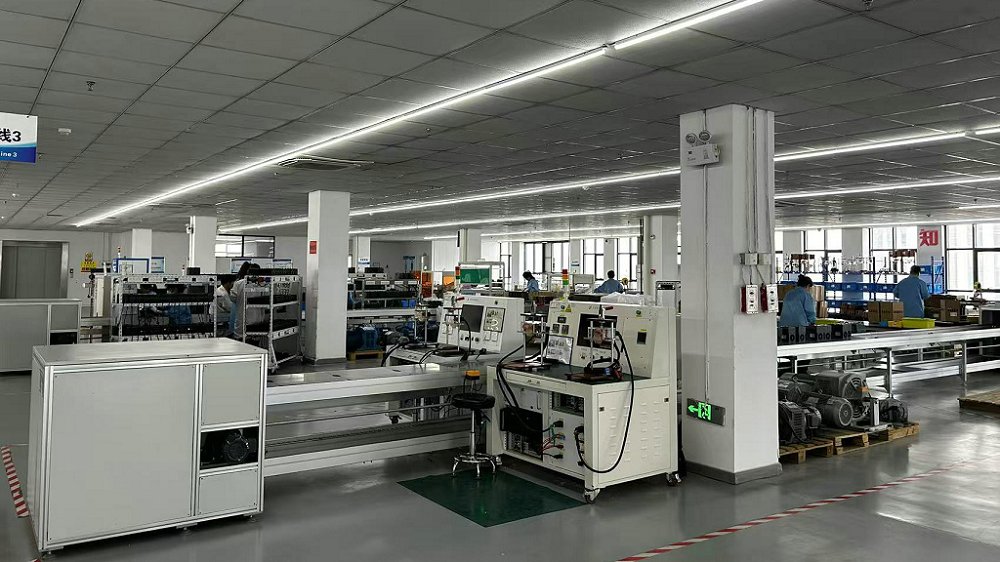
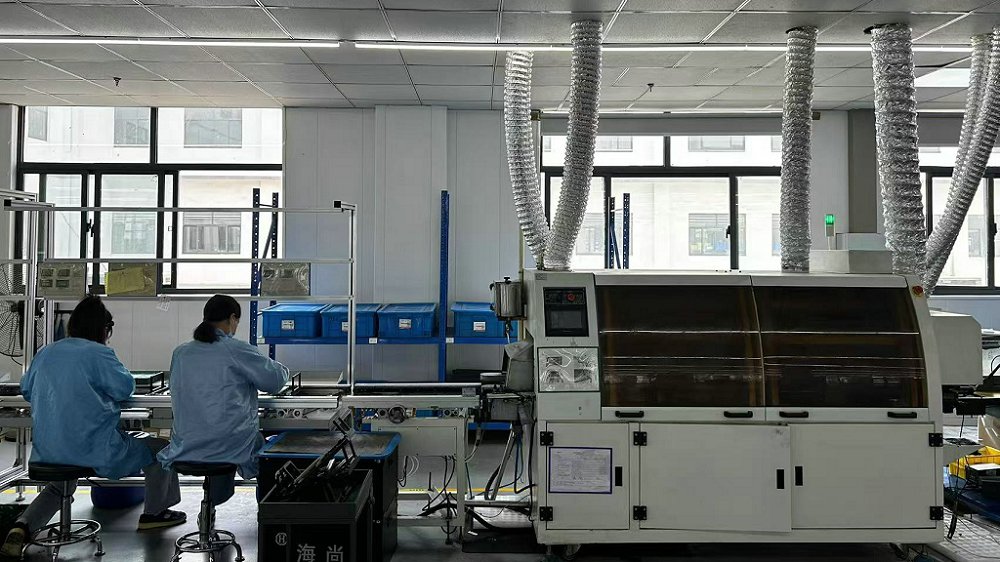
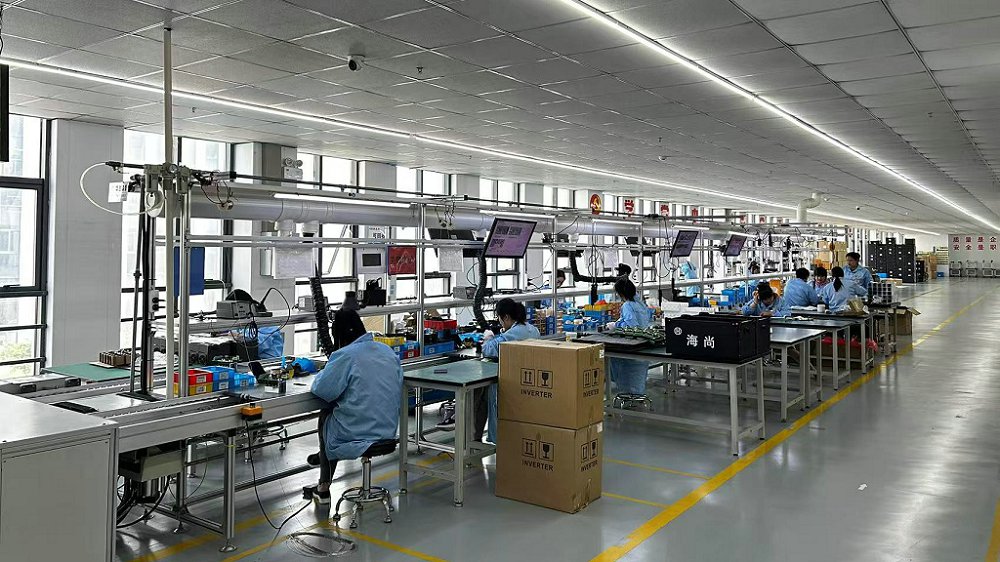
See how Jonas Energy configurations address specific pain points across real-world enterprise topologies.
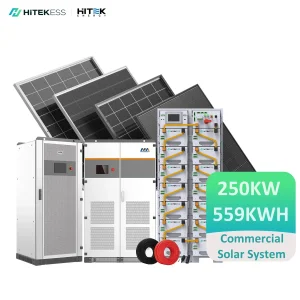
For factories operating large machinery, demand charges can represent up to 50% of the monthly utility bill. Using our 100kWh to 250kW hybrid container systems, facilities charge their batteries during low-tariff off-peak hours. The system then discharges to offset load spikes when machines start up, lowering peak demand fees and stabilizing local voltage.
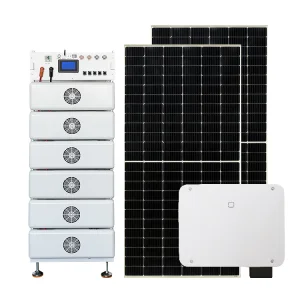
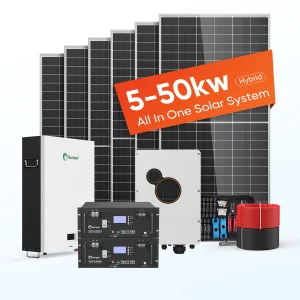
Island resorts, mining outposts, and agricultural operations are often isolated from the centralized grid. By integrating PV combiner boxes, high-voltage battery storage, and smart hybrid inverters, we establish fully self-sustaining microgrids. These configurations minimize diesel generator dependency, cut emissions, and deliver reliable power around the clock.
Distributed network antennas and telecom relay towers require continuous power in outdoor environments. Our OEM ODM Customized Outdoor Cabinet Energy Storage Systems feature IP54 protection, climate control, and integrated BMS. They ensure uninterrupted operation through winter freezes and summer heatwaves, protecting regional connectivity.
Key technical specifications global buyers must review prior to ordering.
For B2B buyers, sourcing DER hardware involves evaluating more than just the price per kilowatt-hour. System safety, chemical durability, grid compatibility, and certification alignment are critical to the project's long-term viability. When planning system procurement, prioritize these key engineering metrics:
By coordinating our engineering and production teams, Jonas Energy ensures every product shipped meets these requirements, helping you complete projects on time and within budget.
Expert insights on the design, deployment, and performance of modern distributed energy systems.
Complementary system components to complete your commercial, industrial, or utility-scale distributed solar and storage projects.
 Jonas Energy