Explore our premium grade power conversion systems, storage arrays, and connectivity hardware engineered for heavy industrial and utility operations.
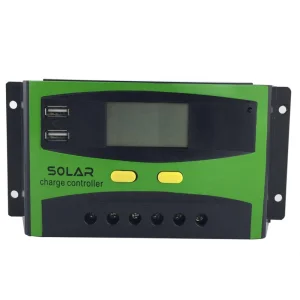
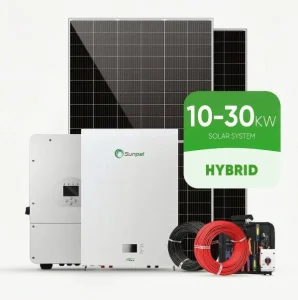
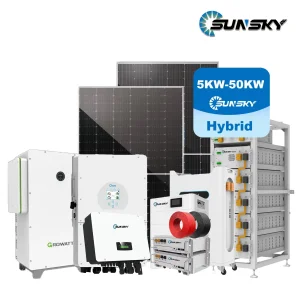
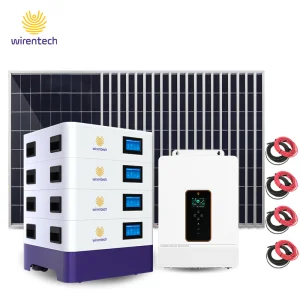
Analyzing key structural factors, technical configurations, and market dynamics that power modern photovoltaic infrastructure.
In the transition to net-zero carbon economies, the solar power inverter stands out as the core nerve center of any photovoltaic (PV) and energy storage system (ESS). Often referred to as the "brain" of solar infrastructure, modern inverters do far more than convert Direct Current (DC) generated by solar panels into grid-compatible Alternating Current (AC). Today, they govern dynamic grid stabilization, integrate advanced Maximum Power Point Tracking (MPPT) algorithms, facilitate high-efficiency lithium battery management, and interface directly with smart internet-of-things (IoT) architectures.
China has firmly established itself as the global epicentre for PV innovation, representing over 70% of the world's inverter manufacturing capacity. The operational efficiency, vertical supply chain integration, and rapid technology iterations offered by Chinese manufacturers enable unprecedented Levelized Cost of Energy (LCOE) reductions for utility, commercial, and residential scale installations worldwide.
Understanding these developments is crucial for global project developers, EPC contractors, and distributors. Selecting the appropriate manufacturing partner involves examining not only manufacturing capacities, but also software integration capabilities, local grid code compliances, thermal dissipation architectures, and the quality of underlying semiconductor devices.
A Premier Professional Provider of Global Renewable Energy & System Integration Solutions
Headquartered in Xiamen, Fujian Province, China, Xiamen Jonas Energy Co., Ltd. is a high-tech enterprise dedicated to the research, development, manufacturing, and global distribution of advanced photovoltaic and energy storage systems. Since our founding, we have committed ourselves to driving the energy transition by delivering high-reliability, top-tier products designed to perform under diverse and demanding environment conditions.
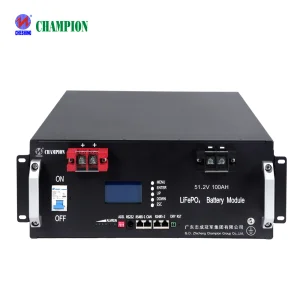
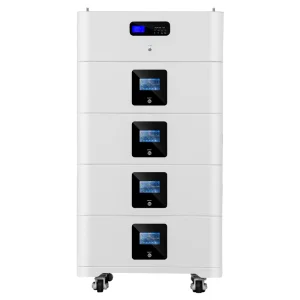
Our comprehensive portfolio features solar power inverters, battery storage solutions, high-durability mounting structures, and custom-configured all-in-one solar energy setups. We actively collaborate with leading international tech partners to construct robust, resilient commercial, industrial, and residential energy storage systems (ESS). From sleek wall-mounted lithium batteries to high-voltage containerized utility setups, our technology delivers energy independence and operational efficiency worldwide.
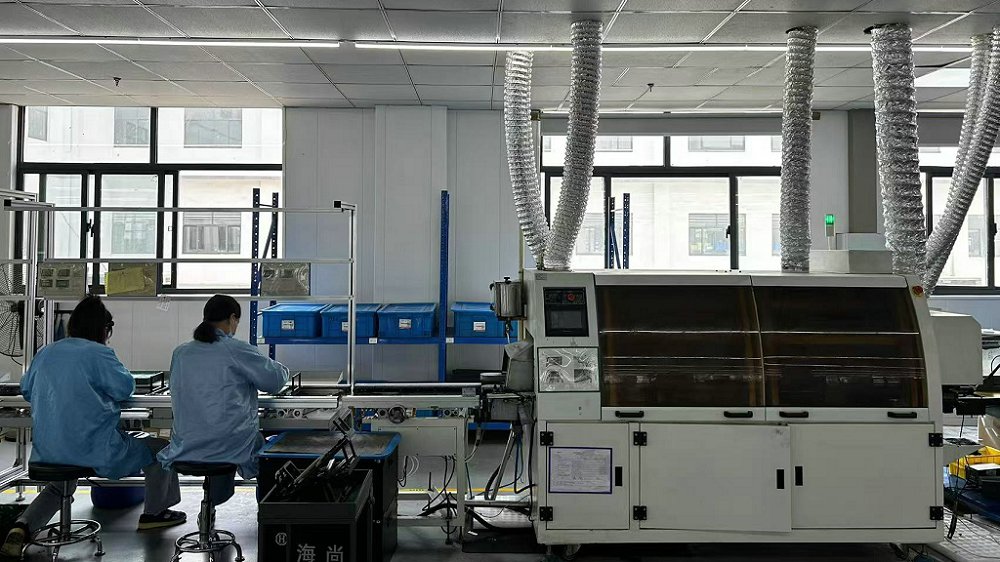
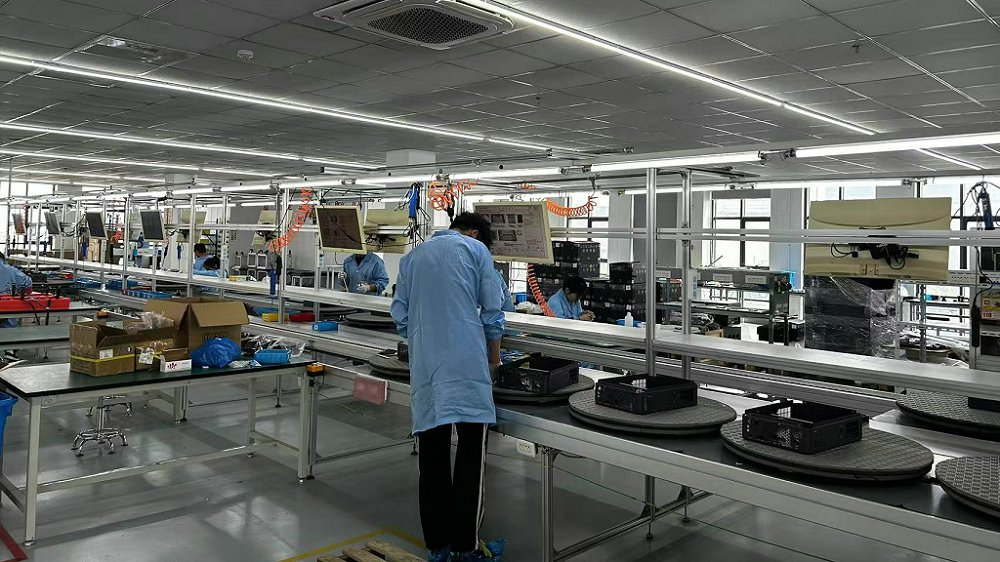
Jonas Energy operates modern production facilities optimized for throughput and precision quality management. With an annual capacity spanning several gigawatts (GW), our processes utilize state-of-the-art automation and advanced testing apparatus. From multi-stage aging setups to automated soldering and component assembly, we trace every step to secure zero-defect performance.
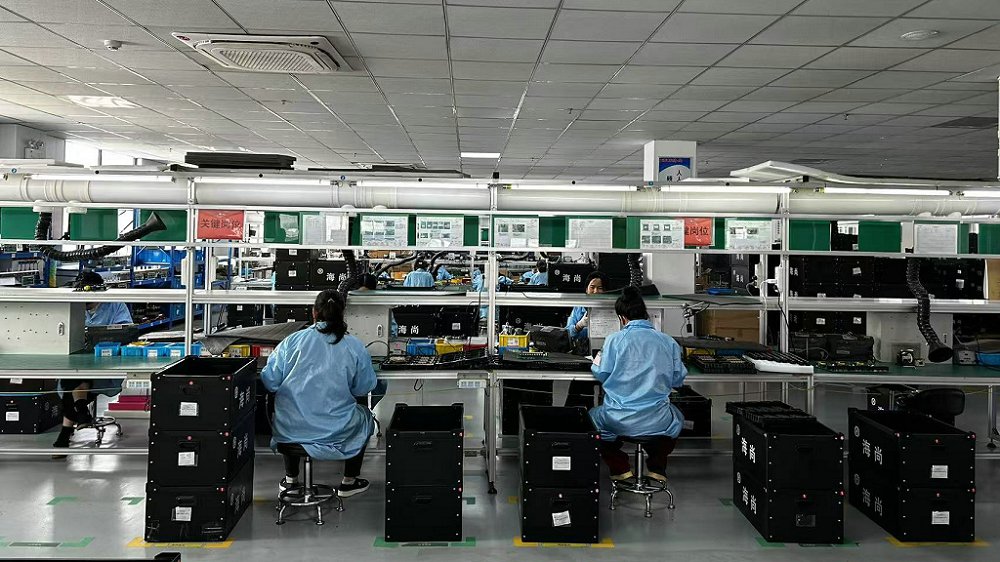
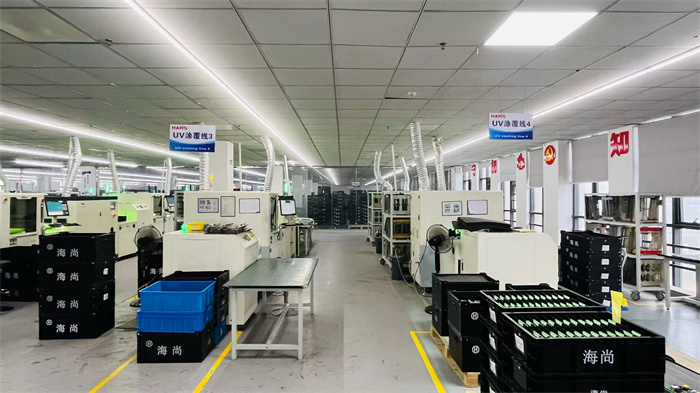
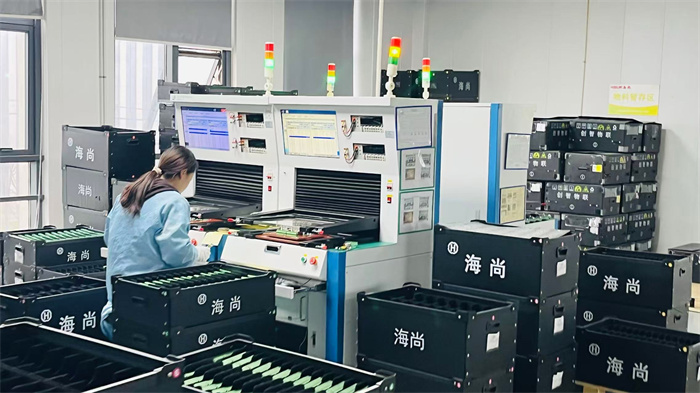
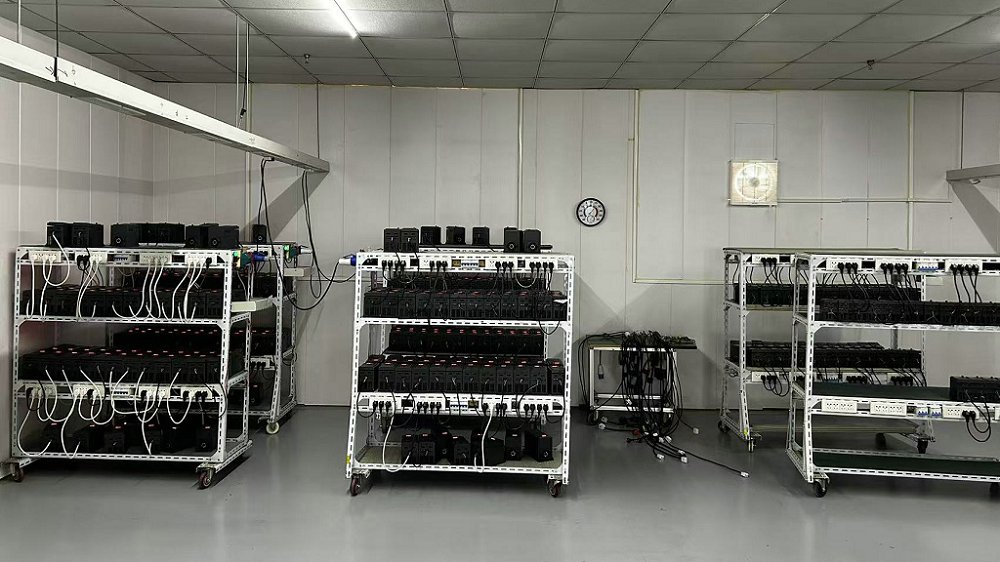
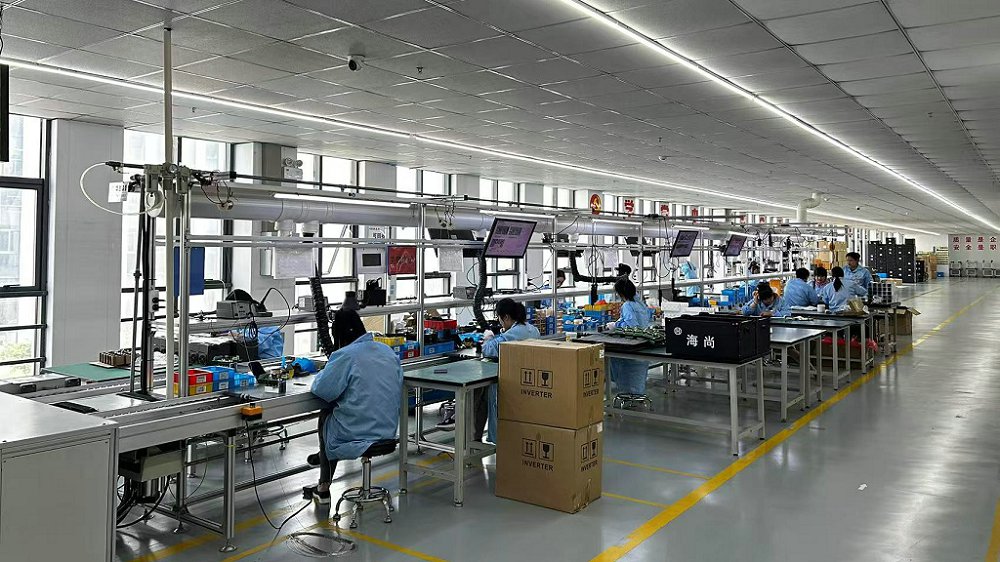
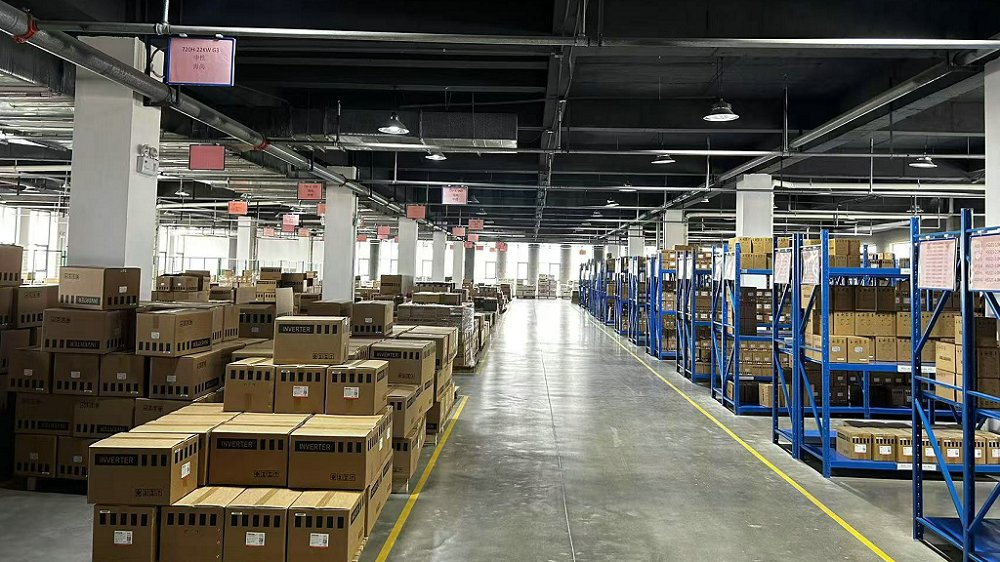
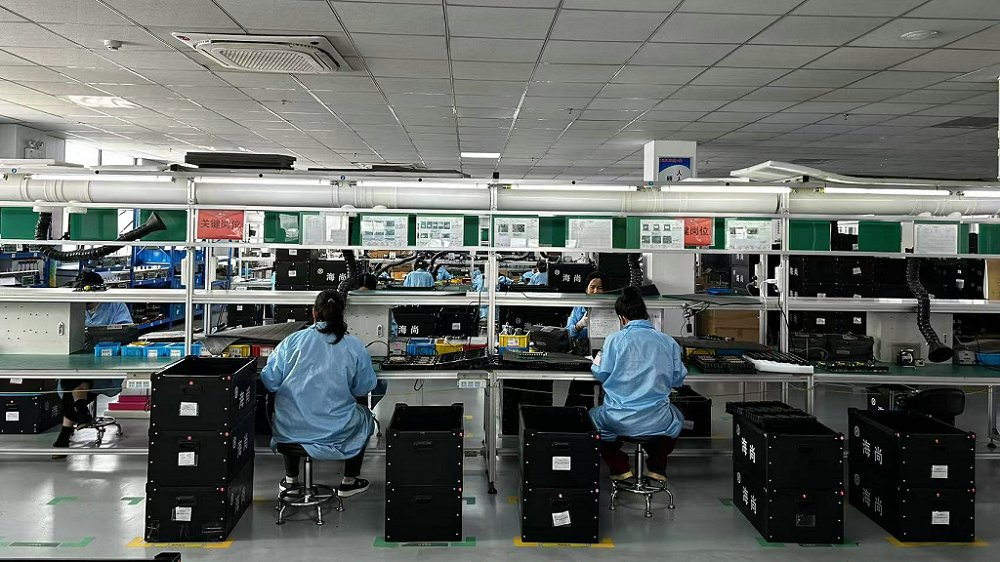
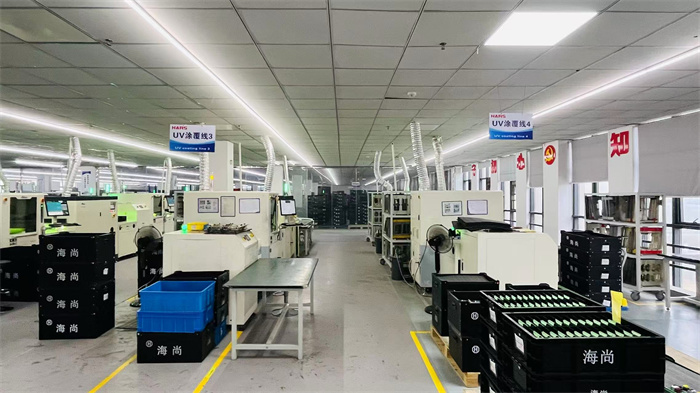
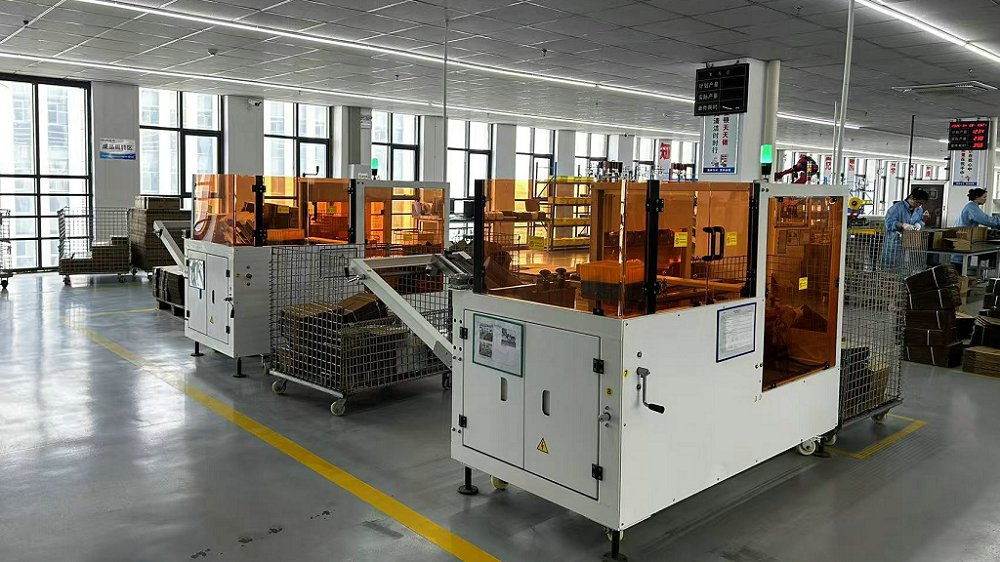
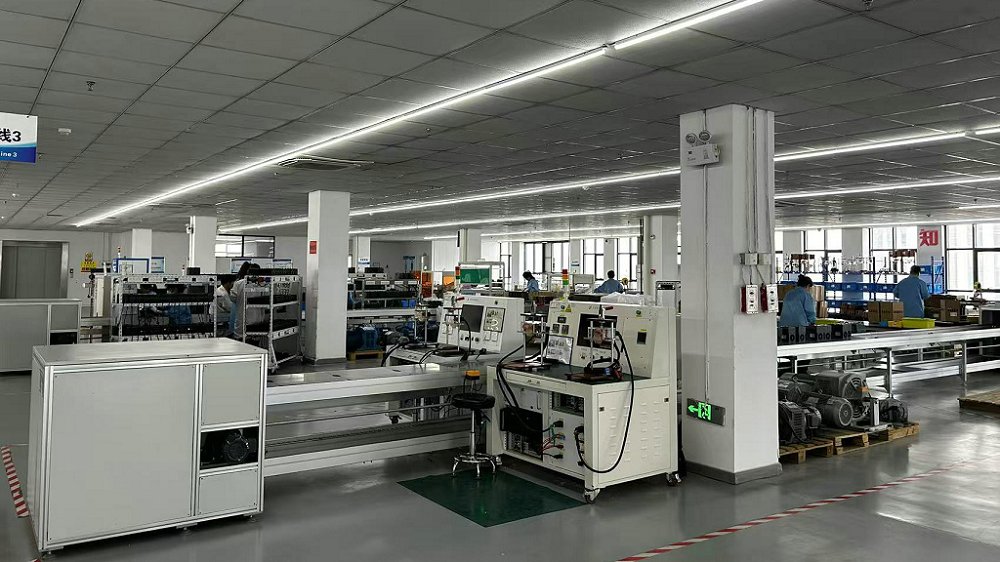
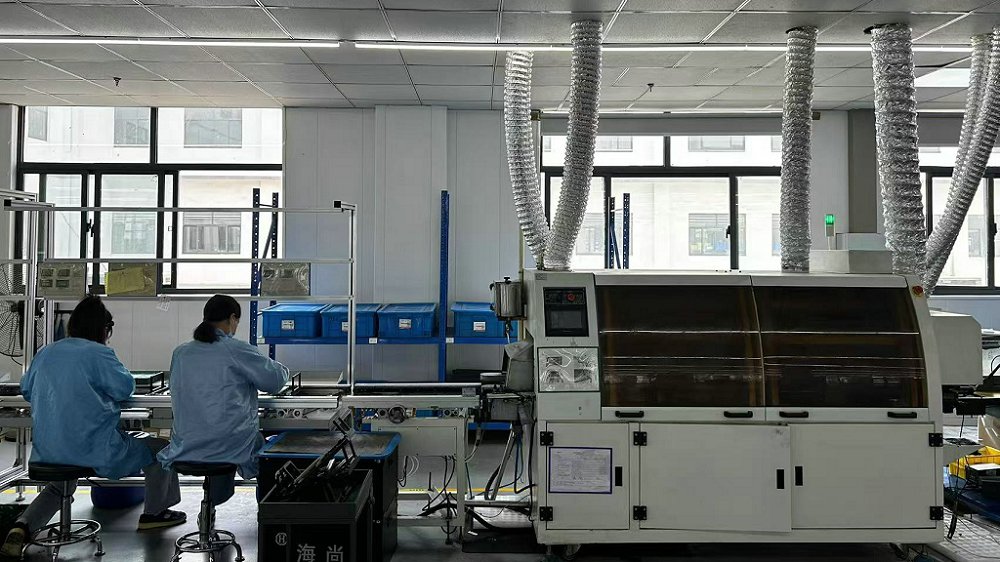
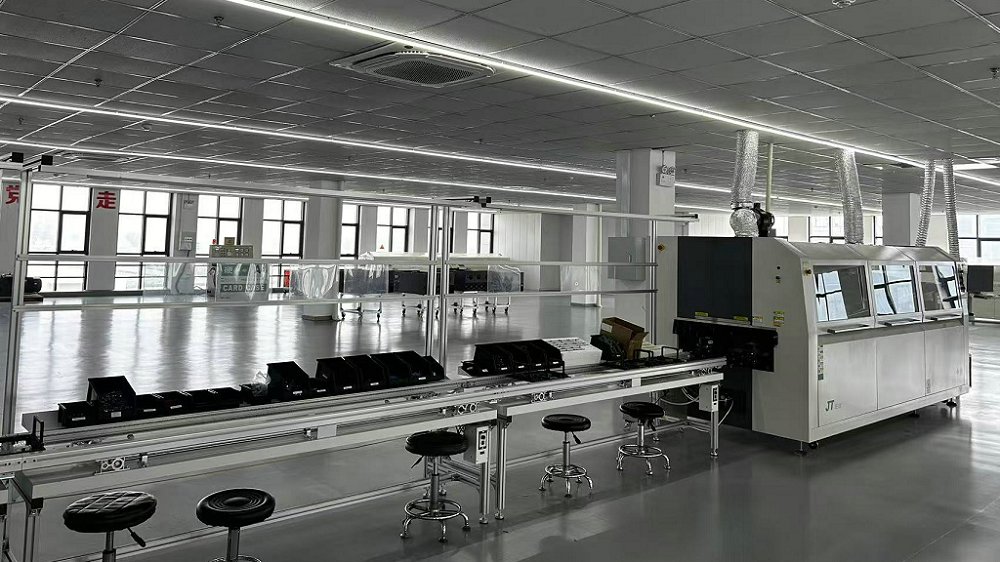
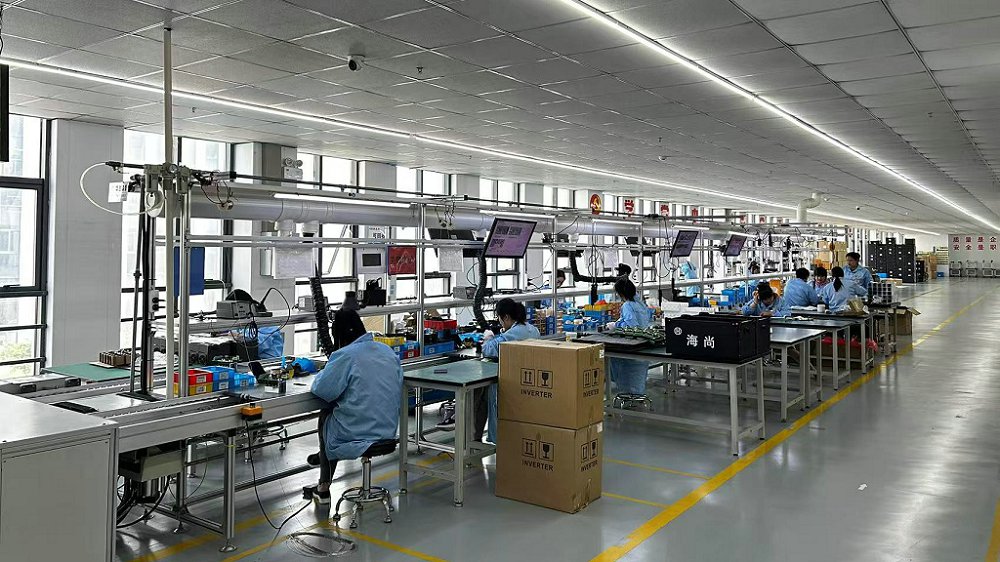
Every inverter and battery unit is tested under heavy loads and simulated field conditions to verify performance in heat, humidity, and unstable line currents.
By using automated wave soldering, precise component pick-and-place systems, and dynamic optical inspections, we keep product defect rates exceptionally low.
Our engineers specialize in power electronics, digital signal processing, battery management systems (BMS), and local utility compliance criteria.
We supply fully integrated setups, ensuring inverters, batteries, protection boxes, and mounting hardware work together seamlessly.
Navigating technical benchmarks, performance indexes, and topology selections for global sourcing managers.
Industrial, commercial, and residential solar systems require distinct design paths. When sourcing solar power inverters, procurement teams must balance initial capital expenditures (CAPEX) with projected operating costs (OPEX) over a 20- to 25-year lifecycle. The inverter, being the system component most susceptible to environmental fatigue, requires careful evaluation across several performance parameters:
In residential deployments, space optimization, acoustic limits, and dynamic safety profiles are critical. The current market shows a clear shift toward hybrid architectures that unite solar MPPT tracking and dual-direction battery systems within a single unit. Safety standards like rapid shutdown compliance (NEC 2017/2020) and integrated Arc Fault Circuit Interrupters (AFCI) are essential requirements for modern residential projects.
C&I installations often deal with complex roof layouts, local shading, and varying load spikes. Multi-MPPT string inverters are the standard solution here, allowing developers to manage different orientation angles and module capacities without losing significant power. High power density string configurations (ranging from 100kW up to 350kW) reduce balance-of-system (BOS) wiring, combiner box needs, and onsite installation labor.
Utility project designers must decide between large central inverters and distributed string setups. Central inverters remain popular for uniform flat terrain due to lower unit costs and simpler maintenance points. However, distributed string configurations offer higher system redundancy, simpler component swap-outs, and better overall yields on uneven ground. Global procurement teams evaluate these options using detailed Levelized Cost of Energy (LCOE) calculations.
Analyzing next-generation semiconductor platforms, high-voltage battery designs, and AI-driven grid interaction systems.
The solar inverter industry continues to advance rapidly. As silicon-based IGBTs reach their physical limits, the industry is transitioning to wide-bandgap semiconductors and software-driven management systems.
Silicon Carbide (SiC) and Gallium Nitride (GaN) power modules enable faster switching speeds, reduced thermal losses, and more compact designs, boosting efficiency levels past 99%.
Moving from traditional 48V setups to high-voltage DC configurations (150V to 800V+) reduces transmission currents and conduction losses, while saving copper wiring costs.
Advanced DSP chips enable real-time analysis of current and voltage signatures, allowing operators to locate panel defects, ground faults, or shading issues remotely.
With more renewable energy online, grids require active support to remain stable. Traditional grid-following inverters rely on a steady grid voltage to operate. Modern grid-forming models can establish voltage and frequency reference points independently. This transition is essential for building resilient microgrids and integrating solar-plus-storage assets into Virtual Power Plants (VPP) that can actively participate in energy trading and frequency response markets.
Navigating the complex global regulatory and safety certification landscape for international distribution.
Sourcing solar components internationally requires careful attention to compliance. Inverters must match local utility regulations and safety standards. Importing non-compliant equipment can lead to customs delays, failed grid connections, and potential safety liabilities.
Compliance with IEC 62109-1/-2 is standard for European and international markets. In North America, systems must meet UL 1741 (including UL 1741 SB for smart grid features) and IEEE 1547 standards.
Inverters use high-speed switching frequencies that can cause electromagnetic interference. Compliance with EN 61000 standards is necessary to prevent interference with local communication networks.
Systems must support specific reactive power parameters, low-voltage ride-through (LVRT) profiles, and frequency response modes required by regional codes like VDE-AR-N 4105 (Germany), AS4777.2 (Australia), and G99 (UK).
Outdoors inverters need robust ingress protection (IP65, IP66, or IP67 ratings) and C5-M high-anticorrosion options for harsh marine or coastal environments.
Common questions from project managers and engineers regarding solar inverters and energy storage design.
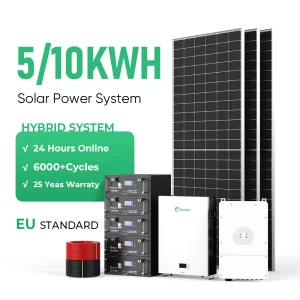
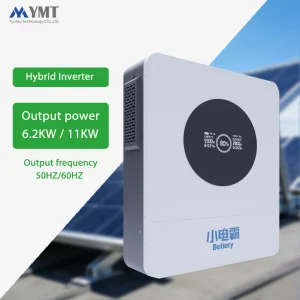
High-efficiency hybrid inverters, dynamic distribution systems, and specialized infrastructure components.
 Jonas Energy