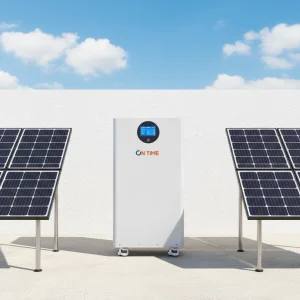
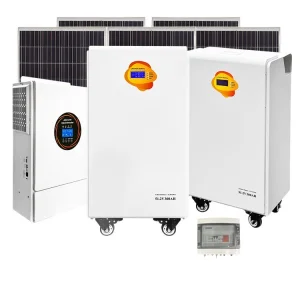
As global energy demands intersect with the critical need for sustainable food security, Agrophotovoltaics (APV) has transitioned from a niche experimental model to a highly sophisticated industrial standard. APV, also recognized as Agrivoltaics, utilizes dynamic structural design to facilitate the dual-use of agricultural land. By mounting solar arrays at elevated heights and optimized configurations, developers can capture clean solar energy while concurrently executing normal crop cultivation or livestock management beneath the panels.
Key Industrial Insight: Standard utility-scale solar farms typically render land arable-sterile due to heavy soil compaction, total land clearing, and concrete-heavy racking solutions. In contrast, custom OEM agricultural solar solutions focus on balancing the Land Equivalent Ratio (LER), frequently boosting the combined output efficiency of food and power systems by more than 30% to 60% compared to utilizing separate parcels of land.
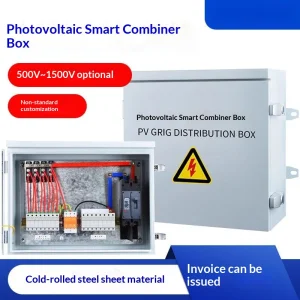
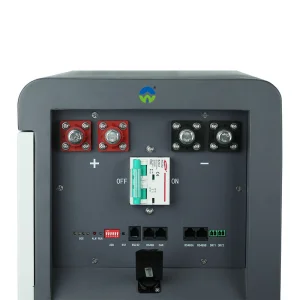
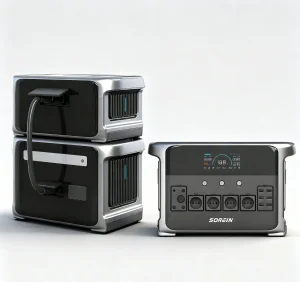
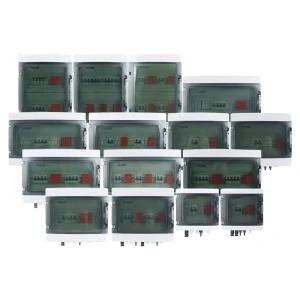
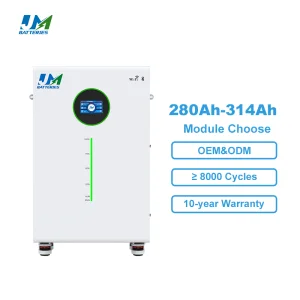
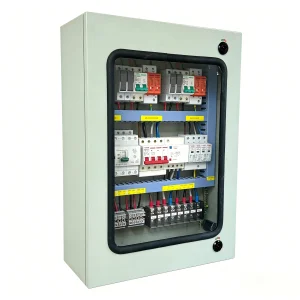
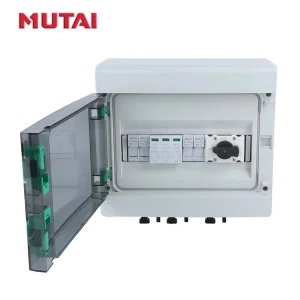
To make agrivoltaics commercially viable on a global scale, the electrical and mechanical component design must satisfy challenging environmental specifications. Solar farms situated in agricultural regions face high humidity, corrosive ammonia gases from animal waste, pesticide drift, heavy dust, and lightning risks across open plains. Consequently, robust power distribution systems, such as IP65-rated three-phase combiner boxes and high-capacity battery energy storage systems (BESS), form the technical backbone of modern agrophotovoltaics.
Across North America, Europe, and Asia-Pacific, regulatory shifts are driving the integration of solar arrays directly into regional farmlands. In the United States, federal incentives via the Inflation Reduction Act (IRA) prioritize projects that sustain local ecology and rural economies. In the European Union, the Common Agricultural Policy (CAP) aligns agricultural subsidies with carbon neutrality, directly driving investments in farm-integrated energy storage systems and microgrids.
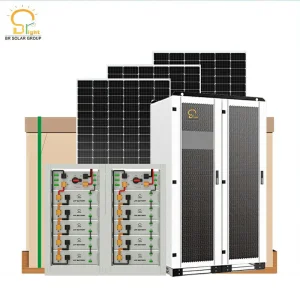
Focuses on high-capacity off-grid systems (e.g., 60kW to 100kW residential/farm setups) that act as standalone virtual power plants (VPPs) during severe weather events, shielding remote farms from grid vulnerability.
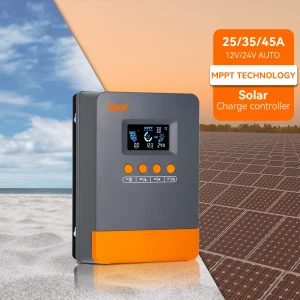
Rigid architectural guidelines specify clear height clearances and minimum light transmittance coefficients. Systems leverage customized, highly efficient MPPT charge controllers and integrated protection arrays to optimize yields under complex shading models.
Leverages automated solar pumping, crop-canopy protection, and rural mini-grids powered by rugged, IP65-rated outdoor combiner boxes to supply electricity in regions lacking stable distribution lines.
Global agricultural enterprises seek a manufacturer capable of delivering comprehensive OEM design, ensuring that components withstand mechanical stress, weather fluctuations, and corrosive chemical elements. Jonas Energy stands at the forefront of this movement, supplying specialized technologies configured for agricultural applications.
Xiamen Jonas Energy Co., Ltd. is a professional provider of renewable energy solutions, headquartered in Xiamen, Fujian Province, China. Since its establishment, the company has been dedicated to the research, development, manufacturing, and global distribution of advanced photovoltaic and energy storage products.
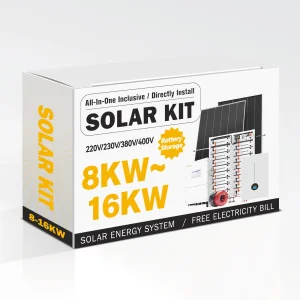
With a strong commitment to innovation and sustainability, Jonas Energy offers a comprehensive portfolio of solar energy solutions, including solar panels, inverters, energy storage batteries, mounting systems, and complete solar power generation systems. Our products are designed to meet the diverse needs of residential, commercial, industrial, and utility-scale projects worldwide.
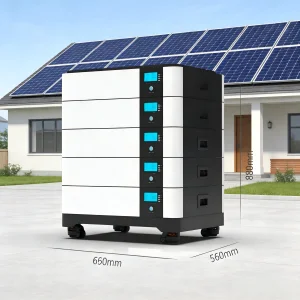
We work closely with internationally recognized manufacturers and technology partners to provide a wide range of reliable energy storage solutions, including wall-mounted batteries, all-in-one storage systems, rack-mounted batteries, and containerized energy storage systems (ESS). Through continuous innovation and strategic partnerships, we help customers achieve greater energy independence and efficiency.
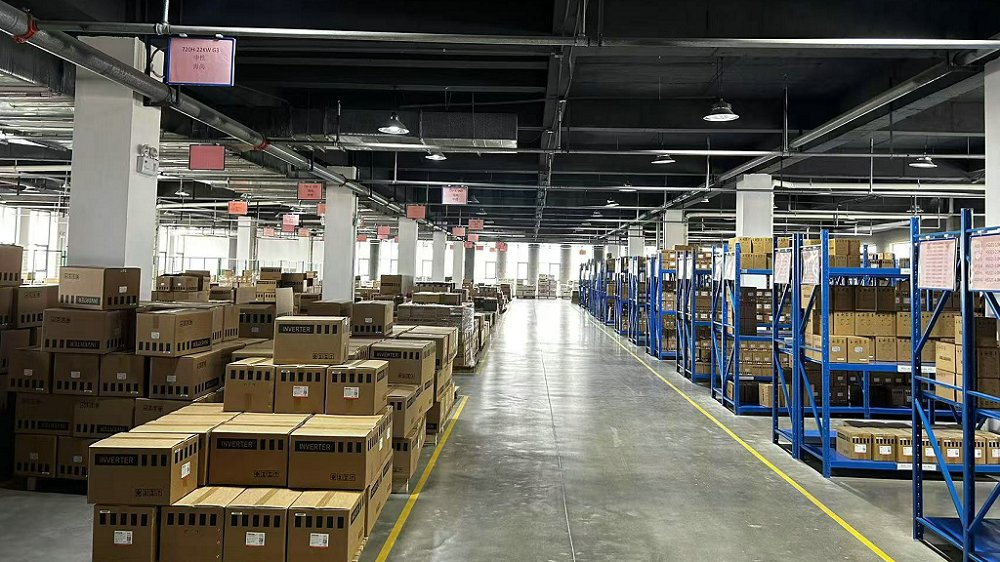
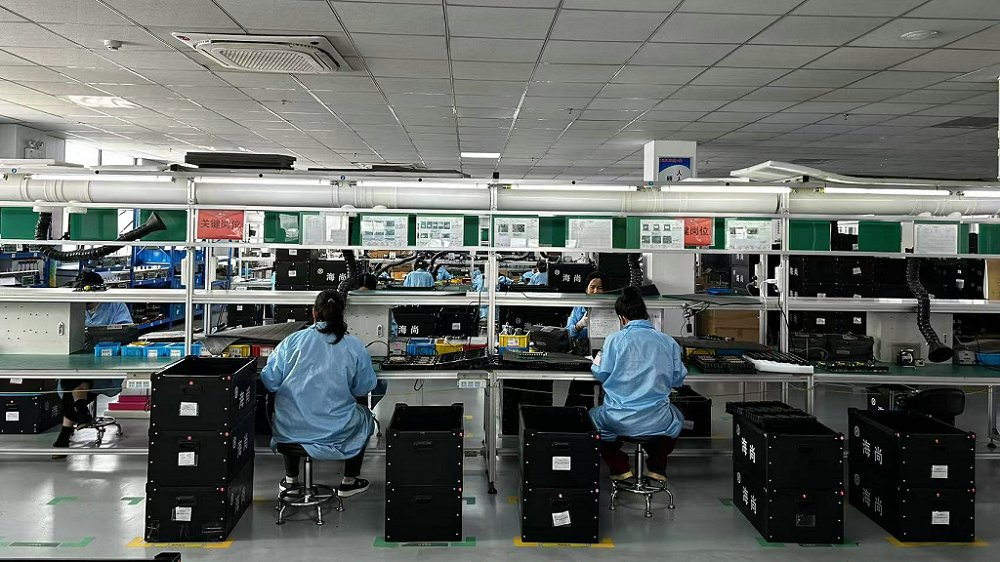
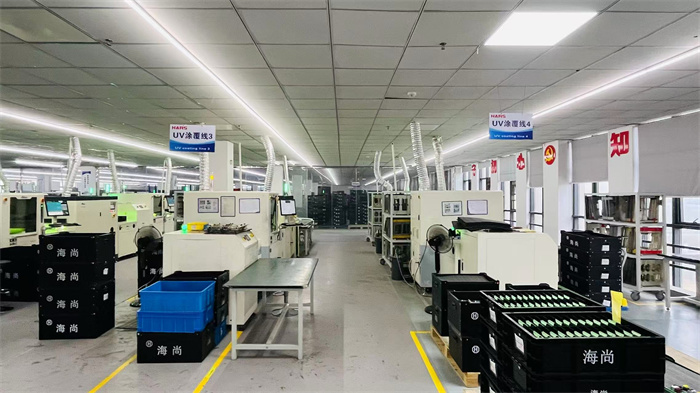
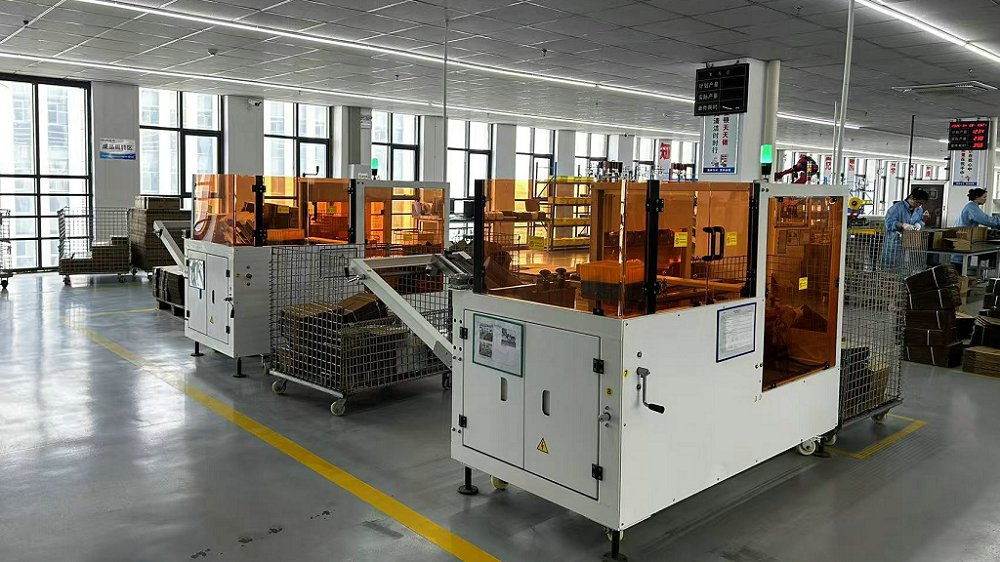
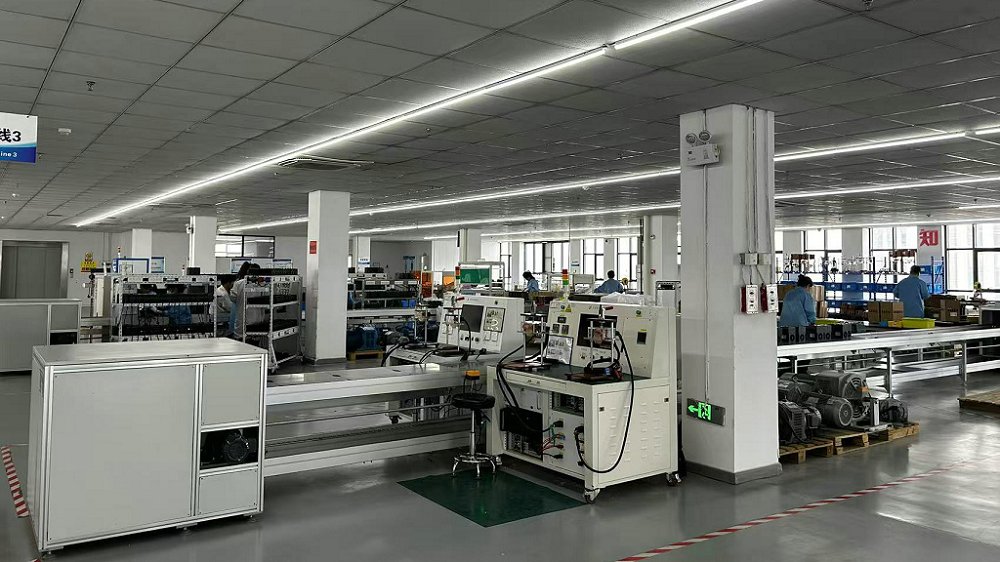
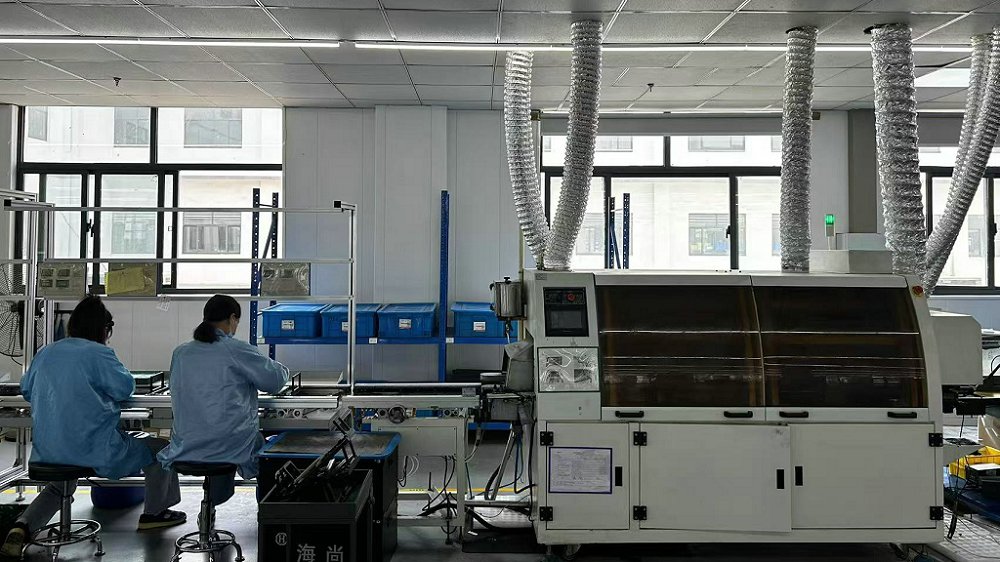
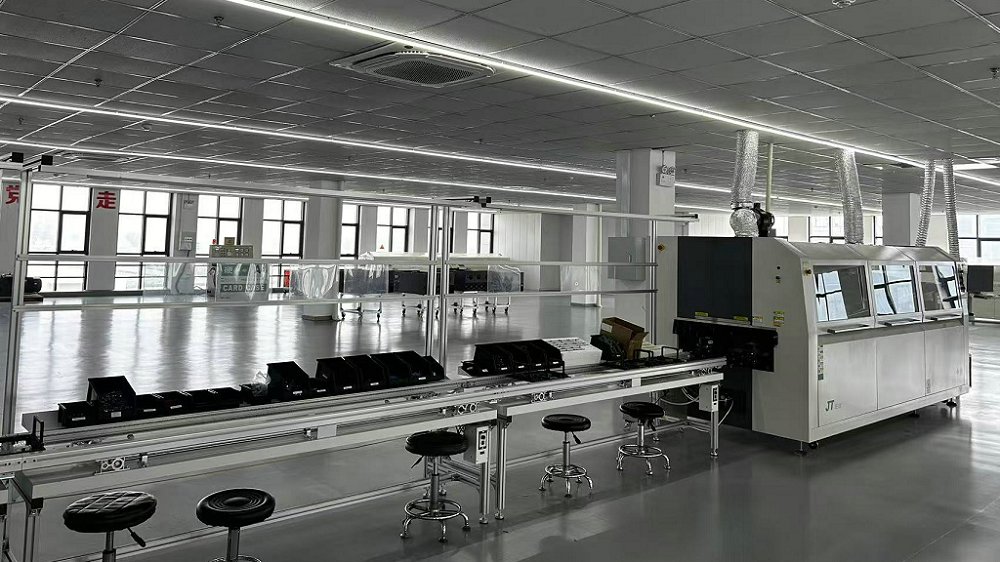
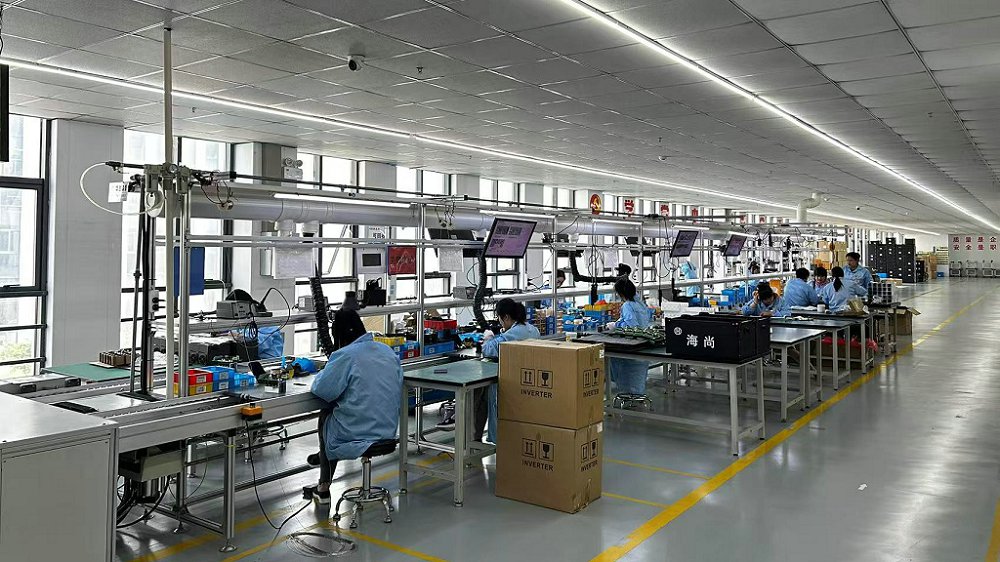
As a high-tech enterprise, Jonas Energy operates modern production facilities equipped with advanced manufacturing and testing equipment. Our annual production capacity reaches several gigawatts, enabling us to efficiently serve customers across global markets.
Our experienced R&D team consists of highly qualified engineers and technical specialists who continuously focus on product innovation, performance optimization, and technological advancement in the renewable energy sector. By integrating cutting-edge technologies, we ensure that our solutions remain competitive, efficient, and future-ready.
Quality is at the core of everything we do. All products undergo rigorous testing and strict quality control procedures to ensure long-term reliability and performance. Our products comply with international standards and certifications, including IEC, CE, TUV, ISO9001, ISO14001, and other recognized industry certifications, providing customers with confidence and peace of mind.
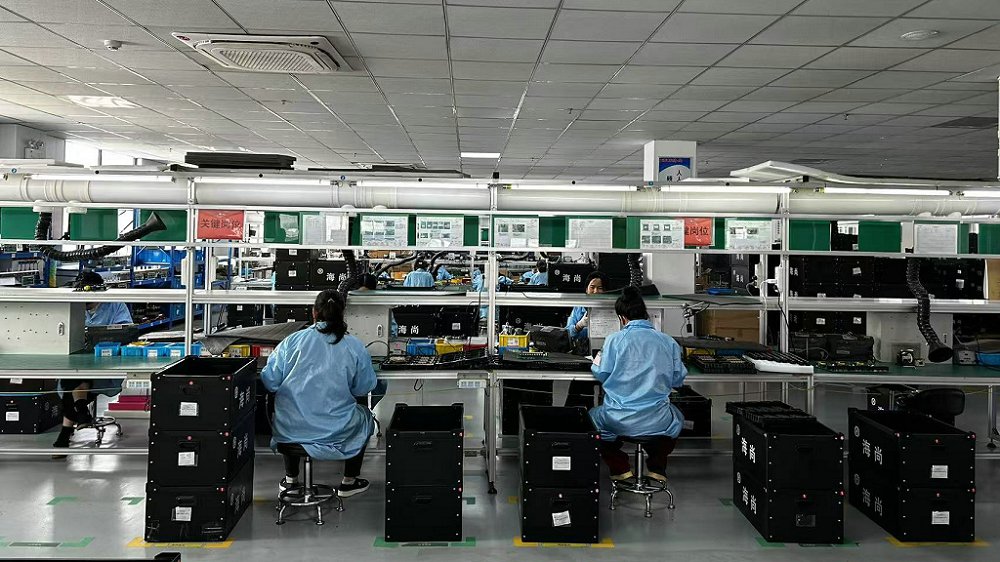
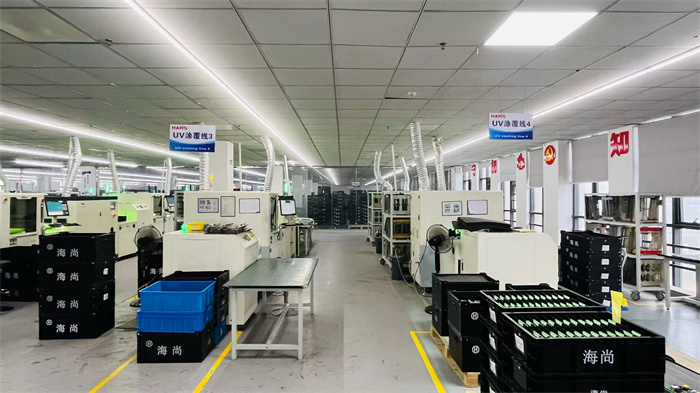
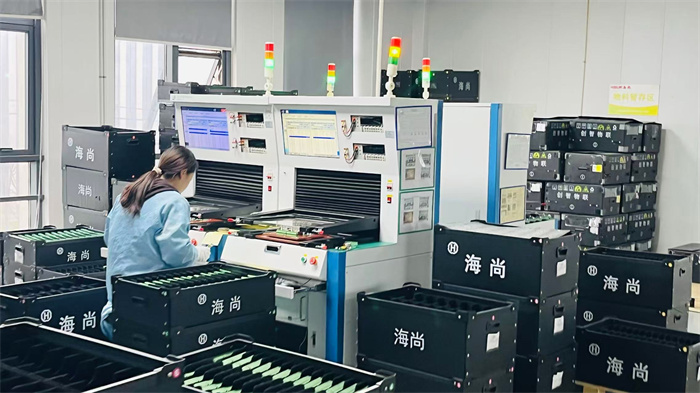
Our manufacturing facilities utilize highly efficient and precise production and inspection equipment. Through cooperation with leading industry partners and suppliers, we maintain exceptional product consistency and quality throughout the production process.
Our multidisciplinary team includes experts in photovoltaic technology, energy storage systems, engineering design, project management, and international business. We are committed to delivering innovative products and professional support to customers worldwide.
One-Stop Energy Solutions: From project consultation and system design to product supply, installation guidance, and after-sales support, Jonas Energy provides complete one-stop solar and energy storage solutions tailored to each customer's requirements.
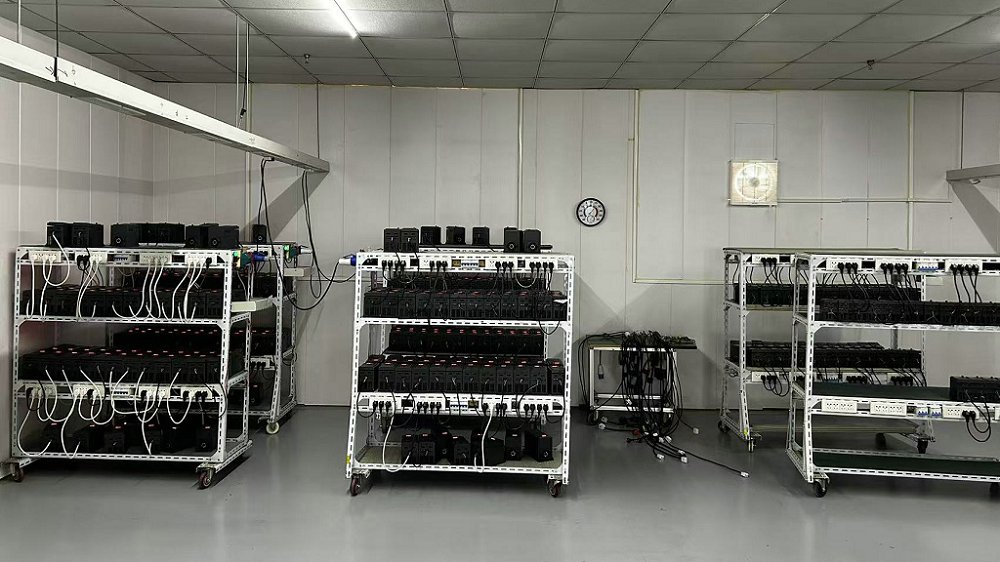
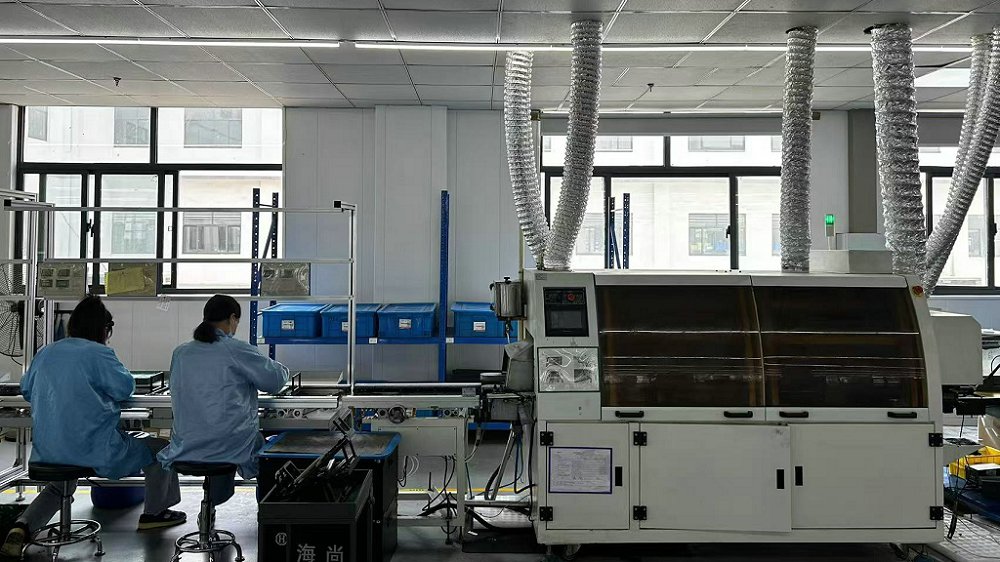
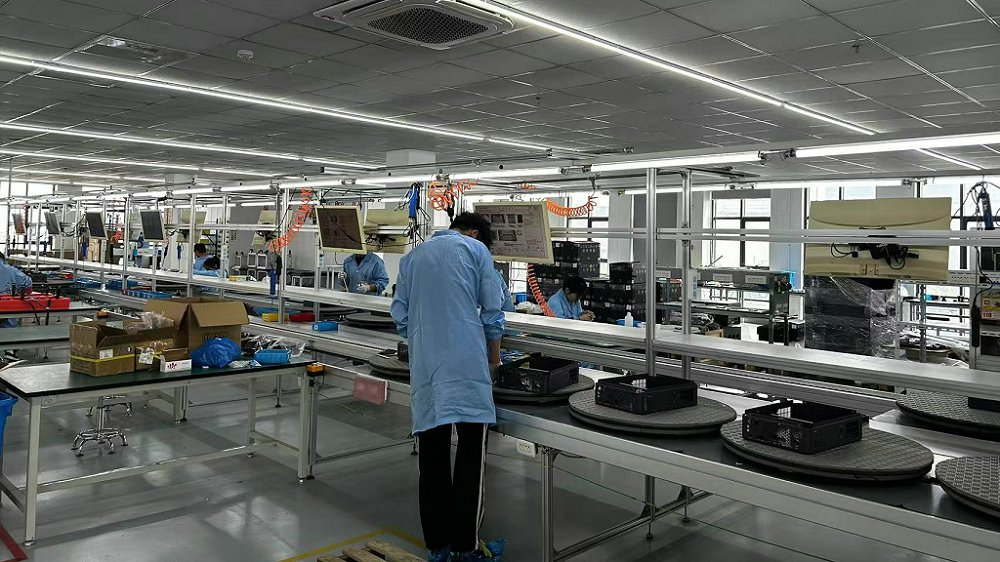
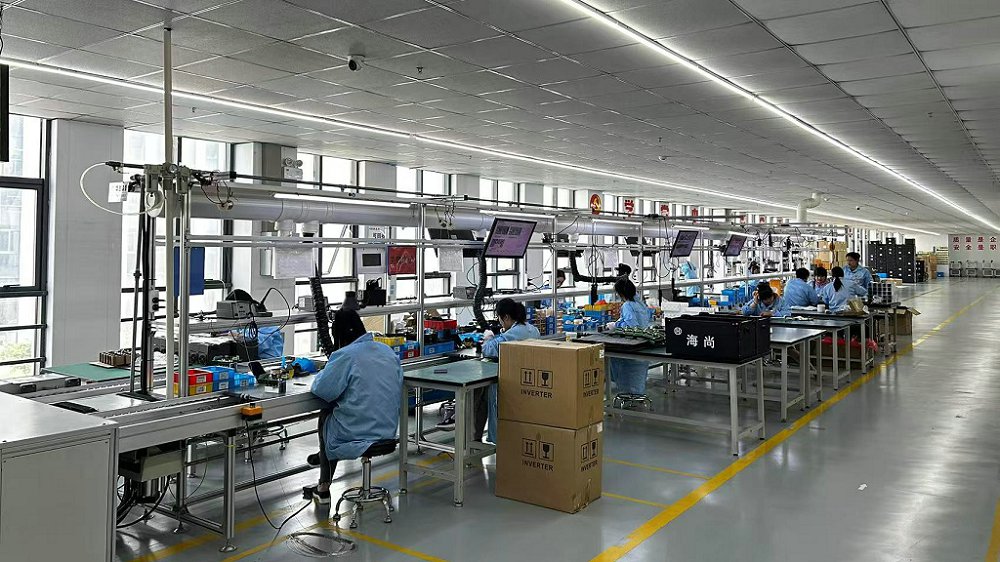
Our products are manufactured under rigorous QA/QC guidelines. Below is our key production workflow, showcasing full traceability from raw substrate plate preparation to the finalized outdoor agricultural solar components.
Standard solar configurations often fail under diverse global microclimates. Jonas Energy customizes solar electronics, battery management platforms, and distribution channels to suit specific local conditions:
In arid regions of North Africa and the Middle East, solar structures shield delicate crops from intense sun. This reduces crop transpiration and water requirements by up to 30%. Jonas Energy's waterproof, dust-resistant combiner boxes and MPPT controllers ensure stable performance under high temperatures and sandy winds.
Livestock barns present corrosive environments containing ammonia, dust, and moisture. Jonas Energy designs distribution systems utilizing specialized polymer coatings and IP65/IP67 rated enclosures (such as our SUPCON JXF-S and MUTAI series). These boxes resist chemical degradation and ensure continuous power delivery to critical ventilation systems.
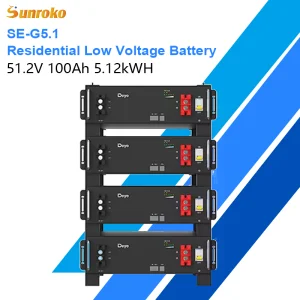
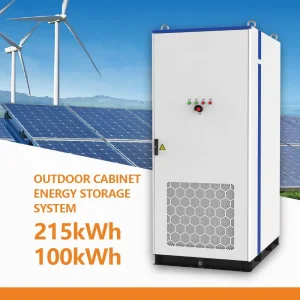
Northern latitudes require robust energy storage systems to buffer long winter nights. Our high-capacity Lithium Iron Phosphate (LiFePO4) systems, including the 100kWh ESS, feature integrated thermal management. This setup ensures continuous power supply to greenhouse lighting and automated heating, even in freezing temperatures.
In the next generation of agriculture, solar components will transition from passive structures to intelligent energy hubs. Jonas Energy is engineering advanced hardware to support dynamic agricultural requirements:
Dynamic AI-Assisted Shading: By integrating real-time photosynthetic active radiation (PAR) sensors with variable position trackers, future agrophotovoltaic tracking systems will shift solar configurations based on immediate soil moisture levels and crop requirements. The central inverters and distribution systems will adjust accordingly to maximize power extraction and optimize plant growth.
Furthermore, energy storage platforms will increasingly utilize high-voltage lithium battery solutions (above 500V DC). High-voltage networks reduce transmission losses across expansive, multi-hectare farm projects, ensuring that energy harvested on distant fields can be cost-effectively transported to central drying facilities, packing houses, or cold-storage complexes.
 Jonas Energy