Engineered for utility scale grid integration, commercial energy resilience, and custom smart power distribution networks.
Decarbonizing industrial infrastructures with custom OEM designs and advanced power conversion capabilities.
In an era governed by stringent climate frameworks, global commercial enterprises face unprecedented pressure to achieve carbon neutrality across their operational value chains (Scope 1, 2, and 3). Xiamen Jonas Energy Co., Ltd. stands as a professional provider of custom OEM renewable energy solutions. From our high-technology headquarters in Xiamen, Fujian Province, China, we operate as a Tier-1 manufacturing partner, dedicating our resources to the research, development, and system integration of complex photovoltaic components and utility-grade lithium-ion Energy Storage Systems (ESS).
Our operational model is built around cohesive vertical integration, allowing us to manage every step from solar string management and battery management systems (BMS) to industrial enclosure production. By aligning our custom OEM manufacturing lines with the rigorous metrics of global sustainability initiatives, we deliver energy infrastructures that not only lower carbon footprints but significantly optimize Levelized Cost of Storage (LCOS) and total system efficiency.
Why global enterprises source from Xiamen's advanced technology clusters for scalable decarb strategies.
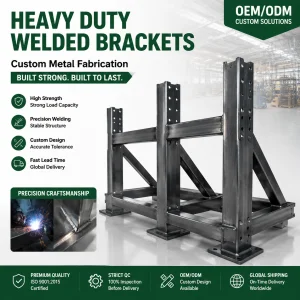
Fujian province stands at the center of the world's most advanced lithium-ion and semiconductor clusters. Sourcing from our Xiamen facilities integrates your product development with Tier-1 battery cell fabrication, custom precision bracket systems, and smart electrical control modules, slashing your engineering lead times.
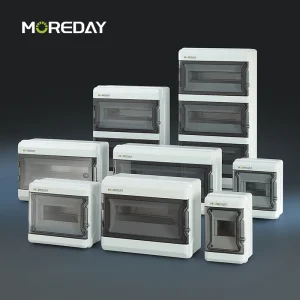
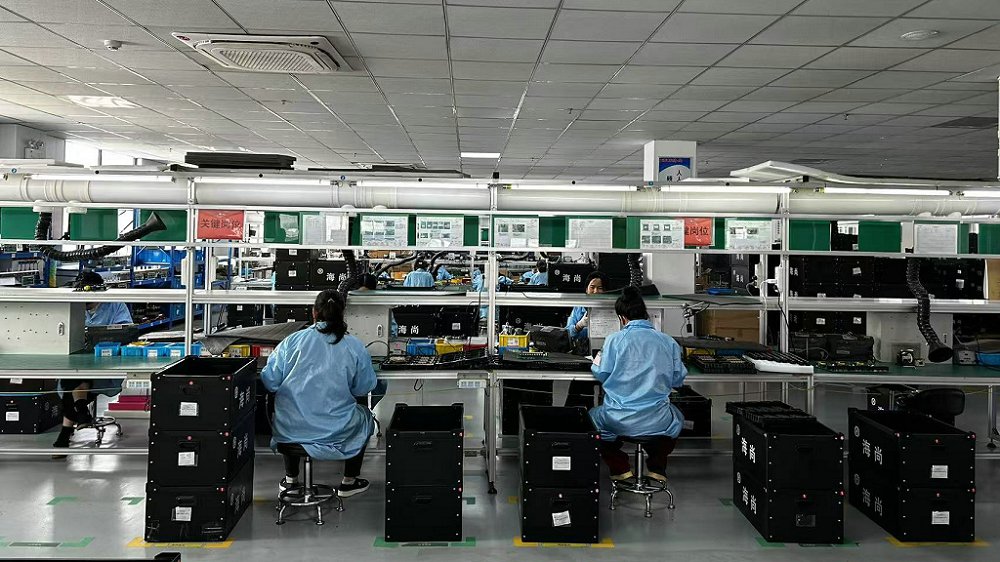
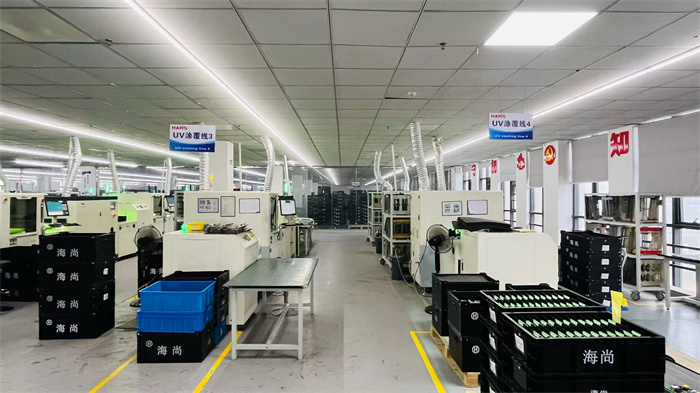
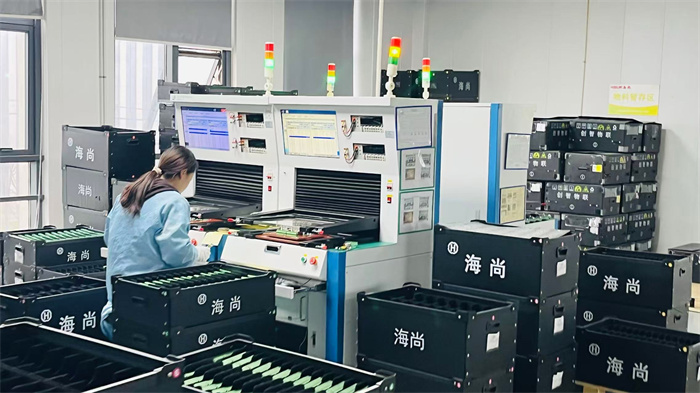
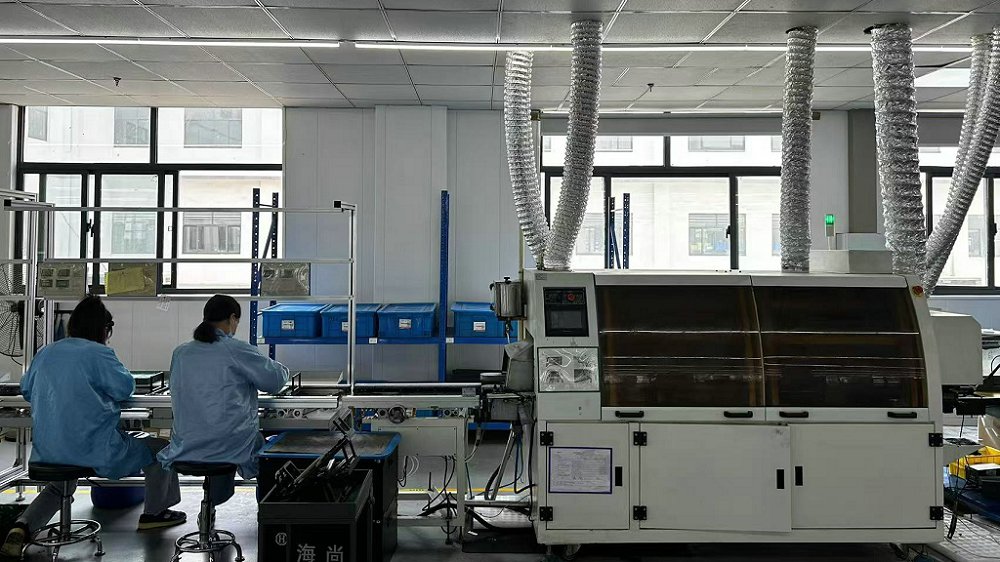
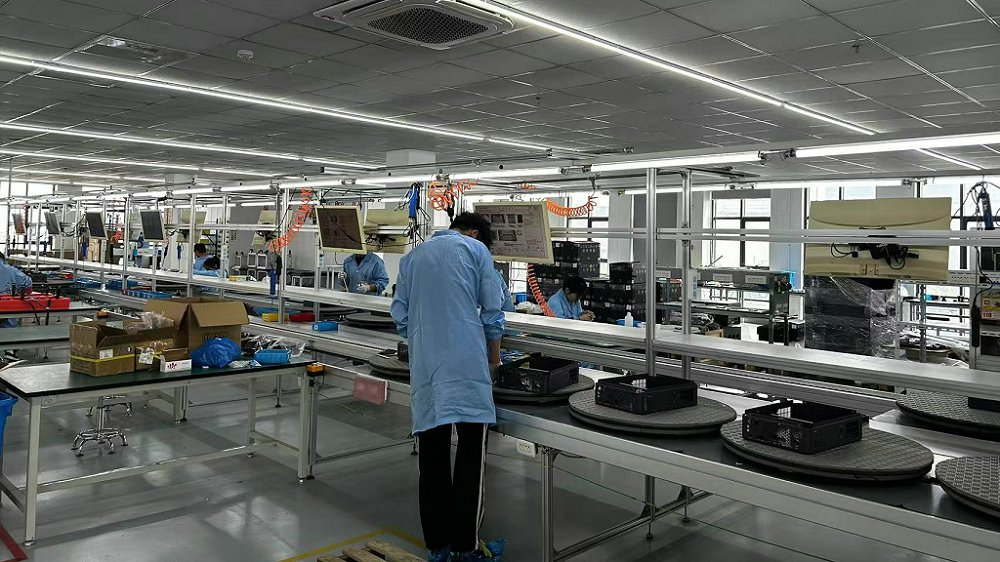
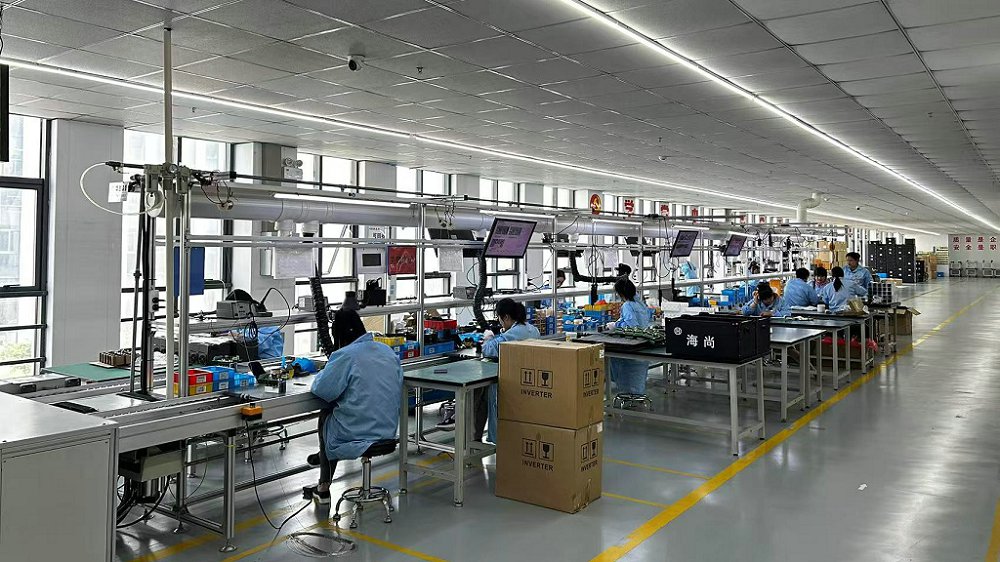
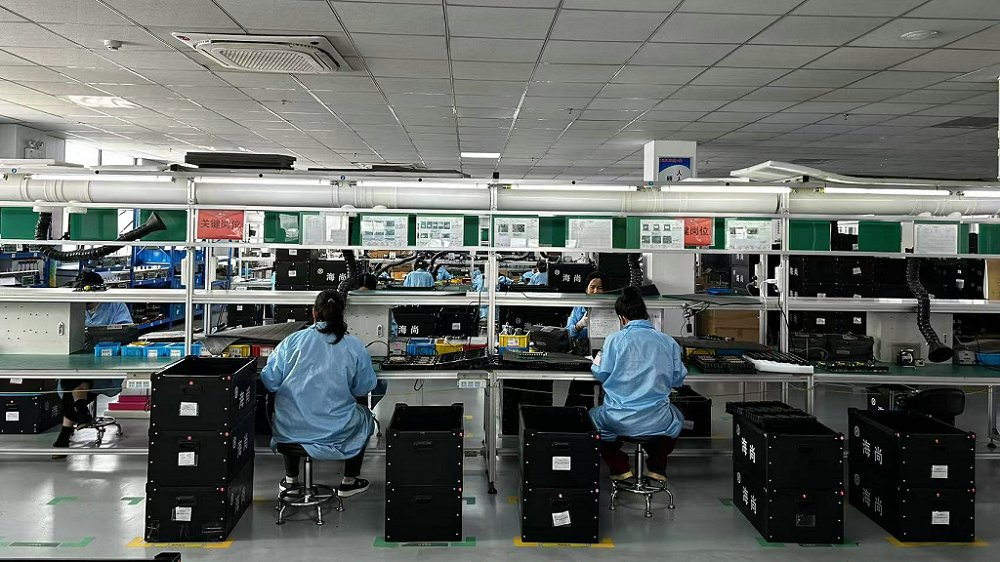
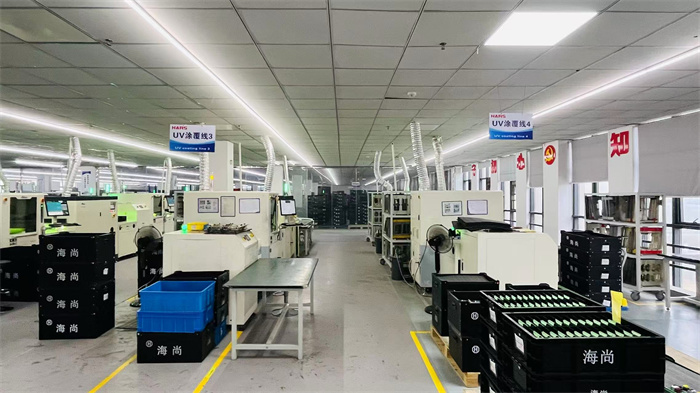
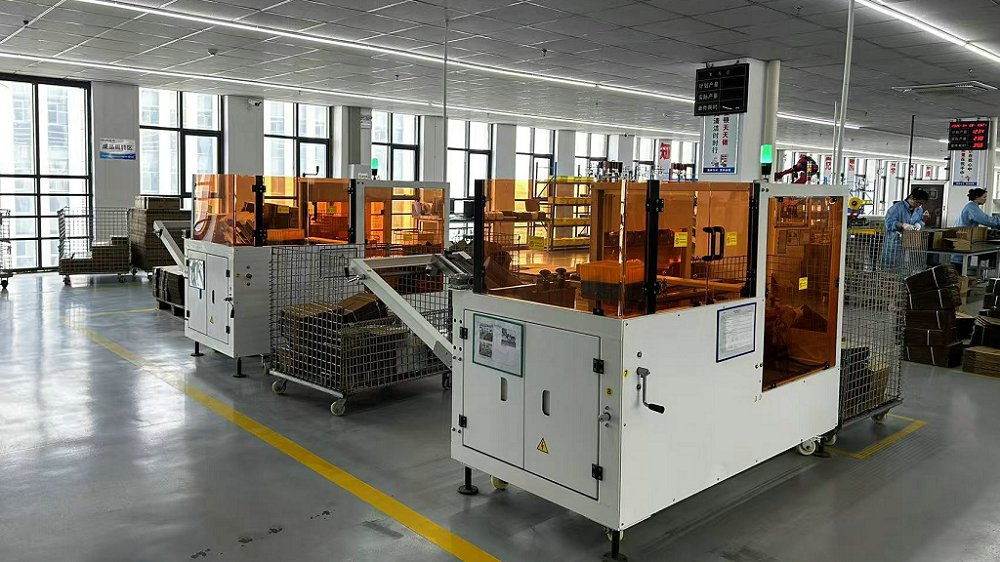
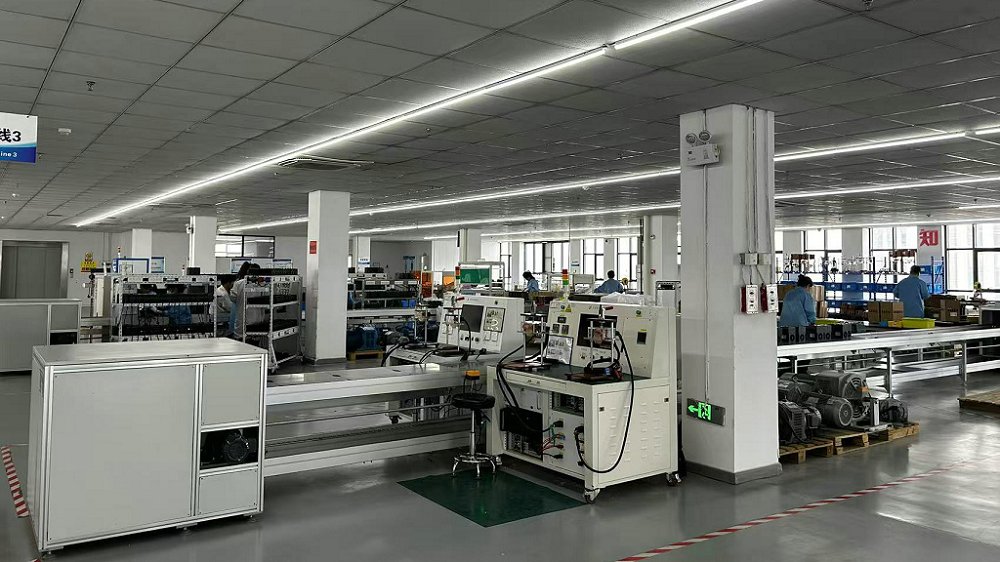
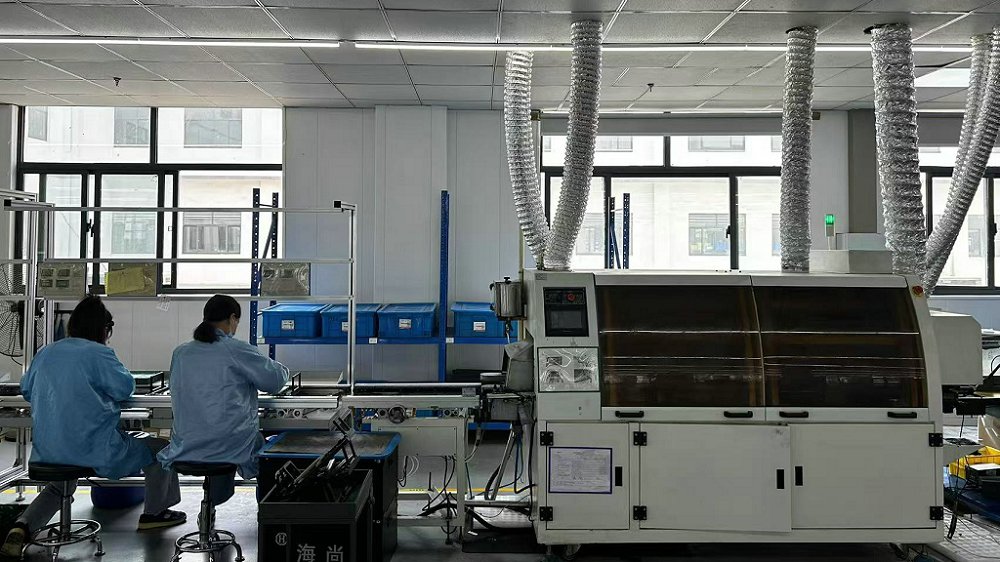
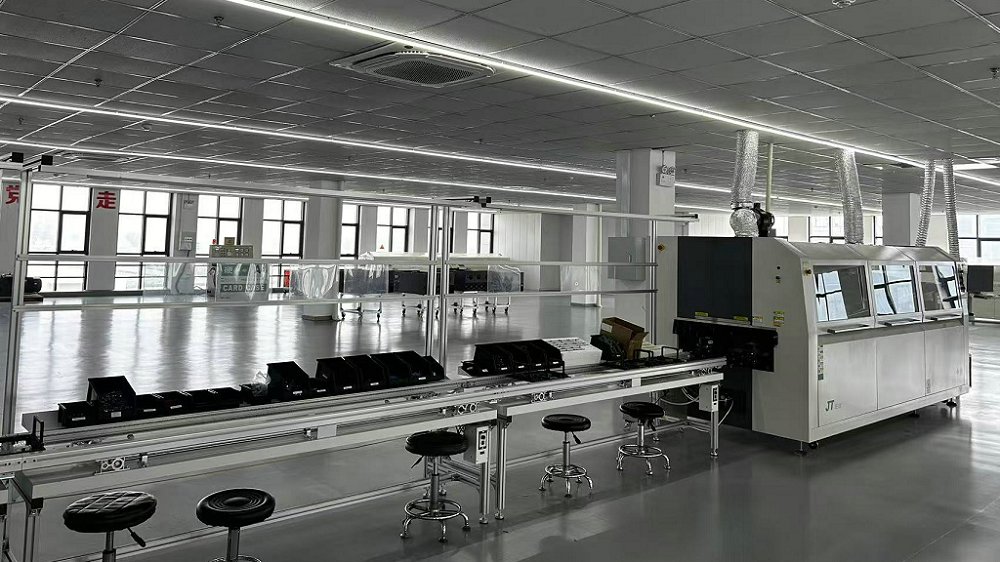
Our advanced assembly plant leverages automated SMT lines, smart UV coating systems, and specialized dip welding machines. These advanced systems guarantee physical consistency across every single solar combiner box, smart inverter PCB, and structural bracket, preventing component failure in extreme environments.
We specialize in flexible OEM customization. Whether you require customized branding, specific communications protocols (Modbus, CAN bus, WiFi telemetry), or unique enclosure sizing for harsh environments, our engineering teams construct custom equipment to match local compliance standards.
Navigating the technology shift from simple power production to active, intelligent energy management.
As battery energy storage systems scale up to containerized structures, managing thermal efficiency has become the primary design challenge. Conventional air cooling struggles to prevent micro-climates within high-density lithium racks, which speeds up cell degradation and increases safety risks.
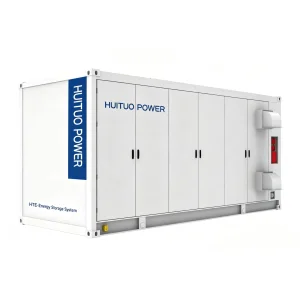
Our new generation of liquid-cooled battery container ESS reduces cell-to-cell temperature variations to less than 2°C. By circulating food-grade glycol through precision-engineered internal cold plates, we achieve superior thermal stability, extending overall system lifespan by 20% and avoiding safety hazards.
Distributed solar grids require instant operational insights to maximize uptime. The industry is moving rapidly from passive fuse boxes to smart, cloud-managed combiner panels.
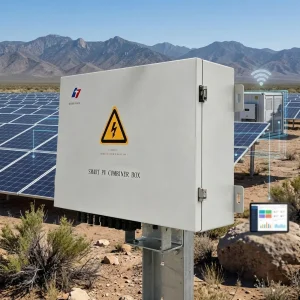
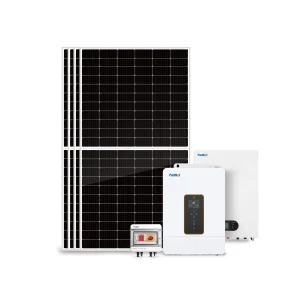
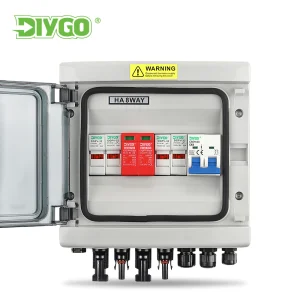
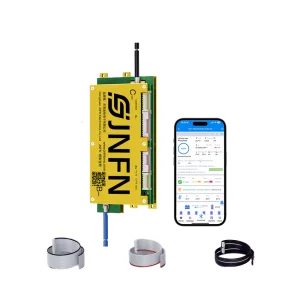
By integrating smart WiFi and RS485 communication protocols into our PV combiner enclosures, system operators can track real-time current values, detect module-level shading issues, and monitor voltage drops. This diagnostic data enables targeted maintenance schedules, changing passive operations into predictive asset management.
Helping municipal, commercial, and industrial developers meet complex environmental mandates.
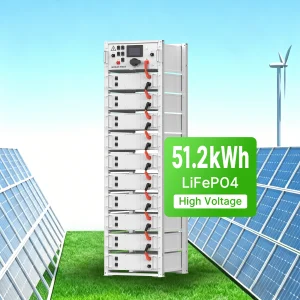
For manufacturers facing high peak demand charges, our high-voltage stackable LiFePO4 battery systems store energy during off-peak hours and discharge during high-demand windows. This reduces demand fees and stabilizes local substation loads.
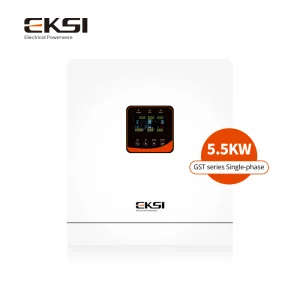
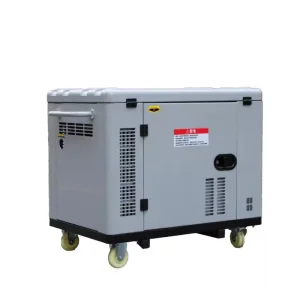
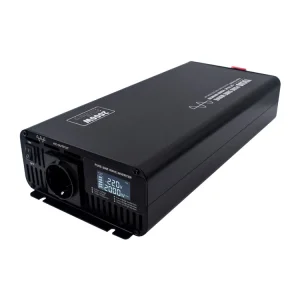
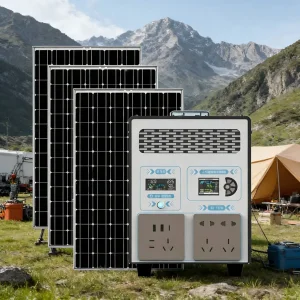
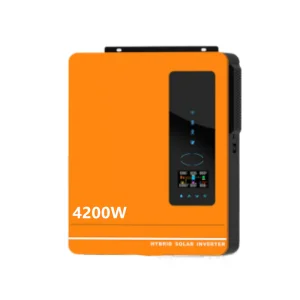
Designed for island communities, mining sites, and agricultural facilities. By pairing our smart hybrid solar inverters with rugged backup generator sets and outdoor IP65 combiner enclosures, we build isolated microgrids that provide continuous power in harsh environments.
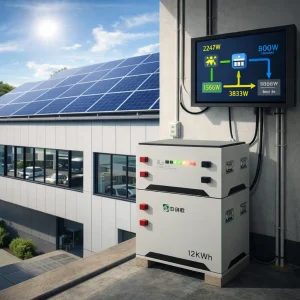
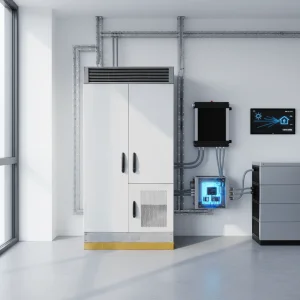
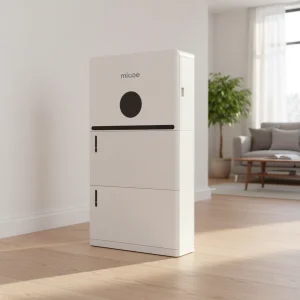
Our all-in-one residential storage cabinets offer simple plug-and-play installation for homes and offices. In the event of grid instability, they automatically switch to backup mode in under 10 milliseconds, keeping critical IT equipment online.
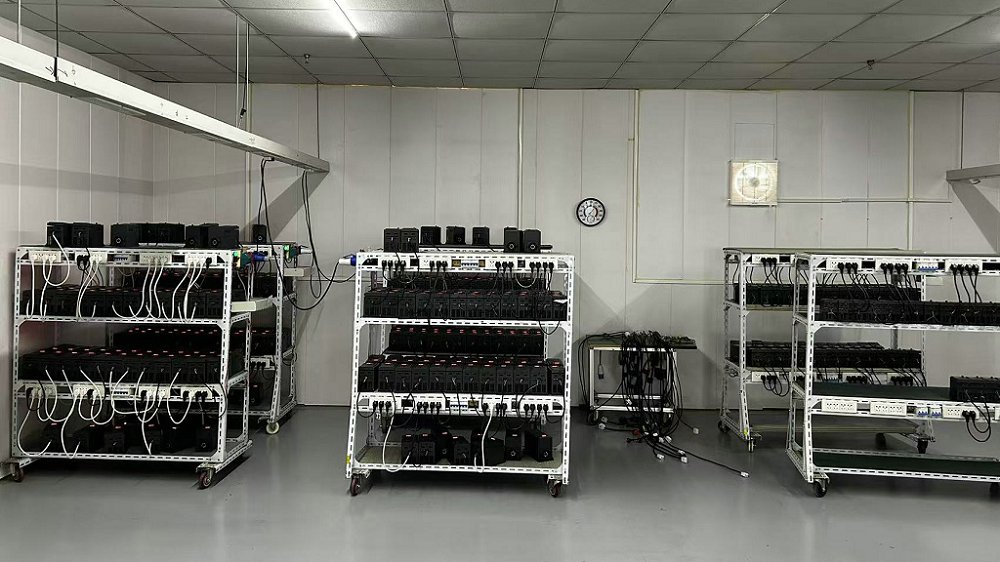
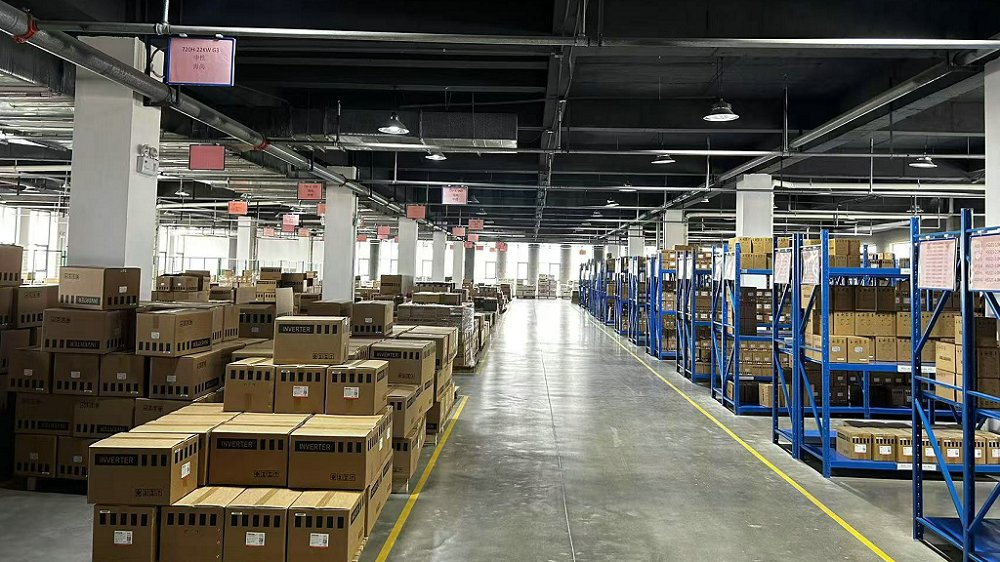
Rigorous quality control and state-of-the-art testing pipelines to guarantee absolute reliability.
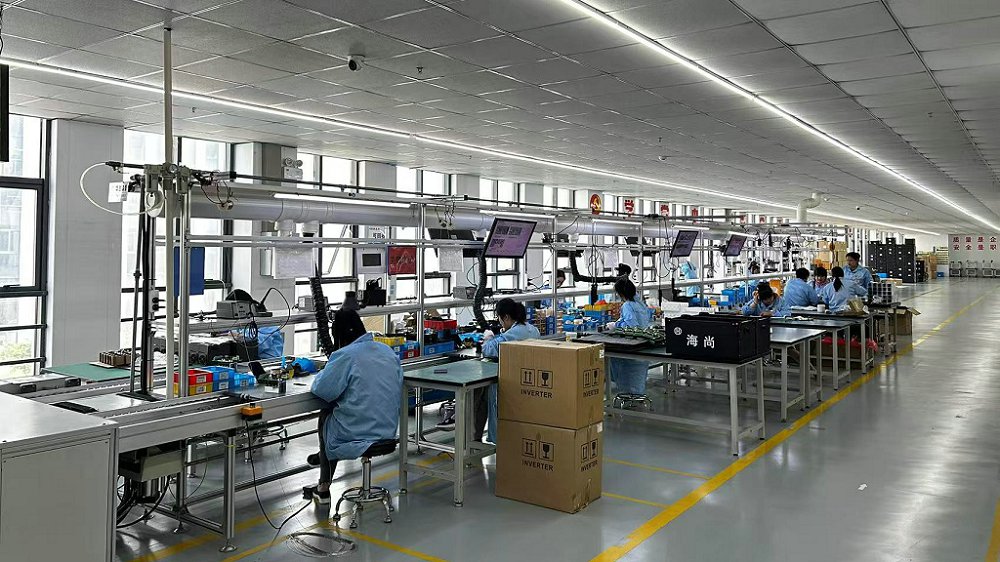
A practical compliance guide for technical managers, EPC contractors, and carbon offset developers.
When purchasing utility-scale equipment to support green energy transition goals, procurement engineers must look beyond simple unit pricing. Ensuring long-term performance requires evaluating specific, objective standards:
By following these technical standards, companies can build stable, efficient energy systems that perform reliably and yield strong returns on investment for decades.
Technical clarifications on system configurations, OEM logistics, and customization possibilities.
Engineered to optimize Levelized Cost of Energy (LCOE) across international project footprints.
 Jonas Energy