Premium components engineered for mission-critical microgrid integration, hybrid topologies, and smart energy arbitrage.
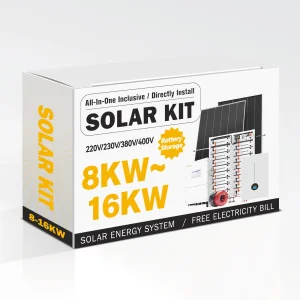
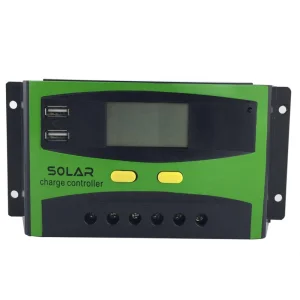

Analyzing the macro-economic and engineering demands shaping industrial wind-solar microgrids.
As multinational corporations commit to ambitious ESG goals, the global demand for reliable, 24/7 carbon-free energy has exposed the limitations of standalone solar or wind assets. Renewable energy intermittency presents a major operational risk for automated manufacturing facilities, mining operations, remote agricultural clusters, and telecommunication infrastructures. In response, global procurement managers are shifting away from piecemeal technology acquisition, favoring complete, multi-megawatt Solar Wind Hybrid Systems backed by robust OEM/ODM manufacturers.
By combining wind turbines and photovoltaic arrays into a single, cohesive power plant topology, commercial and industrial (C&I) operators optimize space, reduce balance of system (BOS) costs, and achieve a highly stabilized generation profile. Wind energy typically peaks during nighttime hours and stormy periods, while solar energy peaks during cloudless daylight hours. This natural, diurnal complementarity significantly reduces the necessary sizing—and capital expense (CAPEX)—of associated battery energy storage systems (BESS), optimizing the overall Levelized Cost of Energy (LCOE).
Shared substations, grid interfaces, and civil engineering works.
Complementary resource generation cycles mitigate intermittency.
Guaranteed shipping, customs compliance, and containerized transport.
Maximized annual energy yield per square meter of leased land.
Unlike traditional monofacial solar developers, advanced OEM/ODM manufacturers like Jonas Energy design hybrid installations utilizing real-world wind-shear profiles and historical satellite solar irradiance data. Integrating dynamic energy management software (EMS) allows these systems to actively shift output, prevent battery over-discharge, and maximize inverter efficiency zones.
Exploring high-voltage energy storage topologies, intelligent wind-charge algorithms, and wide-bandgap semiconductors.
The heart of modern wind-solar synergy lies in the integration of power electronics. Historically, solar arrays and wind turbines operated on separate AC networks, leading to conversion losses, redundant transformers, and complex synchronization. The next-generation technical roadmap focuses heavily on DC-coupled microgrid architectures. In this setup, both the photovoltaic strings (via high-efficiency MPPT controllers) and the wind turbine generator (via variable-frequency rectifiers) feed directly into a centralized high-voltage DC bus.
By utilizing centralized high-voltage battery storage arrays (ranging from 700V up to 1500V LFP chemistries), overall system efficiency is boosted by 3.5% to 5% due to reduced I²R heat losses. Additionally, wide-bandgap semiconductor devices—specifically Silicon Carbide (SiC) and Gallium Nitride (GaN) switching transistors—are replacing traditional silicon IGBTs in dual-source hybrid inverters. This shift permits higher switching frequencies, leading to smaller magnetics, reduced physical footprints, and superior thermal management in harsh environments.
High-frequency switches reduce harmonic distortion and deliver up to 99% conversion efficiency in harsh microgrids.
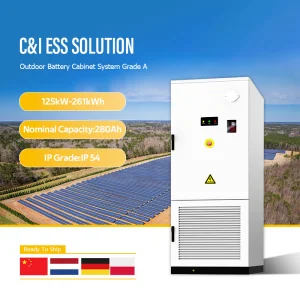
700V to 1500V liquid or air-cooled energy storage systems with advanced cell-to-pack (CTP) integration density.
Machine-learning models predict solar and wind output profiles based on local meteorological live data streams.
On the utility side, grid forming capabilities are becoming a mandatory standard. Advanced hybrid systems no longer simply follow the existing grid frequency; they active stabilize the network by providing synthetic inertia, primary frequency response, and dynamic reactive power compensation. For OEM and ODM clients, this requires highly customized software development and firmware calibration to meet local grid codes, such as IEEE 1547 in North America and EN 50549 across European territories.
Xiamen Jonas Energy Co., Ltd. - Empowering global green transitions through engineering excellence.
Xiamen Jonas Energy Co., Ltd. is a professional provider of renewable energy solutions, headquartered in Xiamen, Fujian Province, China. Since its establishment, the company has been dedicated to the research, development, manufacturing, and global distribution of advanced photovoltaic and energy storage products.
With a strong commitment to innovation and sustainability, Jonas Energy offers a comprehensive portfolio of solar energy solutions, including solar panels, inverters, energy storage batteries, mounting systems, and complete solar power generation systems. Our products are designed to meet the diverse needs of residential, commercial, industrial, and utility-scale projects worldwide.
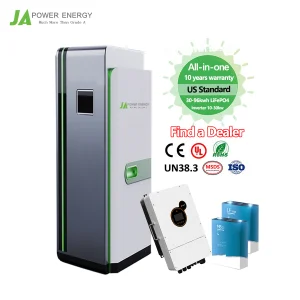
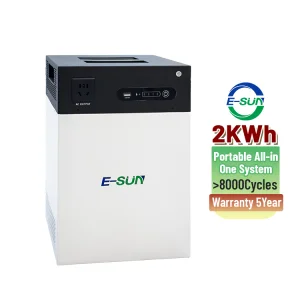
We work closely with internationally recognized manufacturers and technology partners to provide a wide range of reliable energy storage solutions, including wall-mounted batteries, all-in-one storage systems, rack-mounted batteries, and containerized energy storage systems (ESS). Through continuous innovation and strategic partnerships, we help customers achieve greater energy independence and efficiency.
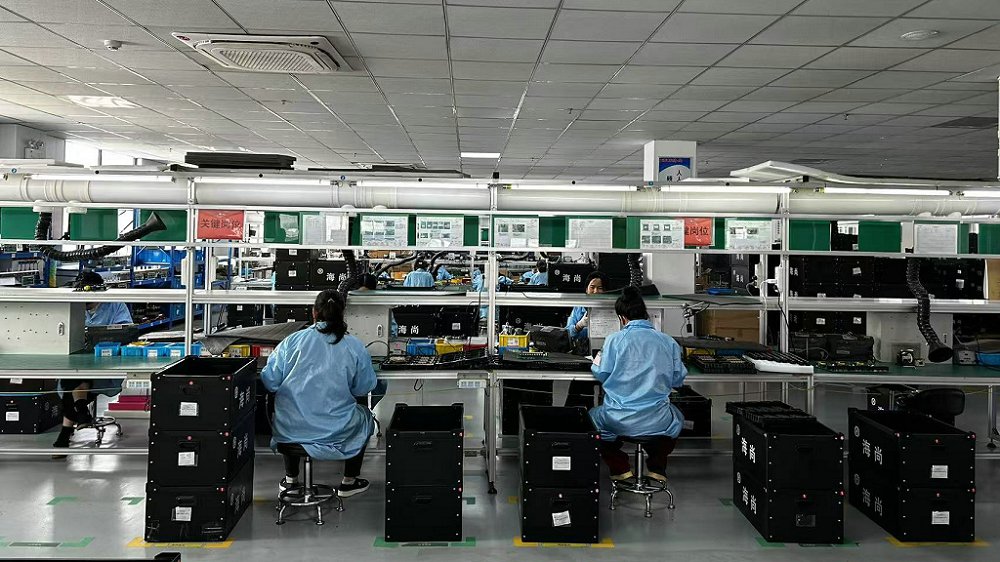
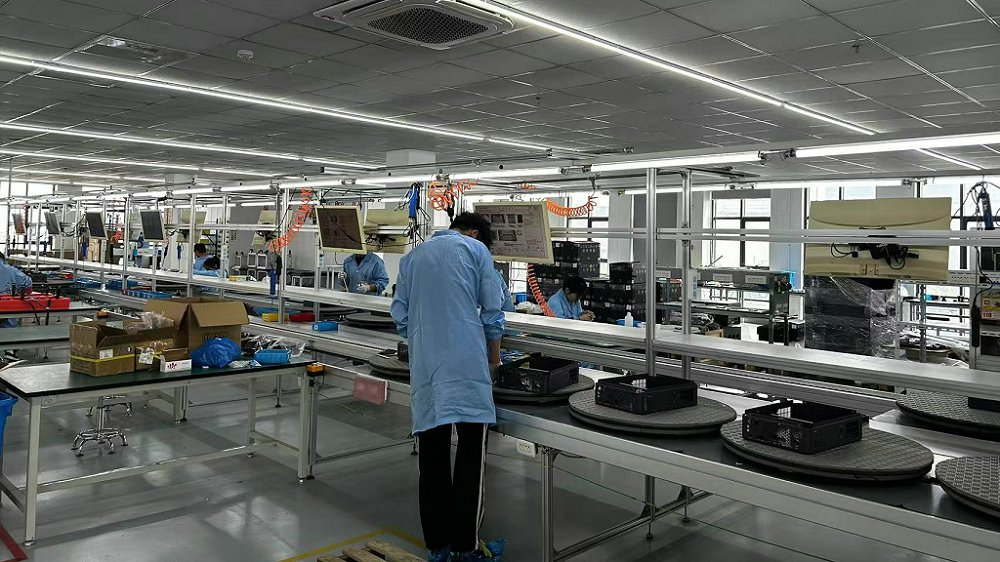
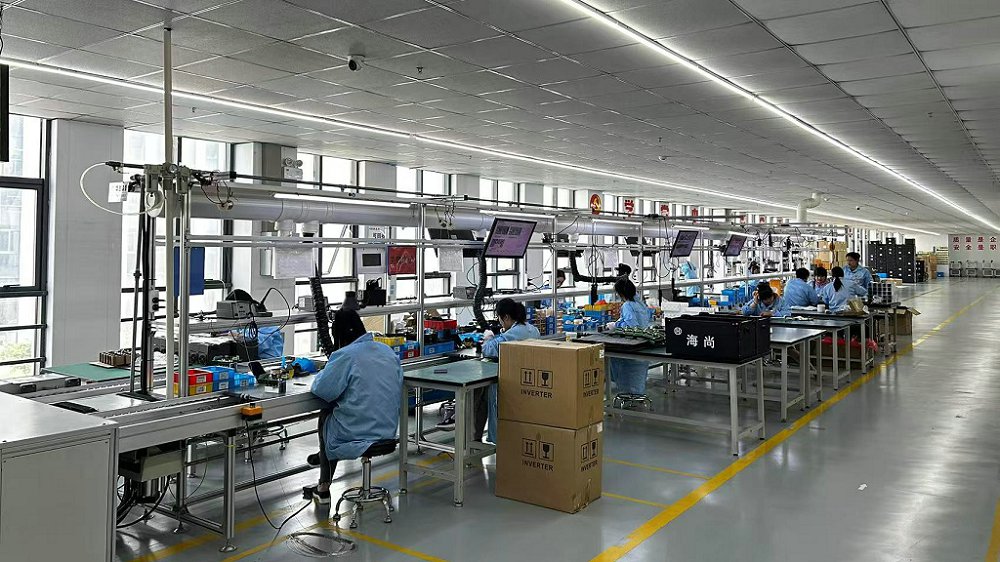
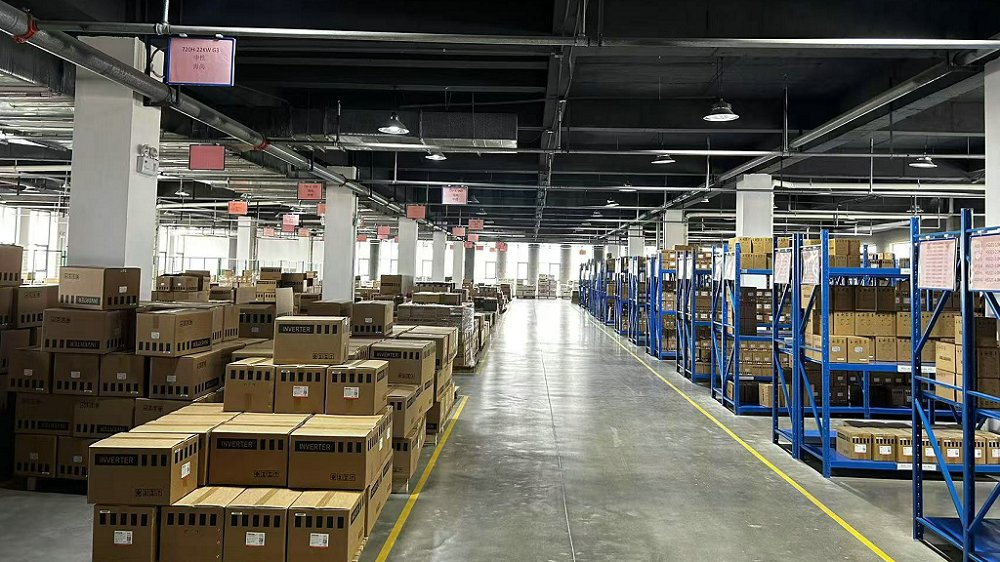
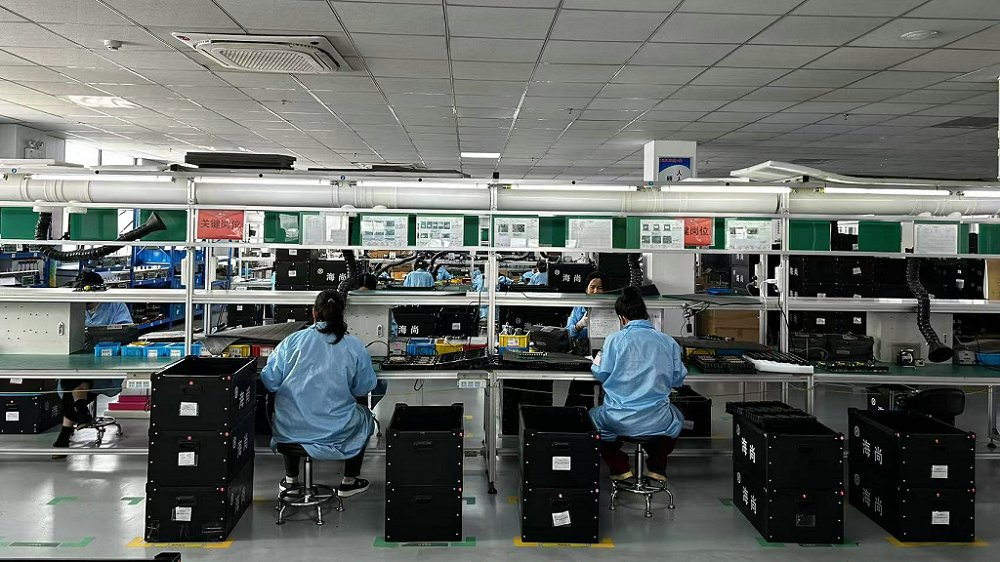
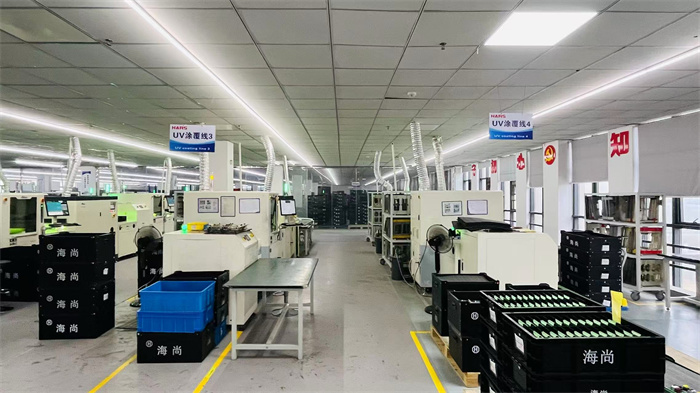
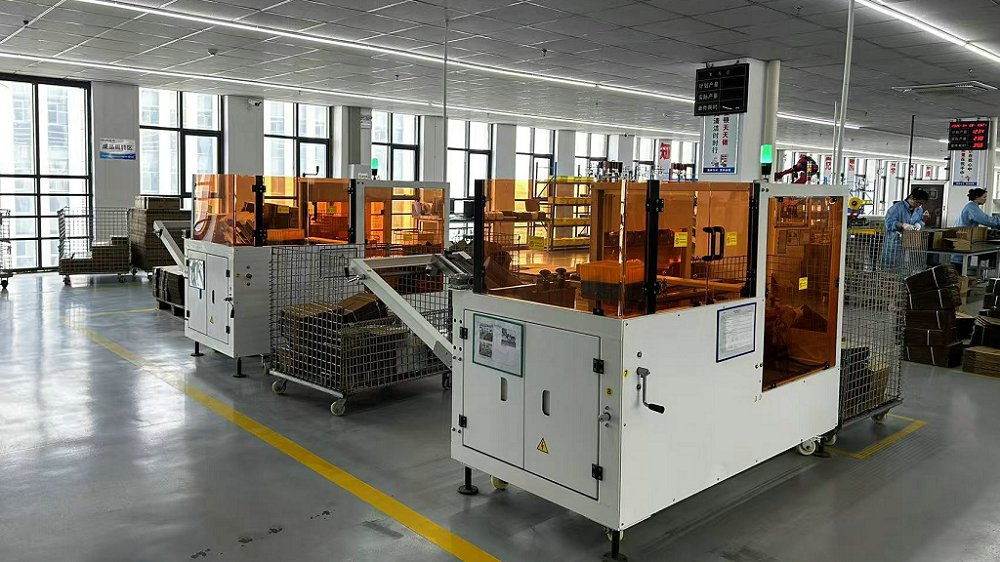
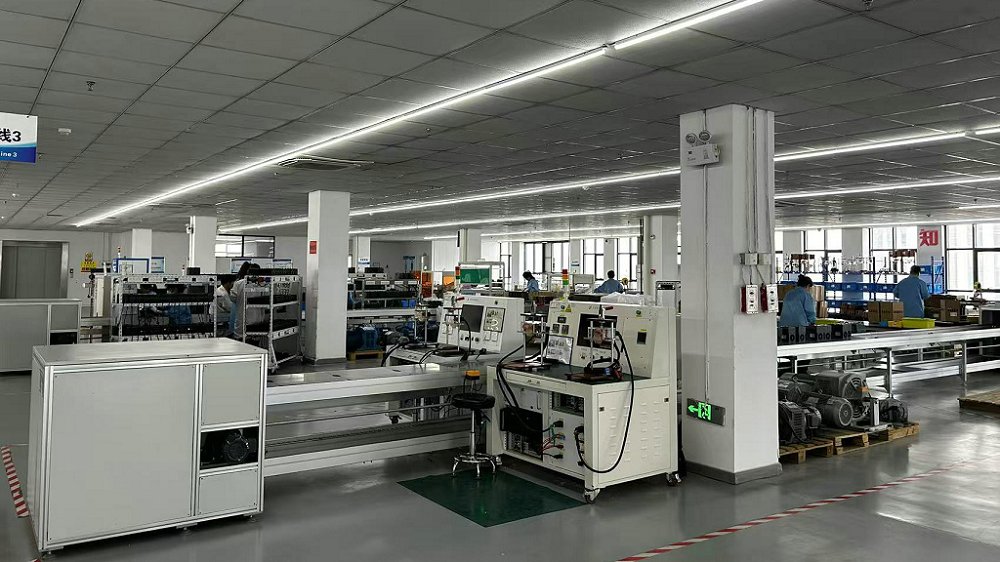
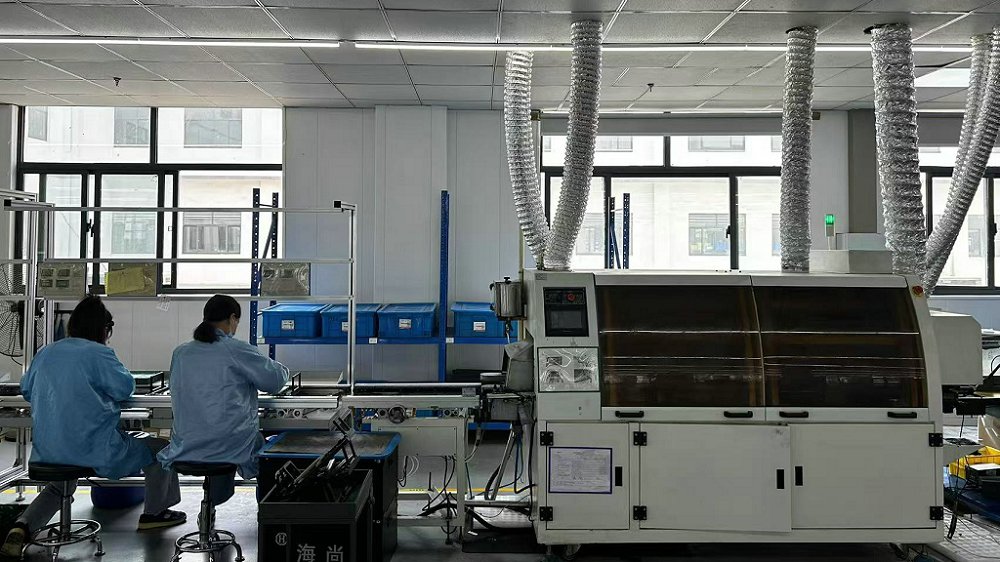
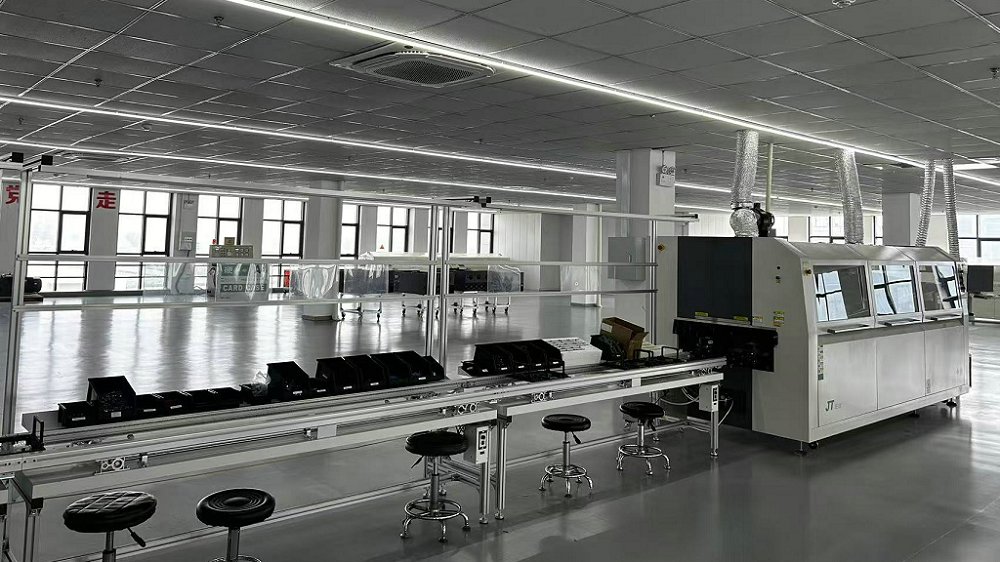
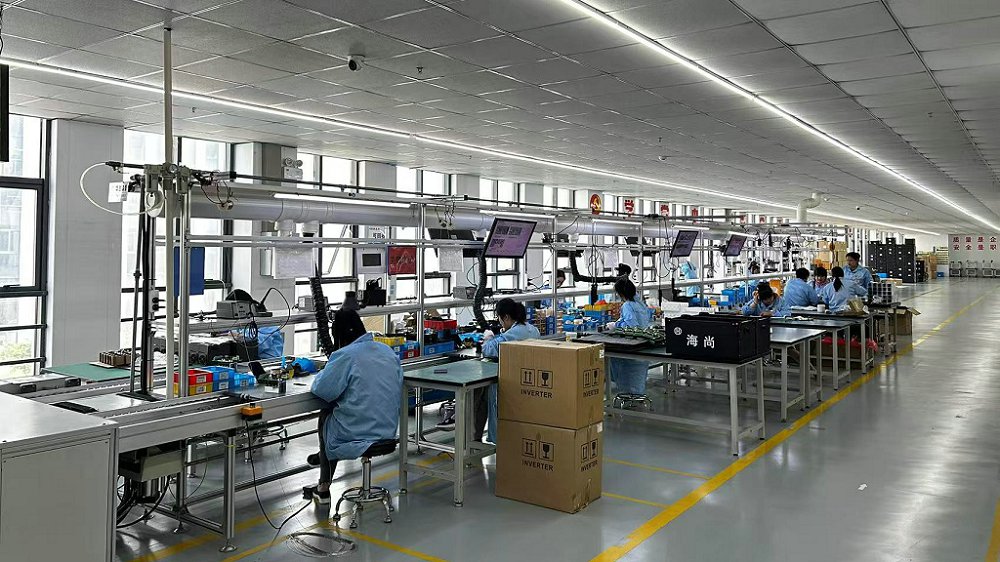
As a high-tech enterprise, Jonas Energy operates modern production facilities equipped with advanced manufacturing and testing equipment. Our annual production capacity reaches several gigawatts, enabling us to efficiently serve customers across global markets. Our experienced R&&D team consists of highly qualified engineers and technical specialists who continuously focus on product innovation, performance optimization, and technological advancement in the renewable energy sector.
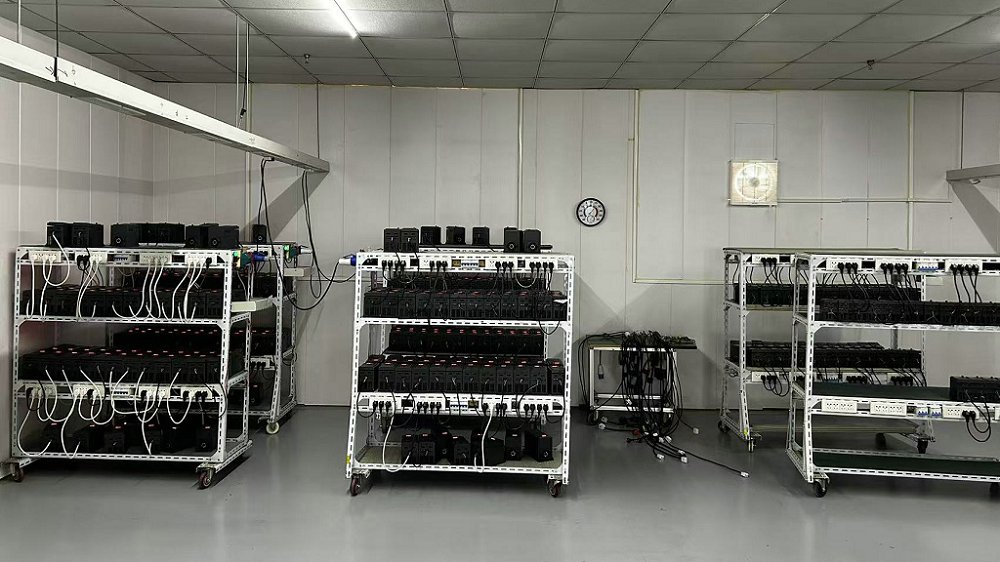
High Quality Standards: Quality is at the core of everything we do. All products undergo rigorous testing and strict quality control procedures to ensure long-term reliability and performance. Our products comply with international standards and certifications, including IEC, CE, TUV, ISO9001, ISO14001, and other recognized industry certifications.
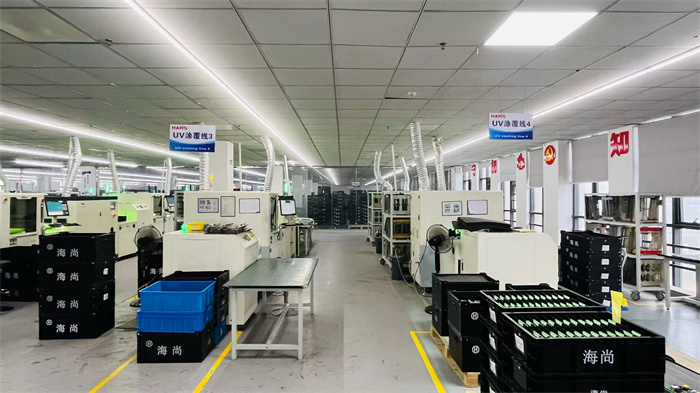
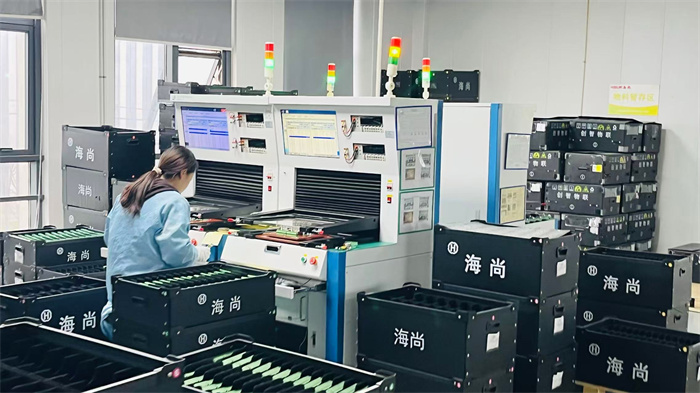
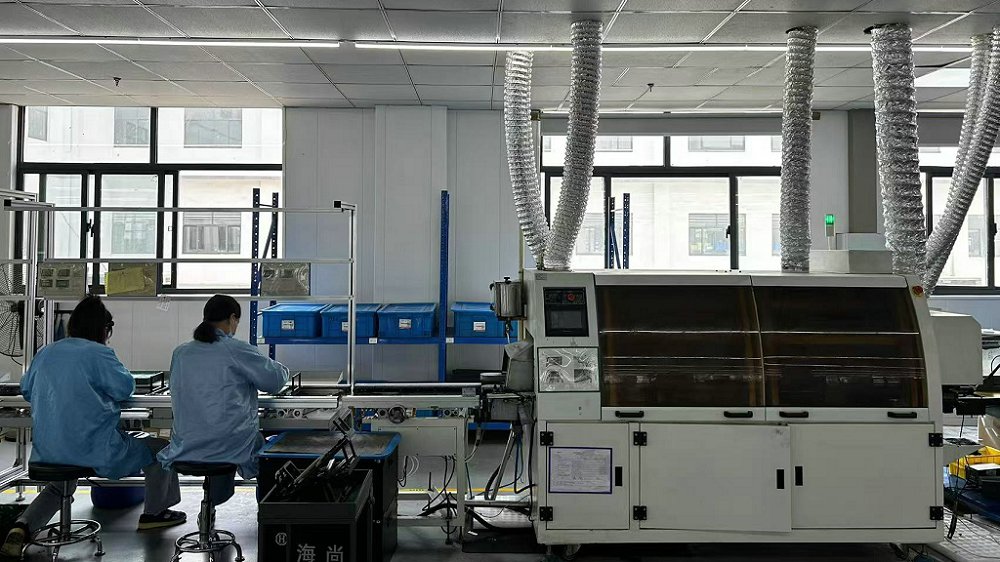
Advanced Equipment: Our manufacturing facilities utilize highly efficient and precise production and inspection equipment. Through cooperation with leading industry partners and suppliers, we maintain exceptional product consistency.
Professional Team: Our multidisciplinary team includes experts in photovoltaic technology, energy storage systems, engineering design, project management, and international business.
One-Stop Energy Solutions: From project consultation and system design to product supply, installation guidance, and after-sales support, Jonas Energy provides complete one-stop solar and energy storage solutions.
Navigating the complex landscape of international regulatory standards for hybrid system deployment.
Deploying dual-source hybrid systems globally requires absolute compliance with national electrical standards, safety regulations, and environmental profiles. Grid operators demand rigorous verification before permitting high-power installations to interconnect. Manufacturers must execute rigorous compliance strategies mapping to distinct regional frameworks.
In the European Union, standard sets like EN 50549 govern the requirements for generating plants to connect in parallel with distribution networks. This addresses low-voltage and medium-voltage grid integration parameters, active power response to overfrequency, and fault-ride-through (FRT) capabilities. Concurrently, CE marking, Low Voltage Directive (LVD) 2014/35/EU, and Electromagnetic Compatibility (EMC) 2014/30/EU are absolute minimum requirements for all power conversion equipment, battery storage units, and structural components.
For North American markets, UL certifications are essential. Utility-scale and commercial systems must adhere to UL 1741 (for inverters, converters, controllers, and interconnection system equipment), UL 1973 (for batteries in stationary applications), and UL 9540 (for energy storage systems and equipment). Meeting the stringent UL 9540A thermal runaway fire test standards is vital to secure approvals from municipal authorities having jurisdiction (AHJs) and to qualify for tier-1 structural insurance policies.
At Xiamen Jonas Energy, all manufacturing processes map directly to international environmental and safety standards, including ISO 9001 for Quality Management Systems, ISO 14001 for Environmental Management, and ISO 45001 for Occupational Health and Safety. This strict compliance structure ensures that every component shipped—from mounting brackets to megawatt-class containerized BESS arrays—exhibits absolute reliability and meets the strict requirements of project developers and asset managers.
Technical answers to complex engineering and procurement queries regarding multi-resource system operations.
By integrating solar and wind co-generation, the system maintains a high capacity factor. Shared balance-of-system (BOS) components—such as cabling, civil foundations, substations, and grid interfaces—are utilized continuously instead of only during solar peak hours. This maximizes generation efficiency per acre and drastically reduces the cost per megawatt-hour produced.
DC-coupling routes both the wind rectifier output and the solar PV strings directly onto a high-voltage common DC bus. This design avoids multiple AC-to-DC conversion cycles, reducing heat losses, component count, and synchronization issues. It also allows direct charging of high-voltage battery storage assets (like 700V/1500V LFP packs) with maximum efficiency.
Our hybrid systems incorporate advanced smart inverters with active grid-forming capabilities. The system controls real and reactive power outputs dynamically, responding to frequency dips or voltage sags. This capability meets rigorous grid codes (e.g., IEEE 1547, EN 50549) and ensures seamless utility integration.
We provide comprehensive ODM services, including customizing battery container layouts (IP54/IP65 ratings, liquid cooling integrations), branding and coloring systems, pre-configuring smart energy management software (EMS) with localized grid communication protocols, and packaging components for direct-to-site delivery.
Extreme temperatures degrade lithium iron phosphate (LFP) cells. To counter this, Jonas Energy designs its 700V and 1500V ESS with active liquid-cooling or specialized HVAC air-cooling frameworks. This ensures cell-to-cell thermal variations stay within 3°C, maximizing battery lifecycle up to 6,000 cycles at 80% DOD.
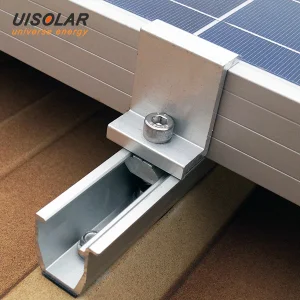
For coastal zones, we manufacture structural aluminum mounting frames (like our UISOLAR line) with AL6005-T5 surface treatments and hot-dip galvanized components. This provides robust corrosion resistance and structural integrity against wind loads exceeding 60 meters per second.
Robust hardware solutions designed for heavy-duty commercial deployment and microgrid stabilization.
 Jonas Energy