Jonas Energy
Commercial Solar Energy Architecture in Challenging Climates
A comprehensive technical report on high-latitude solar deployment, grid-independent operations, and manufacturing resilience.
1. Russia's Macro Energy Landscape & The Rise of Industrial Solar
The geography of the Russian Federation presents a unique paradox for energy infrastructure. While the nation is rich in hydrocarbons, vast regions across Siberia, the Far East, and the Arctic zones remain disconnected from the central unified power grid (UES). In these remote locations, mining complexes, agricultural enterprises, and local municipalities have traditionally relied on diesel generation sets. However, diesel fuel logistics across winter ice roads (zimniks) introduce severe supply chain risks and soaring operating costs.
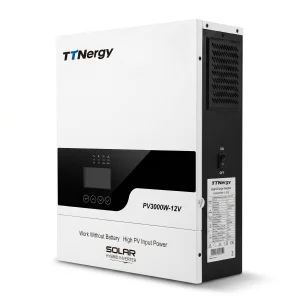
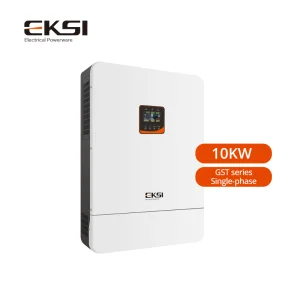
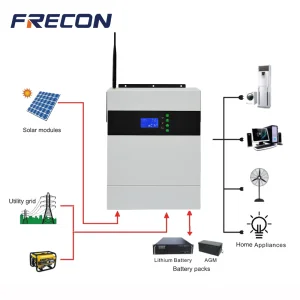
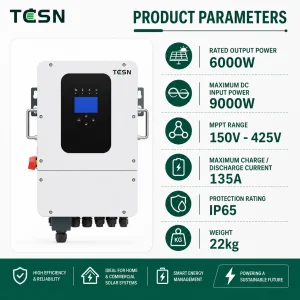
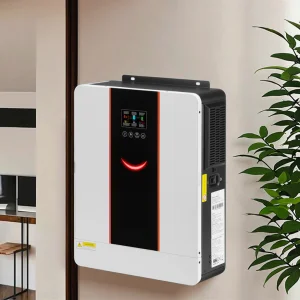
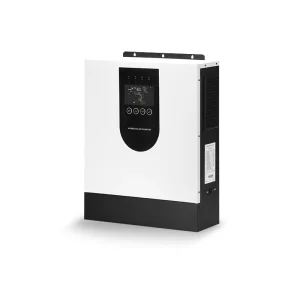
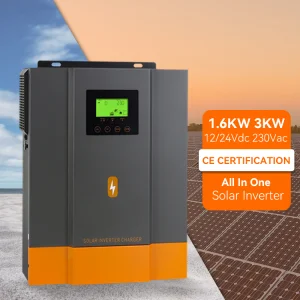
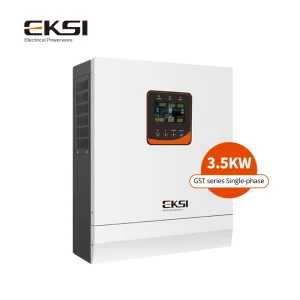
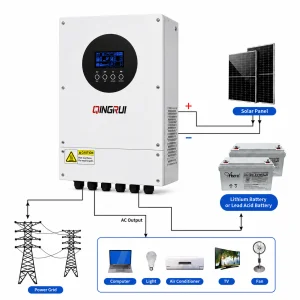
To address these logistical vulnerabilities, modern industrial projects in Russia are rapidly adopting hybrid solar-diesel microgrids. In these systems, solar photovoltaic arrays work in tandem with dynamic hybrid inverters and battery energy storage systems (BESS). Jonas Energy's specialized line of three-phase hybrid inverters operates as the master controller, optimizing fuel consumption by dynamically routing solar power to load centers and battery banks, keeping generator run-times to an absolute minimum.
2. Technical Solutions for Extreme Cold and Frost Mitigation
Operating electronic power conversion equipment in continental climates requires substantial modification compared to standard temperate-zone designs. Jonas Energy’s inverters are engineered to withstand extreme winter conditions through several localized hardware adaptations:
- Active Internal Thermostatically-Controlled Heating: Prevents condensate formation on sensitive PCB assemblies when temperatures drop below zero.
- Low-Temperature Component Rating: Power semiconductors, electrolytic capacitors, and switching relays are chosen with industrial temperature tolerances down to -40°C.
- Enhanced Snow-Reflection MPPT Algorithms: Algorithms are calibrated to capitalize on high albedo effects, where snow cover reflects additional irradiance back onto the solar array, generating momentary voltage surges that require swift MPPT adaptation.
- BESS Pre-heating Coordination: Directly interfaces with the Lithium Iron Phosphate (LiFePO4) Battery Management Systems (BMS) to run automated cell warming sequences before drawing or pushing charge currents.