Navigating High Utility Rates, Extreme Winter Storms, and ISO New England Interconnection Compliance
The energy landscape in Greater Boston, Massachusetts, is undergoing an unprecedented shift. Driven by the Commonwealth’s target of net-zero greenhouse gas emissions by 2050 and the implementation of the Clean Energy Standard (CES), Commercial & Industrial (C&I) properties and residential portfolios are aggressively installing solar-plus-storage solutions. Boston’s electrical grid, managed by Eversource and National Grid under the strict regulatory oversight of the Massachusetts Department of Public Utilities (DPU), faces dual pressures: extreme winter weather events (such as Nor'easters) that compromise grid reliability, and skyrocketing peak demand costs.
For project developers, engineering procurement companies (EPCs), and distributors in Boston, simple grid-tied solar systems no longer suffice. Net Metering 2.0 reforms and the Massachusetts SMART (Solar Massachusetts Renewable Target) program incentivize energy storage configurations that can shave peak demand, provide reliable backup power, and support the distribution network. This is where hybrid solar inverters become critical. Unlike traditional systems, hybrid inverters integrate PV array inputs, battery storage storage media, and grid connections in a single microgrid-ready brain, facilitating seamless islanding capabilities when winter storms shut down utility lines.
High-efficiency, quick-switchover solutions customized for Massachusetts climate conditions and grid standards
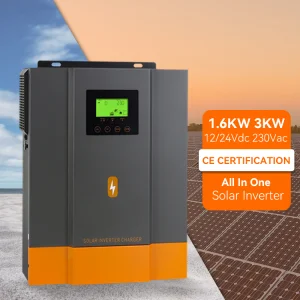
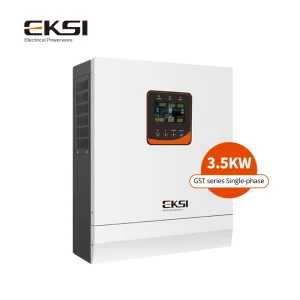
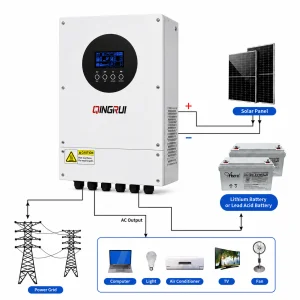
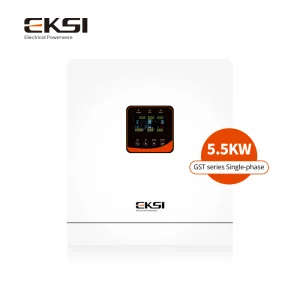
Meeting the strict demands of Massachusetts fire protection codes and utility compliance
Under Massachusetts Electrical Code (MEC) based on NEC 2020/2023 Article 690.12, rooftop arrays must have module-level rapid shutdown to protect emergency personnel. Our hybrid inverters integrate seamlessly with SunSpec-compliant transmitters.
Boston's utility companies (Eversource & National Grid) require smart inverter functions to support grid stability. Our technology controls active/reactive power ramps and rides through momentary voltage and frequency drops.
To safely decouple from the municipal grid during failures without endangering utility workers, while restoring critical load backup in less than 10 milliseconds, preventing high-frequency server resets in scientific hubs.
The SMART program awards a monetary adder for PV energy systems linked directly to an energy storage device (battery). By installing a modern hybrid inverter that actively coordinates battery dispatch with demand response mechanisms (such as ConnectedSolutions), system operators can receive substantial paybacks. This requires inverters that support complex programming: Peak Shaving (reducing demand during critical utility peak hours), Self-Consumption optimization, and Time-of-Use (TOU) load shifting. Our state-of-the-art software integrates with localized EMS (Energy Management Systems) to dynamically calculate dispatch thresholds based on regional utility rates.
Your Trusted Global Renewable Energy Solutions Provider & Factory Partner
Xiamen Jonas Energy Co., Ltd. is a professional provider of renewable energy solutions, headquartered in Xiamen, Fujian Province, China. Since its establishment, the company has been dedicated to the research, development, manufacturing, and global distribution of advanced photovoltaic and energy storage products.
With a strong commitment to innovation and sustainability, Jonas Energy offers a comprehensive portfolio of solar energy solutions, including solar panels, inverters, energy storage batteries, mounting systems, and complete solar power generation systems. Our products are designed to meet the diverse needs of residential, commercial, industrial, and utility-scale projects worldwide.
We work closely with internationally recognized manufacturers and technology partners to provide a wide range of reliable energy storage solutions, including wall-mounted batteries, all-in-one storage systems, rack-mounted batteries, and containerized energy storage systems (ESS). Through continuous innovation and strategic partnerships, we help customers achieve greater energy independence and efficiency.
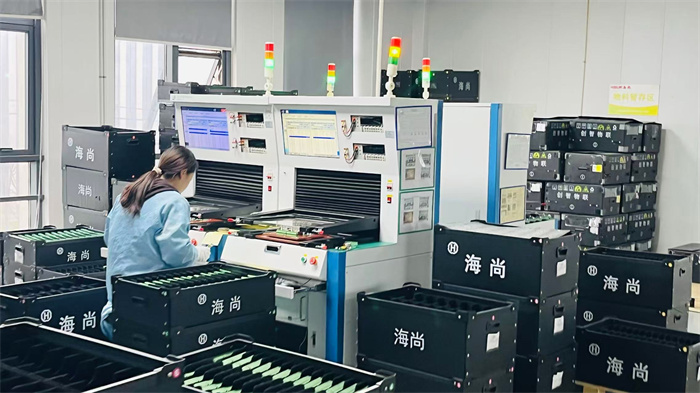
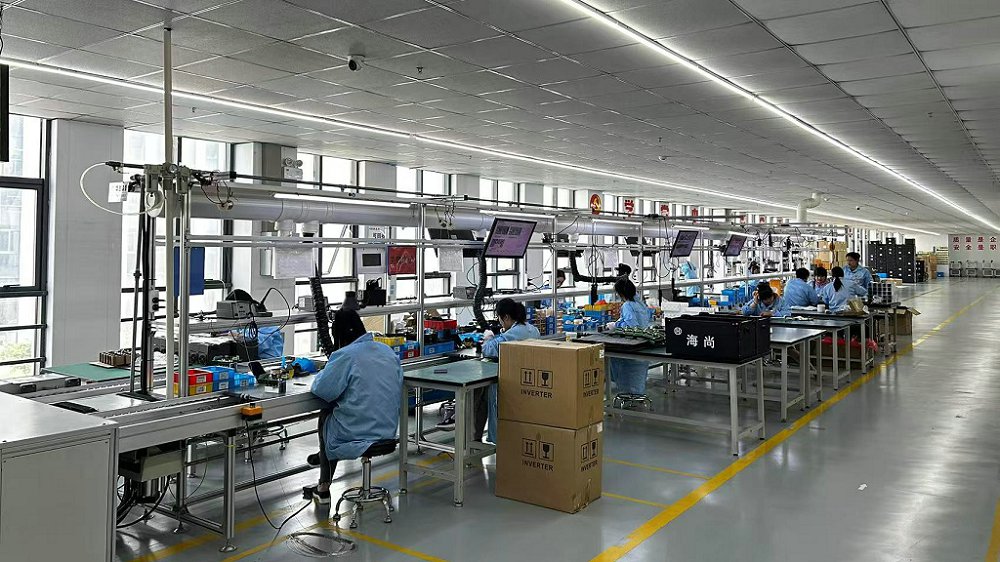
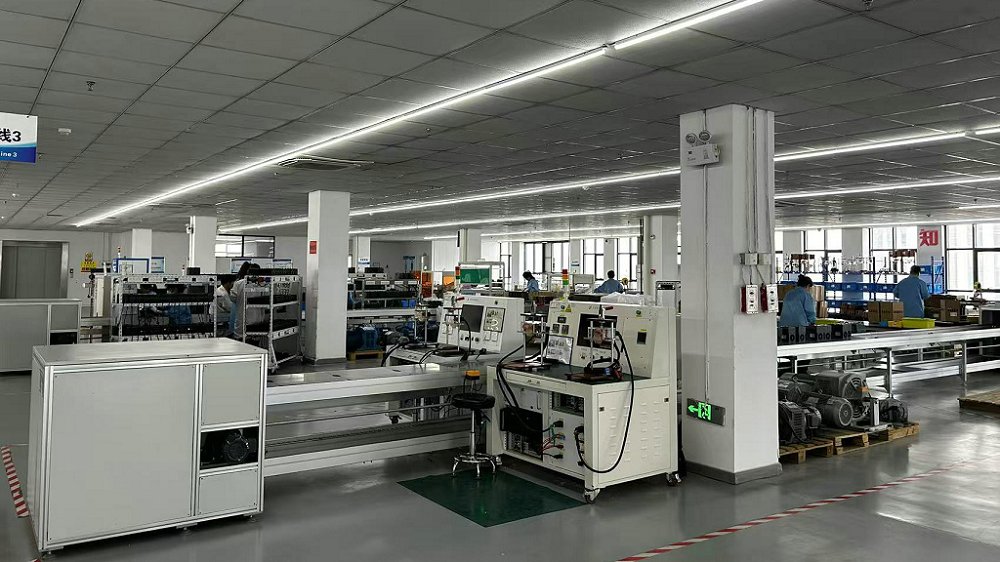
As a high-tech enterprise, Jonas Energy operates modern production facilities equipped with advanced manufacturing and testing equipment. Our annual production capacity reaches several gigawatts, enabling us to efficiently serve customers across global markets.
Our experienced R&D team consists of highly qualified engineers and technical specialists who continuously focus on product innovation, performance optimization, and technological advancement in the renewable energy sector. By integrating cutting-edge technologies, we ensure that our solutions remain competitive, efficient, and future-ready.
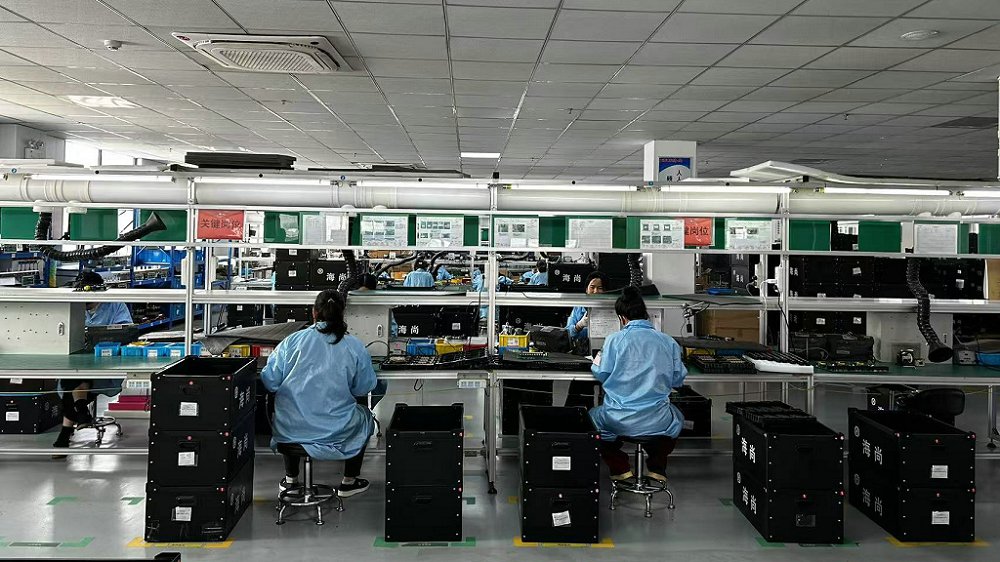
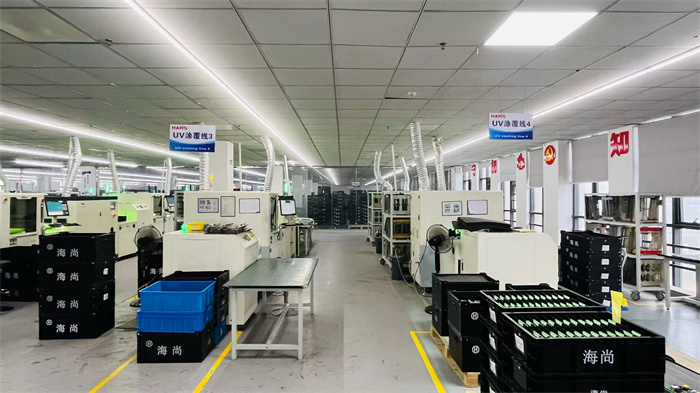
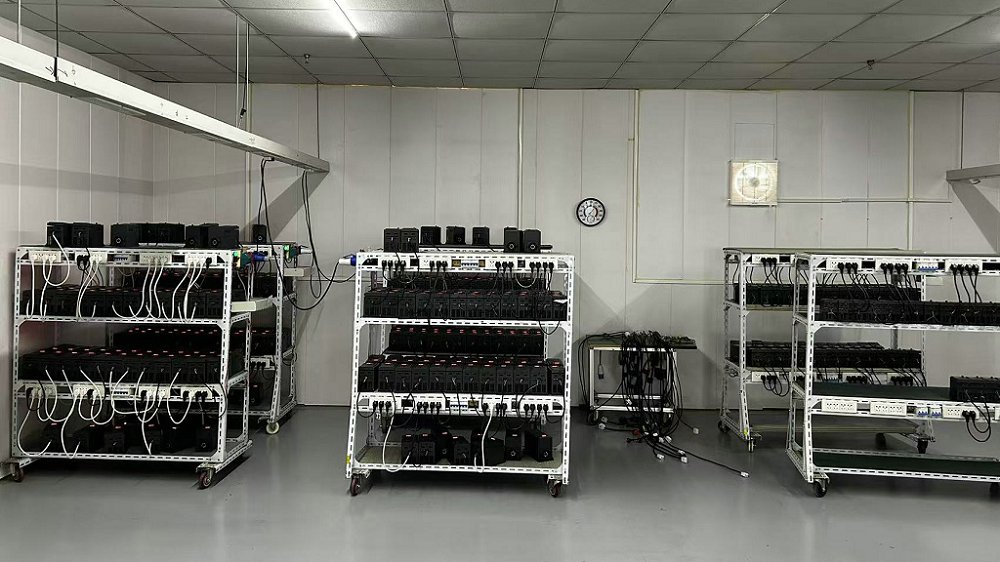
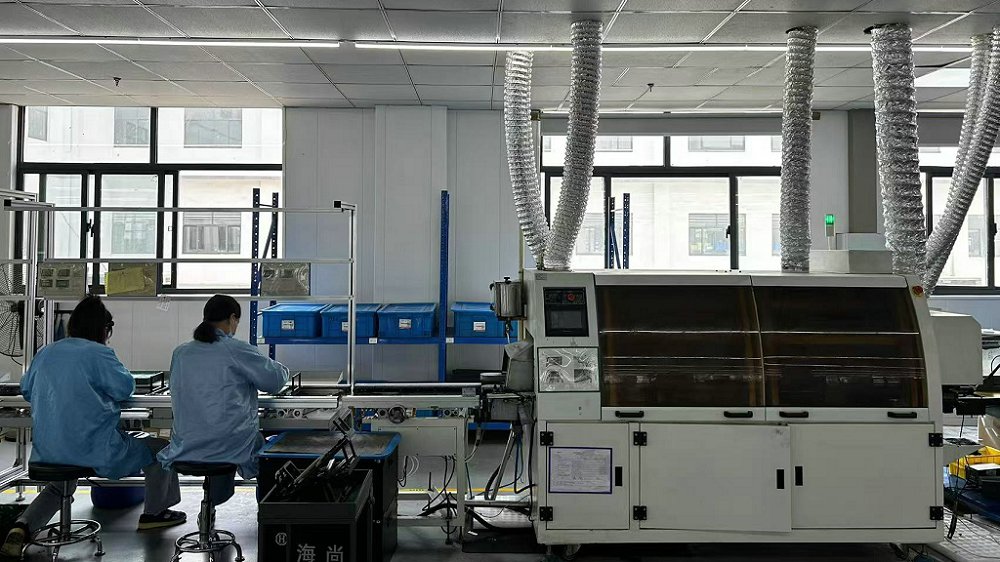
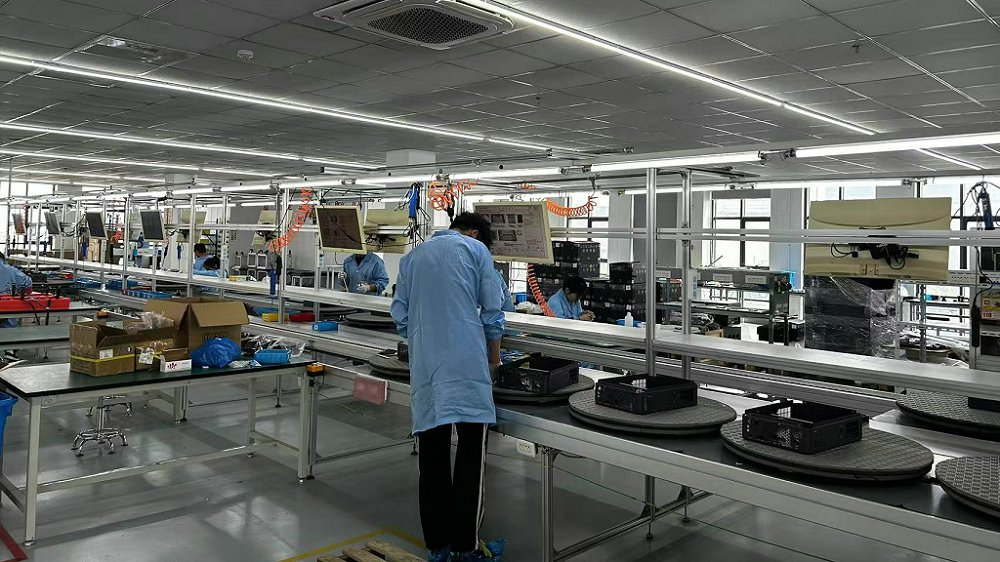
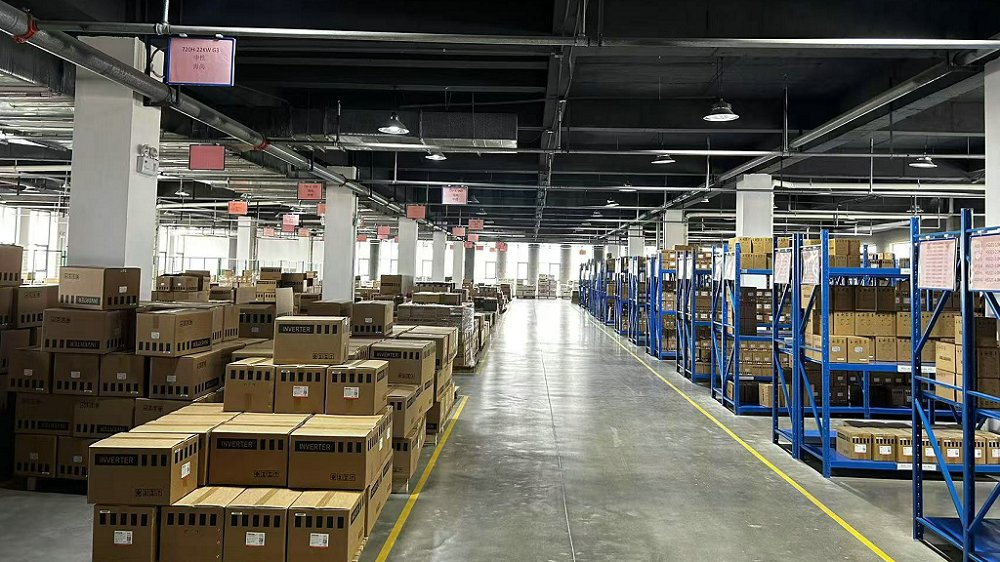
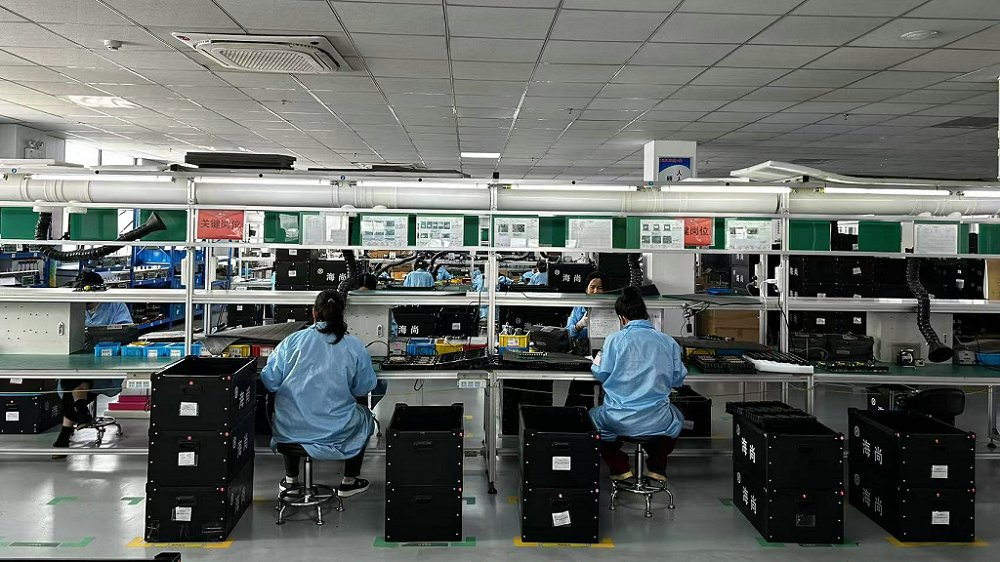
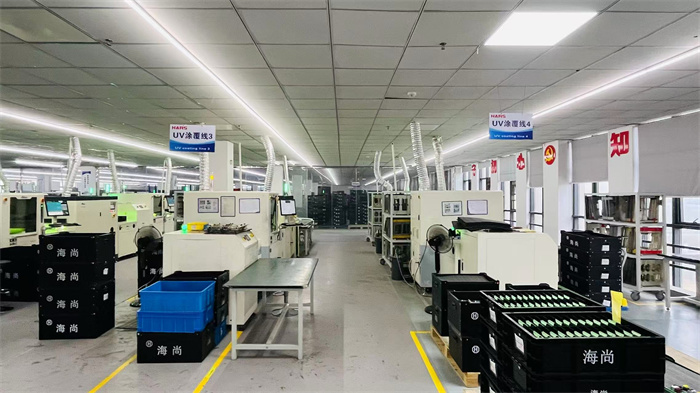
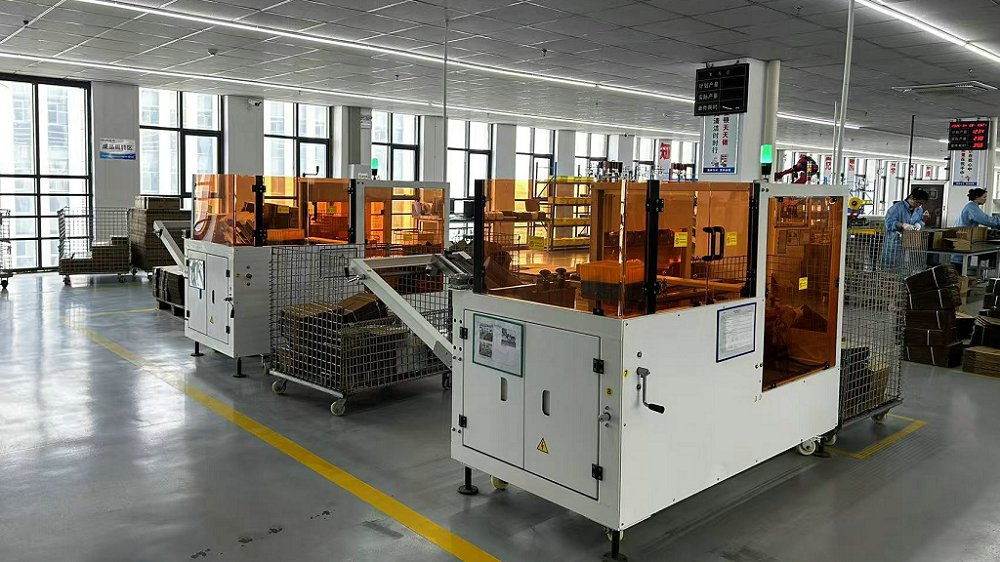
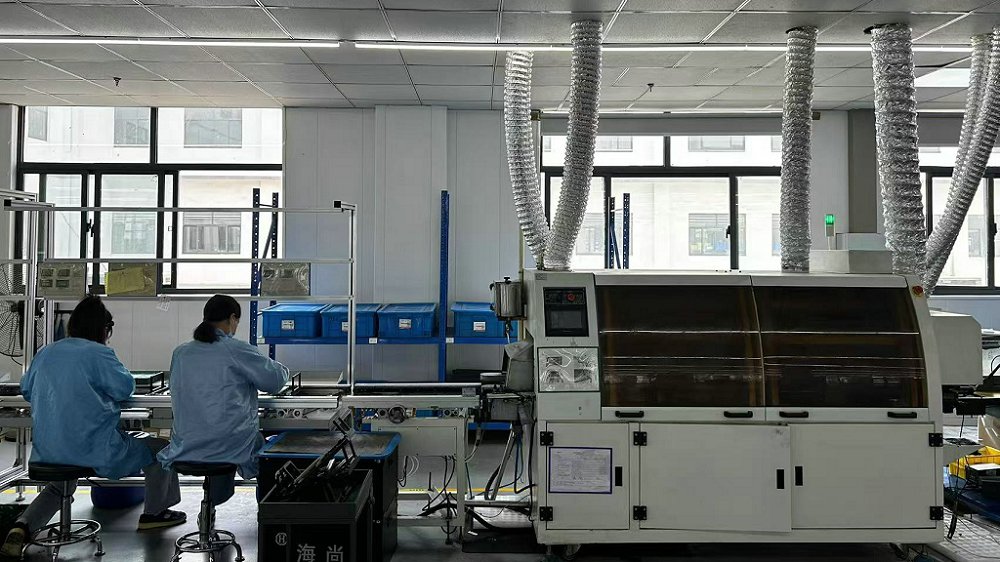
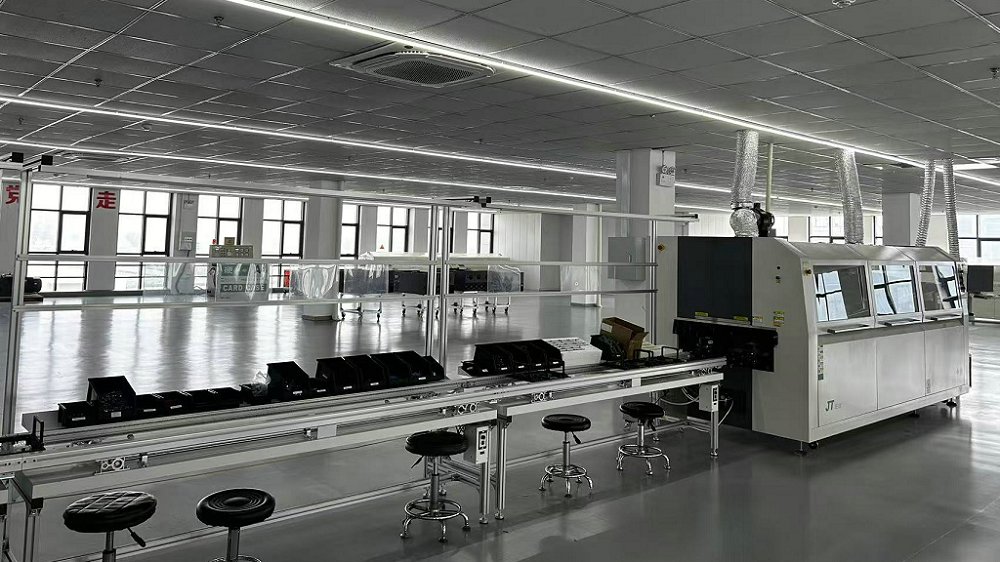
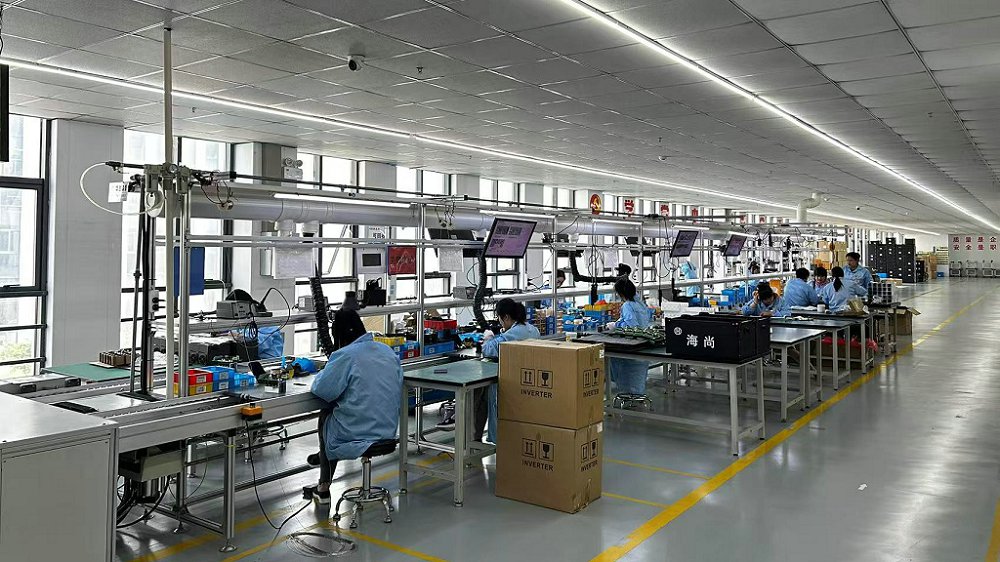
Inside Jonas Energy's advanced factory lines, ensuring components withstand years of operational stress
Why Boston EPCs and Wholesalers partner with leading Chinese OEMs to de-risk key projects
The global renewable supply chain requires a delicate balance of cost, precision, and lead-time optimization. Navigating raw material procurement, semiconductor allocation for microprocessors, and battery chemical availability demands robust planning. Chinese smart manufacturing plants, operating under strict digital control frameworks, provide unparalleled cost-to-performance ratios alongside rapid output capabilities. By standardizing component manufacturing (using advanced automated UV coating, rigorous thermal stress tests, and automated soldering), Jonas Energy reduces defect ratios to under 0.1%.
Additionally, working with a factory-direct manufacturer enables deep customization (OEM/ODM). Boston developers often require modifications to grid-connection protocols, dual-voltage options, or customized communication boards (such as Modbus over TCP, CAN Bus, or cellular connections) to meet utility monitoring mandates. Establishing direct factory channels ensures that modifications are integrated at the hardware level, bypassing post-factory modification delays and safeguarding regulatory compliance.
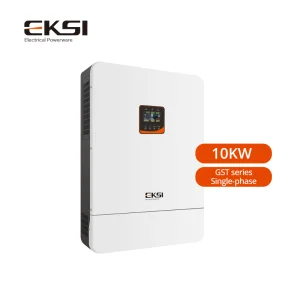
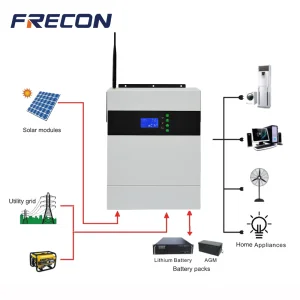
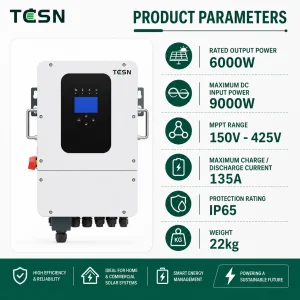
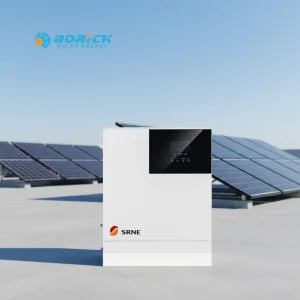
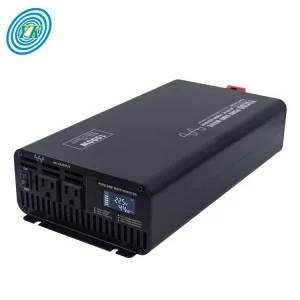
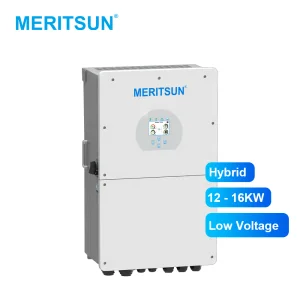
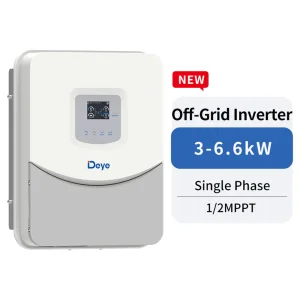
Flexible off-grid and hybrid configurations with wide voltage windows, parallel support, and smart monitoring
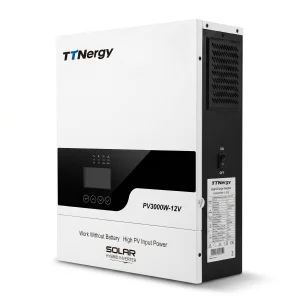
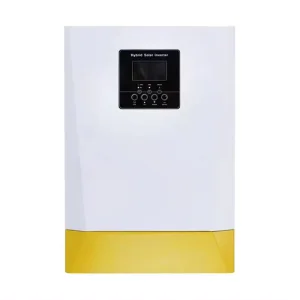
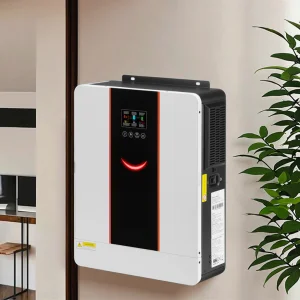
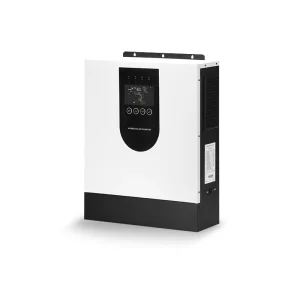
Engineered to perform in multi-family retrofits, historic properties, and industrial microgrids
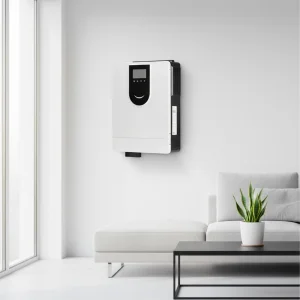
Boston's iconic "triple-decker" structures present unique solar planning challenges: limited rooftop surface areas, split electric panels for individual floors, and historical preservation codes. Using multi-MPPT single-phase hybrid inverters allows tenants to share rooftop solar arrays while partitioning stored battery reserves dynamically. The compact footprint of our wall-mounted systems fits neatly in basement utility spaces, complying with local fire code access requirements.
In rural areas surrounding Greater Boston, seasonal temperature drops can severely impact battery charging performance and panel output voltages. Our hybrid inverters feature programmable temperature compensation charging curves and integrate directly with cold-climate battery management modules. When winter snow covers panels, the inverter utilizes dynamic grid trickling to keep battery cells at optimal storage temperatures, avoiding capacity degradation.
Biotech laboratories, precision equipment centers, and manufacturing plants along the Route 128 belt cannot tolerate voltage dips. A sub-cycle power transfer is crucial. Our 3-phase hybrid systems provide instant online double-conversion properties, functioning effectively as a utility-scale UPS (Uninterruptible Power Supply) while generating solar power, keeping vital cold storage and cleanrooms powered during localized utility failures.
Clear answers regarding local grid codes, winter weather handling, and procurement rules
Interconnecting an energy storage or hybrid system in Eastern Massachusetts requires the inverter to be fully certified to UL 1741 SB (specifically complying with the 3rd edition for smart grid functions) and IEEE 1547-2018. These regulations govern the inverter's voltage and frequency ride-through behaviors, active power damping, and automatic power curtailment to prevent transformer overload on local circuits.
Commercial users in Massachusetts face high Demand Charges (based on their single peak 15-minute usage interval each month) and ISO New England capacity charges. Hybrid inverters utilize peak-shaving software: when the facility's power demand approaches a set threshold, the inverter discharges battery power to power onsite loads, preventing expensive demand surges on the grid.
Our inverters have a built-in "Snow & Frost Preservation Mode." If solar panels are covered by snow and output drops to zero, the inverter dynamically switches to grid-bypass mode to supply local loads. It also manages internal battery temperatures by using minimal grid energy, keeping the battery pack warm and functional until the snow is cleared or melts.
Yes. Our premium product lines support parallel configurations. For instance, the 3.5kW, 5kW, and 10kW split-phase hybrid models support parallel linking of up to 6 units on a single common bus. This lets installers start with a smaller, budget-friendly setup and scale the system's power capacity as building energy storage demands grow.
We perform rigorous thermal cycles and accelerated aging tests at our advanced testing facility. Our UV coating line applies a protective protective layer over the PCB boards, preventing moisture and corrosion in damp basement environments. Plus, our inverters utilize high-grade internal fans and aluminum heat sinks for excellent passive heat dissipation.
Partner directly with Jonas Energy. Get direct access to factory engineers, custom hardware configurations, and certified hybrid inverters designed for local grid compliance.
Send Inquiry Now Jonas Energy