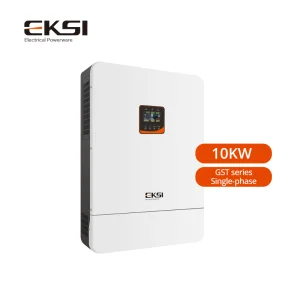
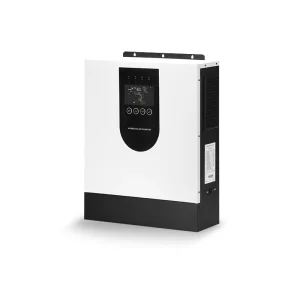
High-performance inverter technologies selected specifically to match Ontario's grid regulations, net metering standards, and extreme seasonal temperatures.
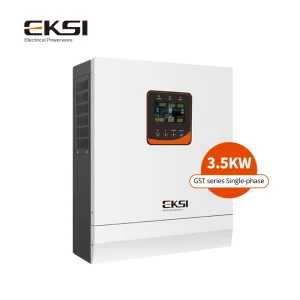
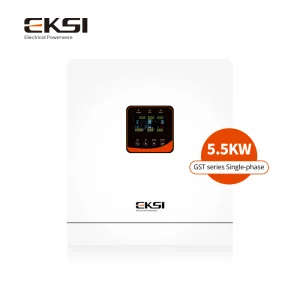
In the Greater Toronto Area (GTA), escalating peak electricity demand charges (such as the Global Adjustment mechanism for Ontario Class A and Class B consumers) have forced commercial and industrial operations to rethink their relationship with the grid. Coupled with municipalities pushing for net-zero carbon goals, Toronto has emerged as a high-intent market for hybrid solar infrastructure. Modern storage systems no longer function as simple emergency backups; they act as financial shock absorbers against volatile peak rates.
Integrating a hybrid solar inverter is a key strategy for regional grid-tied resilience. By bridging the gap between direct photovoltaic (PV) generation, localized battery energy storage systems (BESS), and the primary utility network (serviced by operators like Toronto Hydro, Alectra Utilities, or Hydro One), hybrid configurations maintain continuous facility operations even during seasonal grid disruptions caused by ice storms or heatwave-induced peak demands.
Electricity pricing in Ontario features high demand-based fees and Time-Of-Use (TOU) premiums. Businesses with substantial day-to-day electrical loads (such as cold-storage warehouses in Mississauga or automated assembly facilities in Vaughan) face severe cost surges when operating machinery during mid-day peak pricing bands. To address this, hybrid solar inverters perform intelligent load shifting:
Engineering, Procurement, and Construction (EPC) firms working on institutional or commercial solar developments require partner networks that can handle complex bulk logistics. Purchasing hybrid solar inverters internationally requires strict adherence to technical and physical standards. Beyond basic cost savings (LCOE), procurement teams must balance component quality, strict testing certifications, and ongoing manufacturer engineering support.
At Xiamen Jonas Energy Co., Ltd., we support global partners through clear documentation, technical validation, and specialized regional support. As a direct exporter and systems integrator, we bridge the gap between initial manufacturing and project site integration, ensuring that every shipping batch arrives configured for local grid specifications and prepared for immediate Electrical Safety Authority (ESA) inspection.
Programmed algorithms systematically shift high-load operational cycles to battery backup, mitigating high peak demand fees.
Engineered to meet CSA C22.2 No. 107.1 standards and ESA specifications, expediting local grid interconnection approvals.
Delivers continuous UPS-grade supply to protect essential industrial equipment and high-value data center facilities.
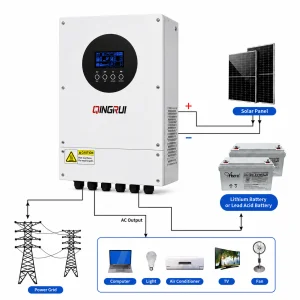
A hybrid inverter manages power distribution by continuously balancing PV input, battery charging/discharging, and the utility grid. Modern configurations focus on three key areas:
Industrial rooftops in Toronto often feature complex orientations, varying pitches, and obstructions like HVAC equipment. Our high-efficiency inverters utilize dual or multi-Maximum Power Point Tracking (MPPT) designs. This allows for optimization across different roof sections, extracting maximum energy even under partial shading or differing angles.
Toronto's climate presents distinct thermal challenges, from humid summer peaks (+35°C) to winter lows (-20°C). Our inverters are engineered to operate reliably across this entire range. By utilizing advanced thermal design, high-grade heatsinks, and smart active cooling systems, the hardware maintains full output without early thermal de-rating.
Modern hybrid setups must integrate with various energy storage technologies. Our inverters support multiple chemistries, including Lithium Iron Phosphate (LiFePO4) and conventional lead-acid options. Advanced battery management communication (via CAN/RS485 interfaces) ensures precise balancing, overcharge protection, and optimized lifespan.
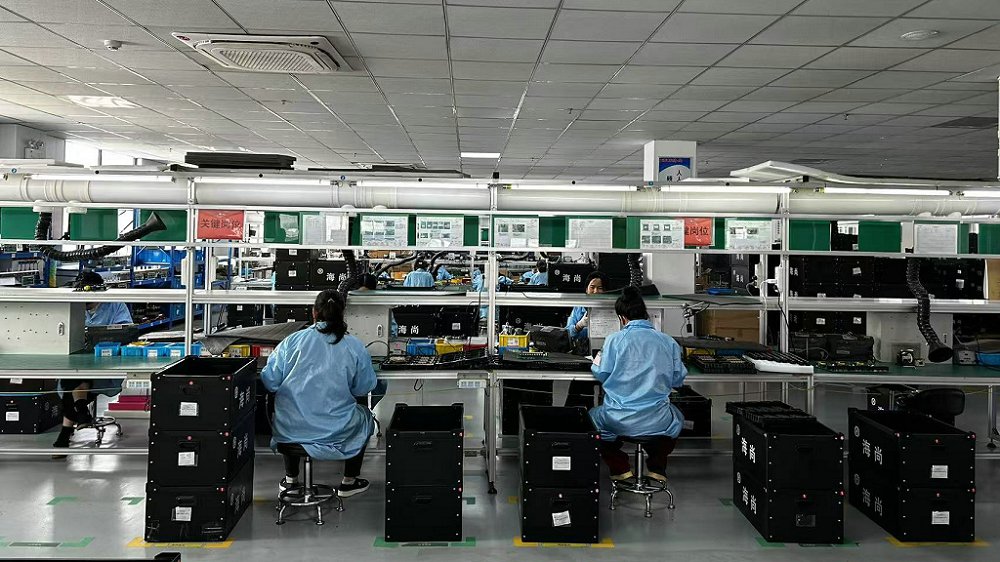
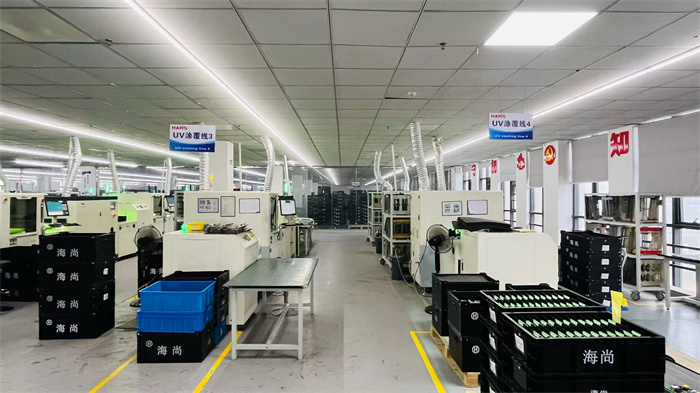
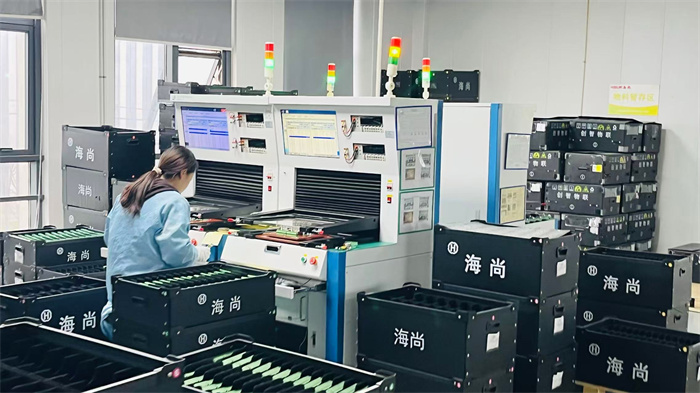
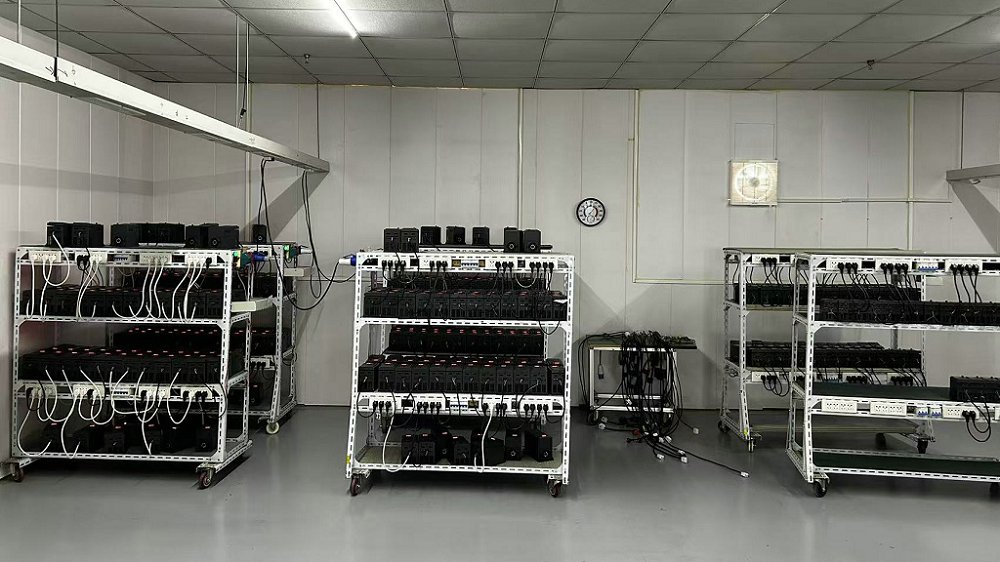
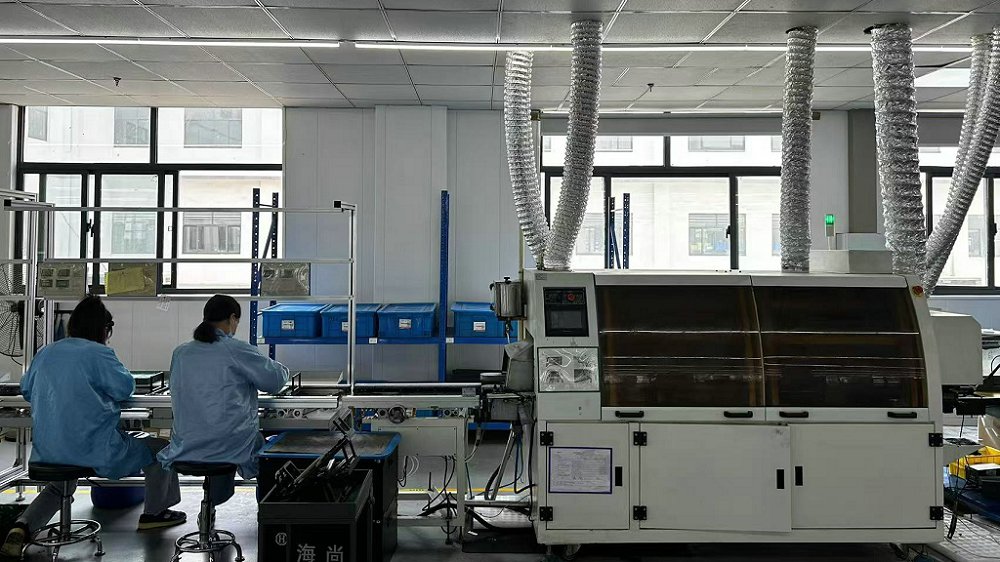
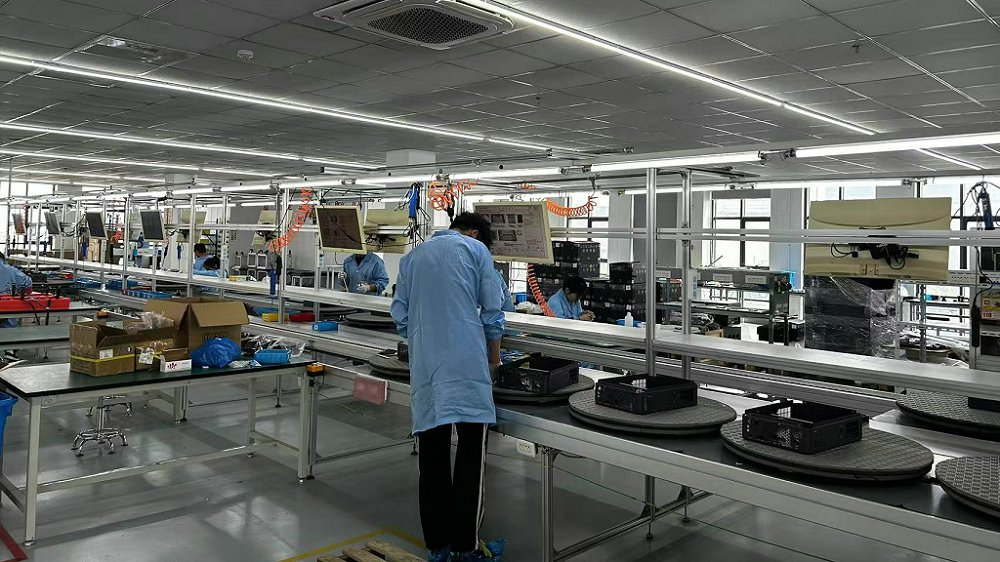
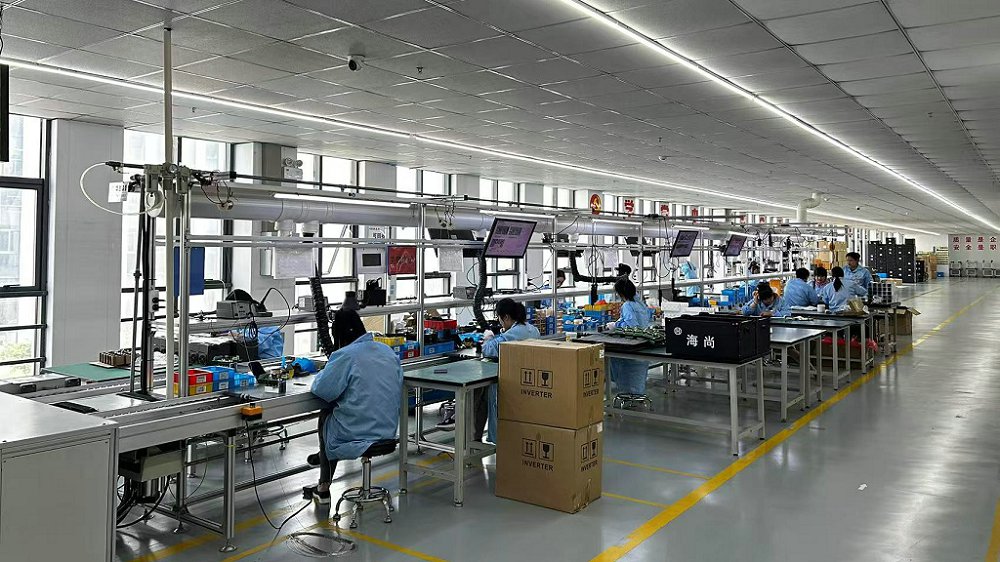
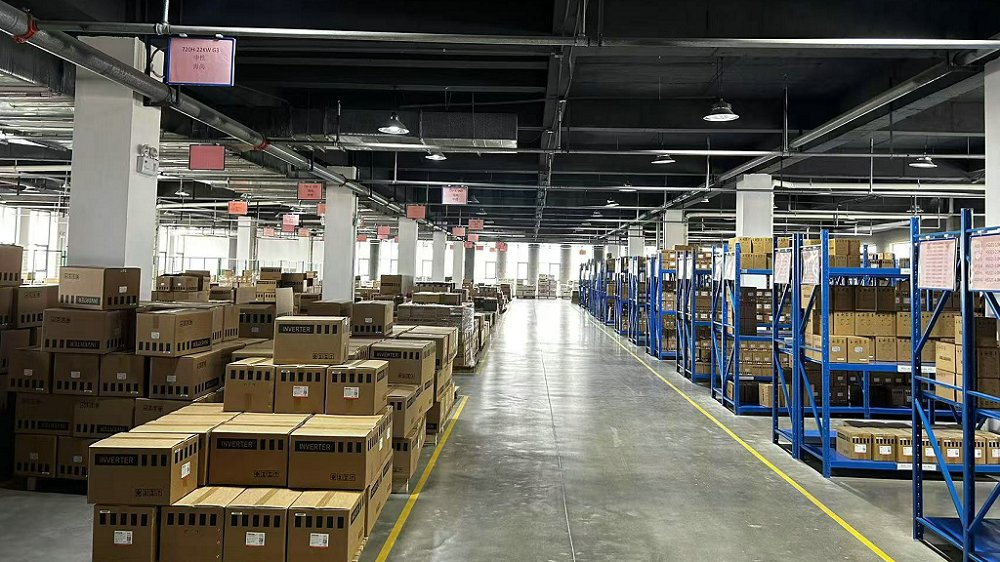
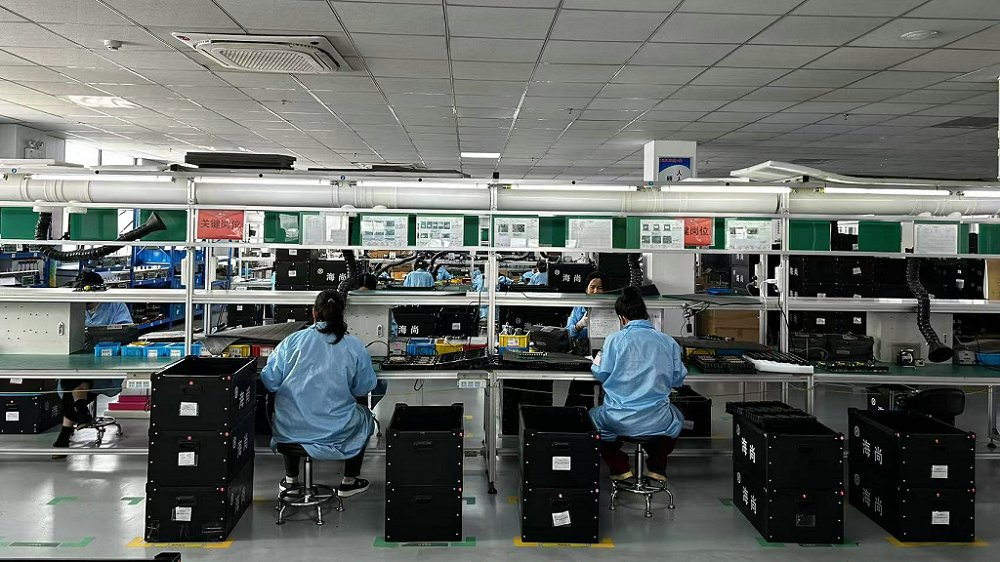
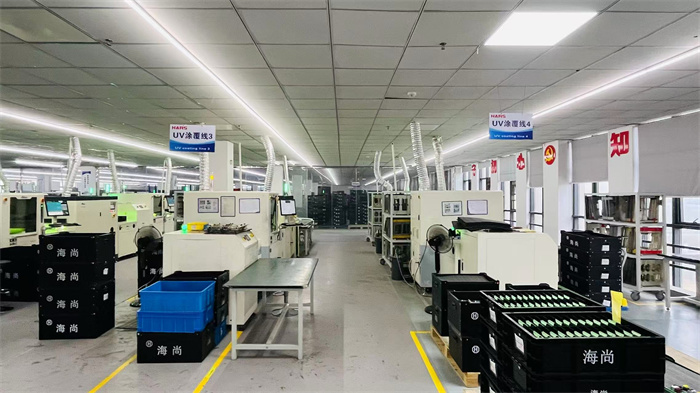
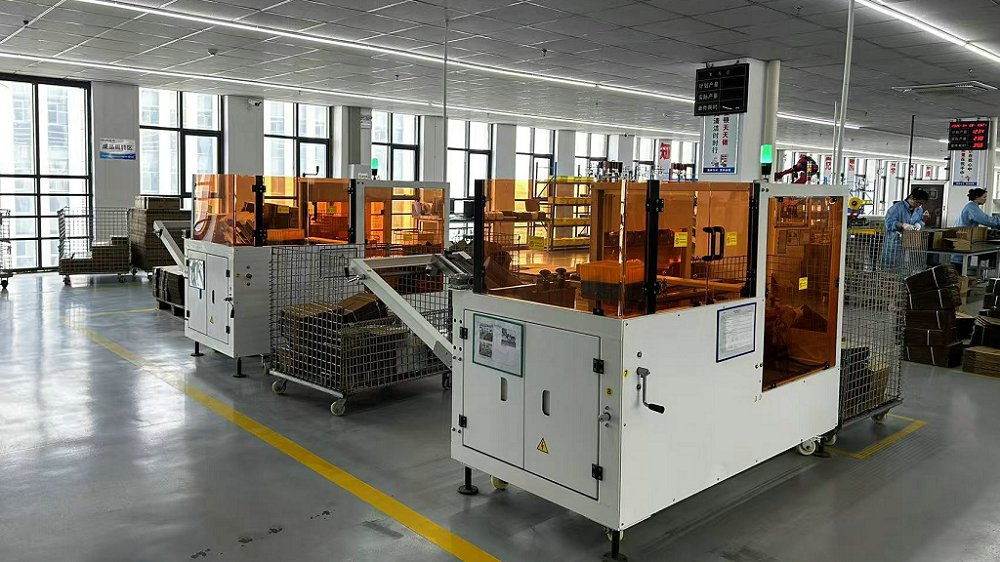
Under the leadership of Xiamen Jonas Energy Co., Ltd., we combine state-of-the-art production technology with strict quality control frameworks.
Xiamen Jonas Energy Co., Ltd. is a professional provider of renewable energy solutions, headquartered in Xiamen, Fujian Province, China. Since its establishment, the company has been dedicated to the research, development, manufacturing, and global distribution of advanced photovoltaic and energy storage products.
With a strong commitment to innovation and sustainability, Jonas Energy offers a comprehensive portfolio of solar energy solutions, including solar panels, inverters, energy storage batteries, mounting systems, and complete solar power generation systems. Our products are designed to meet the diverse needs of residential, commercial, industrial, and utility-scale projects worldwide.
We work closely with internationally recognized manufacturers and technology partners to provide a wide range of reliable energy storage solutions, including wall-mounted batteries, all-in-one storage systems, rack-mounted batteries, and containerized energy storage systems (ESS). Through continuous innovation and strategic partnerships, we help customers achieve greater energy independence and efficiency.
As a high-tech enterprise, Jonas Energy operates modern production facilities equipped with advanced manufacturing and testing equipment. Our annual production capacity reaches several gigawatts, enabling us to efficiently serve customers across global markets. Our experienced R&D team consists of highly qualified engineers and technical specialists who continuously focus on product innovation, performance optimization, and technological advancement in the renewable energy sector.
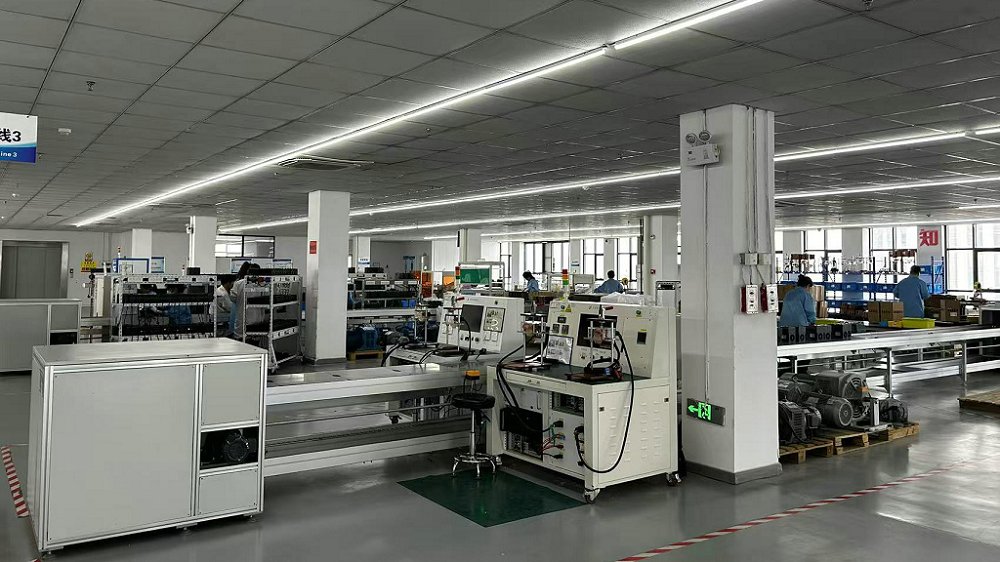
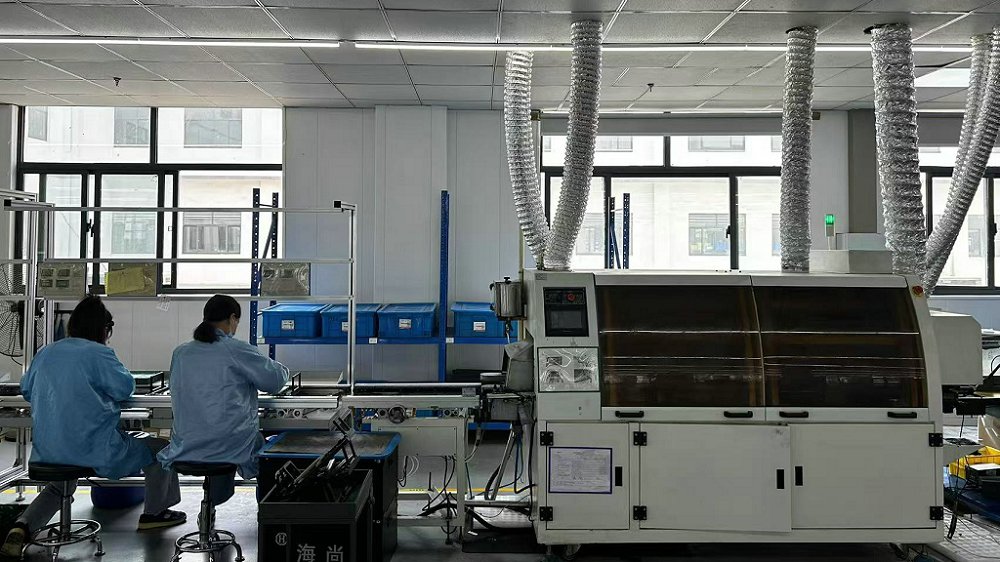
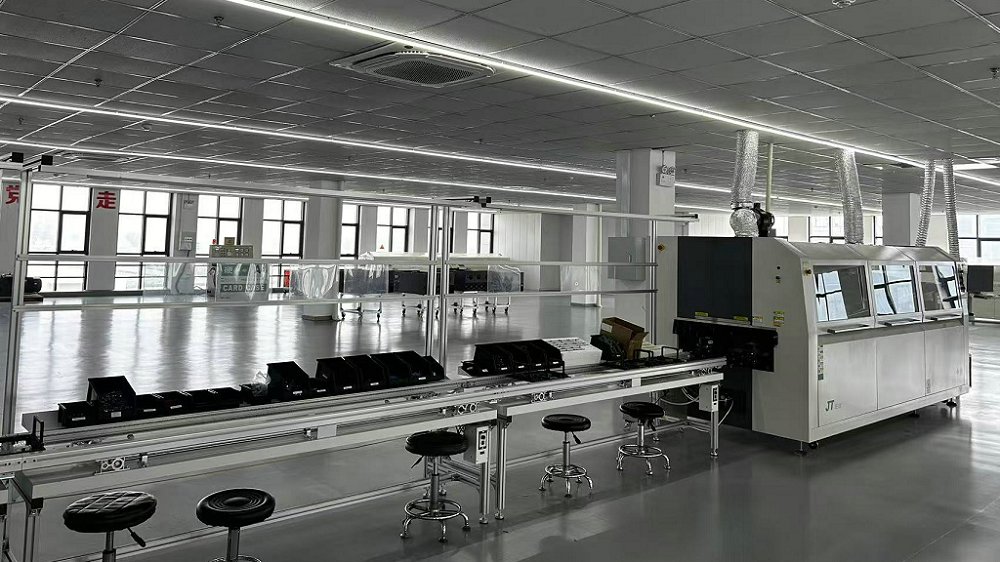
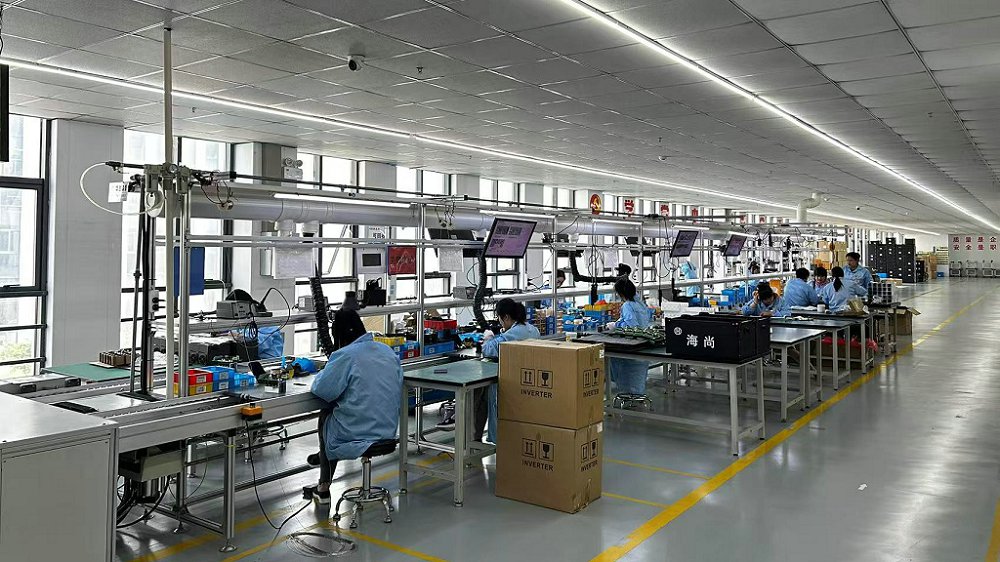
Flexible options designed for diverse project scales, ranging from light commercial applications to heavy three-phase industrial systems.
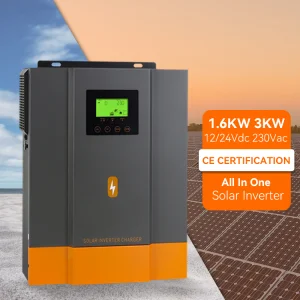
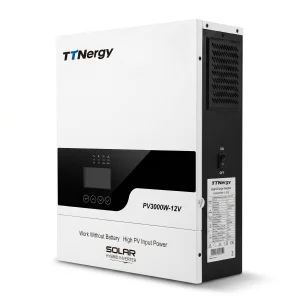
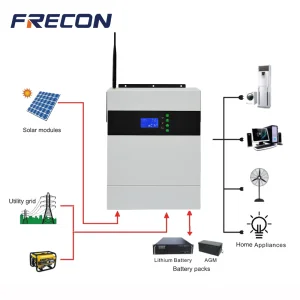
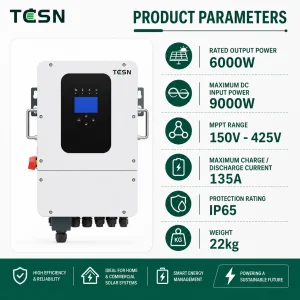
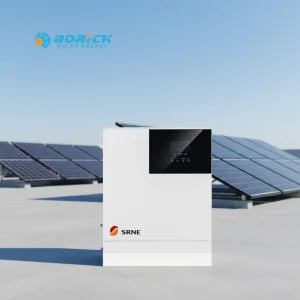
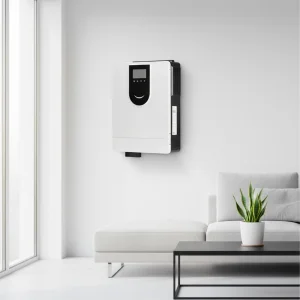
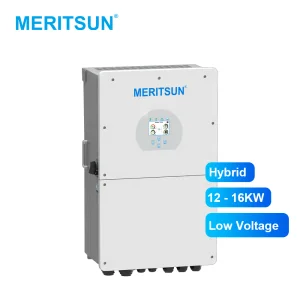
Expert technical insights regarding solar grid integration in the Ontario and Toronto markets.
In Ontario, all electrical equipment must be approved by an accredited certification body recognized by the Electrical Safety Authority (ESA). This typically requires compliance with CSA C22.2 No. 107.1 (General Use Power Supplies) or equivalent certifications like UL 1741. Our products are engineered with safety standards aligned to these global specifications, streamlining the certification process during local inspections.
Our hybrid inverters feature programmable power management modes. By integrating a local energy storage system (BESS), the inverter monitors load levels and dynamically shifts draw from the utility grid to the battery reserves when demand or Time-of-Use (TOU) rates are high. This keeps your grid pull beneath critical pricing thresholds, reducing demand charges.
Yes, all our high-capacity hybrid solar inverters can be configured for zero-export operations. By utilizing external current transformers (CTs) or smart meters, the inverter monitors real-time building demand and limits PV generation or diverts excess energy to battery banks, ensuring no current is fed back into the local distribution grid.
Our systems are compatible with Lithium Iron Phosphate (LiFePO4) battery systems and traditional deep-cycle lead-acid battery chemistries. They feature integrated CAN/RS485 communication ports for direct connection with the Battery Management System (BMS), ensuring accurate state-of-charge tracking and safe operational cycles.
Our hardware features a wide operating temperature range (-25°C to +60°C) and utilizes smart thermal management to protect components. For outdoor installations, we recommend IP65-rated units housed in weatherproof enclosures, while associated lithium battery systems should be located in temperature-controlled environments to maintain optimal charging parameters.
 Jonas Energy