Q1
What type of charger should I choose?
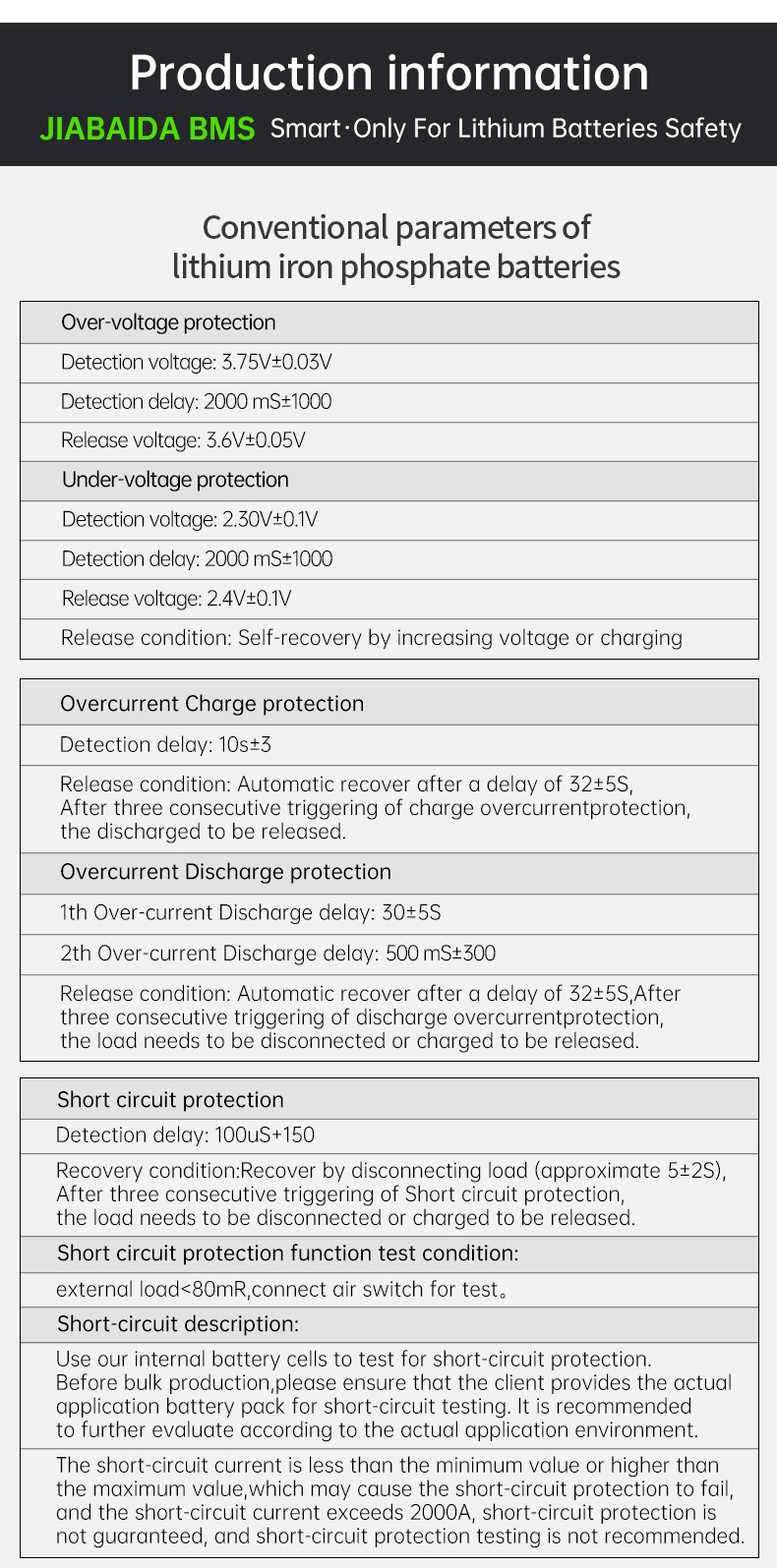
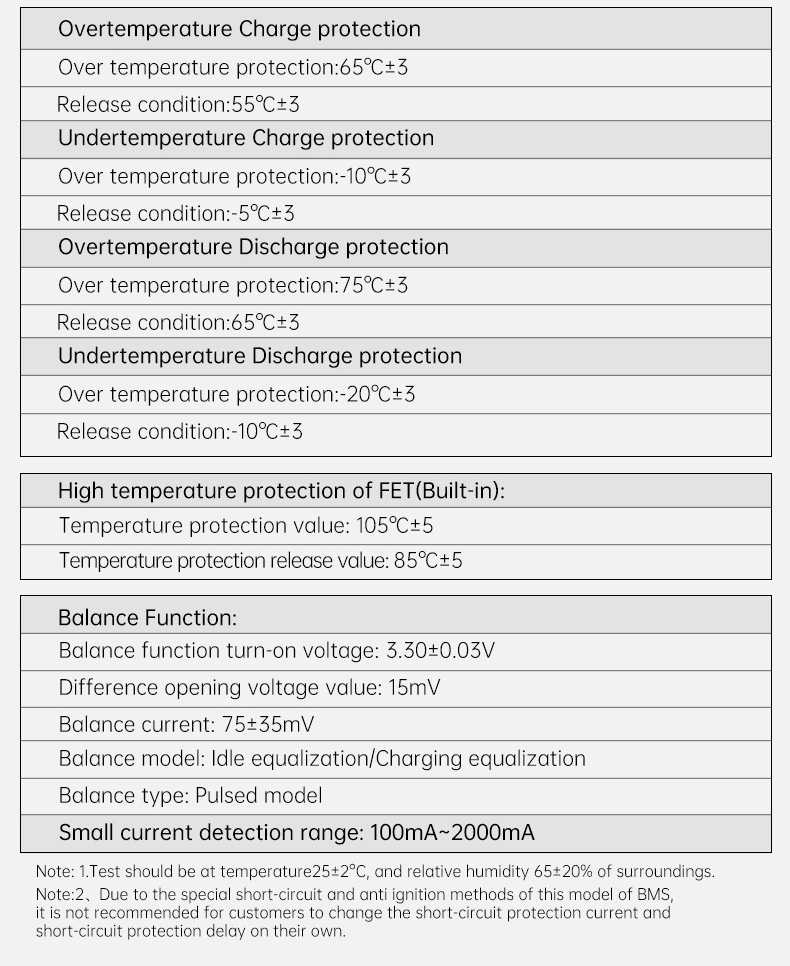
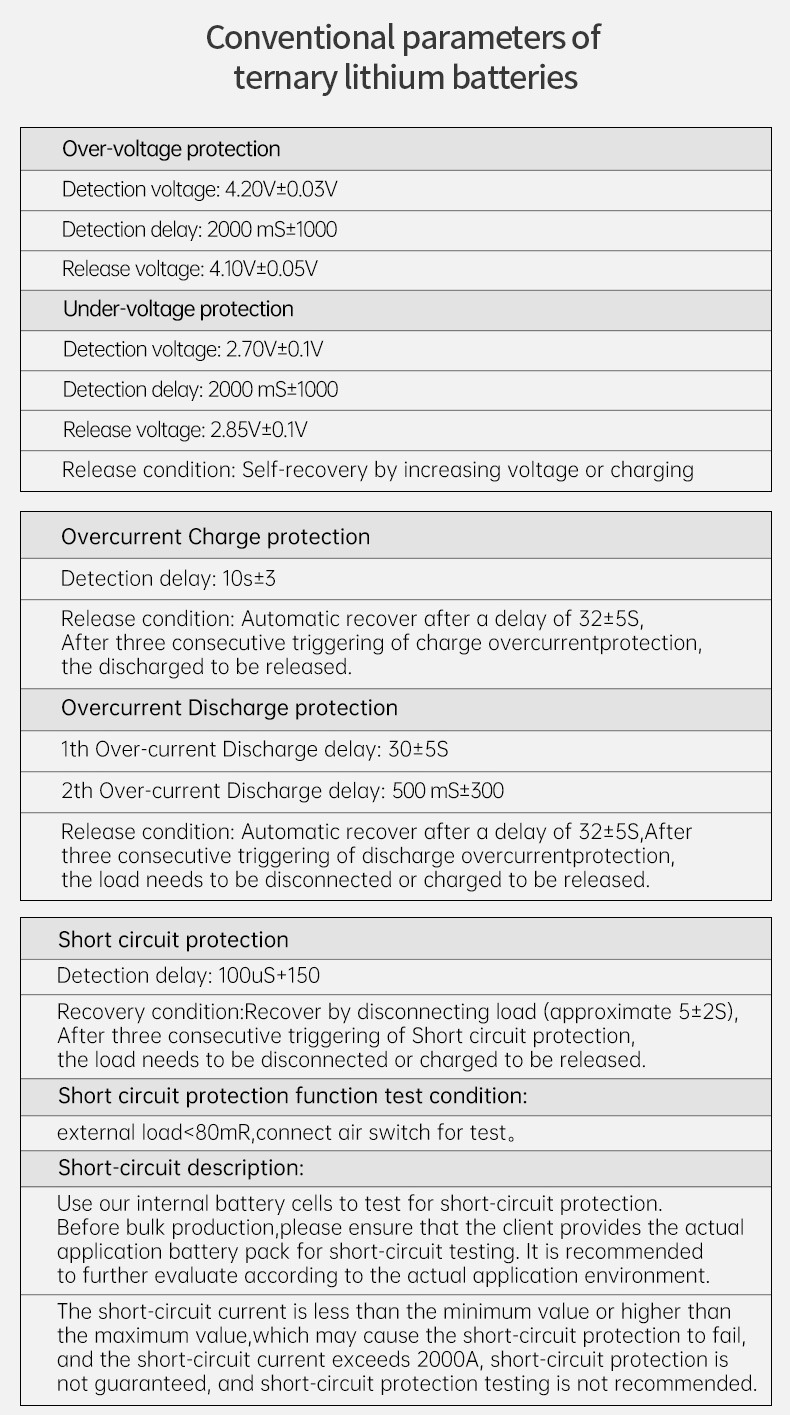
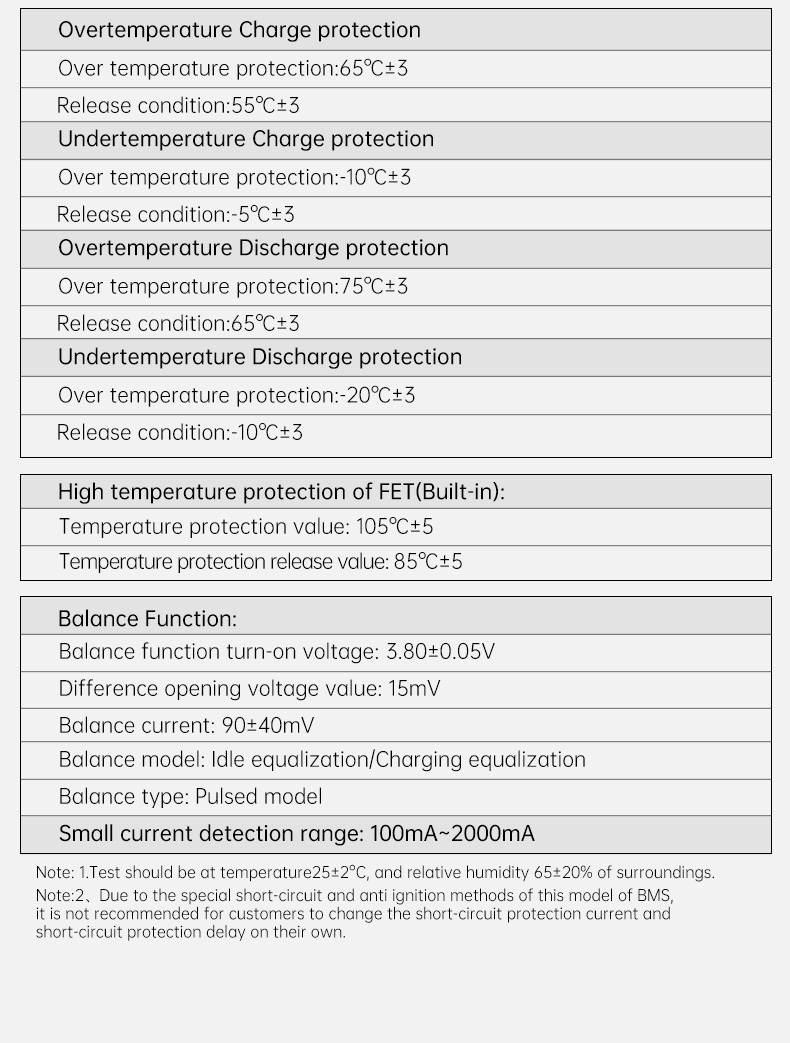
Lithium batteries must use a specific charger. Do not use a charger designed for lead-acid batteries, as they may have MOS with high pressure breakdown protection, which will fail to protect the BMS from overcharging. LiFePO4 battery charger voltage = battery string No. × 3.6V, while Li-ion battery charger voltage = battery string No. × 4.2V.
Q2
What is the relationship between battery capacity and BMS current?
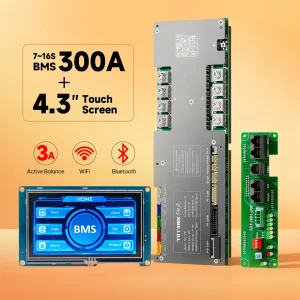
There is no direct relationship between battery capacity and BMS current. A larger capacity does not automatically mean you need a larger BMS. Instead, it relies on the continuous current requirements of your engine/load. If your engine is powerful, you should choose a high current rating for your BMS.
Q3
How do I know if my BMS is damaged?
To judge if the BMS is damaged, please follow these steps: Use a voltmeter to test if each cell voltage is equal. If the cell voltage difference is over 1.0V, the fault (such as running short distances, no power at the start, or short charge time) is almost certainly caused by the battery cells. A damaged BMS typically manifests as no charge or no discharge while the battery still has voltage.
Q4
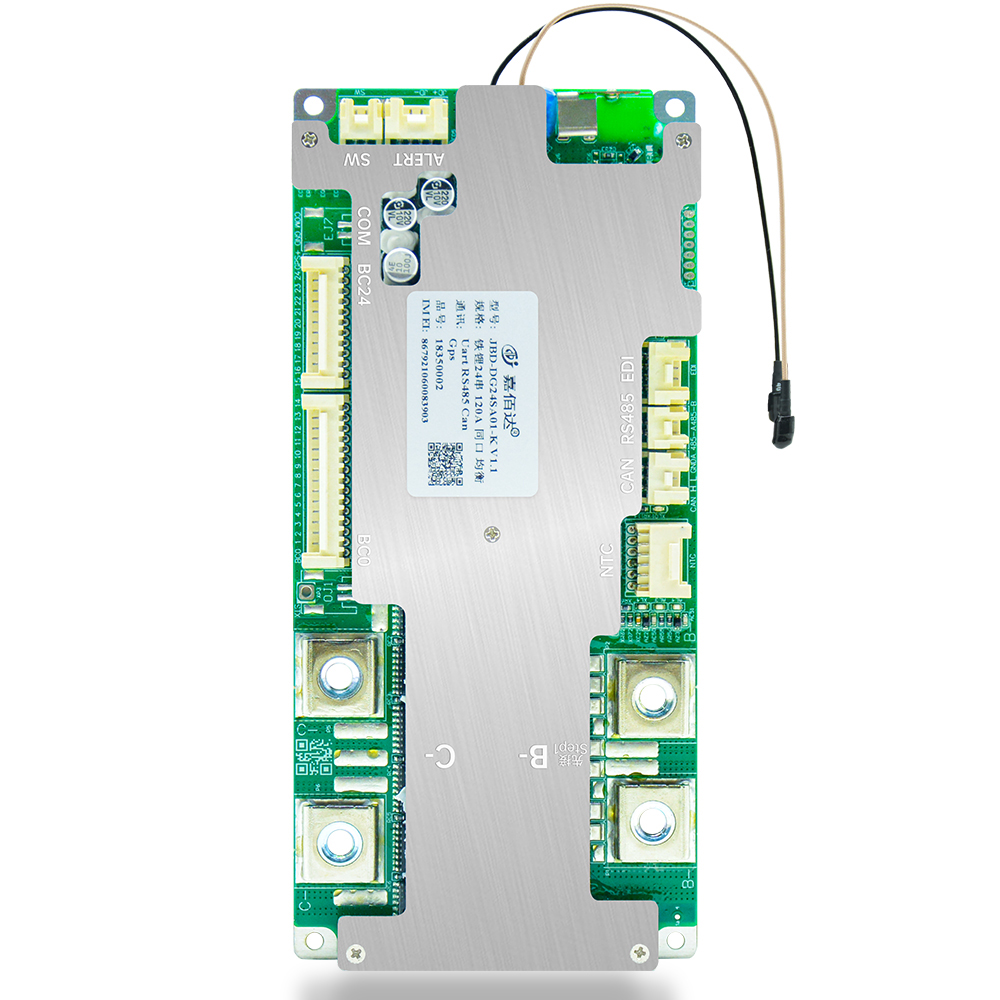
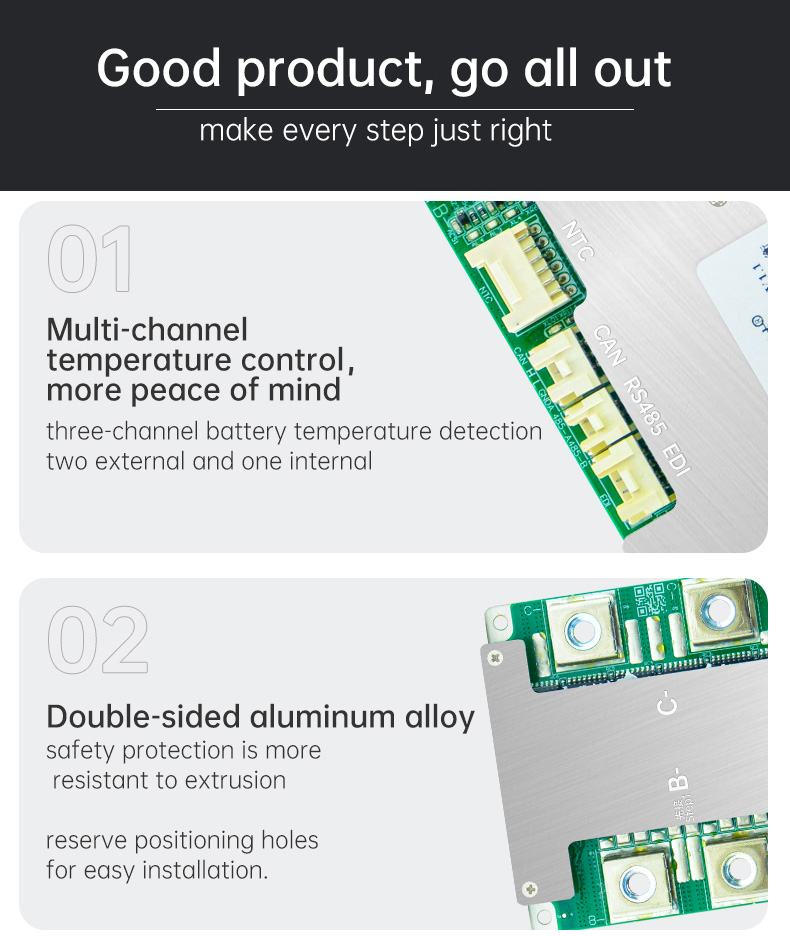
Are the CANbus ports on these BMS units electrically isolated?
Yes, they are electrically isolated. This isolates the power supply from the electrical circuit, creating an independent, ungrounded safety system. This prevents the danger of indirect electrical contact when an exposed conductor fails or becomes electrified.
Q5
What applications are these GPS BMS units designed for?
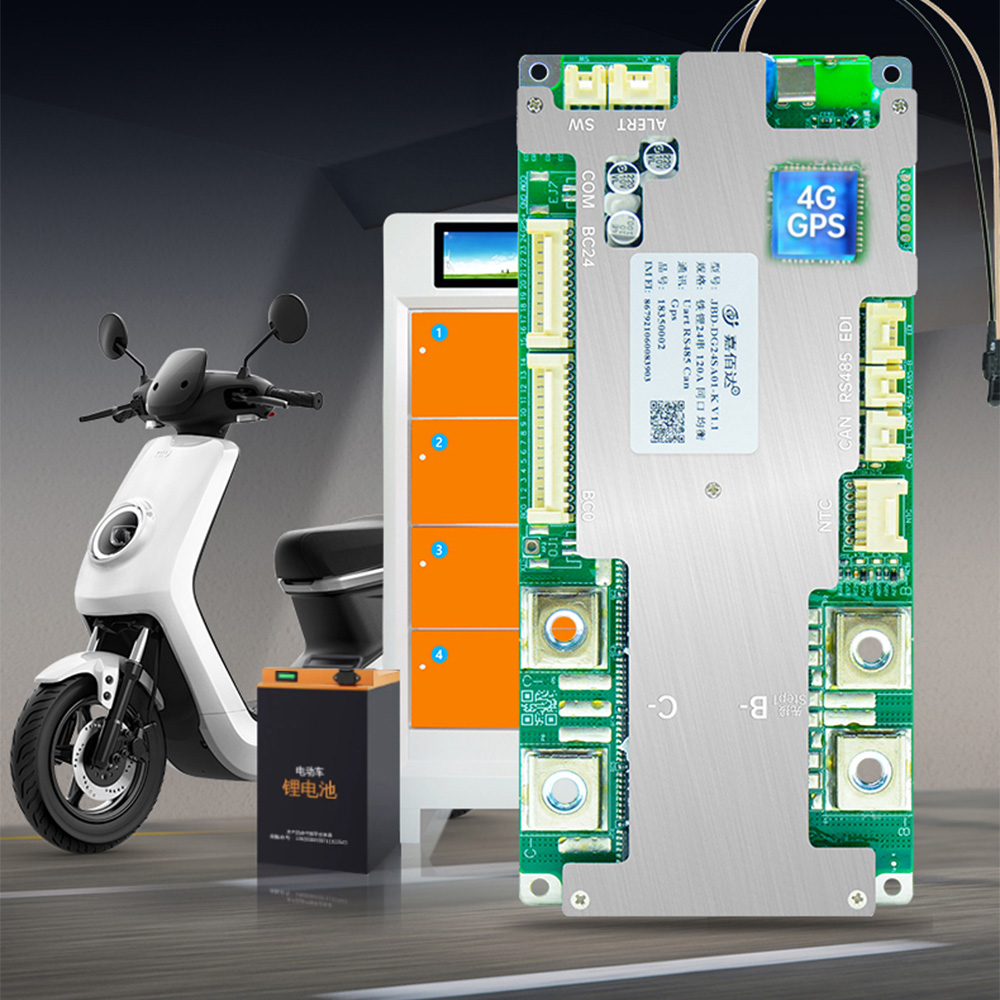
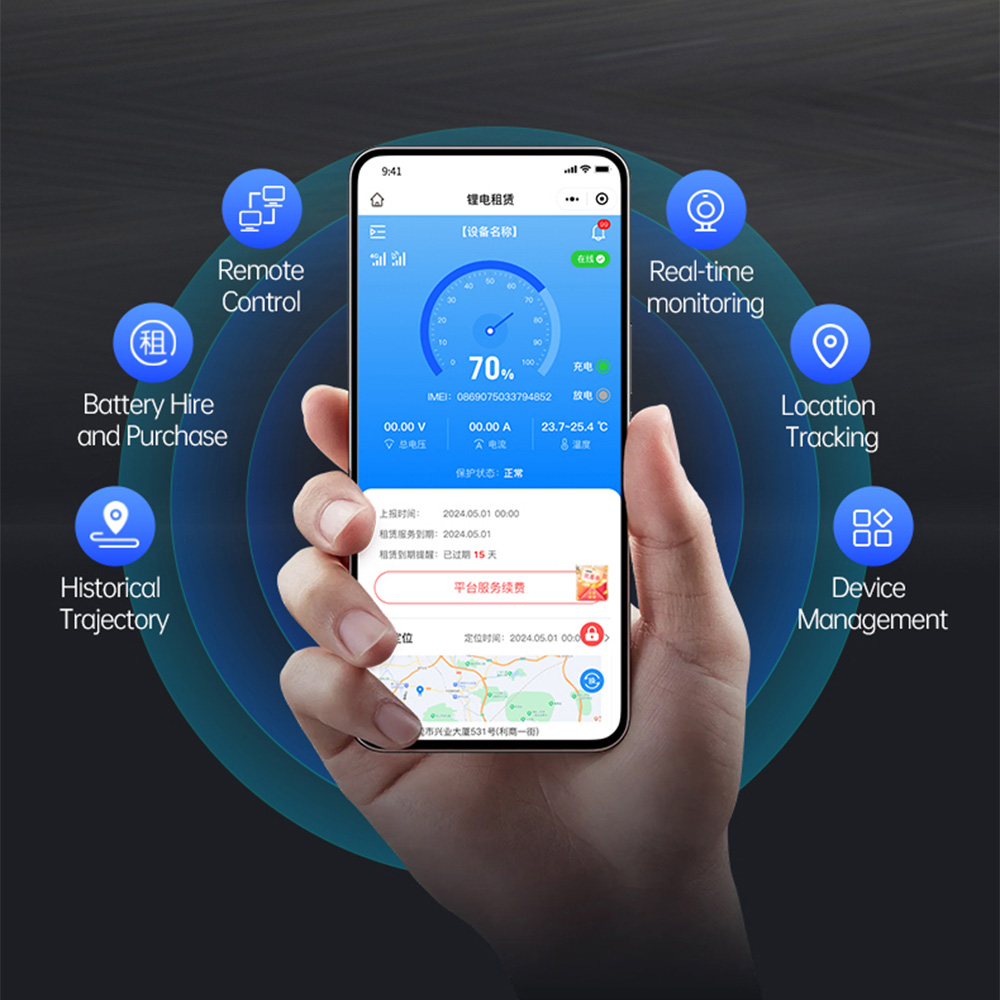
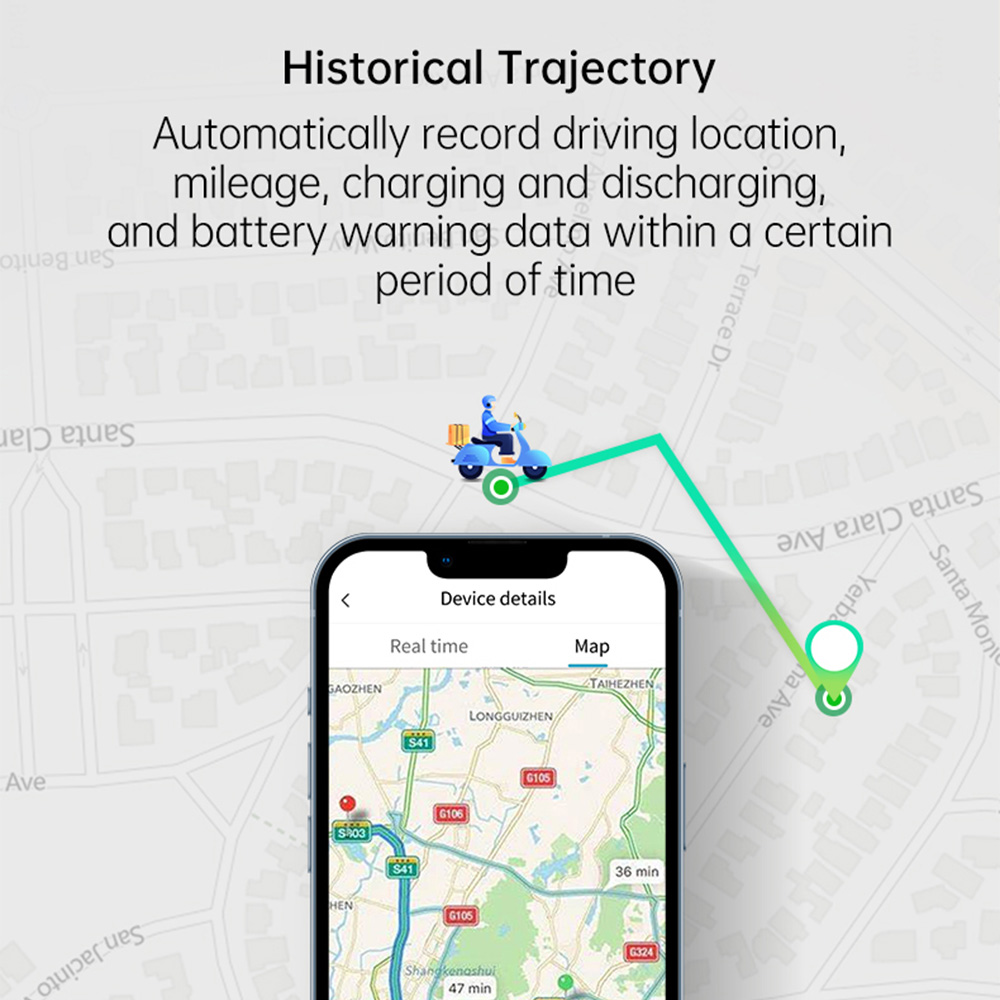
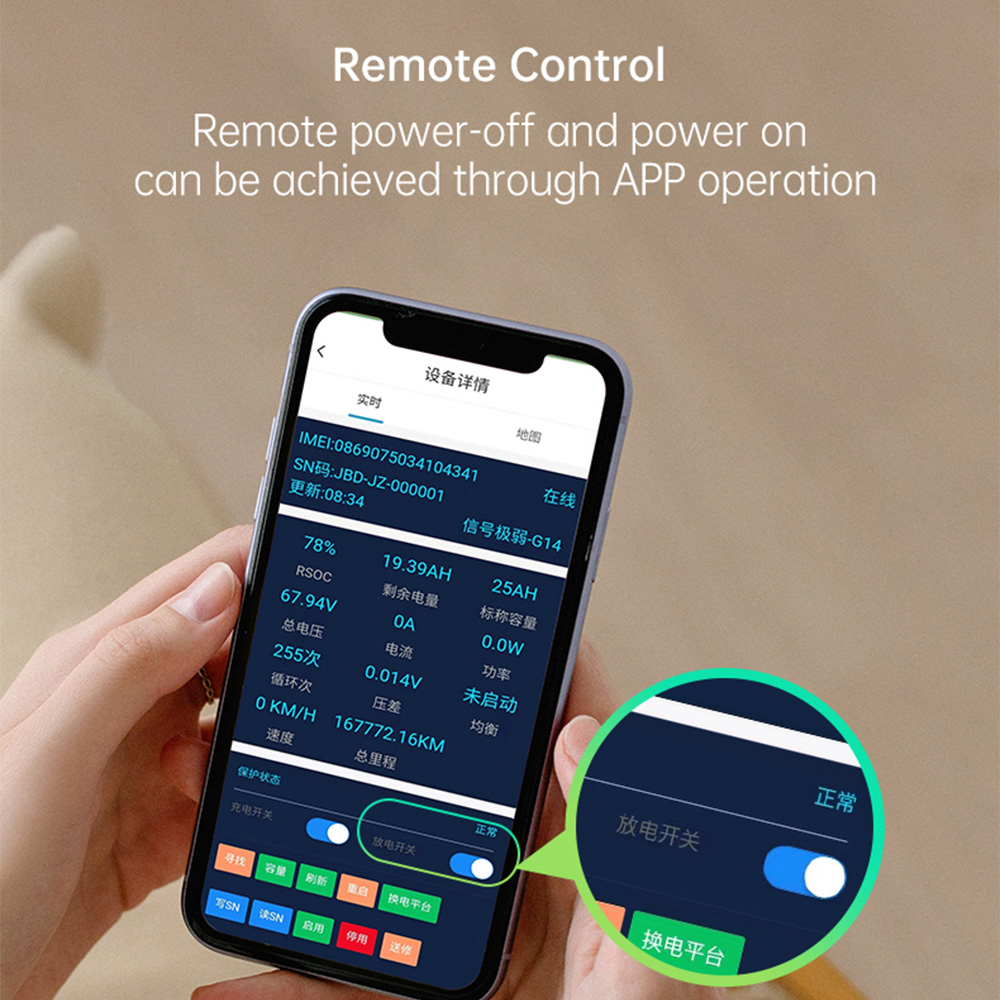
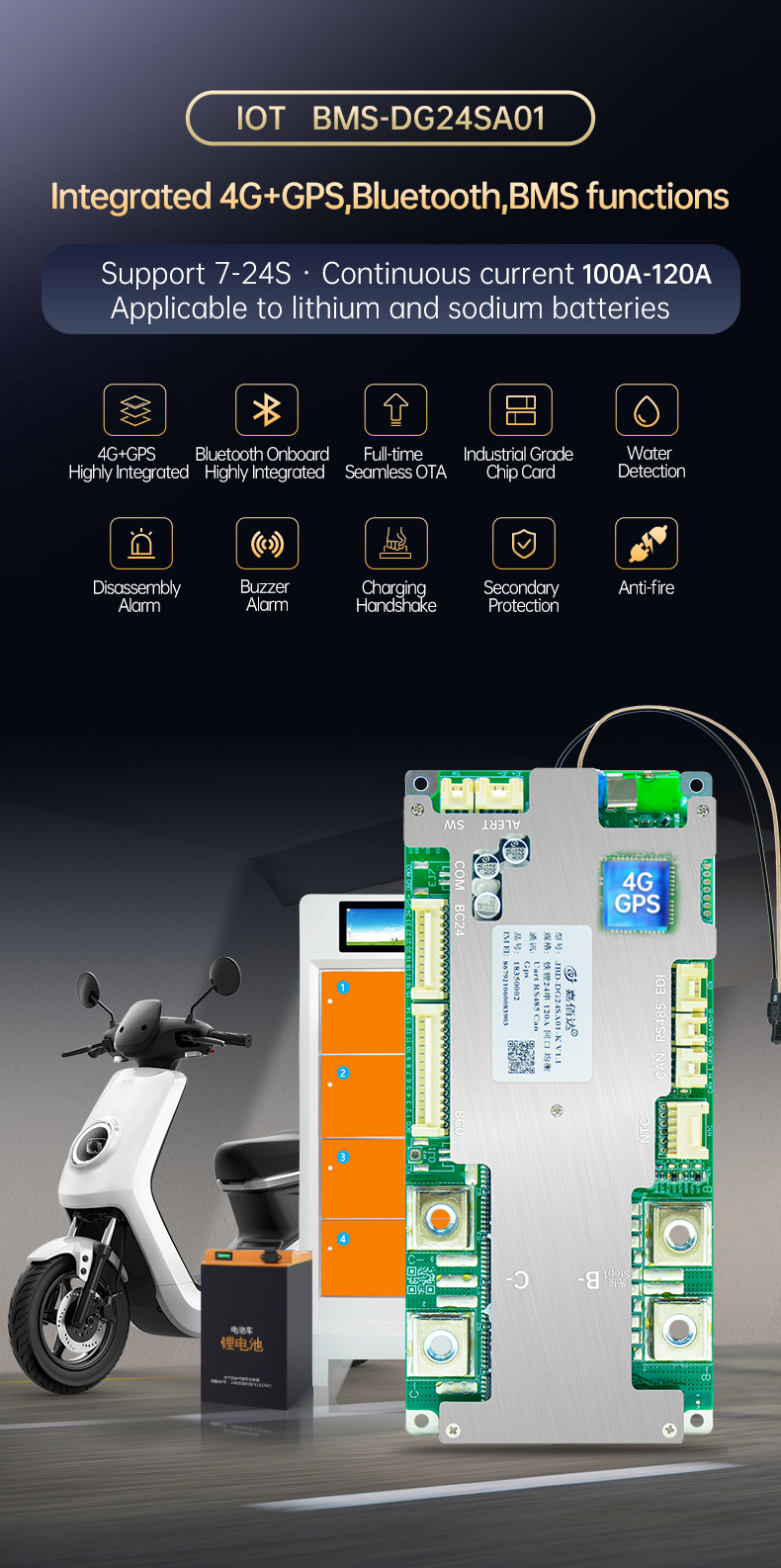
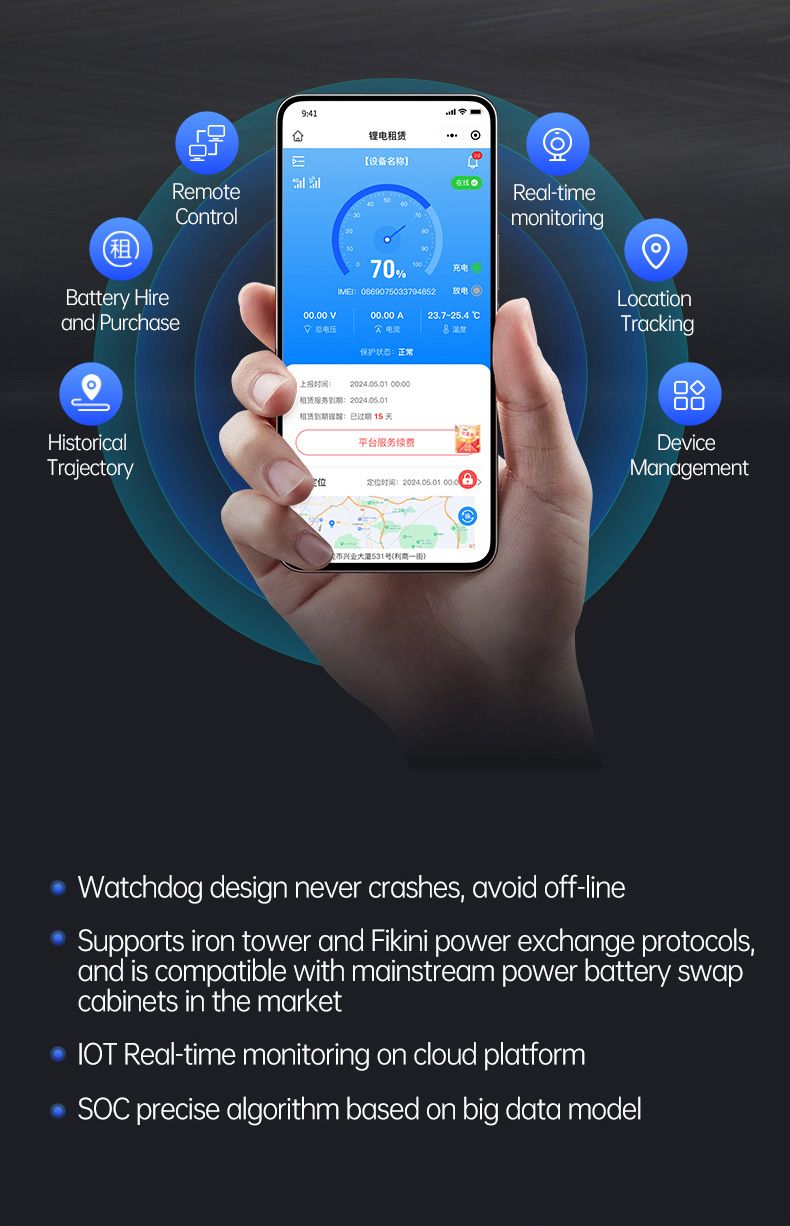
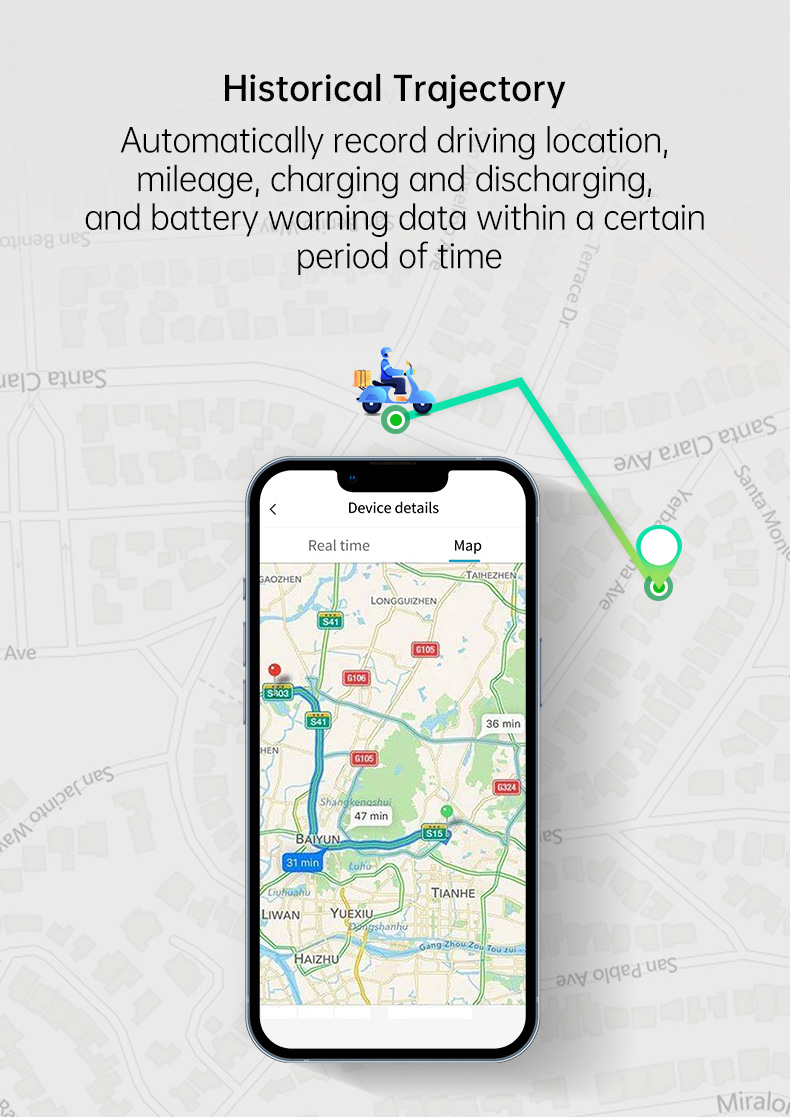
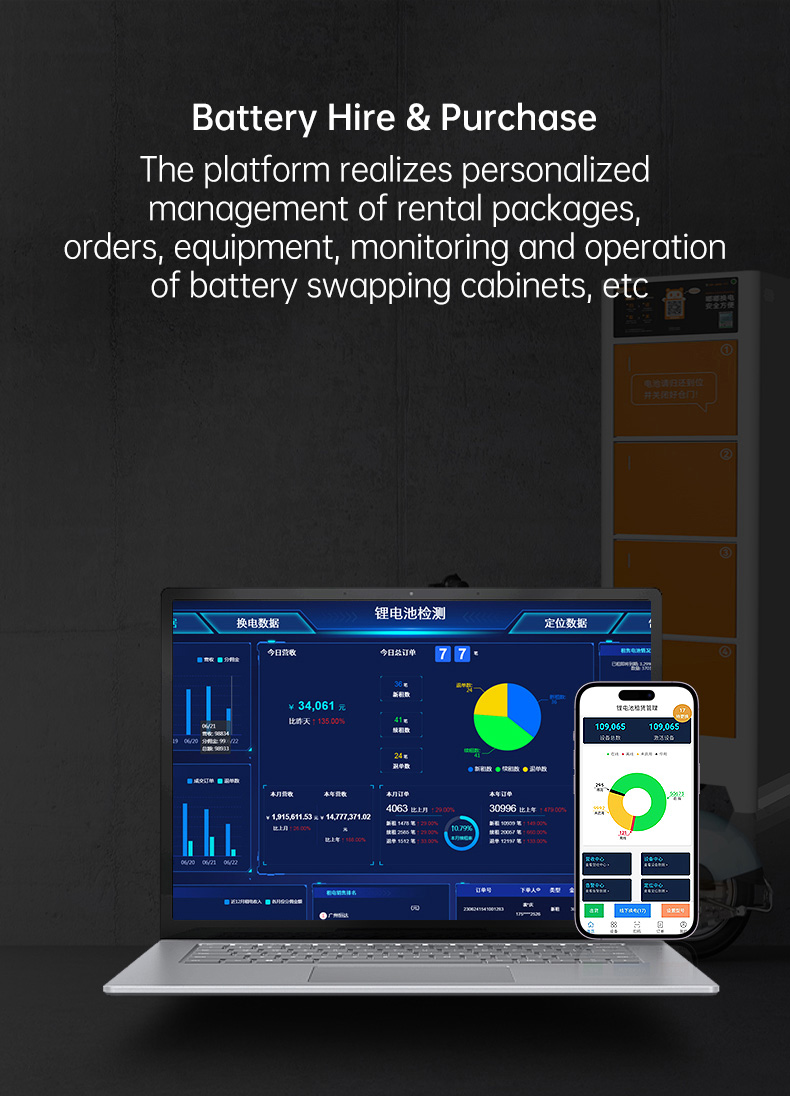
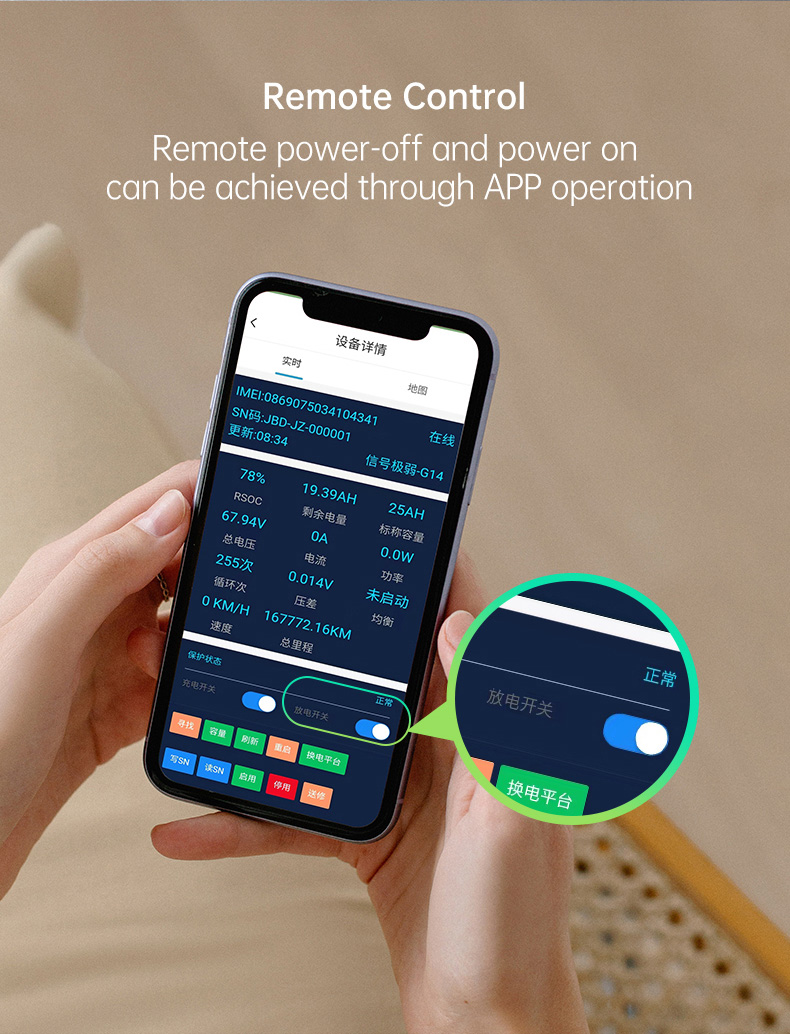
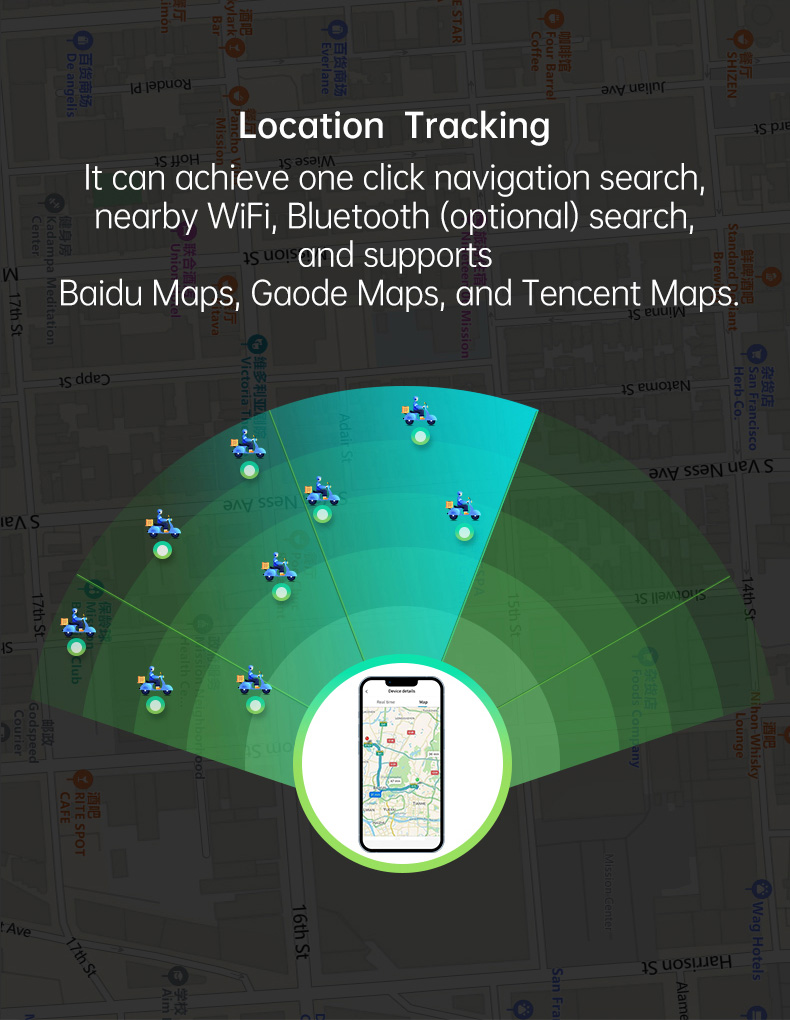
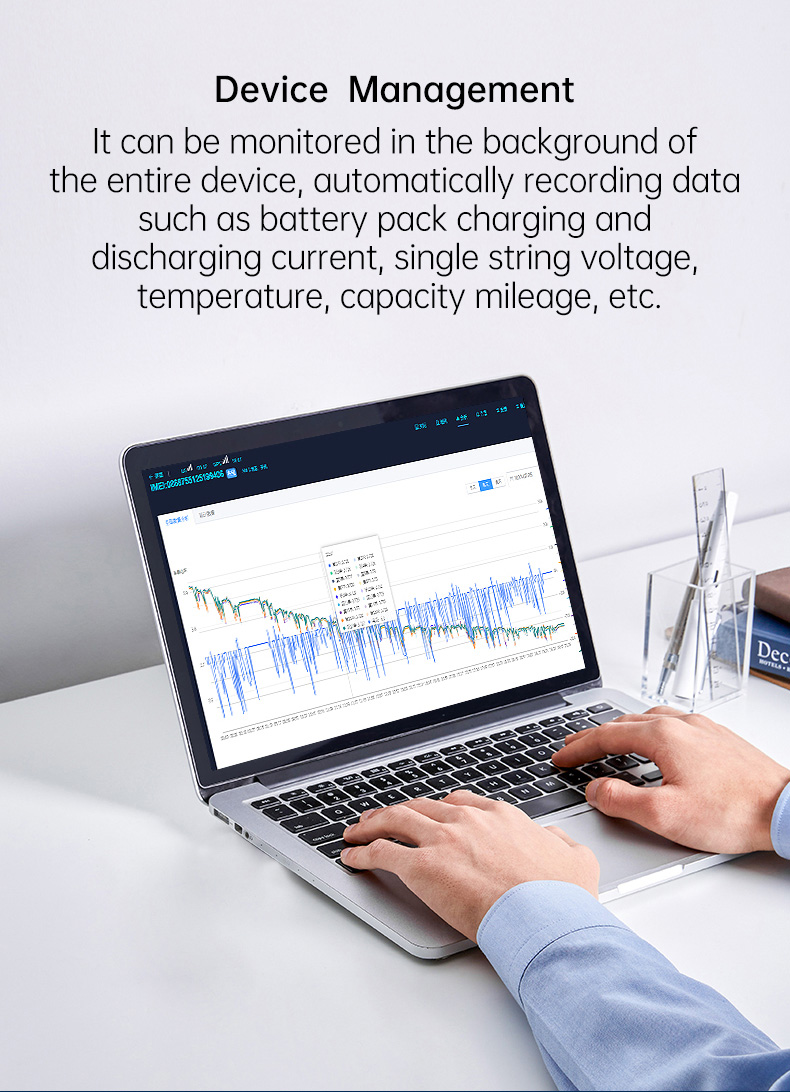
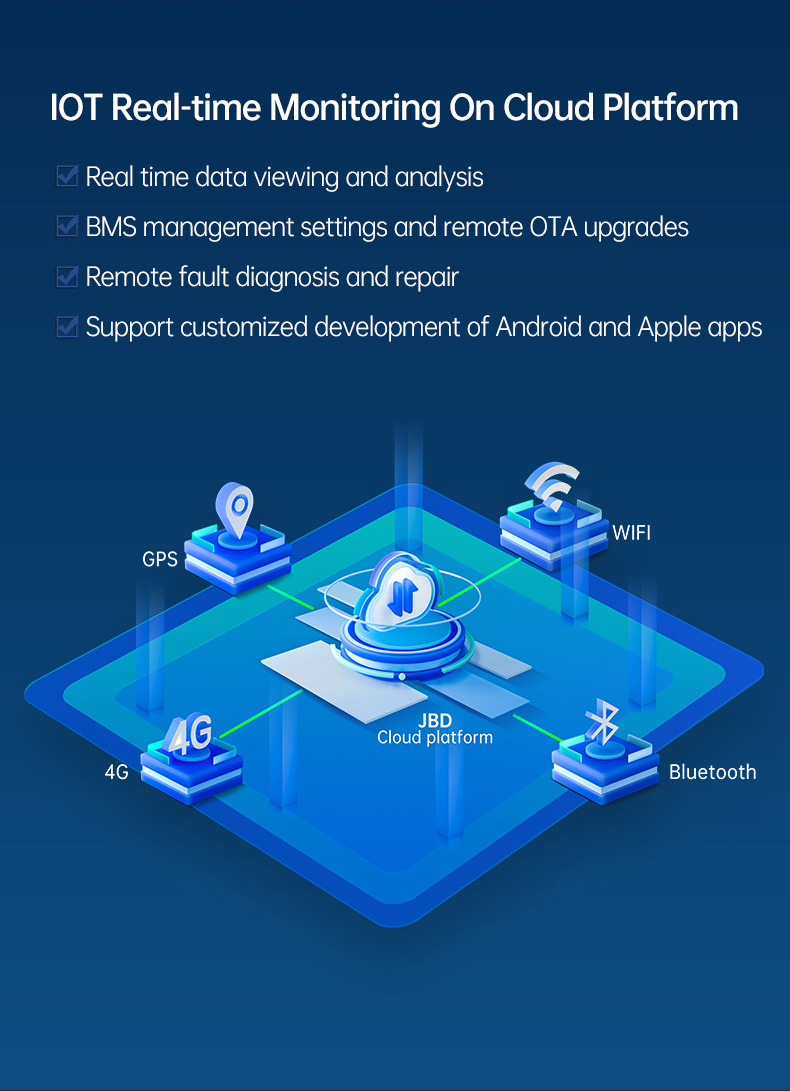
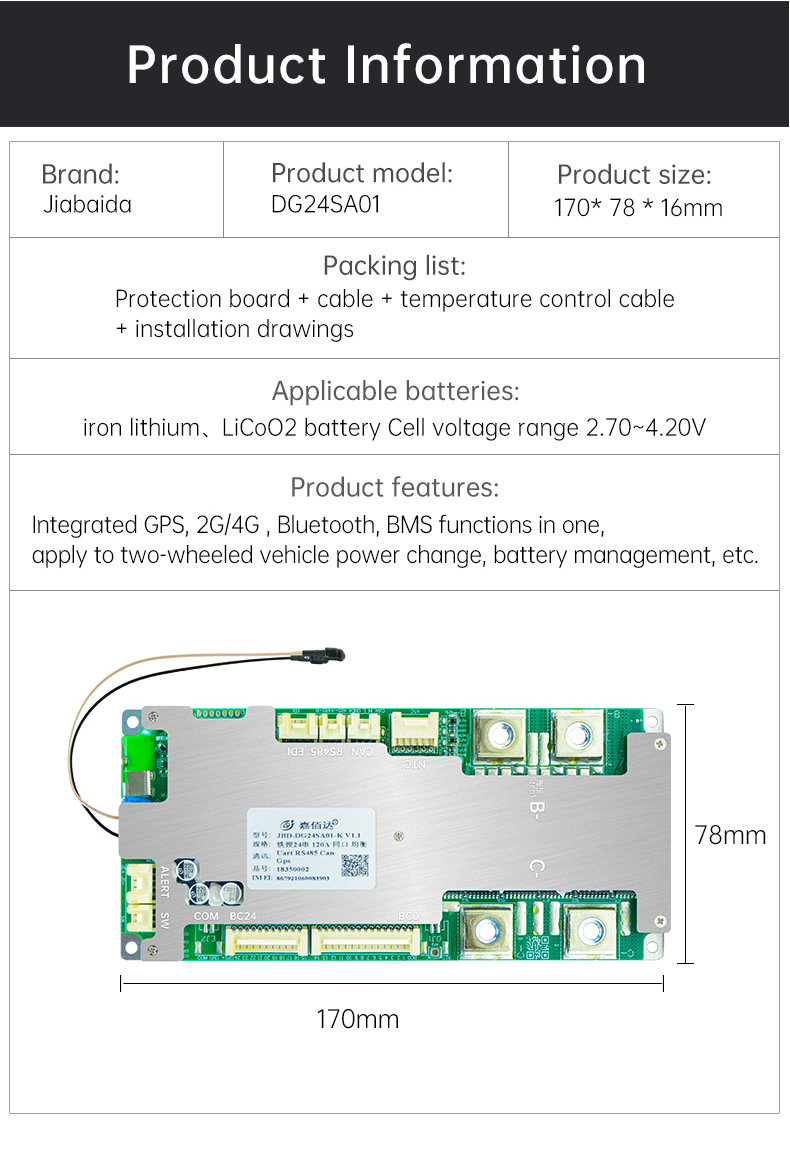
These units are primarily designed for battery swapping systems, smart electric vehicles, fleet management, and other smart energy storage applications requiring real-time tracking and telemetry.
Q6
Which battery chemistries and string configurations are supported?
This BMS supports configurations ranging from 7S to 24S strings, making it compatible with both Li-ion (3.7V) and LiFePO4 (3.2V) chemistry profiles depending on the selected parameters.
 Jonas Energy