Industrial-grade power engineering solutions designed for high stability, utility-scale efficiency, and severe environmental deployment.

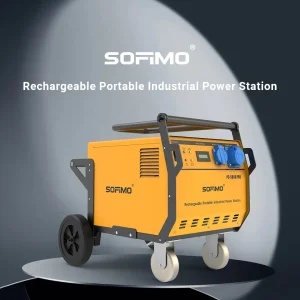
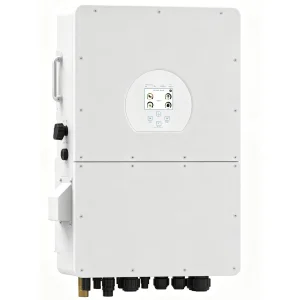
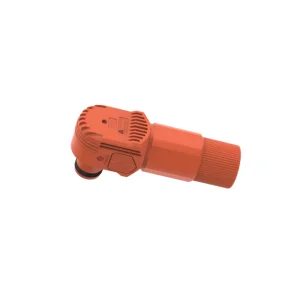
The global portable solar charger market is undergoing a paradigm shift driven by advances in solid-state materials, micro-inverter technologies, and the rising demand for off-grid resilience. What was once a niche market for outdoor enthusiasts has evolved into an essential category for critical enterprise systems, military communications, field operations, and disaster recovery infrastructures.
Key technological advancements are currently defining this market sector:
For procurement officers, EPC engineering firms, and utility managers sourcing portable solar systems and components, reliability is the primary concern. Buying decisions are no longer determined solely by cost per watt. Industrial operations require verification across several critical domains:
Components must comply with IEC 61215, CE, TUV, and UL standards. This ensures that combiner boxes, PV cables, connectors, and control systems operate safely under sustained loads without risking thermal runaway or degradation.
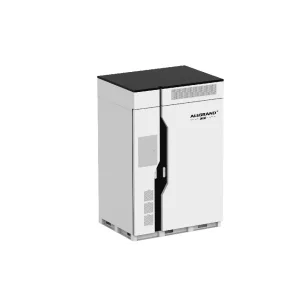
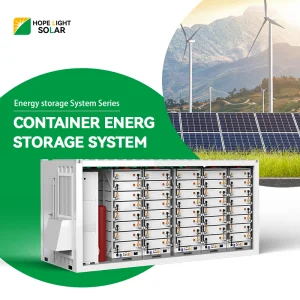
For high-capacity energy storage systems (ESS), liquid-cooled BESS designs are rapidly replacing air-cooled units in environments where ambient heat limits service life. Liquid-cooled systems maintain optimal cell temperatures, extending operational lifespans by up to 30%.
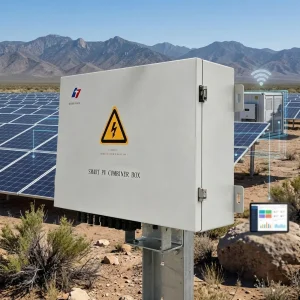
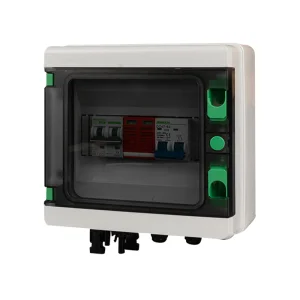
Smart WiFi combiner boxes and integrated smart BMS (Battery Management Systems) are now standard requirements, allowing remote dispatchers to check thermal health, state of charge (SoC), and system output over cellular or local WiFi networks.
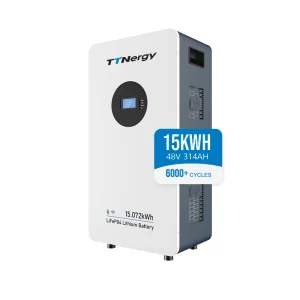
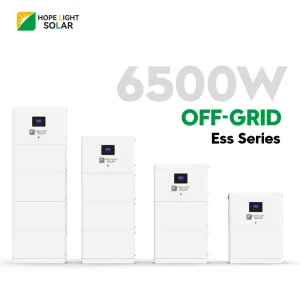
High-voltage battery installations (48V to 400V+) demand advanced LiFePO4 chemistry with robust battery health retention over thousands of deep discharge cycles, reducing the total cost of ownership (TCO) across complex global operations.
Sourcing directly from advanced Chinese factories offers a distinct advantage in supply chain resilience and cost optimization. The Xiamen renewable energy cluster is one of the world's most advanced clean energy hubs, integrating raw materials processing, solar cell manufacturing, precision injection molding, and automated assembly within a localized network.
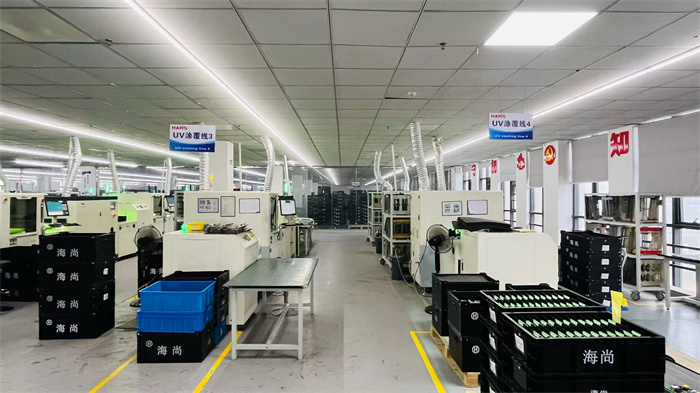
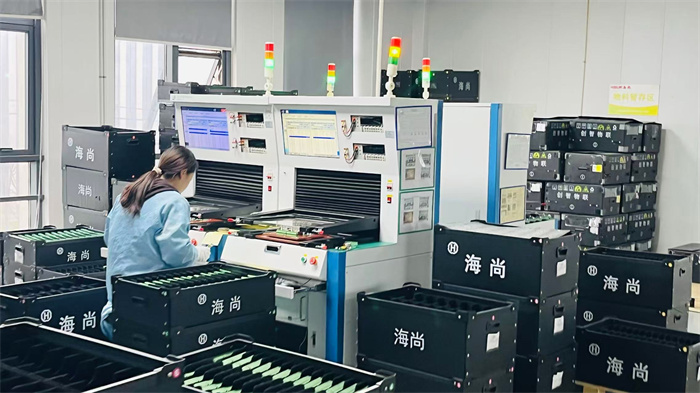
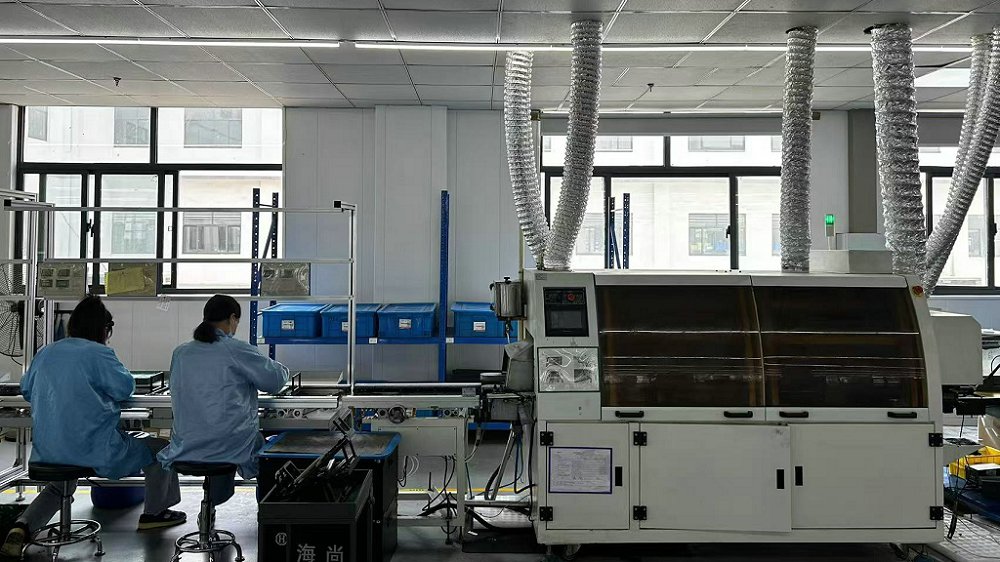
This geographic consolidation minimizes logistical friction, reduces lead times, and allows for extensive custom product adjustments. Utilizing automated manufacturing lines equipped with real-time automated optical inspection (AOI) systems, China-based factories deliver exceptional quality consistency. These automated processes enable fast production scaling to support utility-scale and municipal emergency response orders without compromising standard quality control.
| Technology Segment | Conventional Standards | China Industry 4.0 Advanced Standard (Jonas Energy) | Direct B2B Sourcing Advantage |
|---|---|---|---|
| Cell Protection & Coating | Standard EVA encapsulation | Precision UV Coating + Advanced Anti-Reflective Layering | Increased UV degradation resistance; 25-year structural integrity |
| Thermal Management | Passive convection air-cooling | Active Liquid Cooling Systems (up to 215kWh configurations) | Reduces hot-spots, extends overall battery life cycle by 30% |
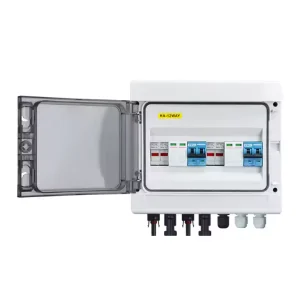
| Combiner Integration | Manual analog fusing | Smart WiFi Cloud-Monitored Overcurrent Protection (IP65) | Enables predictive maintenance via cloud telemetry platforms |
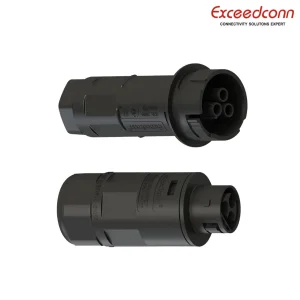
| Connectors & Cabling | Generic PVC solar connectors | Heavy-Duty IP68 Pluggable Screw-Fixing Connectors (32A/3-Pins) | Prevents power leakage and cable failure in extreme environments |
Xiamen Jonas Energy Co., Ltd. is an established provider of renewable energy solutions, headquartered in Xiamen, Fujian Province, China. Since its establishment, the company has focused on the research, development, engineering design, manufacturing, and global distribution of advanced photovoltaic and energy storage systems.
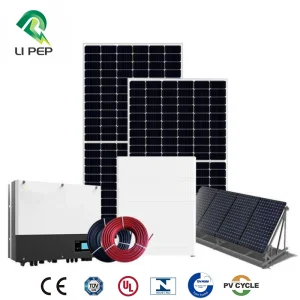
With a strong commitment to technological innovation and global carbon reduction initiatives, Jonas Energy offers a comprehensive portfolio of solar energy solutions. Our range includes high-efficiency solar panels, advanced hybrid inverters, lithium iron phosphate (LiFePO4) energy storage batteries, structural mounting systems, and complete containerized utility energy storage systems. Our products are engineered to support residential, commercial, industrial, and utility-scale projects worldwide.
We work closely with internationally recognized technology partners to provide a wide range of reliable energy storage solutions, including wall-mounted batteries, all-in-one storage systems, rack-mounted batteries, and containerized energy storage systems (ESS). Through continuous design innovation and strategic partnerships, we help customers achieve energy independence, grid resilience, and reliable power backup.
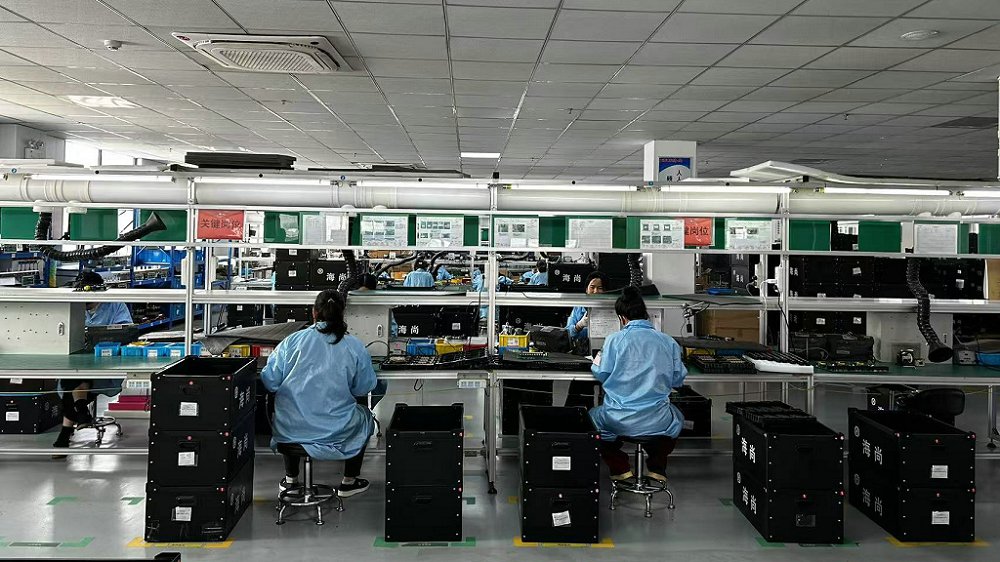
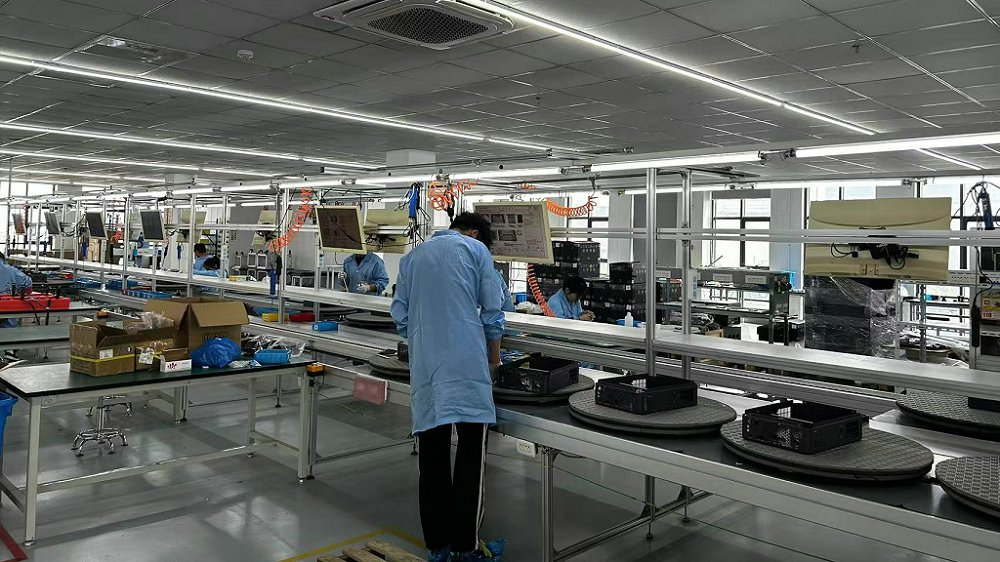
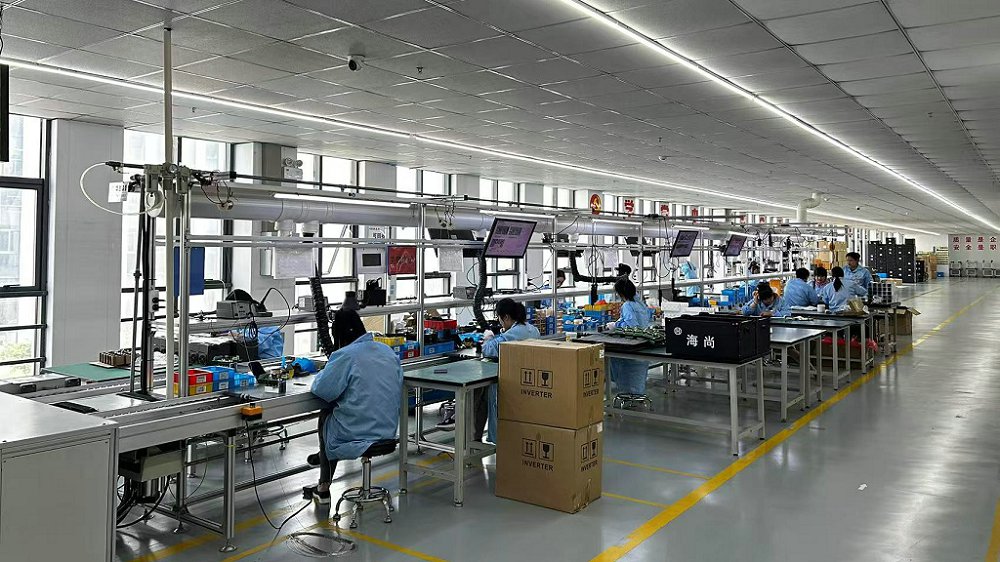
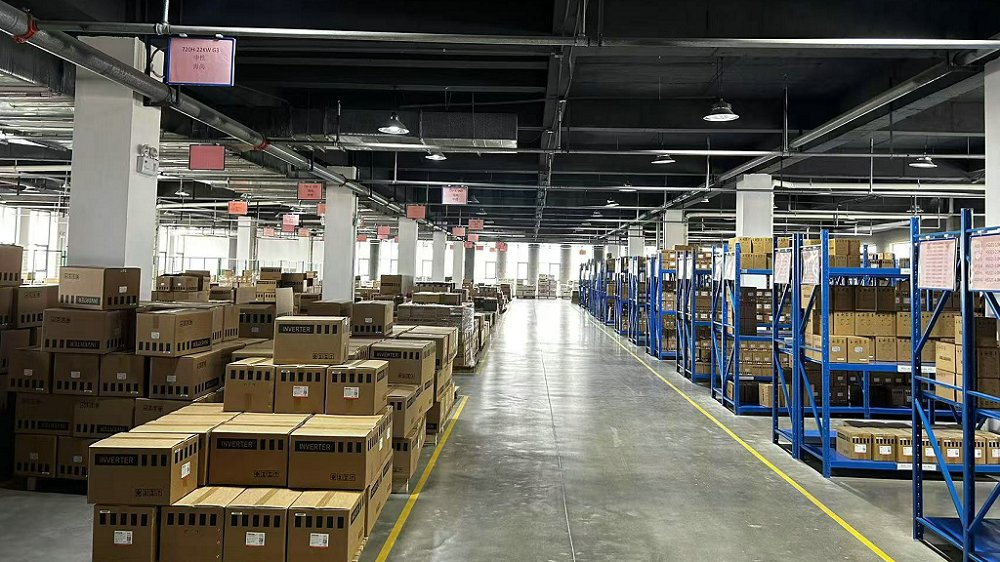
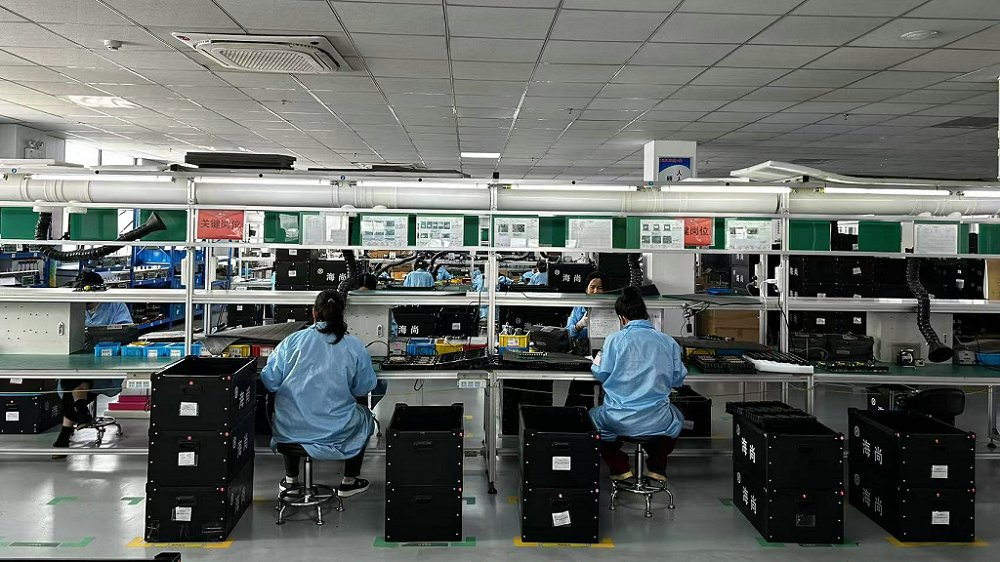
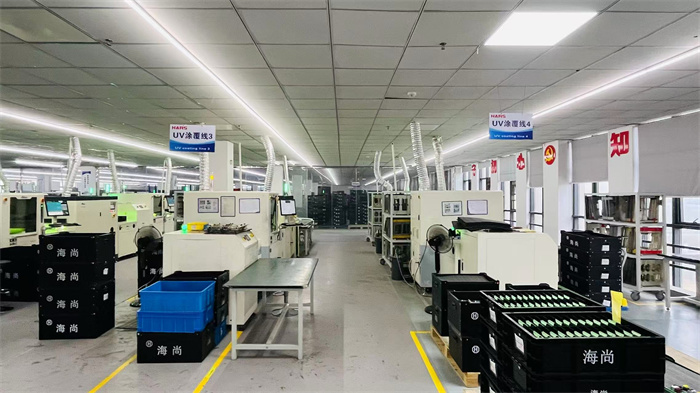
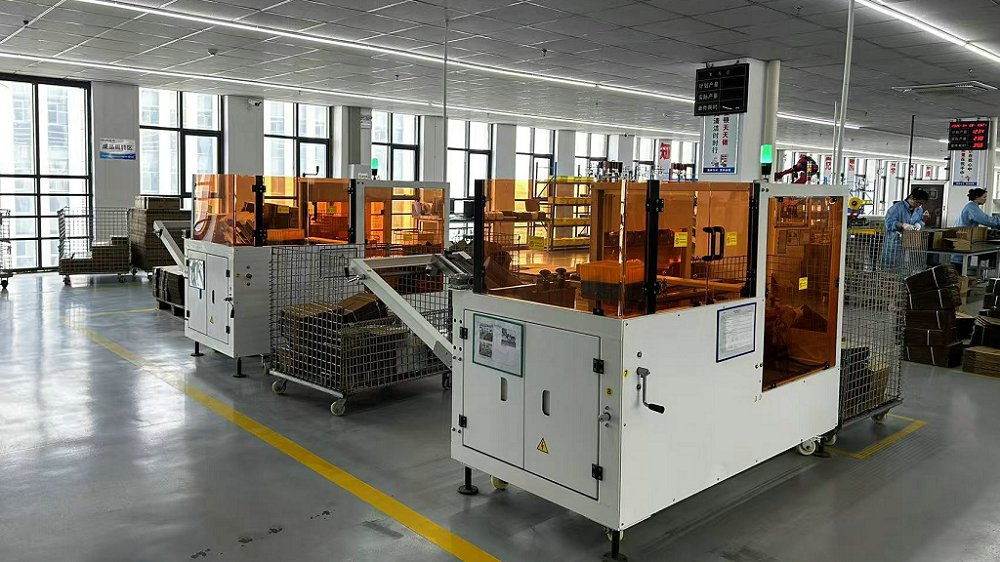
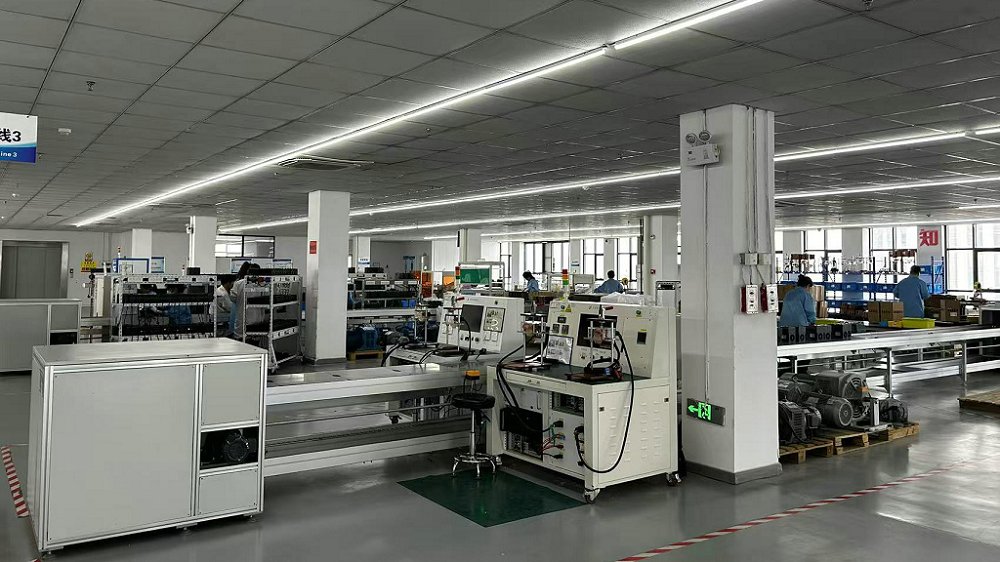
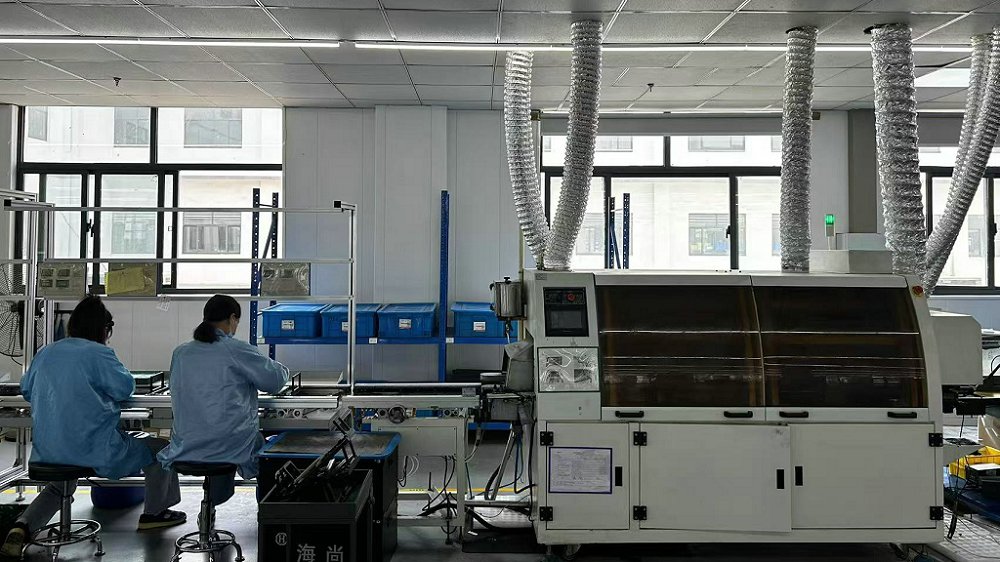
As a high-tech manufacturing enterprise, Jonas Energy operates modern production facilities equipped with advanced production machinery and diagnostic testing systems. Our annual production capacity reaches several gigawatts, enabling us to support volume supply contracts for partners across global markets.
Our experienced R&D team consists of engineers and technical specialists focused on product innovation, electrical performance optimization, and mechanical design improvements in the renewable energy sector. By integrating modern hardware and smart software controls, we ensure that our clean energy systems remain efficient and reliable.
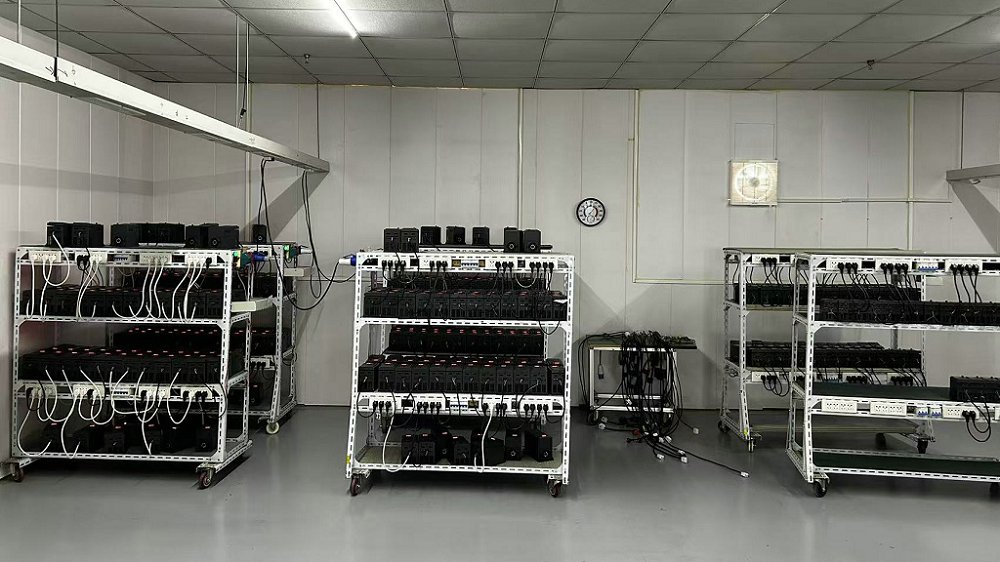
A step-by-step overview of our ISO 9001:2015 certified manufacturing facility, demonstrating the rigorous testing, high-precision assembly, and robust quality control that defines Jonas Energy products.
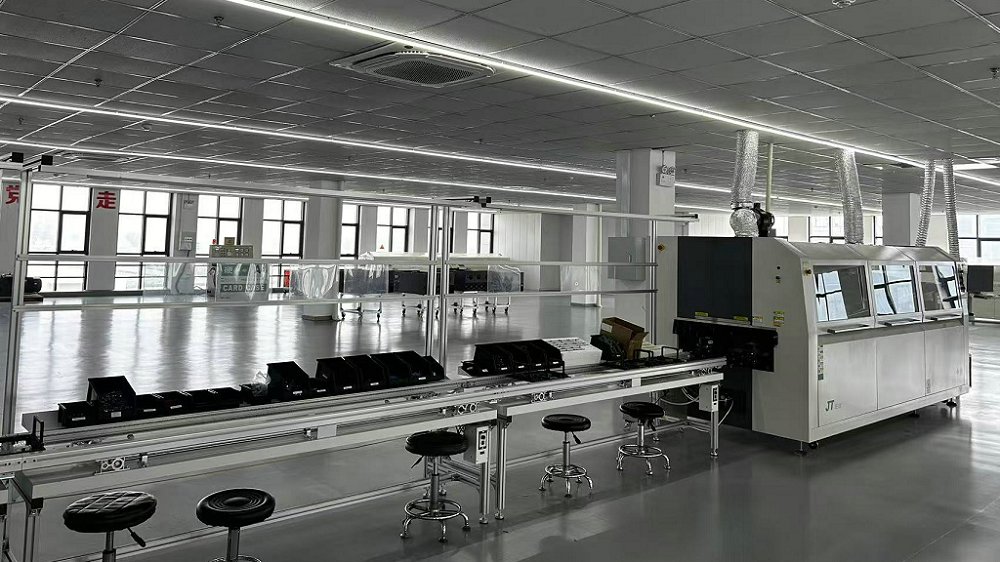
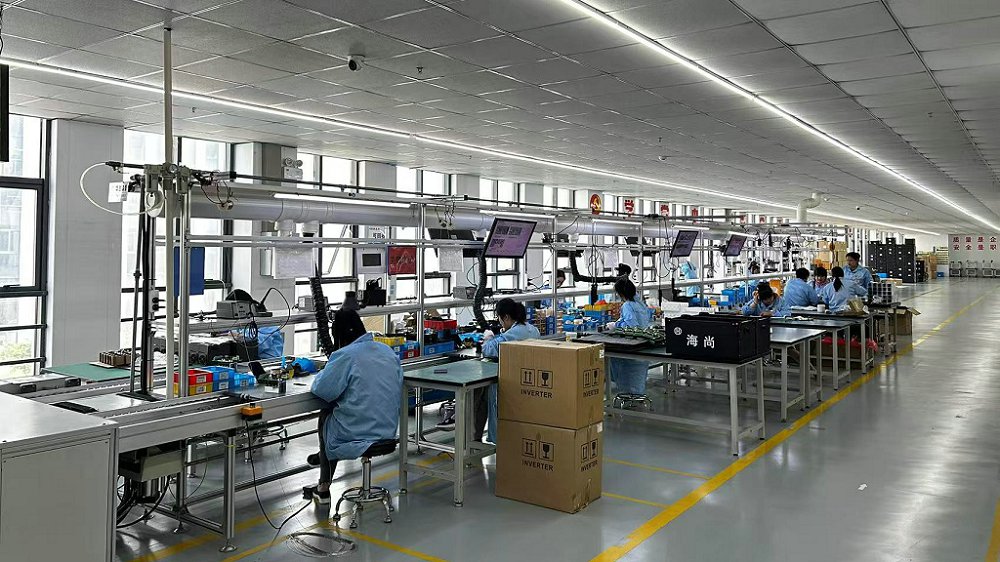
Modern off-grid solar systems serve a variety of commercial and industrial applications worldwide. Our engineered solutions are designed for quick integration, low maintenance, and high durability across several core sectors:
Remote cellular towers, weather stations, and telemetry installations rely on consistent power. Combining smart WiFi combiner boxes with deep-cycle LiFePO4 battery storage ensures uninterrupted uptime in extreme environments without requiring regular on-site maintenance.
For operations facing high peak-use energy tariffs, our larger liquid-cooled containerized battery storage configurations (such as the 215kWh IP55 system) provide demand-charge management. By charging during off-peak hours and discharging during peaks, they optimize utility costs.
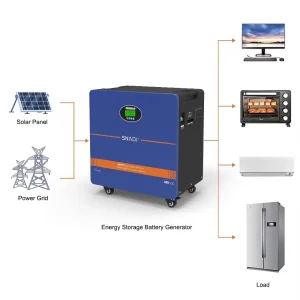
In municipal emergencies or disaster recovery zones, mobile clean power is essential. High-output portable power generators (such as the 300W and 5800PRO series) provide immediate, emission-free power for communication devices, medical equipment, and field command centers.
Expert insights into common engineering and purchasing questions from utility managers, wholesale distributors, and system engineers.
Liquid cooling systems provide superior thermal uniformity across battery cells compared to air-cooled systems. This reduces local hot spots, prevents thermal runaway, and extends the overall cycle life of lithium cells, even when operating under high ambient temperatures and heavy charge-discharge loads.
Smart combiner boxes integrate cloud-connected digital sensors that continuously monitor individual PV string currents, voltage levels, and fuse conditions. This allows engineers to identify module degradation, dirt buildup, or electrical faults remotely, reducing on-site trouble-shooting time.
Building-Integrated Photovoltaics (BIPV) serve as both the building's exterior weather barrier and active solar generation panels. This dual function reduces installation labor costs, saves space, and offers clean structural aesthetics for commercial offices and modern residential developments.
Higher cell packing density paired with advanced battery chemistries (such as high-grade LiFePO4 or premium solid-state configurations) provides more watt-hours per kilogram. This makes portable units lighter and easier to transport, while offering stable power output for field equipment.
Utility-scale grid systems must meet stringent regional codes. In the EU, compliance with IEC 62109 (inverter safety) and IEC 61215 (PV module design validation) is standard. In North America, UL 1741 (for inverters and controllers) and UL 1973 (for battery packs) are typically required.
Every battery storage system and electronic component undergoes a series of continuous high-load burn-in and charge-discharge tests. This thermal aging process screens out early-stage component defects, ensuring only reliable, field-ready units are shipped.
Complete your renewable project with certified system components, power transmission accessories, and flexible off-grid inverter platforms.
 Jonas Energy