Select industrial-grade power controllers, smart battery management modules, and integrated solar microgrid generators built to survive rigorous field operations.
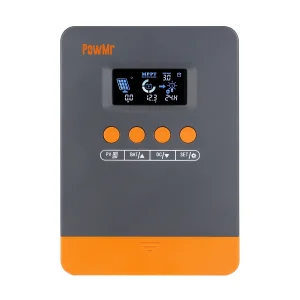

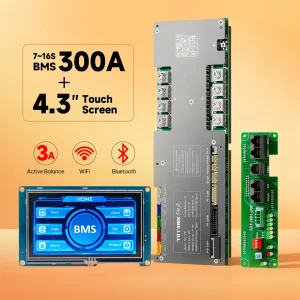
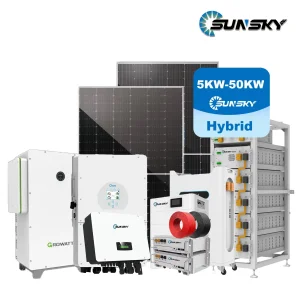
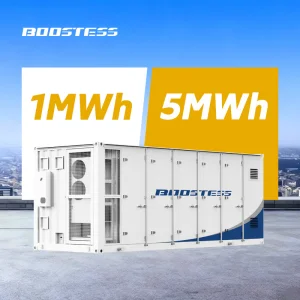
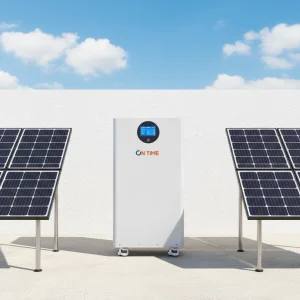
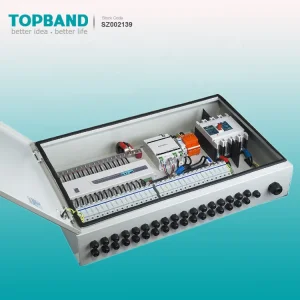
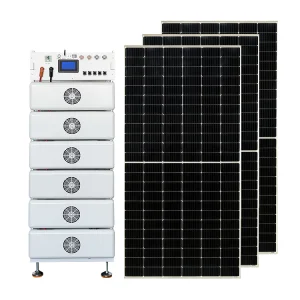
Why large-scale buyers and EPC companies prioritize reliable solar load controllers to mitigate field failures and guarantee long-term operational resilience.
In modern renewable energy infrastructures, the solar load controller acts as the central intelligence hub of off-grid and hybrid energy systems. Commercial and industrial (C&I) procurers face unique hurdles: system downtime can result in massive financial losses, thermal runaway in battery systems presents severe liability risks, and poor conversion efficiency directly increases the levelized cost of energy (LCOE). Consequently, international purchasing managers focus heavily on procurement metrics that look beyond simple component cost.
Reliable sourcing of solar controllers requires rigorous component tracking, verified certification conformity, and comprehensive system testing. Today's procurement criteria demand smart hardware designed for harsh operating environments, seamless integration with various lithium chemistries (specifically LiFePO4), and native support for modern telemetry interfaces like CANbus and RS485. Sourcing directly from top-tier Chinese manufacturers provides global enterprises with structural price advantages while maintaining access to advanced, custom-designed board-level architectures.
End-to-end solar solutions engineered for agricultural, microgrid, commercial, and residential use cases.
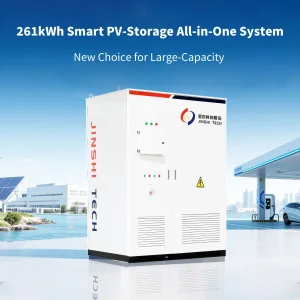
Integrating large solar charge controllers with containerized battery energy storage systems (BESS). These solutions provide reliable backup power for isolated factories, telecom towers, and remote community grids.
Connecting specialized, distributed solar roof tiles and high-efficiency building-integrated photovoltaics (BIPV) into localized charging buses, converting building facades into active solar generators.
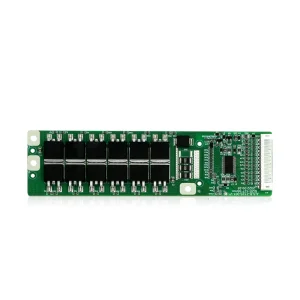
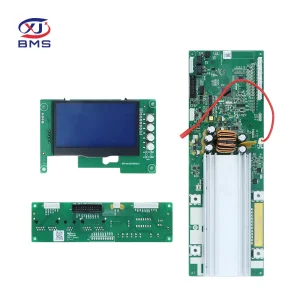
Tailor-made system controls, PCB redesign, custom firmware parameters, and integrated smart BMS communication protocols tailored for lithium iron phosphate (LiFePO4) battery packs.
The solar load controller market is undergoing a significant transition from legacy Pulse Width Modulation (PWM) topographies to fast-tracking Maximum Power Point Tracking (MPPT) architectures. Unlike traditional regulators, modern MPPT controllers constantly recalculate the optimal voltage-to-current ratio of solar arrays. This continuous adjustments yields up to 30% more energy extraction during partial shading and overcast days.
Looking ahead, future systems will incorporate Gallium Nitride (GaN) and Silicon Carbide (SiC) semiconductors. These advanced materials drastically lower thermal emissions, reduce footprint sizes, and achieve conversion efficiencies exceeding 99%. Additionally, edge-computing microcontrollers are introducing adaptive AI battery management capabilities. By predicting battery degradation curves in real time, these smart controllers can actively adjust load profiles to maximize battery service life.
A premier global provider of renewable energy solutions and energy storage equipment.
Xiamen Jonas Energy Co., Ltd. is a professional provider of renewable energy solutions, headquartered in Xiamen, Fujian Province, China. Since its establishment, the company has been dedicated to the research, development, manufacturing, and global distribution of advanced photovoltaic and energy storage products.
With a strong commitment to innovation and sustainability, Jonas Energy offers a comprehensive portfolio of solar energy solutions, including solar panels, inverters, energy storage batteries, mounting systems, and complete solar power generation systems. Our products are designed to meet the diverse needs of residential, commercial, industrial, and utility-scale projects worldwide.
We work closely with internationally recognized manufacturers and technology partners to provide a wide range of reliable energy storage solutions, including wall-mounted batteries, all-in-one storage systems, rack-mounted batteries, and containerized energy storage systems (ESS). Through continuous innovation and strategic partnerships, we help customers achieve greater energy independence and efficiency.
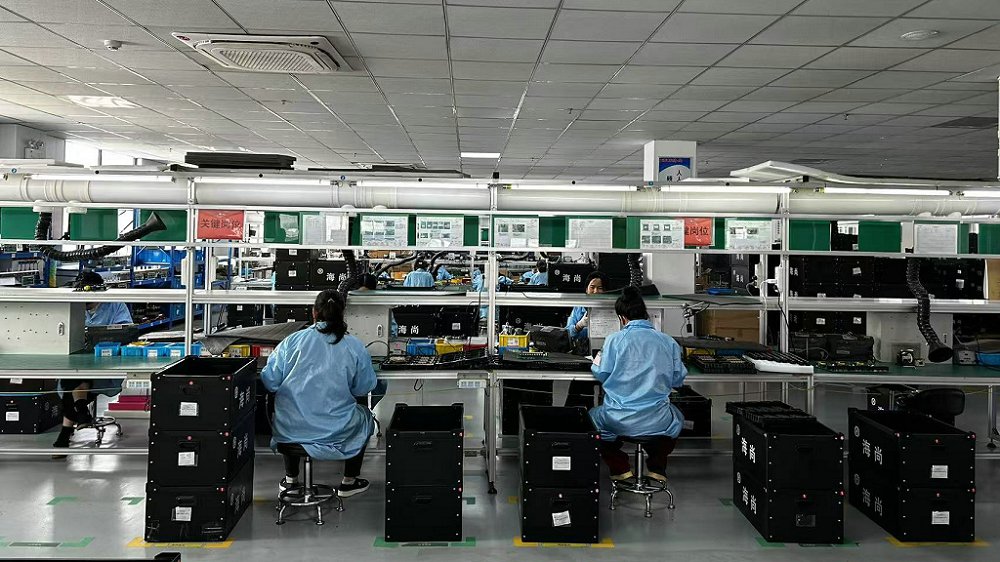
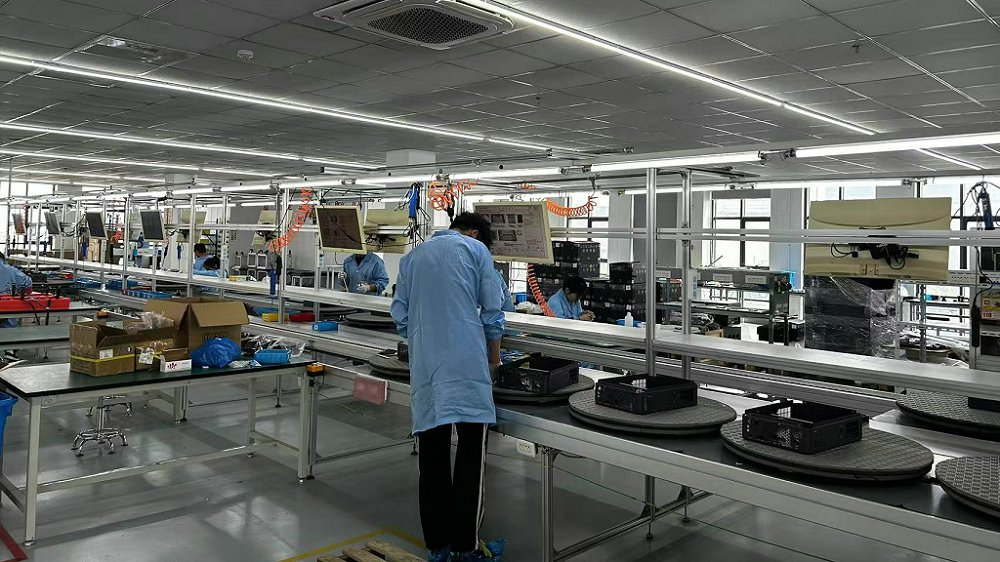
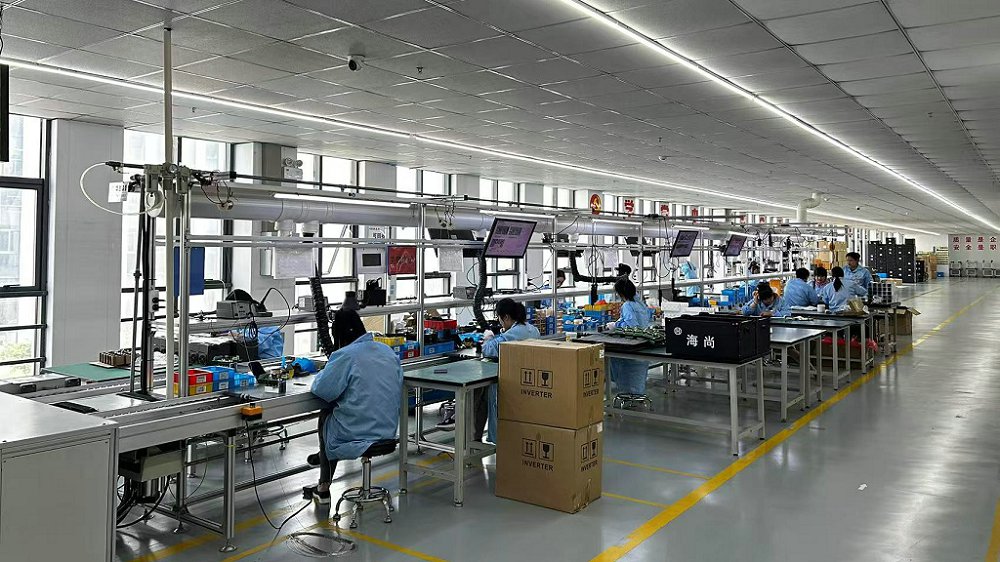
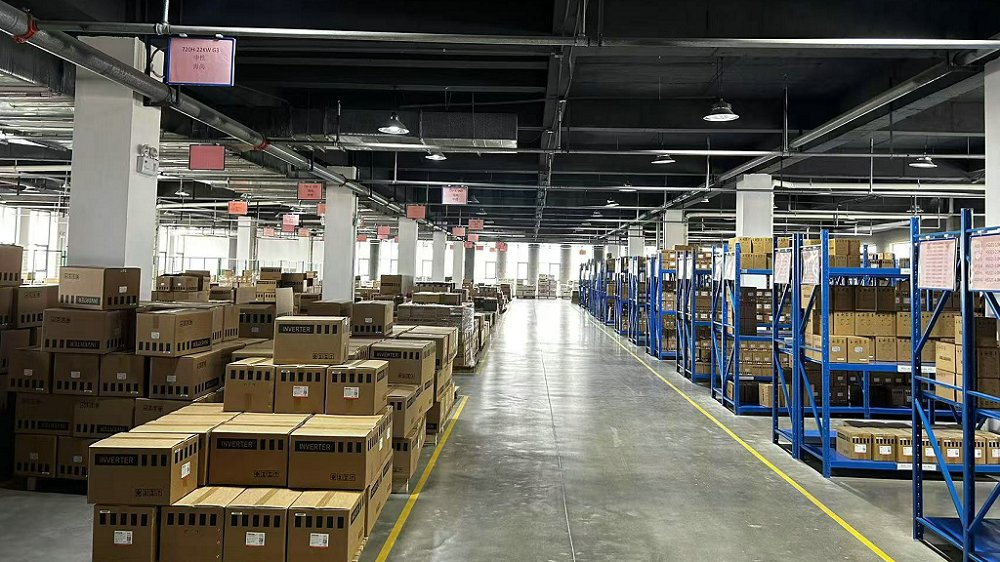
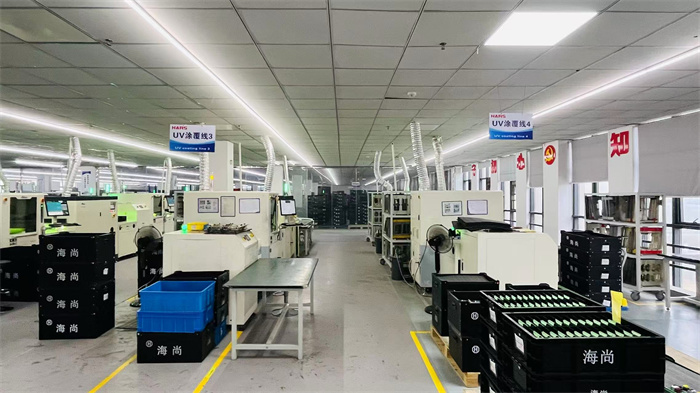
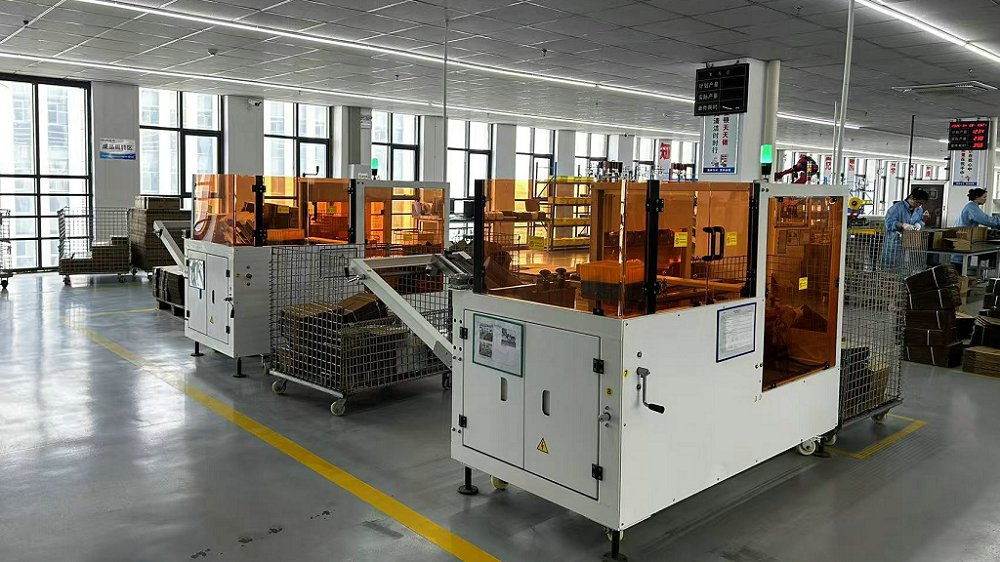
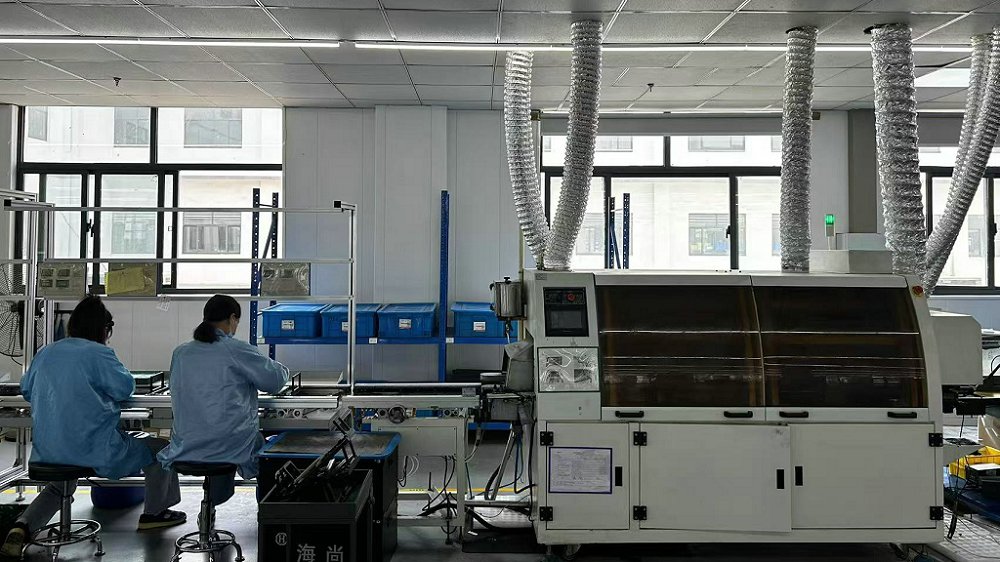
As a high-tech enterprise, Jonas Energy operates modern production facilities equipped with advanced manufacturing and testing equipment. Our annual production capacity reaches several gigawatts, enabling us to efficiently serve customers across global markets.
Our experienced R&D team consists of highly qualified engineers and technical specialists who continuously focus on product innovation, performance optimization, and technological advancement in the renewable energy sector. By integrating cutting-edge technologies, we ensure that our solutions remain competitive, efficient, and future-ready.
Quality is at the core of everything we do. All products undergo rigorous testing and strict quality control procedures to ensure long-term reliability and performance. Our products comply with international standards and certifications, including IEC, CE, TUV, ISO9001, ISO14001, and other recognized industry certifications, providing customers with confidence and peace of mind.
From project consultation and system design to product supply, installation guidance, and after-sales support, Jonas Energy provides complete one-stop solar and energy storage solutions tailored to each customer's requirements. Our multidisciplinary team includes experts in photovoltaic technology, energy storage systems, engineering design, project management, and international business.
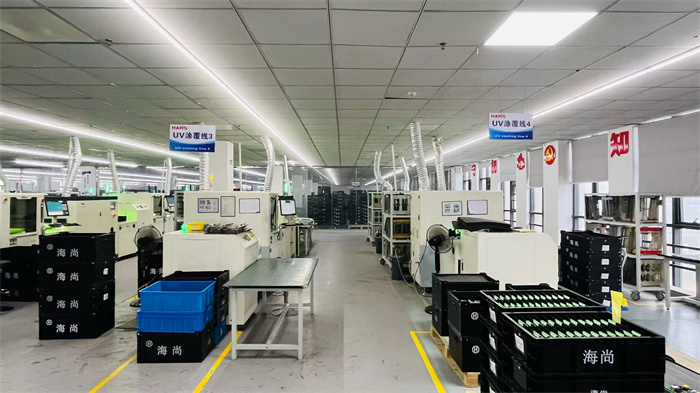
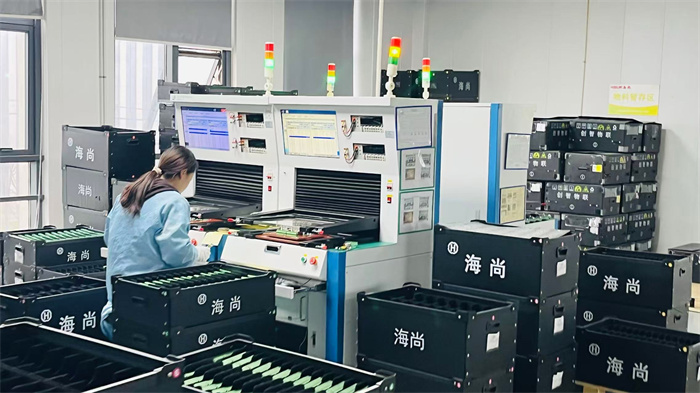
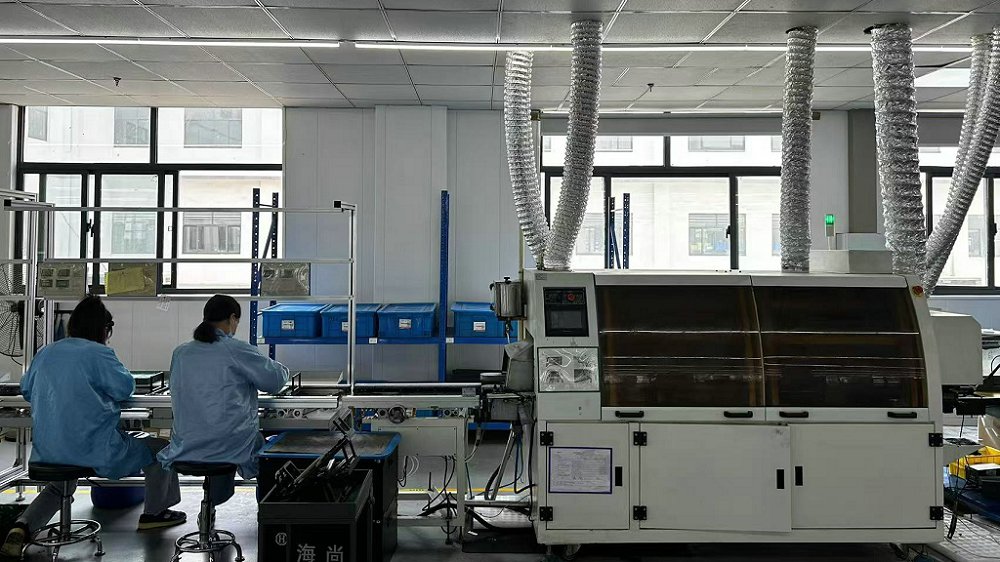
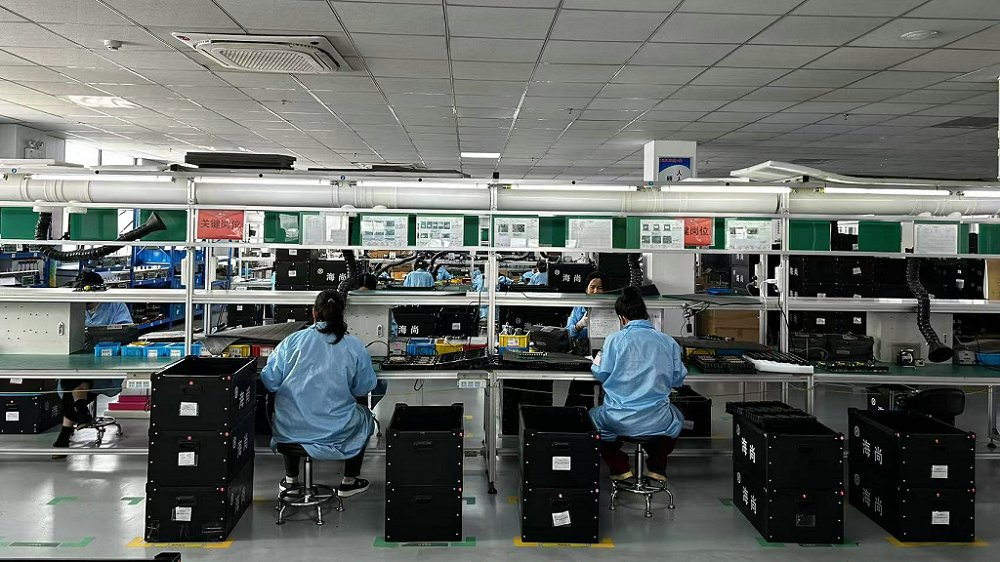
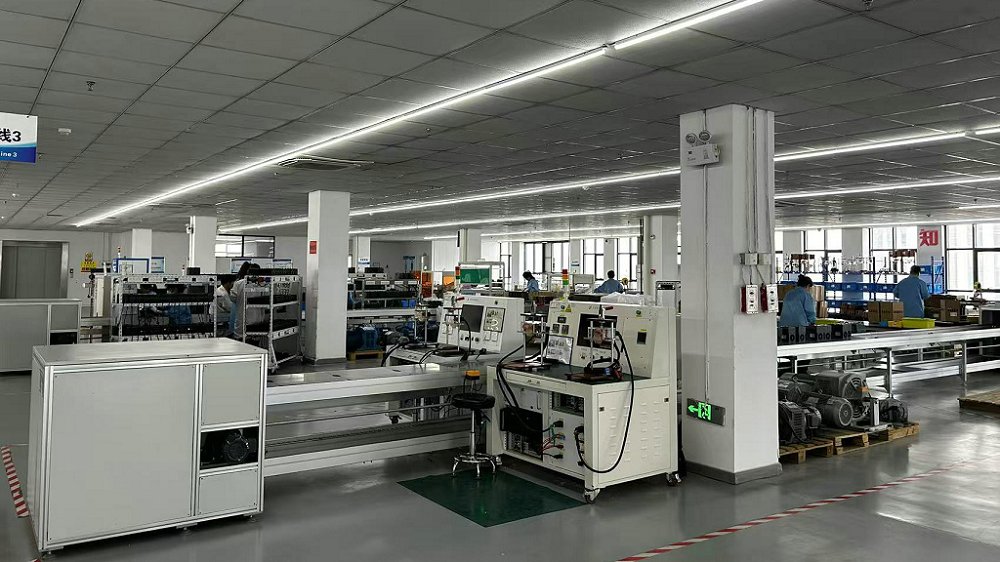
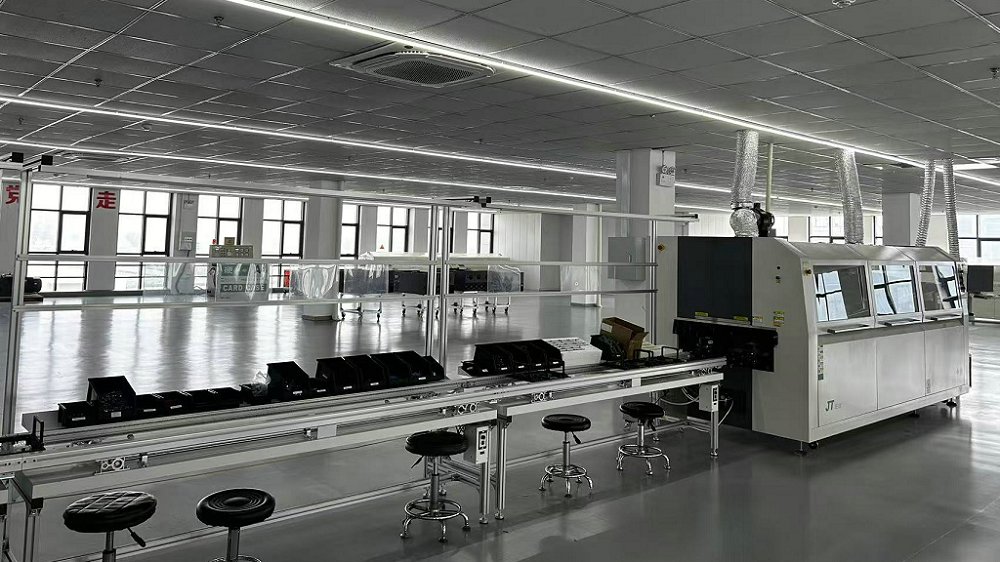
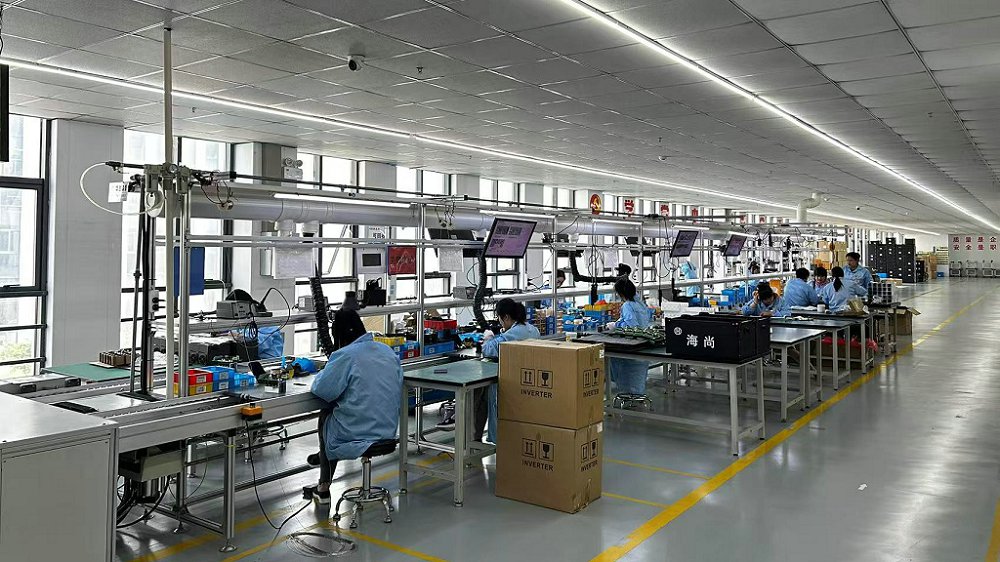
Under the hood of Jonas Energy's modern automated assembly lines. Our production stages feature continuous inspection and diagnostic protocols.
Mitigating deployment risks through certified safety parameters, localization services, and robust supply chains.
Deploying energy systems globally requires strict compliance with varying regional grid rules and battery standards. As a dedicated exporter, Xiamen Jonas Energy Co., Ltd. ensures all power electronics meet international certification standards, including CE (LVD/EMC), IEC 62109, and UL standards for safety. Additionally, we provide regional compliance support, working closely with local engineering teams to configure system profiles that meet local utility guidelines.
Our global logistics department coordinates customized shipping and clearing protocols, offering customized trade terms (FOB, CIF, DDP) to simplify supply chains. Jonas Energy also provides comprehensive technical documentation, detailed installation guides, and direct channel engineering support. Our professional after-sales department is always available to assist on-site engineers with system startup issues, telemetry mapping, and warranty inquiries.
Technical answers to help engineers and procurement managers evaluate solar charge controllers and smart BMS solutions.
The difference lies in the conversion topology. A Pulse Width Modulation (PWM) controller acts as a switch connecting the solar panels directly to the battery bank, forcing the panels to run at the battery's voltage level. An MPPT (Maximum Power Point Tracking) controller functions as a smart DC-to-DC converter. It measures the panel's peak output and matches it to the battery voltage, improving efficiency by up to 30%, especially in cold or cloudy conditions.
Our solar controllers feature programmable charging profiles specifically designed for Lithium Iron Phosphate (LiFePO4) chemistries. They communicate with the battery BMS using CANbus or RS485 communication protocols. This real-time link enables the controller to adjust charge parameters based on cell temperature, state-of-charge (SoC), and cell balance, preventing overcharging and thermal damage.
Yes, our controllers are built for industrial connectivity. They include communication ports (such as RS485 and Modbus protocols) that allow integration with local industrial networks, RTUs, or external IoT cloud platforms. This allows remote tracking of power generation, load output, and error logs through custom mobile apps or web-based dashboards.
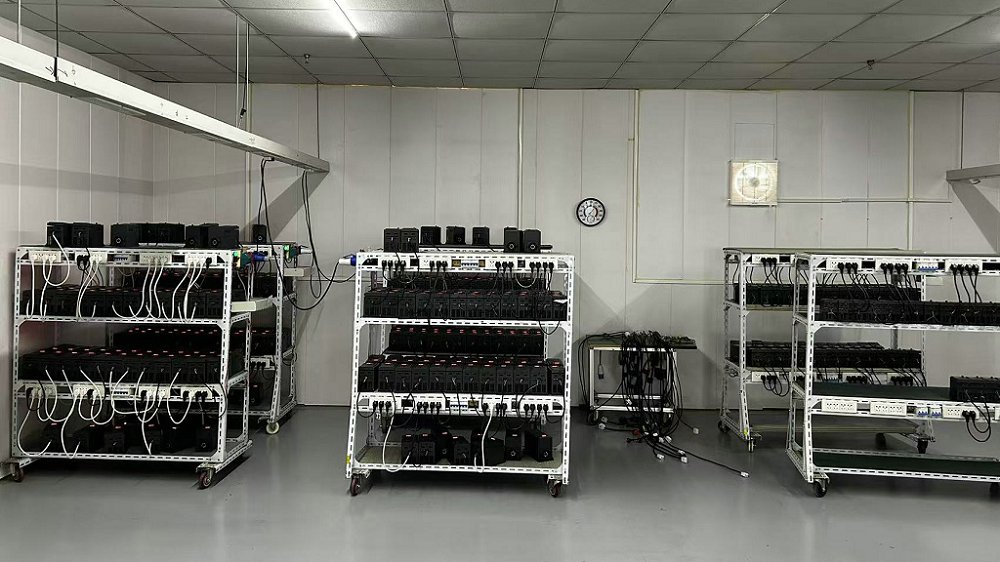
Our quality control workflow includes multiple inspection stages. This starts with testing incoming raw materials, followed by automated optical inspection (AOI), full-load testing on the assembly lines, and extended aging runs in high-temperature chambers. This rigorous process keeps our field failure rate below 0.2%, ensuring reliable operation in demanding industrial setups.
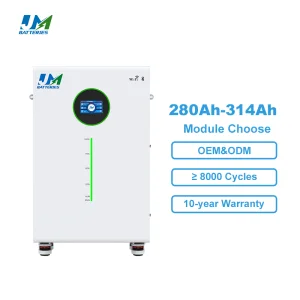
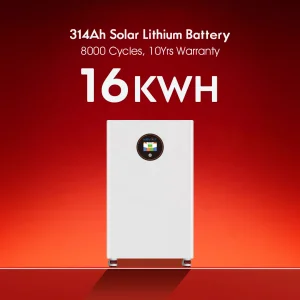
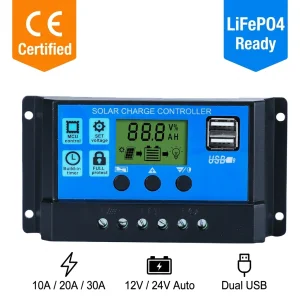
Select from our range of off-grid solar controllers, customized battery cabinets, and multi-protocol lithium battery management systems.
 Jonas Energy