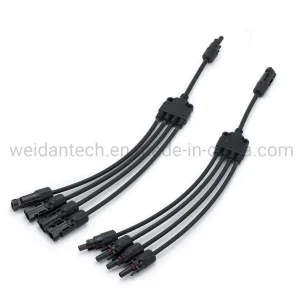
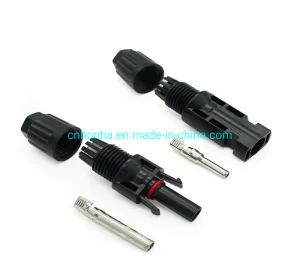
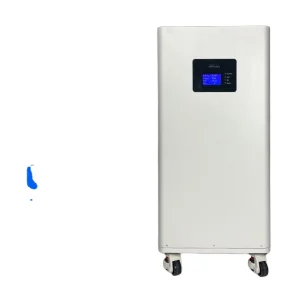
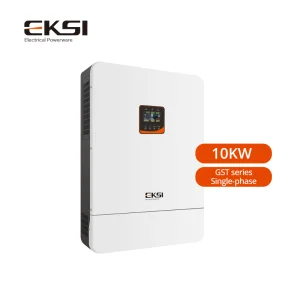
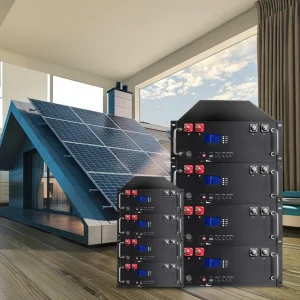
Engineered to ensure high conversion efficiencies, maximum safety margins, and seamless off-grid integration.
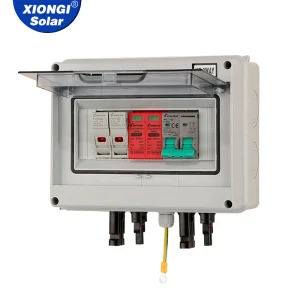
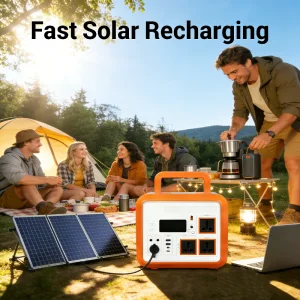
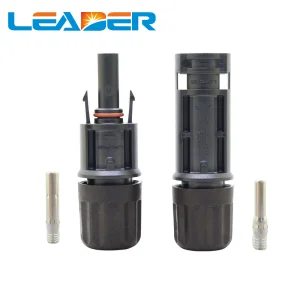
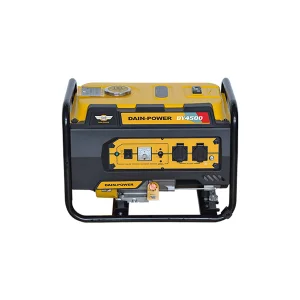
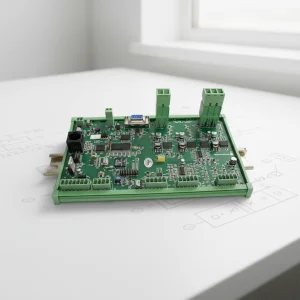
Analyzing semantic evolution, market drivers, and architectural transitions of mini off-grid networks.
As the global utility landscape changes due to climate initiatives and rising fuel costs, decentralized energy generation has shifted from a niche alternative to a critical infrastructure requirement. Custom OEM Mini Solar Power Systems represent a key advancement in this transition, offering modular, localized energy networks that bypass the transmission losses and grid vulnerabilities of traditional centralized utilities.
These systems integrate ultra-efficient photovoltaic panels, high-density energy storage units (primarily using Lithium Iron Phosphate, or LiFePO4, chemistry), and smart energy management platforms (BMS/MPPT). This integration meets the growing demand for energy independence across residential, light commercial, municipal, and industrial operations worldwide. By combining energy generation and storage into a single compact footprint, mini solar systems allow enterprises to mitigate peak utility rates, establish robust disaster recovery power backups, and supply reliable electricity to areas with weak grid infrastructure.
At the core of this technology is the optimization of system interfaces. Historically, off-grid systems suffered from compatibility issues between third-party PV components, batteries, and charge controllers. Current engineering standards prioritize vertically integrated, all-in-one architectures. As a professional manufacturer, Jonas Energy addresses these compatibility requirements by designing components—from combiner boxes to smart BMS boards—to work together seamlessly, reducing thermal stress, system inefficiencies, and field failure rates.
A professional provider of advanced renewable energy technologies and integrated storage systems.
Xiamen Jonas Energy Co., Ltd. is a provider of renewable energy solutions headquartered in Xiamen, Fujian Province, China. Since our establishment, we have focused on the research, development, engineering, manufacturing, and global logistics of advanced photovoltaic systems and lithium-based energy storage solutions.
Our product portfolio includes high-efficiency solar panels, hybrid and off-grid inverters, LiFePO4 energy storage packs, structural mounting systems, and complete turn-key solar kits. These products are designed for a variety of projects, ranging from residential micro-grids to commercial backup systems and large-scale industrial arrays. By partnering with leading technology providers and maintaining high manufacturing standards, Jonas Energy delivers reliable solutions like wall-mounted residential batteries, rack-mounted commercial storage, and containerized Energy Storage Systems (ESS) designed to support energy independence worldwide.
Every component undergoes strict quality testing, meeting international standards including IEC, CE, TUV, ISO9001, and ISO14001 certifications.
We utilize precise automatic dip welders, UV coating machinery, and diagnostic testing rigs to ensure high product consistency.
From consultation and electrical schematic design to hardware assembly, programming, and logistics, we support you at every stage.
A step-by-step look at our modern production line, showing where engineering precision meets mass-scale solar system output.
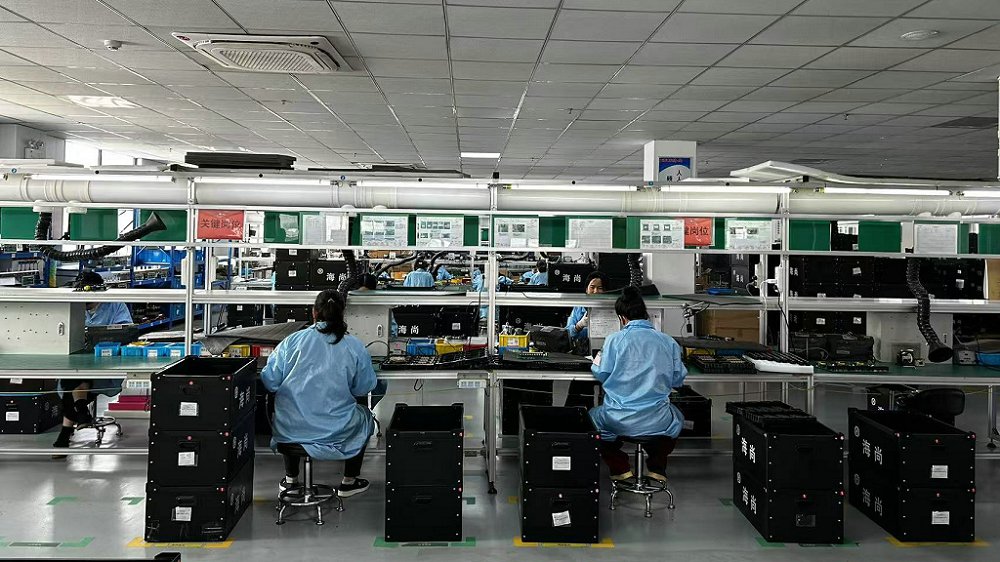
Initial tooling and structural design plates are precision-molded to match custom structural and electronic configurations.
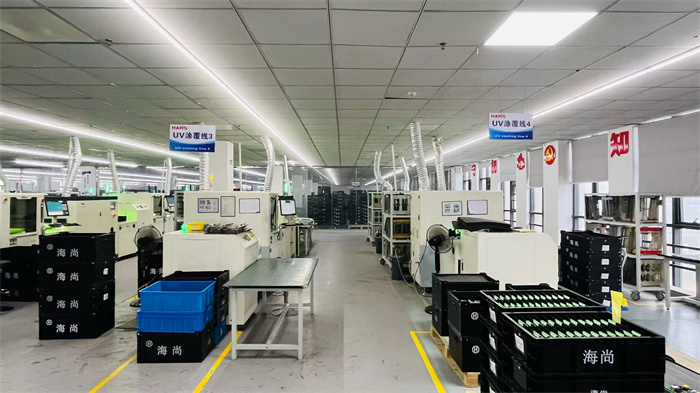
We apply a high-grade UV protection barrier to outer panels and electronic faceplates to prevent degradation from sun exposure.
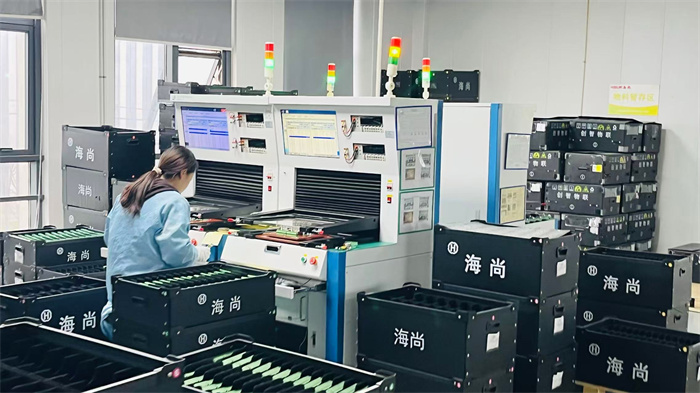
Every component undergoes electric load and resistance testing to verify performance limits prior to modular system assembly.
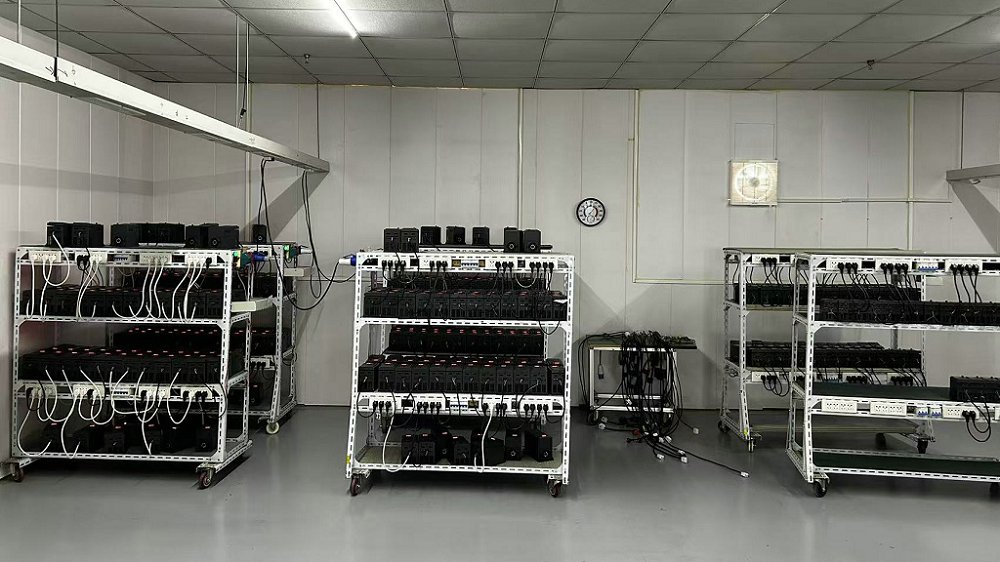
Assembled battery units and control components run through thermal and discharge cycles to check long-term operational stability.
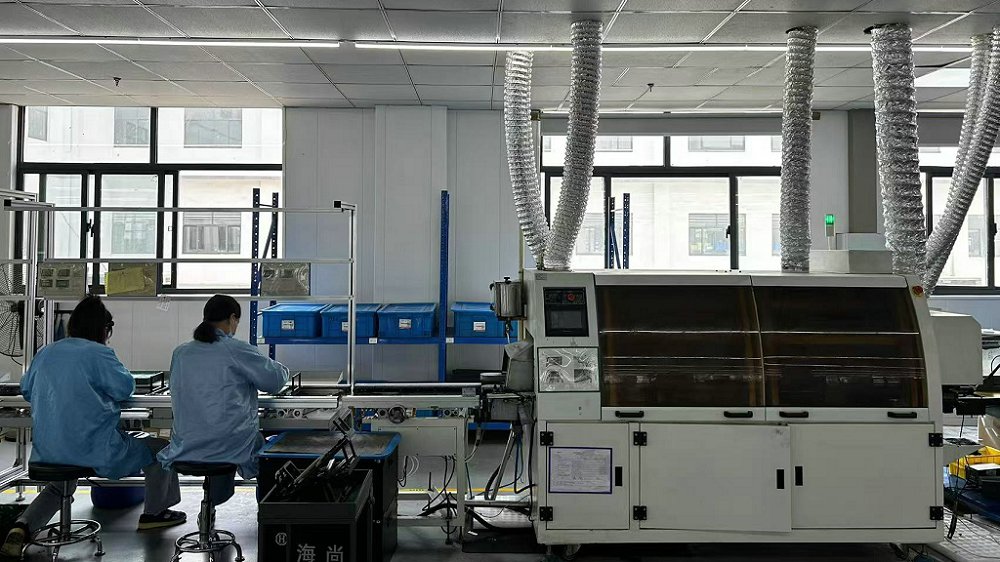
Precision welding secures cell connectors and terminals, minimizing internal electrical resistance and heat buildup.
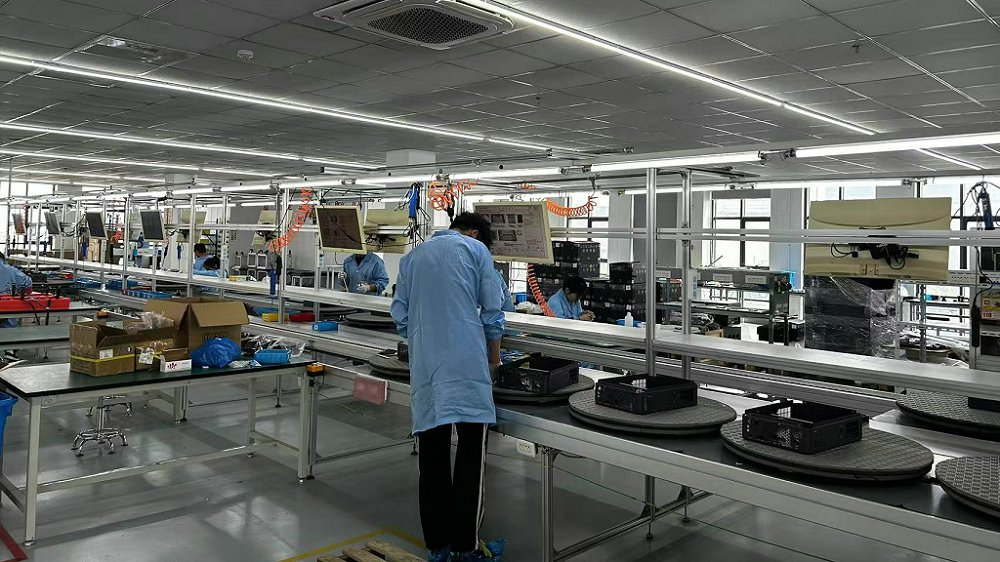
Technicians integrate sub-assemblies, wiring packages, and power boards into robust protective outer enclosures.
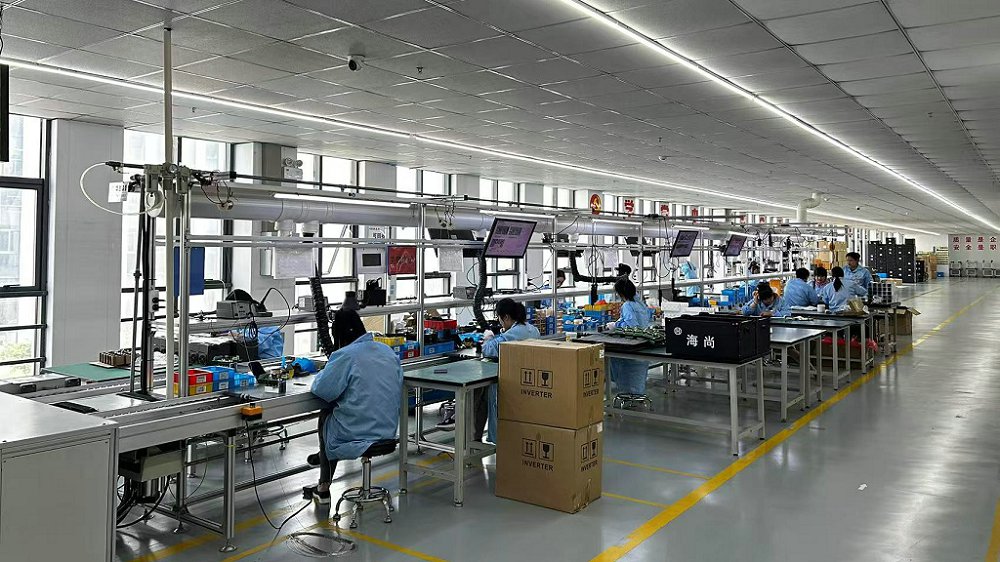
Secondary assembly aligns internal components to protect wiring from physical vibration and shock during transit.
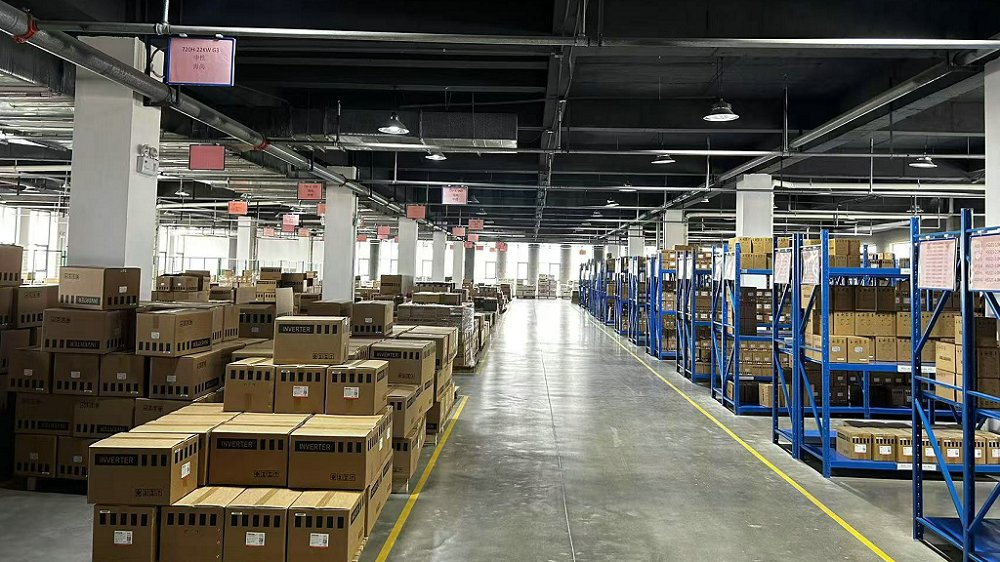
Completed systems undergo final inspection and cosmetic checks before being assigned dynamic tracking serials.
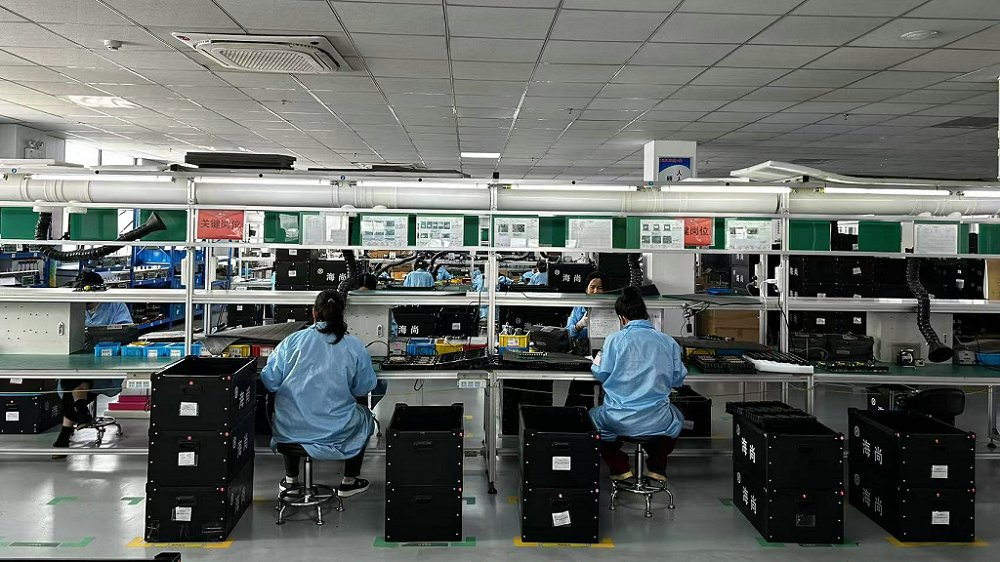
An automated line handles high-speed molding and cutting for panel backings and battery structural enclosures.
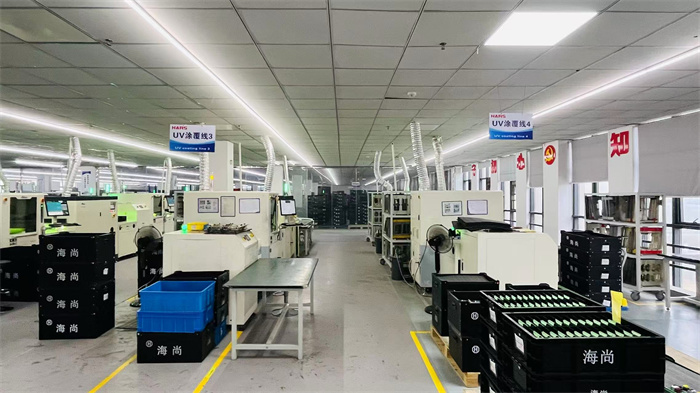
An enclosed, clean-room UV line applies consistent protective coatings while protecting the environment from emissions.
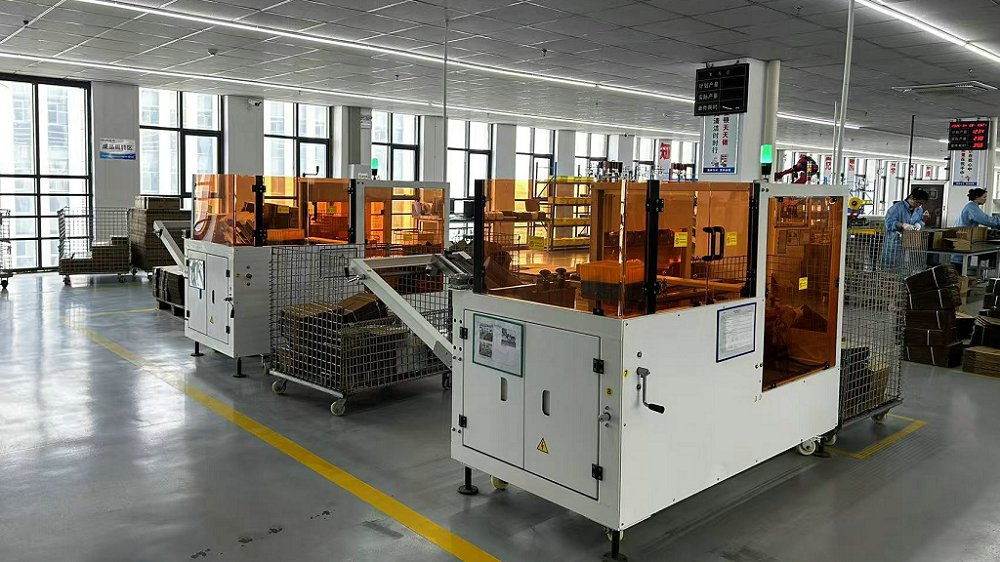
Automated packaging machinery prepares double-wall export boxes to speed up order fulfillment and ensure safe transit.
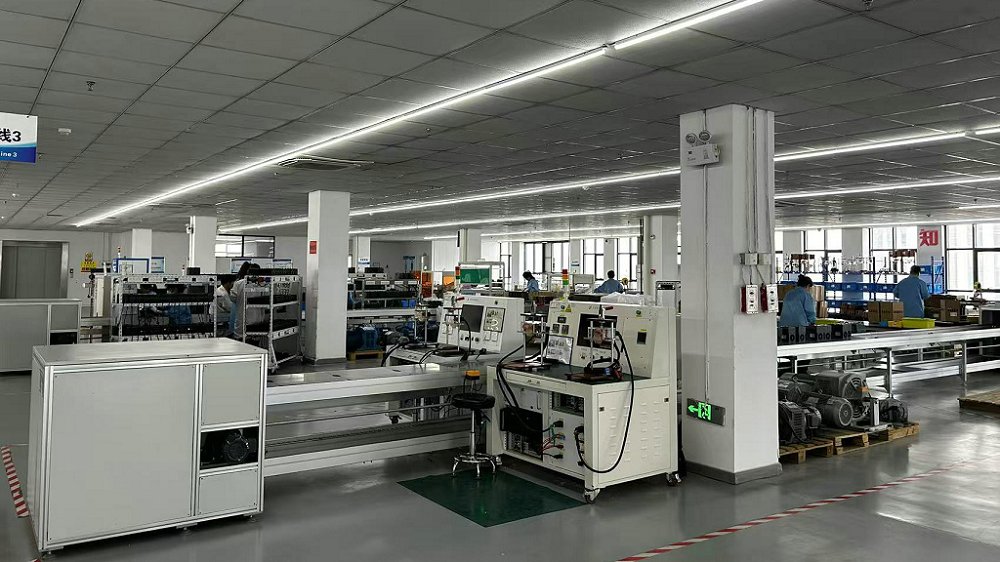
Systems are packed with custom molded foam inserts, user documentation, and accessory cables for shipping.
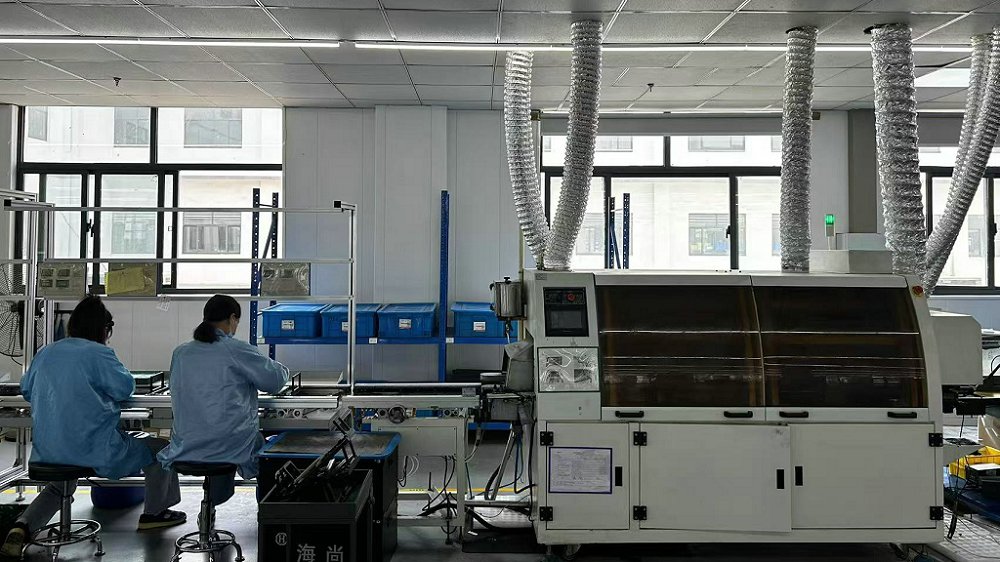
Automatic wave-soldering machines assemble PCBs for BMS modules, creating reliable, low-resistance connections.
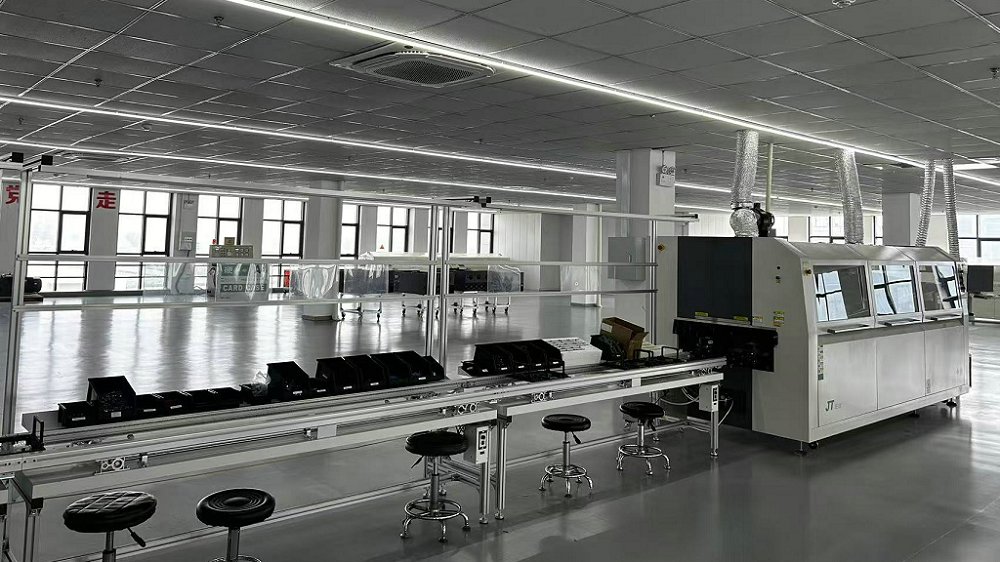
Our high-capacity main production floor operates under ISO9001 procedures to maintain consistent output.
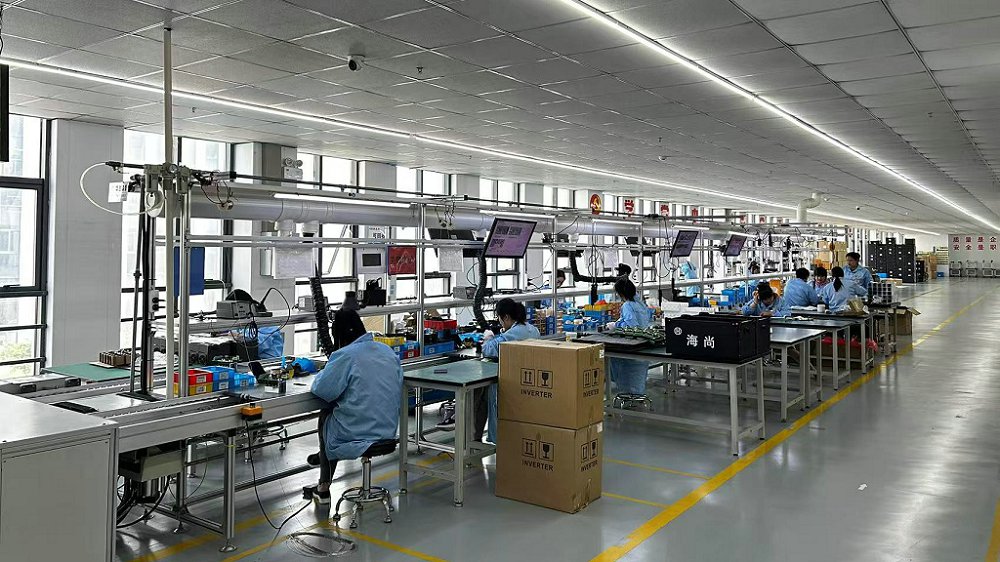
Continuous conveyor networks enable efficient movement and testing of finished devices during final packaging.
Why procurement teams partner with Chinese manufacturers for high-quality mini solar systems.
Sourcing mini solar power systems from China, particularly from industrial hubs like Xiamen in Fujian Province, offers significant supply chain advantages. Xiamen's geographic location combines advanced electronics manufacturing with direct access to a deep-water seaport, reducing transit times and simplifying international shipping. The region's dense solar ecosystem brings together key supply elements—from raw lithium extraction to high-precision PCB assembly and aluminum framing facilities—within a small radius, minimizing lead times and transport costs.
This industrial setup supports cost-efficient customization. Unlike manufacturers in regions with fragmented supply networks, Jonas Energy maintains direct relationships with local silicon wafer providers and cell manufacturers. This level of vertical integration allows us to adapt designs quickly, whether customizing battery dimensions, integrating specific charge controllers, or adding specialized communication ports. As a result, B2B procurement partners can source custom products without the long lead times typical of traditional global supply lines.
Additionally, China’s solar industry operates under strict quality standards driven by global demand. Factories in Xiamen utilize advanced automation, such as automated wave-soldering and testing systems, which lower defect rates. Partnering with a manufacturer like Jonas Energy gives global enterprises access to these industrial advantages, along with quality control protocols that meet international CE, TUV, and IEC standards, ensuring reliable product performance in the field.
How custom mini solar architectures support localized and remote power needs across various industries.
In remote areas, maintaining continuous power for telecom towers, weather sensors, and monitoring equipment is critical. Our mini solar power systems, paired with LiFePO4 Rack-Mounted Batteries, provide steady, low-maintenance energy. These systems operate reliably in wide temperature ranges, reducing the need for onsite service visits.
When grid systems fail during natural disasters or in humanitarian settings, portable power stations provide essential energy. Lightweight, integrated solar generators power medical equipment, lighting, and communication devices, ensuring rapid deployment and reliability when standard infrastructure is down.
For residential markets, homeowners look for modular storage solutions that integrate with existing PV systems. Jonas Energy designs All-in-One Home Storage Systems that feature automatic transfer switches, providing instant backup power during grid outages.
For larger installations, we engineer systems that scale from 15kW up to 200kW. These configurations utilize smart combiner boxes, high-capacity inverters, and battery management platforms to balance electrical loads, control grid feed-in parameters, and manage thermal profiles. By using modular components, commercial projects can expand their system size over time as demand grows, without needing to replace existing electrical panels or structures.
Essential technical factors to consider when evaluating off-grid solar equipment suppliers.
For B2B buyers, sourcing off-grid solar equipment requires verifying detailed technical specifications to ensure long-term performance. The first key element to evaluate is the Battery Chemistry and Battery Management System (BMS). For stationary energy storage, Lithium Iron Phosphate (LiFePO4) is the preferred choice due to its thermal stability and cycle life, often exceeding 6,000 cycles at 80% Depth of Discharge (DoD). A reliable system must feature a smart BMS, such as the Bestway Smart BMS 100A, which monitors cell voltages, balances charge states, and provides overcurrent and thermal shutdown protection via CAN, RS485, or Bluetooth protocols.
Another important factor is Inverter Topology & MPPT Efficiency. Off-grid inverters must deliver clean sine-wave output to protect sensitive electronics. Integrating Maximum Power Point Tracking (MPPT) charge controllers helps optimize solar panel output under changing weather conditions. A well-designed system, such as a 48V Hybrid Solar Inverter, should maintain MPPT tracking efficiencies above 99% and support parallel operations to allow easy system expansion as load requirements increase.
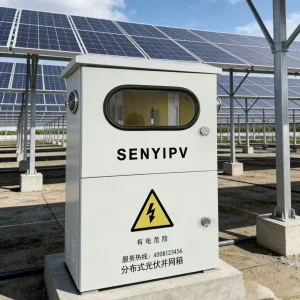
Finally, look for System Enclosures and Safety Certifications. Equipment installed outdoors must withstand harsh environments. The system's combiner boxes, junction panels, and battery housings should have IP65 or IP66 ingress protection ratings to prevent damage from dust and water. Procurement teams must also confirm compliance with global standards, including TUV, CE, IEC 62109, and UN38.3 certifications, to ensure the equipment meets local safety and grid connection codes.
Answers to common engineering and deployment questions from system integrators and procurement partners.
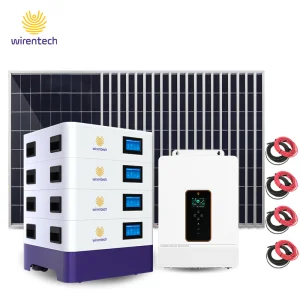
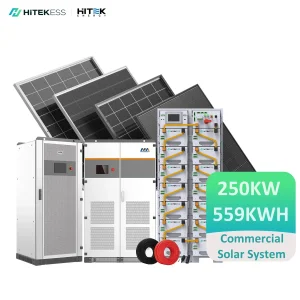
Explore our high-capacity systems, inverters, and battery configurations for industrial and grid-connected applications.
 Jonas Energy