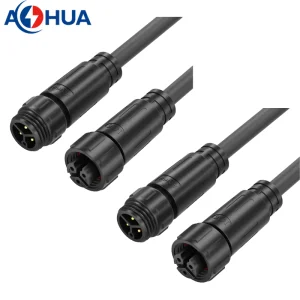
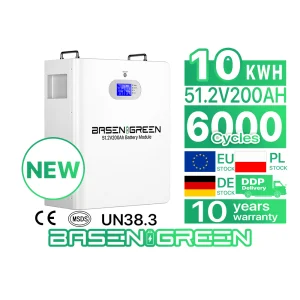
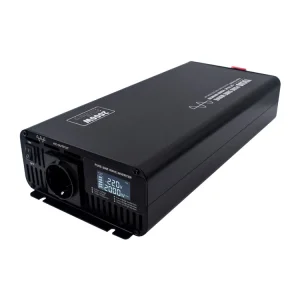
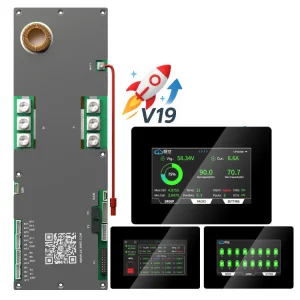
Explore our top-tier catalog of solar integration materials, smart battery management systems (BMS), high-power hybrid inverters, and utility-scale energy storage units designed to optimize LCOE.
The global transition to net-zero carbon footprints has shifted the renewable energy landscape from a quantitative capacity addition phase to an era of high-yield qualitative optimization. Central to this paradigm shift is the development of next-generation monocrystalline solar cells, primarily leveraging n-type TOPCon (Tunnel Oxide Passivated Contact) and HJT (Heterojunction Technology) architectures.
Industrial and utility scale buyers no longer look solely at purchase price per watt; rather, they evaluate the long-term LCOE (Levelized Cost of Energy). Low temperature coefficients, superior bifaciality, minimal LID (Light Induced Degradation), and LeTID (Light and Elevated Temperature Induced Degradation) are now absolute baseline requirements for bankable project developments globally.
As a leading OEM/ODM exporter, we bridge the gap between advanced semiconductor fabrication and local project specifications, offering customized efficiency tolerances, specialized dimensions, and busbar configurations tailored to withstand harsh deployment environments—from arid deserts to maritime floatovoltaics.
Peak Cell Efficiency (TOPCon)
Annual Manufacturing Capacity
Exporting Destination Countries
Annual Degradation Rate (Year 2-30)
Xiamen Jonas Energy Co., Ltd. is a preeminent developer and global provider of advanced renewable energy infrastructure solutions. Headquartered in the high-tech industrial hub of Xiamen, Fujian Province, China, our company integrates world-class R&D, state-of-the-art semiconductor solar processing, and global logistics optimization. Since inception, our core mission has been delivering ultra-reliable, high-yield photovoltaic cell structures, customized module components, and industrial battery energy storage systems (BESS).
Operating several gigawatts of capacity, our smart factories rely heavily on AI-driven optical inspection, automated stringing, and ultra-high vacuum chemical vapor deposition (PECVD) processing to maintain standard deviation limits well below industry thresholds.
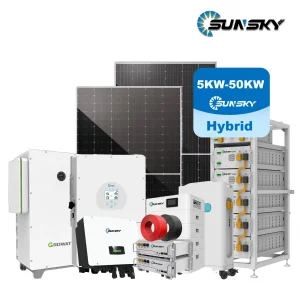
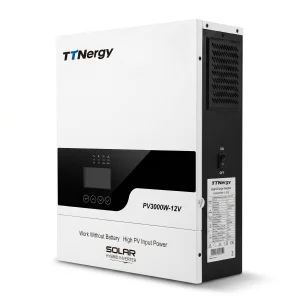
Our complete solar ecosystem—encompassing wafers, cells, mounting clamps, battery management systems, and smart single-phase/three-phase hybrid inverters—strictly adheres to international standards including IEC 61215, IEC 61730, CE, TUV, UL1973, and ISO9001 certifications.
We provide full-spectrum engineering design support, custom electrical parameter matching (such as bespoke operational voltage/current configurations), and optimized shipping logistics for megawatt-scale developers and distributors worldwide.
How we transform raw silicon wafers into high-yield, site-specific power generators for global solar module manufacturers.
We configure multi-busbar (MBB) layouts from 9BB up to 16BB and SMBB (Super Multi-Busbar) setups. This reduces shadow loss, shortens the current path over thin silver fingers, and drastically reduces the performance impacts of potential micro-cracks over 25-30 year lifespans.
To match your physical product lines and structural installation requirements, we offer cell slicing and dimension customization. This includes M6 (166mm), M10 (182mm), G12 (210mm), and modern G12R rectangular configurations, offering optimized space utilization for glass-glass modules.
Unlike standard off-the-shelf components, our OEM/ODM processing includes stringent electrical binning. We align cell outputs with tight tolerance boundaries (+/-0.1% absolute efficiency), eliminating mismatch losses when cell strings are welded inside the module assembly.
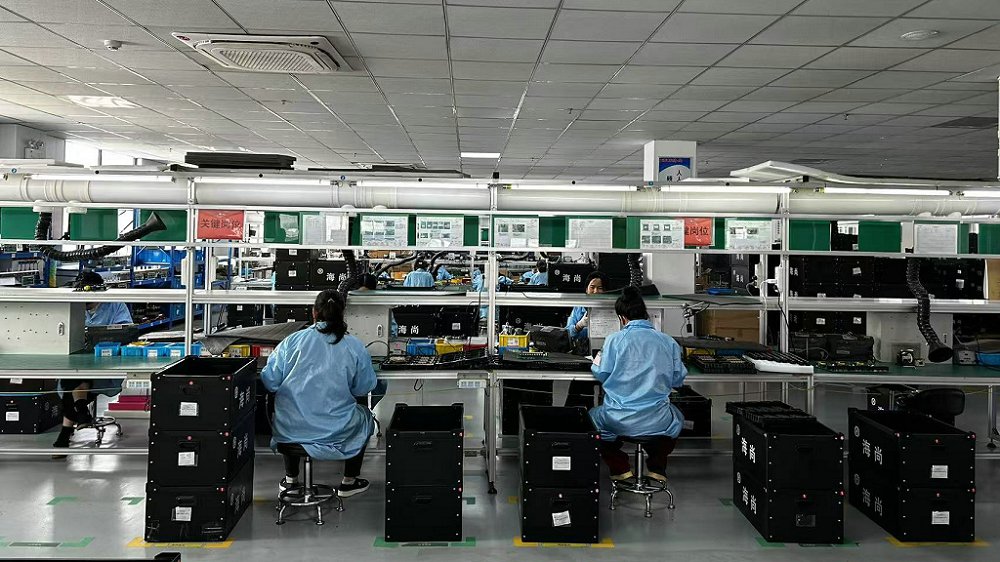
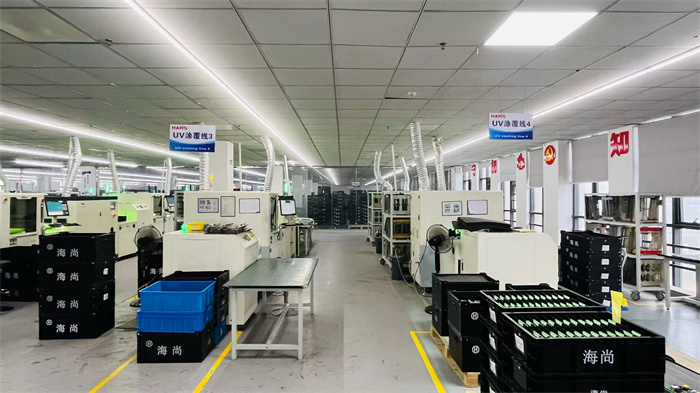
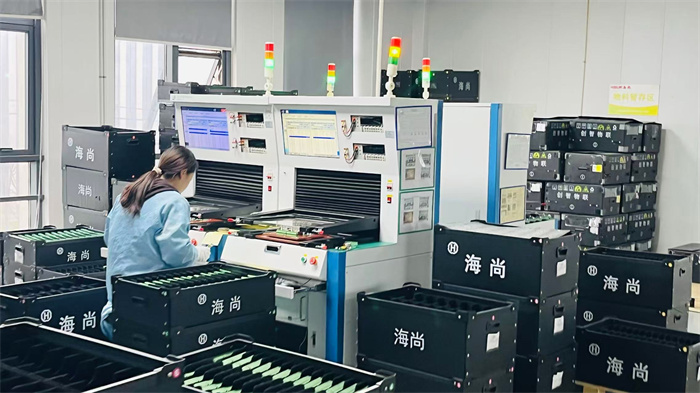
A visual walk-through of Xiamen Jonas Energy's sophisticated semiconductor processing, high-temperature aging chambers, and structural assembly lines.
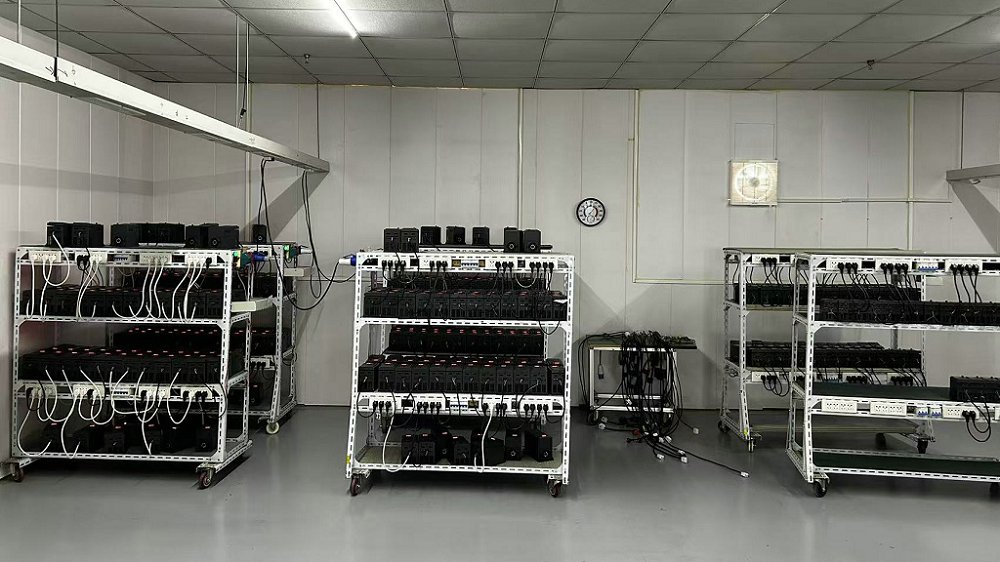
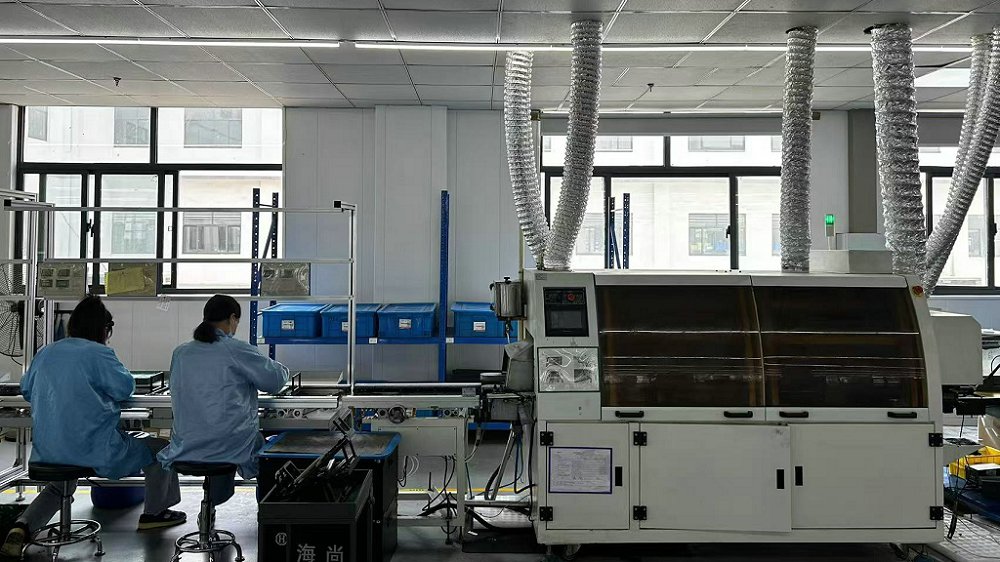
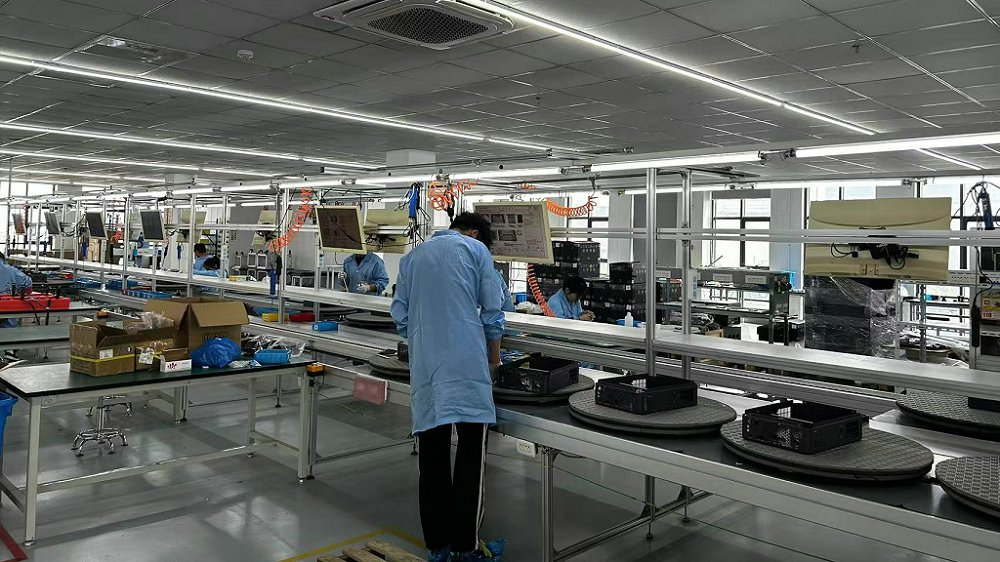
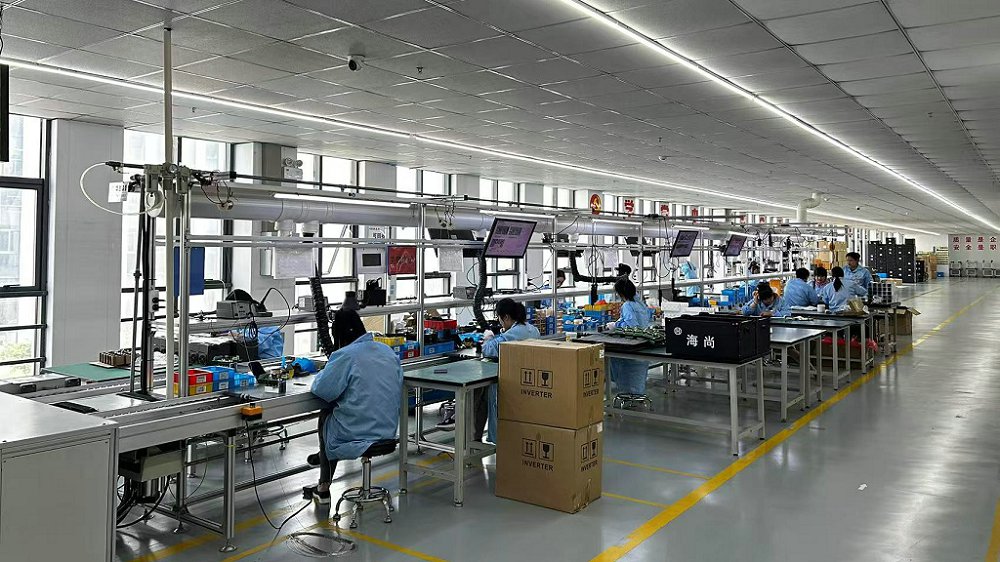
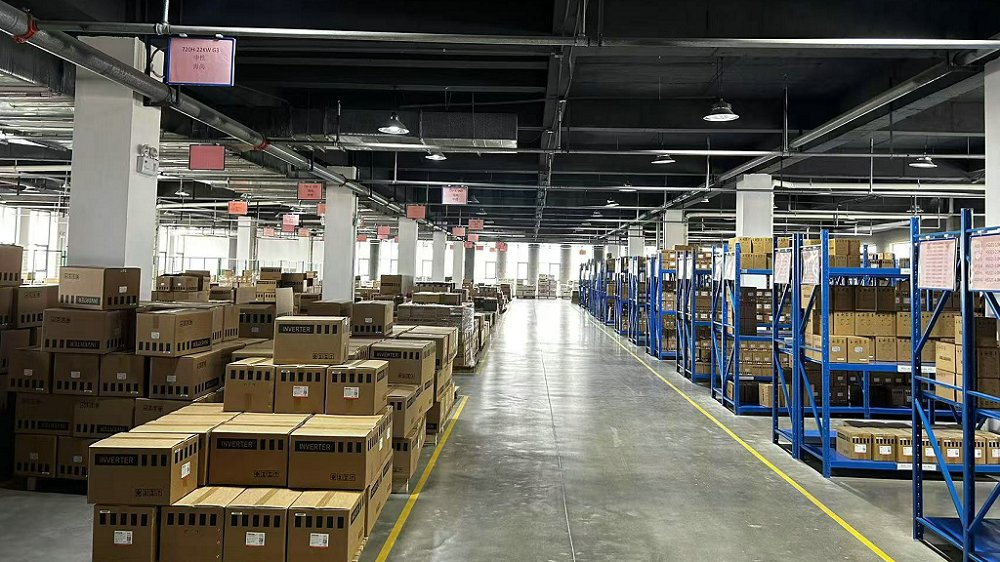
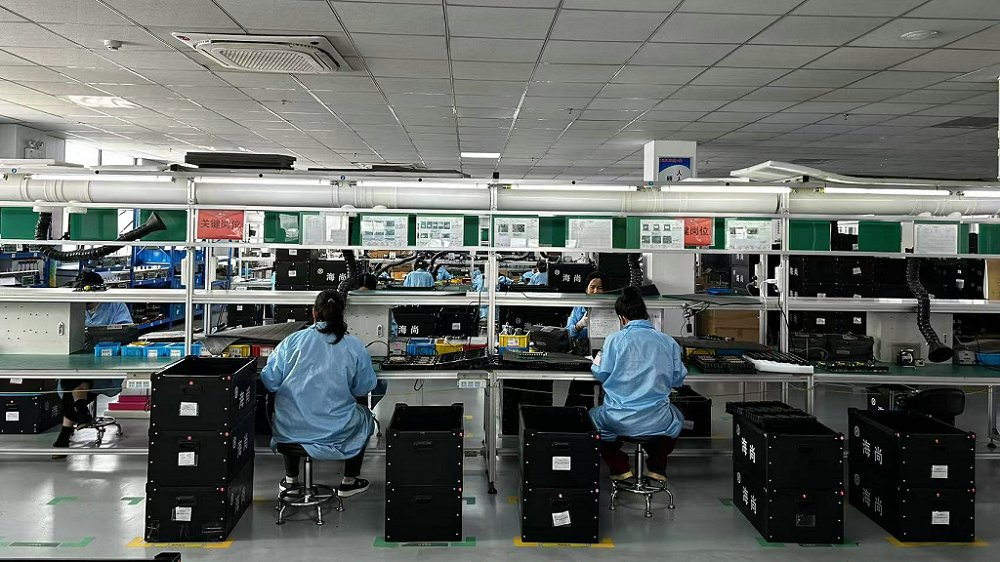
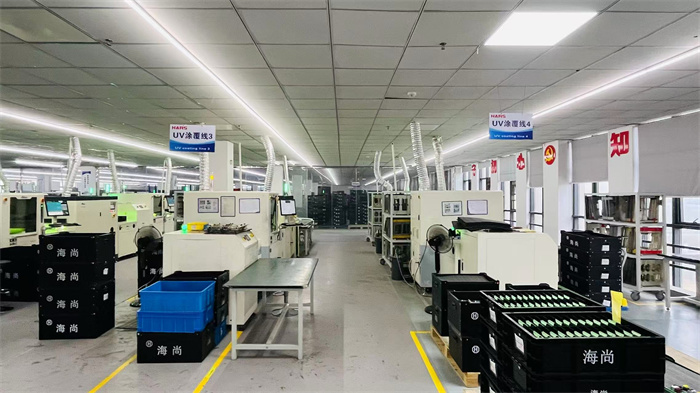
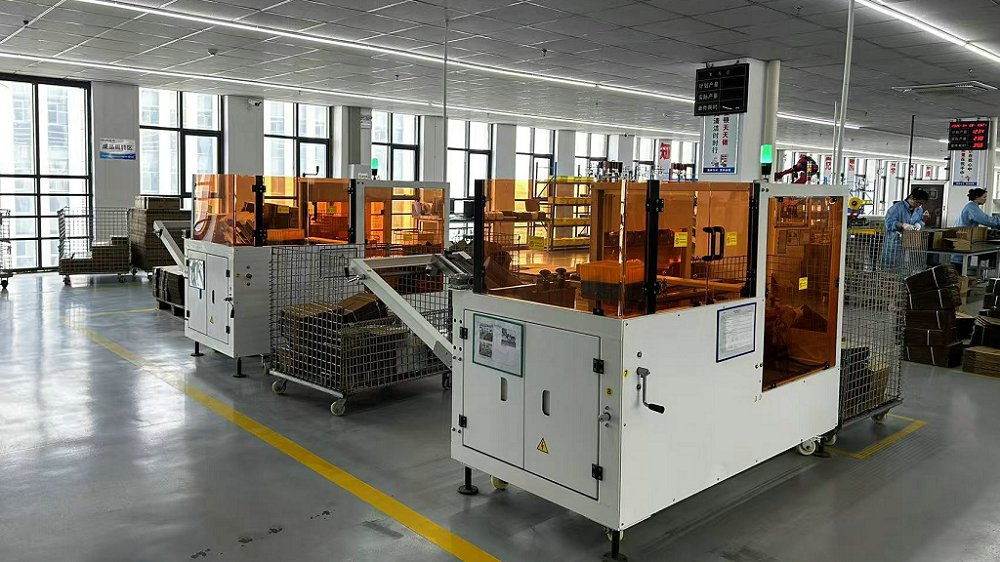
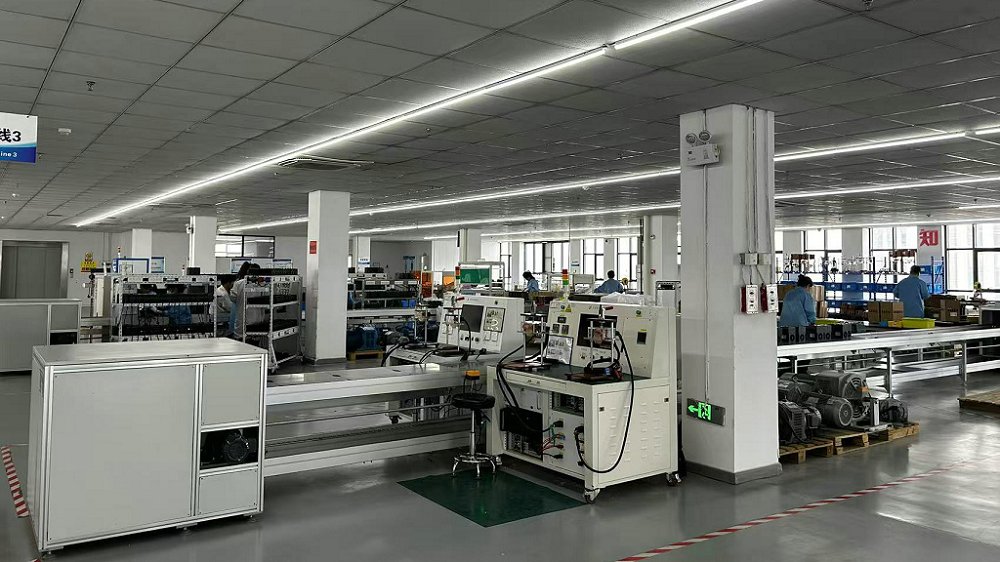
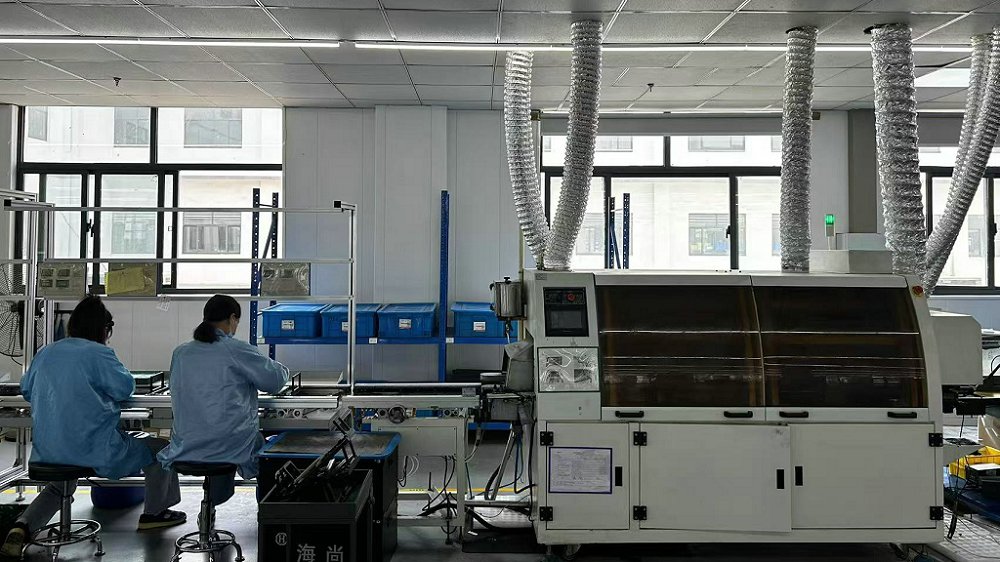
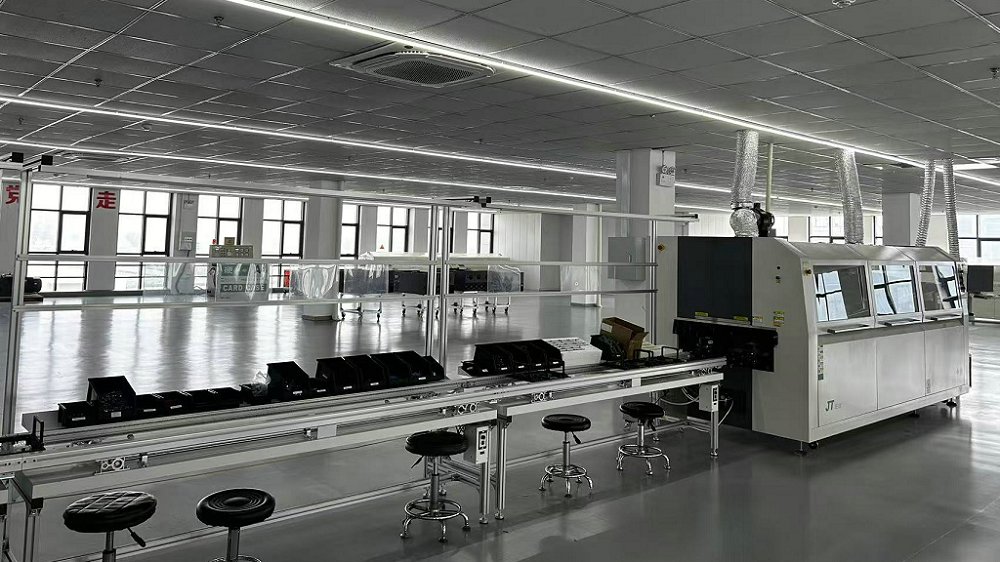
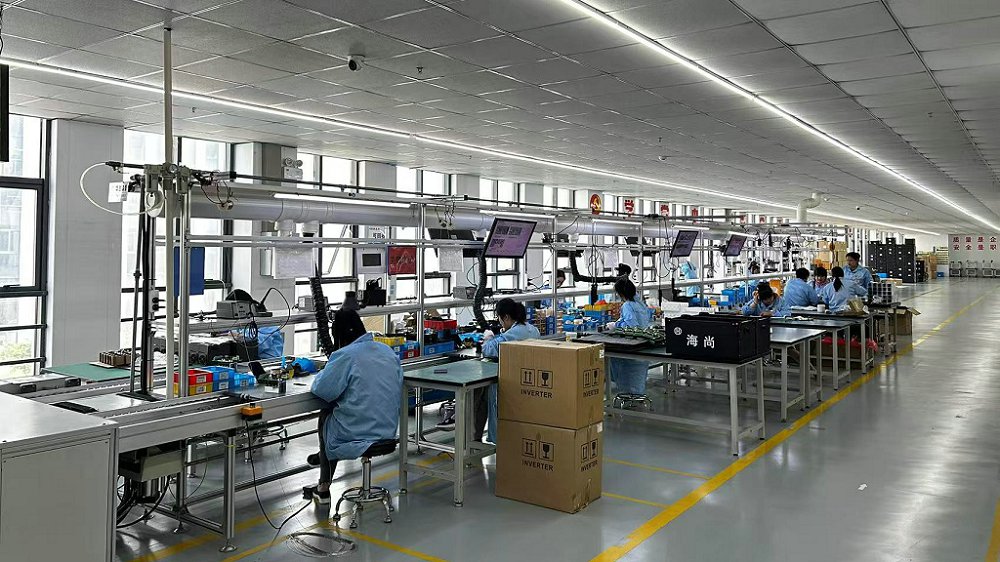
From standard grid-tied solar farms to complex, resilient microgrid solutions in demanding climates.
High ambient temperatures drastically diminish the efficiency of traditional solar panels. By exporting n-type solar cells engineered with low temperature coefficients (-0.30%/°C), our systems retain operational integrity, generating up to 8.5% more annual kilowatt-hours compared to standard modules in region-specific tests.
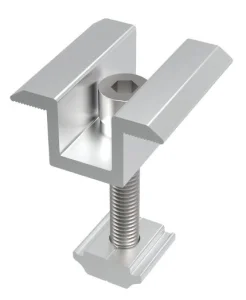
Urban plants and factories require maximum power density. Implementing 25%+ efficiency monocrystalline structures yields high power output within limited spatial layouts. When paired with our high-grade mounting clamps, they ensure aerodynamic stability during high-wind coastal conditions.
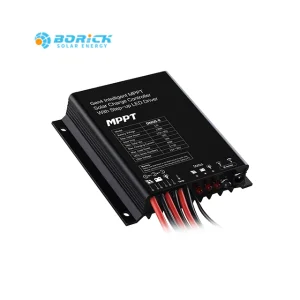
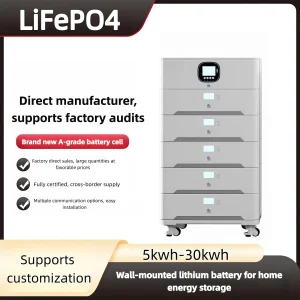
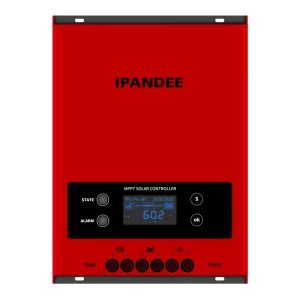
For remote areas, telecom stations, or off-grid mines, consistency is critical. Integrating our solar cells with smart MPPT Charge Controllers (like the 60A telecom controller), pure sine wave inverters, and high-capacity LiFePO4 batteries (BESS) ensures seamless power delivery during prolonged shading or weather fluctuations.
The photovoltaic cell industry is quickly pivoting towards Perovskite-Silicon Tandem Cells, which hold a theoretical efficiency potential exceeding 30%. Combining a top perovskite layer (optimized to absorb high-energy blue light spectrums) with a bottom silicon layer (absorbing low-energy infrared spectrums) provides a revolutionary upgrade path. Our R&D teams are actively evaluating production line upgrades to ensure future-proof compatibility with tandem technologies.
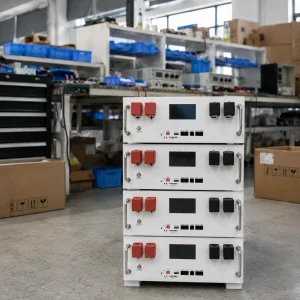
Simultaneously, the integration of Smart BMS (Battery Management Systems) and AI-based IoT Diagnostics into downstream applications is transforming raw energy storage cabinets (BESS) from passive reservoirs into active, grid-balancing digital assets. Algorithms predict solar cell generation curves against load requirements, dynamic energy pricing, and cell degradation indicators to optimize the overall battery lifespan.
As standard solar modules are commodity-focused, Jonas Energy differentiates by focusing on high-value OEM/ODM manufacturing. This provides international partners with components built to withstand regional humidity, dust (via anti-reflective, self-cleaning UV coating), and chemical corrosion (suitable for coastal agriculture-solar systems).
Expert responses regarding international procurement, technical parameters, and customization workflows for OEM/ODM solar components.
n-type TOPCon cells use a thin tunnel oxide layer to passivate contacts, reducing recombination losses. This results in standard efficiencies above 25%, compared to p-type PERC's typical limit of around 23-23.5%. TOPCon also exhibits a lower degradation profile, superior bifaciality, and better high-temperature performance.
We employ automated optical inspection (AOI), EL (Electroluminescence) testing at multiple stages, and prolonged climate chamber simulation (thermal cycling, damp heat, and UV aging). These steps verify structural and electrical integrity before shipping.
We customize dimensions (M6, M10, G12, G12R), cell thickness, busbar count (9BB to 16BB/SMBB), front/rear metallization patterns, efficiency sorting, and protective coatings. This allows seamless integration into our clients' unique PV modules.
Our n-type products include a linear power warranty ensuring less than 1% degradation in year one, and under 0.4% annual degradation from year 2 to 30, retaining at least 87.4% of original capacity after 30 years.
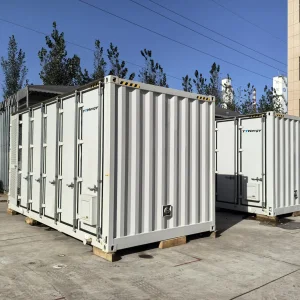
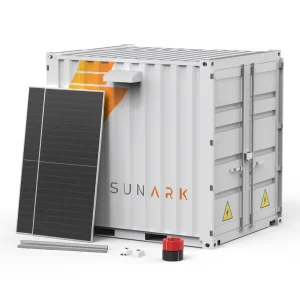
Yes. We offer fully integrated commercial and industrial containerized storage units (BESS, from 75kWh to 1Mwh+) with integrated PCS, smart cooling, liquid thermal management, and advanced BMS systems designed to pair directly with high-efficiency PV arrays.
We use specialized composite trays, vacuum-sealed humidity barriers, and reinforced anti-vibration outer cartons. This minimizes mechanical stress, ensuring every cell arrives without structural micro-fractures.
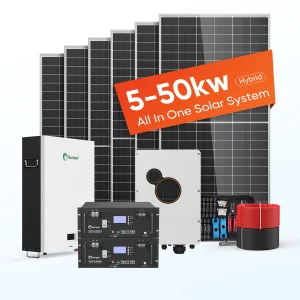
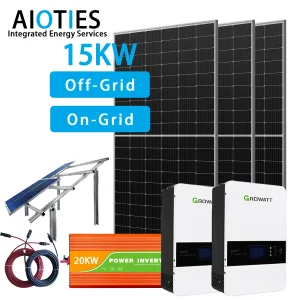
Complete your installation layout with heavy-duty structural mounting systems, containerized lithium storage, and high-efficiency hybrid converters.
 Jonas Energy