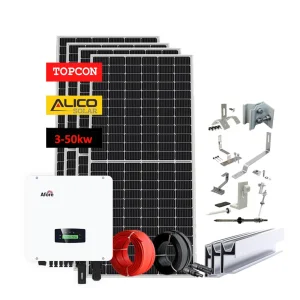
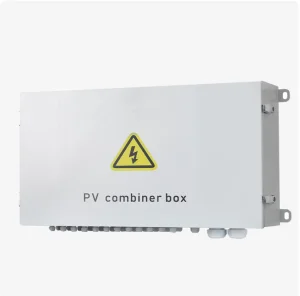
High-performance balance-of-system (BOS) components, smart controllers, and advanced energy storage blocks driving current photovoltaic arrays.
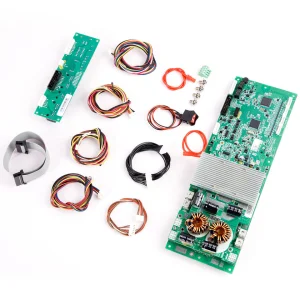
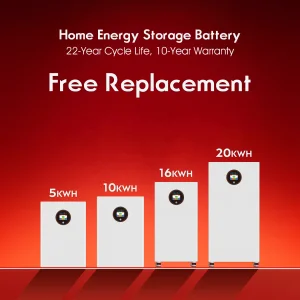
Modern PV installations demand extreme environmental durability, high energy conversion efficiency, and seamless energy storage integration. This industry whitepaper breaks down the leading paradigms in photovoltaic module manufacturing.
The global renewable energy transition is entering an era of deep technological maturity. Standard monocrystalline PERC (Passivated Emitter and Rear Cell) panels are giving way to advanced cell structures such as Tunnel Oxide Passivated Contact (TOPCon), Heterojunction Technology (HJT), and Interdigitated Back Contact (IBC). These structures significantly reduce recombination losses, increase temperature coefficients, and achieve much higher performance yields under low-light conditions. When selecting a PV module manufacturer or factory partner, developers must assess technological capabilities, vertical supply chain integration, quality control under extreme heat and mechanical stress, and localized grid compliance.
Why China's photovoltaic clusters offer unprecedented speed-to-market, pricing, and structural stability for international large-scale solar projects.
Fujian and Jiangsu provinces host some of the world's most concentrated clean energy supply chains. By sourcing silicon ingots, wafers, solar glass, cells, aluminum frames, and junction boxes within a 150km radius, factories minimize logistics bottlenecks and maintain strict material traceabilities.
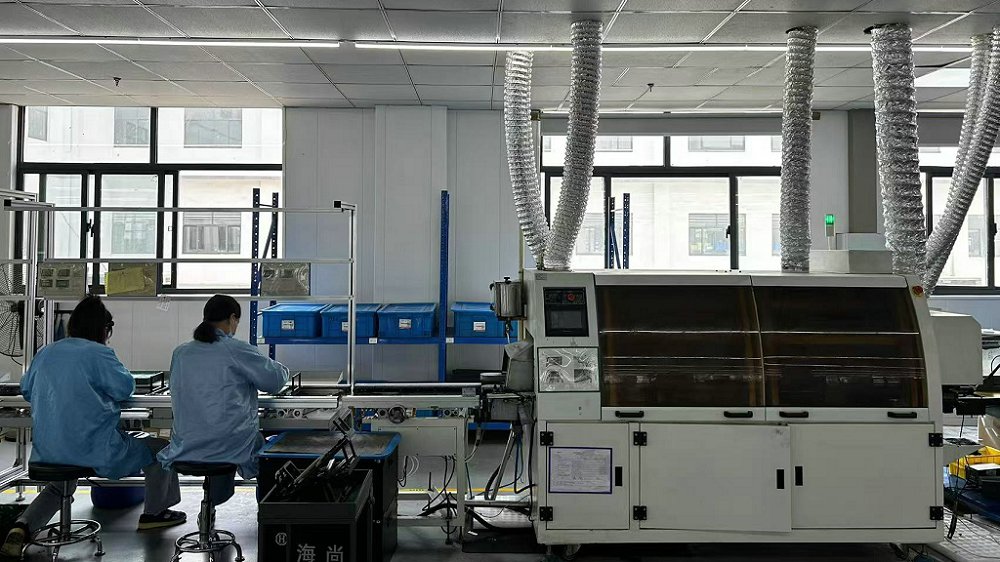
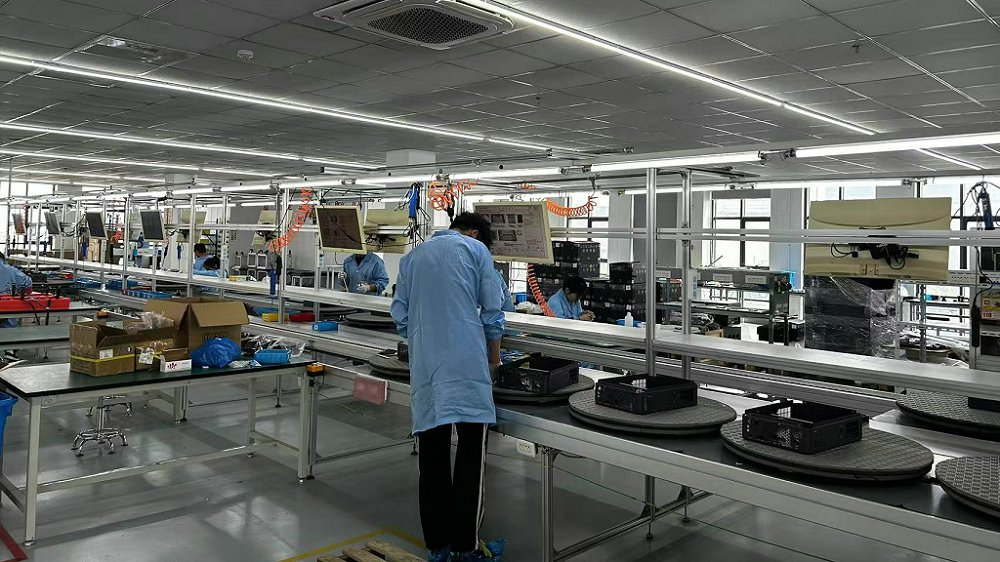
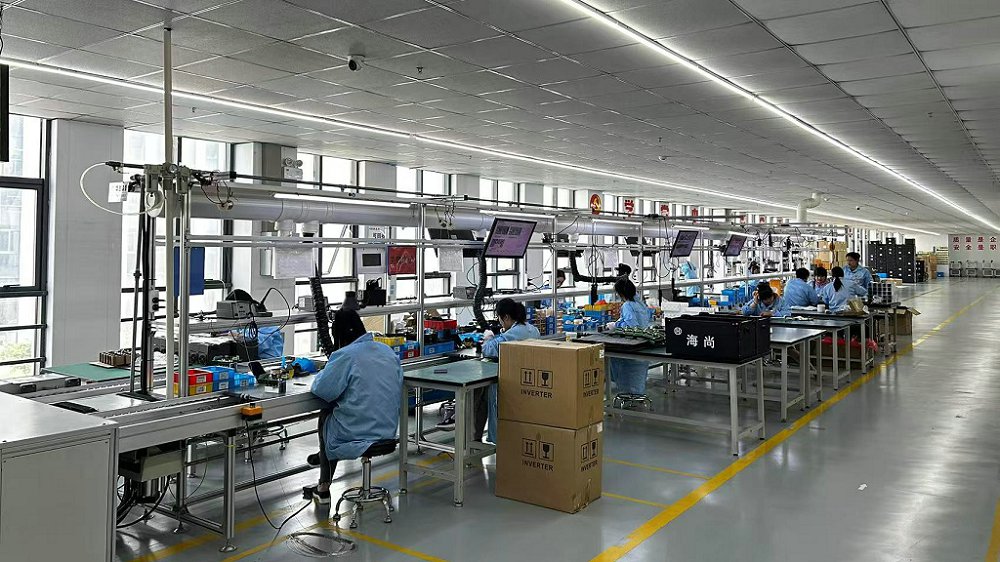
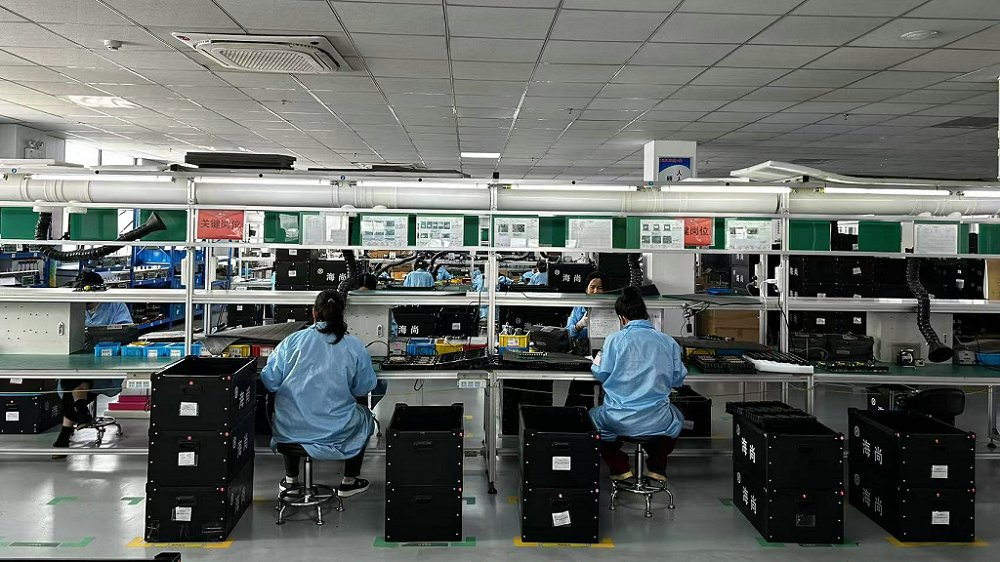
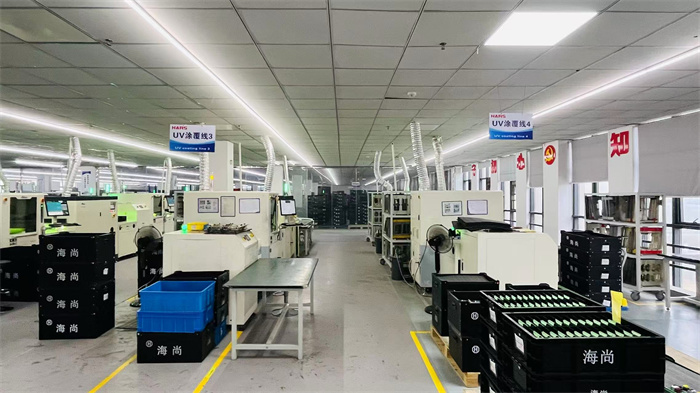
Leading Chinese PV factories employ automated robotic assembly lines for cell stringing, lay-up, vacuum lamination, and framing. Artificial Intelligence detects micro-cracks via electroluminescence (EL) testing before panels are packed, drastically reducing field defect rates below 0.01%.
With annual gigawatt-scale production capacities, manufacturers like Xiamen Jonas Energy Co., Ltd. leverage large-volume purchasing and localized raw materials to lower the Levelized Cost of Electricity (LCOE) for project developers worldwide.
The industry is rapidly shifting from P-type cell architectures to high-efficiency N-type configurations. Review our comparison matrix of current and future cell technologies.
| Technology Profile | Cell Efficiency (Commercial) | Bifaciality Factor | Temp. Coefficient (%/°C) | Estimated Life Span | Primary Industrial Application |
|---|---|---|---|---|---|
| Mono-PERC (P-Type) | 20.5% - 21.8% | 65% - 75% | -0.35 | 25 Years | Legacy utility plants, residential rooftops |
| n-type TOPCon | 22.5% - 24.5% | 80% - 85% | -0.30 | 30 Years | Commercial, Industrial & Large utility-scale |
| HJT (Heterojunction) | 23.0% - 25.2% | 85% - 95% | -0.26 | 30+ Years | High-temperature zones, premium C&I projects |
| Perovskite Silicon Tandem | 26% - 30%+ (Pilot) | Customizable | -0.24 | R&D Phase (20-25 yrs) | Next-generation space & BIPV integration |
Most tier-1 manufacturers have transitioned gigawatt-scale production lines to N-type TOPCon, which delivers a higher energy density and low LID (Light-Induced Degradation) to maximize long-term output.
As thin-wafer technology matures and silver paste consumption decreases, HJT modules will hit price-parity with TOPCon, offering superior temperature performance in equatorial zones.
Perovskite-on-silicon tandem cells will break the theoretical limits of single-junction silicon cells, pushing efficiency records beyond 30% for utility systems.
Photovoltaic modules are deployed in diverse environments. Each scenario requires a specific design profile for the modules, mounting equipment, and storage systems.
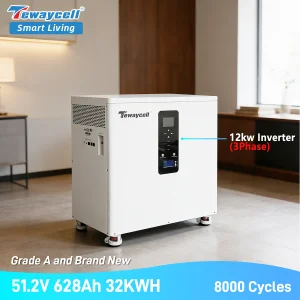
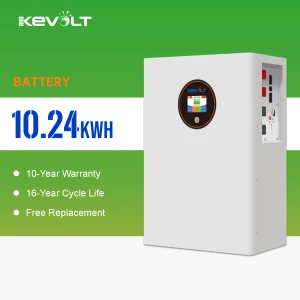
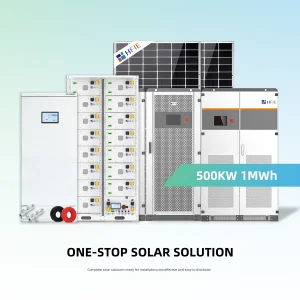
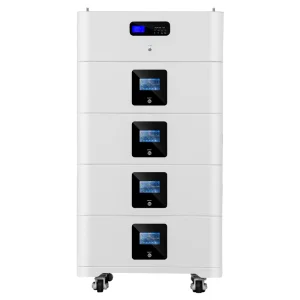
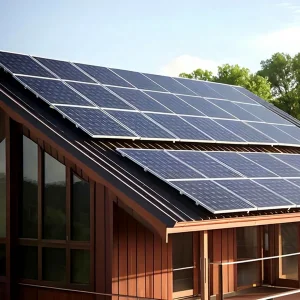
Factory rooftops utilize lightweight, high-load modules coupled with commercial lithium battery cabinets (such as our 500KW/1MWh kits). These systems reduce peak demand charges and guarantee operational continuity during grid drops.
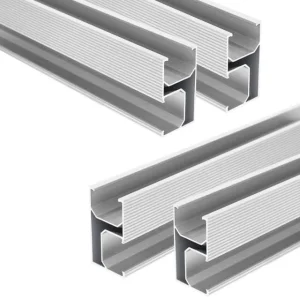
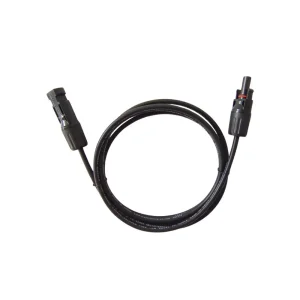
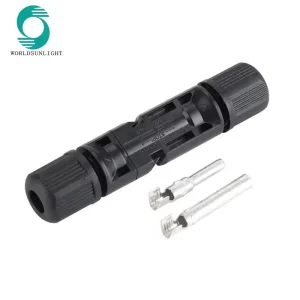
Harsh marine environments subject panels to high humidity, salt mist corrosion, and strong winds. Deployments require double-glass bifacial modules with IP67/IP68 waterproof junction box connectors, aluminum standard mounting rails (AL-6005-T5), and specialized anti-PID cell processing.
Snow accumulation and sub-zero temperatures impose severe static loads and thermal contraction. Heavy-duty aluminum frames, thick tempered glass covers, and robust smart BMS units are essential to maintain stable cell strings and prevent micro-cracks under dynamic wind-and-snow pressures.
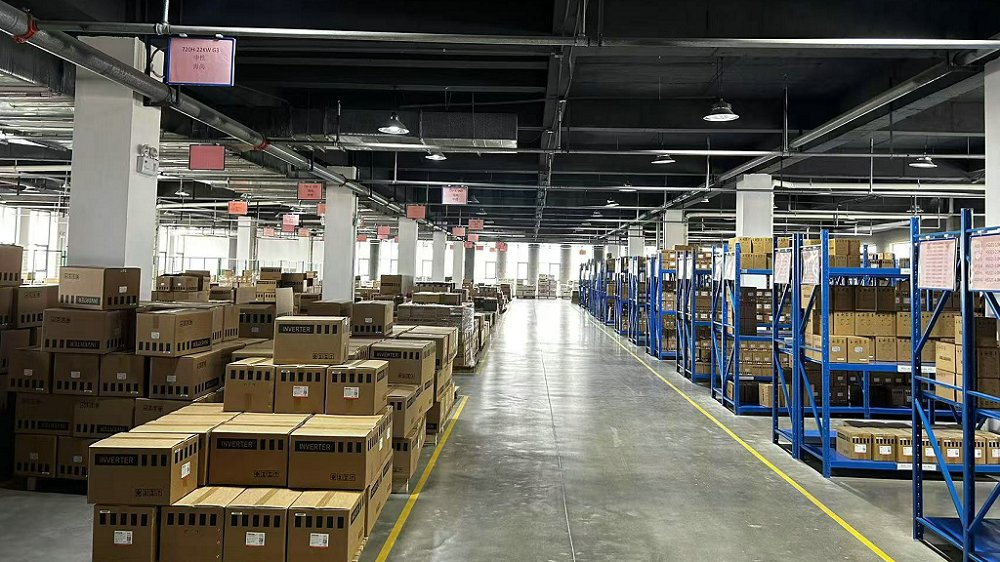
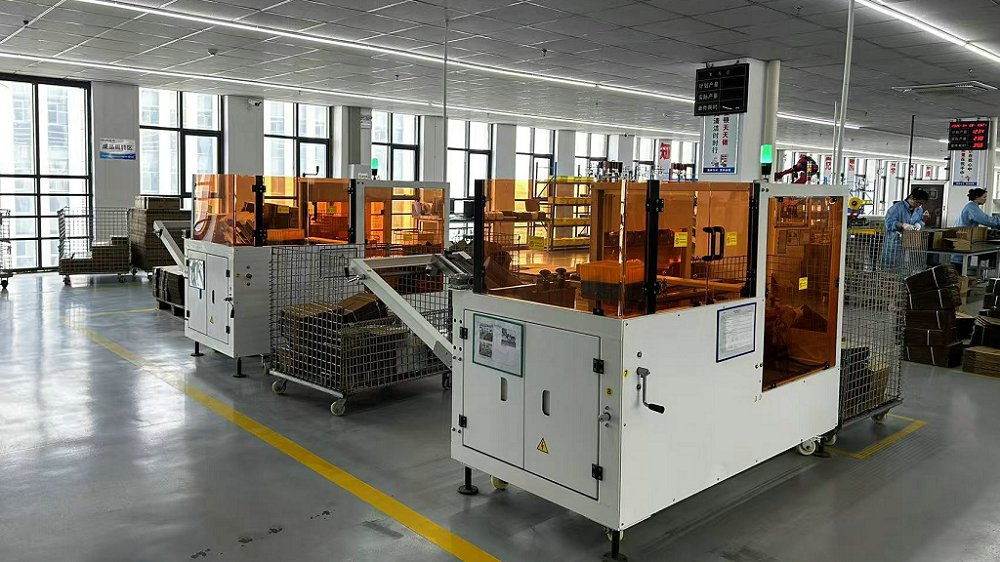
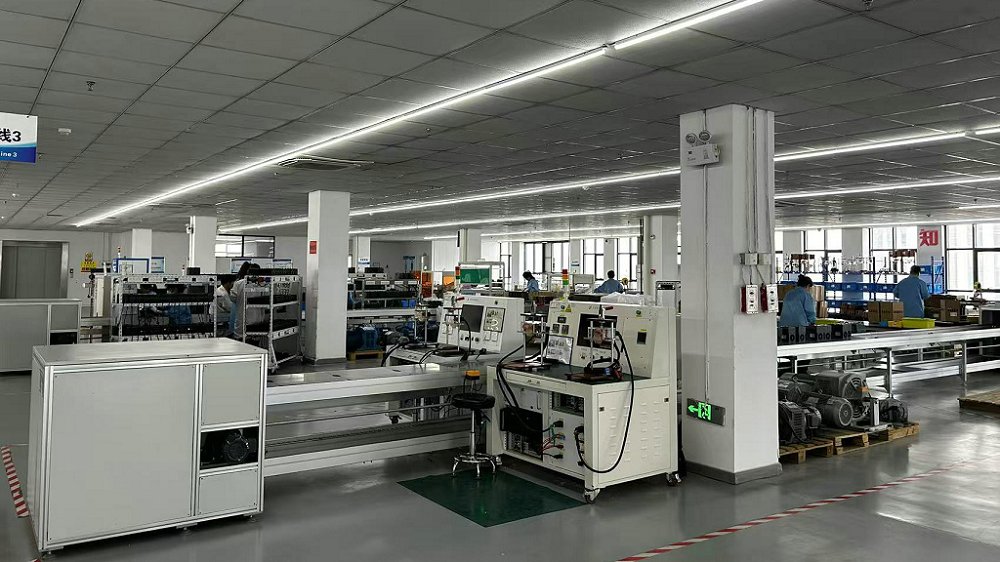
Under the hood of a Tier-1 solar energy production pipeline: showcasing our complete process from cell processing to final packaging.
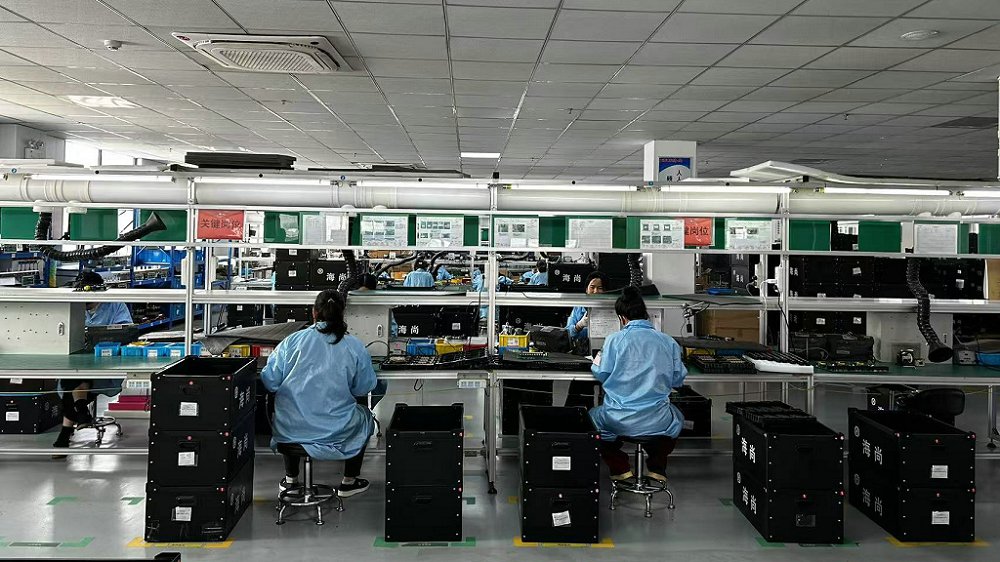
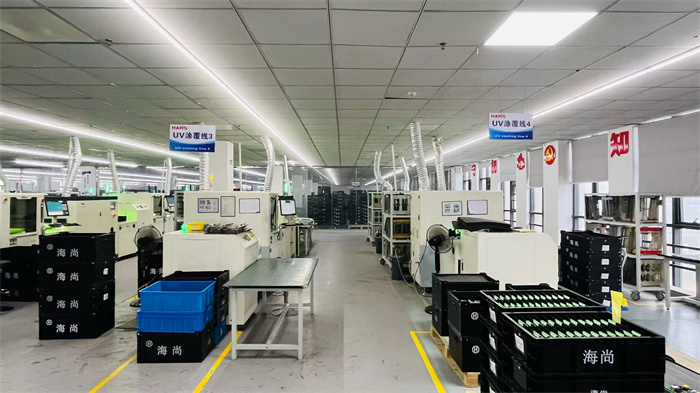
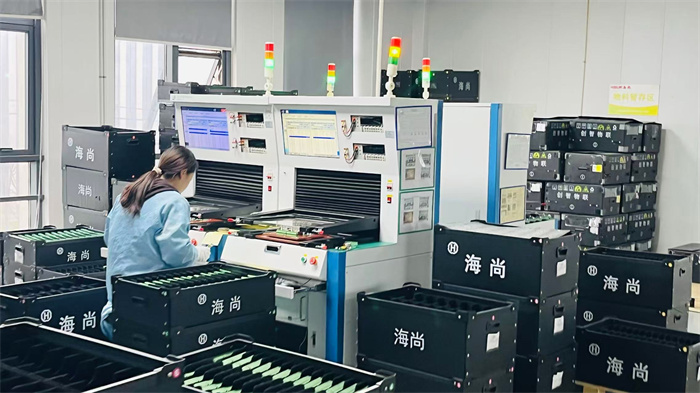
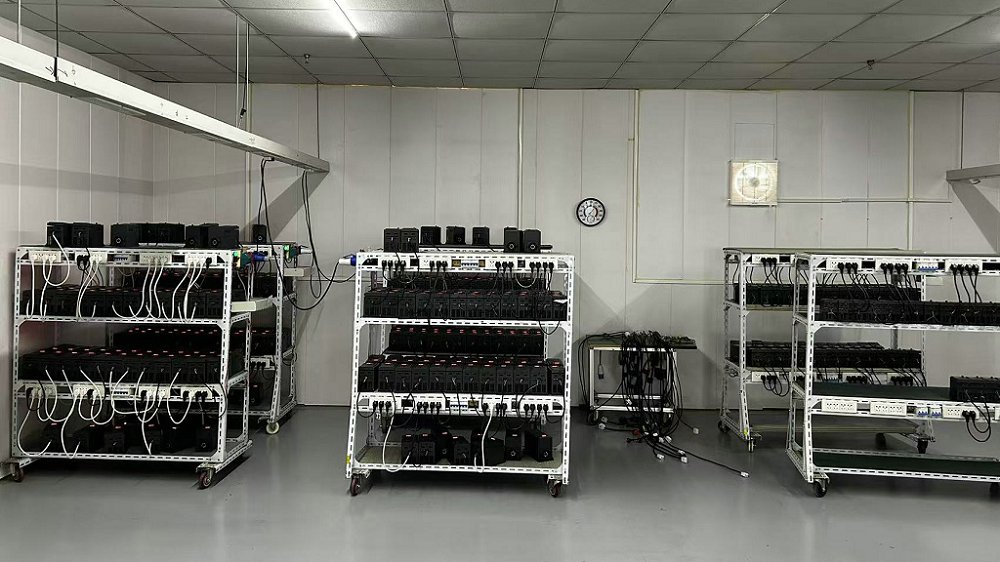
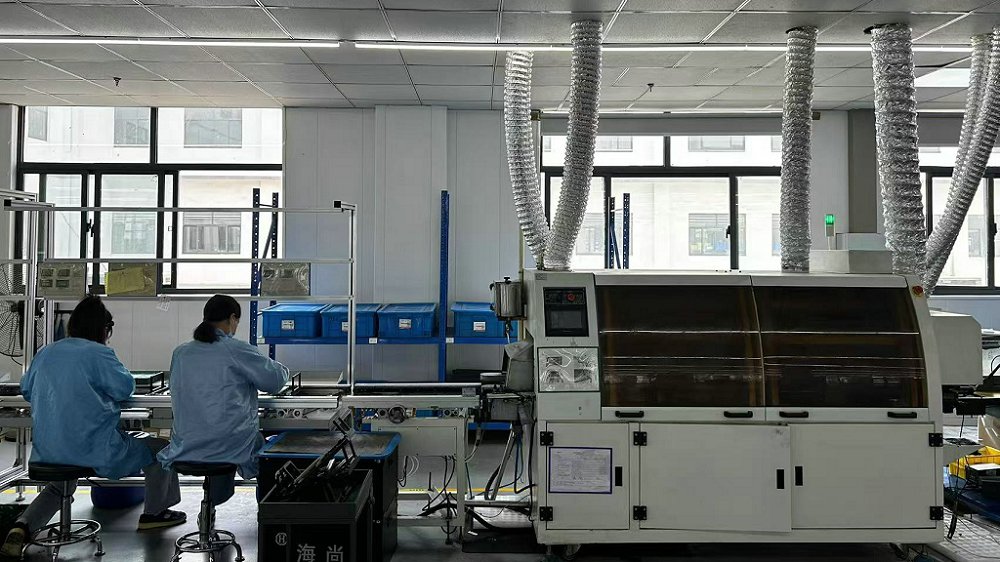
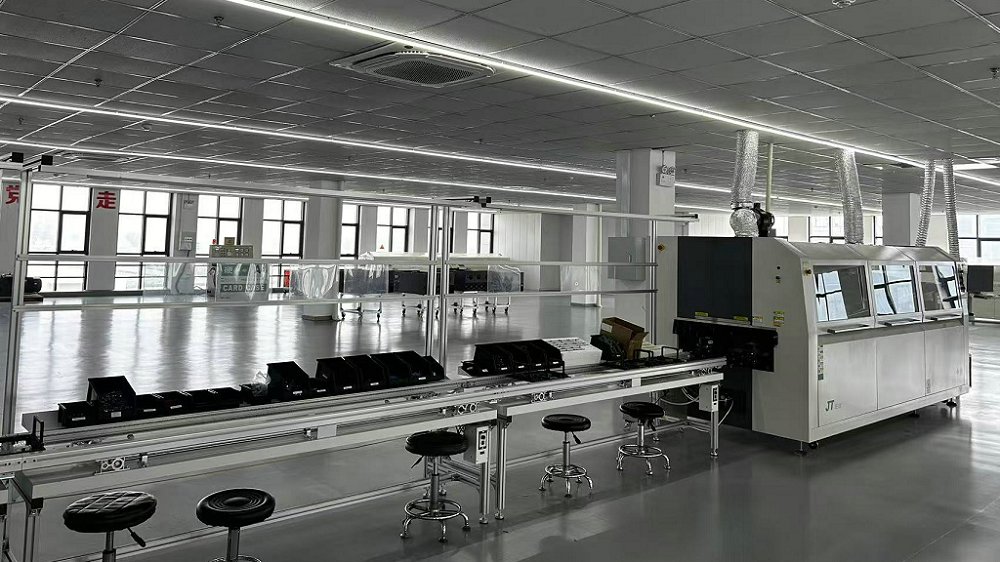
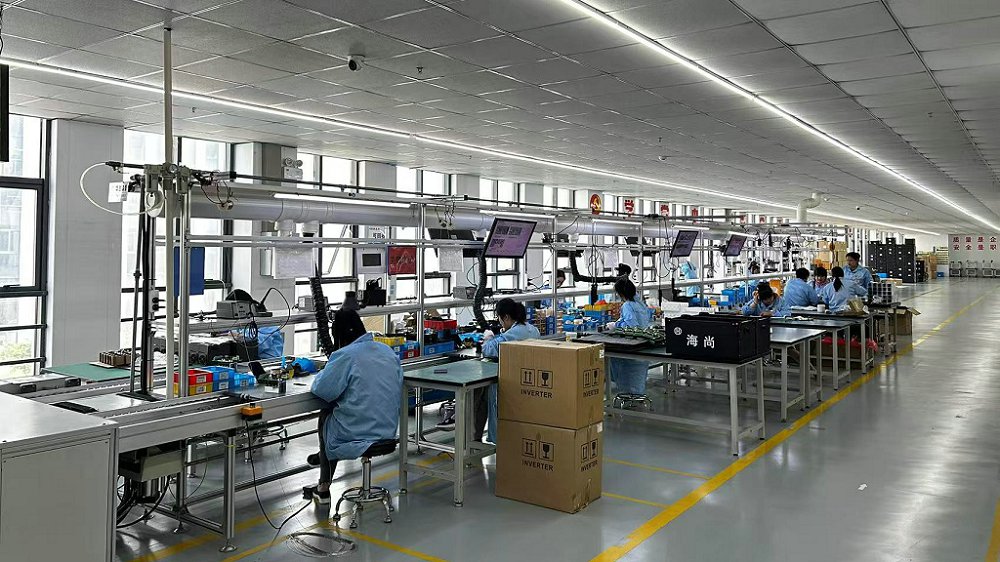
Operating globally requires adhering to regional electric codes and energy storage safety mandates. Learn how Jonas Energy ensures international compliance.
Our complete systems, components, and module integrations comply with international certifications including IEC 61215/61730, CE, TUV, UL, ISO9001, and ISO14001. This ensures easy grid interconnection and bankability with financial institutions.
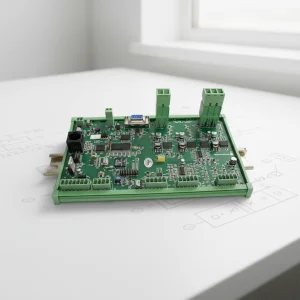
Different grids require custom voltage levels and frequency regulations. Our smart BMS boards and hybrid storage units feature configurable firmware parameters (compatible with Deye, Growatt, and Solis inverters) to simplify localized parameter settings.
We provide full structural support, including custom aluminum mounting brackets designed to withstand local wind loads (up to 60m/s) and snow accumulations, minimizing BOS engineering challenges.
Critical details on solar panel specifications, battery management integrations, and supply chain choices.
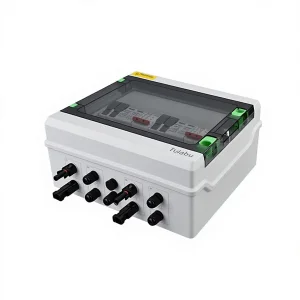
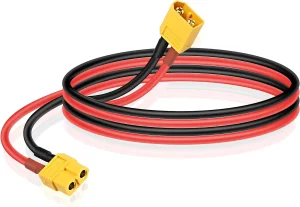
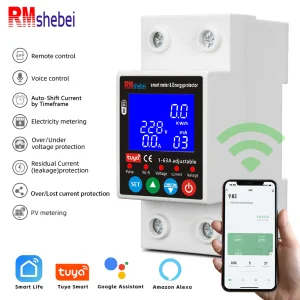
Complete your photovoltaic array with premium structural support, outdoor combiner boxes, certified PV cabling, and grid-metering modules.
 Jonas Energy