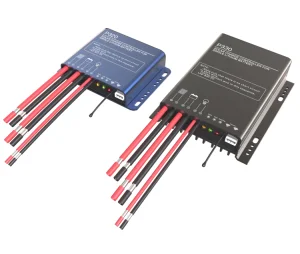
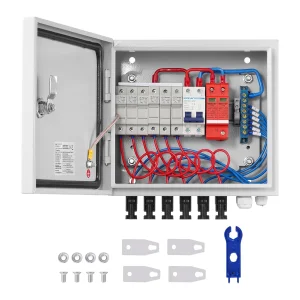
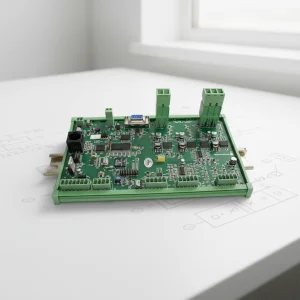
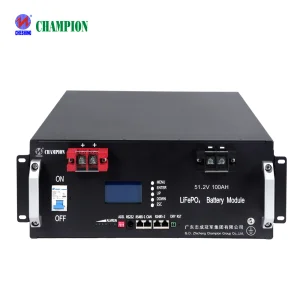
Engineered for efficiency, stability, and extreme climate durability. Explore our core tier-1 renewable components.
Deep dive into the architecture of PV-to-EV charging, battery storage integration, and industrial microgrids.
The global transition to electric vehicles (EVs) demands cleaner energy generation. Simply plugging EVs into fossil-fuel grids reduces tailpipe emissions but shifts the carbon burden upstream. Direct coupling of photovoltaics (PV) and EV charging optimizes energy flow, lowers utility fees, and avoids overloading localized grids during peak operating hours.
Smart load balancing is critical to prevent grid trip-outs when multiple high-current chargers operate simultaneously. Our systems intelligently measure household or building base loads, distributing surplus solar energy dynamically. This minimizes infrastructure upgrade costs and ensures continuous, safe charging currents.
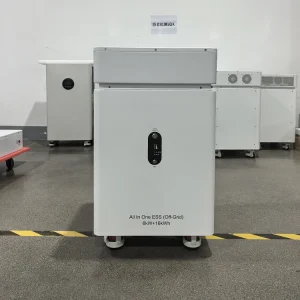
Solar energy is naturally intermittent. By integrating Battery Energy Storage Systems (BESS), including high-voltage rack-mounted LiFePO4 configurations, operators store excess day generation. This stored solar energy is then used to charge vehicles during cloudy periods or night shifts, achieving close to 100% renewability.
Adapting clean charging solutions to distinct regional and structural architectures worldwide.
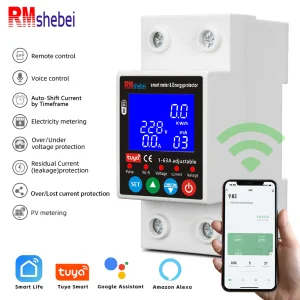
Integrating compact single-phase PV installations with smart EV wallboxes. Utilizing real-time data from Tuya smart switches and home energy storage, homeowners prioritize charging their vehicles from zero-cost solar power, reducing dependencies on local utility grids during high-tariff periods.
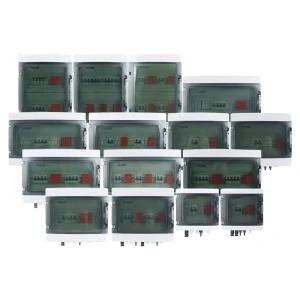
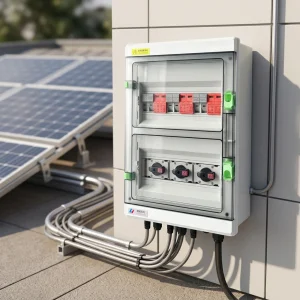
Multi-vehicle commercial operations rely on fast DC and high-power AC charging arrays. Monocrystalline silicon combiner boxes and high-capacity circuit breakers manage multiple input strings. This layout supports heavy delivery vans, municipal utility vehicles, and employee cars using optimized shift schedules.
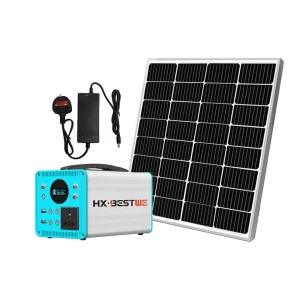
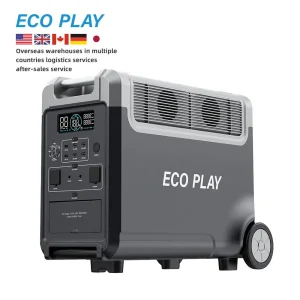
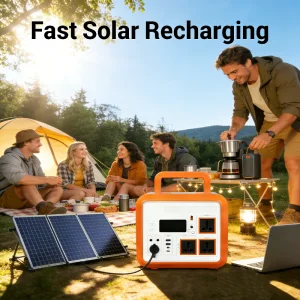
Isolated farming structures, national parks, and mining stations benefit from modular microgrids. Deploying rugged, waterproof PWM controllers, hybrid mini-solar generators, and portable power stations ensures that EVs, ATVs, and emergency maintenance machinery can charge even when completely disconnected from regional grids.
Pioneering tomorrow's power electronics, communications, and chemical energy integration today.
The transition of EVs from passive loads to active decentralized energy assets. Bidirectional vehicle-to-grid (V2G) and vehicle-to-home (V2H) structures will allow parked electric vehicles to feed energy back to homes or utility systems during peak grid strain, creating virtual power plants (VPPs).
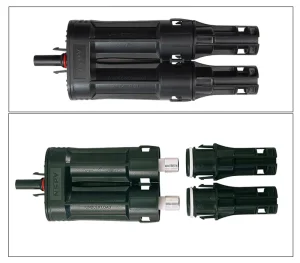
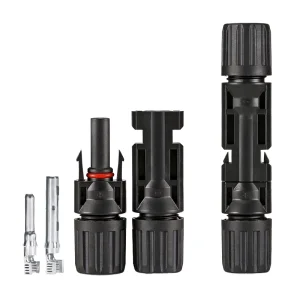
To drastically reduce charge times, passenger and heavy industrial EVs are upgrading to 800V-1000V platforms. Our technology adapts with high-voltage DC combiner boxes, high-durability MC4 adapters, and robust BMS systems to manage higher thermals and discharge rates safely.
Leveraging machine learning algorithms to analyze meteorological forecasts, local energy consumption, and charging schedules. Algorithms predict local PV yield and adjust BESS and EV charging curves, ensuring maximum solar utilization and minimizing expensive utility draw.
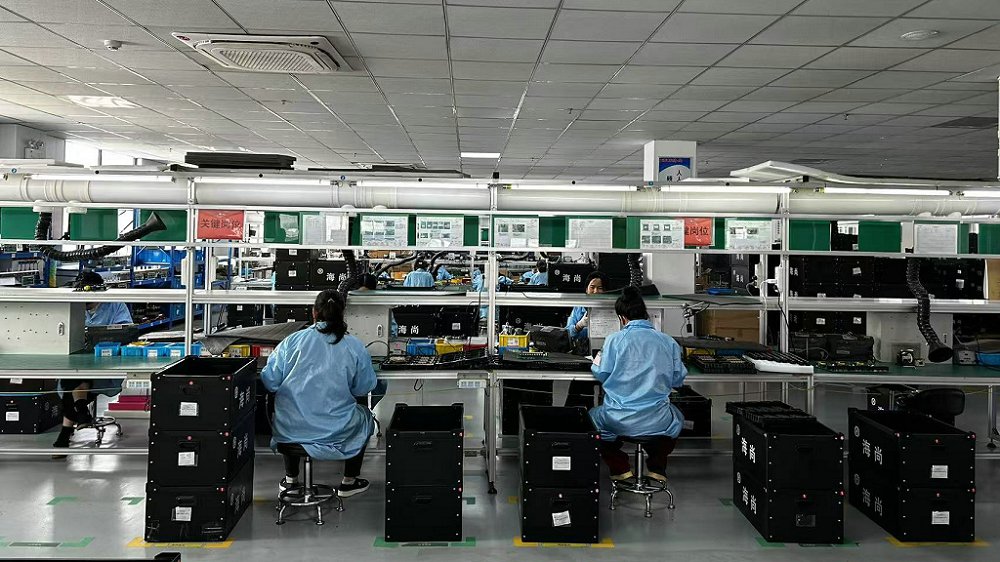
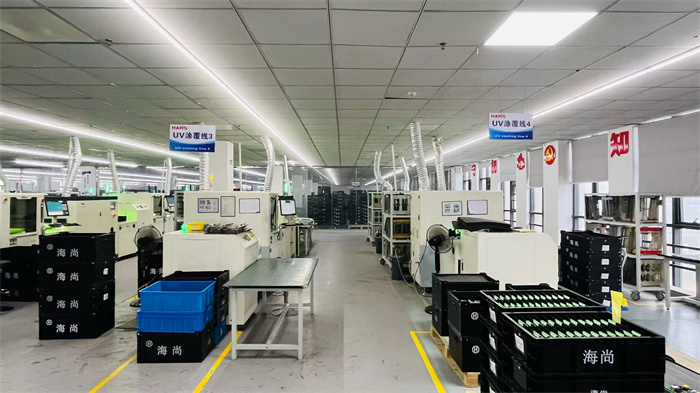
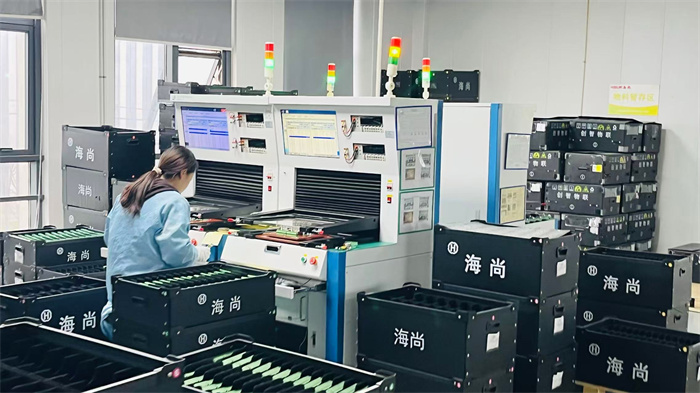
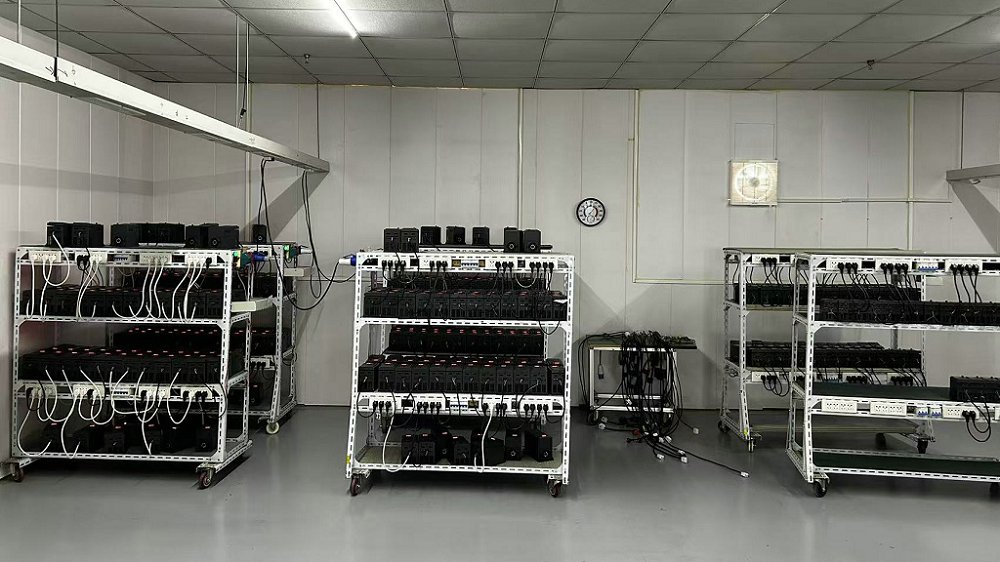
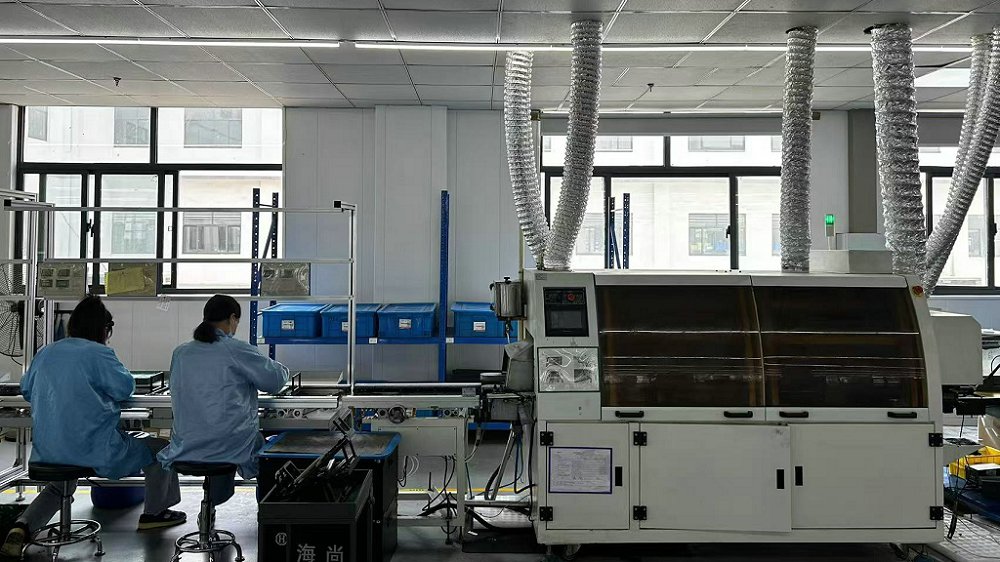
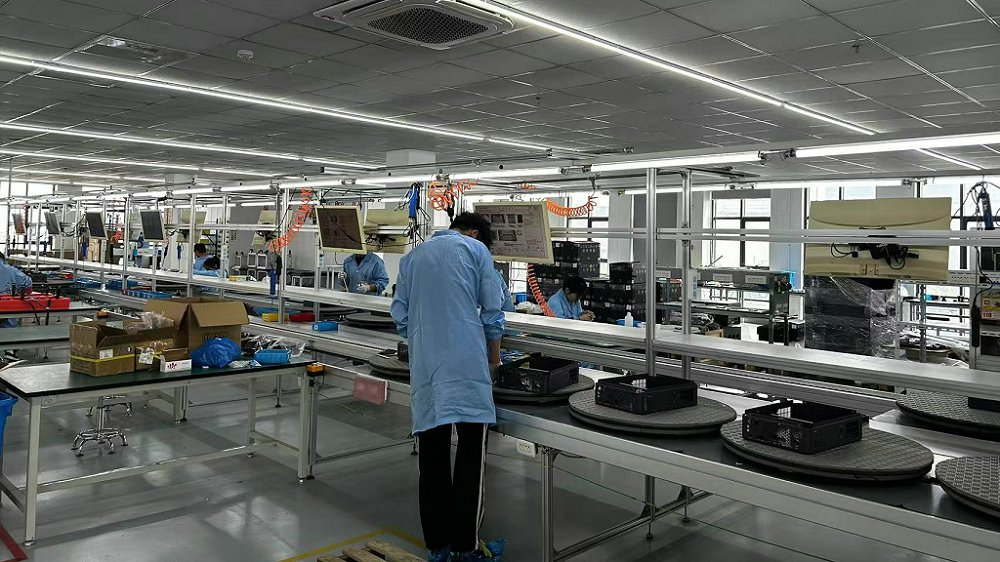
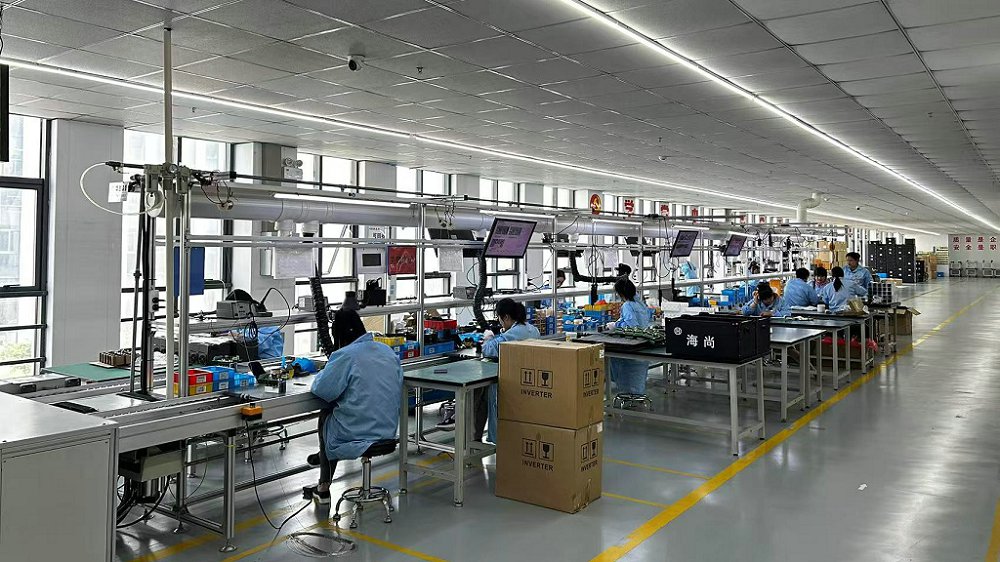
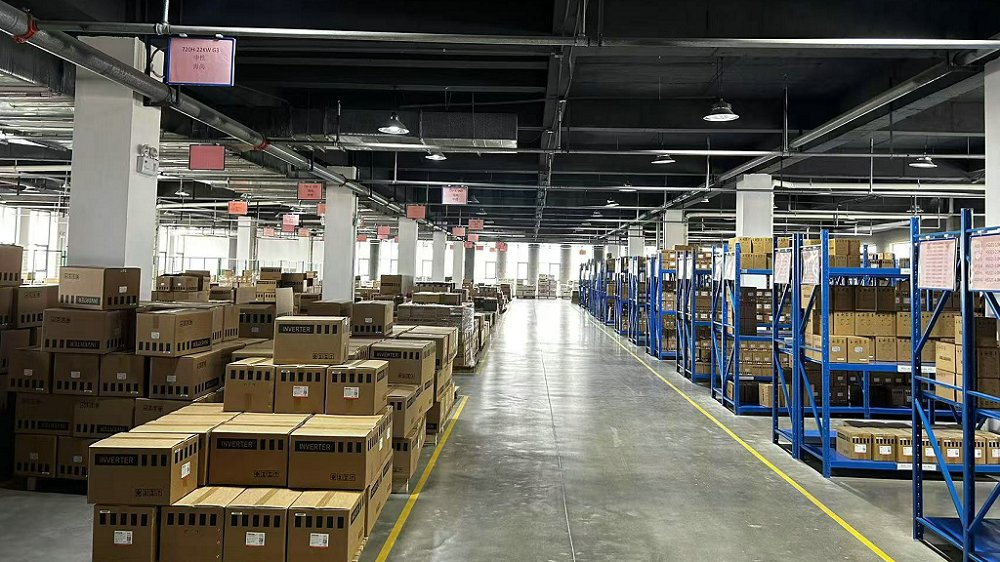
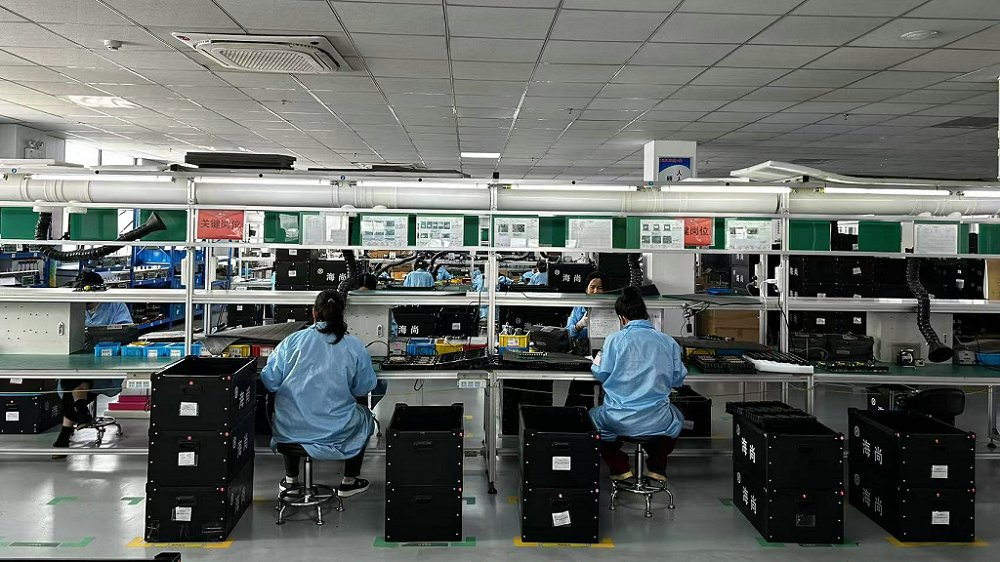
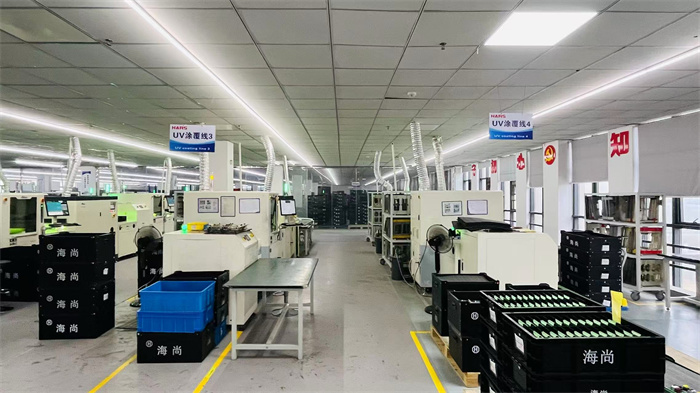
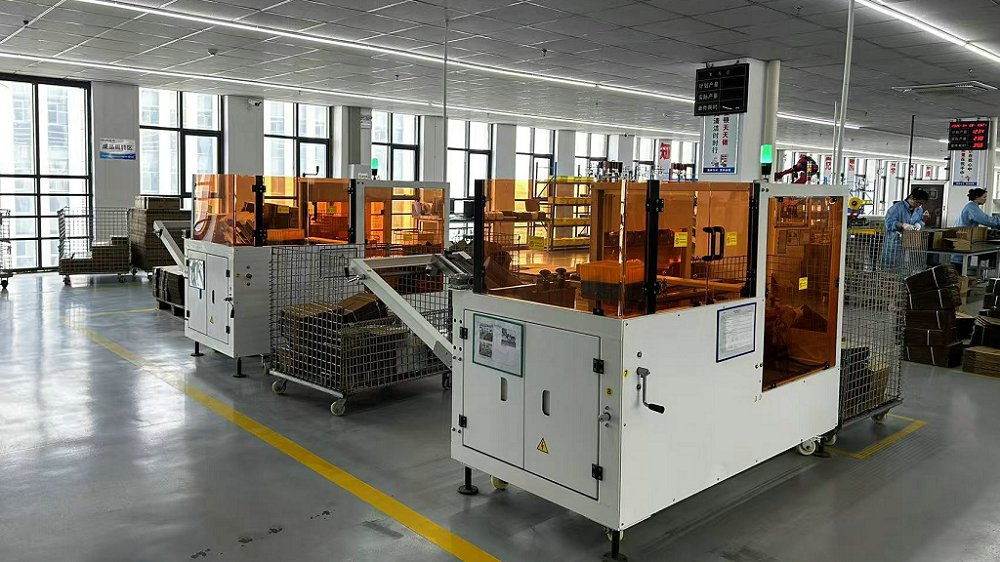
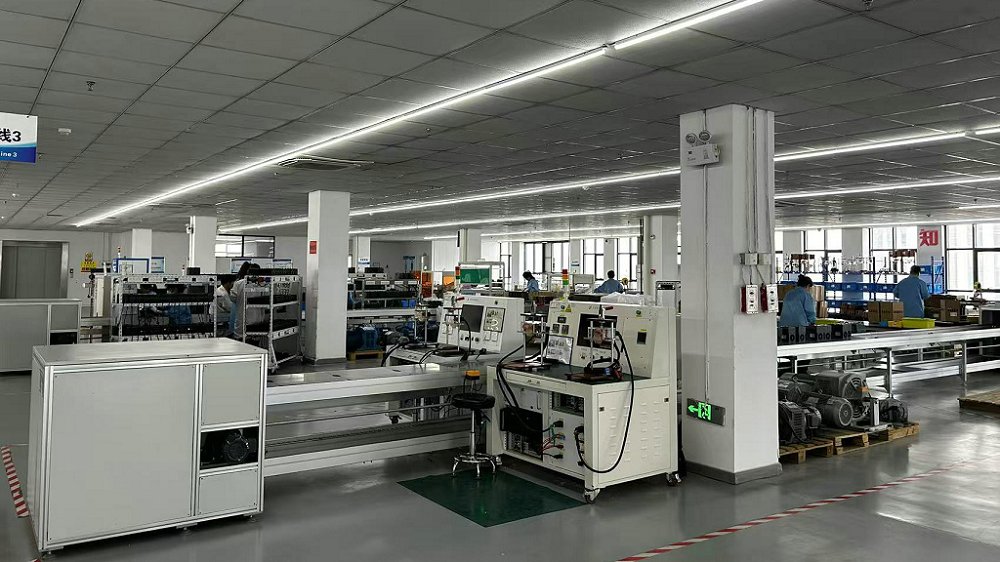
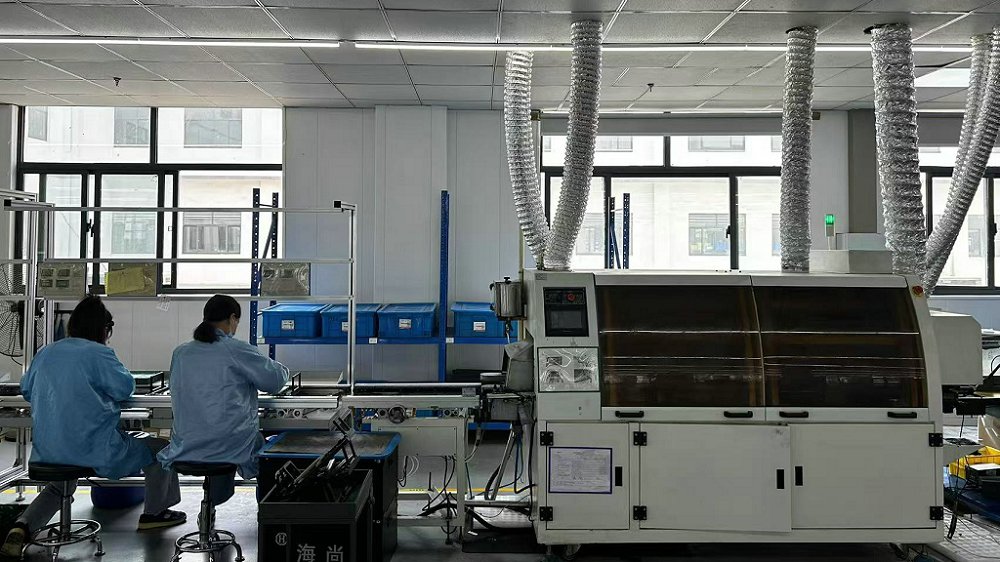
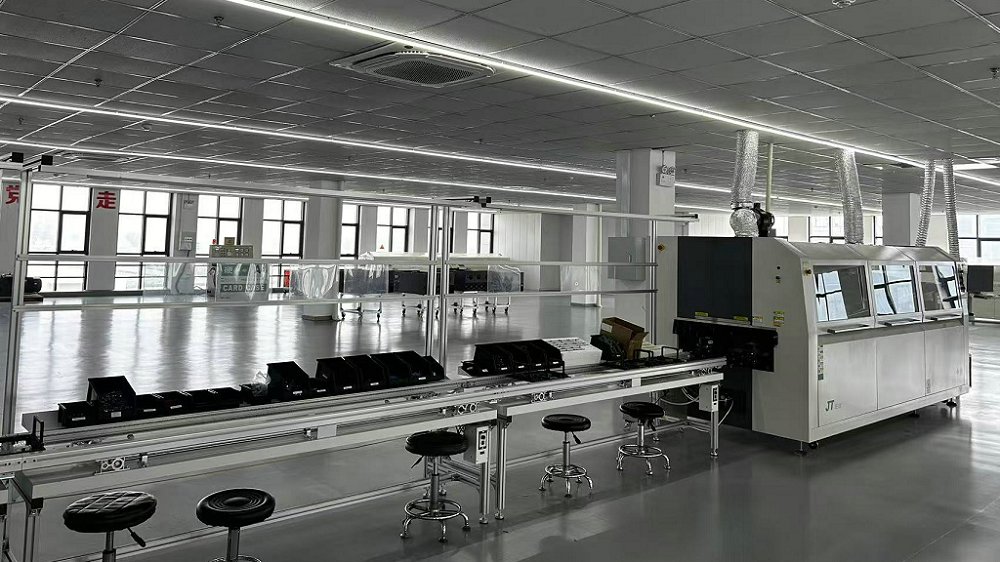
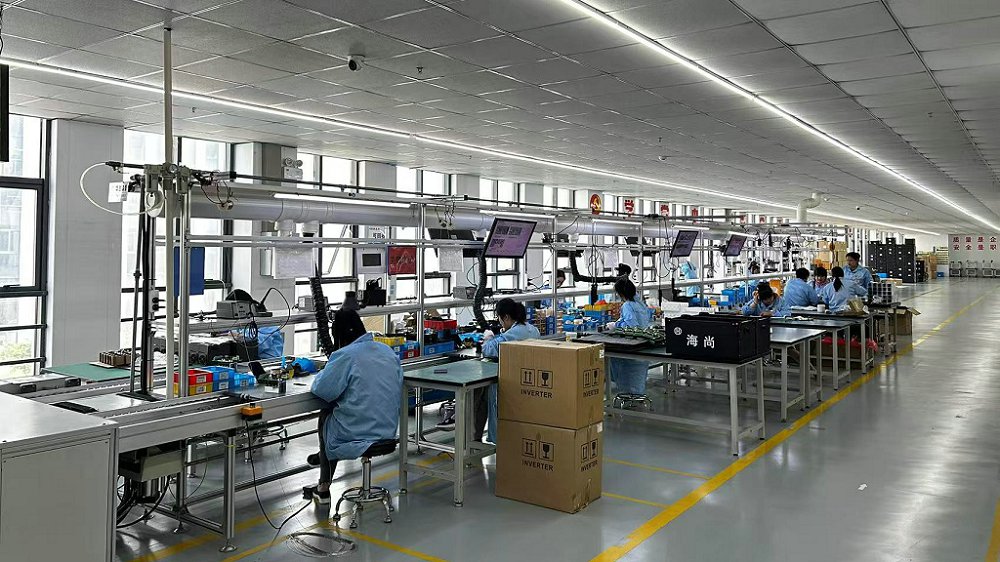
Operating modern production facilities in Xiamen, Fujian. Direct control over raw materials, processing, and strict quality control.
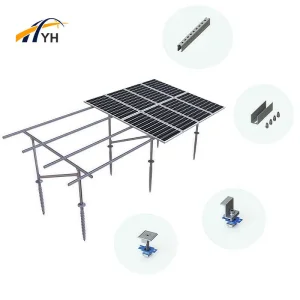
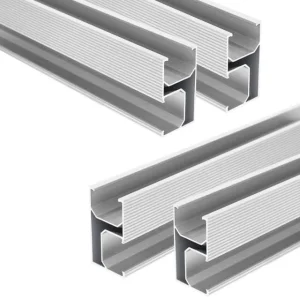
Xiamen Jonas Energy Co., Ltd. leverages Fujian's advanced battery manufacturing hub to deliver high-quality solar chargers and energy systems. Our facilities feature modern testing labs, automated SMT lines, advanced welding systems, and environmental chambers. This vertically integrated supply chain ensures strict quality management from raw copper terminals and high-grade aluminum brackets to the final smart BMS programming.
Ensuring seamless local approvals, code compliance, and reliable operation across all jurisdictions.
All clean energy products comply with standard testing protocols. Our products hold CE, TUV, IEC, and ISO9001 certifications. This meets strict municipal grid connection standards and enables hassle-free commercial deployment.
Different regions present varied voltage profiles and frequency standards. Our hybrid systems feature adjustable voltage thresholds and multi-standard utility connection software to protect local appliances from voltage surges.
From initial PV structural engineering designs to remote software configurations, our specialists provide support throughout the project lifecycle. We offer OEM/ODM customization services to adapt products to specific regional conditions.
Maximize solar conversion rates with our certified brackets, cables, combiners, and storage solutions.
Get authoritative answers on performance, integration, standards, and import processes.
 Jonas Energy