Jonas Energy
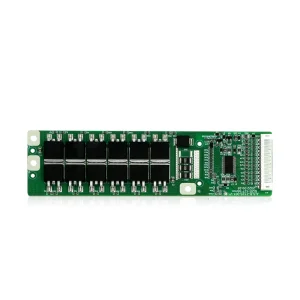
Iraq’s Solar Energy Revolution and the Pivotal Role of Smart BMS
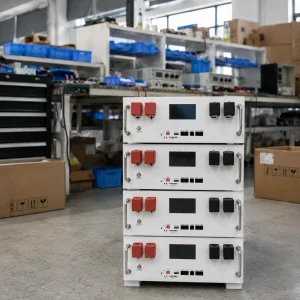
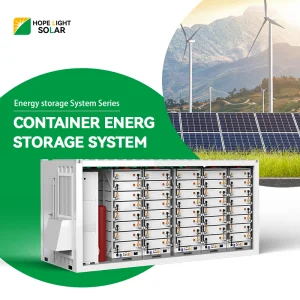
Iraq is undergoing a major paradigm shift in energy production. With vast solar radiation potential exceeding 2,000 kWh/m² annually, the country is rapidly integrating photovoltaic (PV) systems to mitigate daily grid deficits and reduce heavy reliance on expensive local diesel generators. In urban centers like Baghdad, Basra, Erbil, and Mosul, solar installations are expanding from residential rooftops to massive Commercial and Industrial (C&I) micro-grids.
However, the Iraqi solar landscape presents unique operational hurdles. Extreme ambient temperatures regularly exceeding 50°C during peak summer months, combined with high particulate dust levels, create an aggressive environment for Lithium Iron Phosphate (LiFePO4) battery packs. Without an advanced, highly calibrated Battery Management System (BMS), high temperatures accelerate battery degradation, cause cell imbalances, and even elevate thermal runaway risks.
The Extreme Environmental Challenge in Iraq
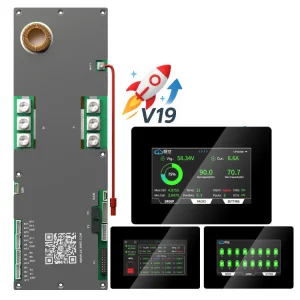
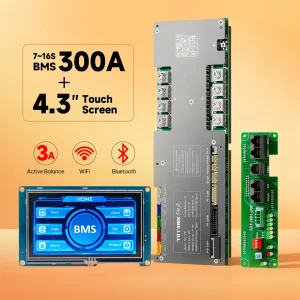
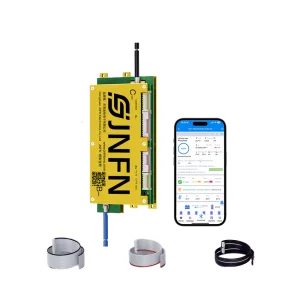
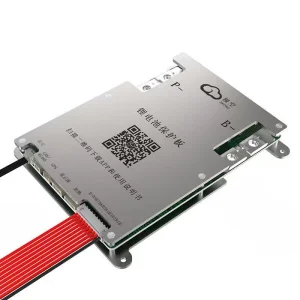
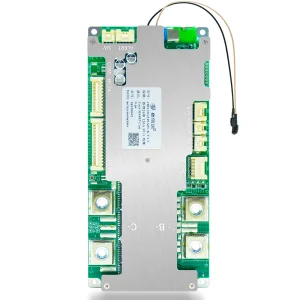
When selecting a solar BMS for projects in Iraq, standard domestic-grade units fail prematurely due to insufficient thermal management and lack of heavy-copper heat paths. High ambient heat leads to cell temperature variance within large battery packs. A variation of just 5°C between series-connected cells can diminish pack lifecycle capacity by up to 40% over two years. Jonas Energy’s state-of-the-art Smart BMS mitigates this issue by employing real-time active balancing algorithms, moving charge dynamically from higher-voltage cells to lower-voltage cells, rather than merely dissipating it as heat (passive balancing).
Localized Iraq Application Scenarios for Smart Solar BMS
BMS Technical Roadmap & Future Outlook
As the global market trends toward higher energy densities and higher voltages, Jonas Energy's BMS development is focused on several breakthrough technical paths:
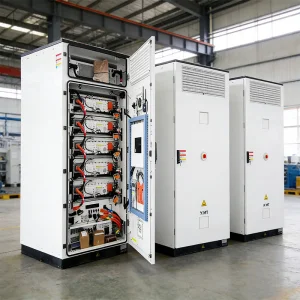
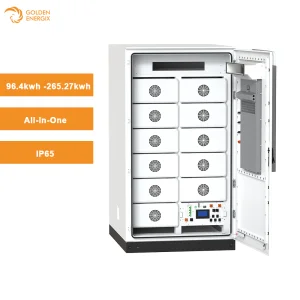
- High Voltage Architectures: Transitioning from standard low-voltage (48V) packs to high-voltage (700V to 1000V) battery energy storage systems (BESS) to lower system currents, dramatically decrease cable costs, and reduce transmission thermal losses.
- Artificial Intelligence for SOH Diagnostics: Incorporating machine learning inside our smart BMS firmware to monitor historic cell impedances, enabling predictive health monitoring and thermal runaway prevention days before safety anomalies occur.
- Dual-protocol Interoperability: Ensuring native out-of-the-box compatibility with all major tier-1 hybrid inverter brands via dynamic CAN/RS485 firmware selection, eliminating integration roadblocks for Middle Eastern installers.