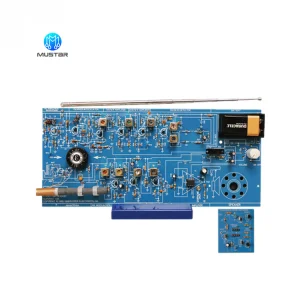
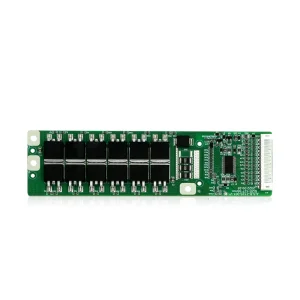
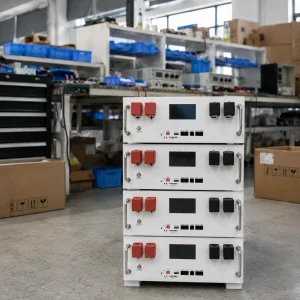
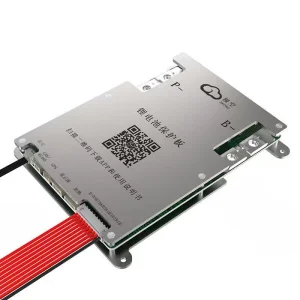
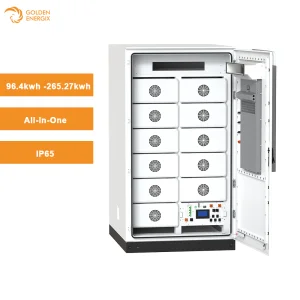
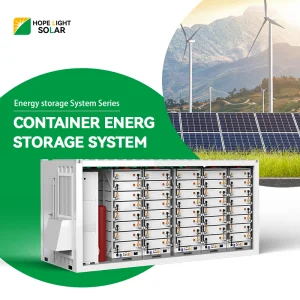
Engineered for high temperature tolerance, advanced communication protocols (CANbus/RS485), and seamless integration with mainstream European inverters.
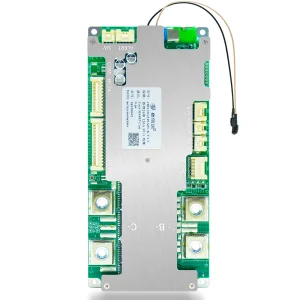
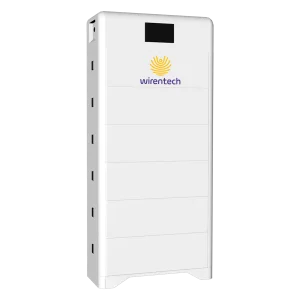
SOC/SOH Estimation Accuracy
Design Life Performance
Grid-Compliant Architectures
Triple-Stage HIL Testing Standard
Spain is currently undergoing one of Europe's most aggressive clean energy transitions. Backed by the updated National Integrated Energy and Climate Plan (PNIEC 2021-2030), Spain aims to achieve 81% of electricity generation from renewable sources by 2030, bolstered by massive solar PV expansion. High solar irradiance in regions like Andalusia, Extremadura, Murcia, and Aragon presents immense opportunities for commercial, industrial (C&I), and residential solar applications.
However, the Spanish electricity network, regulated by Red Eléctrica de España (REE), poses strict grid code guidelines (such as UNE 217001 / UNE 217002 and RD 244/2019). Rapid grid expansion and high penetration of distributed generation demand smart energy storage systems (BESS). At the heart of every lithium energy storage device lies the Battery Management System (BMS). A smart BMS is essential for managing load shaving, frequency regulation, and dynamic export limitation—a critical requirement for grid connection approvals in Spain.
From preventing thermal runaway in agricultural solar pumps exposed to extreme summer heat (reaching over 45°C) to optimizing virtual power plants (VPPs) in urban industrial zones of Barcelona and Madrid, our technology provides the safety and efficiency needed to navigate the demanding Spanish regulatory environment.
Integrating state-of-the-art battery analytics and hardware reliability for macro-industrial and localized micro-grid applications.
Advanced balancing algorithms ensure maximum usable capacity from LFP (LiFePO4) chemistries, expanding pack lifespan by up to 30% even under asymmetrical heavy-cycling usage patterns.
Features independent hardware protection circuits, primary/secondary over-current limits, configurable cell over/under voltage boundaries, and precise short-circuit detection.
Seamlessly communicates with tier-1 European hybrid inverters (e.g., Victron Energy, SMA, Fronius, Ingeteam) via CANbus and RS485 using Modbus RTU/TCP protocols.
How our custom BMS technology directly addresses practical energy needs across various Spanish industrial and commercial environments.
Agricultural irrigation requires massive power during peak daylight hours. Many estates (Fincas) rely on off-grid solar generators. Ambient temperatures during summer often trigger thermal alarms in standard batteries. Our BMS features up to 16 localized NTC temperature sensors per module, dynamic cooling fan relays, and high thermal capacity copper terminals to prevent overheating and maintain uninterrupted irrigation cycles.
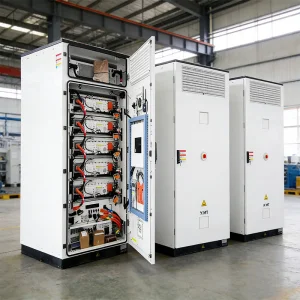
High industrial electricity tariffs during peak grid hours can dramatically impact margins for manufacturing plants in northern Spain. High-voltage (up to 700V-1000V) centralized BESS containers managed by our Master-Slave BMS enable automated peak shaving. By storing excess PV power during low-demand periods and discharging it when energy prices skyrocket, Spanish operators can secure a return on investment within 4 to 5 years.
Spanish domestic solar installations utilize "Compensación Simplificada" (simplified net-billing) where surplus electricity injected into the grid is compensated at market rate, which is often lower than consumption rates. An intelligent BMS connected to an all-in-one residential storage unit maximizes self-consumption. It restricts injection to the grid until the local battery is fully optimized, keeping household power bills near zero.
Delivery fleets and urban mobility are scaling rapidly in Spain's low-emission zones (Zonas de Bajas Emisiones - ZBE). Our 4G GPS BT Smart BMS line tracks battery health in real-time, preventing over-discharge and predicting localized cell degradation to optimize battery swapping logistics across major Spanish municipal logistics centers.
Xiamen Jonas Energy Co., Ltd. is a professional provider of renewable energy solutions, headquartered in Xiamen, Fujian Province, China. Since its establishment, the company has been dedicated to the research, development, manufacturing, and global distribution of advanced photovoltaic and energy storage products.
With a strong commitment to innovation and sustainability, Jonas Energy offers a comprehensive portfolio of solar energy solutions, including solar panels, inverters, energy storage batteries, mounting systems, and complete solar power generation systems. Our products are designed to meet the diverse needs of residential, commercial, industrial, and utility-scale projects worldwide. We work closely with internationally recognized manufacturers and technology partners to provide a wide range of reliable energy storage solutions, including wall-mounted batteries, all-in-one storage systems, rack-mounted batteries, and containerized energy storage systems (ESS).
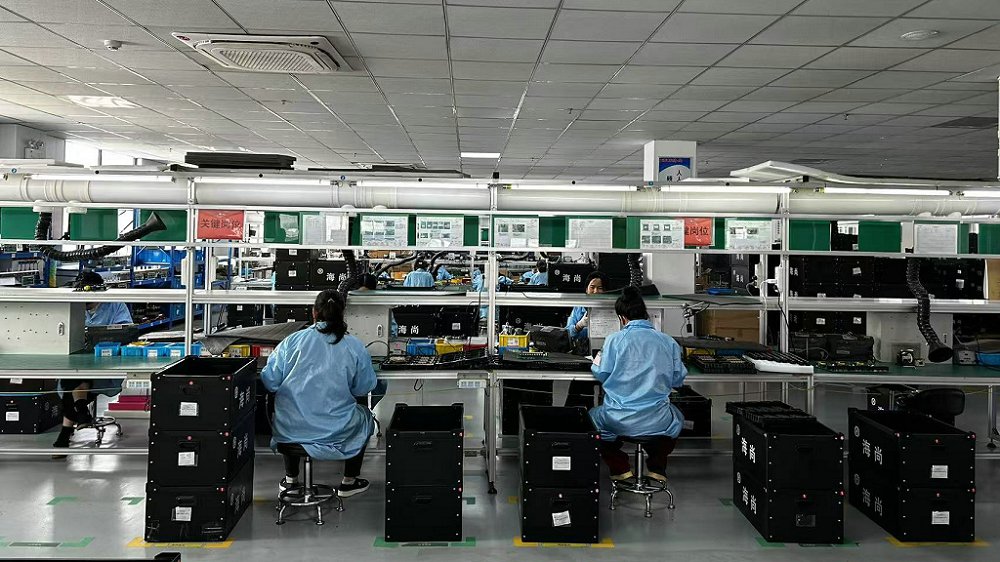
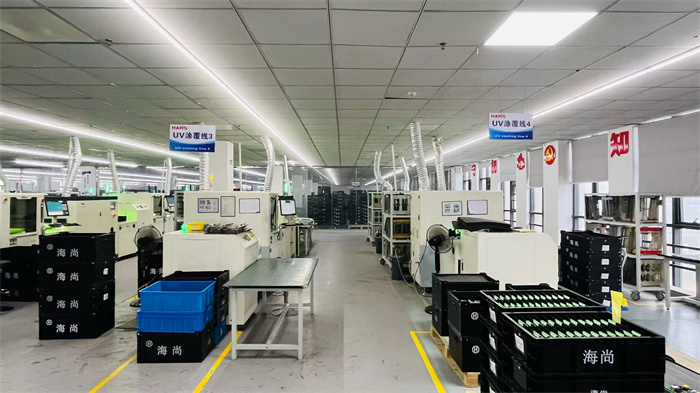
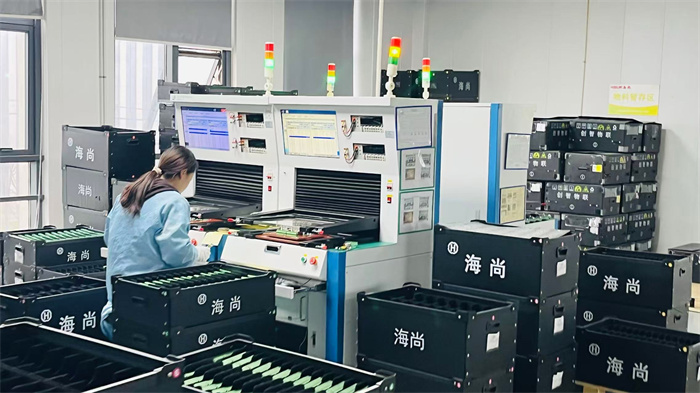
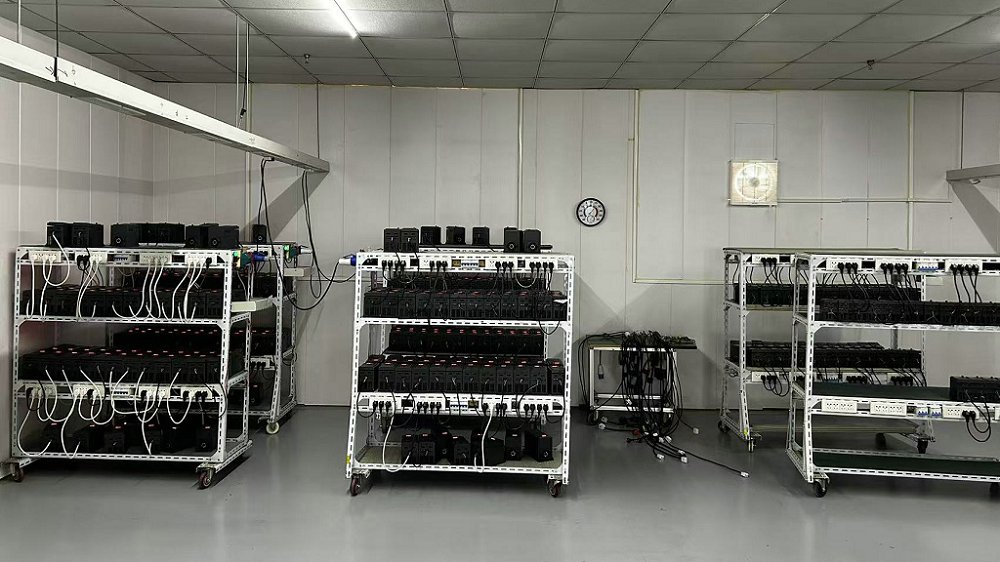
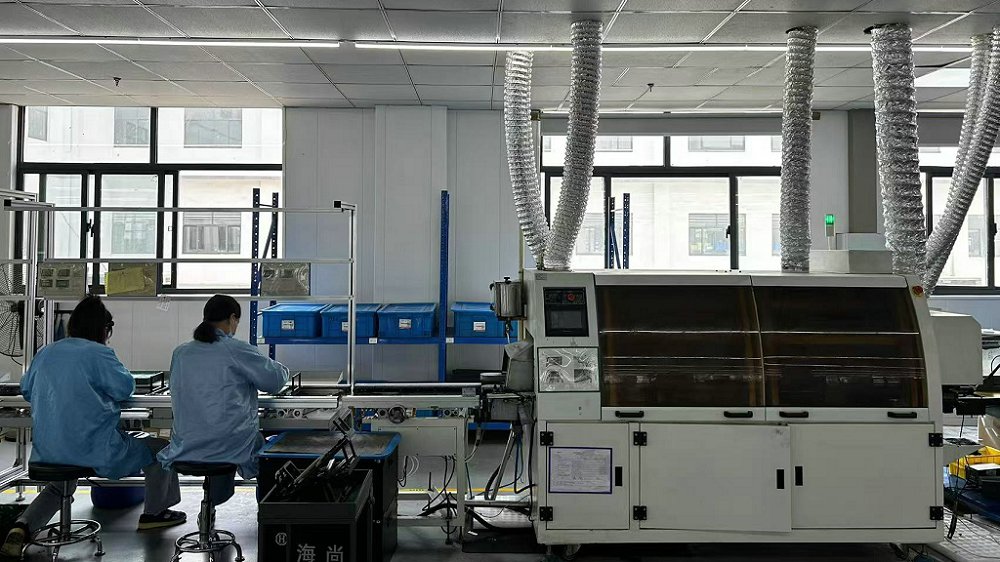
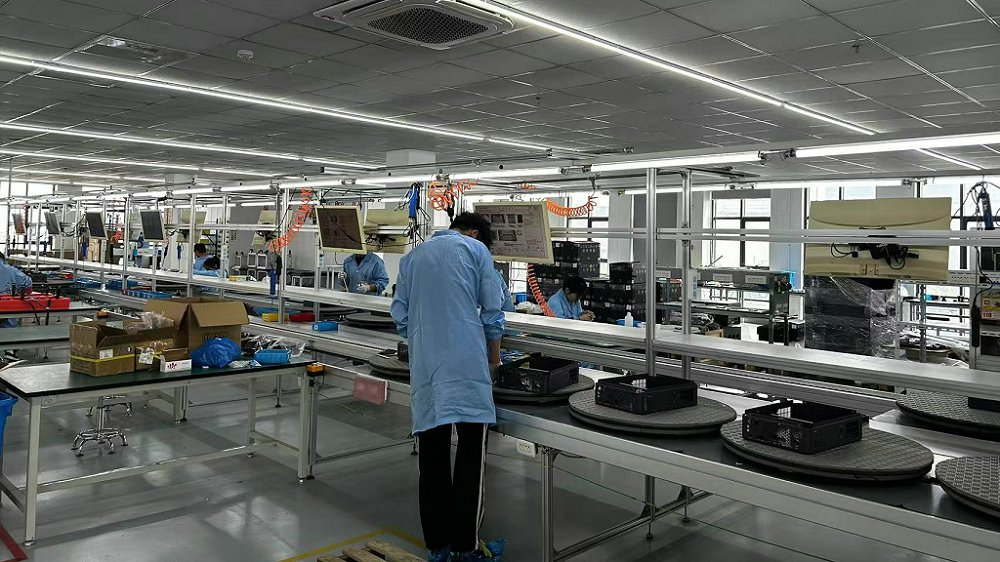
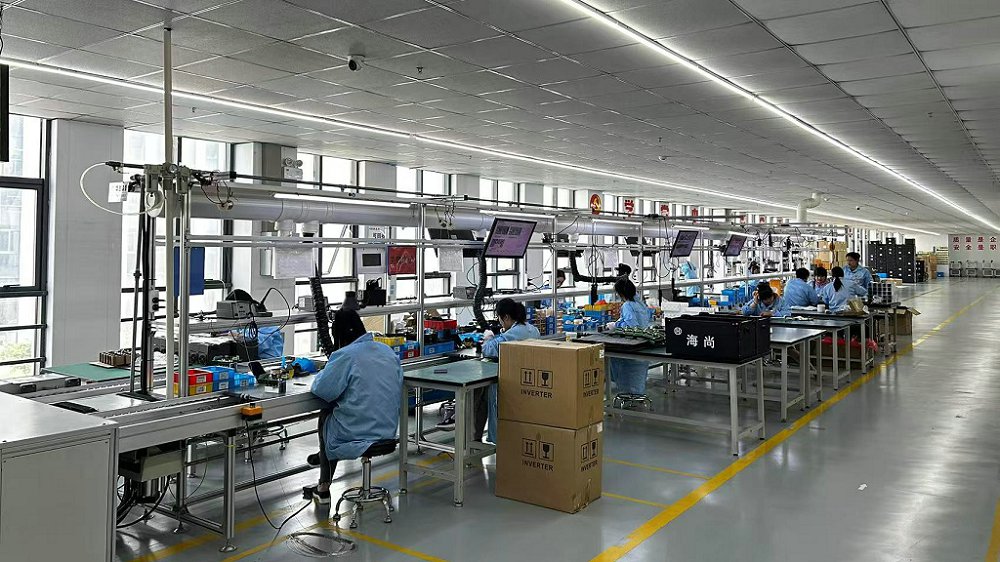
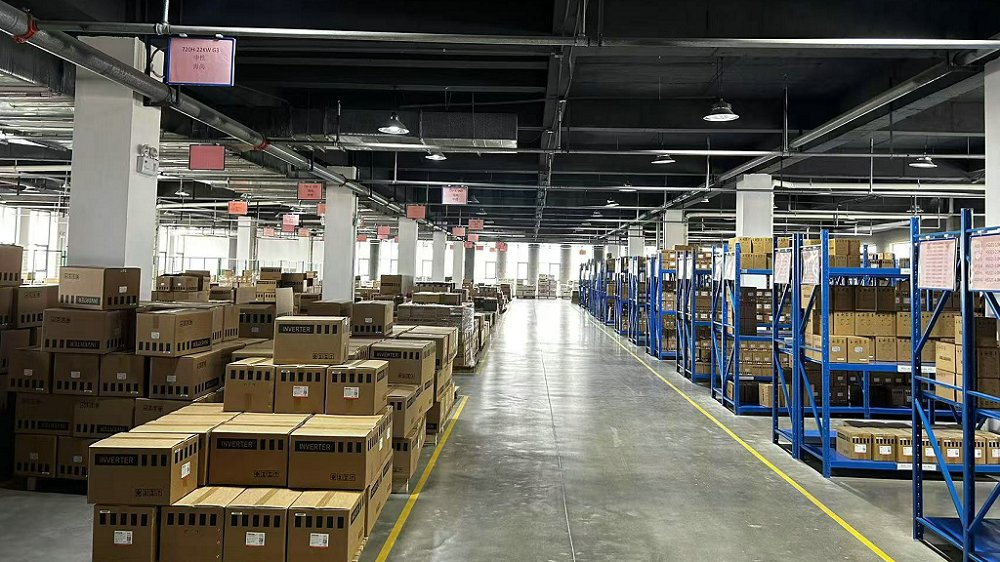
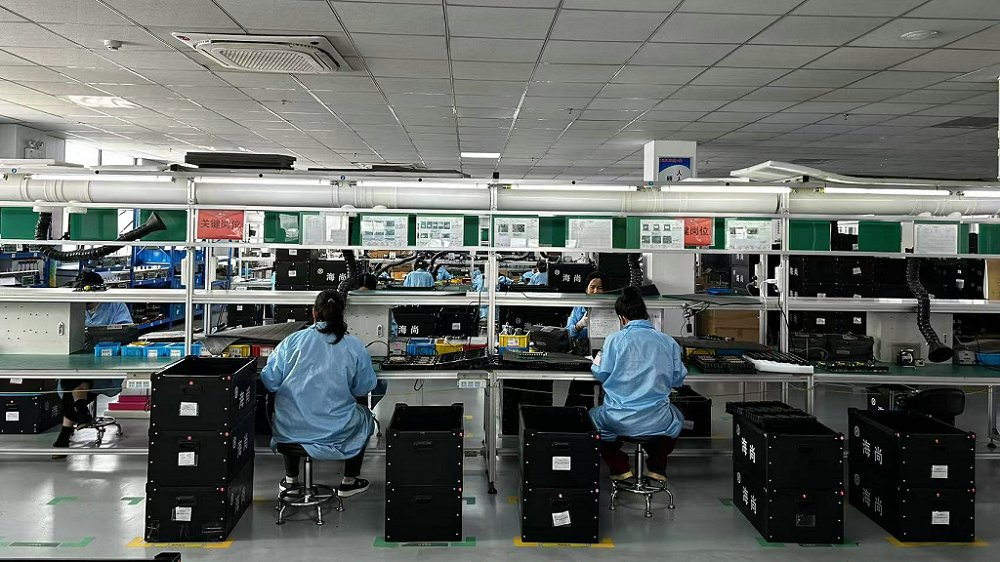
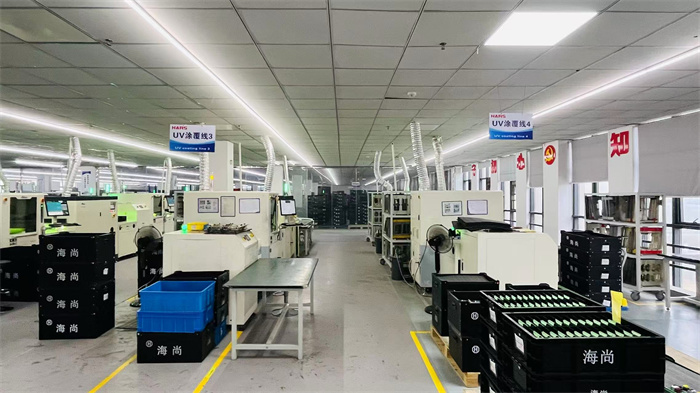
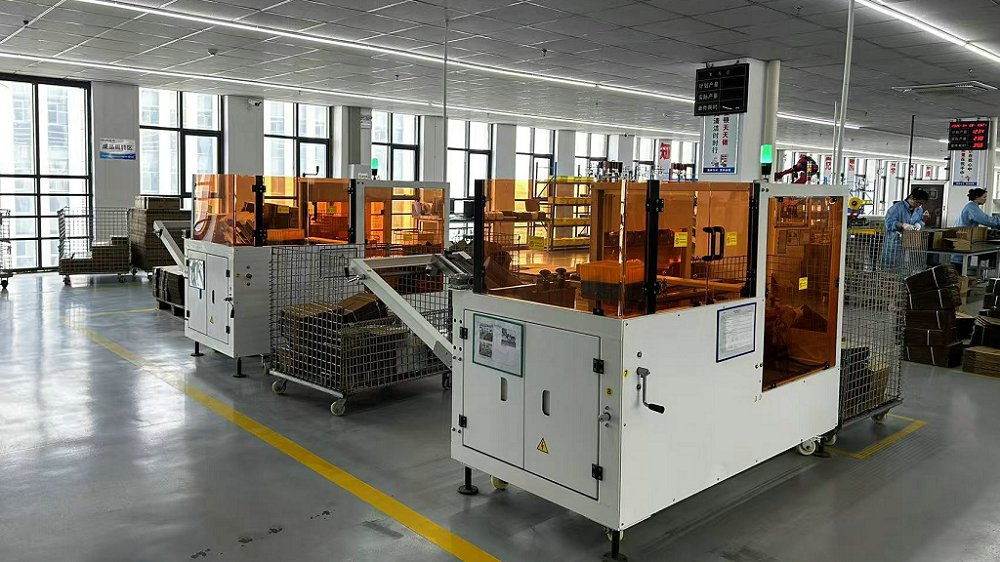
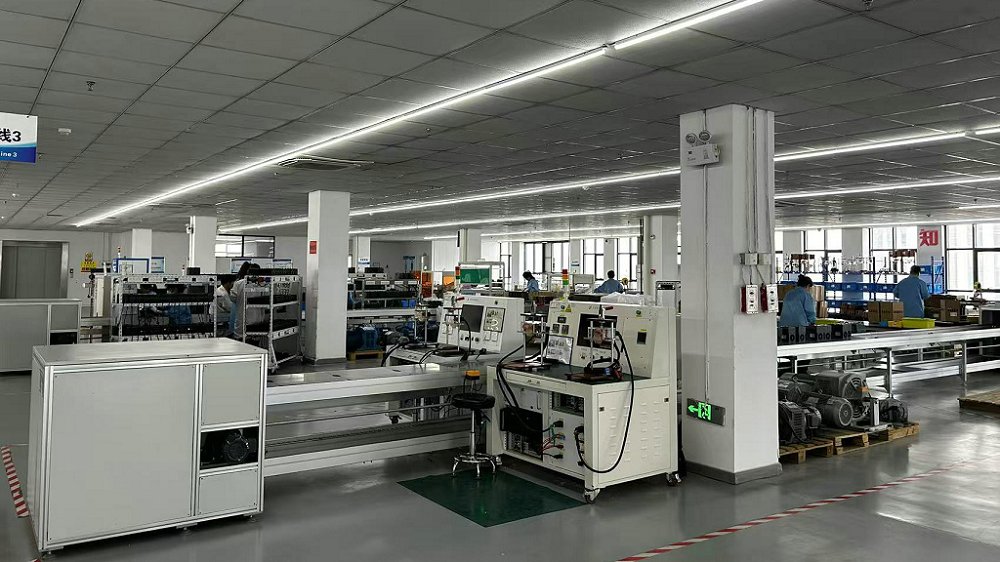
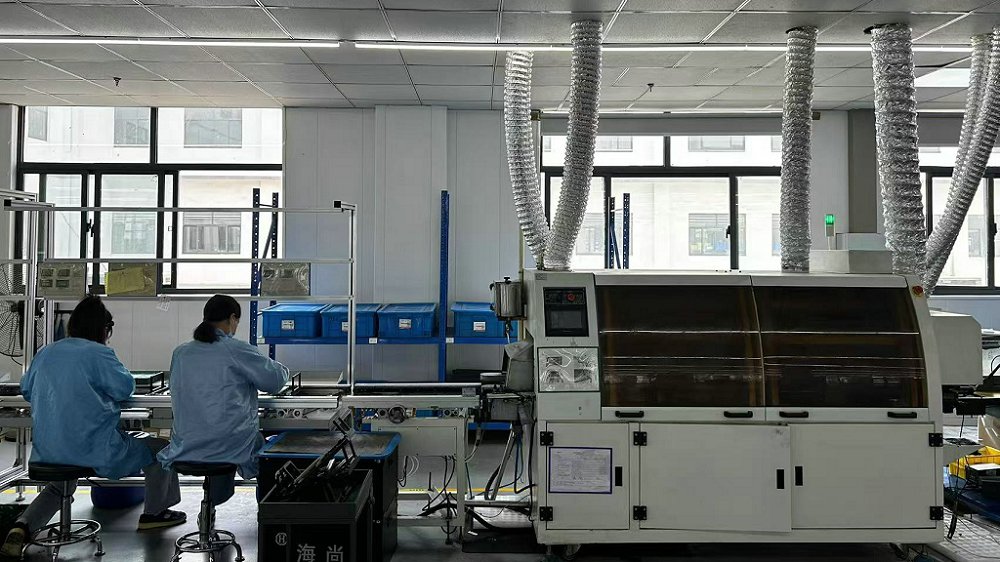
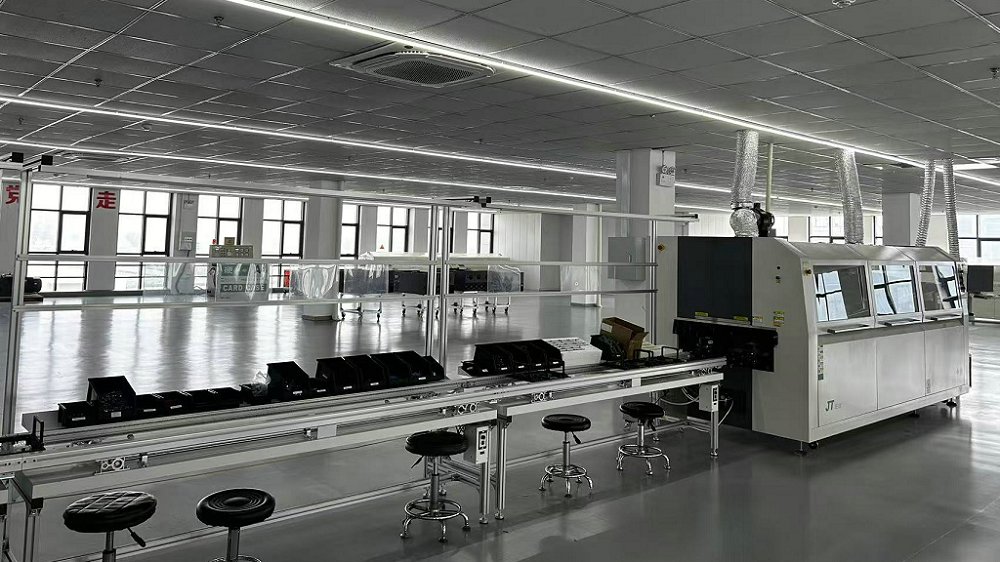
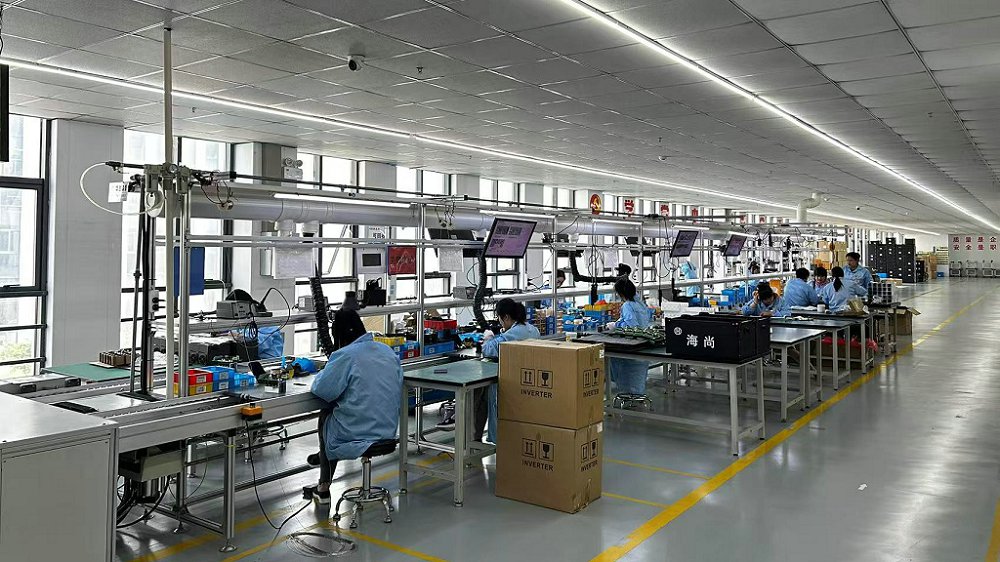
Operating modern production facilities equipped with advanced manufacturing and testing equipment, Jonas Energy has established an annual production capacity reaching several gigawatts, enabling us to efficiently serve customers across global markets.
Our experienced R&D team consists of highly qualified engineers and technical specialists who continuously focus on product innovation, performance optimization, and technological advancement in the renewable energy sector. By integrating cutting-edge technologies, we ensure that our solutions remain competitive, efficient, and future-ready.
We work in strict compliance with European quality standards, providing necessary documentation such as CE, TUV, IEC, UN38.3, and RoHS, which are crucial for Spanish customs clearance and industrial grid connection approval.
Navigating the global lithium cell supply dynamics and looking forward to AI-powered BMS diagnostics.
Globally, utility-scale and commercial energy storage systems are transforming from passive backup reserves into active grid stabilization networks. As LFP chemistry becomes the standardized foundation for commercial energy storage due to its safety and lifecycle advantages, the defining differentiator is the BMS. Traditional BMS architectures only monitored basic parameters like voltage, current, and temperature. Modern BMS platforms must incorporate cloud-based diagnostics, machine learning algorithms for state-of-health (SOH) prognostics, and real-time failure prediction.
Jonas Energy is at the forefront of this evolution. Our technical roadmap incorporates Edge-AI processing directly on the BMS PCBA. This allows local anomaly detection, such as micro-short circuits within individual LFP cells, before they lead to thermal runaway. For Spanish operators, this translates to reduced field maintenance overheads, faster underwriting clearances from insurance companies, and higher asset valuations under international ESG standards.
With Spain's automotive electrification scaling up, a large volume of retired electric vehicle batteries will enter the recycling stream in the coming years. Repurposing these modules for secondary stationary energy storage (2nd Life BESS) requires highly flexible and adaptive BMS systems. Our R&D team is engineering adaptive impedance tracking algorithms that allow our BMS controllers to dynamically match different internal cell resistance profiles. This facilitates the integration of diverse cell chemistries and health profiles into standard industrial energy storage units, fostering a circular economy in Europe.
Comprehensive BMS hardware configurations and complete containerized systems engineered to perform in Spain's diverse climate zones.
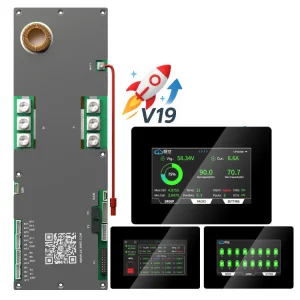
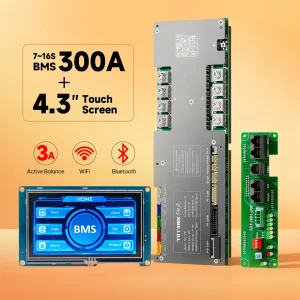
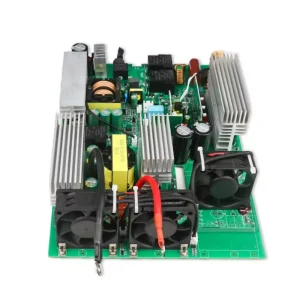
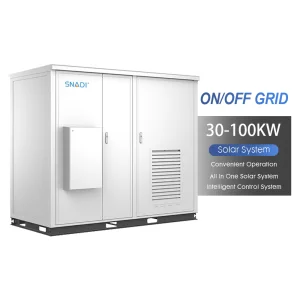
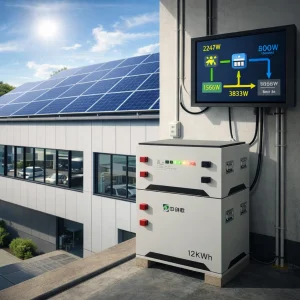
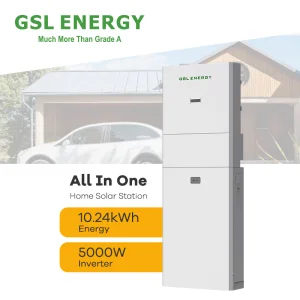
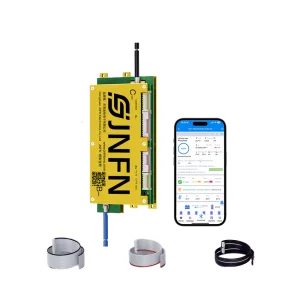
Detailed regulatory, logistic, and technical insights designed for Spanish battery pack manufacturers, system integrators, and solar developers.
Our smart BMS units natively support CANbus, Modbus RTU (over RS485), and Modbus TCP. They are pre-programmed with compatibility parameters for mainstream hybrid inverters widely used in Spain, including Victron Energy, Ingeteam, SMA, and Fronius. If you use a customized or proprietary inverter protocol, our R&D team can provide firmware patches to achieve seamless communication.
All imported electronic items in Spain must bear the CE mark. Our BMS systems comply with the UNE-EN 62619 standard (safety requirements for secondary lithium cells and batteries in industrial applications) and UNE-EN 61000 (electromagnetic compatibility). We perform rigorous testing on all PCBAs, including ESD protection, surge protection, and high-temperature aging tests, to guarantee safety and compliance before exporting.
For standard BMS PCBA orders, manufacturing and quality assurance processing takes approximately 15-20 days. Shipping to Spanish ports (Valencia, Barcelona, or Algeciras) via sea freight typically takes 30-35 days, while air express takes 5-7 days. We provide comprehensive export documentation, including Certificate of Origin, MSDS, and UN38.3 test reports, to facilitate efficient Spanish customs clearance.
Yes. Our BMS boards feature high-grade industrial MOSFETs and are designed to operate safely in temperatures up to 85°C. With multi-point NTC temperature sensors, the BMS dynamically monitors thermal metrics, activating cooling fans or derating current output if safety parameters are reached, ensuring stable performance in regions like Andalusia.
We provide full hardware-level and firmware-level engineering support. For clients building custom battery packs in Spain, we supply detailed schematic files, step-by-step assembly guides, and host calibration software. We can also customize the PCBA layout (dimensions, connectors, and mounting positions) to match your battery enclosure design.
 Jonas Energy