Explore our top-tier battery management systems and energy storage integration units, customized to handle the severe environmental fluctuations and stringent regulatory standards of industrial and commercial setups in Southeast Texas.
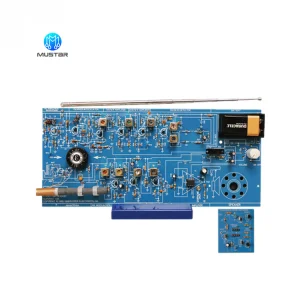
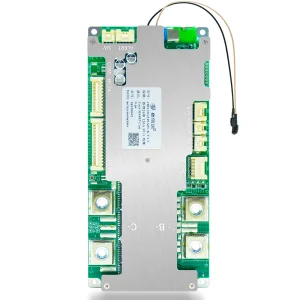
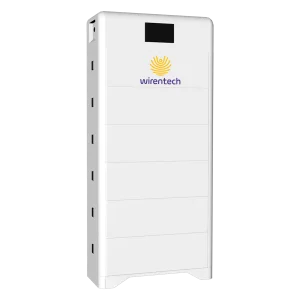
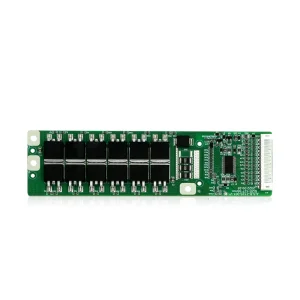
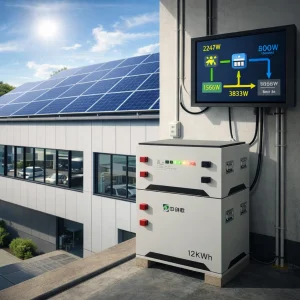
The Houston metropolitan area, historically the global capital of oil and gas exploration, is rapidly transforming into a core hub for renewable energy integration and decentralized battery systems. Following historic weather events such as Winter Storm Uri and subsequent localized hurricane shutdowns, commercial and industrial enterprises across the Texas Interconnection (managed by ERCOT) are aggressively adopting solar plus battery energy storage systems (BESS).
In Texas, a robust and intelligent Battery Management System (BMS) acts as the vital safeguard for these installations. The high humidity of the Gulf Coast, combined with summer temperatures that frequently exceed 100°F (38°C), subjects LiFePO4 (Lithium Iron Phosphate) chemistry to rapid thermal stresses. Without state-of-the-art BMS controllers monitoring cell voltages, managing active cooling systems, and executing real-time balancing, utility-scale batteries risk accelerated degradation, thermal runaway, or sudden shutoffs during peak demand windows.
"For Houston C&I facilities, energy storage is no longer just about sustainability—it is a critical hedge against ERCOT grid volatility. High-accuracy BMS engineering ensures that storage assets deliver maximum discharge during critical peak-shaving hours, generating significant financial yield and backup security."
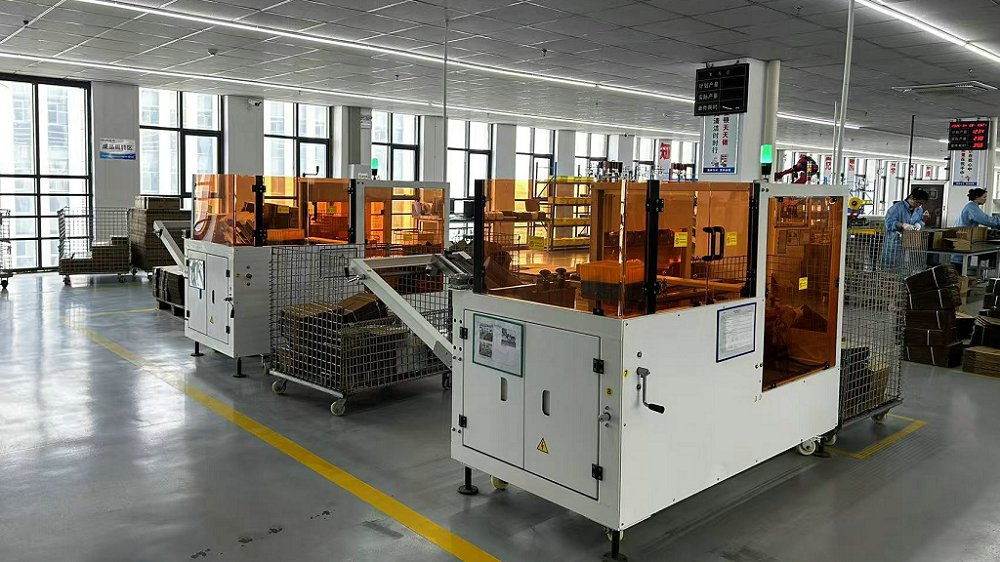
For engineering directors, procurement managers, and systems integrators, specifying the correct BMS architecture is fundamental to system safety and return on investment (ROI). Our manufacturing plant builds multi-tiered BMS topologies designed for optimal performance under tough local conditions.
In high-voltage solar energy storage configurations (typically ranging from 400V to over 800V DC), a centralized BMS is insufficient. Jonas Energy employs a distributed 3-tier structure consisting of the Battery Module Unit (BMU), the Sub-System Battery Management System (SBMS), and the Master Battery Management System (MBMS). The BMU directly monitors cell voltages and temperatures, feeding this localized data upstream via high-speed, noise-immune CANbus or daisy-chained communications. This tiered structure ensures rapid isolation of any single cell anomaly, preventing localized faults from escalating into system-wide failures.
Conventional Coulomb counting methods for calculating State of Charge (SoC) degrade in accuracy over time due to sensor drift and flat OCV (Open Circuit Voltage) curves characteristic of LiFePO4 cells. Our high-performance PCBA designs utilize Extended Kalman Filtering (EKF) combined with real-time temperature lookup maps. This allows our BMS controllers to maintain SoC estimation deviations below ±1%. State of Health (SoH) algorithms track internal resistance shifts and capacity fading metrics, providing operators with predictable remaining lifetime forecasts.
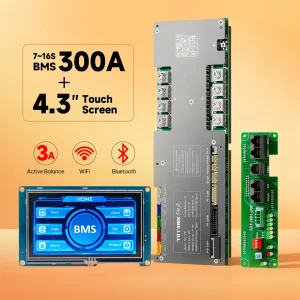
To maximize the usable energy of high-capacity 280Ah and 314Ah lithium cells in commercial energy storage, active cell balancing is critical. While standard passive balancing dissipates excess energy as heat through resistors (usually limited to 50mA to 200mA balancing current), our high-power smart BMS configurations support up to 5A to 10A active balancing. This method transfers charge from higher-voltage cells to lower-voltage cells within the string, minimizing thermal dissipation within the cabinet, maximizing runtime, and extending the life of the entire battery pack by up to 20%.
Global logistics, tariffs, and components availability pose constant obstacles for developers building containerized battery systems in Texas. Procuring directly from Xiamen Jonas Energy Co., Ltd. bridges the gap between cost-efficient gigawatt-scale Asian manufacturing and direct-to-site US deployment needs. By utilizing specialized components and global parts sourcing channels, we circumvent bottlenecks in microchip and heavy-copper power component delivery.
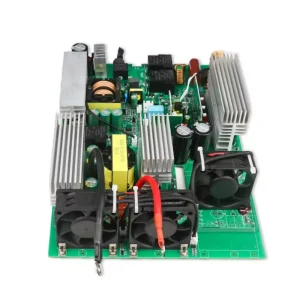
Furthermore, our PCBA designs are optimized with 1-6 oz heavy copper layers. This high-density layout allows the printed circuit boards to sustain continuous high-current draws of 200A to 300A without overheating, eliminating the need for bulky busbars. Our products are pre-tested for seamless compatibility with major hybrid solar inverters used across Texas, including SMA, Sol-Ark, Growatt, Deye, and Victron Energy.
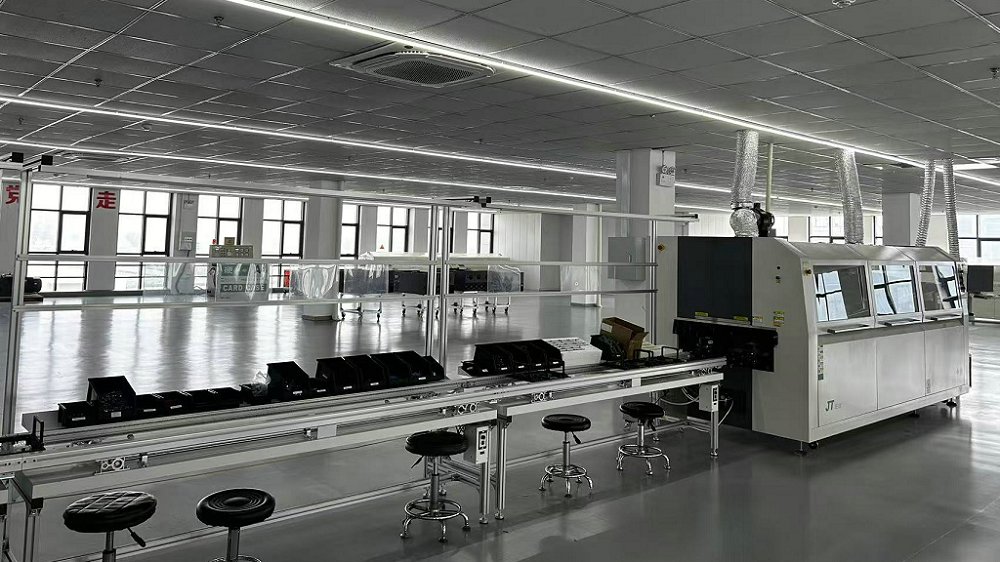
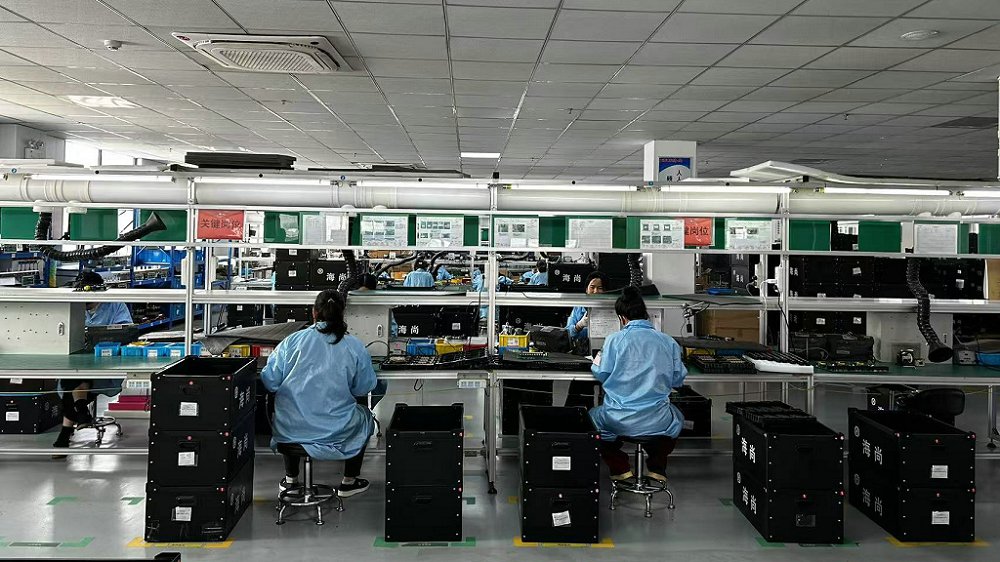
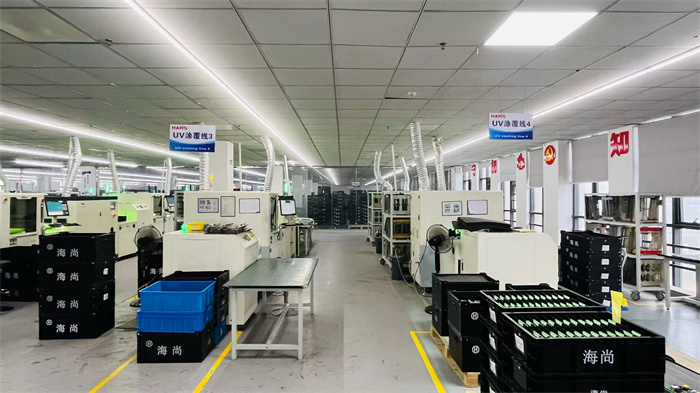
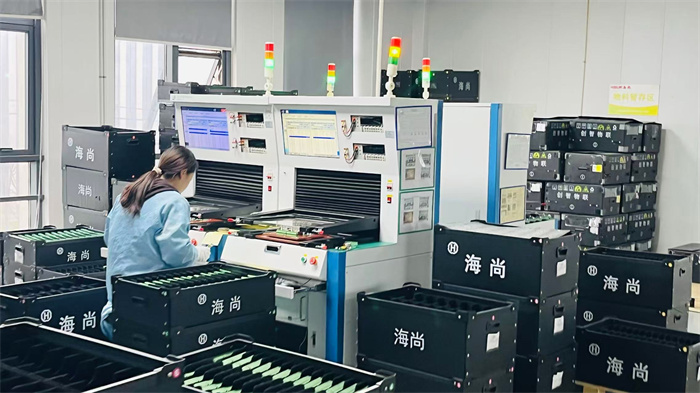
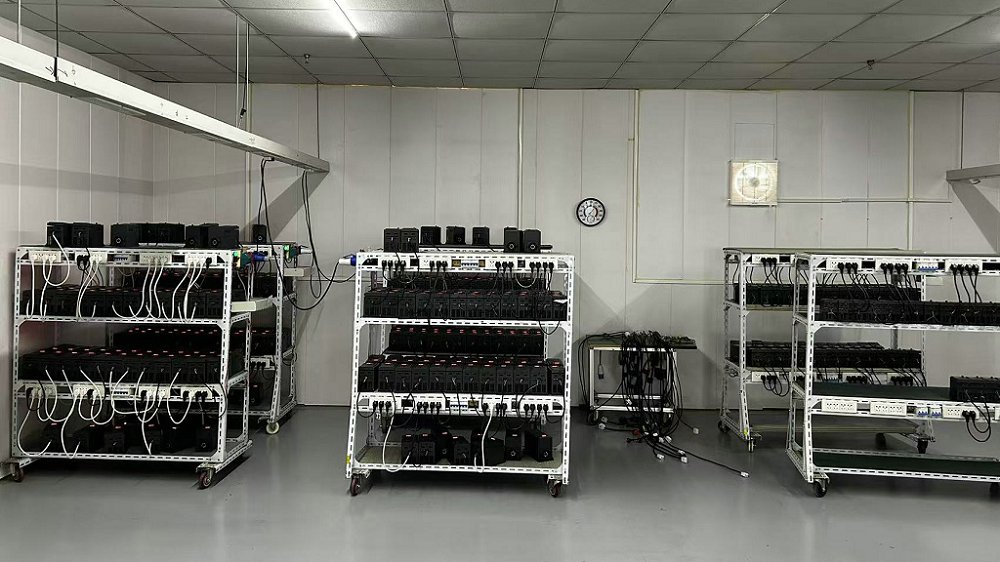
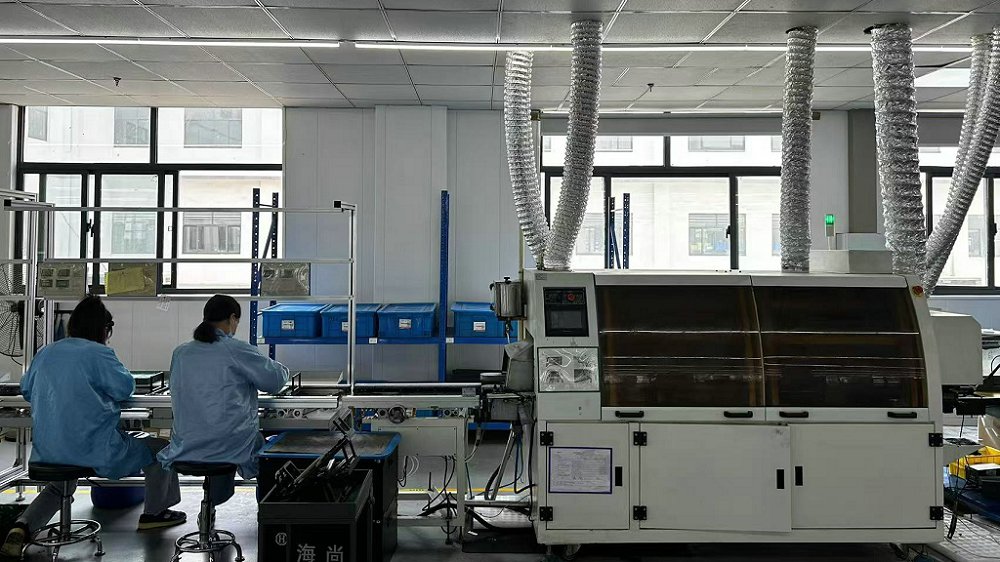
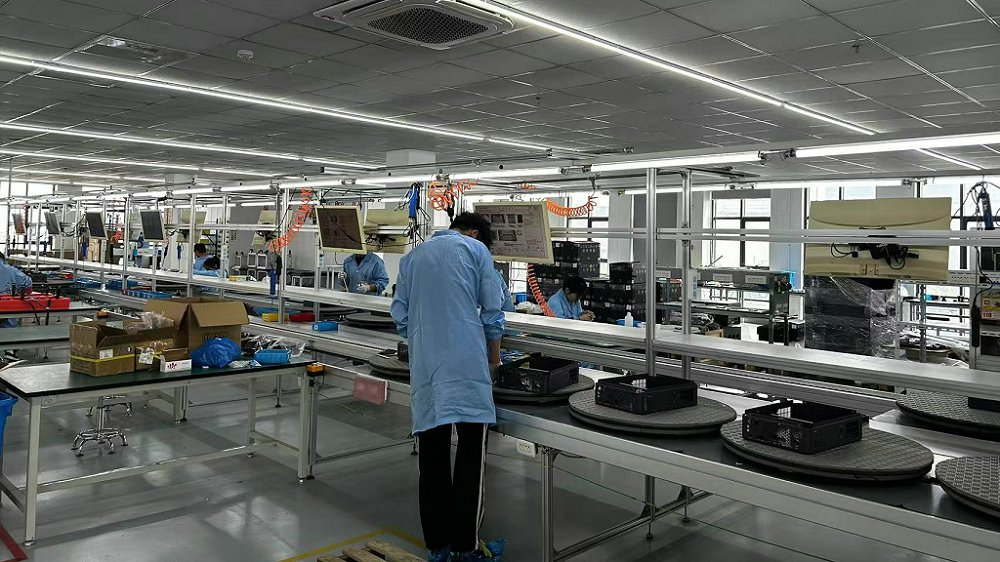
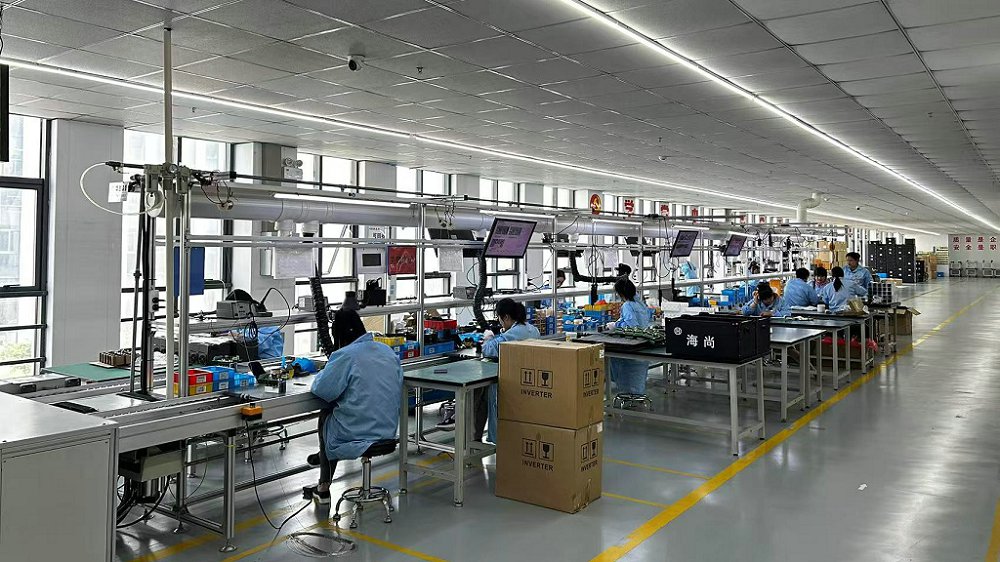
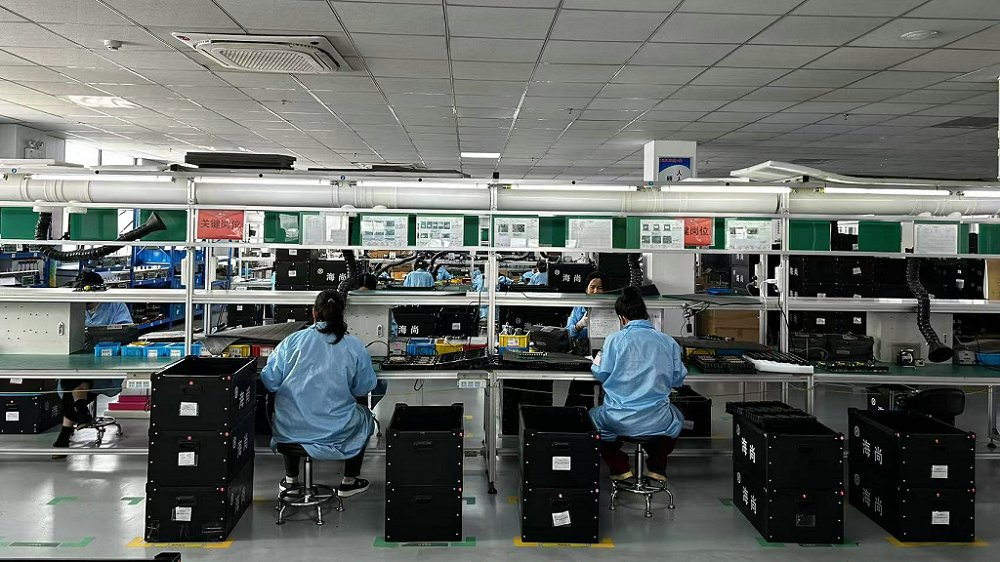
As a high-tech enterprise, Xiamen Jonas Energy Co., Ltd. operates modern production facilities equipped with advanced SMT line setups, selective wave soldering systems, automated optical inspection (AOI), and environmental chambers for strict safety testing.
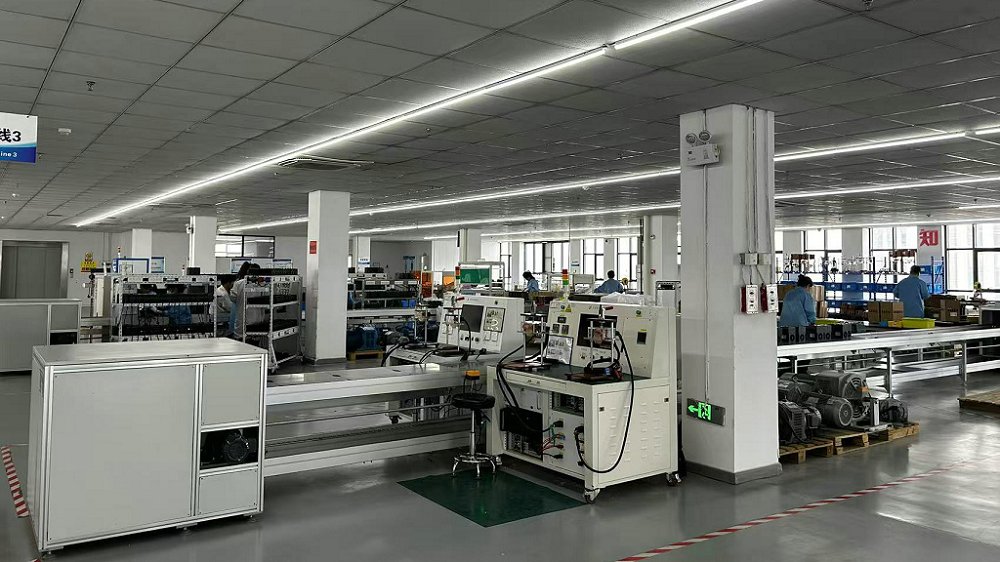
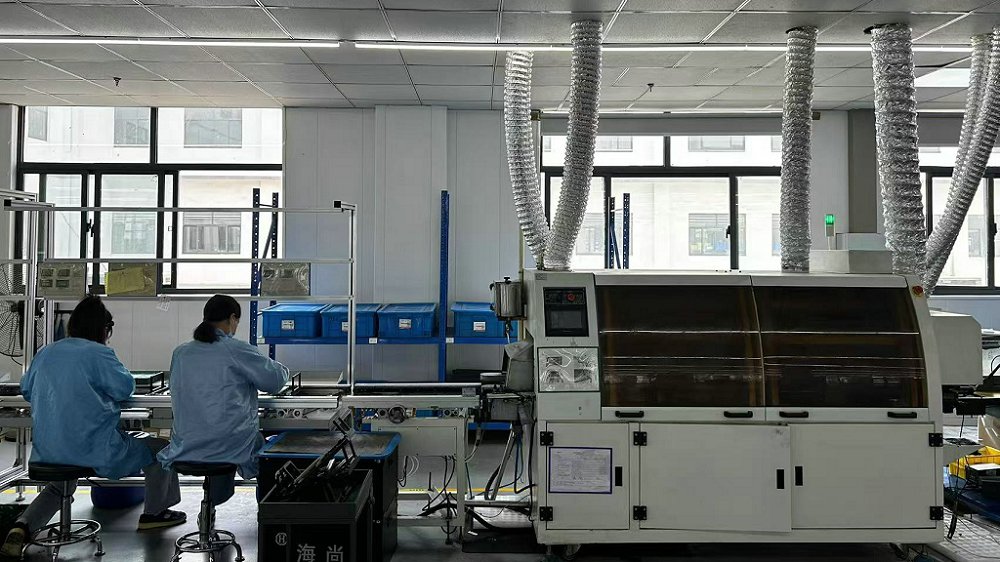
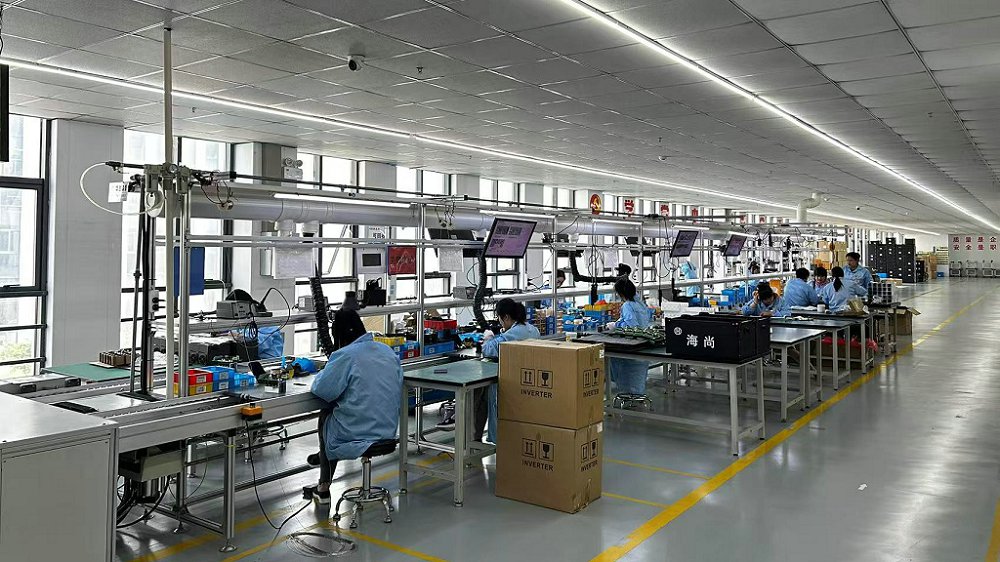
Deploying C&I energy storage in Houston requires strict adherence to fire safety and electrical regulations. State and local inspectors demand compliance with National Fire Protection Association (NFPA) 855 codes, alongside UL certifications. Jonas Energy structures its BMS platforms to simplify this regulatory path for our clients:
Our smart BMS controllers incorporate fast-acting shunt trips and redundant temperature sensor networks, designed to detect and mitigate thermal runaway at the cell level. This is critical for achieving system-level UL 9540 certification and passing rigorous UL 9540A thermal runaway propagation testing.
Featuring integrated ground fault detection (GFD), insulation resistance monitoring, and emergency rapid shutoff signals, our designs align with the safety mandates of NEC Article 706 (Energy Storage Systems) and Article 690 (Solar Photovoltaic Systems).
Our commitment to R&D drives the development of next-generation BMS platforms. Xiamen Jonas Energy is actively engineering the following solutions to address emerging demands in energy storage markets:
Transitioning utility scale systems from 1000V to 1500V DC topologies to minimize cable copper requirements and boost overall round-trip efficiency.
Incorporating machine learning algorithms into cloud-linked BMS to predict cell anomalies and schedule preventative maintenance before safety events occur.
Developing specialized algorithm maps optimized for Sodium-ion chemistry, providing a cost-effective, non-flammable backup option for static microgrids.
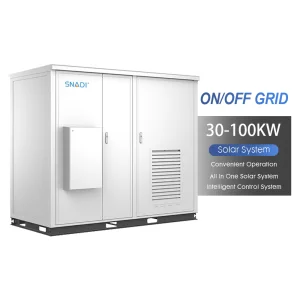
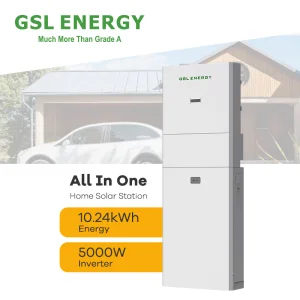
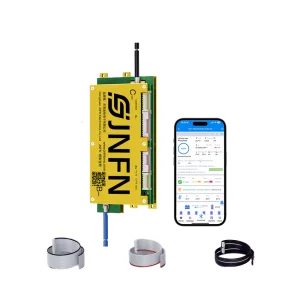
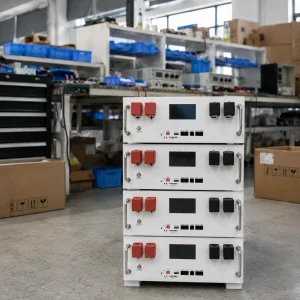
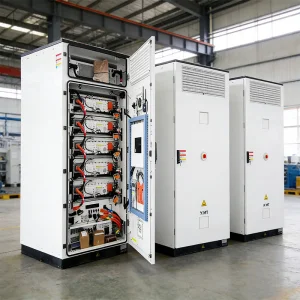
Our factory supplies a broad selection of battery management systems, PCBA configurations, and integrated cabinets to meet diverse project requirements. Review the technical links below to match your specifications.
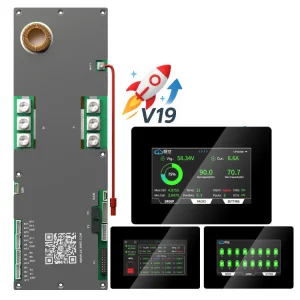

Xiamen Jonas Energy Co., Ltd. is a provider of utility and C&I scale renewable energy solutions, headquartered in Xiamen, Fujian Province, China. Since our founding, we have focused on the research, manufacturing, and global export of advanced battery systems and BMS controllers designed for challenging environments.
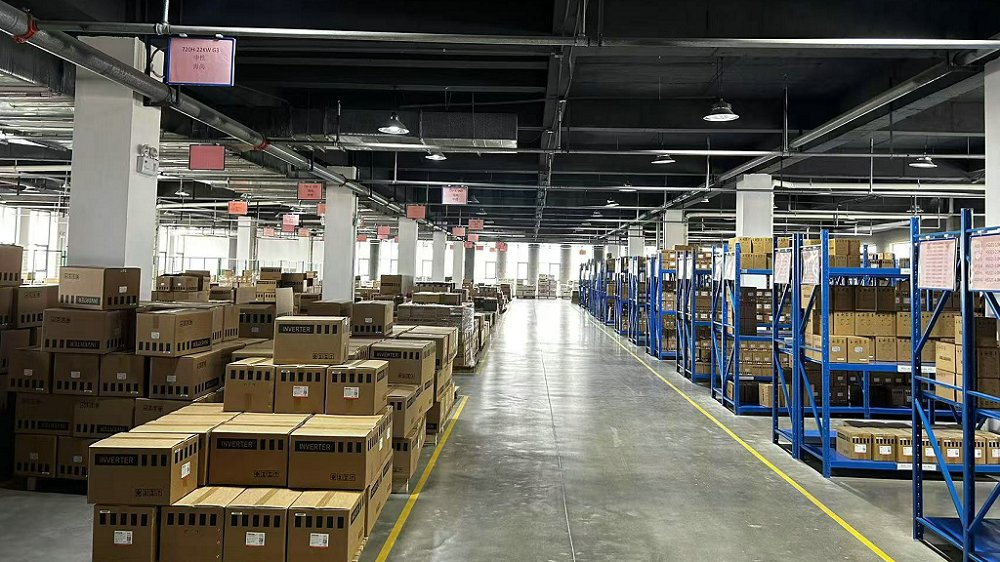
With an annual manufacturing capacity reaching multiple gigawatts, our production floor is equipped with precise SMT placement systems, selective soldering machinery, and cleanroom assembly cells. Our engineering teams design custom hardware and write robust firmware, serving customers across the United States, Europe, and Latin America. We support system integrators throughout the design phase, providing complete integration support, certification compliance guidance, and components sourcing services.
Get authoritative answers to typical queries concerning BMS selection, Houston regional grid requirements, and import logistics.
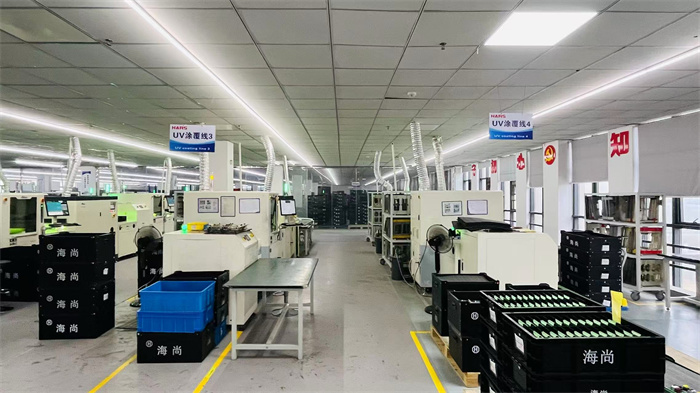
High ambient relative humidity combined with salt-laden Gulf air can lead to dendritic growth and corrosion on copper PCB traces. We protect all exported boards with thick, automated UV conformal coatings. Additionally, we use heavy copper layers (up to 6 oz) to minimize thermal spikes that can attract condensation when the system cycles off.
Our systems support Modbus TCP/IP, Modbus RTU (over RS485), and native CANbus protocols. This allows our BMS configurations to easily interface with local RTUs (Remote Terminal Units) and SCADA systems, enabling the fast telemetry responses required for ERCOT ancillary market services such as Fast Frequency Response (FFR).
During prolonged emergency power outages (like those following hurricanes), systems undergo deep, continuous discharge cycles. Passive balancing is slow and only operates at the top of the charge cycle, often leading to unbalance during extended discharge. Our active balancing systems dynamically transfer charge between cells throughout the entire cycle, ensuring that the system can access its full capacity when grid power is lost.
Yes. As a factory-direct OEM/ODM supplier, we provide custom board sizing, mounting tab layout, voltage tap configurations, and specialized connector interfaces. This helps engineers upgrade legacy energy storage systems (BESS) to modern safety standards without modifying the existing cabinet frame.
Standard production cycles for custom PCBA and standard BMS units range from 3 to 5 weeks. Shipping to the Port of Houston or local distribution warehouses typically takes 3 to 4 weeks via ocean freight, or 5 to 7 days via air express for urgent prototype runs. We coordinate closely with local customs brokers to ensure smooth port clearance.
Contact our application engineers for custom BMS PCB layout, firmware configuration options, and wholesale manufacturing quotes.
Send Inquiry Now Jonas Energy