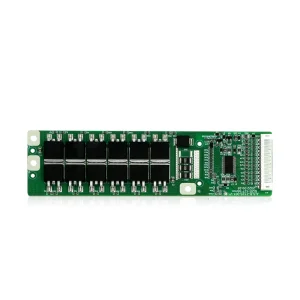
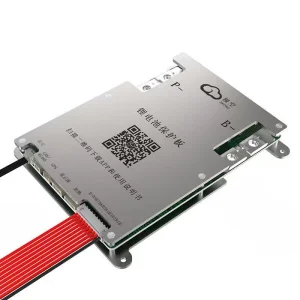
Premium intelligent controller boards engineered for immediate integration in high-capacity energy storage, hybrid commercial solar systems, and port vehicle fleets across Busan Metropolitan Area.
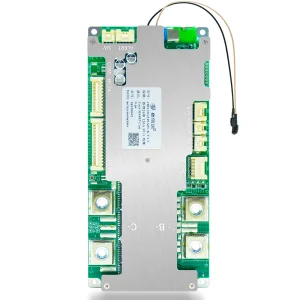
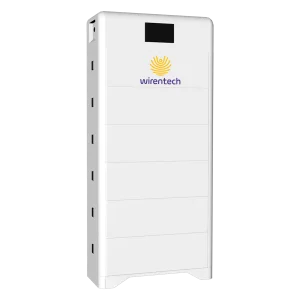
As South Korea's primary port metropolis, Busan is positioning itself as a central hub for carbon-neutral maritime activities and smart-grid infrastructure. The municipal government's push for "Green Port" initiatives and municipal microgrid integrations requires battery energy storage systems (BESS) of extreme resilience. At the core of these setups is the Solar Battery Management System (BMS). As a key supplier serving Busan, Xiamen Jonas Energy Co., Ltd. delivers high-specification BMS architectures capable of mitigating safety hazards in heavy-industry and coastal environments.
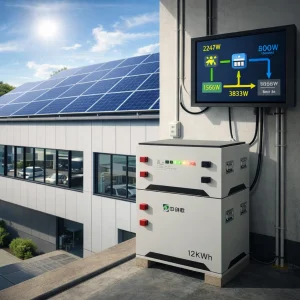
Busan's industrial parks (such as Mieum and Noksan Industrial Complexes) are rapidly transitioning to solar-integrated self-consumption systems under the K-RE100 framework. The implementation of high-power PV generation coupled with lithium iron phosphate (LiFePO4) storage requires BMS hardware that supports high-speed controller area network (CANBUS 2.0B) and RS485 communication protocols.
Furthermore, ship-to-shore power supplies and auxiliary energy storage for coastal vessels operating out of the Port of Busan depend on high-voltage (up to 700V-1000V) BMS configurations. These systems manage continuous high-rate discharges while monitoring battery health (SOH) and state of charge (SOC) with accuracies exceeding 98%.
Modern battery management systems must move beyond simple over-voltage and under-voltage protection. True solar grid stability demands real-time predictive analytics:
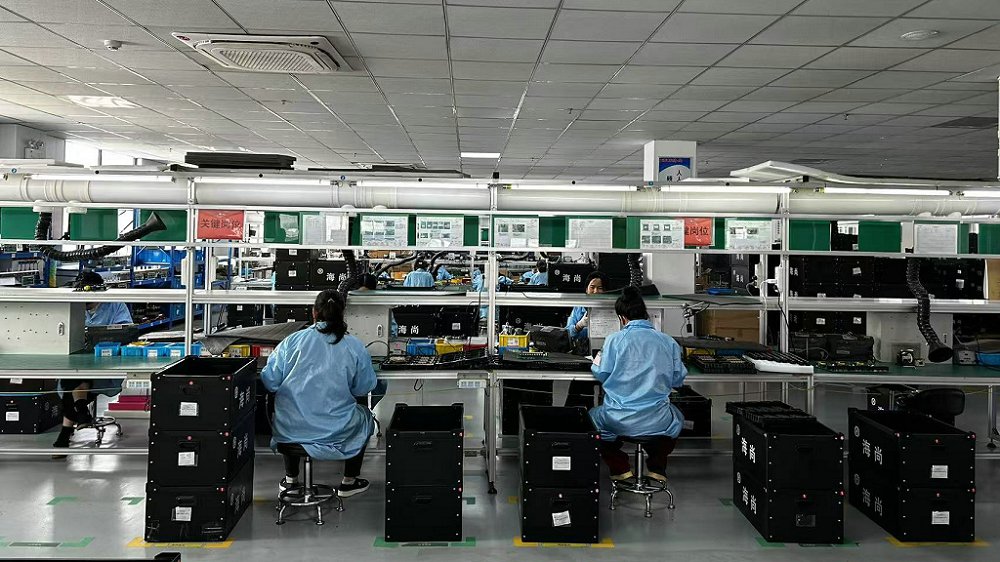
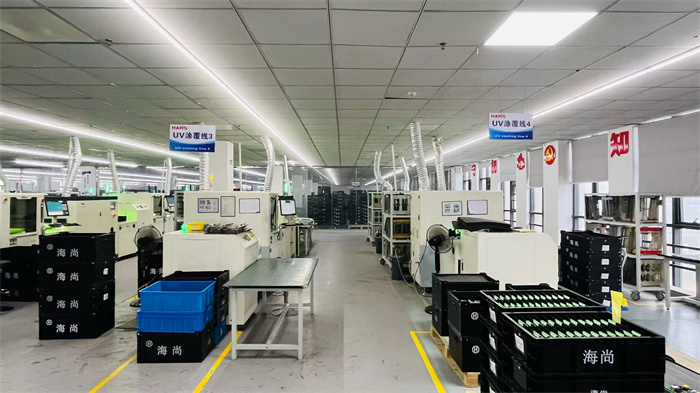
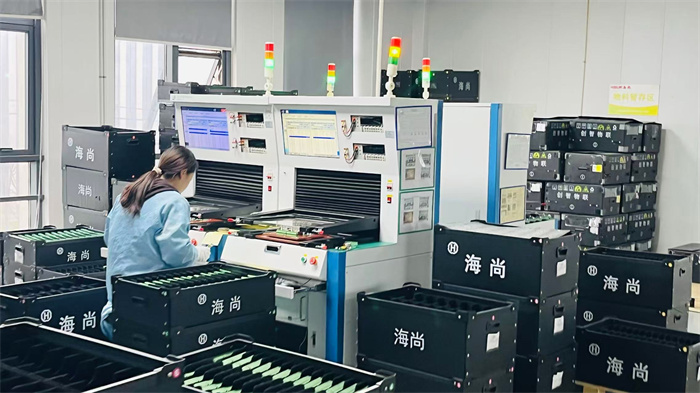
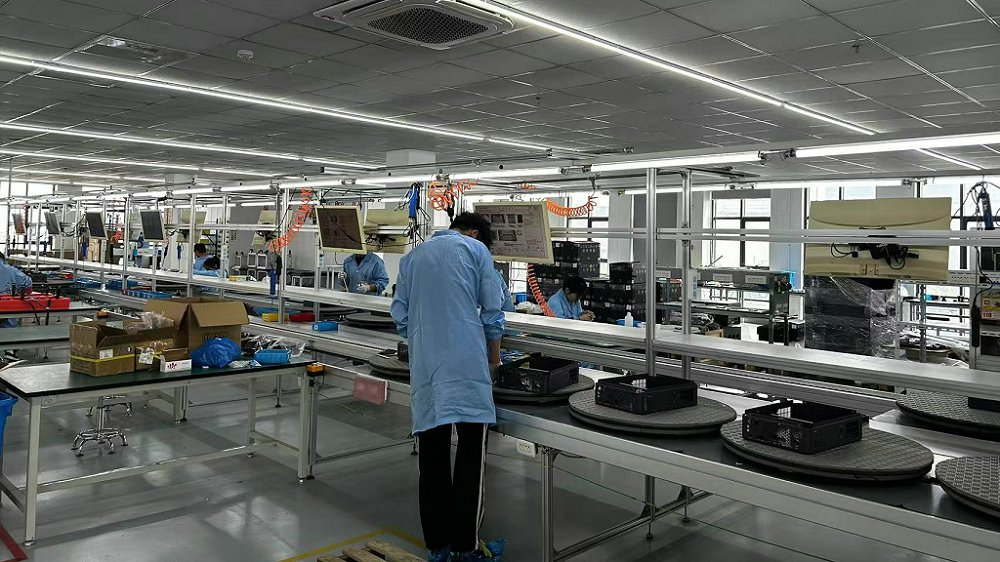
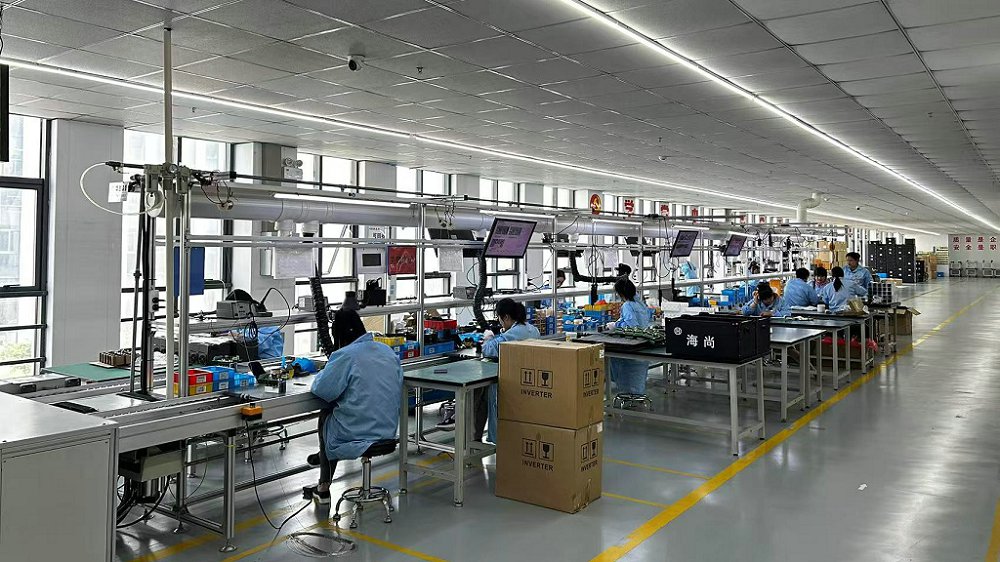
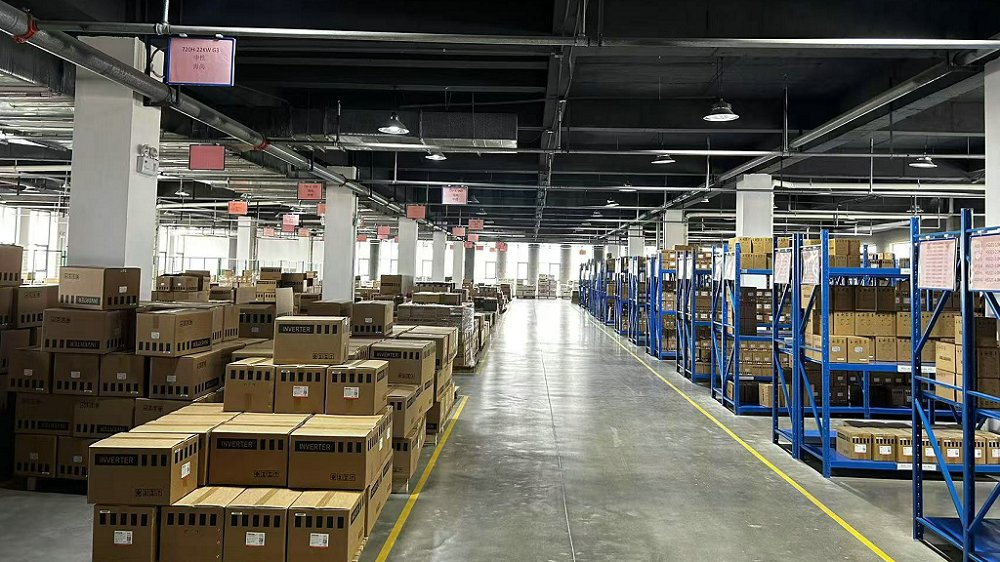
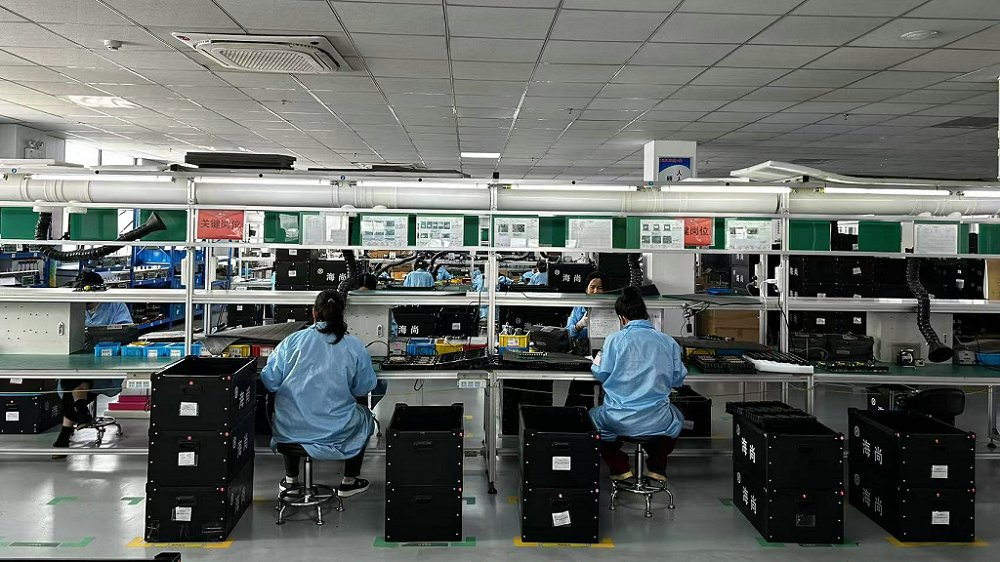
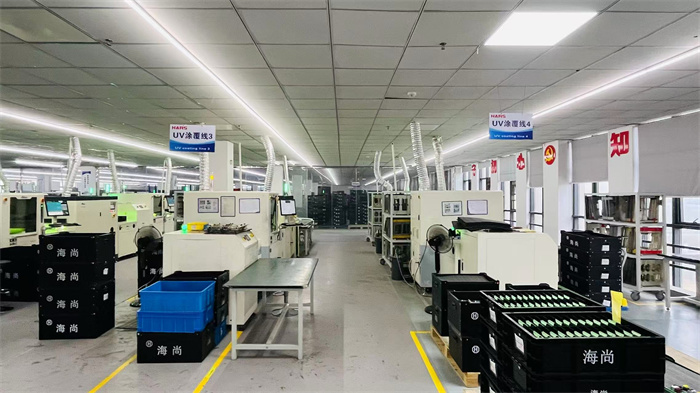
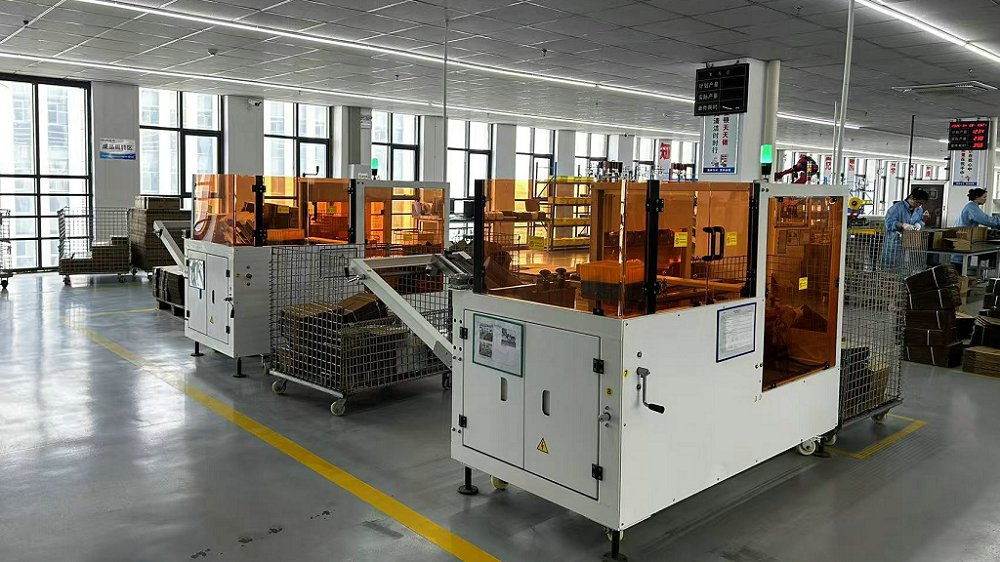
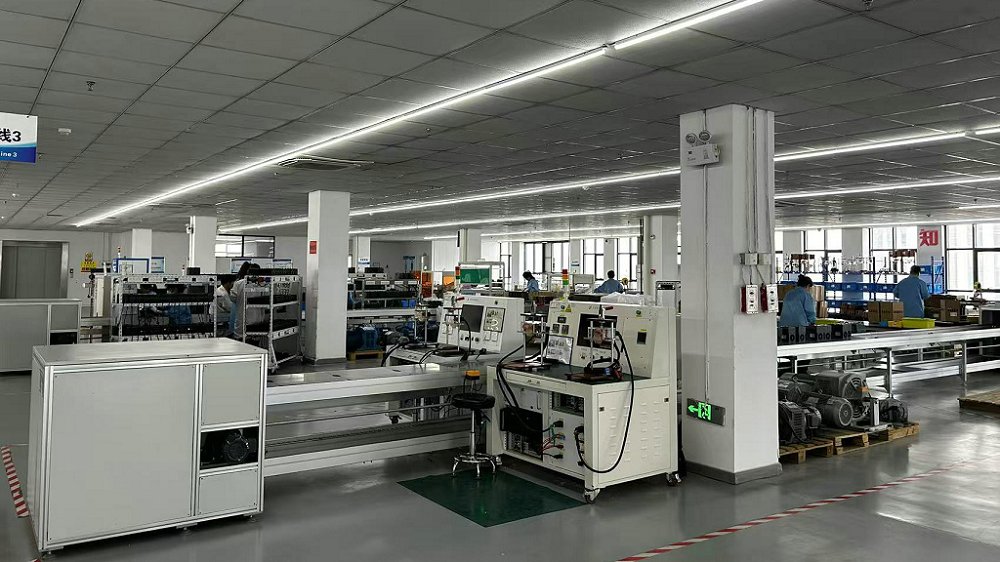
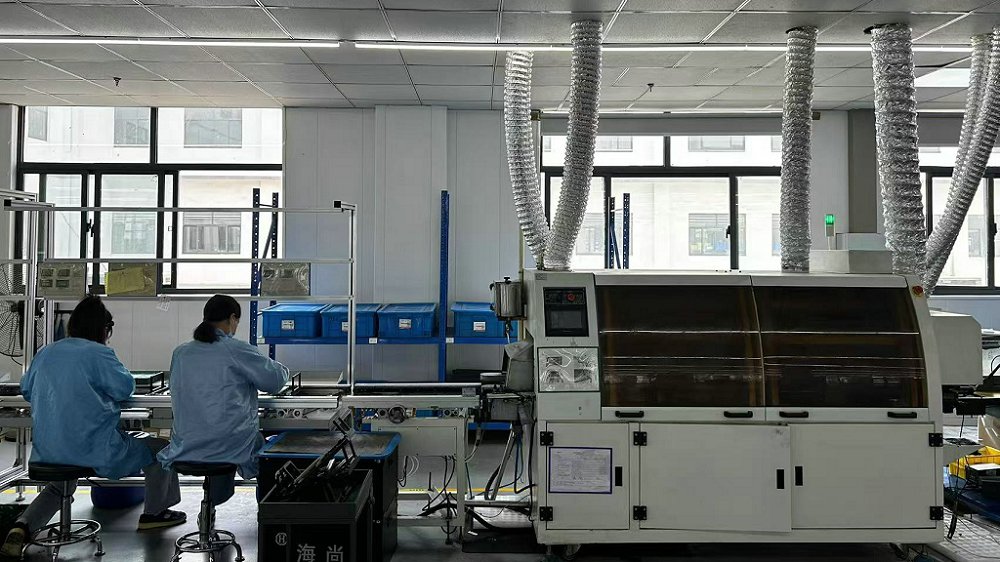
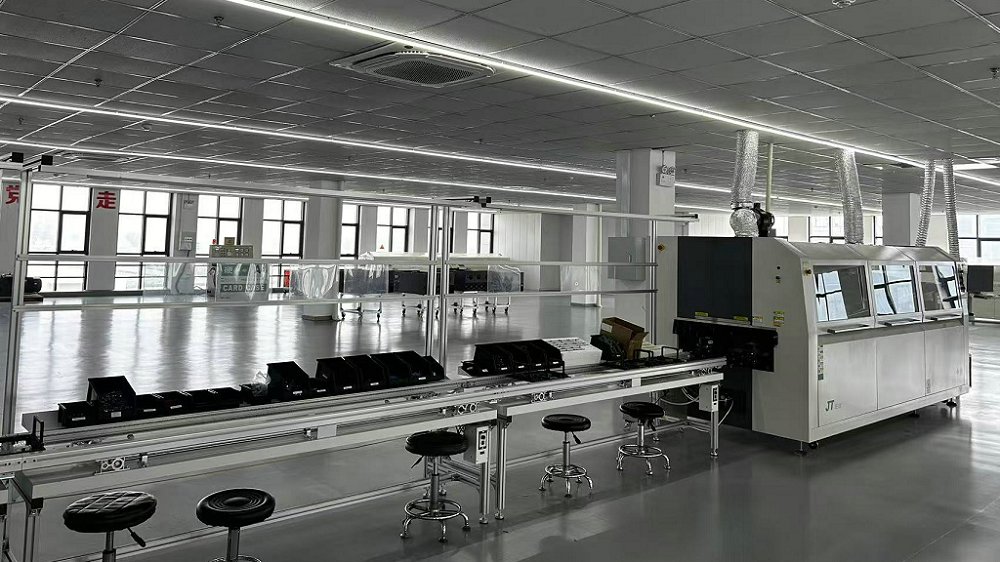
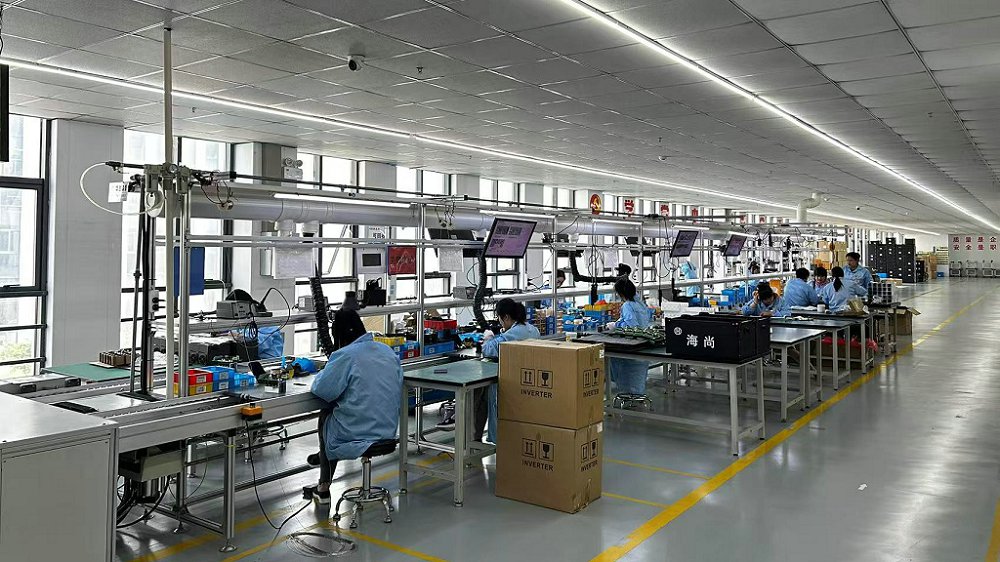
Xiamen Jonas Energy Co., Ltd. operates high-throughput SMT, assembly, and quality assurance lines to produce high-specification BMS and storage solutions for global and South Korean markets.
Headquartered in Xiamen, Fujian Province, China, Jonas Energy has established itself as an innovative designer and manufacturer of renewable energy components. Our production processes conform to ISO 9001 and ISO 14001, assuring that every printed circuit board assembly (PCBA) destined for industrial installations in Busan meets rigorous operating standards.
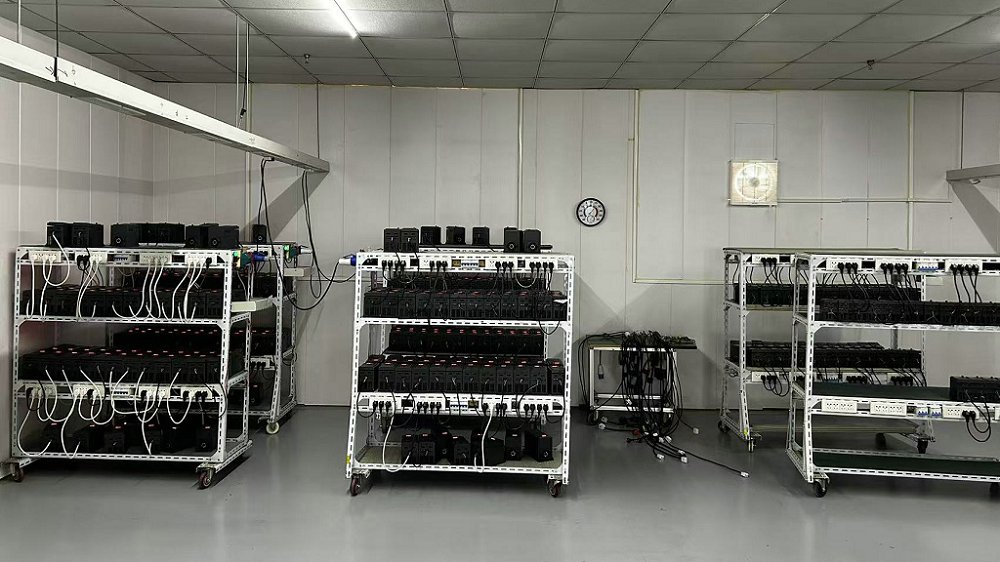
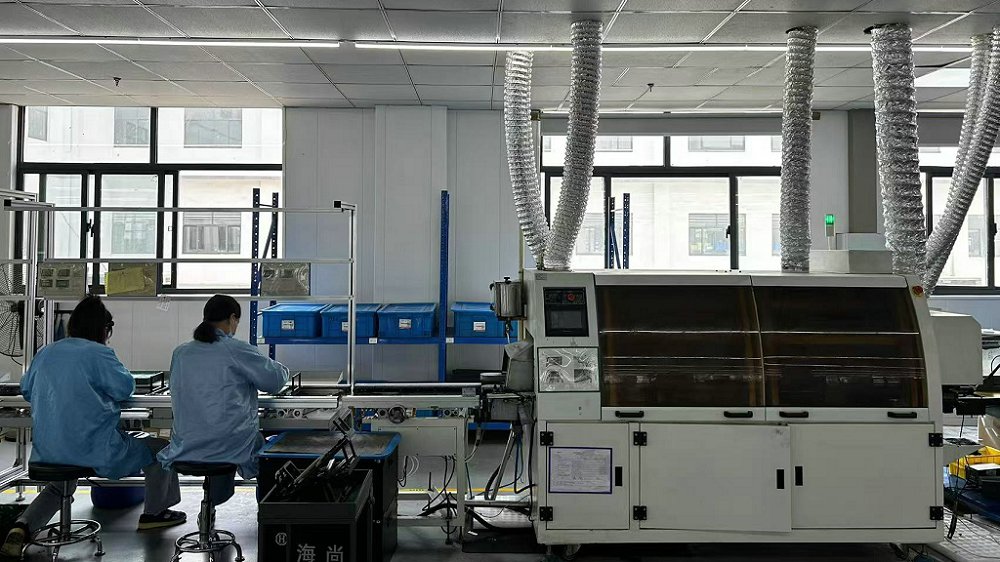
Our manufacturing line integrates multi-stage automated optical inspections (AOI), high-temperature aging tests, and precise wave soldering processes to eliminate failure points. Below is a step-by-step overview of our standard production flow:
Busan Port is currently undergoing rapid digitalization. To reduce heavy diesel particulate emissions from gantry cranes and terminal tractors, electric heavy-duty vehicles and container handling machinery are being introduced. These mobile assets require robust vibration-resistant electric vehicle (EV) BMS control logic.
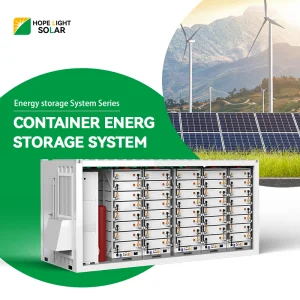
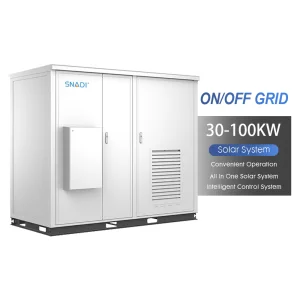
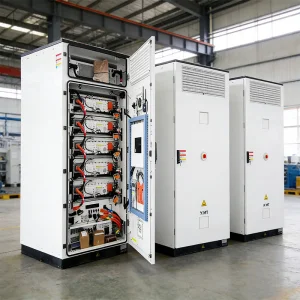
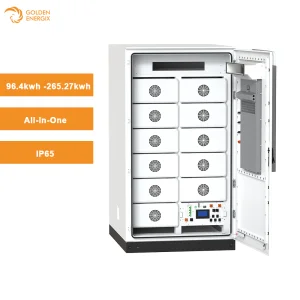
Simultaneously, container storage fields are being outfitted with solar canopies. To smooth out peak power generation and manage demand charges, high-voltage battery containers (typically 100kWh to 1MWh capacities) are being installed. In these high-energy setups, a multi-tier master-slave BMS architecture is deployed:
Operating in South Korea requires adherence to local safety standards. Our production processes are designed to align with KC (Korea Certification) and KCs safety guidelines, alongside international standards like IEC 62619, IEC 62477, and UL 1973. This rigorous compliance minimizes liability for project developers, municipal authorities, and system integrators in Busan.
Explore our complete catalog of industrial, commercial, and residential battery management systems engineered for reliability, safety, and long service life.
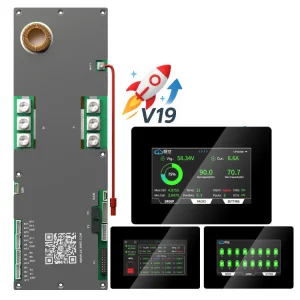
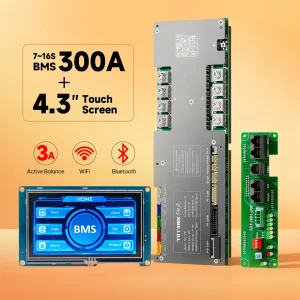
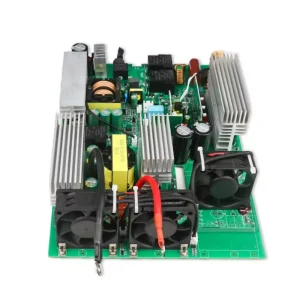

Comprehensive technical guidance regarding solar storage integrations, marine microgrids, and local logistics in Busan.
Need custom BMS layouts, high-voltage marine configurations, or volume shipping directly to Busan? Speak with our solution architects today to optimize your energy storage systems.
Send Inquiry Now Jonas Energy