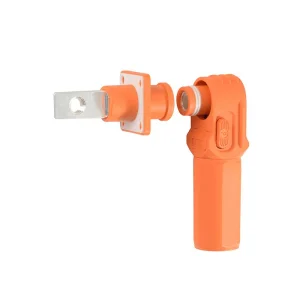
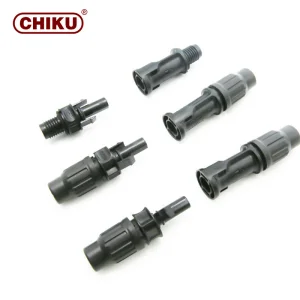
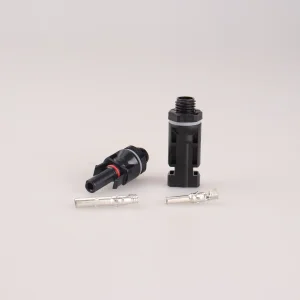
Engineered for direct deployment in Portugal's coastal and commercial photovoltaic developments.
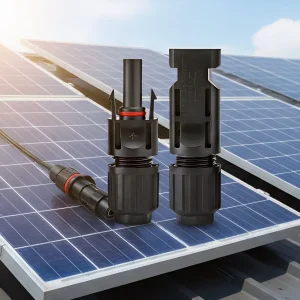
Under the revised National Energy and Climate Plan (PNEC 2030), Portugal has positioned itself as an ambitious renewable leader, targeting an 85% share of clean energy in electricity production by 2030. Solar energy sits at the core of this transition, expected to reach a massive 20.4 GW of installed capacity. Driven by favorable geographical metrics, particularly Algarve and Alentejo regions yielding solar radiation levels exceeding 1,800 kWh/m²/year, project developers face a vital technical mandate: installing high-yield materials that survive decades of operation.
Portugal's environmental layout combines high ultraviolet exposure, intense coastal humidity, and elevated thermal stress. Ordinary interconnection products experience premature plasticizer leakage, metal corrosion, and insulation breakdown under these factors. Consequently, engineering firms (EPCs) working in Lisbon, Porto, and Setúbal require solar cable and connector assemblies designed specifically to handle high salinity and intense sun exposure without causing system failures.
Optimized component design to minimize resistance loss and ensure maximum energy generation efficiency.
In low-voltage and medium-voltage solar layouts, balance of system (BOS) products like cables and connectors represent a minor slice of upfront material costs, but account for over 50% of operating-stage electrical issues. A single cracked insulation jacket or water-logged connector can cause grounding faults, system-wide shutdowns, and expensive diagnostic calls. Understanding critical component criteria is essential for procuring reliable materials.
| Performance Metrics | Standard Requirement (EN 50618 / IEC 62930) | Jonas Energy Engineering Specification | Benefit for Portugal Projects |
|---|---|---|---|
| Nominal Voltage | 1000V AC / 1500V DC | Up to 1500V DC / 1800V DC Max Limit | Supports high-voltage utility strings, reducing cable quantities. |
| Conductor Material | Class 5 Flexible Tinned Copper | Ultra-pure Tinned Copper (99.9% Purity) | Protects against galvanic corrosion in coastal zones. |
| Insulation Jacket | Cross-linked Polyolefin (XLPO) | Double-extruded Halogen-Free XLPO (Low Smoke) | Provides superior resistance to high heat and ozone cracking. |
| Contact Resistance | < 0.5 mΩ | ≤ 0.25 mΩ (Highly conductive Copper-alloy pins) | Minimizes voltage drop and local heating anomalies. |
| Operating Temperature | -40°C to +90°C | -40°C to +120°C (Maximum upper limit) | Maintains mechanical stability on hot roofing structures. |
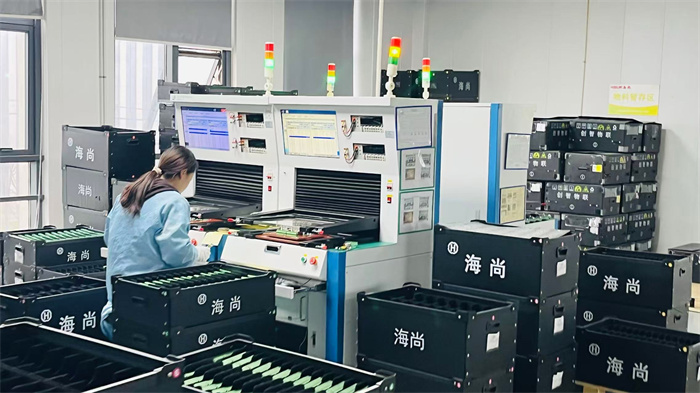
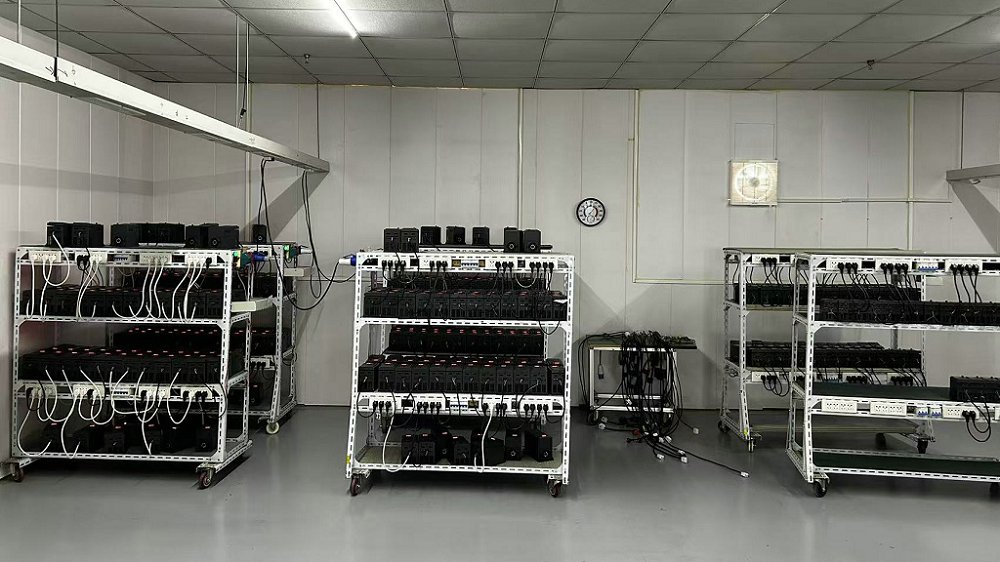
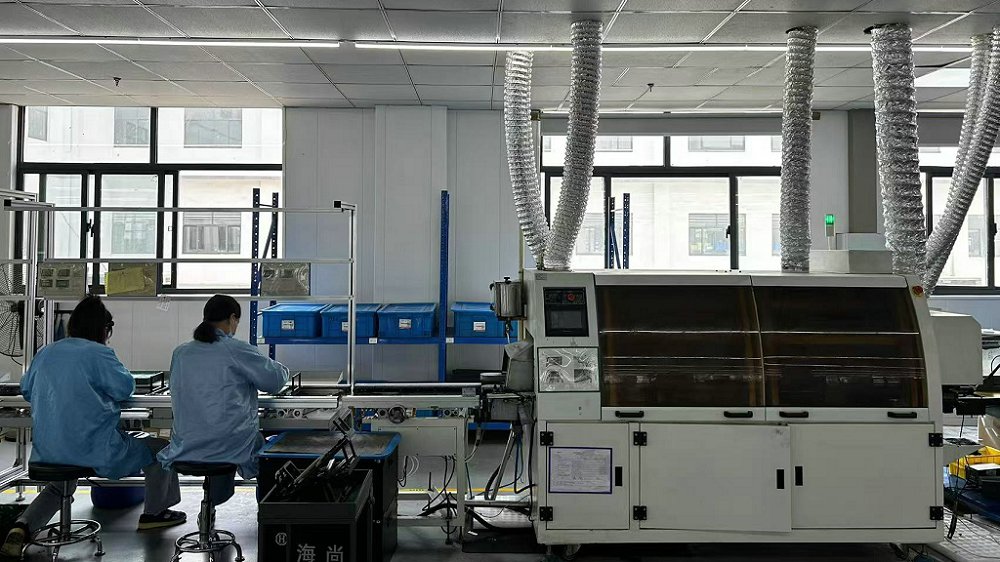
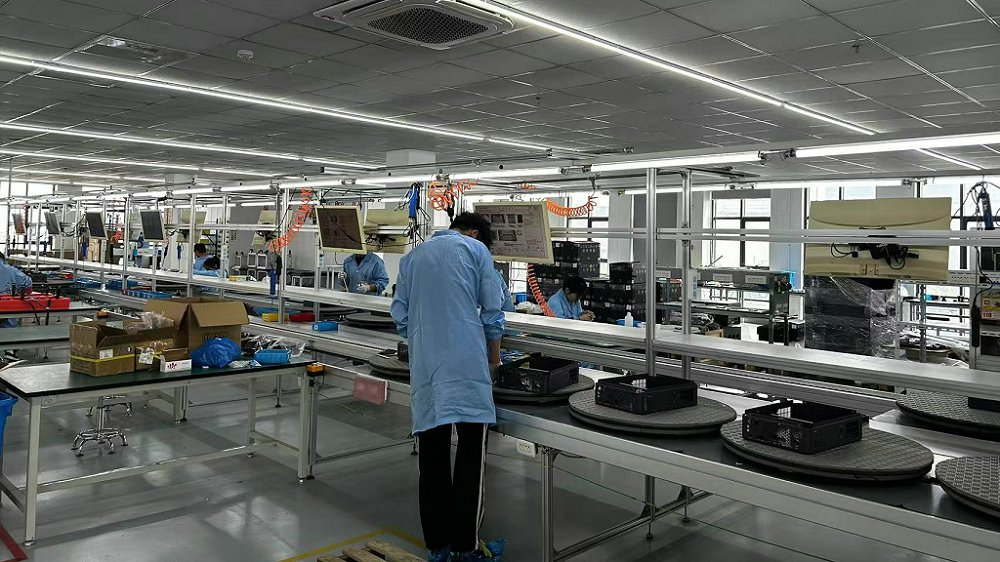
How Xiamen Jonas Energy Co., Ltd. combines high-tech manufacturing with advanced quality control to deliver global PV solutions.
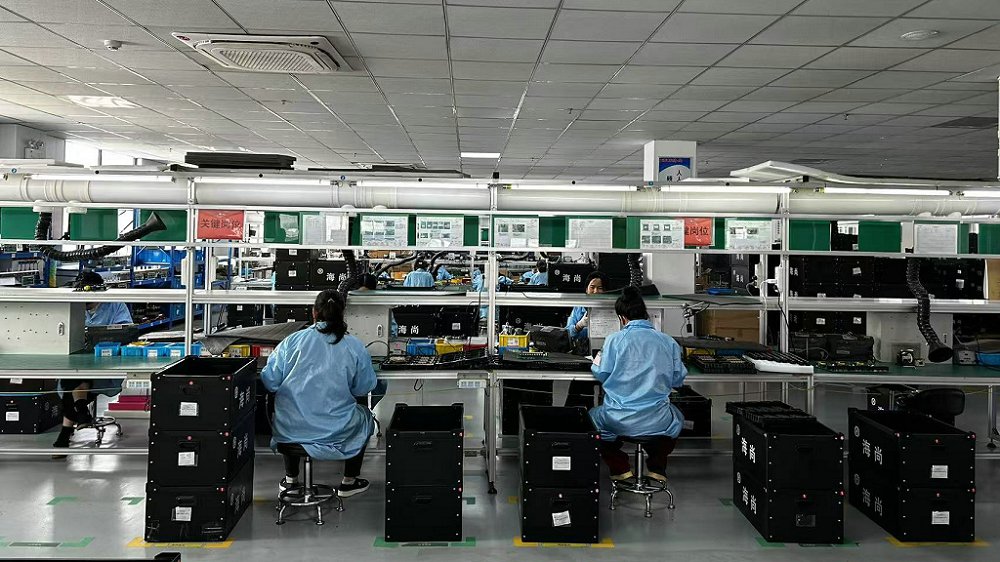
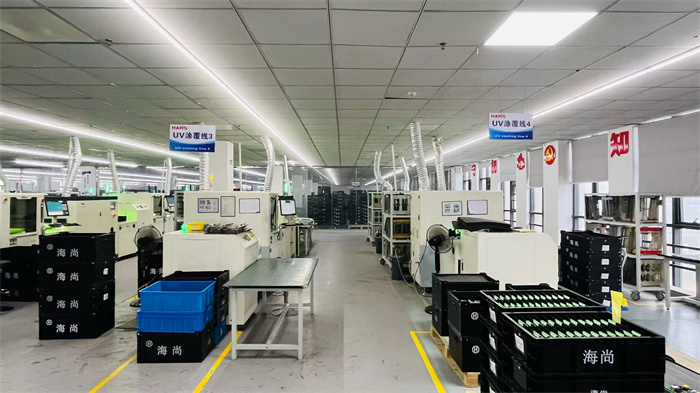
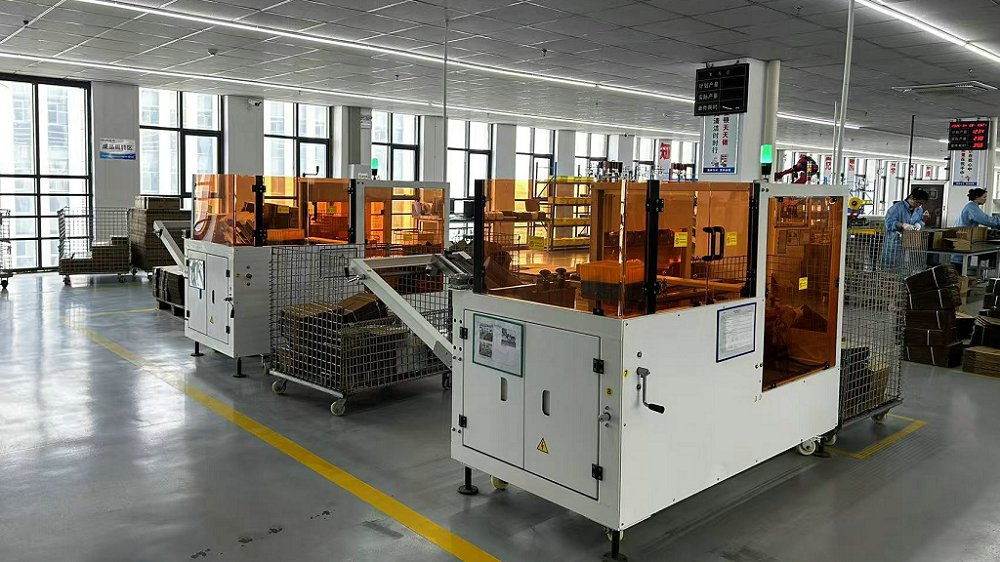
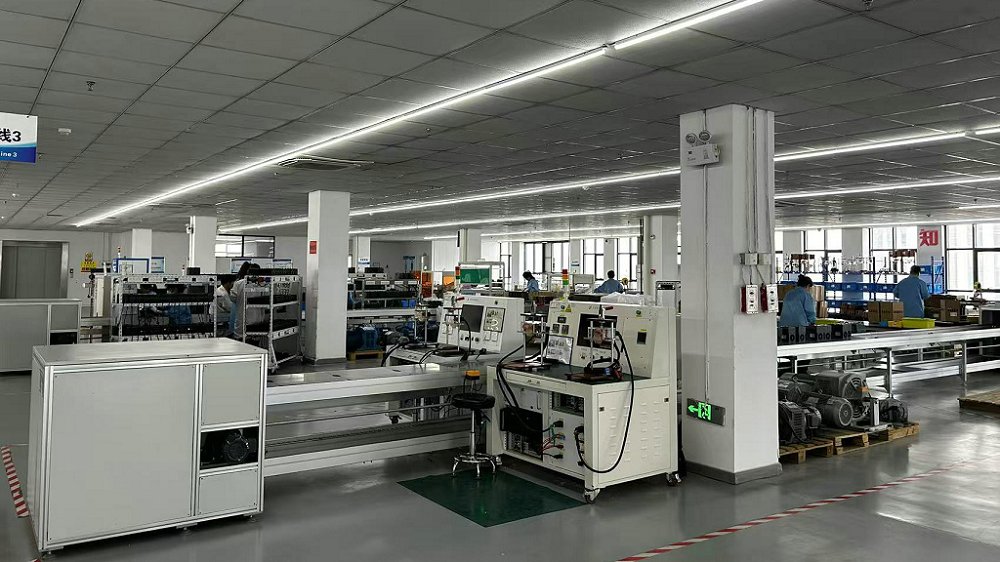
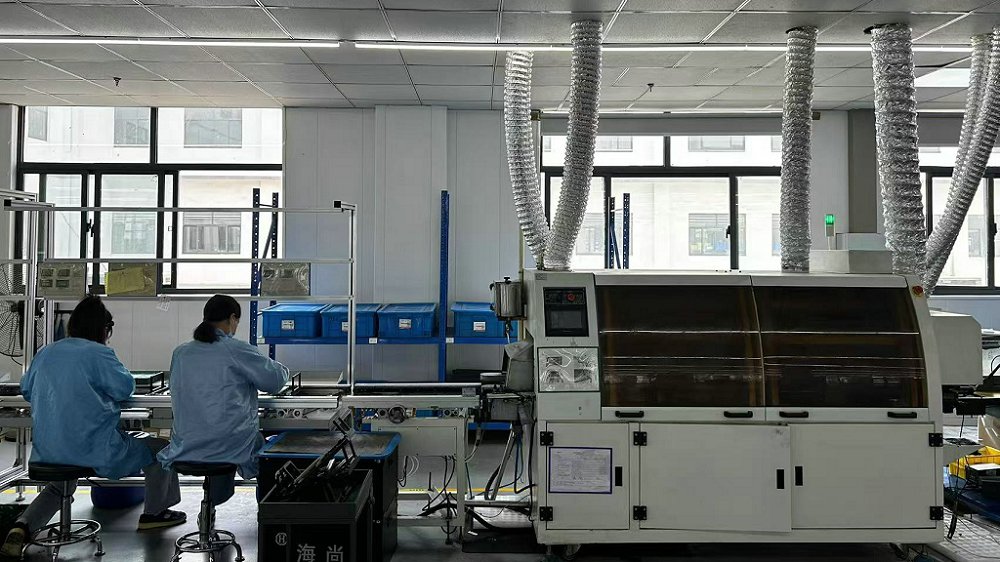
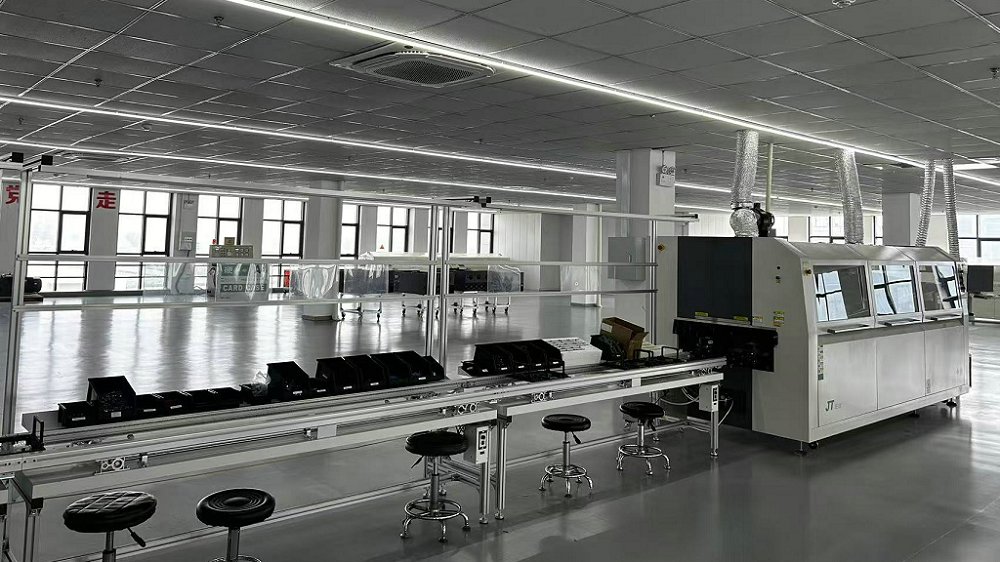
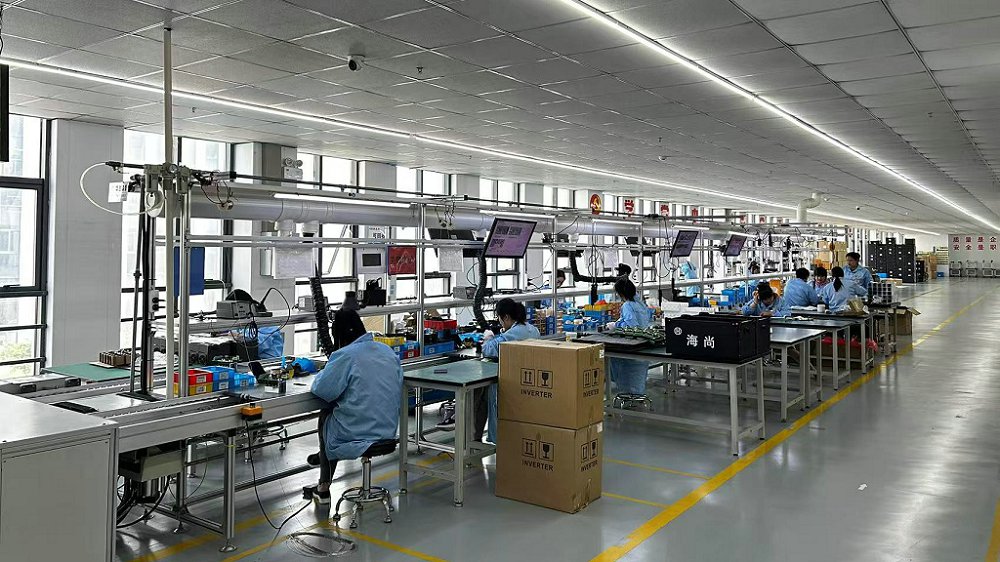
In the highly competitive solar sector, European buyers look beyond basic component prices. They require long-term production reliability, stable scaling potential, and complete tracing of raw materials. Xiamen Jonas Energy Co., Ltd. addresses these requirements by operating modern production lines that blend automation with real-time quality analytics.
Our Factory 4.0 system controls every step of production. From automatic wire drawing and coextrusion to robotic terminal assembly, automated workflows ensure high dimensional precision and lower human error margins. This setup allows Jonas Energy to supply robust volumes of photovoltaic cables and connectors globally, serving utility projects and C&I networks in Portugal and wider European markets.
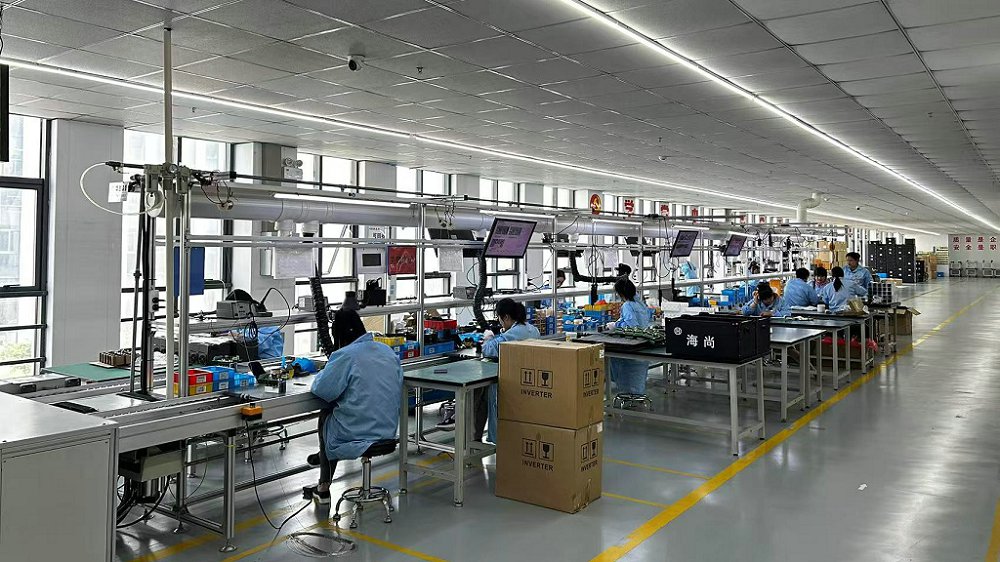
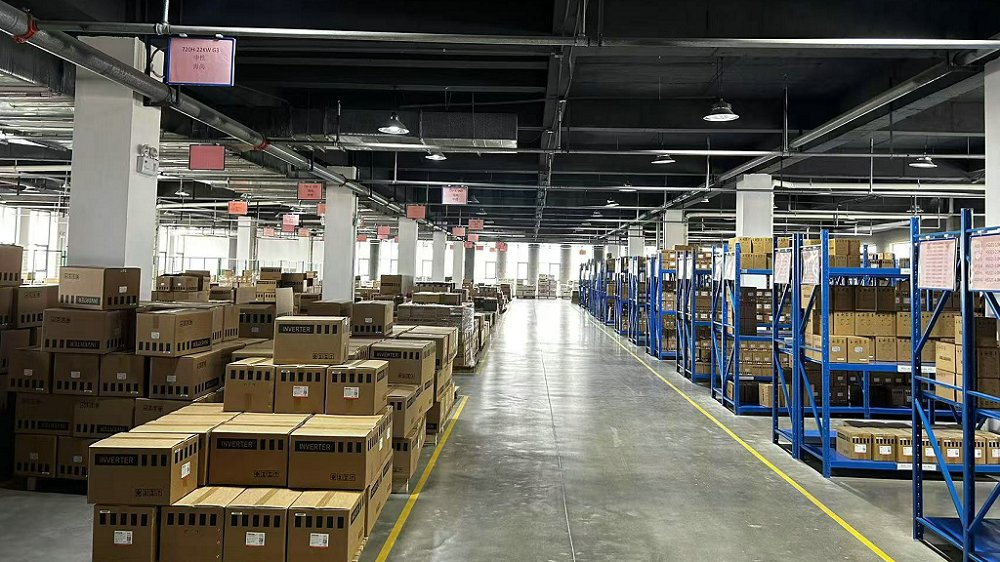
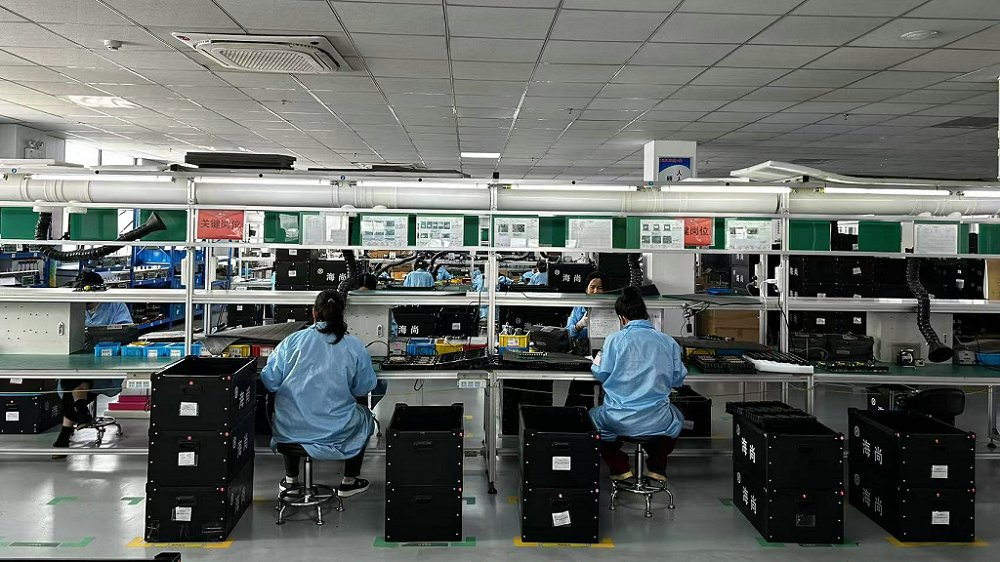
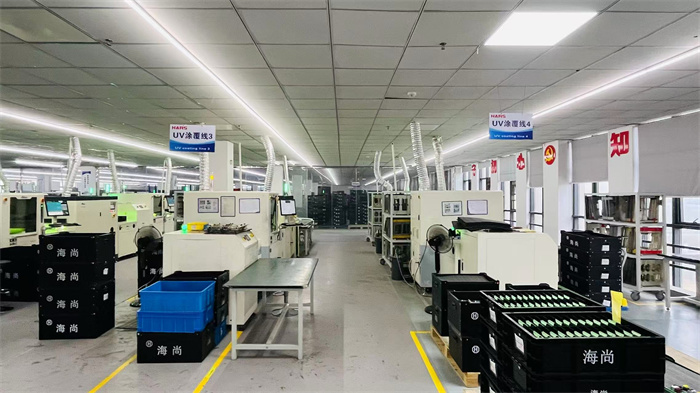
Meeting diverse environmental requirements across Portugal's geographic sectors.
With floating solar projects expanding across dams like Alqueva, cables are exposed to constant humidity and moisture. Jonas Energy's IP68 sub-surface waterproof connectors feature dual sealing rings and tinned-copper conductors, protecting against water penetration and corrosion.
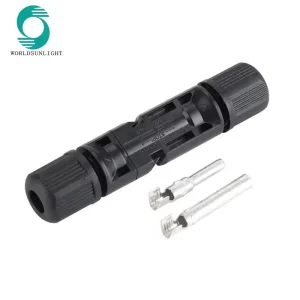
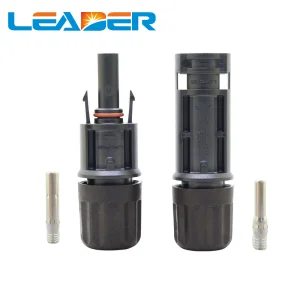
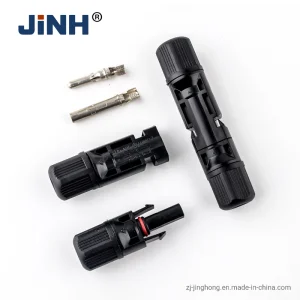
Large utility plants in southern Portugal require 1500V system components to reduce total wiring needs. Our high-voltage MC4-compatible connectors handle high current demands with low line loss, preserving operating margins over decades.
Rooftop structures experience extreme surface temperatures during summer. Jonas Energy's dual-wall XLPO insulated cables are rated to handle continuous operation up to 90°C (with thermal peaks reaching 120°C), protecting urban assets from degradation.
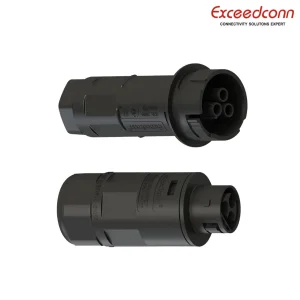
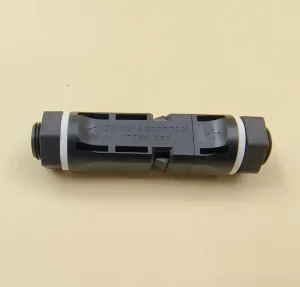
Our comprehensive portfolio of certified components, designed for long-term field stability.
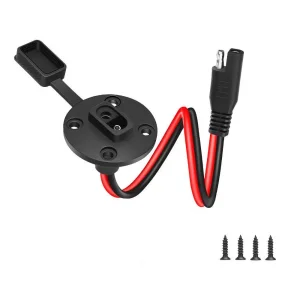
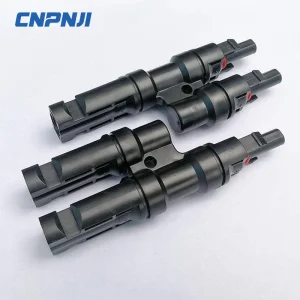
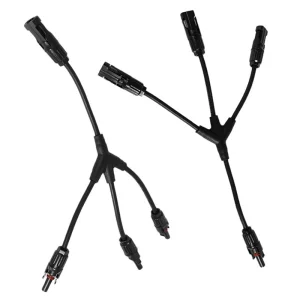
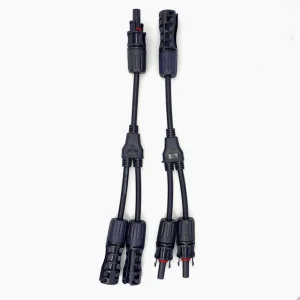
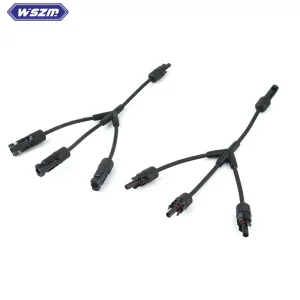
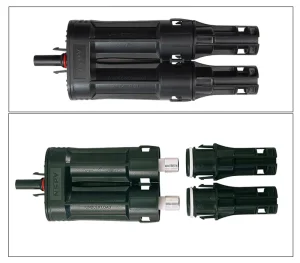
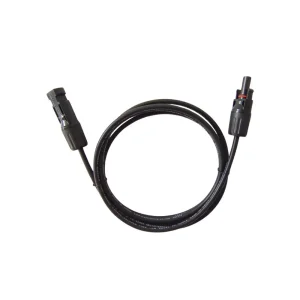
Your Global Partner in Photovoltaic and Energy Storage Solutions.
Xiamen Jonas Energy Co., Ltd. is a provider of renewable energy products and solutions, headquartered in Xiamen, Fujian Province, China. We specialize in the research, development, manufacture, and distribution of photovoltaic and energy storage systems designed for residential, commercial, and utility-scale projects worldwide.
Working with internationally certified manufacturers, Jonas Energy delivers a broad catalog of solar technologies. This includes solar panels, inverters, power storage units, and structural mounting systems, alongside containerized Energy Storage Systems (ESS) for industrial applications. Our technical team works directly with EPCs and procurement managers to ensure all products comply with European standards, including IEC, CE, TUV, ISO9001, and ISO14001 certifications.
From custom cable wire sizing to quick-connect plug adapters, we specialize in high-quality accessories that minimize installation time and operating risks. Jonas Energy serves solar system developments across global locations, offering tailored balance of system (BOS) options for challenging climates.
Technical answers regarding regulations, environmental resistance, and international sourcing.
Products imported into Portugal and the wider European Union must carry the CE mark. Cables should comply with the EN 50618 standard (specifically labeled as H1Z2Z2-K), which governs low-smoke, halogen-free, cross-linked polyolefin insulated cables. Connectors must meet the IEC 62852 certification requirements. Jonas Energy's components carry both TUV and CE certifications, verifying compliance with European safety standards.
Portugal’s extensive coastline subjects solar arrays to moist air and airborne salts. Bare copper oxidized quickly when exposed to these factors, forming a non-conductive layer that increases electrical resistance and risk of hot spots. Tinned copper features a thin layer of tin over the copper strands. This layer resists oxidation and corrosion, preserving system efficiency and longevity in coastal environments.
Transitioning to 1500V DC allows for longer PV string configurations, which can reduce the number of overall strings, combiner boxes, and cable runs by up to 30%. However, 1500V DC networks create higher electrical stress. All insulation barriers, creepage clearances, and connector mating systems must be rated for 1500V DC (compliant with IEC 62852) to prevent arc flashes and electrical tracking.
Contact resistance is the electrical resistance at the mating interface of a connector. If contact resistance is high (above 0.5 mΩ), current passing through the connector generates heat, which can damage the housing and lead to fire hazards. Jonas Energy uses high-conductivity copper-alloy pins with tinned surfaces, maintaining contact resistance under 0.25 mΩ to ensure safe operation under continuous load.
For bulk solar infrastructure orders, production lead times average 15 to 25 days depending on specification customizability. Shipments depart directly from Xiamen Port in China, utilizing direct maritime routes to Portuguese ports like Sines, Lisbon, or Leixões. Total transit time averages 30 to 40 days. We also offer air freight services for time-critical project completions.
Contact our team for technical datasheets, certified test reports, and custom quotation frameworks tailored for your utility or C&I solar projects in Portugal.
 Jonas Energy