Jonas Energy

The Berlin Solar Expansion: Commercial & Industrial Frameworks
The Berlin metropolitan region, driven by the ambitious mandate of the Berlin Solar Act (Solargesetz Berlin), has entered a transformative era of clean energy adaptation. As Germany transitions toward complete climate neutrality by 2045, decentralized commercial photovoltaic installations have shifted from a choice of sustainability to a core statutory requirement. Since January 2023, new commercial structures and substantial roof restorations exceeding 50 square meters of usable area are mandated to generate solar electricity. This legal architecture has created an unprecedented surge in demand for reliable power conditioning equipment, placing high-quality solar charge controllers at the center of localized grid operations.
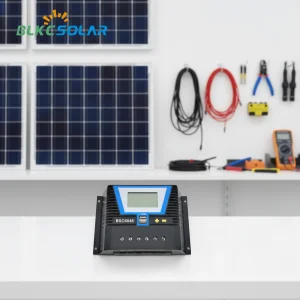
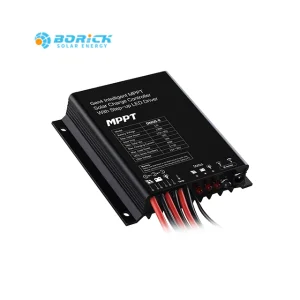
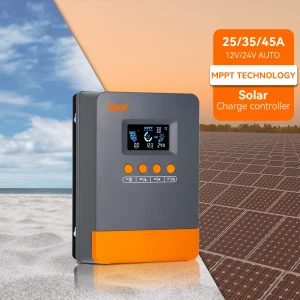
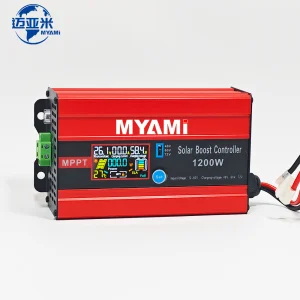
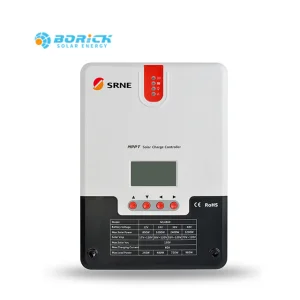
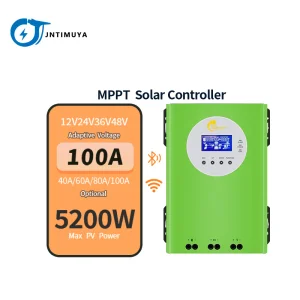
In Berlin's diverse landscape—ranging from industrial zones in Spandau and Tempelhof-Schöneberg to the research hubs of Adlershof—commercial actors are increasingly investing in off-grid energy backup systems, localized microgrids, and peak-shaving battery arrays. These industrial systems rely on MPPT (Maximum Power Point Tracking) technology to safeguard sensitive lithium iron phosphate (LiFePO4) storage banks while extracting maximum yield from low-irradiance conditions characteristic of Northern European winter seasons.
Technical Dynamics of the Berlin Solar Microgrid
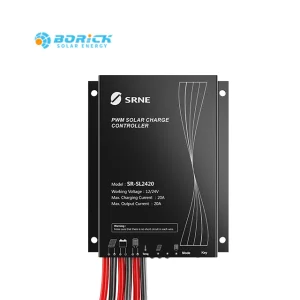
Solar charge controllers operating within the Berlin network must overcome several environmental and grid-technical barriers. During the winter months, Germany experiences low solar altitudes and significant cloud cover. To capture sufficient energy, systems must employ multi-stage tracking algorithms with ultra-fast dynamic responses. Traditional Pulse Width Modulation (PWM) systems are rapidly being phased out of commercial grids, replaced by high-amperage MPPT systems capable of adapting to rapid changes in solar irradiance.
Furthermore, local safety regulations enforced by the German Federal Network Agency (Bundesnetzagentur) and local distribution system operators (DSOs) demand absolute reliability in anti-islanding mechanisms, overvoltage protection, and electromagnetic compatibility (EMC). High-efficiency charge controllers act as the gatekeepers of local battery health, ensuring long-term system stability and optimal return on investment (ROI) for European asset managers.