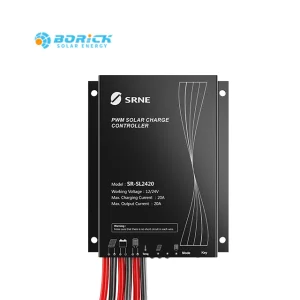
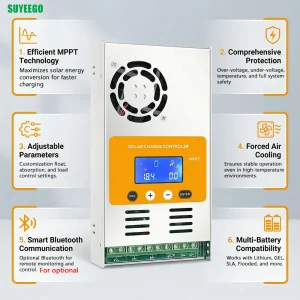
Explore our top four high-capacity solar charge controllers, meticulously selected for Hanoi’s unique environmental factors—heavy cloud shading, high relative humidity, and extreme summer temperatures.
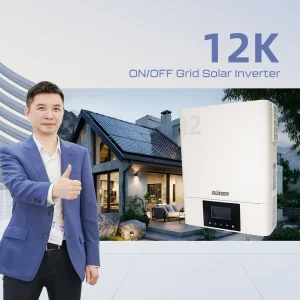
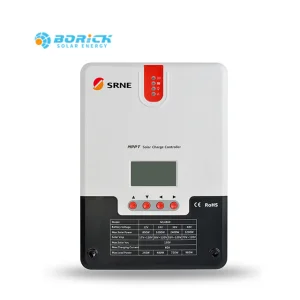
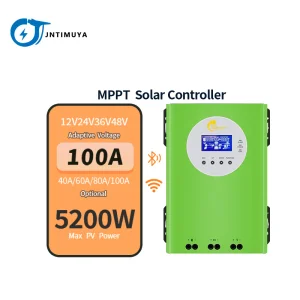
Hanoi, the administrative capital and a key economic powerhouse of Vietnam, is undergoing a rapid clean energy transition. With targets set in the Vietnamese National Power Development Plan VIII (PDP8), solar infrastructure is shifting from utility-scale farms in central-southern regions to decentralized commercial and industrial (C&I) rooftop and hybrid microgrid systems in the north. However, Hanoi’s specific local climate presents exceptional challenges for solar charge controller engineering. Designers must combat a unique blend of seasonal solar irradiance disparities, high ambient humidity (frequently exceeding 85% during the monsoon season), and dust pollution within industrial parks such as Thang Long, Quang Minh, and Noi Bai.
A solar charge controller is the intelligence center of any PV energy storage system. In Hanoi's high-temperature summers, where roof-level temperatures can easily reach 55°C, thermal derating becomes a primary threat to performance. Standard solar controllers degrade output current to protect components, resulting in severe power loss during peak generation periods. By utilizing advanced topology engineering, Jonas Energy's controllers employ active thermal management and heavy-duty heatsinks, guaranteeing full output up to an ambient 45°C. Furthermore, during Hanoi's cloudy winter months, rapid MPPT tracking speed is crucial to capture sporadic sunlight. A 99% tracking efficiency can represent a 15% increase in total daily yield compared to slower-tracking, low-end controllers.
Tropical monsoons demand IP67 or IP68 ingress protection. Our controllers feature vacuum-potted circuitry to eliminate condensation-induced short circuits, guaranteeing operation through humid seasons.
Equipped with customizable RS485/Modbus RTU protocols, enabling direct interface with EVN regional monitoring systems. Perfect for self-consumption control loops.
Tailored algorithms for Lead-Acid, Gel, and LiFePO4 chemistry profiles popular in Northern Vietnam, maximizing lifecycle retention and energy throughput.
Unlike southern provinces with consistent high irradiance, Hanoi suffers from persistent cloud cover and mist from December to March. Standard PWM regulators cannot step down high PV voltage without losing significant wattage. The integration of high-voltage MPPT controllers (up to 150V/200V PV input) enables Hanoi systems to harvest energy at extremely low ambient light levels, generating up to 30% more energy during winter than conventional setups.
Across the globe, industrial solar platforms are shifting toward decentralized architectures. Centralized inverters are increasingly replaced or supplemented by distributed modular power electronics. Advanced solar charge controllers sit at the vanguard of this revolution, transforming simple solar arrays into dynamic, bi-directional grid assets. Globally, the integration of Lithium Iron Phosphate (LiFePO4) storage chemistry has mandated a shift toward digital communications within the charging stage. Intelligent controllers must read BMS state-of-charge parameters in real-time, executing adaptive charging algorithms that adjust to microsecond deviations in voltage and temperature.
Moreover, the global growth in Commercial & Industrial (C&I) off-grid infrastructure is fueled by the need for decarbonization and energy security. Unreliable power grids in developing corridors, coupled with high demand charges in mature markets, require systems that can blend solar, grid, and generator assets dynamically. From remote mining microgrids in Western Australia to smart telecom arrays in Southeast Asia, the requirement remains consistent: robust maximum power point tracking, high efficiency, and comprehensive thermal and physical resilience.
For factories in Bac Thang Long Industrial Zone looking to hedge against peak tariff periods. High-capacity 80A to 120A MPPT controllers facilitate seamless energy shaving and localized battery backup.
Off-grid, modular outdoor cabinets deployed by local network carriers. Our IP67 Gen4 waterproof series ensures continuous system cooling and uninterrupted power transmission under heavy rain.
Deployments in surrounding agricultural plains (Dong Anh, Gia Lam districts). Our cost-effective PWM smart controllers handle heavy dust while managing direct DC water pumps.
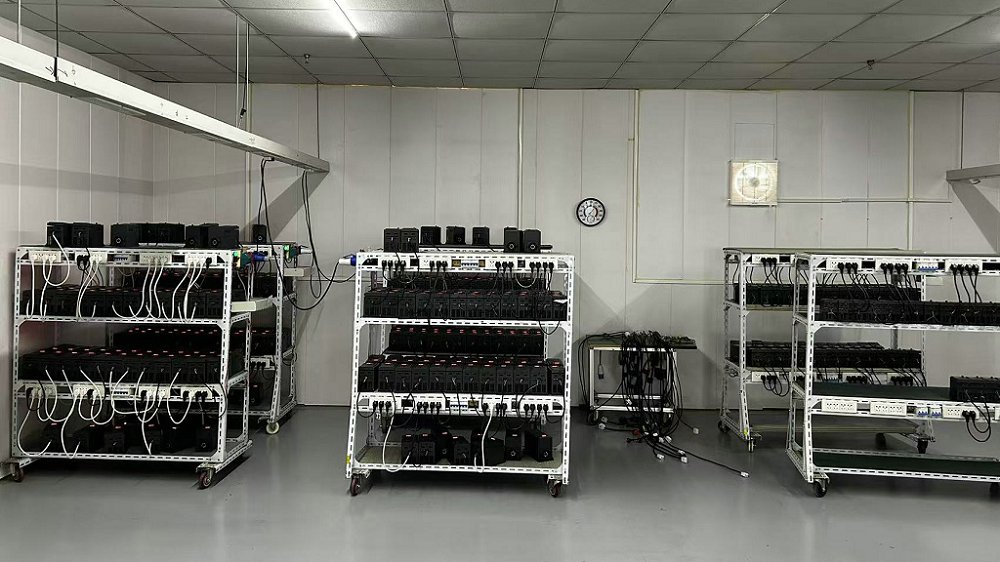
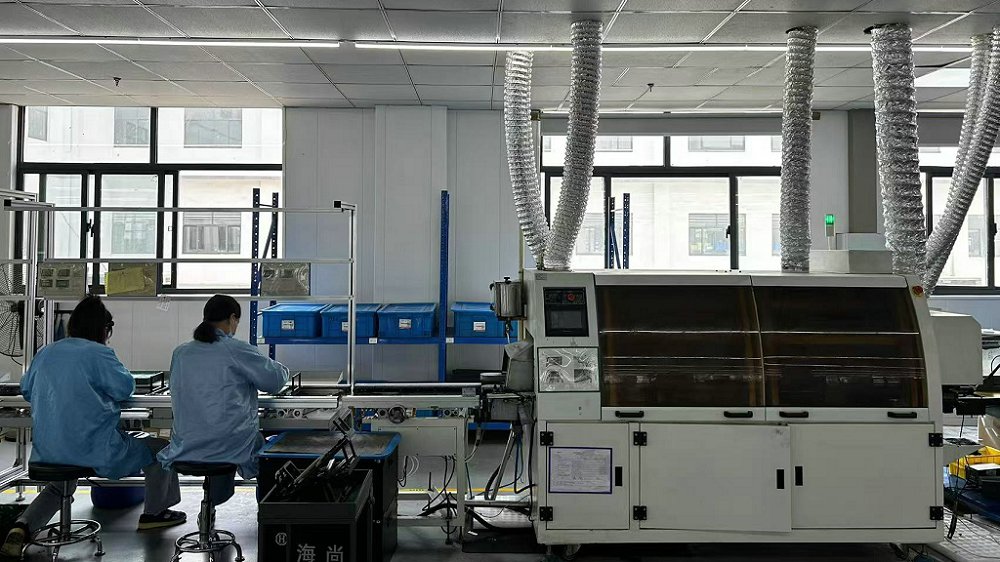
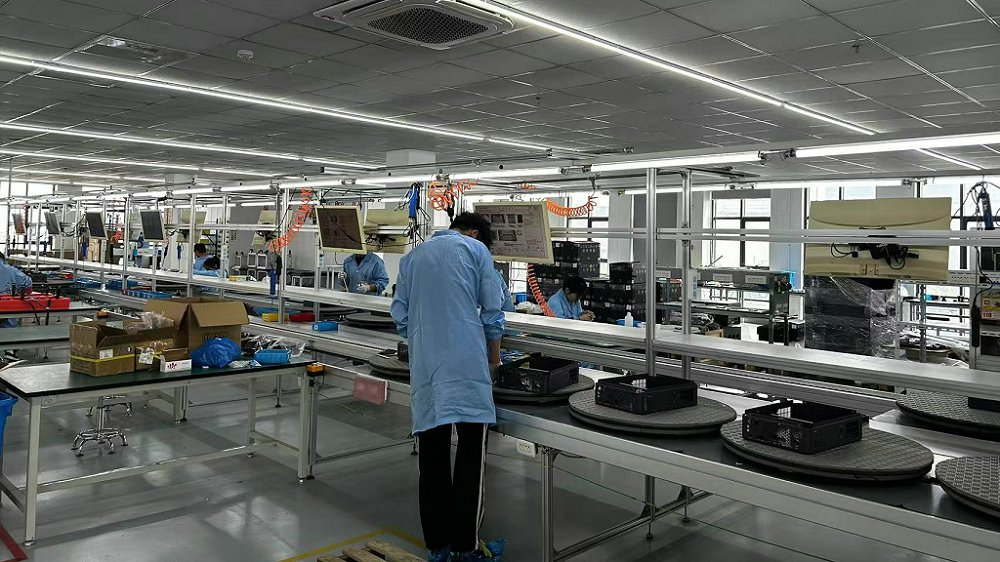
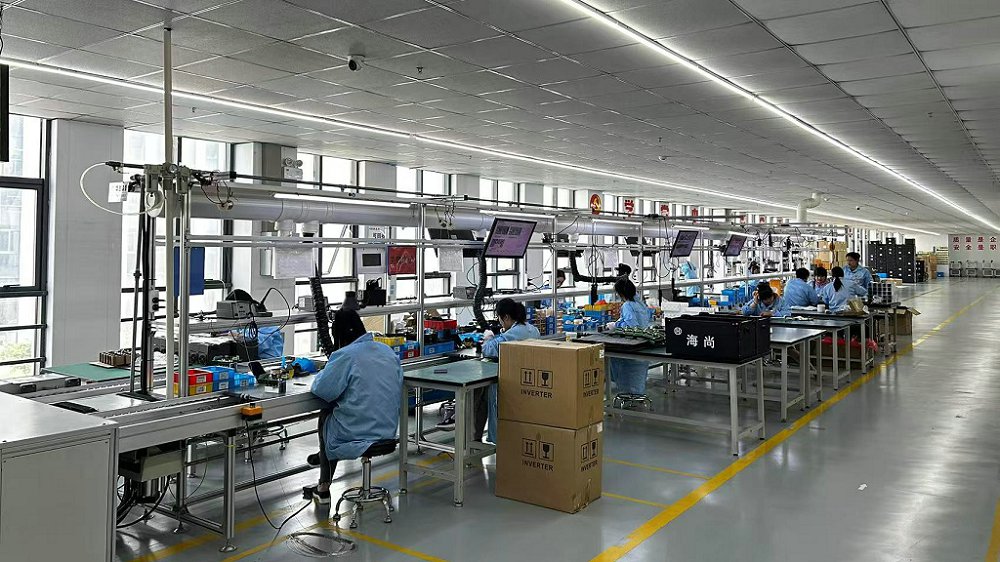
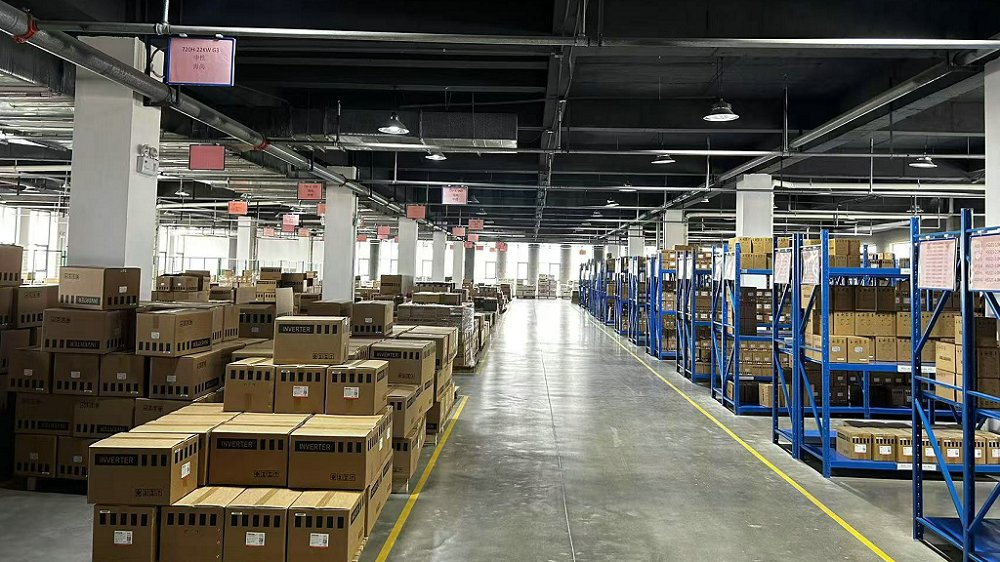
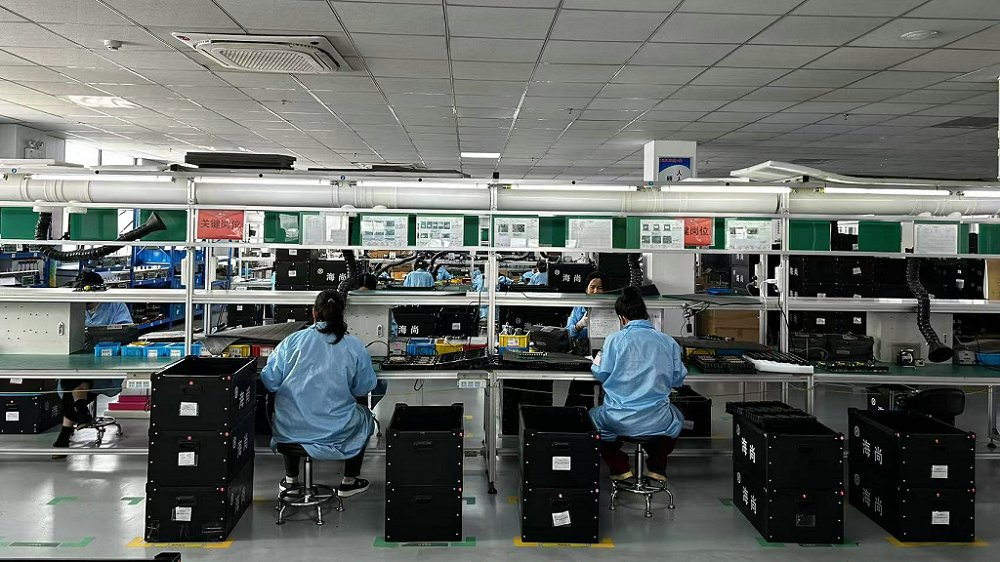
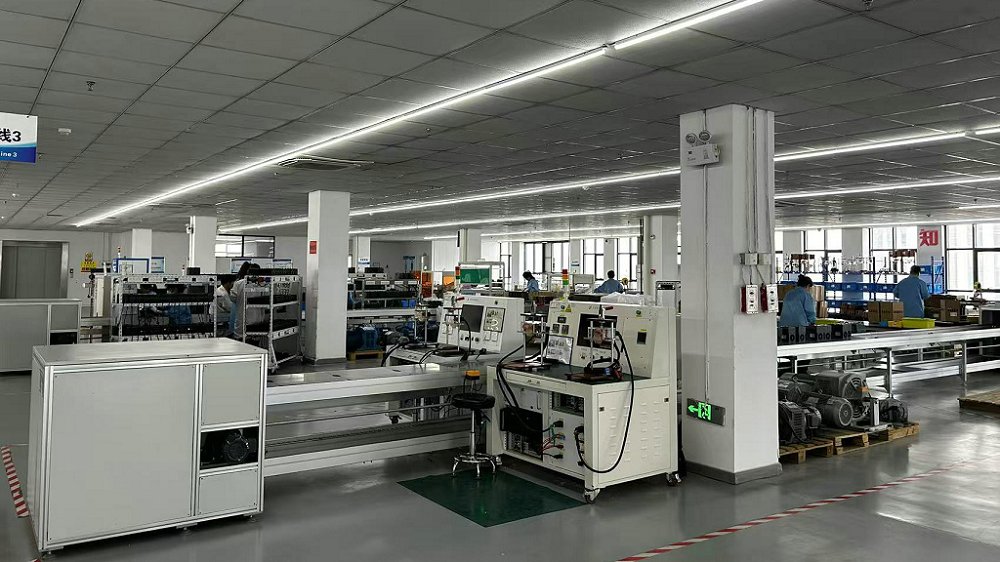
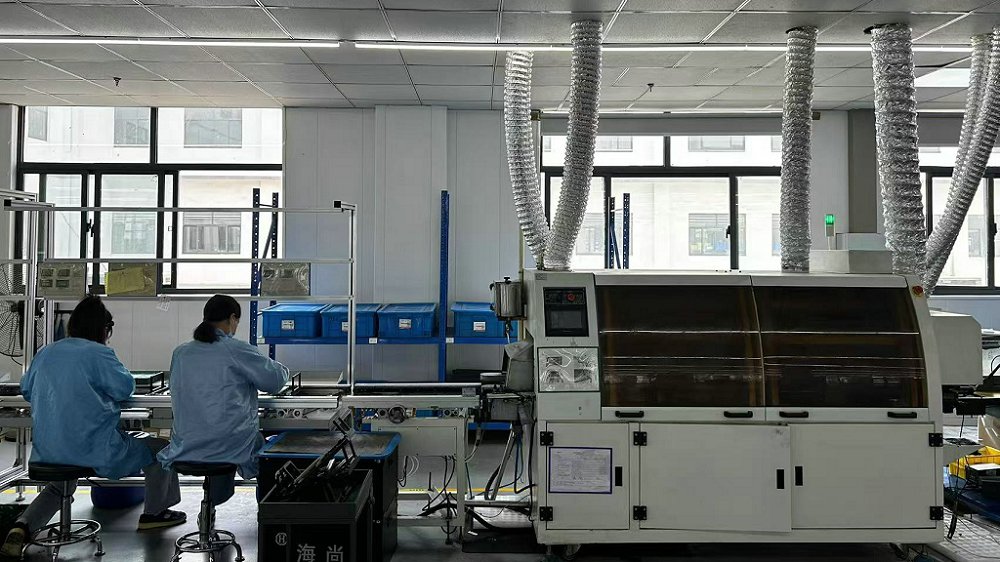
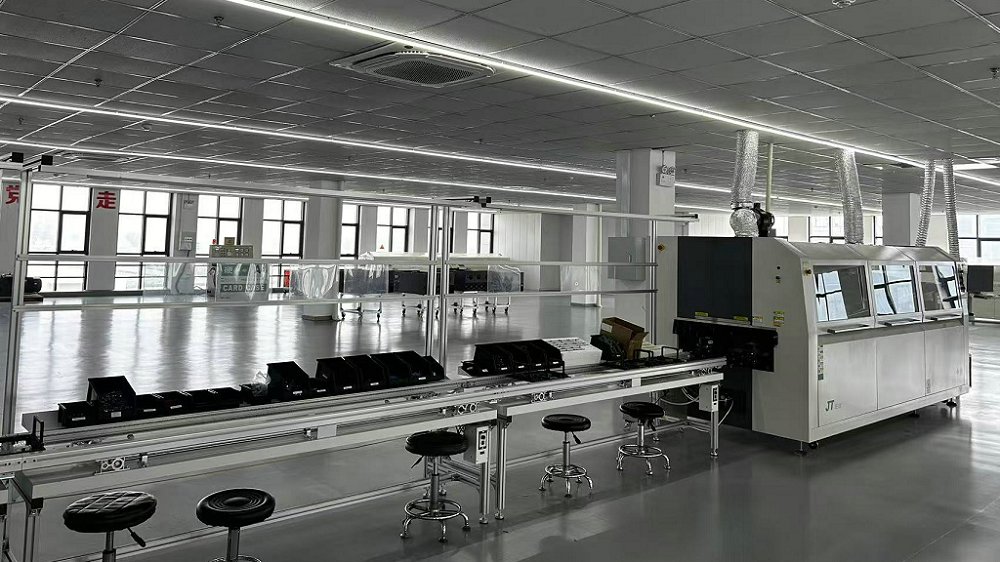
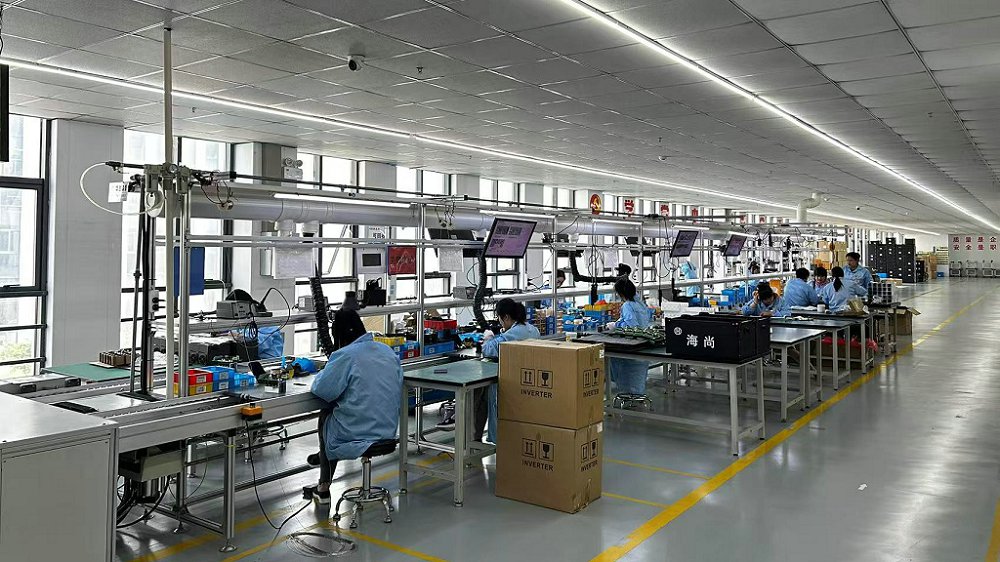
Headquartered in Xiamen, Fujian Province, China, Jonas Energy operates modern production facilities equipped with advanced manufacturing and testing equipment. Our annual production capacity reaches several gigawatts, enabling us to serve Hanoi’s installers and distributors with reliability.
As a high-tech enterprise, we work closely with internationally recognized partners to provide a wide range of reliable energy storage solutions. Our experienced R&D team consists of highly qualified engineers and technical specialists who focus on product innovation, performance optimization, and environmental resilience in the renewable energy sector. By integrating cutting-edge semiconductor materials and advanced assembly techniques, we ensure that our solutions remain highly competitive and future-ready.
All products undergo rigorous testing and strict quality control procedures to ensure long-term reliability. We comply with international standards including IEC, CE, TUV, ISO9001, and ISO14001, providing absolute peace of mind.
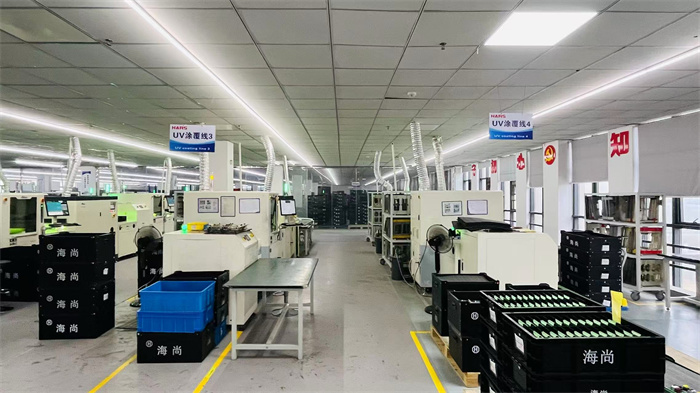
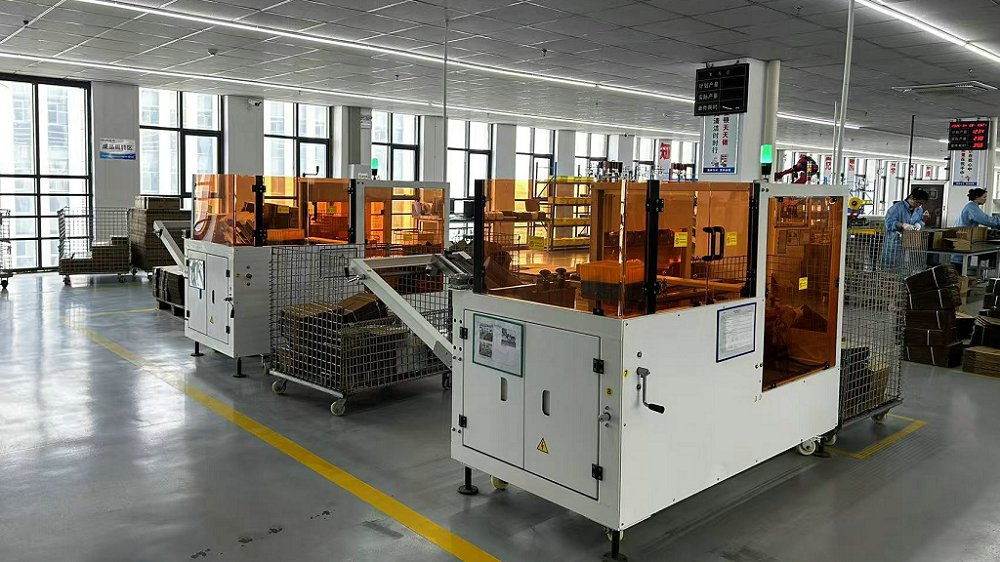
Our manufacturing lines utilize high-precision automated assembly and continuous inspection machines, maintaining exceptional consistency throughout production batches.
From initial design consultations to component sourcing, configuration checking, and after-sales support, Jonas Energy delivers optimized, complete storage packages.
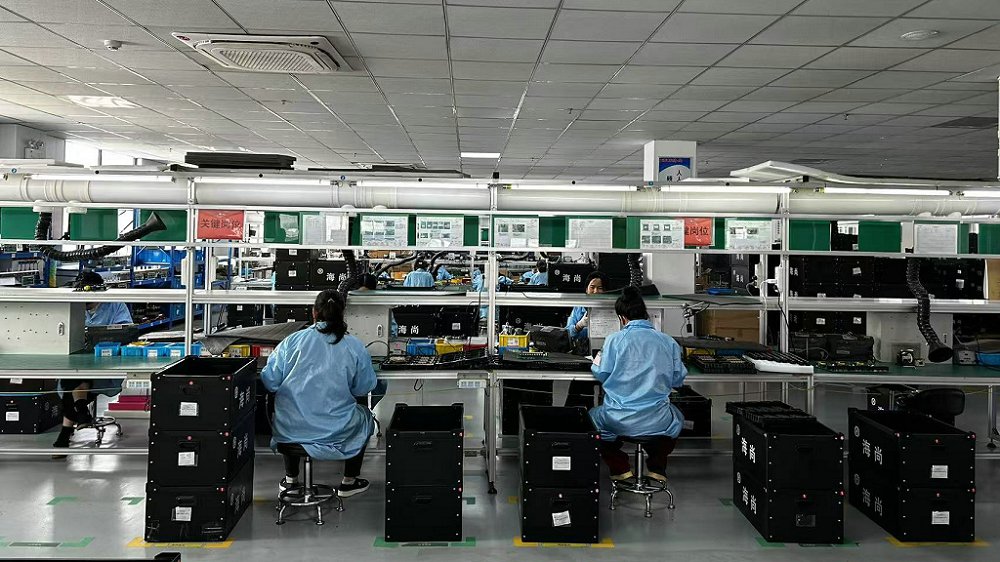
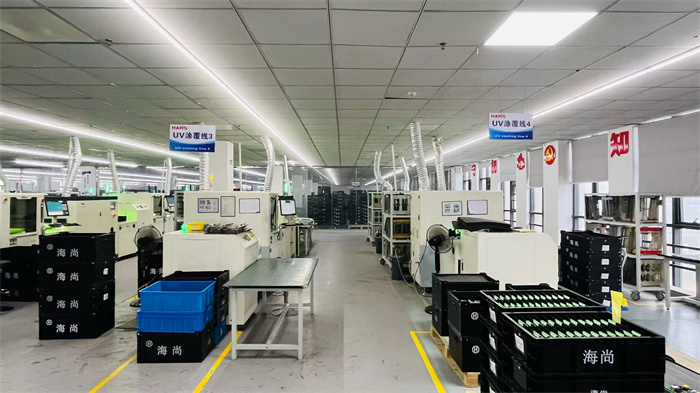
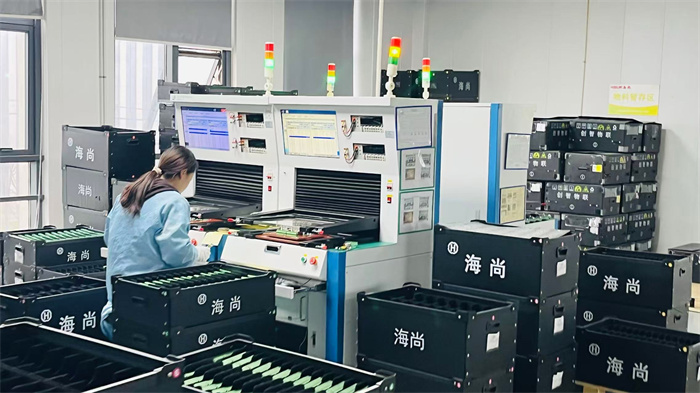
Review our diverse portfolio of PWM and MPPT regulators. These units support various battery chemistries, custom load setups, and rugged outdoor IP-rated protection configurations.
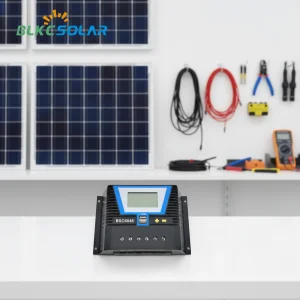
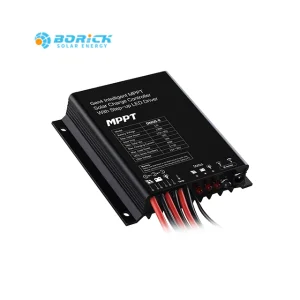
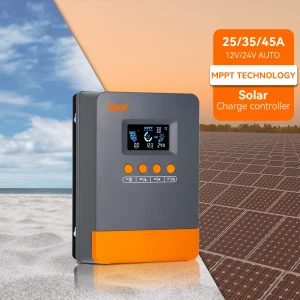
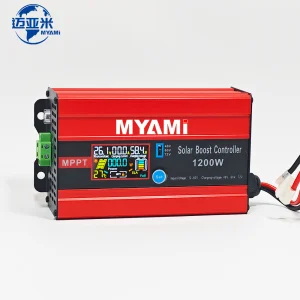
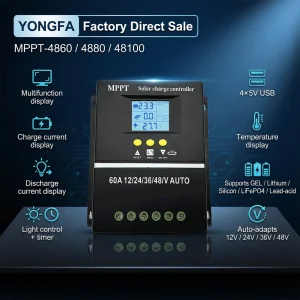
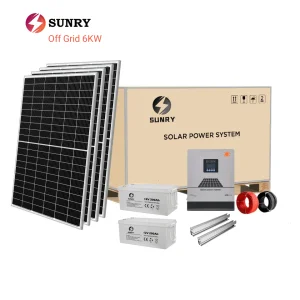
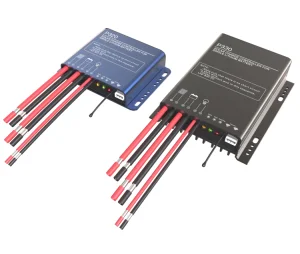
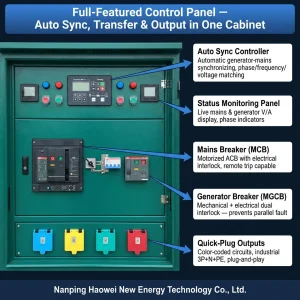
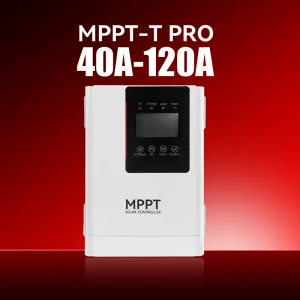
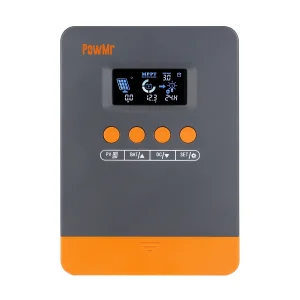
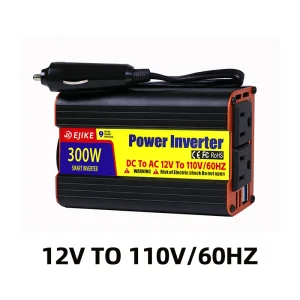
Operating solar systems in the Northern Vietnamese grid requires strict adherence to local utility protocols. Vietnam Electricity (EVN) updates grid connection guidelines to manage power stability on regional medium-voltage lines. Our smart solar controllers feature frequency and voltage threshold protection parameters that prevent local grid feedback when configured for net-zero export setups in urban Hanoi locations. Additionally, compliance with international standards such as IEC 62109-1 and IEC 62109-2 is standard across all Jonas Energy product lines, verifying safety ratings under fault conditions.
Looking ahead, the development roadmap for Jonas Energy products integrates third-generation wide-bandgap semiconductors (Silicon Carbide - SiC and Gallium Nitride - GaN). These materials enable higher switching frequencies, reducing the physical footprint of magnetic components while raising peak conversion efficiencies up to 99.4%. Furthermore, IoT monitoring platforms are shifting from simple GPRS modules to integrated Wi-Fi/Ethernet architectures with edge computing capabilities. Controllers will possess the processing capacity to run predictive load control, using historical generation data and localized weather feeds to manage battery storage states before heavy storm events occur.
We provide full technical documentation, firmware adaptation, and configuration software in English. Our engineers assist with Modbus register mapping to connect third-party SCADA and energy management platforms seamlessly, expediting local grid acceptance processes.
Optimize your solar array's charging performance with our engineering team. Contact us for bulk pricing, local delivery options, and technical support in Hanoi.
Send Inquiry Now Jonas Energy