Explore our core engineering hardware designed to provide exceptional stability, intelligent control, and high energy conversion rates for smart solar infrastructure worldwide.
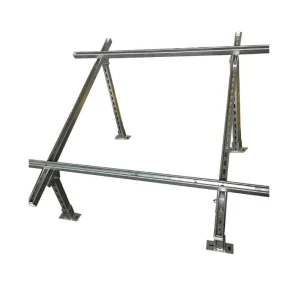
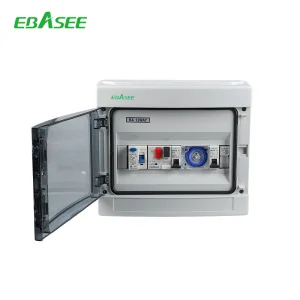
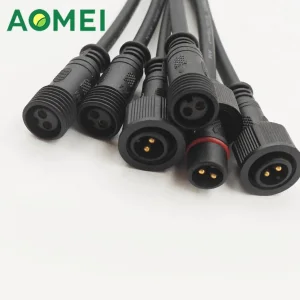
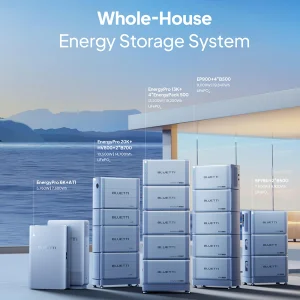
Analyzing key technologies, international compliance demands, and sourcing methodologies for modern smart cities.
In the wake of global decarbonization initiatives and the rapid acceleration of Smart City layouts, solar street lighting has evolved from simple standalone luminaires into highly integrated, complex infrastructure systems. Modern municipal and commercial project developers no longer look at solar lighting as just a combination of a photovoltaic panel, a battery, and a lamp. Today's dynamic operating environments demand smart control, grid-like reliability, and optimized Total Cost of Ownership (TCO).
China has firmly established itself as the global epicenter for the design, development, and mass manufacturing of commercial-grade solar street lighting systems. Utilizing advanced semiconductor packaging, next-generation LiFePO4 battery management, and high-efficiency monocrystalline solar panels, Chinese manufacturers offer unparalleled technological scalability. By sourcing directly from verified suppliers, global buyers can customize key operational metrics such as autonomy days, light distribution profiles, and structural wind resistance to align with local environmental parameters and strict regulatory compliance guidelines.
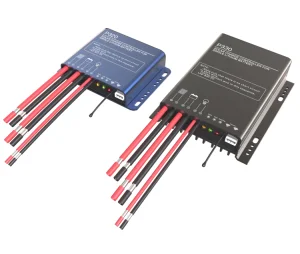
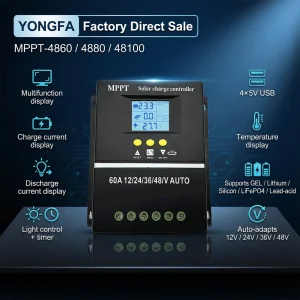
Understanding these critical metrics is essential for optimizing system configurations. A system designed without detailed consideration of regional solar radiation indexes, peak sunshine hours, and microclimate variations will inevitably fail during consecutive rainy days. A reliable solar street lighting design requires high-performance charge controllers, such as Maximum Power Point Tracking (MPPT) or highly efficient, robust Pulse Width Modulation (PWM) devices, to handle high charging demands under low-light conditions.
A trusted pioneer in renewable energy solutions, specializing in advanced PV systems, high-capacity energy storage, and smart lighting components.
Xiamen Jonas Energy Co., Ltd. is a leading professional provider of renewable energy solutions, strategically headquartered in the high-tech hub of Xiamen, Fujian Province, China. Since our inception, we have dedicated our resources to the continuous research, development, state-of-the-art manufacturing, and global distribution of advanced photovoltaic and energy storage systems. Our holistic approach ensures that each component—from structural mounts to charge controllers—is engineered for seamless compatibility and operational efficiency.
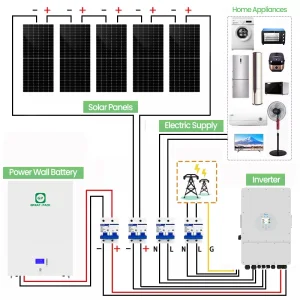
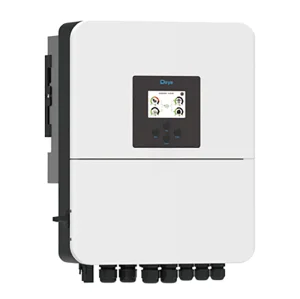
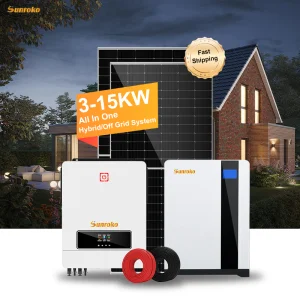
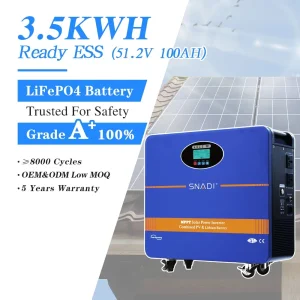
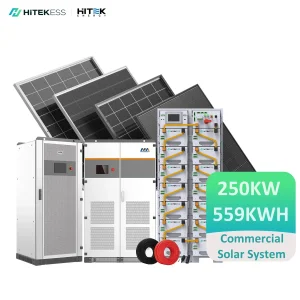
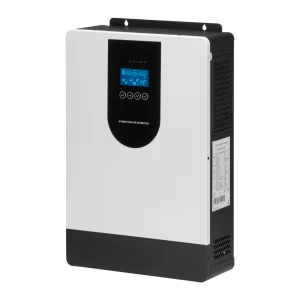
Driven by an unwavering commitment to engineering innovation and environmental sustainability, Jonas Energy offers an extensive, certified portfolio of solar energy solutions. These include high-performance solar panels, grid-tied and off-grid hybrid inverters, lithium iron phosphate (LiFePO4) energy storage batteries, robust mounting systems, and complete photovoltaic generation setups. Our diverse range is specifically engineered to meet the stringent demands of residential, commercial, industrial, and utility-scale projects in all environments.
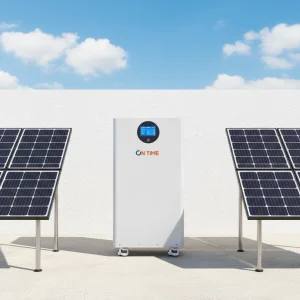
We work in close strategic partnership with internationally recognized raw material suppliers, chipmakers, and certification bodies to deliver highly reliable energy storage solutions. Our capabilities include wall-mounted residential batteries, unified all-in-one storage systems, industrial rack-mounted configurations, and massive containerized Energy Storage Systems (ESS). Through continuous technological integration, we empower our global clientele to achieve energy independence and exceptional operational ROI.
Every product undergoes extensive testing and quality gates. We comply strictly with IEC, CE, TUV, ISO9001, and ISO14001 international standards to guarantee long-term field operation.
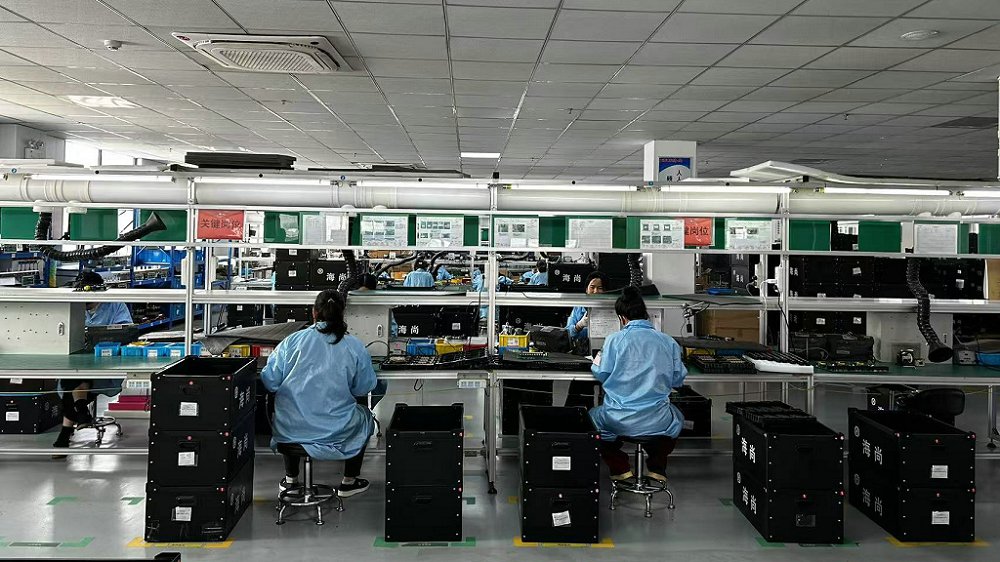
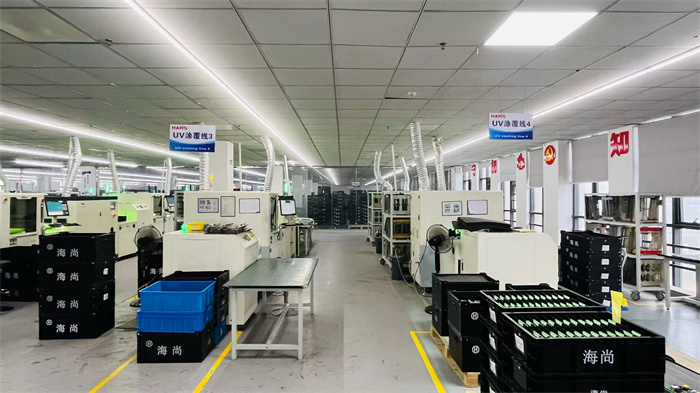
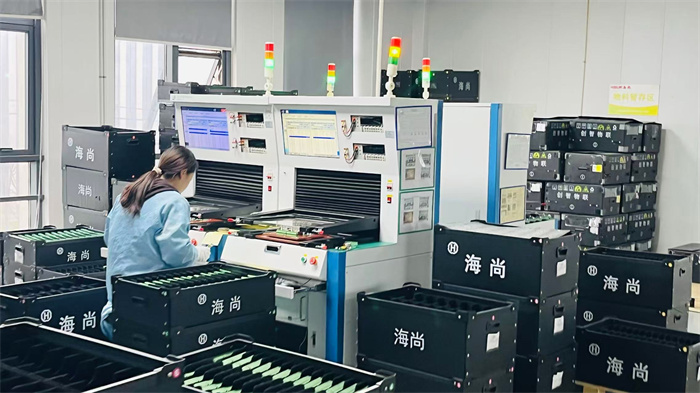
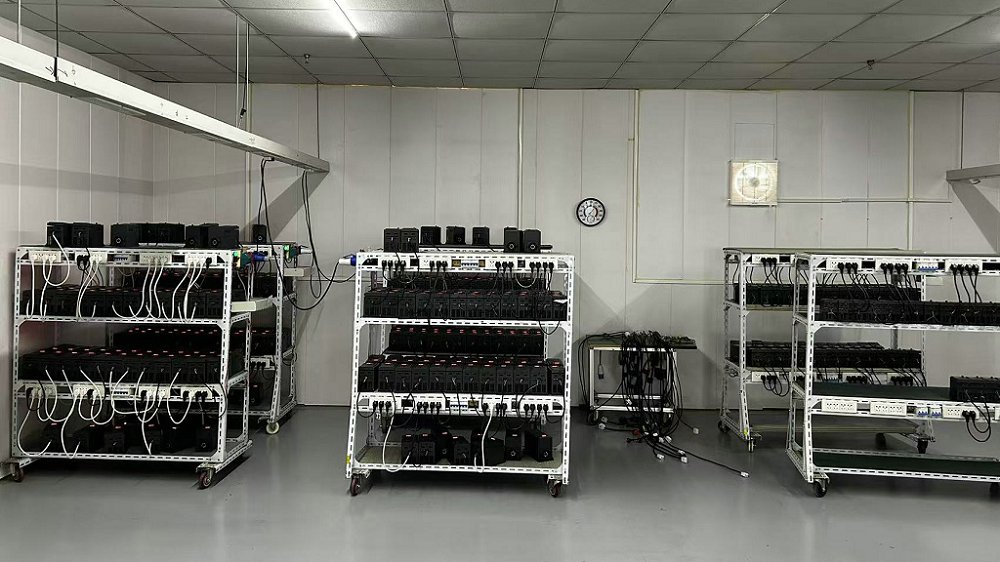
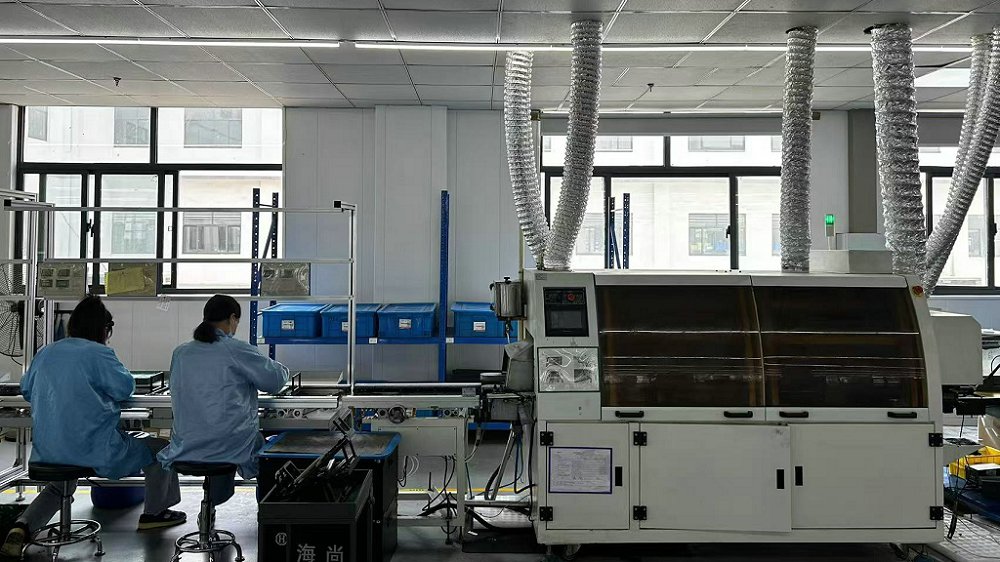
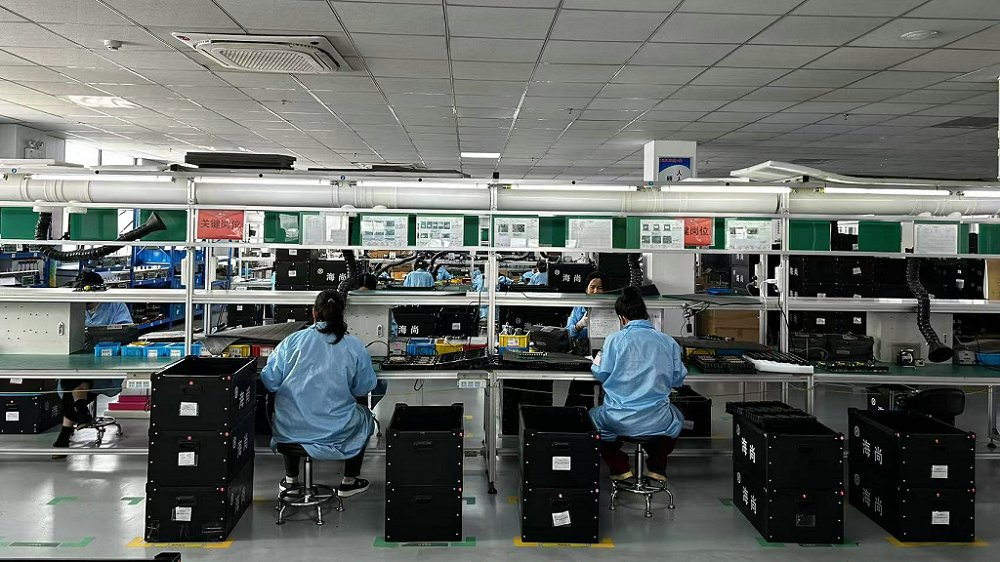
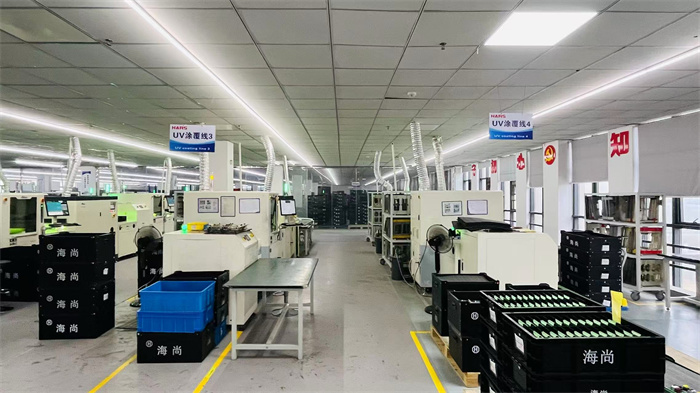
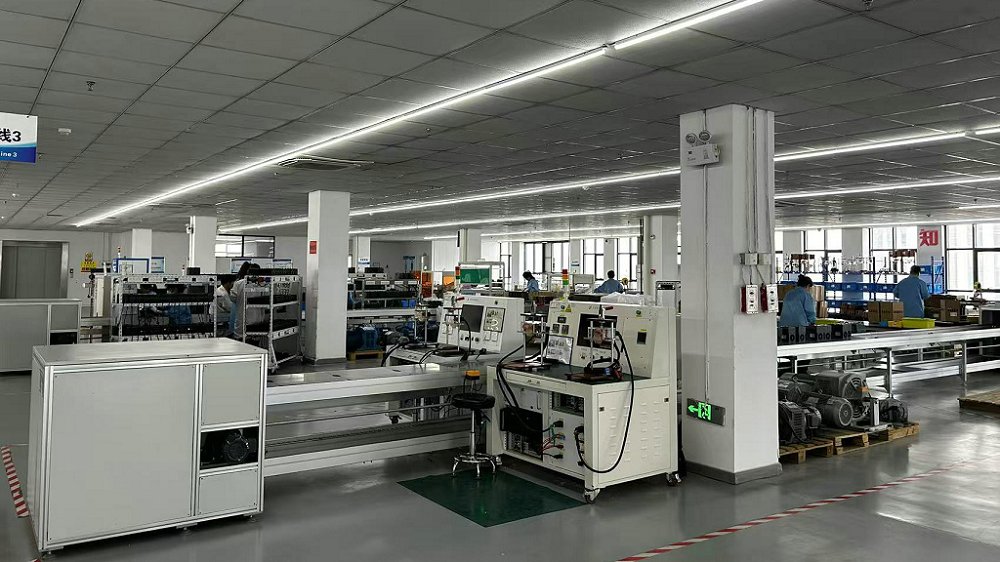
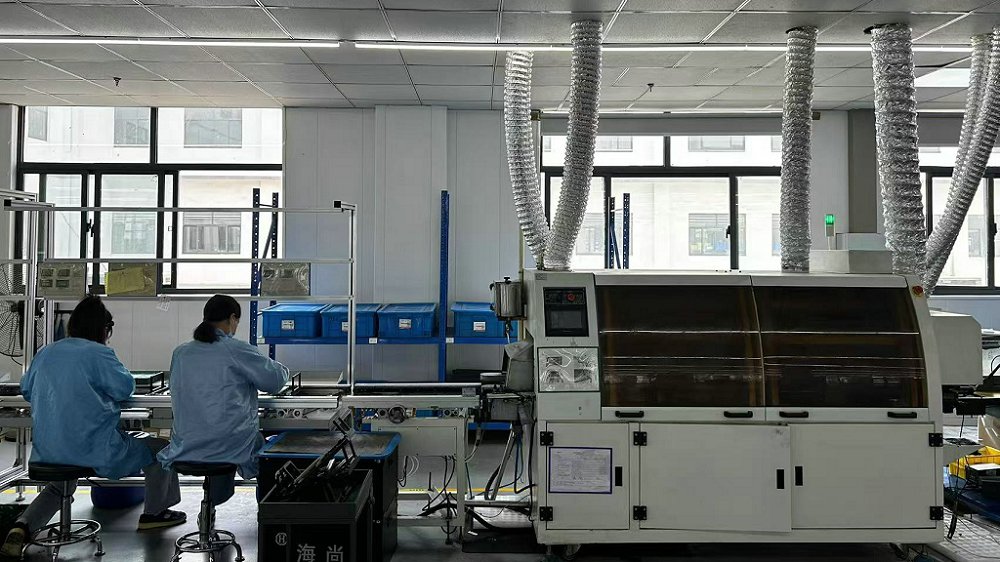
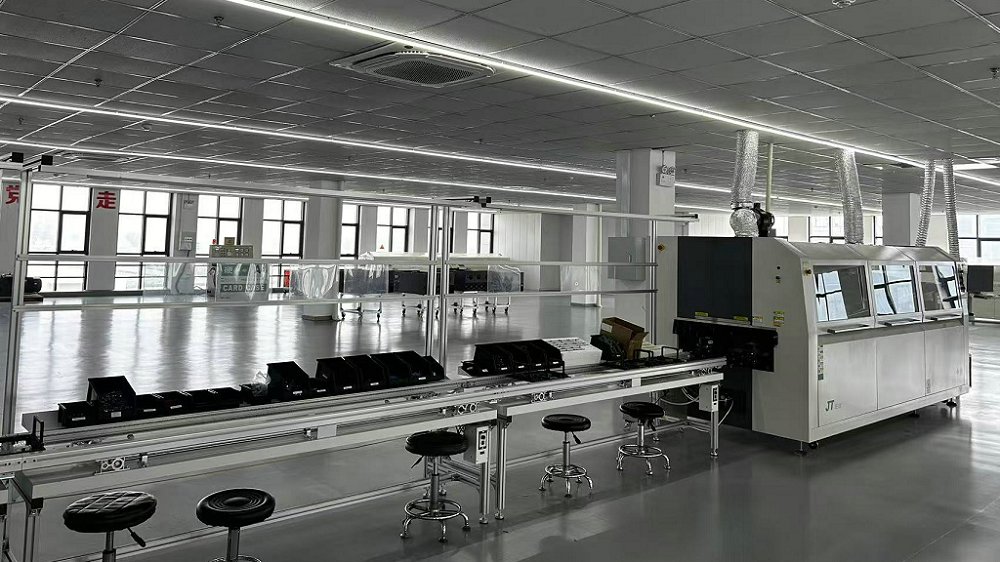
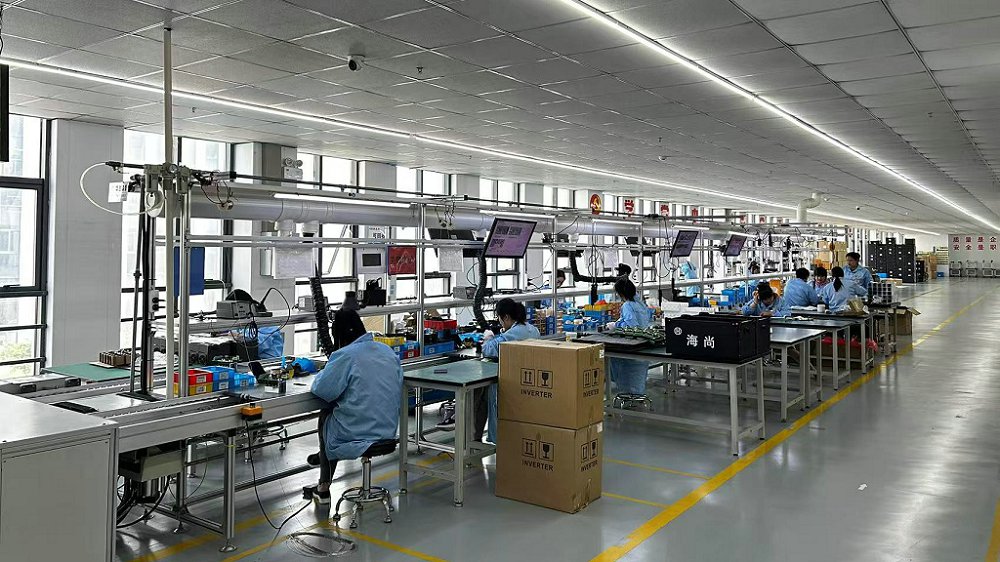
Our infrastructure includes automated SMT lines, advanced UV coating systems, optical emission testers, and temperature-controlled aging chambers to maintain extreme precision.
Our multidisciplinary team comprises photometrical experts, structural engineers, logic design specialists, and experienced international supply chain professionals.
We provide unified project support including dialux lighting simulation, solar sizing calculations, custom component matching, logistics coordination, and installation guidance.
Why Tier-1 developers and international municipal procurement divisions prioritize sourcing from leading Chinese industrial clusters.
The manufacturing ecosystem in China offers systemic advantages that cannot be replicated by individual regional factories. This starts with direct access to basic raw materials and high-purity polysilicon, as well as state-of-the-art battery component manufacturing. By concentrating the supply chain vertically, local factories minimize internal transport overheads, decrease lead times, and optimize manufacturing speeds. Xiamen, as a key coastal port city, provides a strategic logistics gateway that drastically reduces maritime transit times and shipping complexities.
In addition, the speed of product development and iterative innovation is incredibly rapid. A new lens geometry designed to meet European roadway standards (like EN 13201) can be simulated, prototyped, injection-molded, photometrically measured, and integrated into production lines in a fraction of the time compared to Western manufacturers. This direct access to rapid prototyping enables buyers to tailor projects to meet exact municipal regulations, safety demands, and local landscape architectural aesthetics.
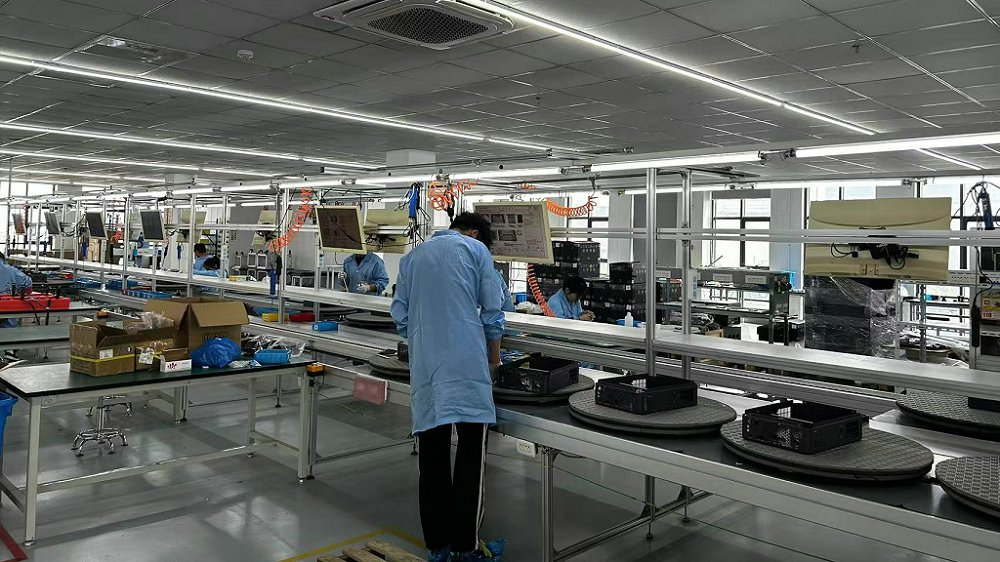
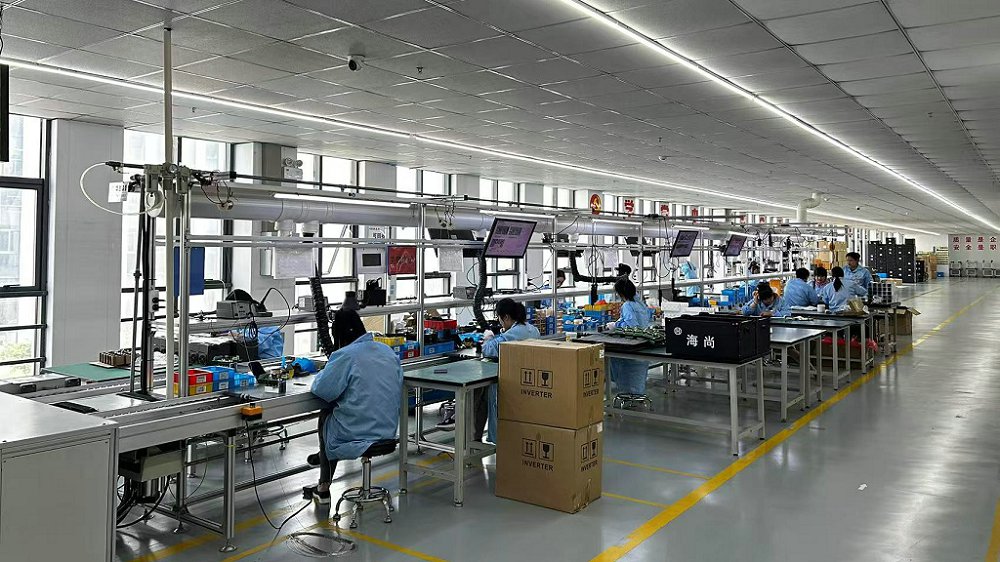
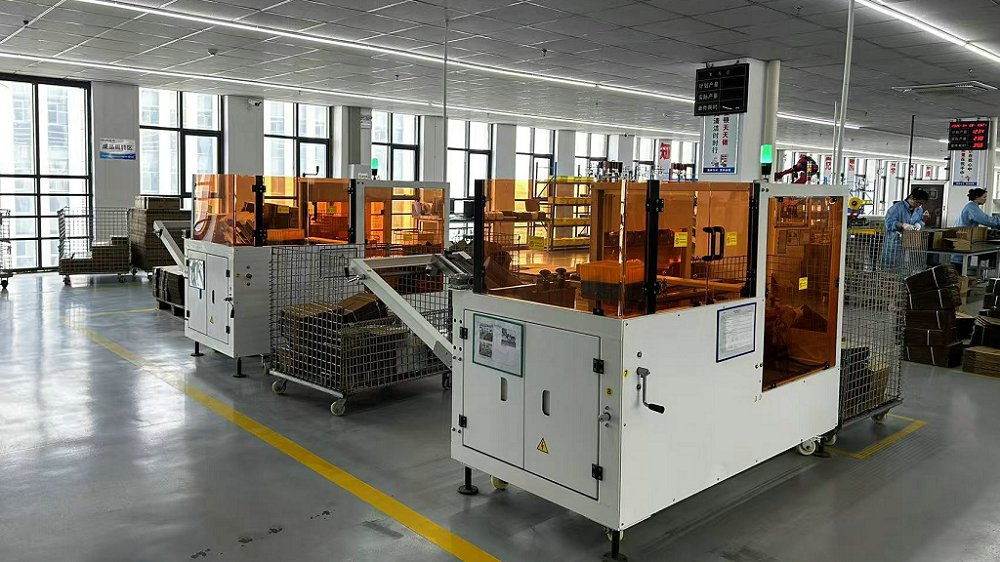
Finally, the economic benefits are amplified by the automated assembly lines. Automated processes ensure that terminal connectors, solar chargers, battery packs, and mounting brackets are assembled with uniform consistency. Automated machinery prevents critical wiring mistakes, faulty solder joints, and structural assembly variations, resulting in a product line designed for continuous, maintenance-free performance in remote areas.
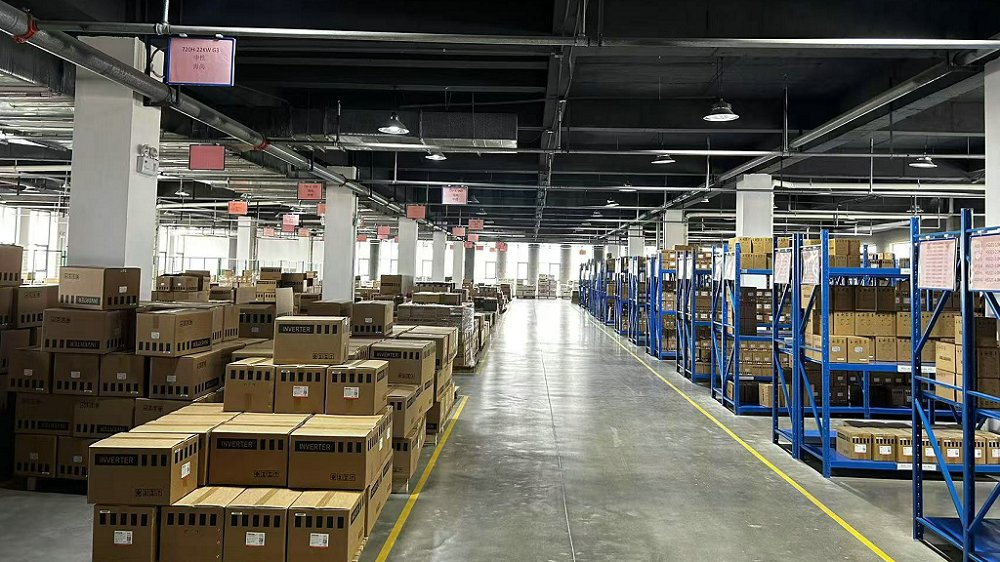
Take an inside look at our highly automated production floor, dedicated QA stations, testing equipment, and assembly pipelines.
Navigating structural wind ratings, extreme thermal conditions, and regional energy standards for smooth project approval.
Deploying solar energy systems globally requires careful consideration of local environmental conditions and regulatory compliances. For instance, installations in hurricane-prone zones (such as Florida or the Caribbean) must feature mounting structures, poles, and panels engineered to withstand extreme wind loads (up to 150 mph or 240 km/h). Conversely, installations in northern latitudes must be optimized with steep panel tilt angles to prevent snow accumulation and maximize winter solar yield.
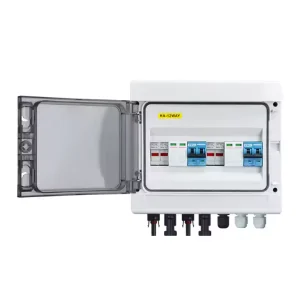
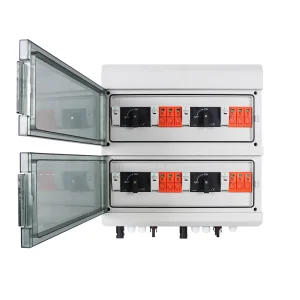
From a regulatory standpoint, meeting certifications such as CE for Europe, UL testing criteria for North America, and IEC standards is critical. These certifications guarantee that the structural brackets, PV combiner boxes, charge controllers, and cabling connectors operate reliably without posing electrical hazards. The Integration of IP68 dust-proof and waterproof seals on critical distribution boxes and PWM or MPPT controllers ensures that heavy rainfall, sandstorms, and coastal salt mist do not compromise the electronics over years of unattended field service.
In terms of application, industrial parks, municipal highways, urban parks, and residential roads benefit from smart, solar-powered systems. Integrated sensors, adaptive dimming algorithms, and automated day/night sensing ensure optimal battery usage. By operating independently from the centralized grid, these systems avoid expensive cabling and trenching overhead, making them ideal for rapid deployment across remote regions, critical logistics pathways, and rural development programs.
Addressing the top technical questions, logistics considerations, and component customization requests from professional procurement managers.
Heavy-duty, high-performance inverters, hybrid power systems, and mounting configurations for utility-grade projects.
 Jonas Energy