Industry White Paper

Top China Solar Panel Management Factories & Suppliers

Driving LCOE Optimization, Grid Integration, and Battery Management Systems (BMS) Excellence globally.

The Paradigm Shift in Solar Panel Asset Management

Analyzing global trends, technological milestones, and hardware efficiency parameters in utility and C&I deployments.

1. Global Market Context & The Evolution of Solar Asset Optimization

As solar power deployment matures from simple grid-injection schemes to high-frequency dispatchable networks, the focus of international energy developers has decisively pivoted. Generating power is no longer the sole challenge; the core imperative is now the intelligent management of that power across its lifetime. The global Levelized Cost of Energy (LCOE) is heavily influenced by systemic balance-of-system (BoS) efficiencies, degradation rates, and reactive maintenance overheads.

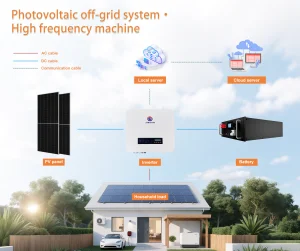
Modern solar panel management encompasses real-time energy flow optimization, thermal tracking, cell-level battery management (BMS), dynamic MPPT tracking, and weather-adaptive physical alignment. By integrating intelligence directly into hardware nodes (combiner boxes, solar charge controllers, battery packs), owners and EPC (Engineering, Procurement, and Construction) companies minimize transmission bottlenecks and avoid single-point electrical failures that cost millions in downtime.

"The transition from passive photovoltaic setups to active, software-driven, and hardware-managed solar assets represents a paradigm shift. True grid stabilization and industrial power independence require responsive local controllers and advanced telemetry."

2. Key Macro Trends Defining the Industry

  • BESS (Battery Energy Storage Systems) Proliferation: Utility-scale and industrial projects are shifting to DC-coupled and AC-coupled BESS architectures, requiring highly synchronized Battery Management Systems (BMS) with CAN/RS485 interfaces.
  • Dynamic Microgrids and Remote Power: Industrial operations (telecom networks, mining sites) require ruggedized IP55/IP66 controllers and smart combiner boxes that withstand extreme climate variance.
  • AI-assisted Maximum Power Point Tracking (MPPT): Traditional PWM schemes are rapidly being phased out in favour of multi-stage high-speed MPPT systems that secure up to 99% conversion efficiency in partial-shade environments.
  • Hardware-Level Cybersecurity and Communication: Modern controllers utilize advanced encryption protocol standards, ensuring solar farms do not become vulnerable access points for telemetry hacks.
98.8%
MPPT Tracking Efficiency
150+
Quality Control Tests Passed
GW+
Annual Manufacturing Capacity
80+
Global Countries Reached

China Factory 4.0: Supply Chain Resilience & Reliability

A closer look at Xiamen Jonas Energy Co., Ltd. and their technological leadership in advanced manufacturing.

Xiamen Jonas Energy Co., Ltd.: Leadership in Renewable Systems

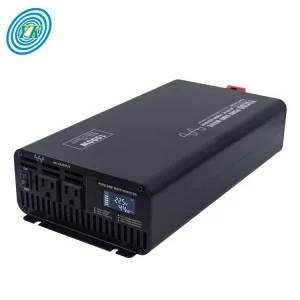
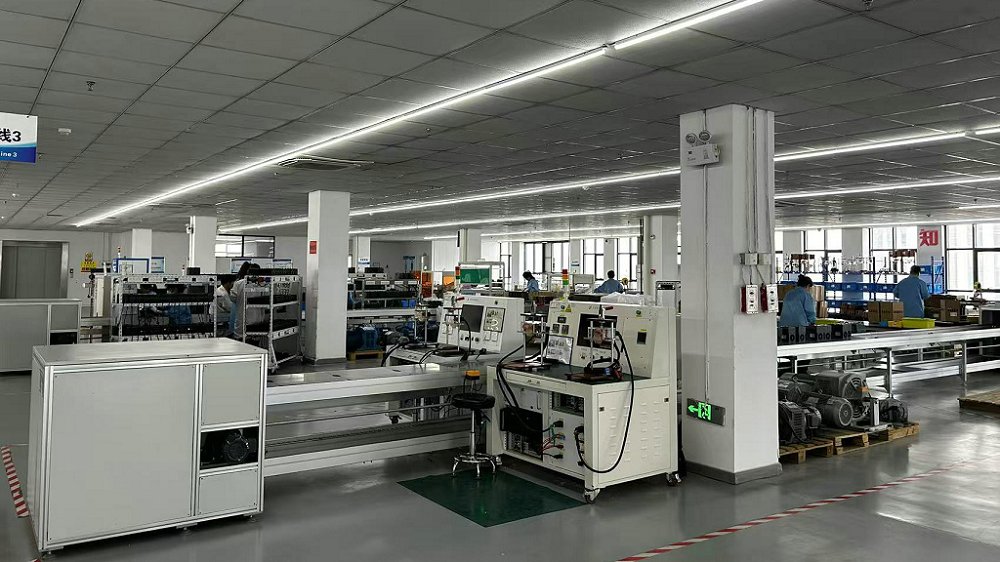
Headquartered in Xiamen, Fujian Province, China, Xiamen Jonas Energy Co., Ltd. has established itself as an authoritative force in the engineering, design, and global export of advanced solar components. Operating as a high-tech enterprise, the company balances research and development with scalable manufacturing, delivering comprehensive solutions including monocrystalline modules, intelligent battery management systems, premium power inverters, and tracking brackets.

Rather than working simply as an OEM assembler, Jonas Energy integrates its operations across the supply chain, ensuring that every raw material, silicon substrate, and integrated circuit meets strict international certification guidelines. Partnering with top semiconductor providers and grid operators, Jonas Energy focuses heavily on creating long-term value, driving localized project viability from high-latitude residential off-grid systems to large industrial BESS installations.

Industrial Integration: Step-by-Step Production Process

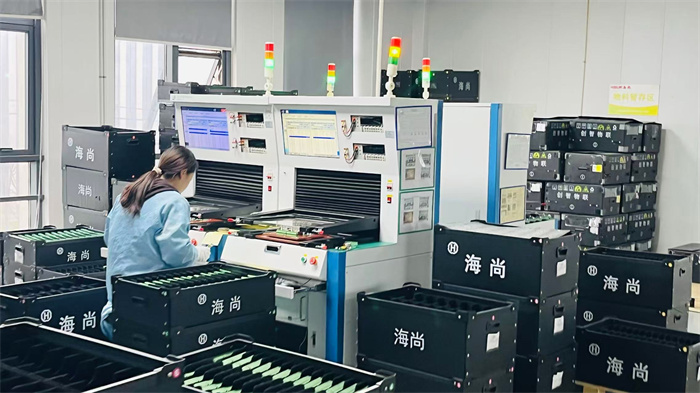
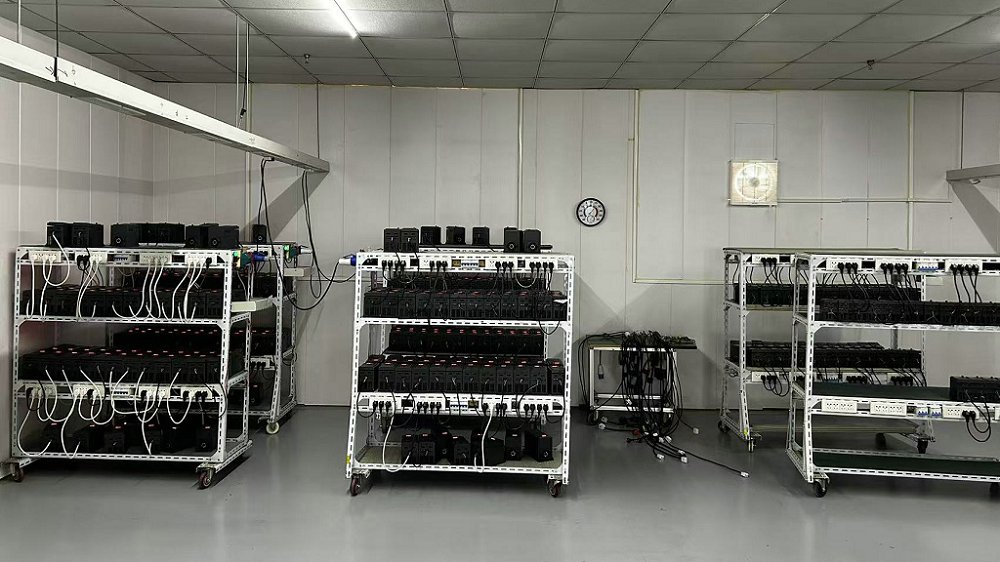
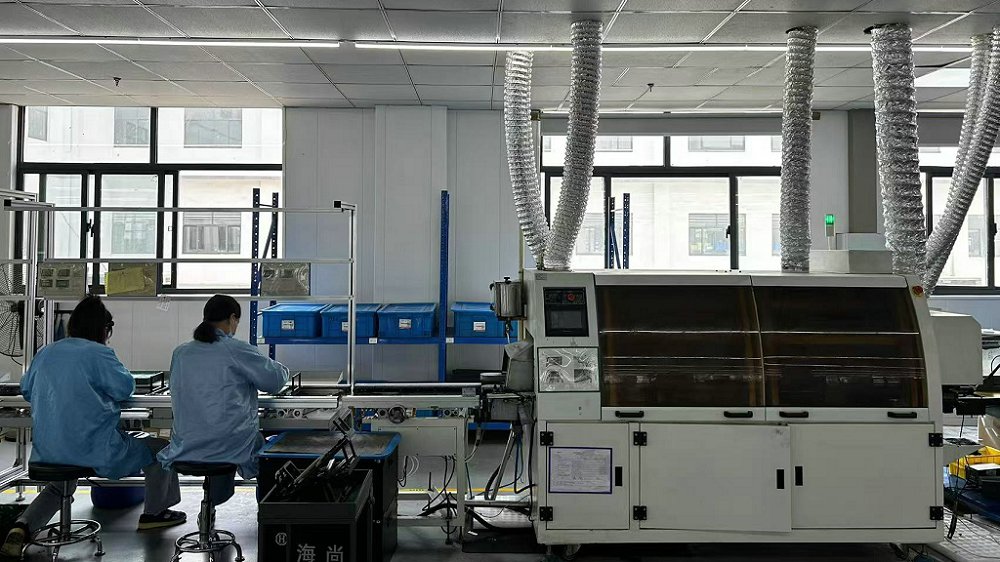
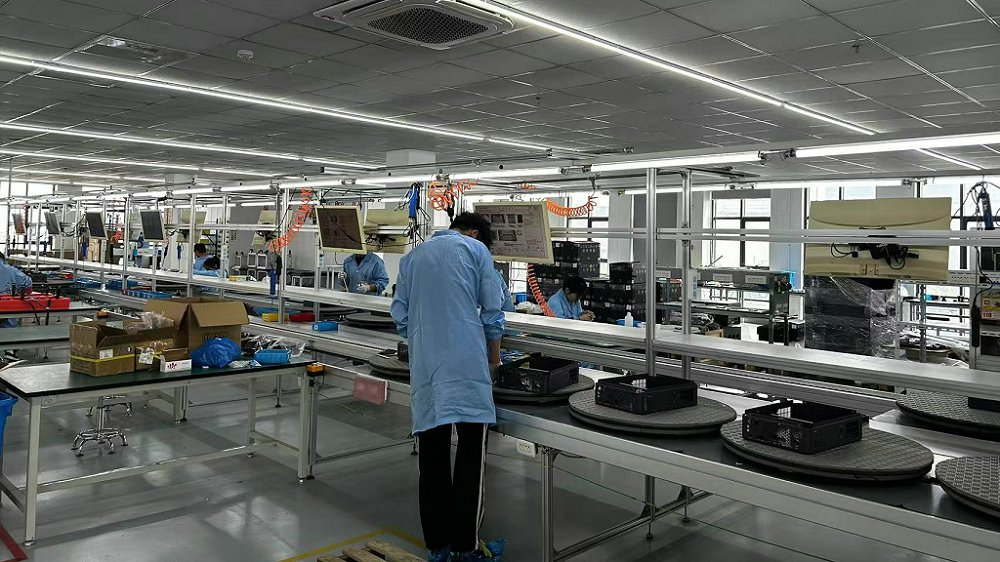
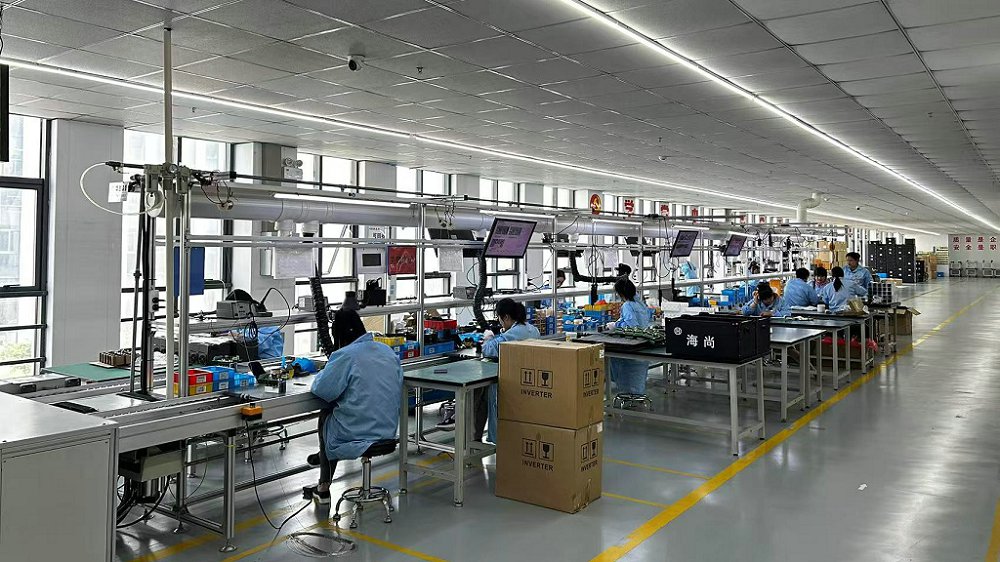
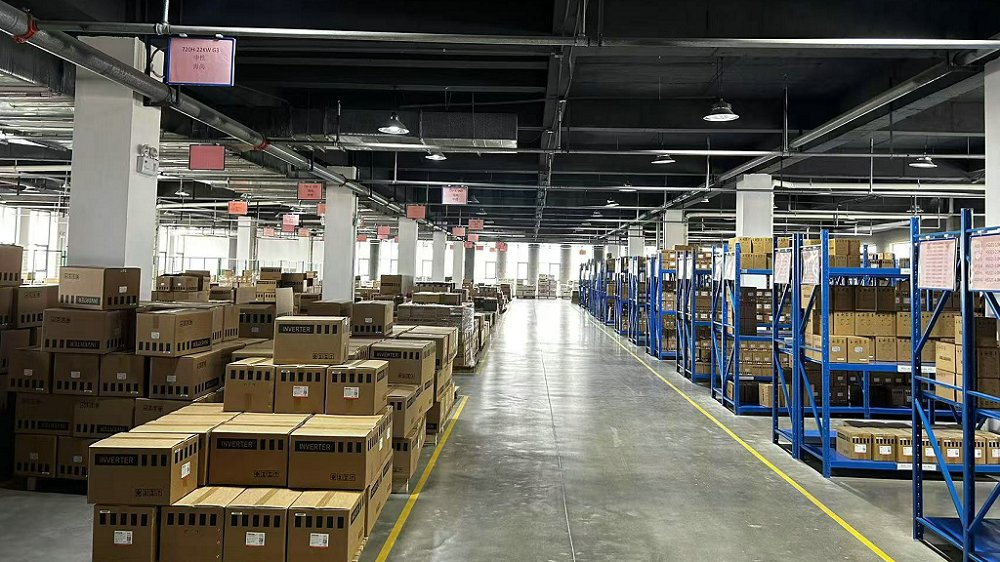
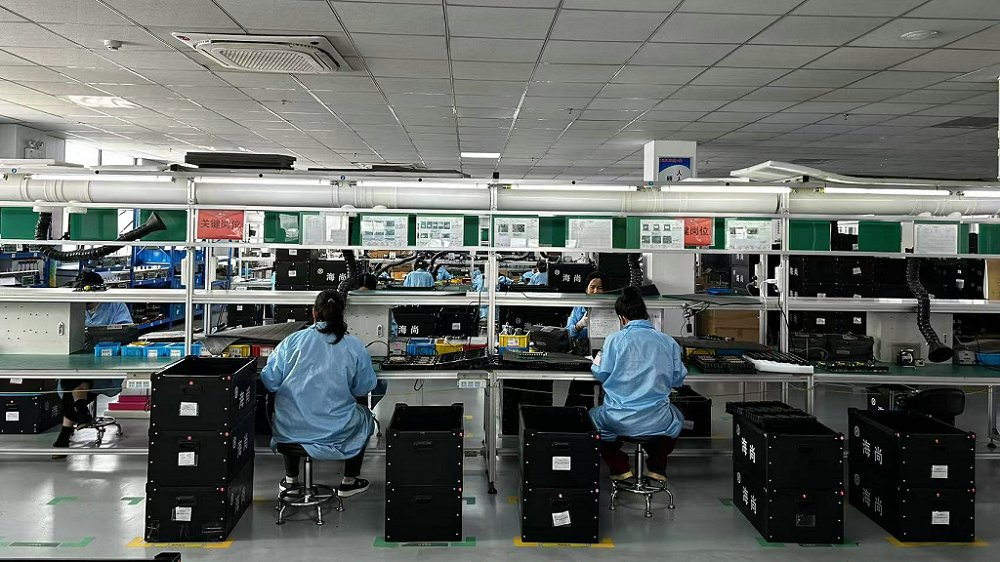
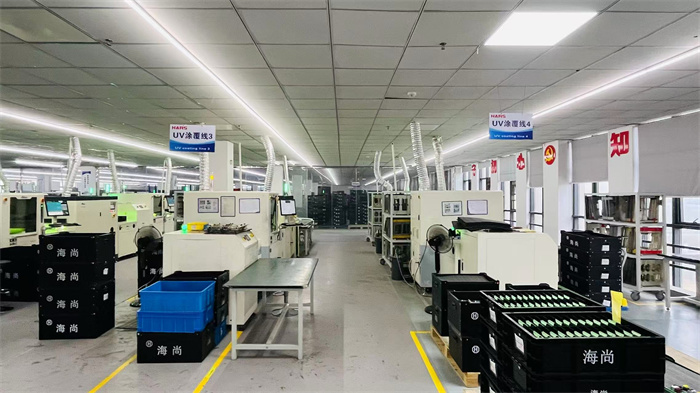
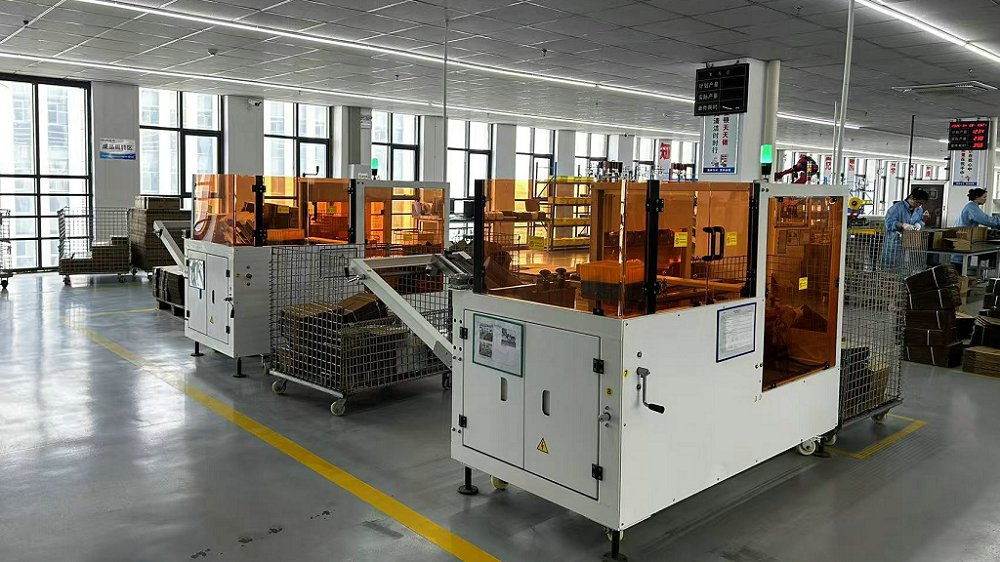
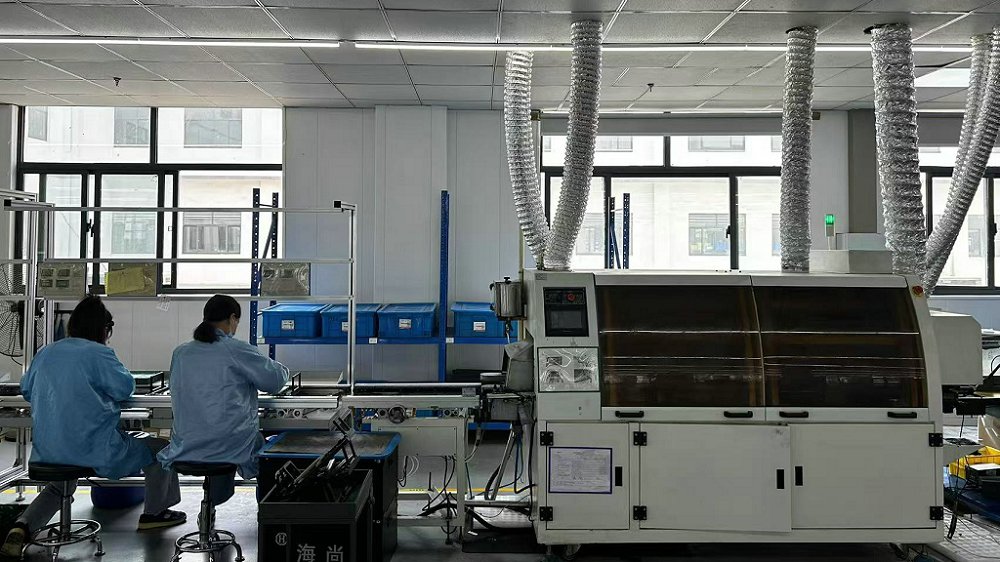
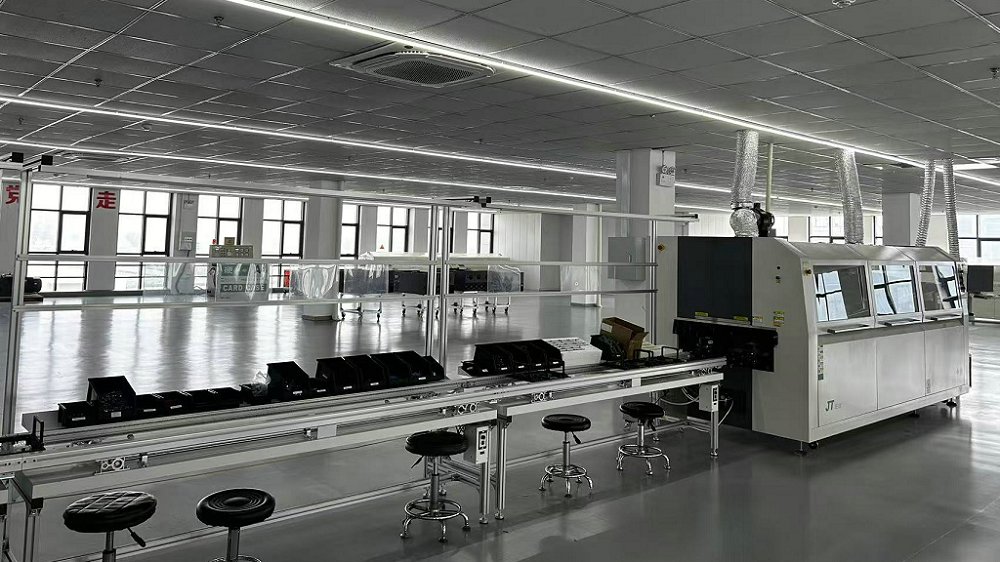
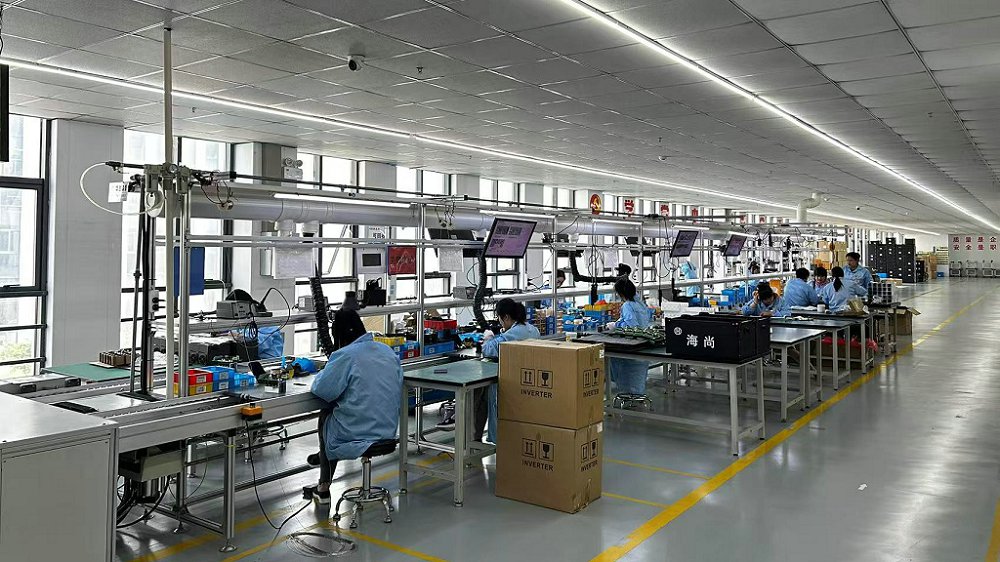
The manufacturing infrastructure at Jonas Energy relies heavily on automated assembly lines, strict physical diagnostics, and thermal stress testing to minimize infant mortality rates in electronics. Below are the core operational stages of our manufacturing lines:
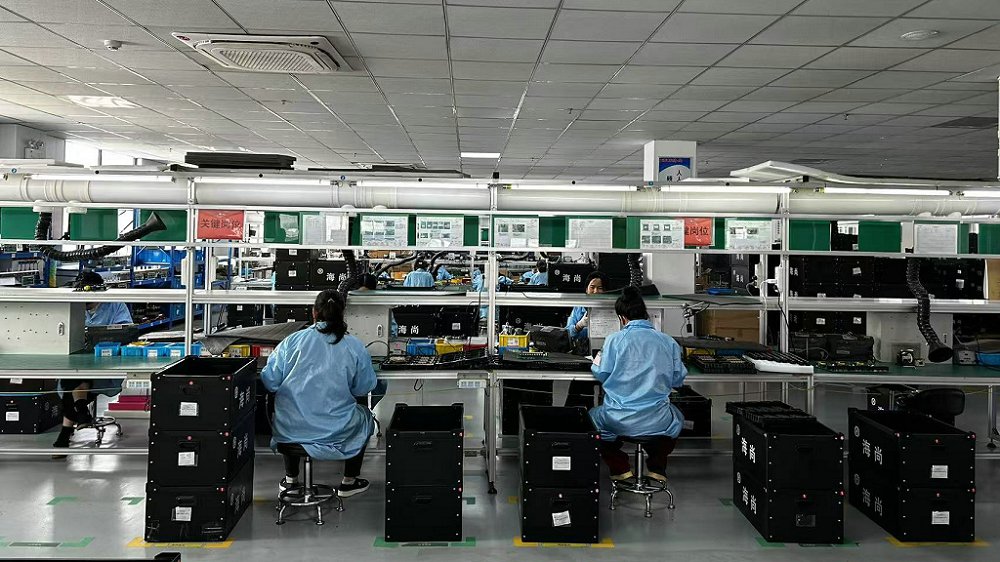
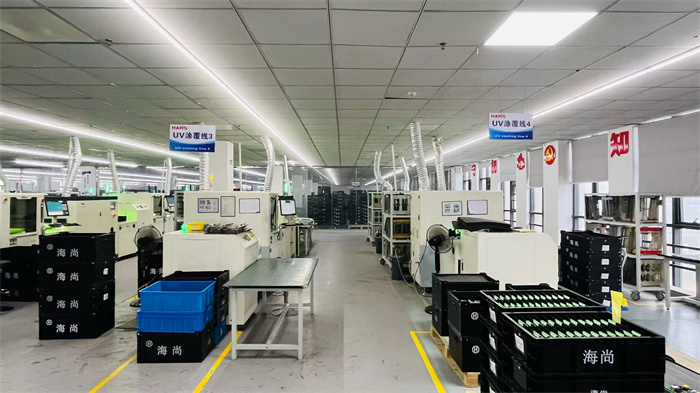
Plate making
Plate Making
UV coating
UV Coating
Test
Parametric Testing
Aging test
Aging Thermal Chamber
weld
Precision Welding
Assembly
Manual Assembly
Assembly 2
Precision Calibration
Finished product
Finished QA Inspection
Plate making line
Plate Making Line
UV coating line
UV Coating Line
Box opening machine
Auto Box Opener
packaging line
Packaging Line
Dip welder
Dip Welder Station
Production line
SMT & Assembly Line
Assembly line
System Integration Line

3. Global Enterprise Procurement Demands: Compliance & Interoperability

International corporate buyers, municipal utility planners, and Tier-1 EPC developers are working under strict ESG mandates and bankability tests. When reviewing procurement contracts for China-sourced management hardware, several factors take precedence over absolute component pricing:

  • Open-Protocol Compatibility: Standardized data outputs like SunSpec Modbus, RS485, and CAN bus integration are critical for linking charge controllers and BMS arrays with plant-wide SCADA monitoring systems.
  • Environmental Endurance & Enclosure Grades: Commercial installations demand outdoor ratings such as IP55 or IP66, structural resistance against salt mist in coastal regions, and anti-corrosive powder coatings.
  • Safety Standards & Interruption Mechanics: Protection features such as arc-fault circuit interposition (AFCI), rapid shutdown capability (RSD), and overcurrent protection fuses are essential to satisfy local structural and safety ordinances.

4. Application Scenarios & Case Studies

Real-world solar management architectures require precise customization based on geographical challenges:

Telecom Remote Sites

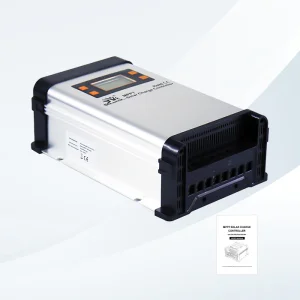
For isolated cellular transceiver towers, maintaining 100% uptime with minimal on-site servicing is critical. Combining smart 60A MPPT controllers with IP55 enclosures allows operators to remotely manage state-of-charge metrics and predict battery deterioration before failure occurs.

C&I Load Shaving

Industrial entities in areas with high peak-use electricity pricing rely on lithium-ion BESS setups. An ESS-grade Battery Management System (BMS) manages multi-cell temperature trends, dynamically balances cells, and works with hybrid inverters to load-shave, significantly lowering demand charges.

Utility-Scale Tracking

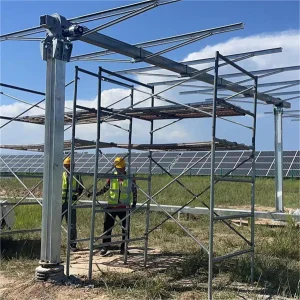
Large-scale ground-mount arrays use horizontal single-axis solar tracking to keep PV modules aligned with the sun throughout the day. Integrating smart tracking brackets improves daily energy generation by up to 25% compared to static mounting options.

Expert & Engineering QA

Providing technical answers to key questions about solar asset protection, control systems, and battery storage.

Why is MPPT preferred over PWM for commercial and industrial solar installations?
Maximum Power Point Tracking (MPPT) dynamically optimizes the electrical connection between solar modules and battery arrays by shifting voltage and current to capture the maximum available power. Unlike Pulse Width Modulation (PWM), which pulls module voltage down near that of the battery, MPPT allows panels to run at their peak operating voltage. In large industrial projects, this difference yields 20% to 30% more energy, especially in colder or overcast conditions where panel voltage is significantly higher than battery voltage.
How does a Battery Management System (BMS) protect LiFePO4 chemistry in solar projects?
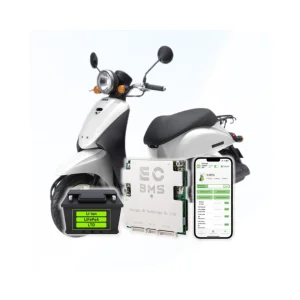
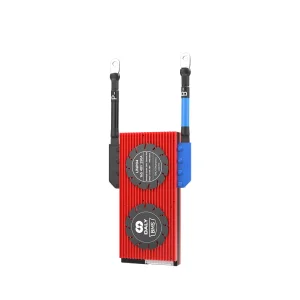
Lithium Iron Phosphate (LiFePO4) is a highly stable battery chemistry, but it is sensitive to overcharging, deep discharging, and extreme temperature ranges. A specialized BMS (such as Daly or ECBMS units) continuously tracks individual cell voltages, balances charge states across cells, monitor thermal profiles, and cuts off current if it detects anomalies. Additionally, integration through CAN or RS485 communication protocols lets the BMS share telemetry with hybrid inverters in real time, avoiding systemic damage.
What structural benefits do intelligent tracking systems offer over fixed brackets?
While fixed brackets mount modules at a set angle, horizontal single-axis solar trackers adjust the panels' physical position to follow the sun's path. This tracking yields a flatter, more consistent energy output profile throughout the day, easing pressure on storage capacity. Modern tracking units also feature automatic wind protection, flat-stowing modules during high winds to protect physical mounting structures.
How do IP55 and IP65 combiner box enclosures protect critical electronics outdoors?
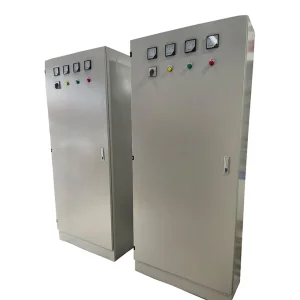
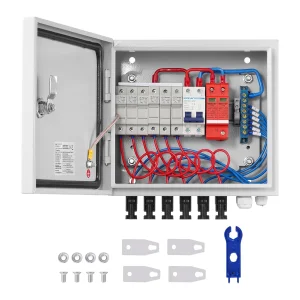
Combiner boxes bundle incoming power from multiple PV strings into a single output. Outdoor installations expose these components to dust, moisture, and extreme temperature swings. IP55 and IP65 ratings guarantee that the enclosure prevents rain, snow, and fine dust from entering. These boxes also house essential safety features like DC fuses, surge protection devices (SPDs), and circuit breakers to prevent lightning damage or arc faults from spreading.