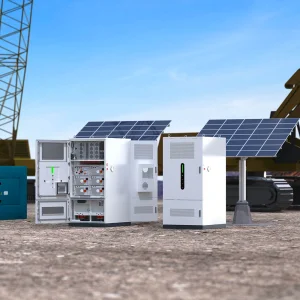
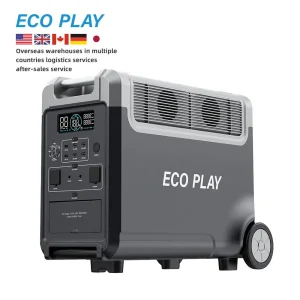
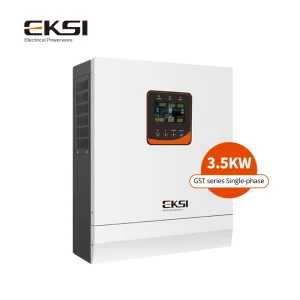
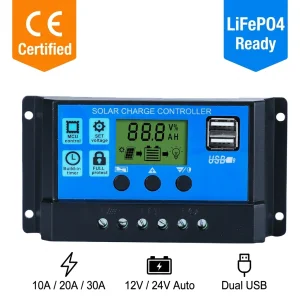
Engineered for efficiency, stability, and high operational lifespan. Check our primary components and integrated off-grid energy storage platforms.

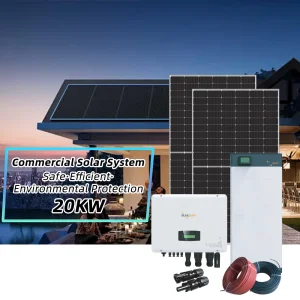
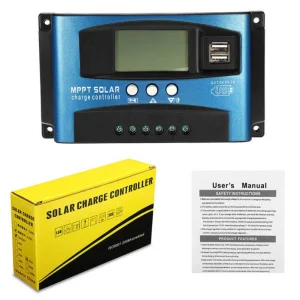
As the international community accelerates toward net-zero targets, Solar Thermal Technology has expanded far beyond residential water heating. Today, industrial processes consume over 74% of all thermal energy globally. Transitioning these systems requires megawatt-scale concentrated solar thermal power (CSP) and solar heat for industrial processes (SHIP).
By capturing direct solar radiation and converting it into high-temperature process heat or storing it using advanced Thermal Energy Storage (TES) media, heavy industries—such as chemical processing, metal manufacturing, concrete fabrication, and mining operations—are dramatically minimizing their carbon dependency. Integrating solar thermal arrays with intelligent off-grid storage setups provides a reliable, round-the-clock power supply, shielding businesses from grid price spikes and utility blackouts.
"The shift toward hybrid configurations combining Concentrated Solar Thermal Heat and electrochemical storage (LiFePO4/NCM arrays) represents the next frontier of modern, decentralized utility infrastructures."
Achieving optical absorption efficiencies of over 95% via specialized selective coatings and smart tracker integration.
Eliminating intermittency using phase-change materials and lithium-ion batteries to maintain a consistent output.
Tailored configuration setups for off-grid hybrid setups, structural roof mounting, and large-scale industrial arrays.
Providing scalable, sustainable green energy architectures for residential, utility, and heavy commercial systems worldwide.
Xiamen Jonas Energy Co., Ltd. is a professional provider of renewable energy solutions, headquartered in Xiamen, Fujian Province, China. Since its establishment, the company has been dedicated to the research, development, manufacturing, and global distribution of advanced photovoltaic and energy storage products.
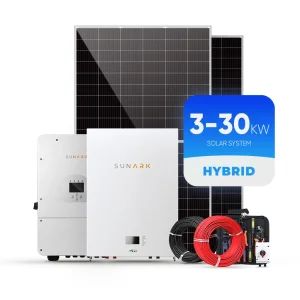
With a strong commitment to innovation and sustainability, Jonas Energy offers a comprehensive portfolio of solar energy solutions, including solar panels, inverters, energy storage batteries, mounting systems, and complete solar power generation systems. Our products are designed to meet the diverse needs of residential, commercial, industrial, and utility-scale projects worldwide.
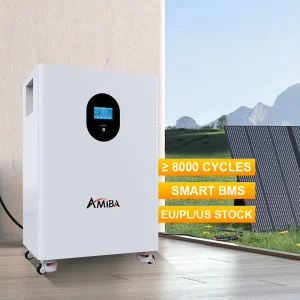
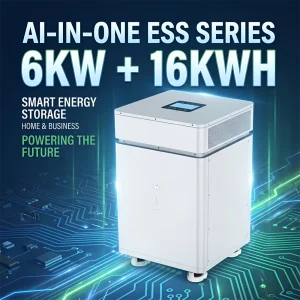
We work closely with internationally recognized manufacturers and technology partners to provide a wide range of reliable energy storage solutions, including wall-mounted batteries, all-in-one storage systems, rack-mounted batteries, and containerized energy storage systems (ESS). Through continuous innovation and strategic partnerships, we help customers achieve greater energy independence and efficiency.
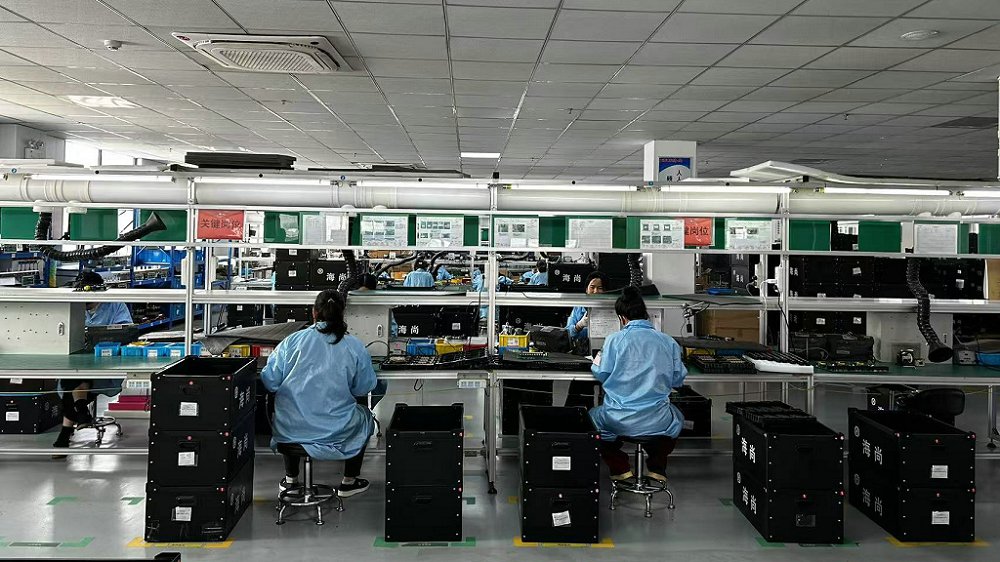
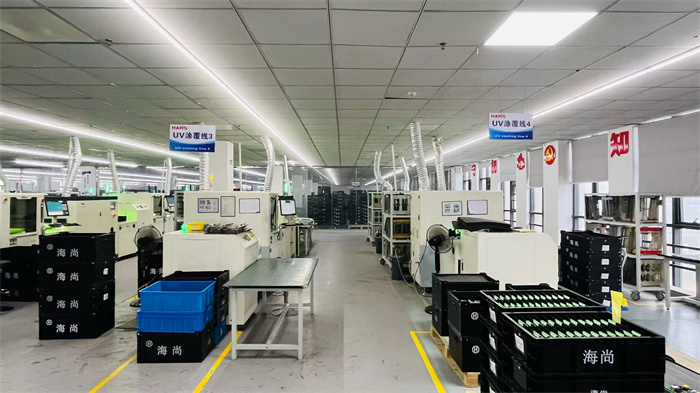
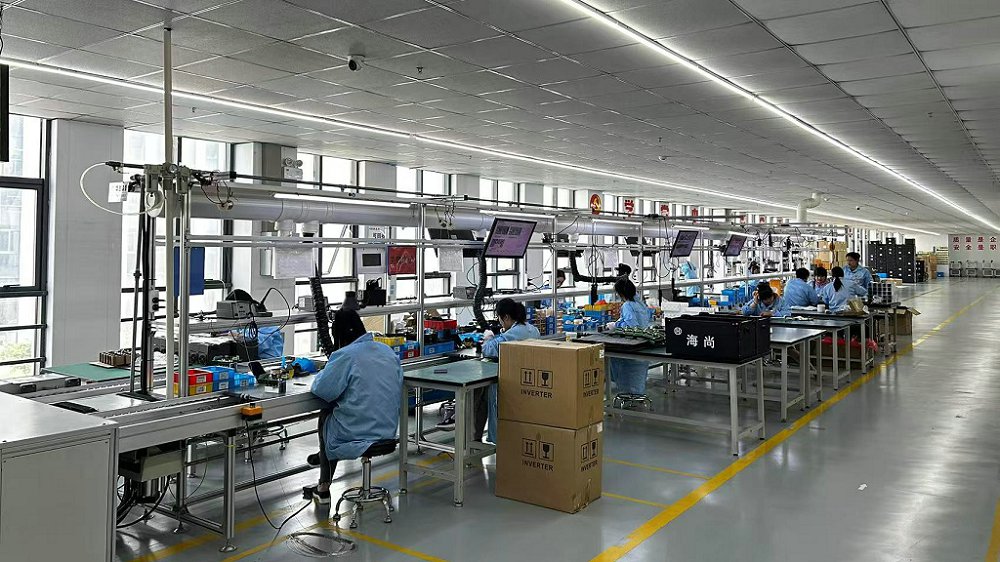
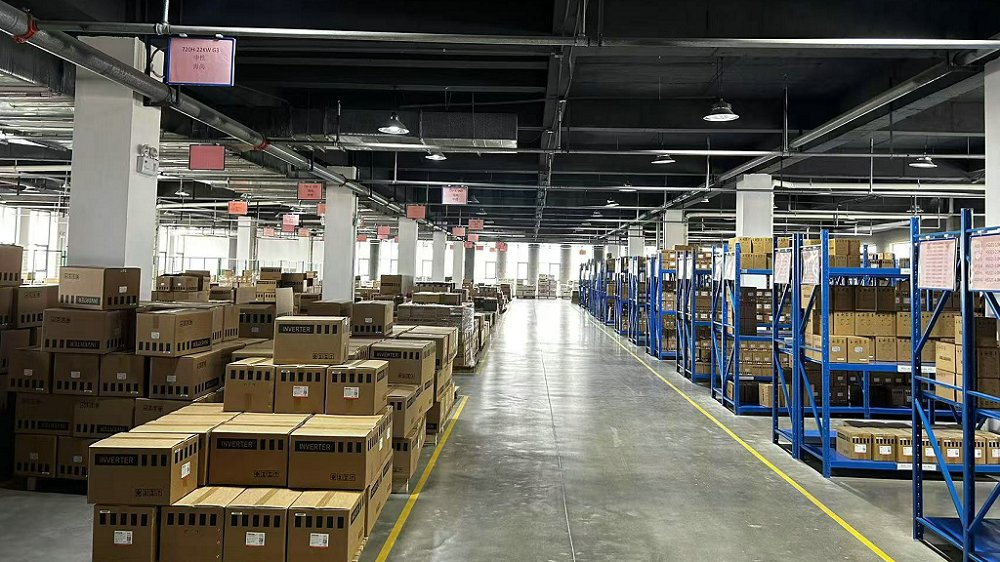
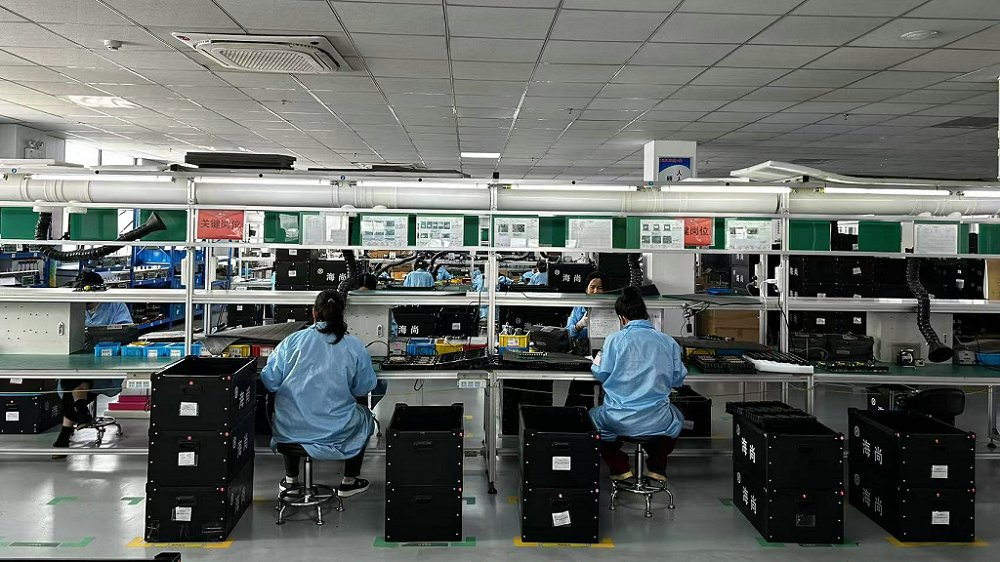
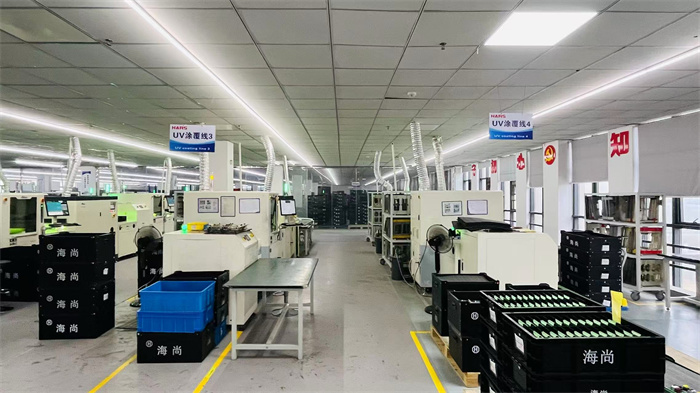
As a high-tech enterprise, Jonas Energy operates modern production facilities equipped with advanced manufacturing and testing equipment. Our annual production capacity reaches several gigawatts, enabling us to efficiently serve customers across global markets.
Our experienced R&D team consists of highly qualified engineers and technical specialists who continuously focus on product innovation, performance optimization, and technological advancement in the renewable energy sector. By integrating cutting-edge technologies, we ensure that our solutions remain competitive, efficient, and future-ready.
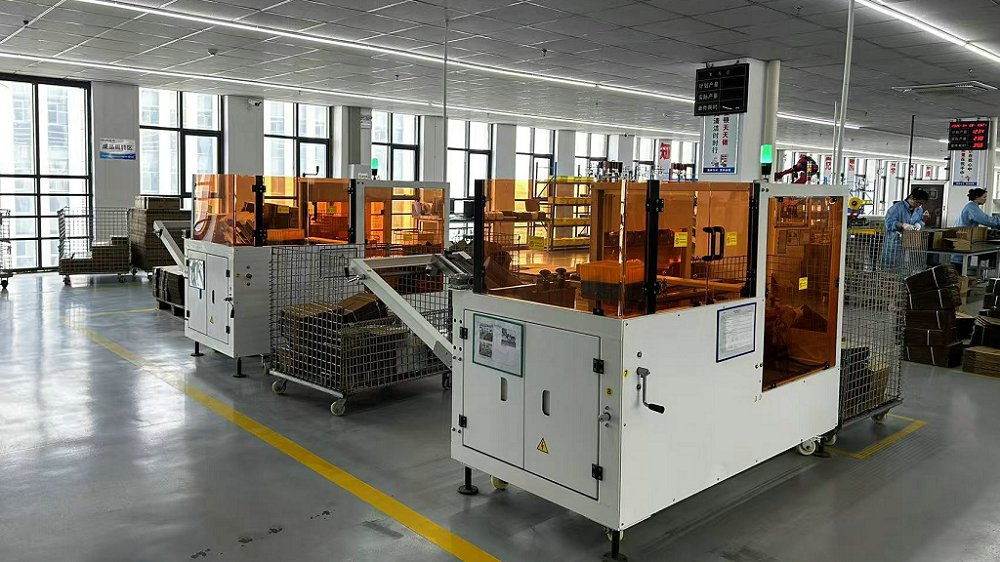
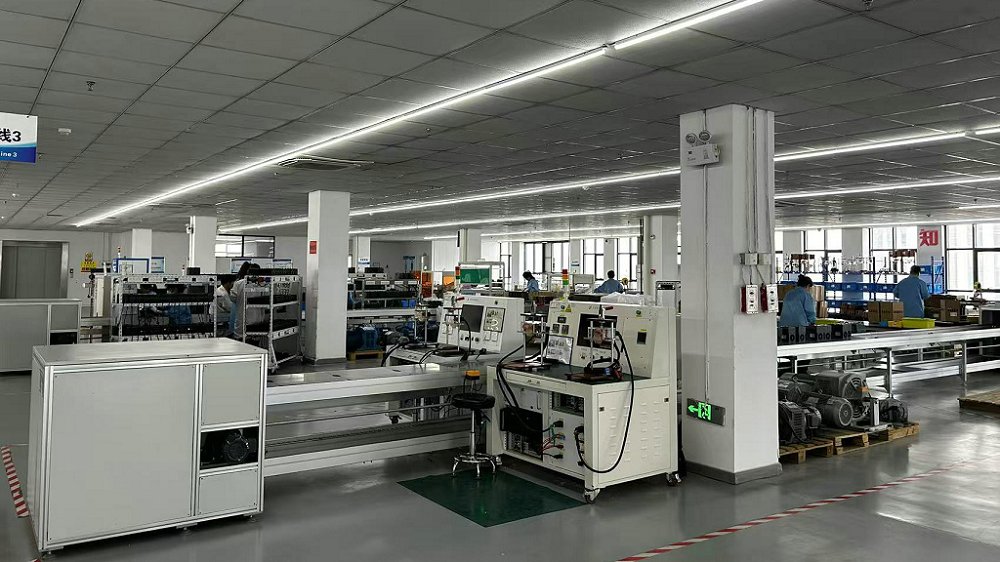
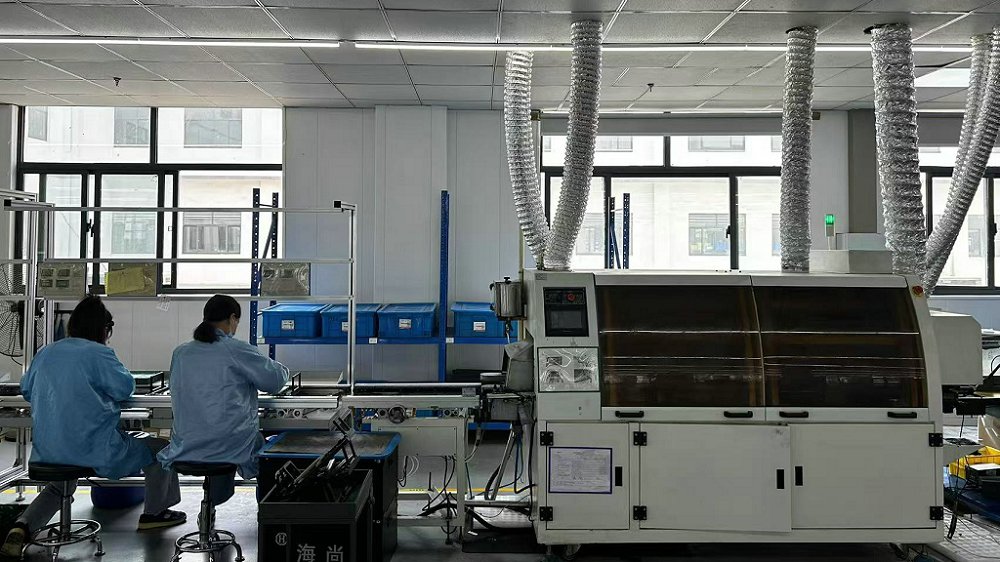
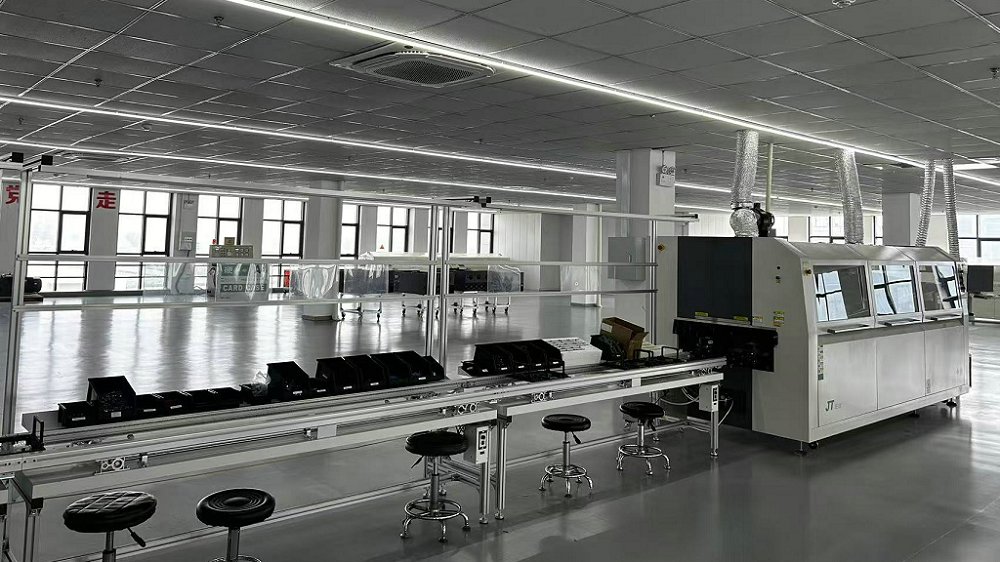
Take a look inside Xiamen Jonas Energy's certified manufacturing plant, highlighting our strict assembly, aging, and QA steps.
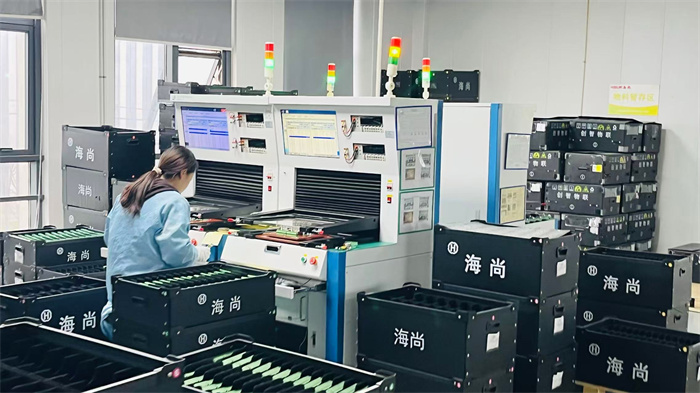
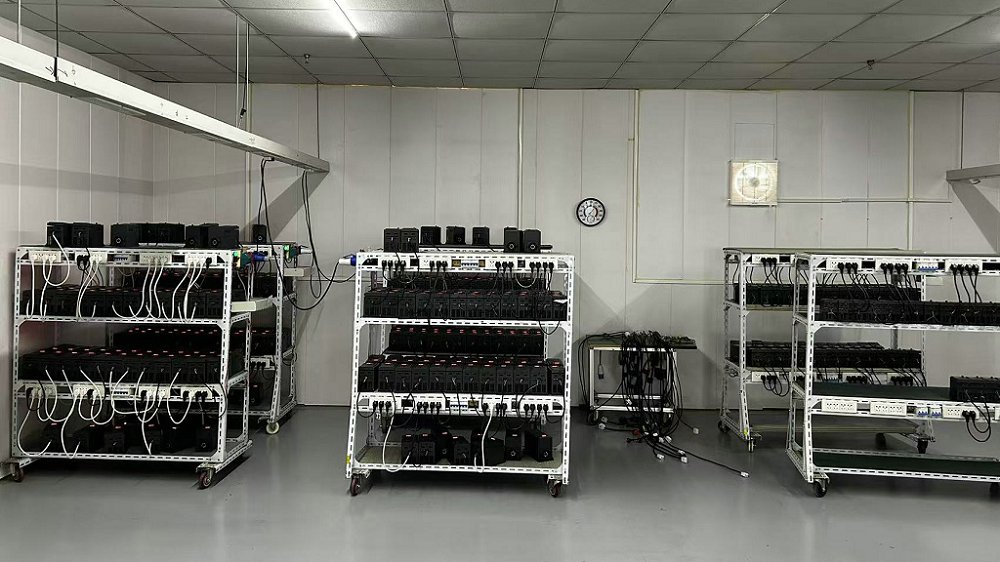
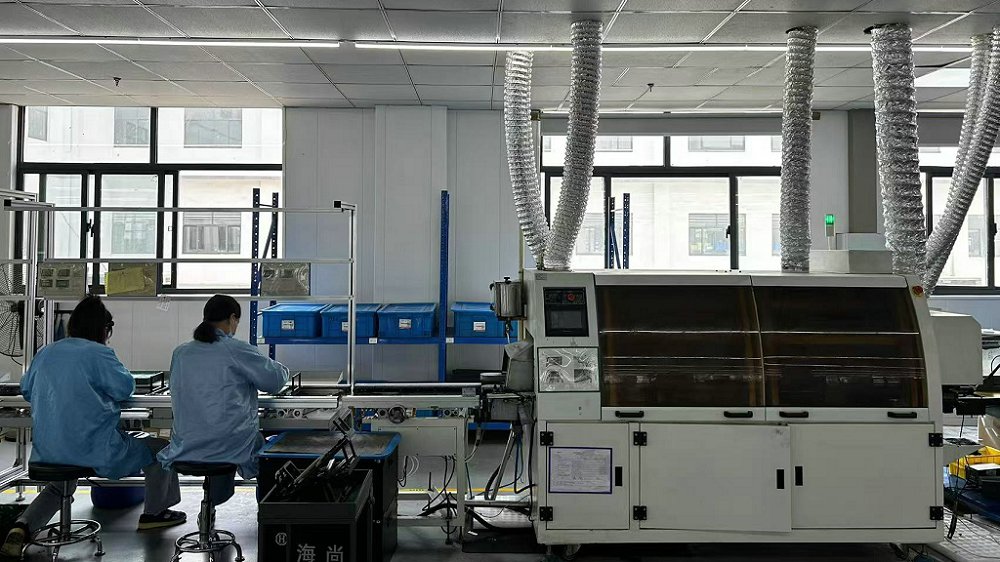
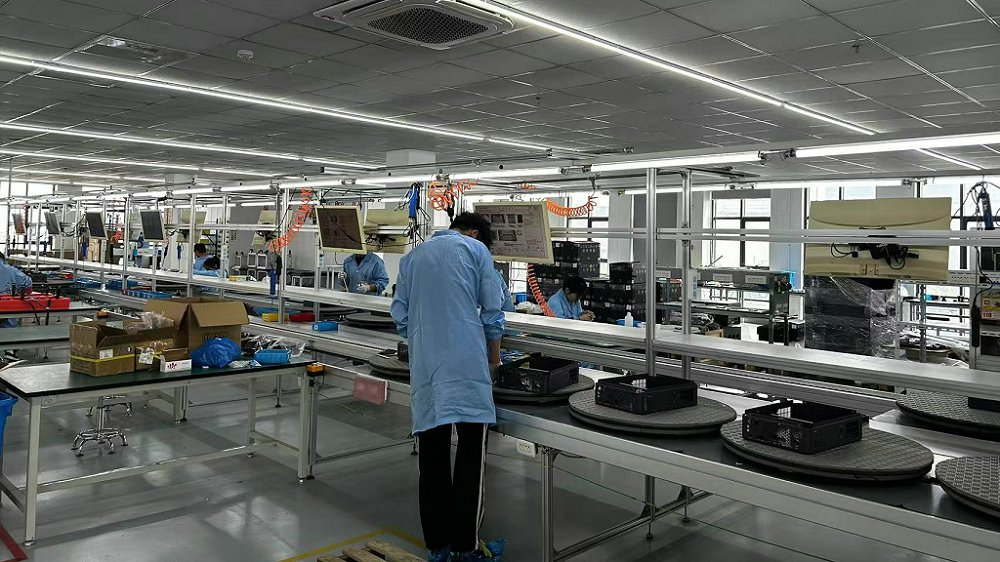
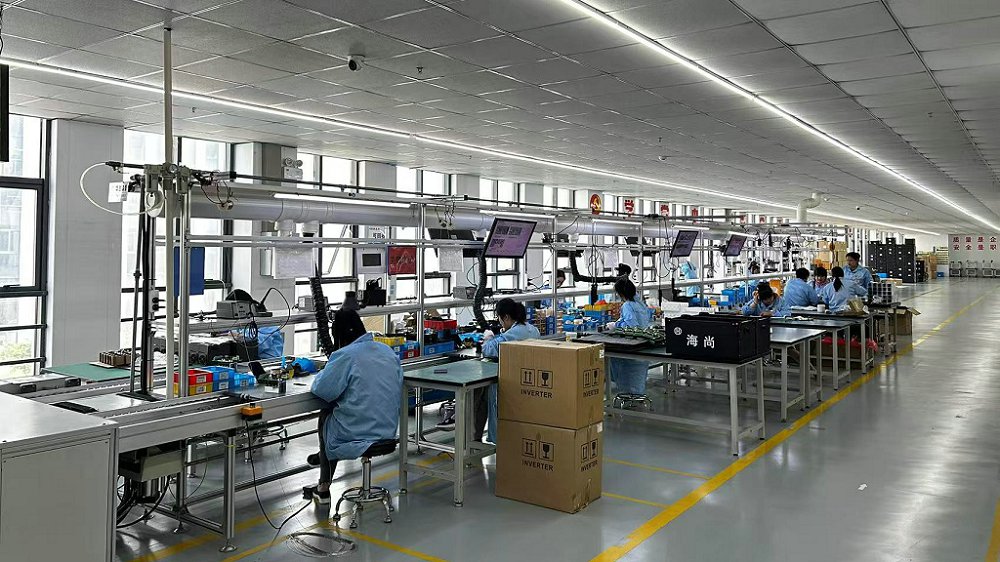
Modern renewable energy deployment is moving from single-technology grids to hybrid, multi-vector generation setups. Over the next decade, three core technological shifts will define the solar thermal and storage sector:
Deploying ceramic-metal (cermet) coatings to minimize heat loss and maximize capture in industrial solar collector fields.
Unifying PV electricity generation with thermal absorption collectors on single mounting frames for maximum utility per square meter.
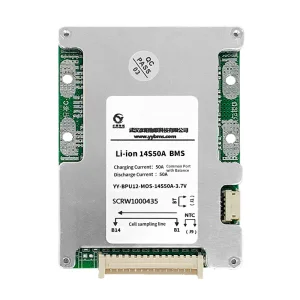
Integrating active-balancing BMS software with hybrid solar controllers to monitor and adjust energy storage banks dynamically.
From remote agricultural estates to heavy commercial complexes, discover how Jonas Energy systems adapt to diverse local conditions.
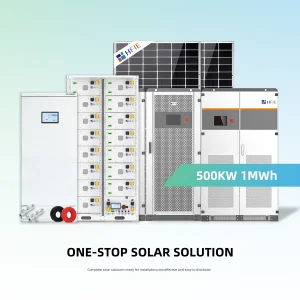
Remote agricultural applications require reliable, continuous power for water pump arrays, ventilation, cold storage, and processing machinery. Jonas Energy’s 20KW to 120KW off-grid solar systems, integrated with high-capacity LiFePO4 energy storage packs, provide stable power to farms and estates located far from utility grids.
Commercial facilities face fluctuating peak demand rates and power quality issues. Our high-capacity battery solutions, combined with industrial-grade hybrid inverters, allow companies to store power during low-rate windows and shave peak loads, lowering operational costs.
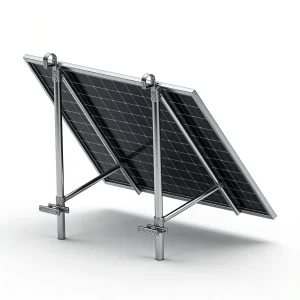
Urban and residential environments call for compact, visually appealing energy setups. Jonas Energy provides adjustable balcony mounting kits and modular, space-saving LiFePO4 power wall batteries. These solutions fit seamlessly into modern home designs, including aluminum and glass solariums.
Expert insights on technology selection, quality verification, and system optimization.
Solar thermal systems convert sunlight directly into heat, which can be stored using thermal energy storage (TES) media for space heating or industrial processes. On the other hand, photovoltaic panels convert solar energy into electricity, which is stored in lithium-ion battery banks. Combining these two approaches ensures that both electrical systems and thermal processes remain powered during periods of low sunlight, maximizing overall energy efficiency.
LiFePO4 (Lithium Iron Phosphate) cells offer superior thermal stability, a longer cycle life (often exceeding 6,000 cycles at 80% DOD), and high safety levels compared to NCM (Nickel Cobalt Manganese) chemistries. They are well-suited for stationary storage applications where cycle life and safety are top priorities. Meanwhile, NCM chemistries are typically preferred for space-constrained setups due to their higher energy density.
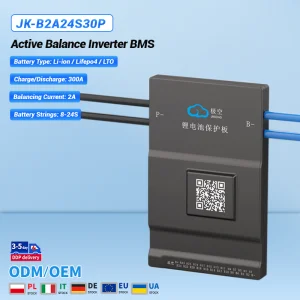
Large battery packs consist of multiple cells in series and parallel. Minor differences in cell capacity or internal resistance can lead to voltage imbalances over time. Passive balancing dissipates excess energy as heat, whereas active balancing redistributes charge from stronger cells to weaker ones. This maximizes usable pack capacity, reduces heat generation, and extends the overall service life of the battery.
For European, American, and international markets, solar products must meet stringent safety and environmental regulations. Key certifications include TUV (for solar panels and inverters), CE (European safety compliance), IEC (performance standards), and UL/UN38.3 (essential for shipping lithium batteries safely). Jonas Energy products are fully certified to ensure smooth import processes and reliable grid integration worldwide.
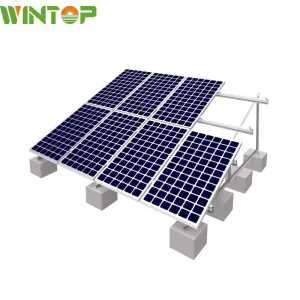
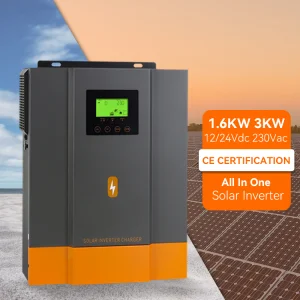
Complete your installation using our high-strength mounting profiles, hybrid off-grid inverters, and battery management boards.
 Jonas Energy