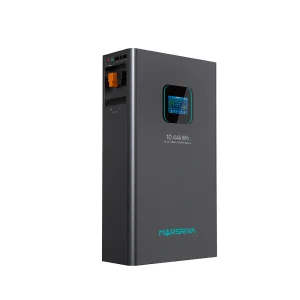
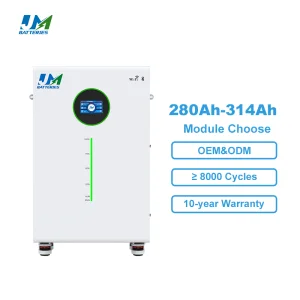
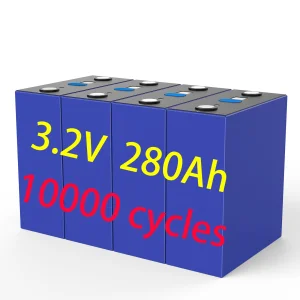
Premium grade LiFePO4 batteries engineered for high thermal stability, seamless hybrid inverter compatibility, and long-term economic returns in Istanbul's C&I and residential solar markets.
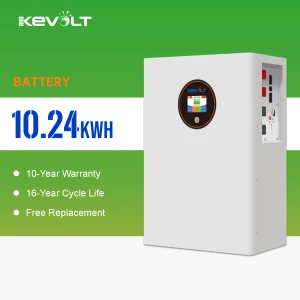
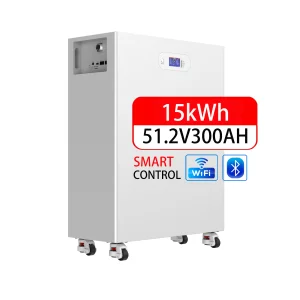
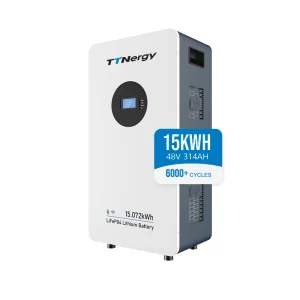
As Turkey’s largest economic, industrial, and historic hub, the Istanbul metropolitan area is witnessing an unprecedented transition toward clean energy. Facing escalating industrial electricity tariffs, localized grid stress, and national climate neutrality targets, Turkish enterprises and real estate developments are looking beyond traditional grid configurations. Integrating solar PV with Lithium Iron Phosphate (LiFePO4) storage systems has emerged as the definitive technical standard for grid-tied and off-grid reliability in the region.
Under the Turkish Ministry of Energy and Natural Resources' strategic objectives, grid-connected storage is heavily incentivized to alleviate stress on regional distributors like BEDAŞ and AYEDAŞ. The Istanbul market requires energy systems that balance high load requirements with exceptional safety protocols. Standard energy storage options such as Lead-Acid struggle with short life cycles and low efficiency under heavy industrial usage, while Nickel Manganese Cobalt (NMC) chemistries present elevated fire risks in high-density urban areas. LiFePO4 offers the optimal combination: high energy density, a lifespan exceeding 6,000 cycles at 80% Depth of Discharge (DoD), and unmatched thermal stability up to 600°C.
LFP batteries resist thermal runaway up to 270-300°C, ensuring extreme safety in commercial basements.
Exceeds 6,000 to 10,000 operational cycles, translating to a service life of over 15 years.
Free from cobalt and heavy toxic metals, fully aligning with European and Turkish environmental regulations.
BMS designs integrate seamlessly with major multi-protocol hybrid inverters used across Turkey.
In Istanbul’s sprawling industrial and residential zones, energy needs vary drastically by district. Translating technical metrics into operational realities requires designing solutions tailored to these localized environments:
Engineered for seamless integration into industrial environments, telecommunications, and high-load residential properties across Istanbul.
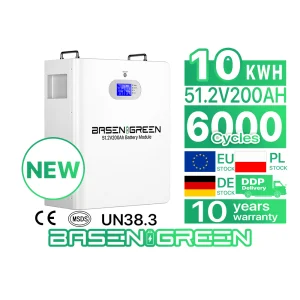
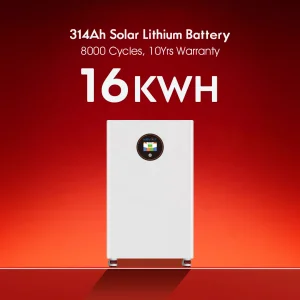
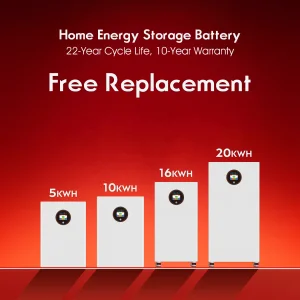
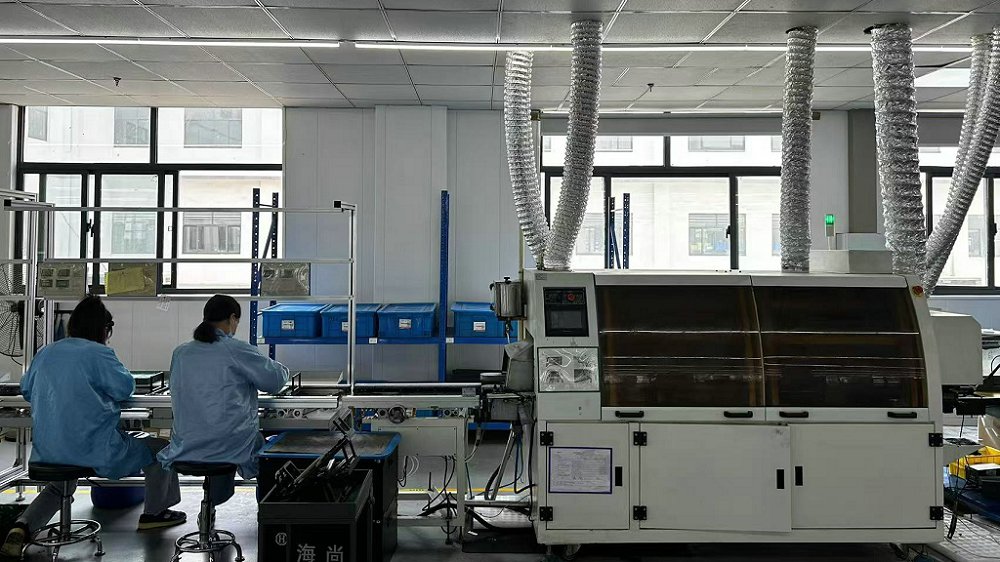
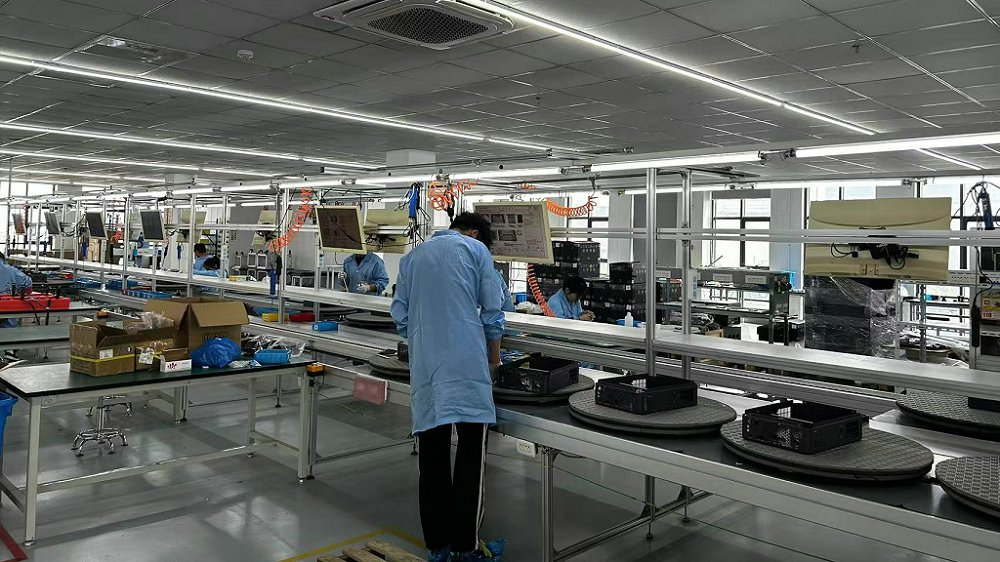
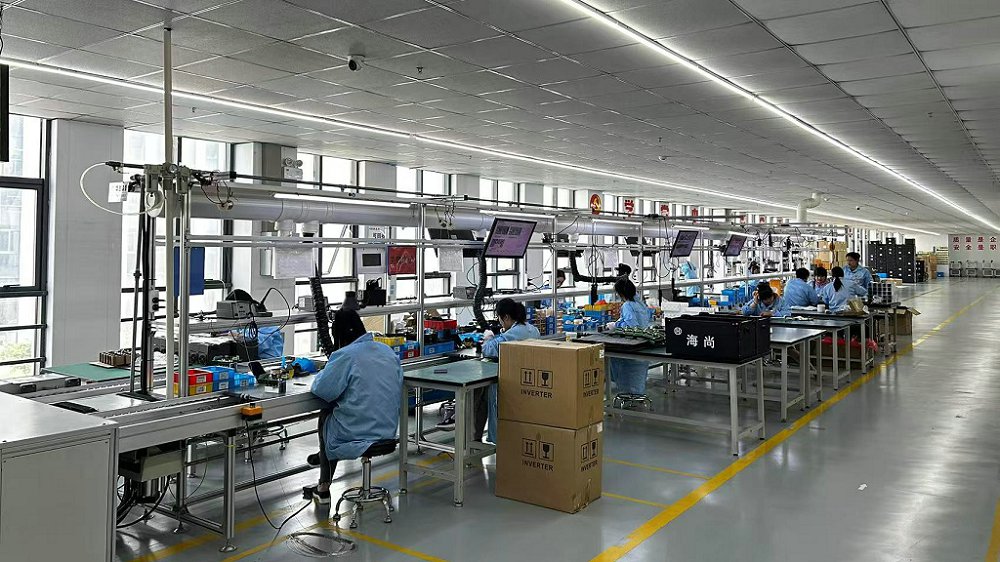
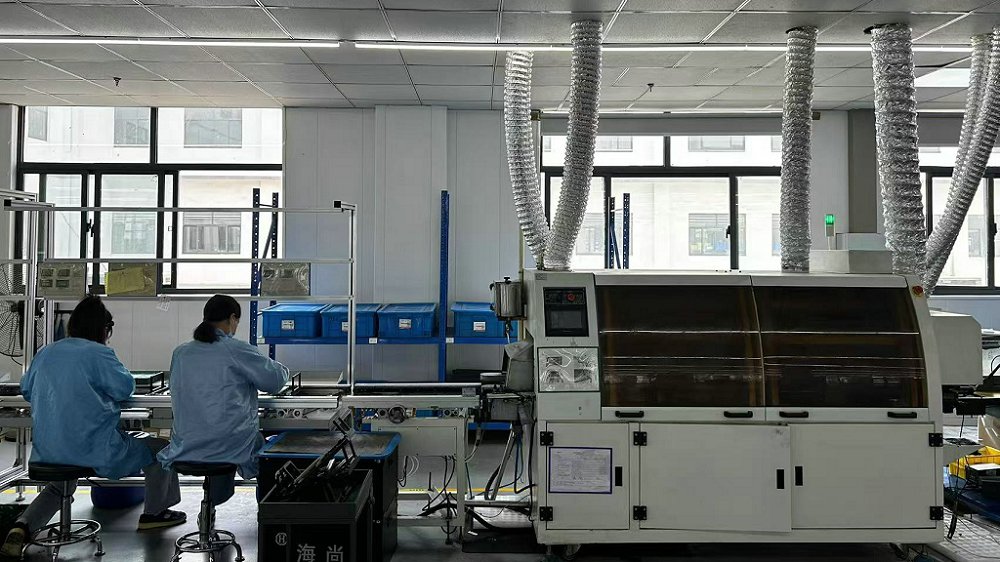
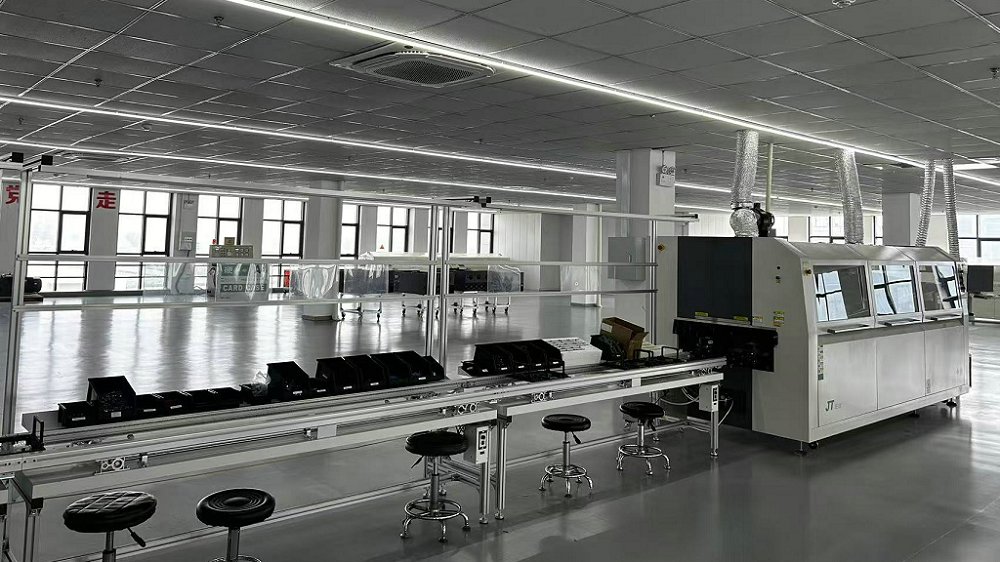
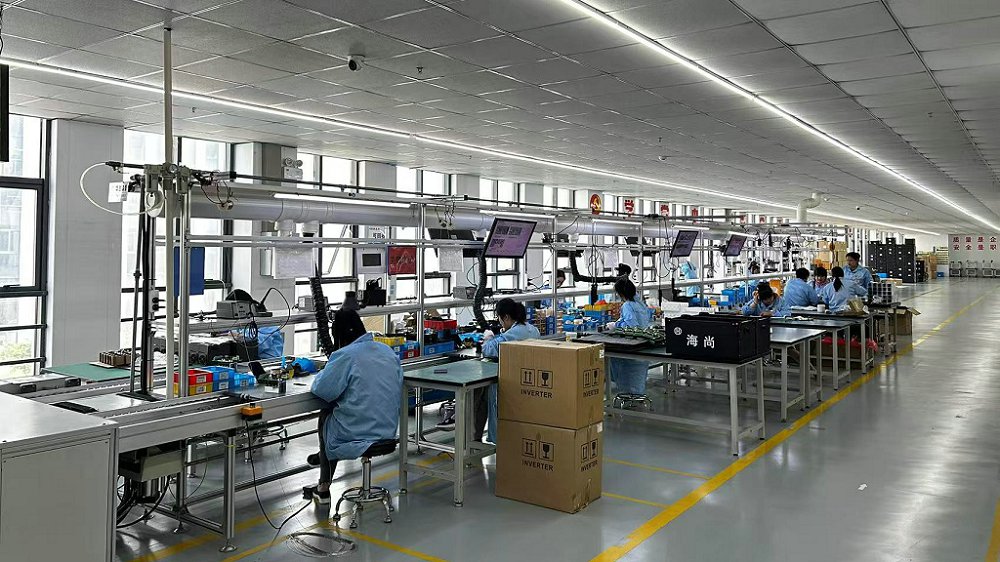
Sourcing directly from a highly integrated manufacturing base in Xiamen, China, gives Turkish solar project developers, distributors, and EPC companies a decisive commercial edge. While localized assembly in the Middle East remains constrained by component importing bottlenecks, Xiamen Jonas Energy Co., Ltd. controls the entire production cycle. Our tier-1 lithium supply contracts, paired with fully automated fabrication lines, deliver highly cost-competitive, premium LFP storage systems directly to the Turkish market.
By leveraging China's unparalleled lithium-ion ecosystem, Jonas Energy provides advanced active balancing BMS technologies, automated cylindrical/prismatic cell sorting, and deep-cycle thermal validation systems that would be cost-prohibitive to implement locally. The resulting systems meet all Turkish importing requirements, including custom declarations, ATR movement certificates, and direct compliance with environmental CE mandates.
The global battery storage landscape is shifting rapidly. The integration of IoT monitoring software and hardware safety advances has transformed standard battery cabinets into active node systems in modern microgrids. Procurement directors looking at the Istanbul market should align their sourcing strategies with these key technical movements:
Engineered for robust performance under demanding electrical load cycles, featuring Grade-A LiFePO4 cells with smart monitoring interfaces.
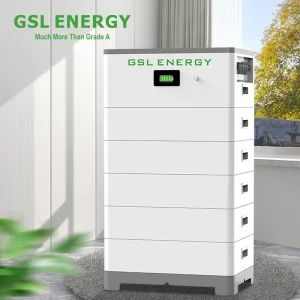
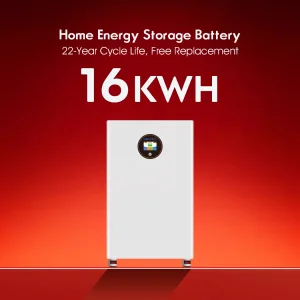
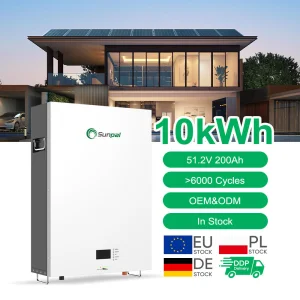
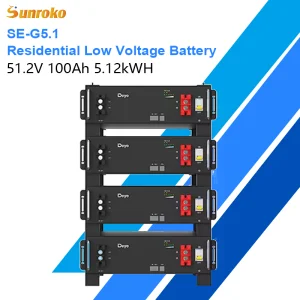
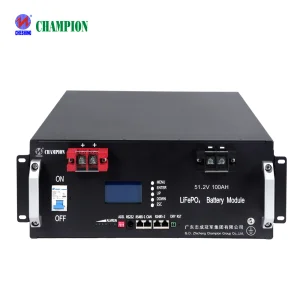
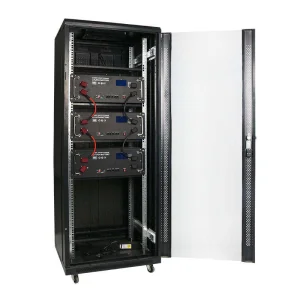
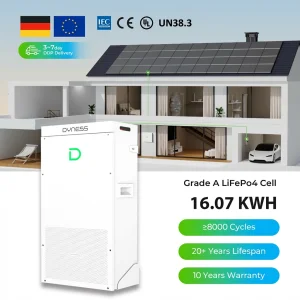
For commercial developers and industrial engineers, navigating import protocols and ensuring safety standards is critical when sourcing equipment. Importing LFP batteries into Turkey requires compliance with rigorous safety benchmarks. Direct compliance with European standards is mandatory, and all lithium-ion components must possess active CE markings, UN38.3 certifications (securing compliance for safe transport), and IEC 62619 approvals, which specifically govern safe operations of secondary lithium cells and batteries in industrial environments.
When engineering high-capacity installations, procurement specialists must ensure compliance with UL1973 for stationary storage applications. This standard certifies that LFP systems can withstand electrical, environmental, and mechanical abuse without failing catastrophically. Additionally, local installation regulations enforced by regional distribution networks in Turkey require certifications showing that dual-way hybrid systems will not feed unregulated currents back into the local grid during localized blackouts.
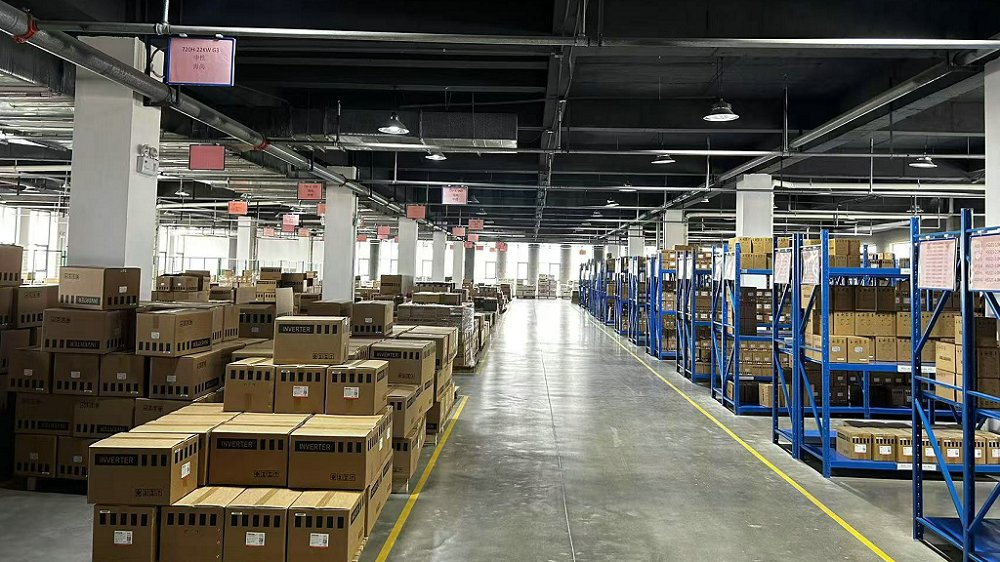
Jonas Energy streamlines the procurement process by offering comprehensive testing portfolios and complete customs clearance documentation, enabling smooth import processes through major Turkish ports, including Ambarlı Port in Istanbul, Port of Izmir, and Port of Mersin.
Delivering high-tech, reliable renewable energy solutions from Xiamen, Fujian Province, China to the global energy market.
Xiamen Jonas Energy Co., Ltd. is a leading provider of comprehensive renewable energy solutions. Headquartered in the coastal hub of Xiamen, China, we specialize in the engineering, production, and global shipping of premium solar energy products and battery storage configurations. Our product portfolio spans high-efficiency PV panels, modern grid-interactive inverters, and advanced LiFePO4 battery banks built for residential properties, logistics warehouses, and large industrial facilities.
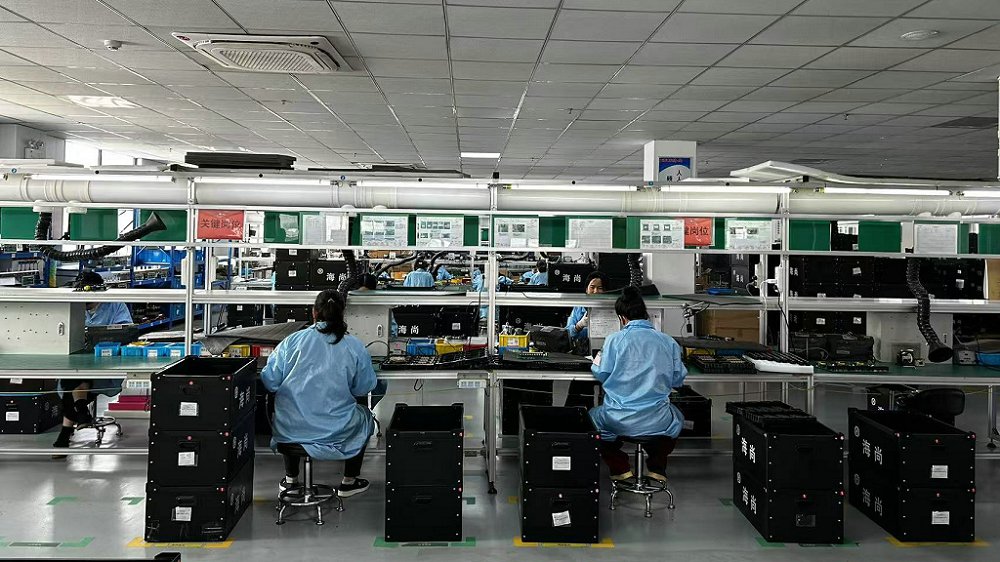
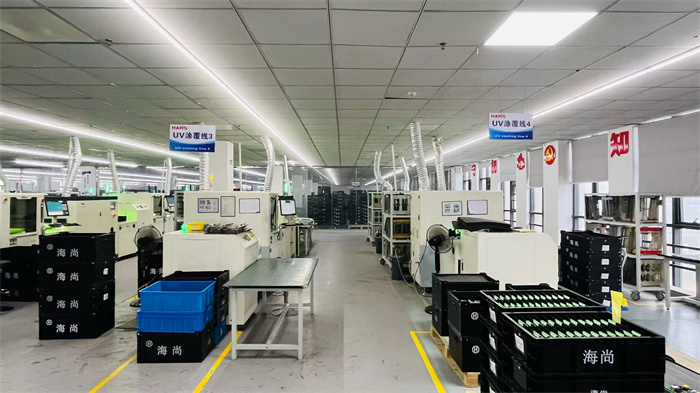
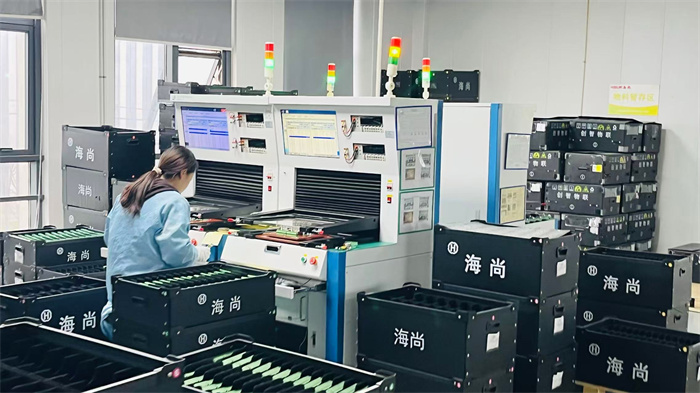
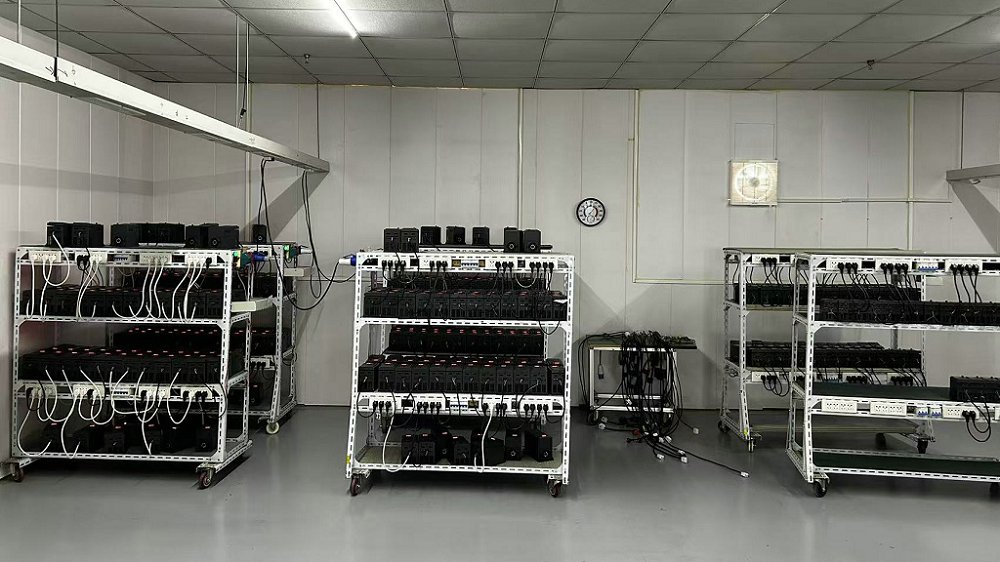
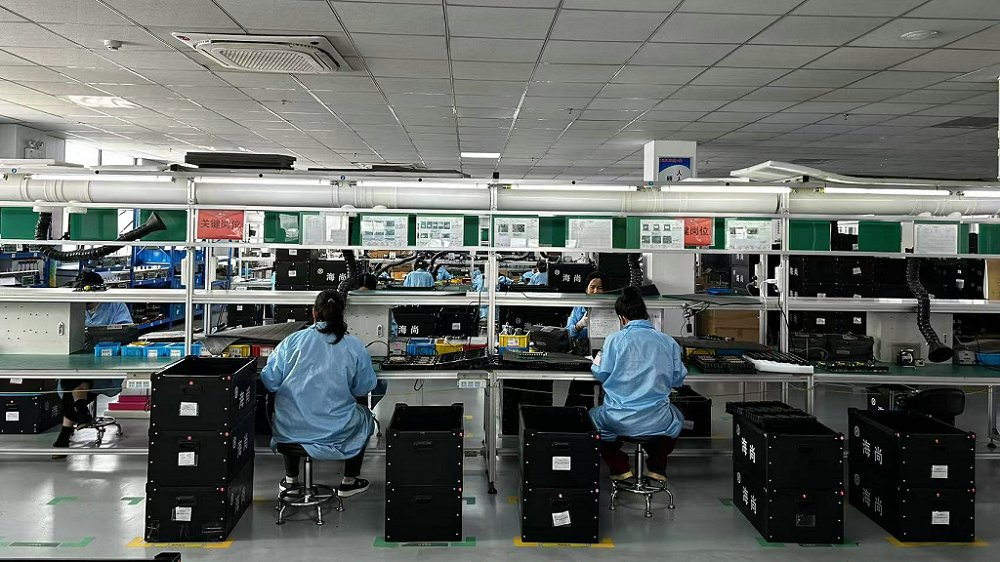
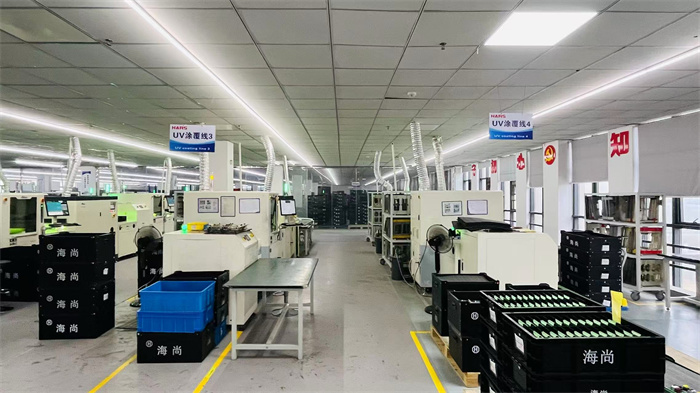
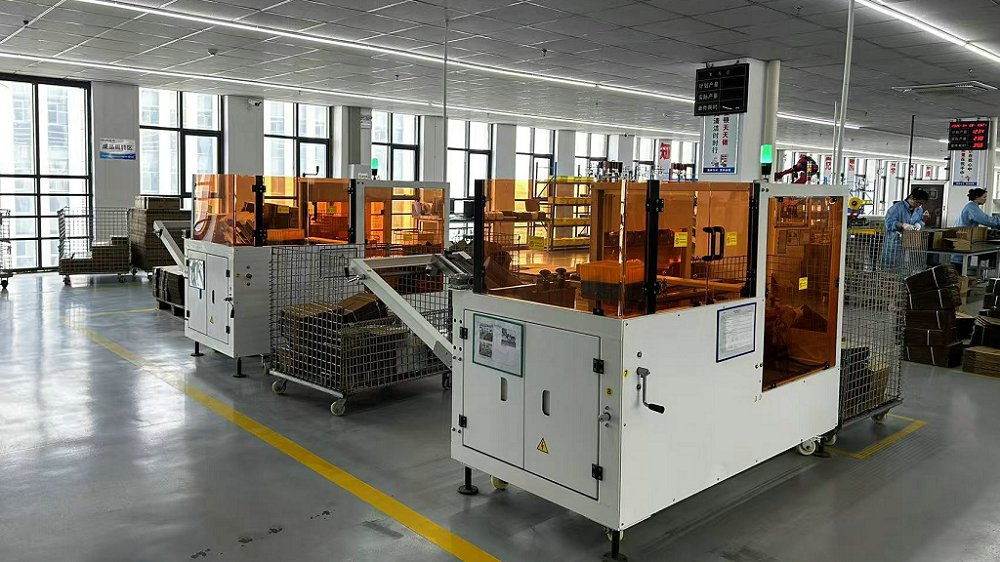
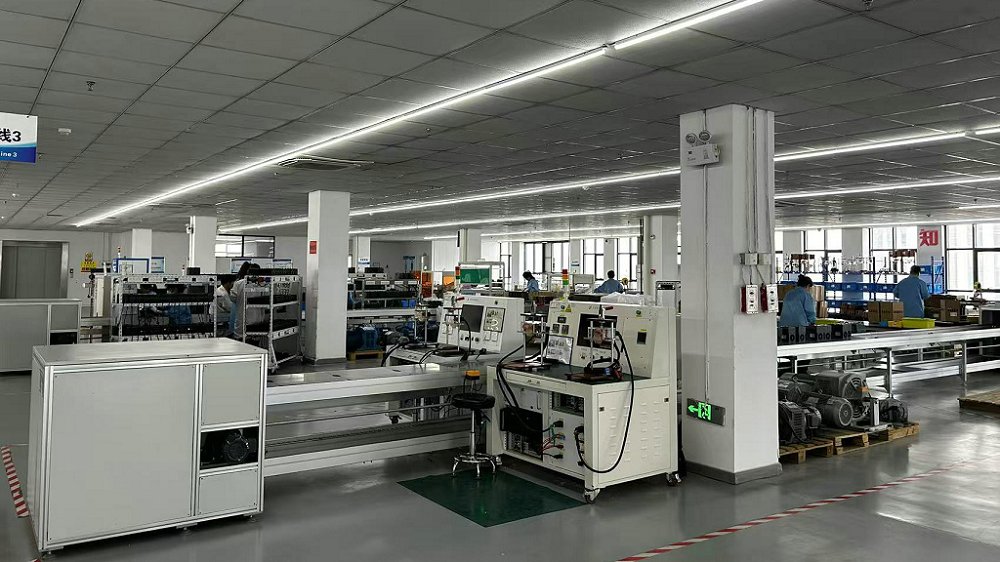
By using fully automated production lines, laser alignment systems, and rigorous thermal testing, we ensure that every cell and module manufactured in our facility meets top global standards. Our engineering team continuously refines battery management system (BMS) logic to maximize energy efficiency and cell longevity, ensuring high ROI for installers and property owners worldwide.
Our Gigawatt-scale facility employs rigorous quality checkpoints to ensure each battery module meets our zero-defect policy before delivery.
Technical answers to support project engineering, import logistics, and integration decisions in Turkey.
Contact our technical engineering team for sizing support, dynamic inverter-communication profiles, and custom commercial volume pricing quotes.
Send Inquiry Now Jonas Energy