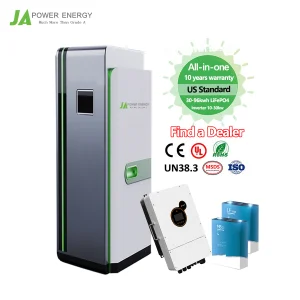
Engineered for extreme reliability, grid-stability, and maximum energy harvesting yield in harsh commercial and residential environments.
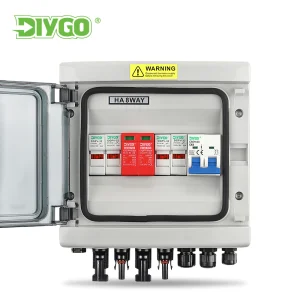
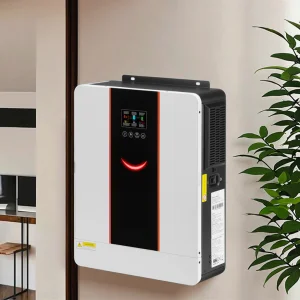
Decoding the technical integration of photovoltaic generation and utility-scale energy storage.
The global energy paradigm is undergoing a structural transition. Ambitions of achieving net-zero emissions, combined with the instability of local power grids and skyrocketing peak demand tariffs, have shifted the focus of developers towards decentralized power generation. Modern Solar Energy Harvesting is no longer just about harvesting ambient photons through silicon wafers; it is about building dynamic, intelligent grid nodes capable of generating, storing, managing, and discharging electricity in real-time. In this complex ecosystem, structural reliability is paramount. The integration of high-performance components—such as microprocessors, smart Battery Management Systems (BMS), high-speed DC protection combiner boxes, and grid-interactive hybrid inverters—dictates the Levelized Cost of Energy (LCOE) and the overall return on investment (ROI).
From commercial warehouses in Western Europe requiring strict CE compliance to remote telecommunications infrastructure in sub-Saharan Africa demanding robust off-grid resiliency, today's project engineers require verified manufacturing excellence. Systems must operate uninterrupted for decades under broad thermal profiles and high electrical loads. As a leading manufacturer, Xiamen Jonas Energy Co., Ltd. builds critical hardware that bridges the gap between raw PV conversion and safe, dispatchable AC/DC power. Through our advanced testing workflows and adherence to certifications such as IEC, CE, TUV, and ISO, we provide global enterprises with the components needed to transition safely to clean power.
Xiamen Jonas Energy Co., Ltd. is a leading manufacturer of renewable energy solutions, headquartered in the coastal industrial hub of Xiamen, Fujian Province, China. Built on a foundation of scientific innovation and rigorous quality control, the company specializes in the R&D, manufacturing, and global distribution of advanced photovoltaic and energy storage systems. Our portfolio includes solar panels, multi-phase hybrid inverters, energy storage battery packs, mounting hardware, and integrated grid-tied and off-grid configurations engineered for utility, commercial, industrial (C&I), and high-reliability residential applications.
To meet the diverse demands of international markets, Jonas Energy maintains close partnerships with leading Tier-1 suppliers and testing laboratories. We manufacture a comprehensive range of battery storage solutions, ranging from wall-mounted lithium iron phosphate (LiFePO4) home battery packs and rack-mounted modular systems to commercial-scale containerized Energy Storage Systems (ESS). By integrating active-balancing battery management technology and smart remote communications, we enable system operators to optimize their power consumption, peak-shaving operations, and backup readiness.
Every component that leaves our facility undergoes rigorous functional testing. Our processes comply fully with ISO 9001 and ISO 14001, and our products carry international certifications including IEC, CE, TUV, and UN38.3. This ensures that our systems integrate smoothly with global grids and maintain safe operation throughout their entire service life.
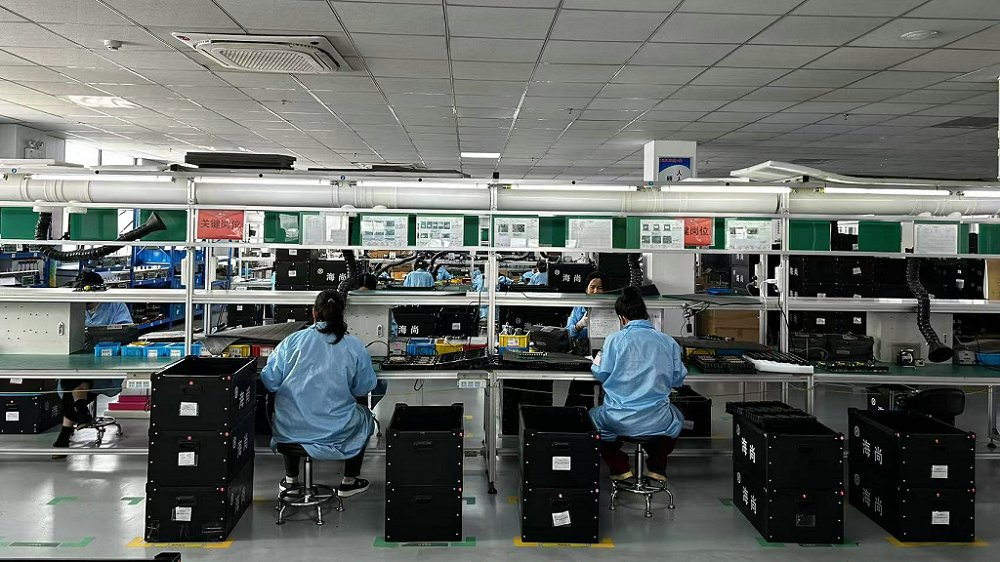
Rigorous quality controls conforming to CE, IEC, and TUV ensure structural integrity, electrical safety, and decades of reliable performance.
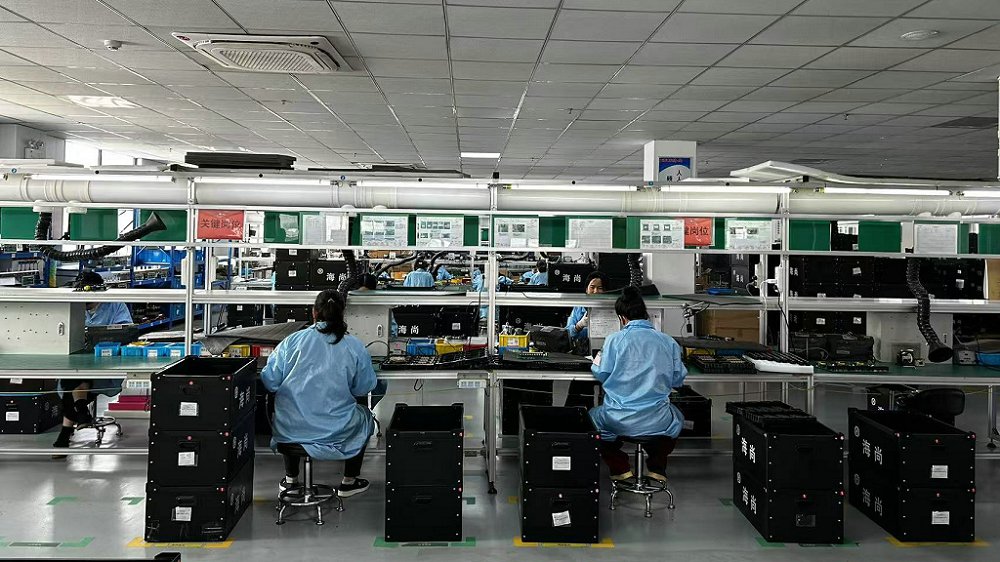
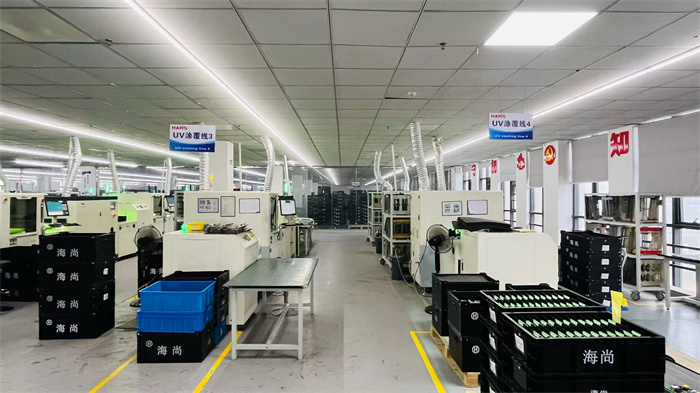
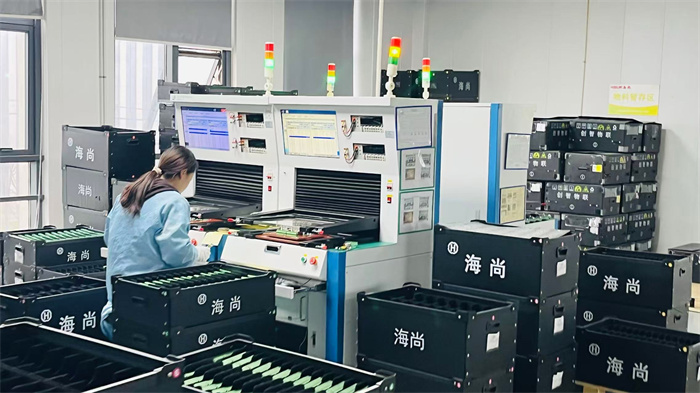
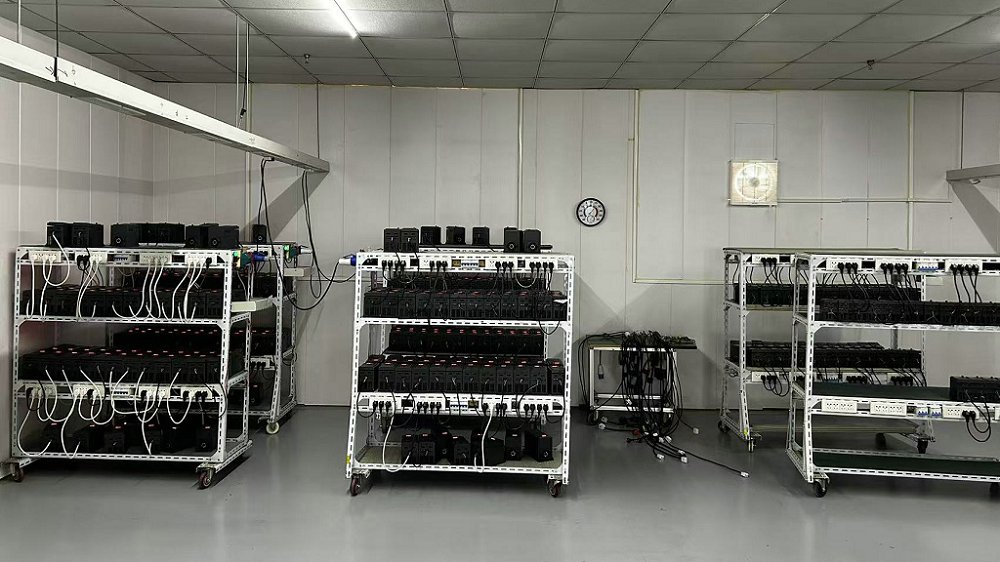
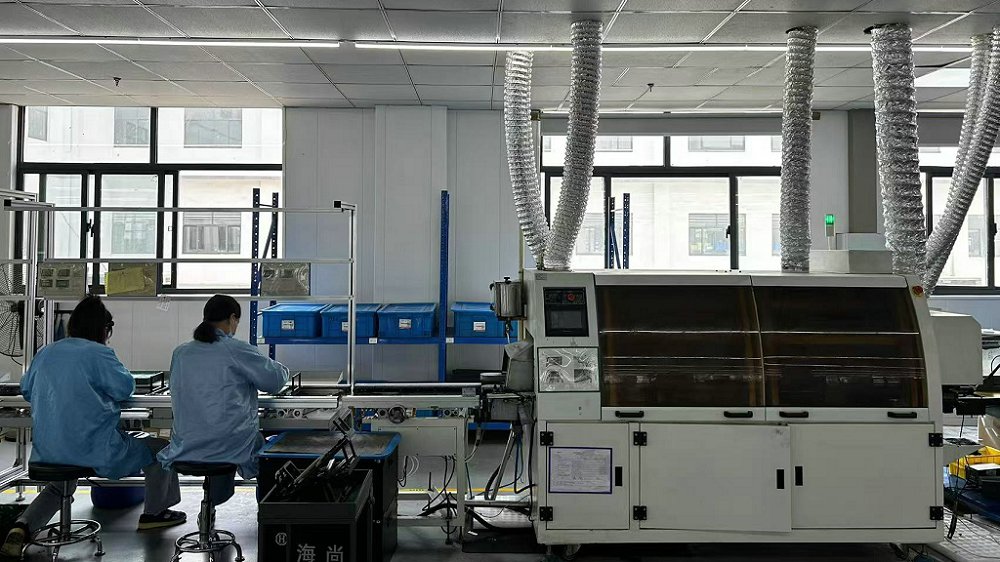
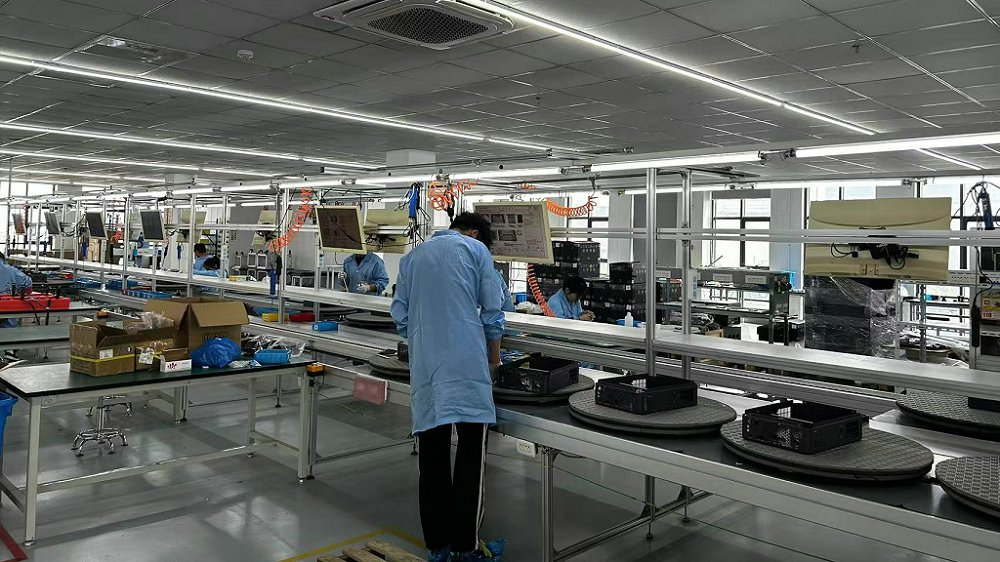
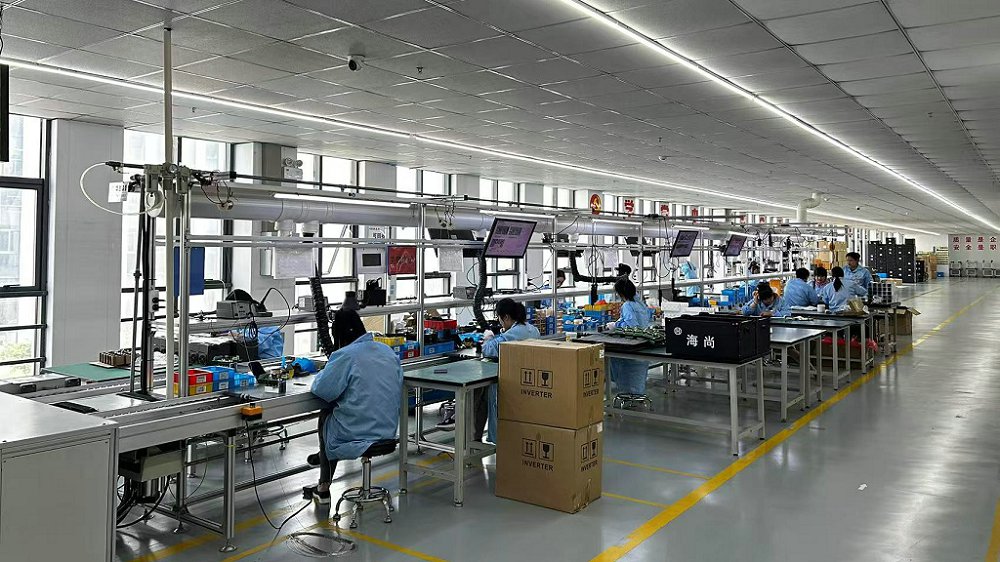
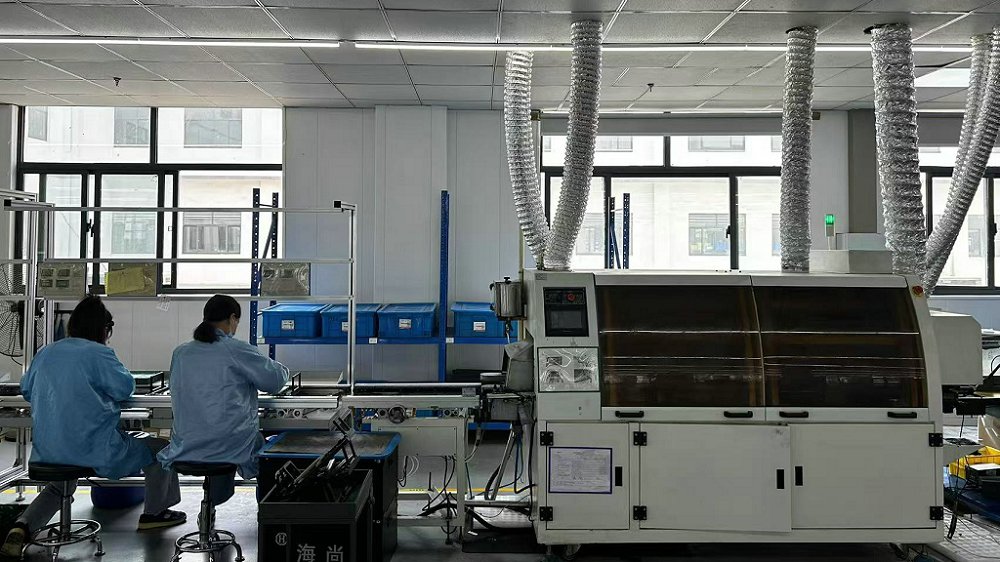
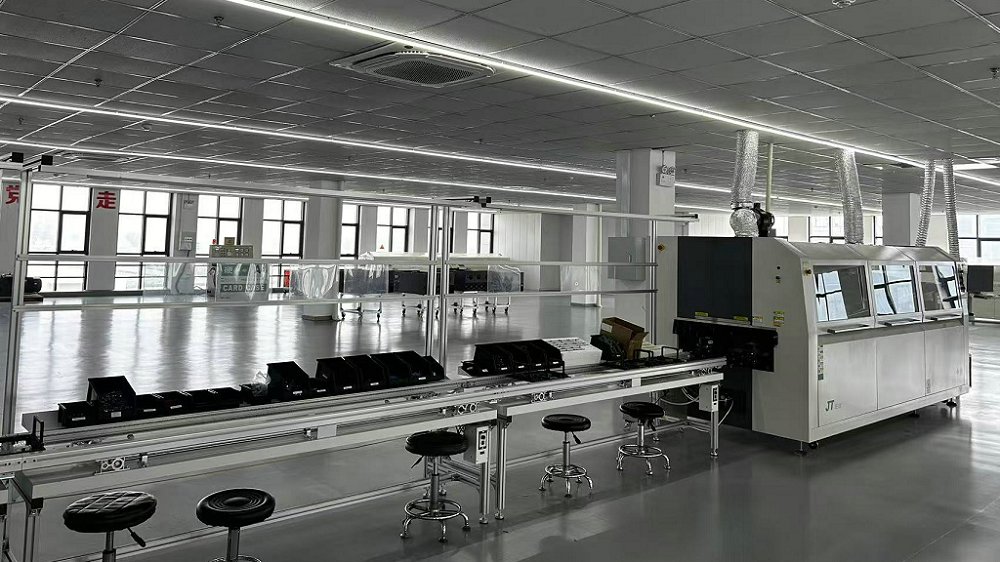
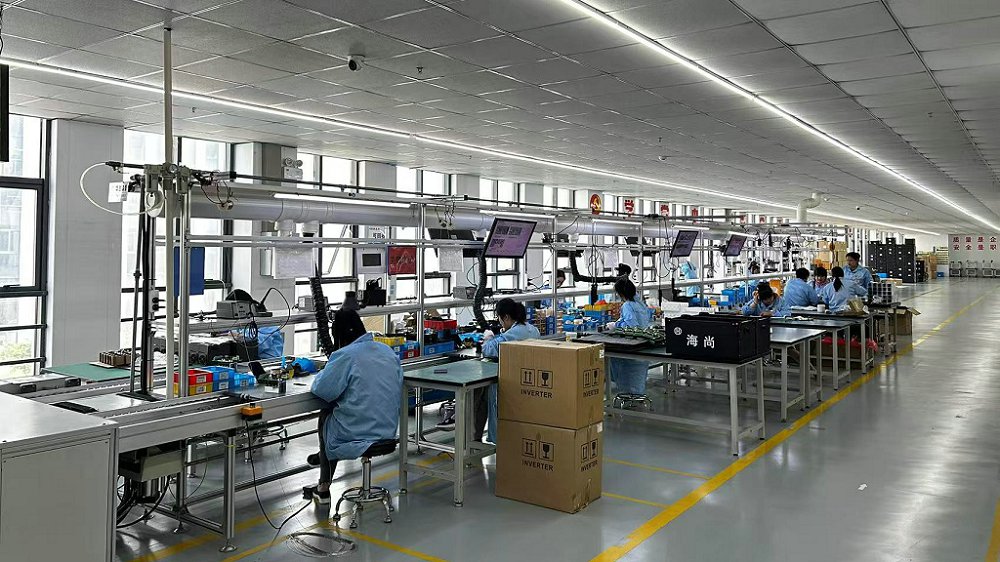
Modern production facilities featuring SMT component placement, automated wave soldering, and 100% capacity and burn-in testing.
Our team of electrical and chemical engineers designs high-efficiency systems tailored to the operational demands of C&I buyers.
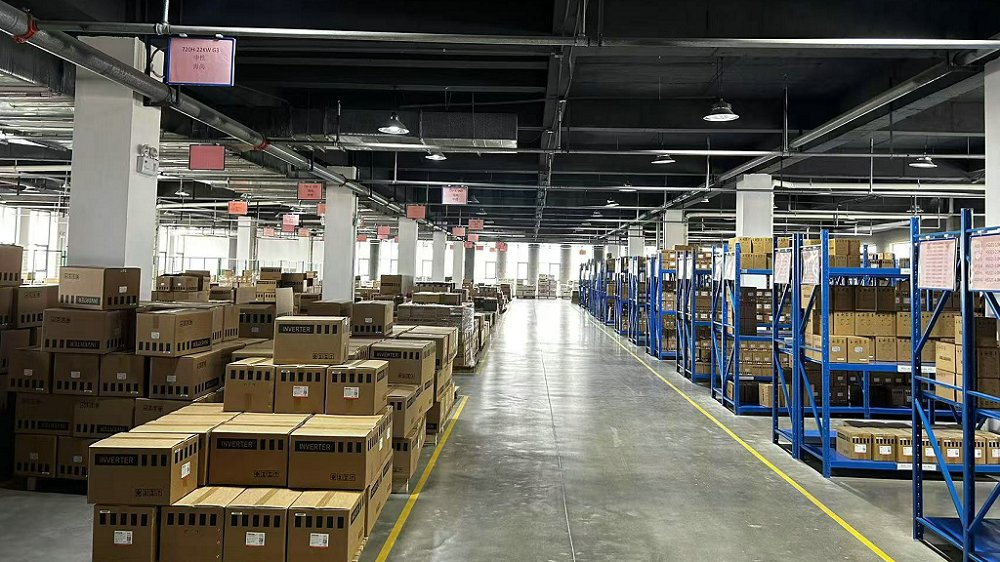
From initial simulation and system engineering to component matching, logistics, installation support, and lifecycle service.
China's leadership in the solar supply chain is built on advanced manufacturing clusters, integrated raw material sourcing, and highly optimized automated production. Located in Xiamen, Jonas Energy benefits from proximity to key raw materials, world-class shipping networks, and a deep talent pool of renewable energy engineers. This enables us to maintain exceptional manufacturing consistency and efficiency.
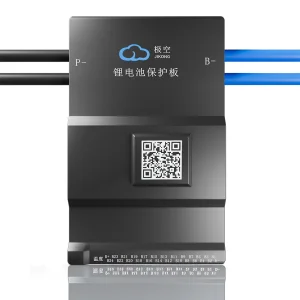
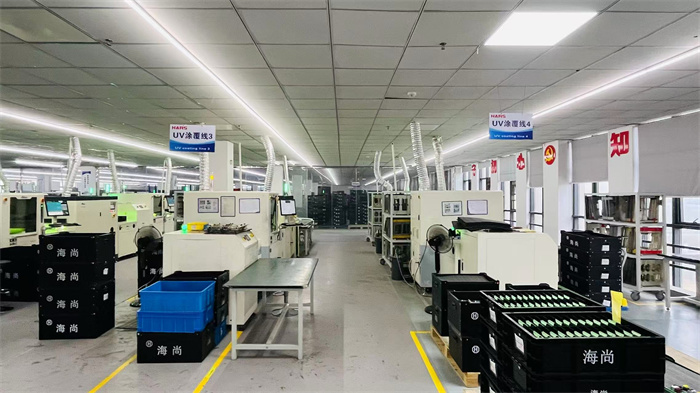
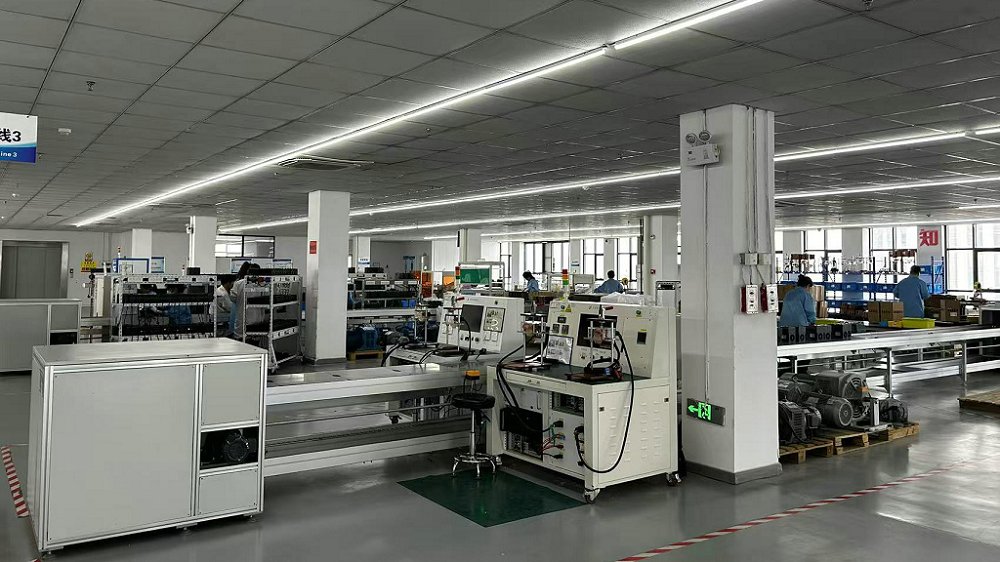
Our factory processes leverage automated optical inspection (AOI), high-capacity sorting systems, and computerized testing setups to eliminate human error at every stage. For instance, in our active BMS and solar controller assembly lines, surface mount technology (SMT) guarantees precise component placement, while high-volume wave soldering ensures durable electrical connections. Through systematic supply chain coordination and vertically integrated assembly, we reduce production cycles and minimize material waste, passing these structural savings on to our clients in the form of cost-effective, high-reliability products.
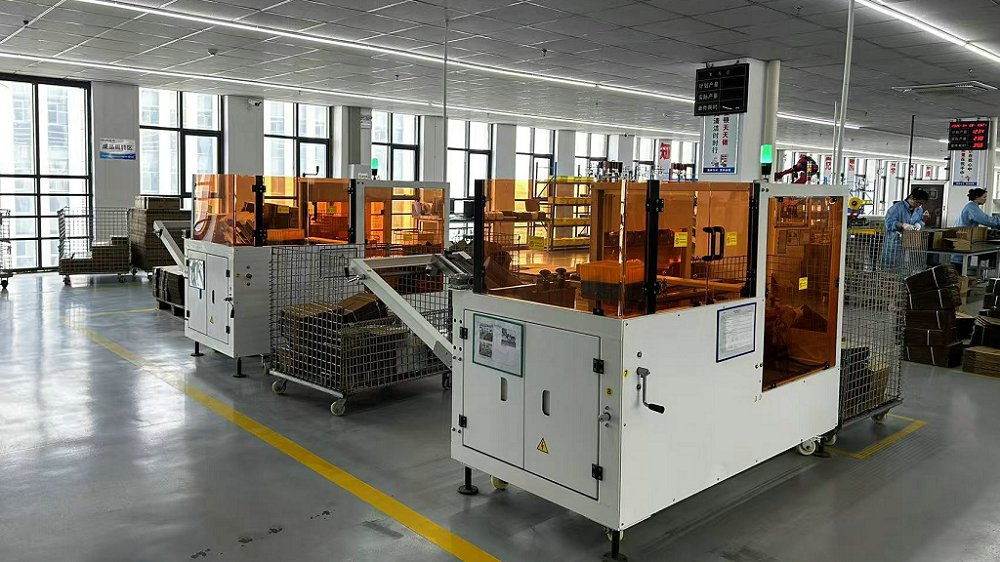
A photo tour of our modern manufacturing lines, quality control systems, and automated packaging equipment.
Clean energy hardware must adapt to different geographic, environmental, and infrastructure challenges. Jonas Energy designs complete, integrated systems optimized for real-world application conditions:
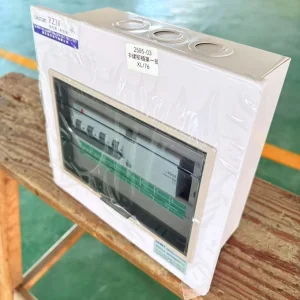
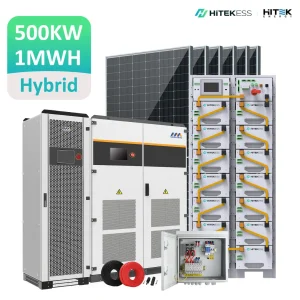
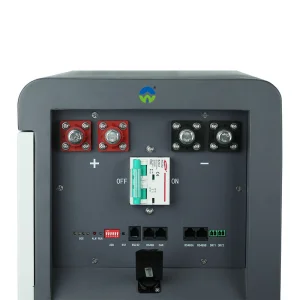
High-voltage 3-phase hybrid configurations (such as the Hitek 500kW system) enable factories, retail warehouses, and cold-chain facilities to lower operating costs and ensure power continuity. By pairing photovoltaic arrays with scalable lithium battery storage, businesses can charge batteries during off-peak windows or periods of peak solar generation, discharging the stored power during high-tariff periods. The integrated IP65-rated DC combiner boxes with high-performance surge protection protect sensitive down-line system electronics from grid transients and atmospheric lightning strikes.
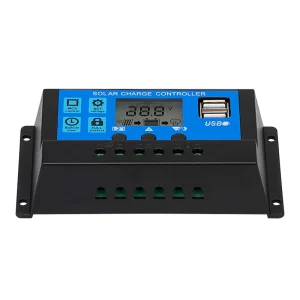
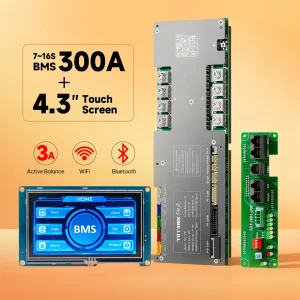
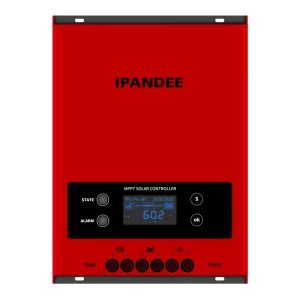
In rural areas and off-grid zones, telecommunications base stations rely on continuous, uninterruptible power. Using high-efficiency MPPT charge controllers (such as the 60A 48V telecom-grade units) paired with intelligent BMS (like the TDT 48V 300A Smart BMS), operators can monitor battery health remotely. Advanced communication interfaces including CAN, RS485, and Modbus protocol compatibility allow maintenance teams to track state-of-charge (SoC) and state-of-health (SoH) metrics without needing on-site technicians.
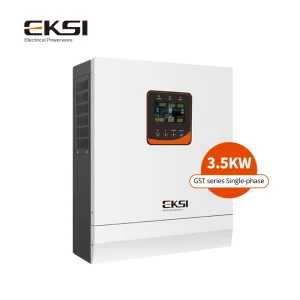
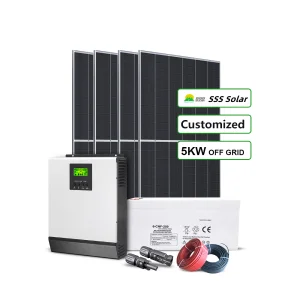
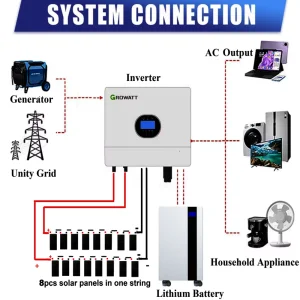
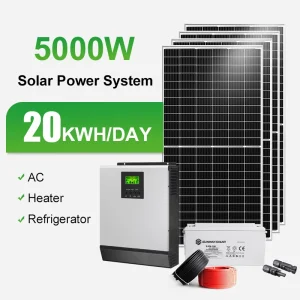
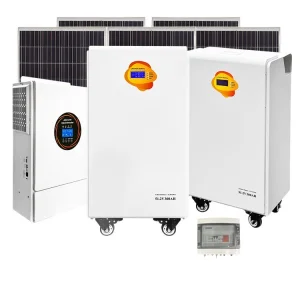
In regions with unreliable utility grids or high electricity costs, complete residential kits (ranging from 5kW to 15kW) provide homes with reliable energy independence. These setups combine high-efficiency monocrystalline solar modules, hybrid off-grid inverters (like our SF or Growatt series), and safe LiFePO4 batteries. The system automatically balances inputs from PV arrays, battery storage, and utility or generator backups, ensuring seamless power transitions with zero transfer delay for critical home appliances.
Off-grid solar pumping and agricultural automation systems convert PV power directly into mechanical work or store it for evening operations. By incorporating robust, outdoor-rated components like waterproof IP65 combiners and active BMS systems, agricultural operations can secure reliable, automated water supply lines in demanding high-temperature environments.
For industrial buyers, purchasing solar energy harvesting components requires strict alignment with local safety regulations and engineering standards. Jonas Energy ensures all hardware complies with international compliance protocols to simplify project approval and grid connection:
The future of solar energy harvesting centers on higher system efficiency, smarter grid interaction, and longer battery lifecycles. Traditional solar systems operated on simple, passive control algorithms. Next-generation systems leverage active-balancing BMS architectures that transfer energy from high-charge cells to lower-charge cells during charge/discharge cycles. This prevents localized cell degradation and extends battery pack lifespans by up to 20%.
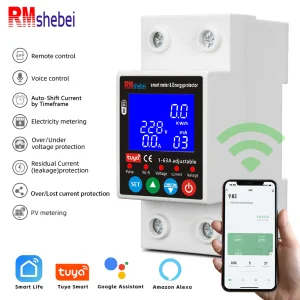
Furthermore, wide-bandgap semiconductors, such as Silicon Carbide (SiC) and Gallium Nitride (GaN), are transforming inverters by reducing switching losses and improving conversion efficiency to over 98.5%. By integrating internet-of-things (IoT) smart circuit breakers and cloud-based monitoring, future microgrids will automatically forecast weather patterns, adjust battery reserves, and optimize power export to utility grids to maximize financial returns.
Technical answers to key product design, compliance, and installation questions from engineers and procurement managers.
Explore our full line of commercial battery management systems, charge controllers, and customized home solar kits.
 Jonas Energy