Driving LCOE (Levelized Cost of Electricity) reduction through nanomaterial-based surface engineering and highly durable protective coatings.
Over the standard 25 to 30-year operational lifespan of a solar power plant, solar modules face persistent environmental challenges. Atmospheric dust accumulation (soiling), ambient humidity, mechanical erosion from windborne particulates, and ultraviolet degradation collectively reduce efficiency and increase maintenance expenses. The implementation of modern chemical coatings on cover glass has shifted from an optional enhancement to a critical operational necessity.
Advanced coatings primary focus is optical enhancement and surface energy modification. By engineering the interface at a nanoscale level, coatings reduce the refractive index mismatch between air and glass, optimizing photon capture. Concurrently, hydrophilic or hydrophobic chemical modifications alter the contact angle of water droplets, yielding robust self-cleaning performance that directly targets soil-induced generation deficits.
A technical classification of specialized formulas engineered for specific environmental stresses and optical targets.
Constructed primarily from porous silicon dioxide (SiO2) nanoparticles, ARC coatings create a gradient index layer that bridges the refractive indexes of air (1.0) and solar glass (1.5). This reduces light reflection from 4% down to less than 0.5%, maximizing the volume of solar irradiance that penetrates the photovoltaic active layers.
Engineered using ultra-hydrophilic titanium dioxide (TiO2) or specialized fluoropolymer-free hydrophobic layers. Hydrophilic variants degrade organic pollutants via photocatalysis when exposed to UV light, allowing rain to form a thin water sheet that flows underneath particulate deposits, carrying dust away.
These coatings are designed to resist mechanical stress from sandstorms and routine brush cleaning. They create a hard, cross-linked barrier that protects the glass structure from micro-scratches while limiting sodium ion leaching, which directly mitigates Potential Induced Degradation (PID).
Annual Production Capacity
IEC & TUV Compliant
Design Life Durability
Maximum Optical Transmittance
Xiamen Jonas Energy Co., Ltd. is an established provider of renewable energy solutions, headquartered in Xiamen, Fujian Province, China. The company is dedicated to the research, development, manufacturing, and global distribution of advanced photovoltaic and energy storage systems.
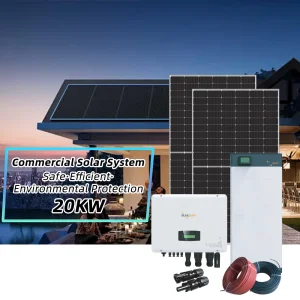
Focusing on innovation and sustainability, Jonas Energy offers a comprehensive portfolio of solar energy solutions. Our range includes solar panels, inverters, energy storage batteries, mounting systems, and complete solar power generation systems designed to meet the diverse needs of residential, commercial, industrial, and utility-scale projects worldwide.
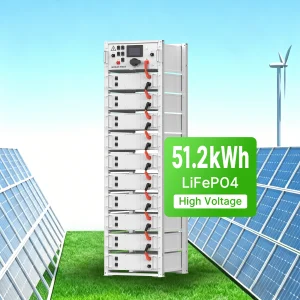
Through strategic partnerships and continuous innovation, we collaborate with internationally recognized technology partners to deliver dependable energy storage solutions, including wall-mounted batteries, all-in-one storage systems, rack-mounted batteries, and containerized energy storage systems (ESS). We help customers achieve energy independence and efficiency.
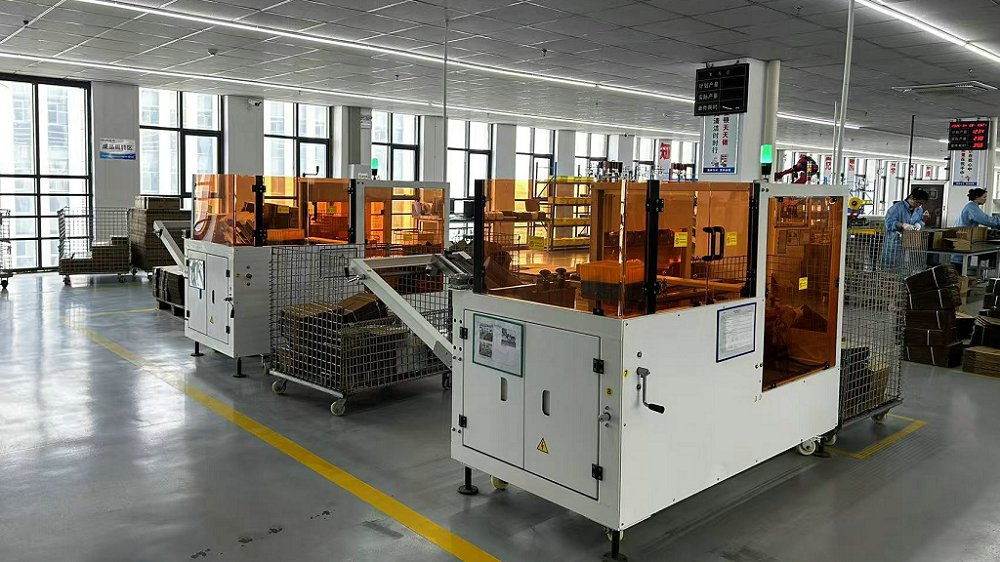
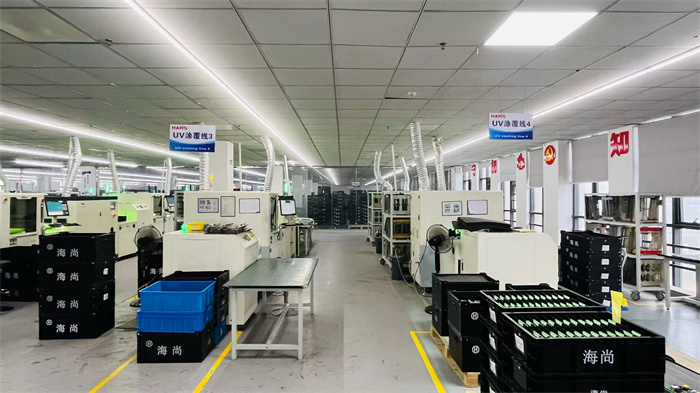
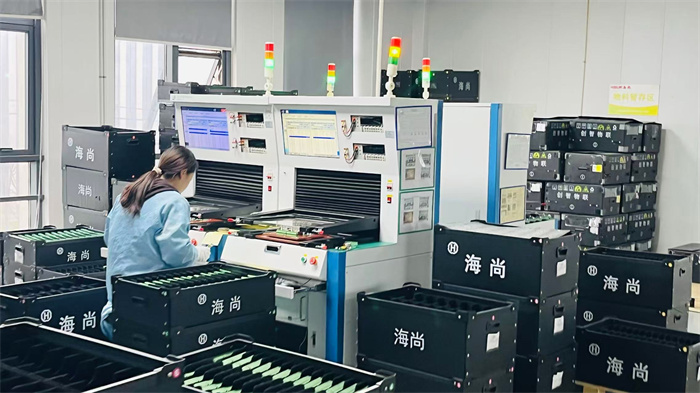
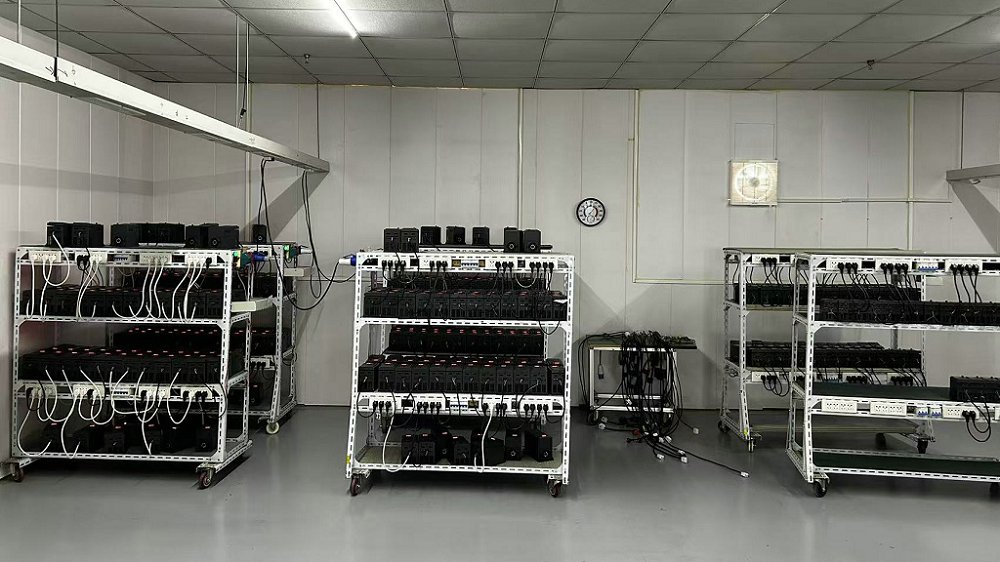
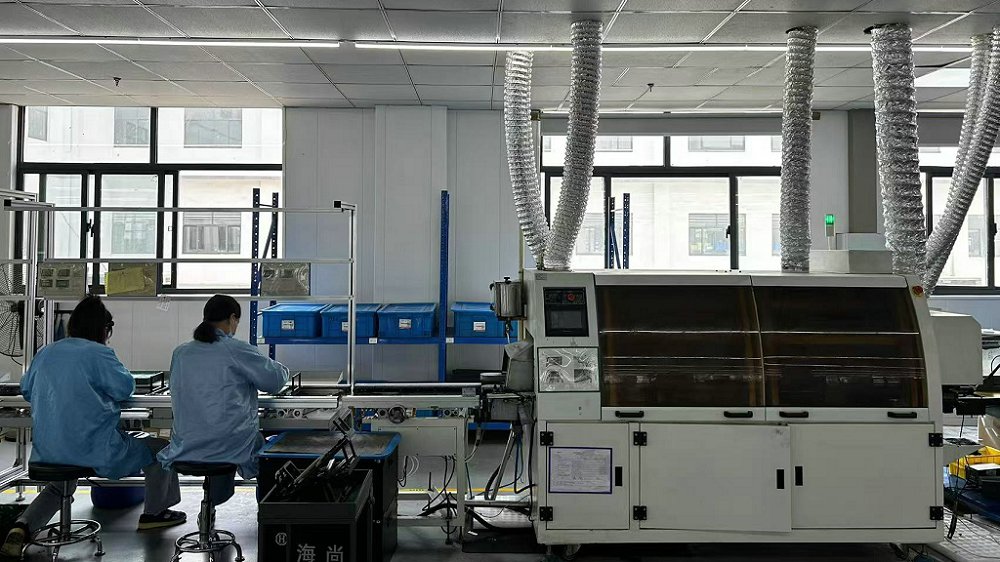
Jonas Energy operates modern production facilities equipped with advanced manufacturing and testing equipment. Our annual production capacity reaches several gigawatts, enabling us to efficiently serve customers across global markets.
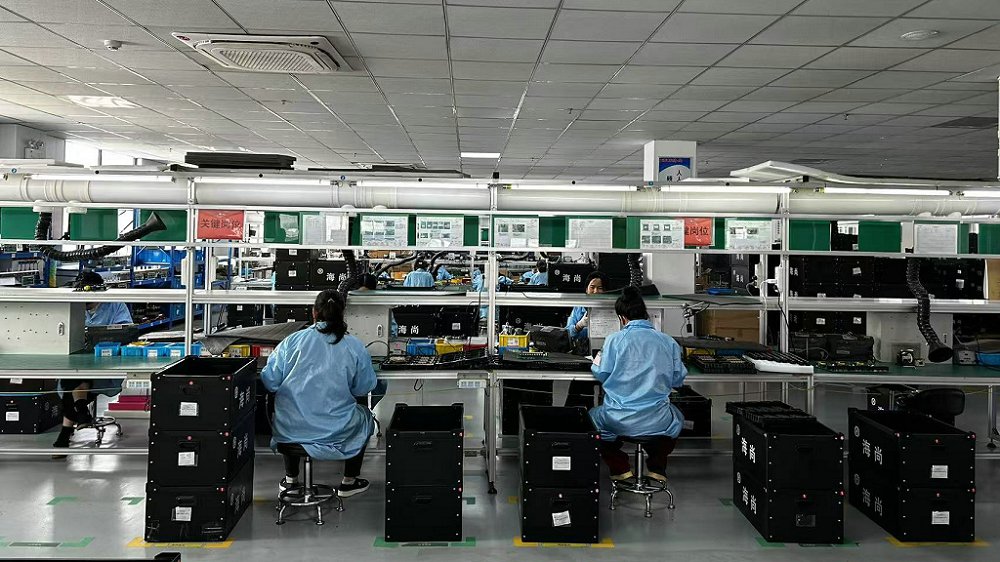
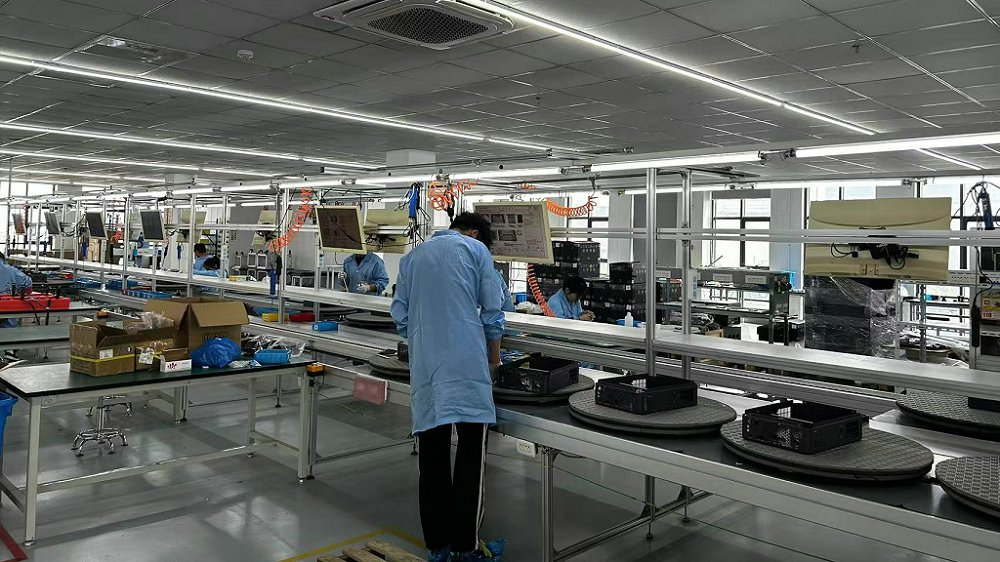
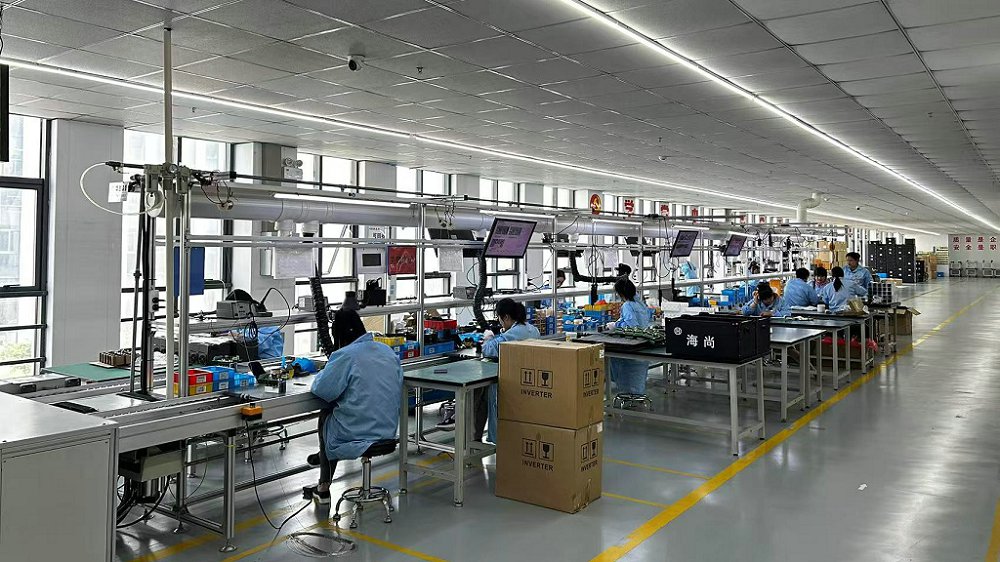
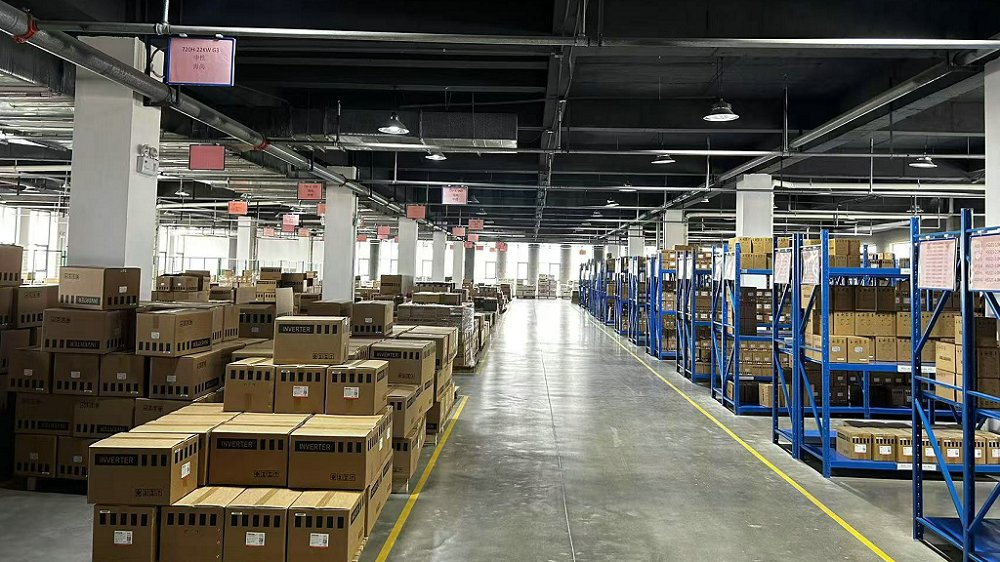
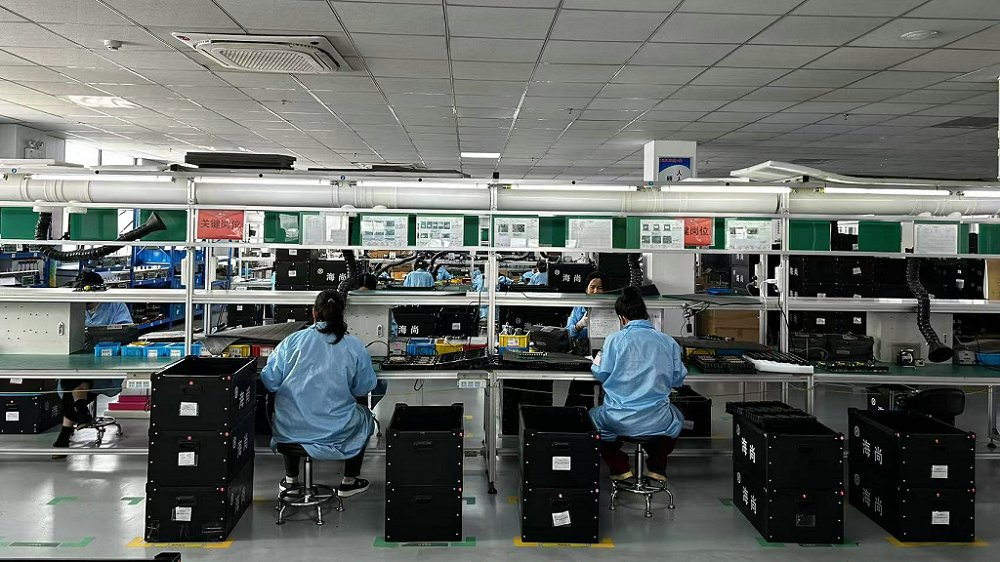
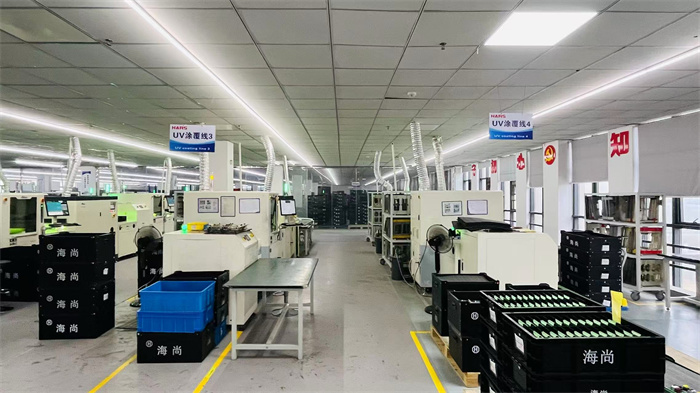
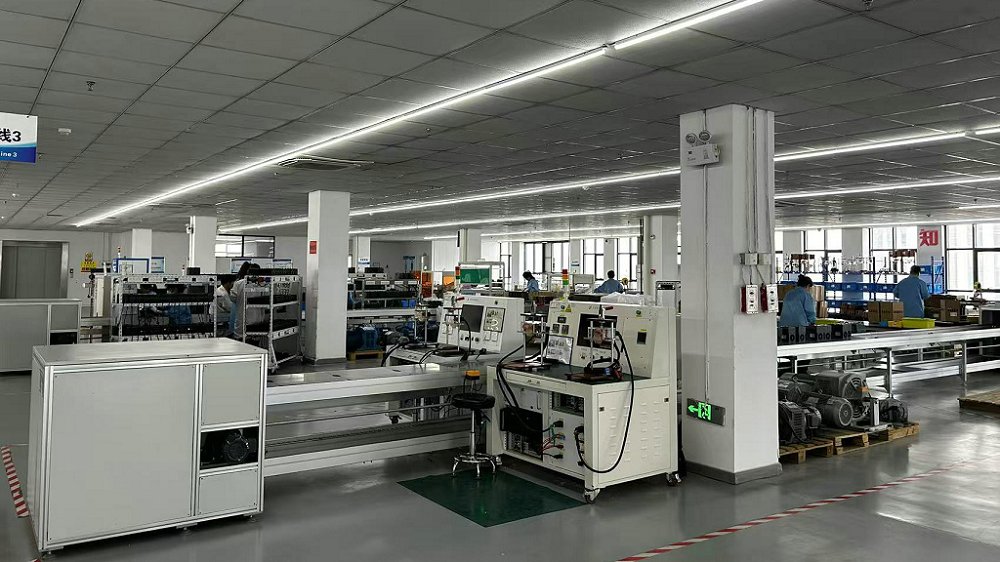
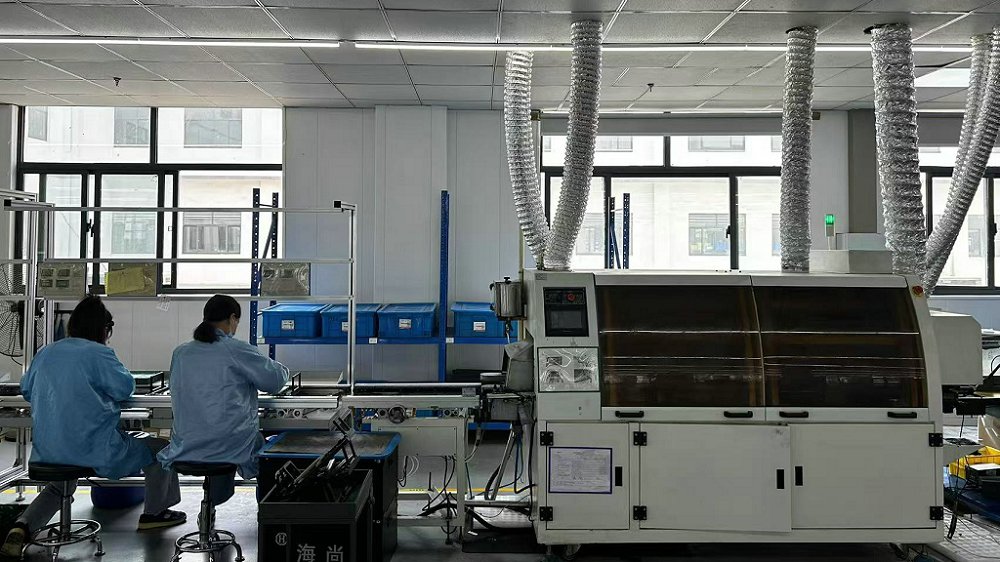
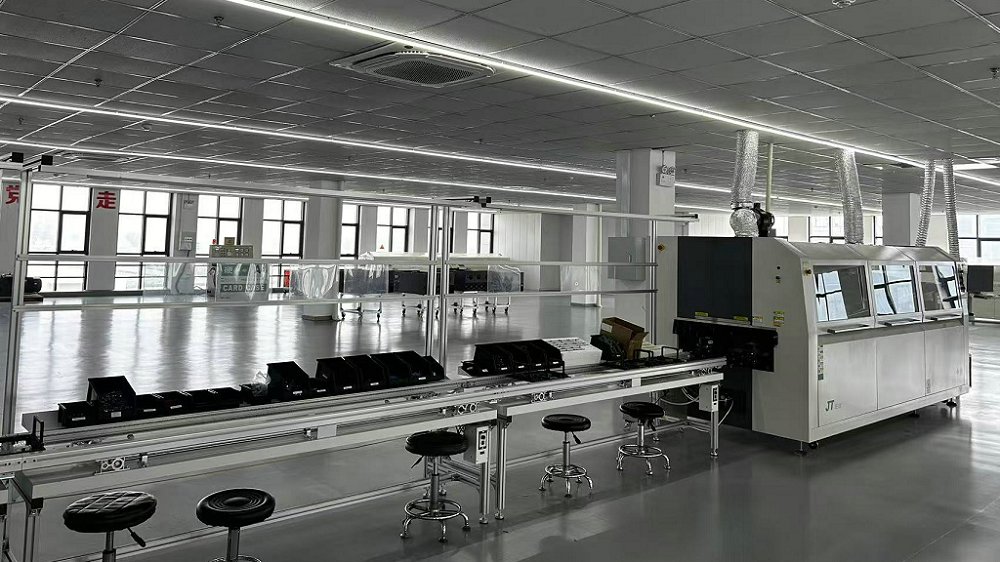
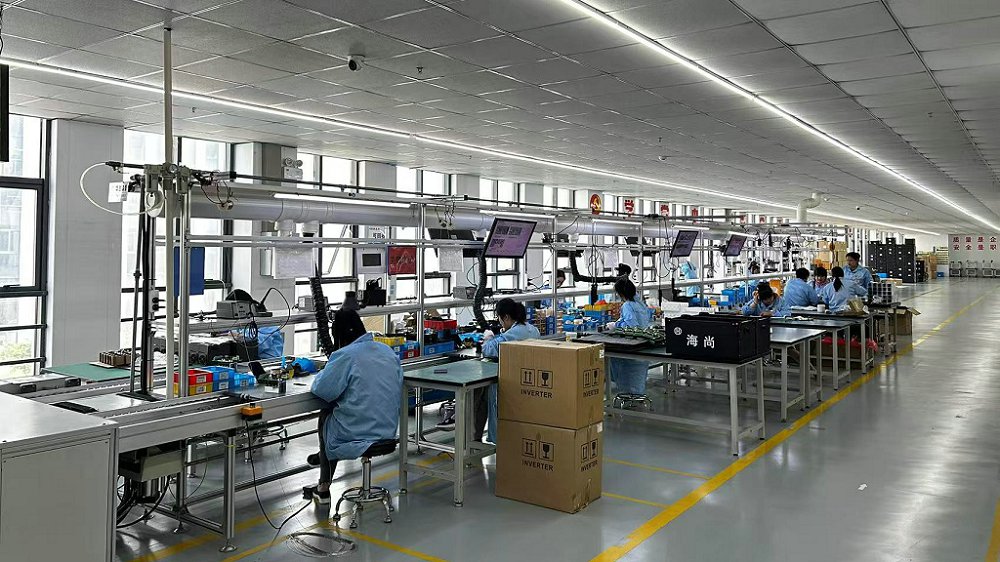
Our experienced R&D team consists of highly qualified engineers and technical specialists who focus on product innovation, performance optimization, and technological advancement in the renewable energy sector. By integrating cutting-edge technologies, we ensure that our solutions remain competitive, efficient, and future-ready.
Leveraging industrial clustering and advanced materials logistics to secure global projects.
Our strategic location in Xiamen provides access to localized chemical clusters. This raw material security stabilizes prices for key coating agents, such as silanes, metal oxides, and curing initiators, insulating clients from global commodity price spikes.
Our automated production facilities process high volumes of solar glass panels. In-line UV curing systems enable high throughput, helping us meet demanding construction timelines for utility-scale PV installations.
Operating out of the Port of Xiamen, we utilize established international shipping routes. Deep coordination with ocean freight carriers ensures reliable transport of fragile, coated glass panels to international markets.
Meeting international quality guidelines is fundamental to our export business. All Jonas Energy coating formulations and coated solar glass undergo testing to comply with international PV standards.
We work to align with European REACH regulations (Registration, Evaluation, Authorization and Restriction of Chemicals), RoHS directives for heavy metal elimination, and US Environmental Protection Agency (EPA) standards. Our manufacturing processes conform to ISO 9001 quality management and ISO 14001 environmental safety frameworks.
To support global developers, we coordinate localized technical assistance and field engineering teams across key markets in Europe, the Middle East, and the Americas. Our specialists are available to consult on coating application, environmental stability, and cleaning cycles to optimize energy harvest.
Design qualification and type approval.
Salt mist corrosion resistance testing.
Consistently monitored quality workflows.
Corrosion testing in artificial atmospheres.
Formulations adapted to target environmental stresses in specific geographic regions.
For installations in desert zones like MENA or the US Southwest, dry dust and sand-abrasion are constant issues. Jonas Energy's anti-static, hard-coat anti-reflective layers reduce electrostatic dust attraction and protect glass surfaces from scouring by windblown sand.
Salt mist, humidity, and water spotting can degrade standard glass surfaces in coastal regions and on floating solar platforms. We offer hydrophobic, anti-condensation coatings that resist salt adhesion, maintaining light capture in high-salinity marine environments.
Rooftop solar systems on factories face exposure to acid rain, airborne sulfur oxides, and diesel particulates. Our chemical formulas include chemically inert barriers that resist acidic compounds, preventing long-term corrosion and glass etching.
Exploring next-generation technologies that continue to shape the solar industry's development.
Single-layer porous silica coatings designed to increase initial module light transmission.
Integration of Titanium Dioxide (TiO2) and Silica to enable self-cleaning under natural rainfall.
Development of micro-scratch repairing formulations and matching coatings for bifacial albedo light absorption.
The transition toward bifacial solar panels and perovskite-silicon tandem cells requires new optical properties from glass coatings. Bifacial modules generate power from both sides, meaning backsheet glass must also feature anti-reflective and self-cleaning treatments to optimize rear albedo capture.
Additionally, research is focusing on self-healing coatings. These formulations use thermo-responsive polymers that flow and repair micro-scratches when exposed to daytime sun, preserving optical clarity. We are also testing graphene-modified coatings that offer improved thermal dissipation, helping reduce module operational temperatures for better efficiency.
Detailed answers to key engineering and procurement queries regarding photovoltaic glass treatments.
Our coatings reduce LCOE through two mechanisms: increasing total energy output and reducing operation and maintenance (O&M) expenses. By boosting light transmission by up to 3.5%, overall system yield is increased. The self-cleaning properties also extend the necessary intervals between manual cleanings, lowering labor and water costs in arid regions.
Our advanced sol-gel and UV-cured coatings are formulated to match the typical 25-to-30-year operational life of silicon PV modules. They are subjected to accelerated degradation tests, including Damp Heat (DH1000) and UV exposure, to verify that optical degradation remains under 0.5% over the module's lifecycle.
In humid areas with regular rain, hydrophilic coatings form a water sheet that washes away dust. In dry desert regions with limited rainfall, hydrophobic coatings with anti-static agents can be more effective, as they prevent dry dust from adhering to the glass and make dry cleaning methods (like brushing or blowing) more efficient.
While PID is primarily driven by voltage differentials across cell layers and encapsulants, high-durability coatings can act as an additional barrier against moisture and sodium ion migration from the glass. This helps reduce leakage currents, contributing to the overall system's resistance to PID.
We maintain quality through automated production monitoring and strict in-line testing. Each production run undergoes spectrophotometric checks for optical transmittance, contact angle measurements for self-cleaning performance, and cross-hatch adhesion tests to confirm durability before packaging and shipment.
 Jonas Energy